
Some of the most iconic historical figures are the same ones who actually lived a pretty ugly life behind the scenes.
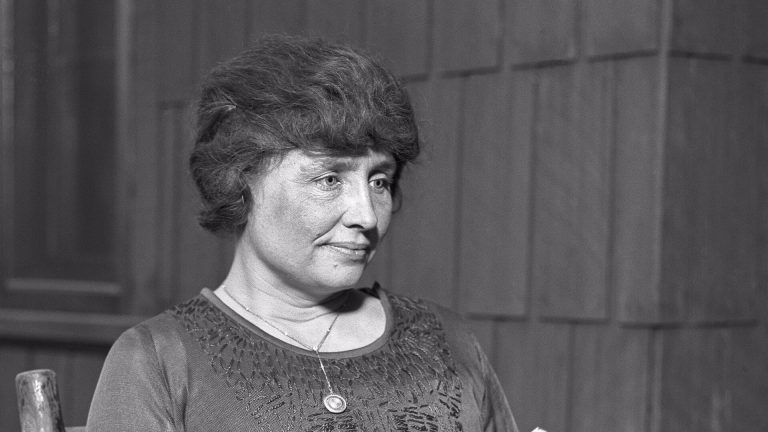
Helen Keller

You hear Helen Keller’s name, you probably think about disability rights. That’s what makes the truth so jarring. She defended Chicago doctor Harry Haiselden in 1915 after he refused surgery to a baby born with severe disabilities. Keller said that doctors should be allowed to decide when some disabled infants should be allowed to die.
Yes, the woman who was famous for overcoming her own disabilities argued in support of eugenics against disabled children. She also supported birth control using similar language. Quite a different version of Keller from the one you hear about in school.
Walt Disney
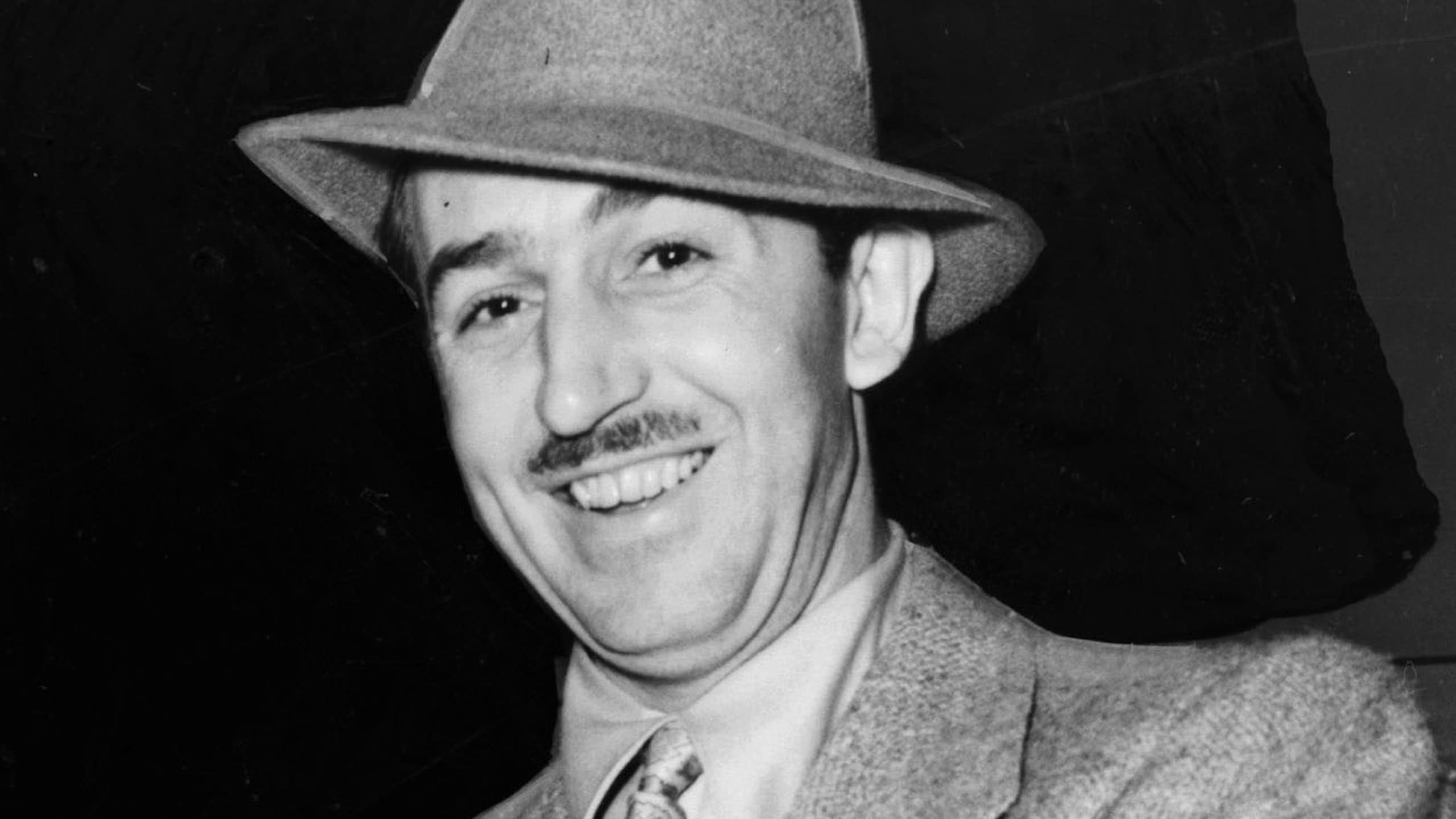
There was a lot more going on with Walt Disney than cheerful cartoons and smiling mice. Yes, they were a big part, but the 1941 Disney employee strikes showed something different. Hundreds of Disney’s workers went on strike over pay and recognition, as well as poor working conditions.
Walt Disney took it personally. He appeared before the House Un-American Activities Committee in 1947 and talked about Communist influence in Hollywood. He named former employees as being part of that influence, along with union organizer Herbert Sorrell.
Nellie McClung

Most Canadians see Nellie McClung as one of the women who helped push women’s political rights forward. That part is true. But so is the fact that McClung supported Alberta’s 1928 Sexual Sterilization Act that allowed people labeled ‘mentally deficient’ to be sterilized.
This was often without meaningful consent. The law actually stuck around until 1972, and thousands of people went through the program. McClung was all for it, and she also used eugenics language to describe how society could be improved by limiting reproduction.
Albert Schweitzer
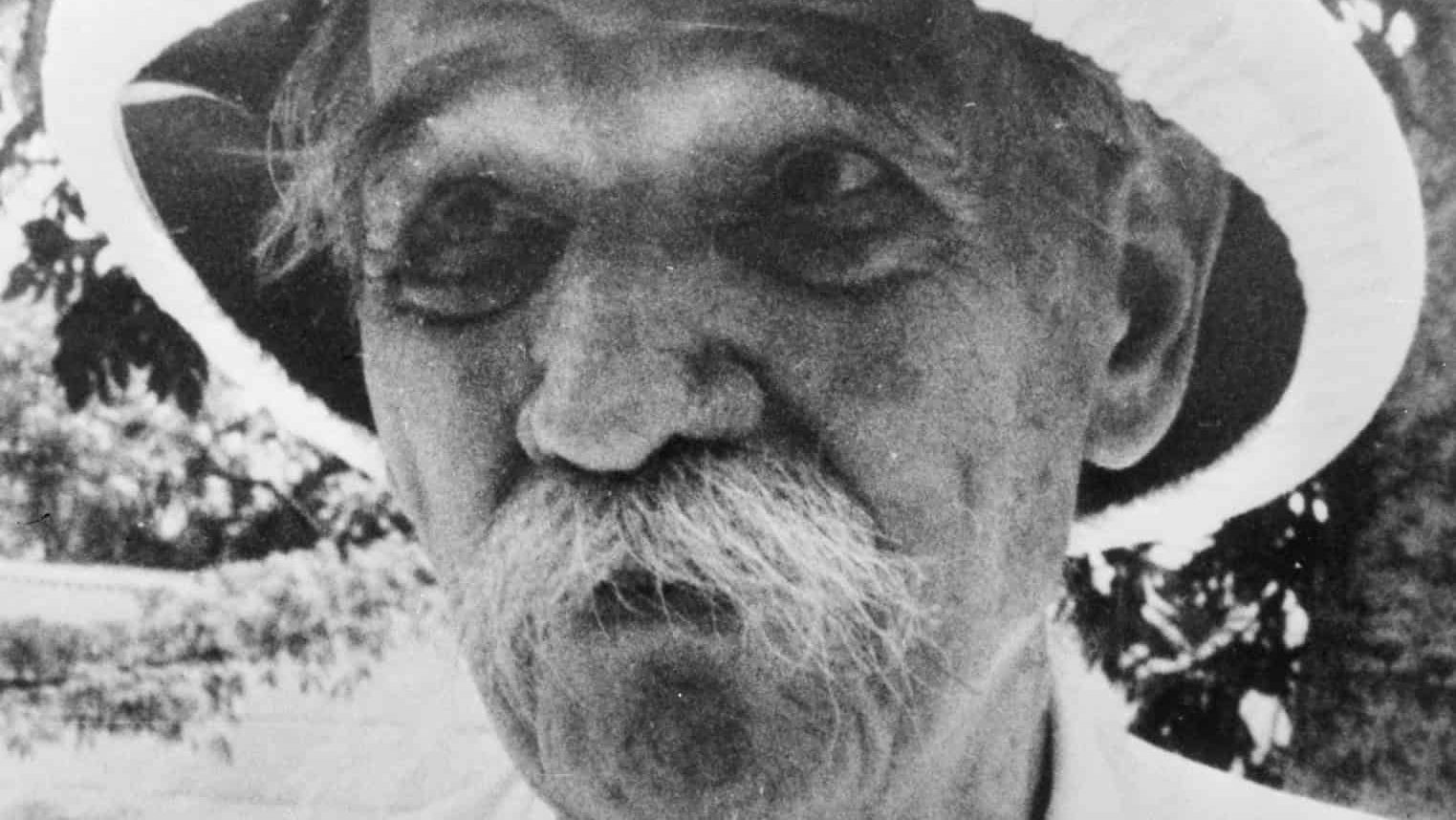
There’s no denying that Albert Schweitzer did a lot of good medical work in Africa. He spent years treating patients in what is now Gabon. But his attitudes toward Africans weren’t exactly the best, as he described Europeans as the ‘elder brothers’ of Africans.
He often treated African people like they weren’t as developed, and like they needed guidance from the ‘superior’ Europeans. The humanitarian image was real, yes, but so was the colonial thinking.
Elvis Presley
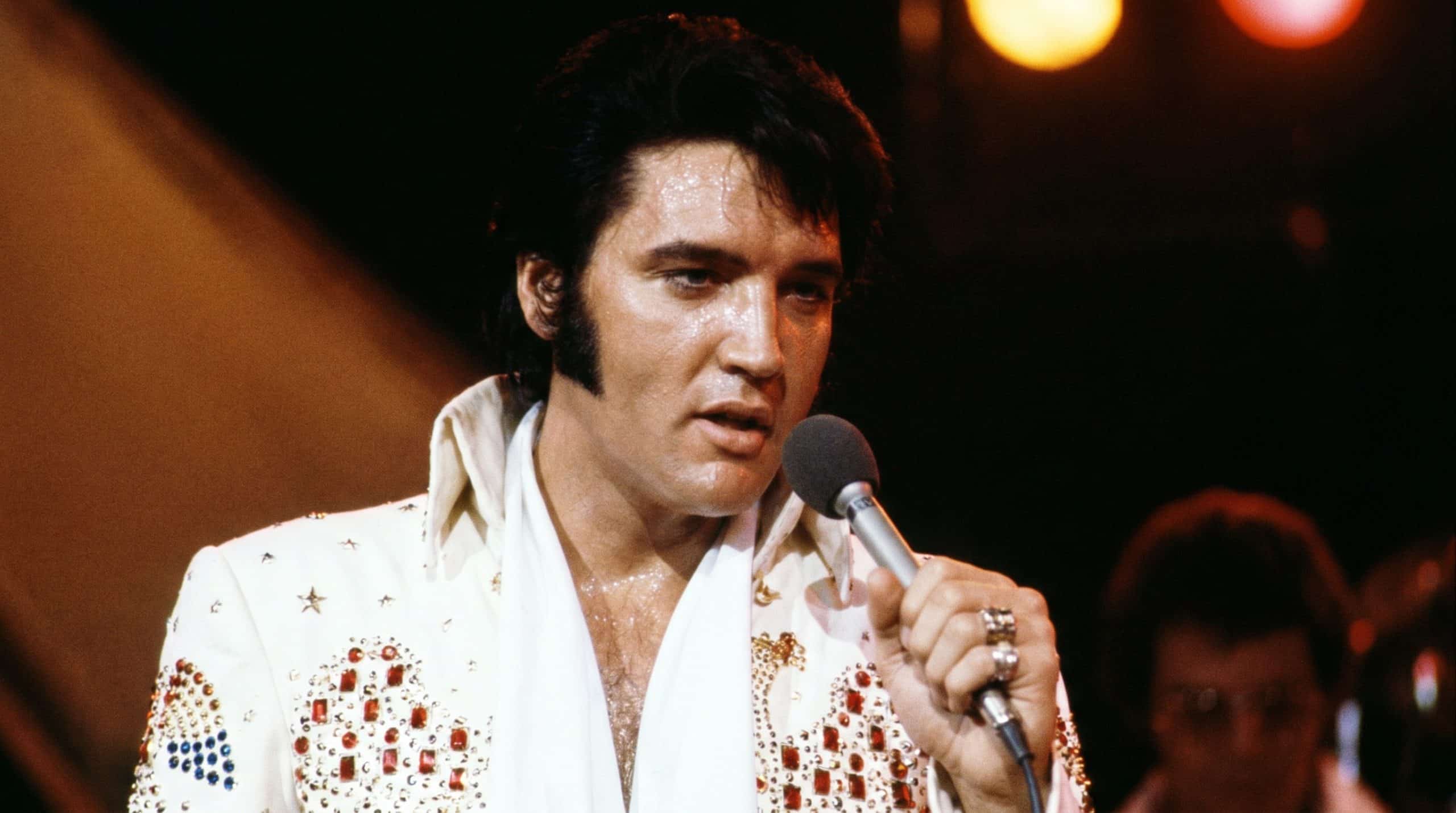
The King of rock ‘n’ roll had a pretty shady past. He was 24 when he met Priscilla Beaulieu in Germany, and she was 14. Their relationship continued after he returned to the United States, and Priscilla moved to Memphis to be with him. She was still finishing high school and was 17 years old.
Priscilla did later say that they didn’t sleep together while she was underage, but she did say that Elvis controlled her clothes and hair. He also controlled her makeup. She was a teenager, and he was already Elvis.
Frank Sinatra
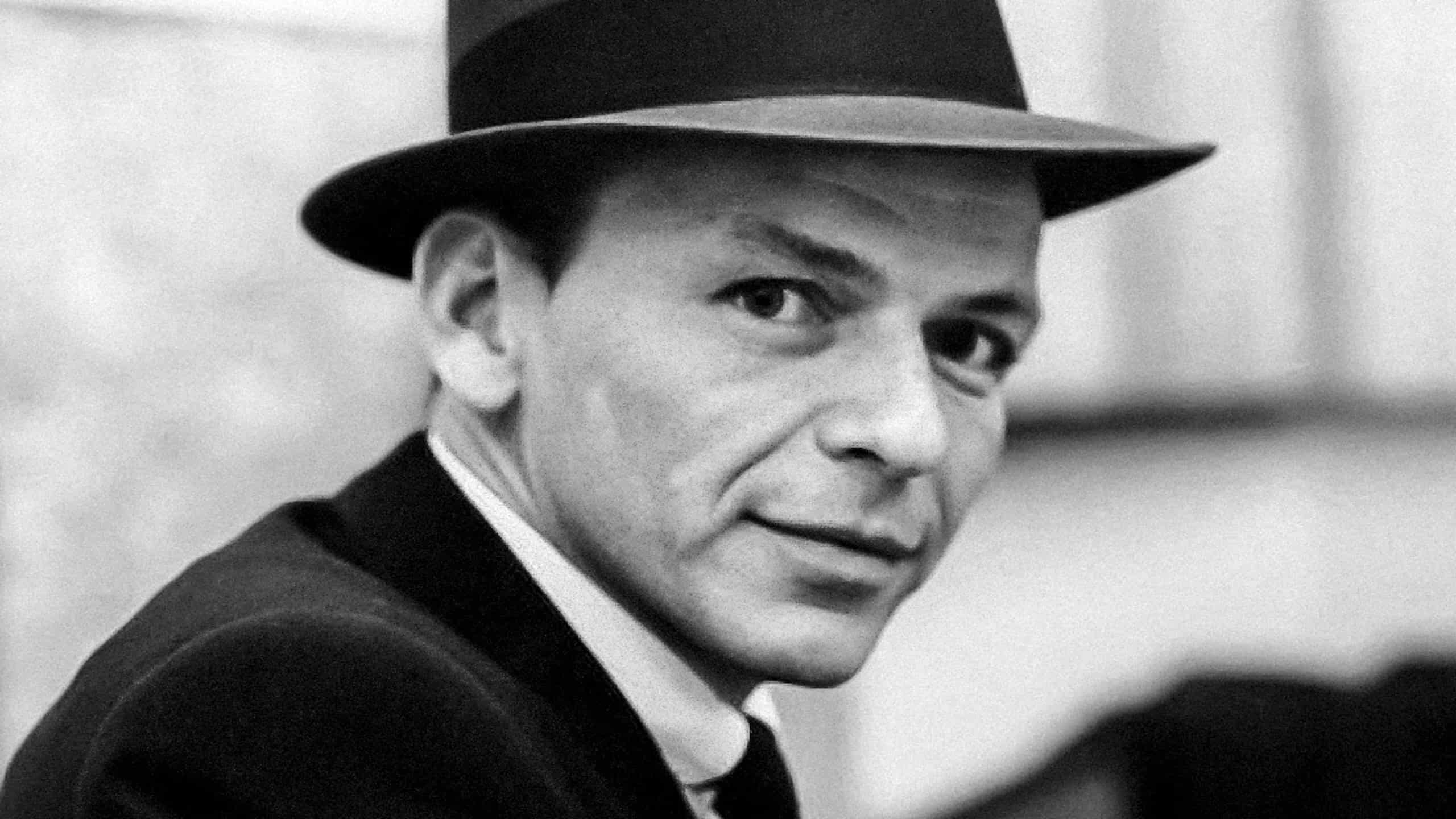
There was a big difference between what Frank Sinatra was like on-stage and what he was like behind closed doors. The singer seemed unbelievably smooth in public. But he’d lose his temper in rather scary ways, including a famous fight that happened in 1951. Columnist Lee Mortimer accused Sinatra of hitting him outside a Hollywood nightclub.
Sinatra said Mortimer had insulted him first, and the criminal case itself went nowhere. Yet it was part of a much wider story of arguments and fights. He supposedly had an anger problem that was far from the professional image he liked to give off.
Jack London
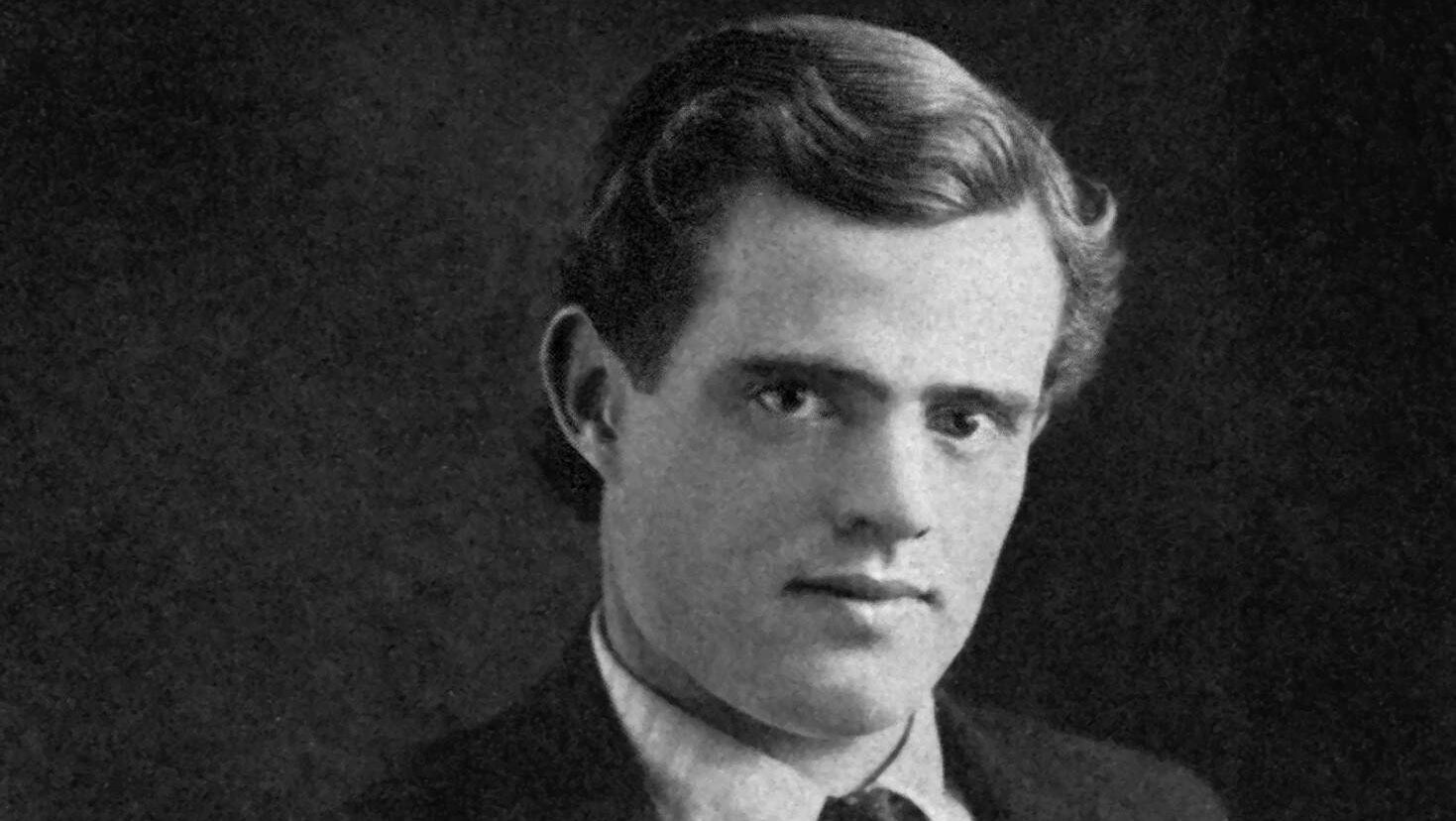
Jack London is remembered as the author who wrote about animal welfare and workers’ rights in books like The Call of the Wild. He was also openly racist. London repeatedly wrote about how white, Anglo-Saxon people were superior, and supported the language of the ‘Yellow Peril.’
It was a racist fear of Asian people. The idea of a racial hierarchy appears time and time again, so it’s not like it was just a one-off comment. It’s kind of strange, really. The socialist writer who cared about exploited workers also believed white people stood above other races.
Carl Jung

The thing with Carl Jung is that historians are still arguing about how much sympathy he had for the Nazis. But the basic facts are uncomfortable enough. He became president of an international psychotherapy organization in the 1930s. The German branch excluded Jewish doctors.
Jung also wrote about how the unconscious minds of Aryan and Jewish people were apparently different. It does get complicated, though. Jung later criticized Nazism and said he tried to protect Jewish colleagues. We might not be sure how much he supported the Nazis, but it seems he did support them somewhat.
Dr. Benjamin Spock
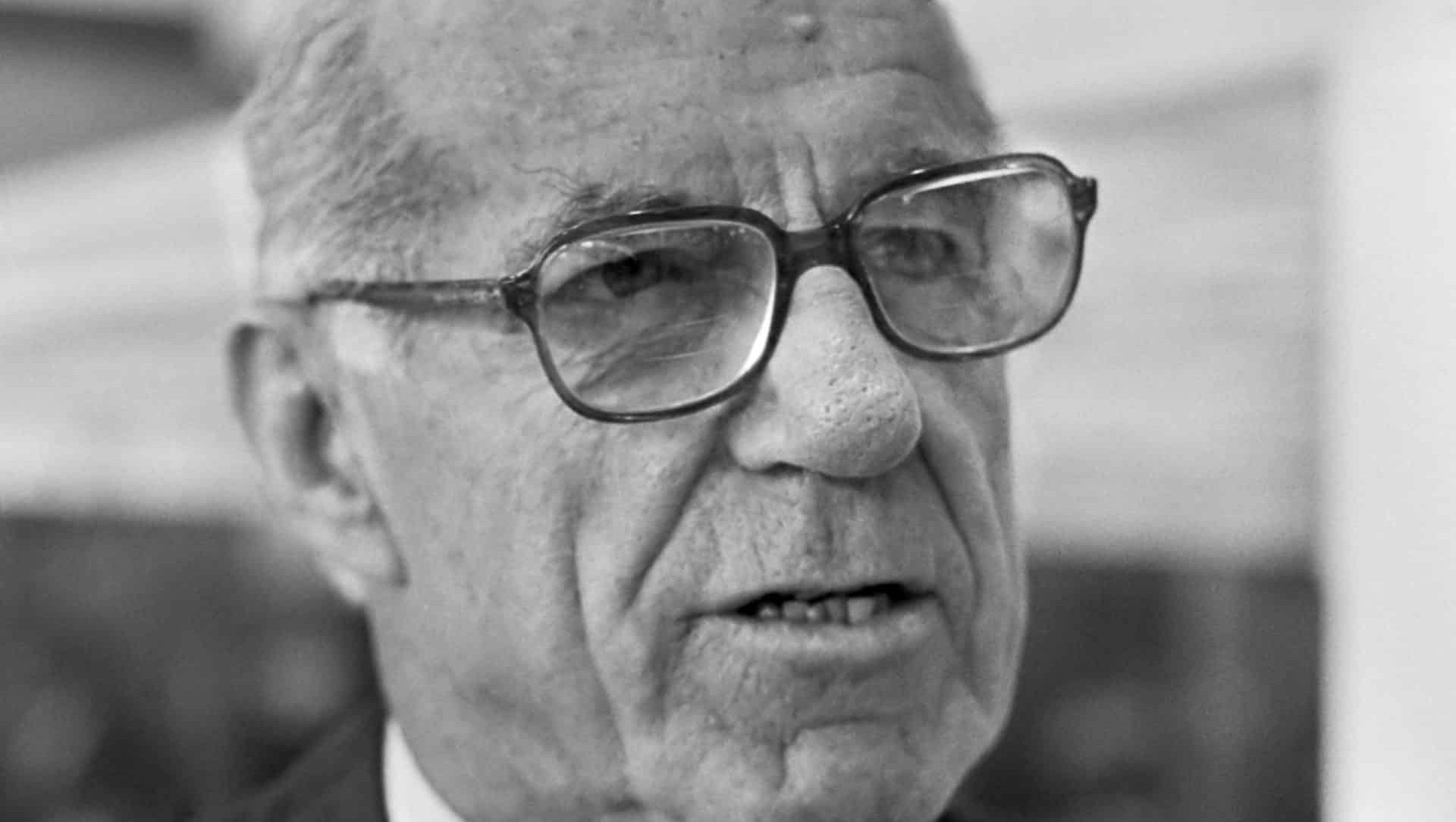
Millions of parents bought Dr. Benjamin Spock’s advice. He sounded calm, after all, and that’s part of the reason he became such a famous pediatrician. Except, his own children didn’t always describe home that way.
Spock actually admitted that his sons had been afraid of him, and his family said he was way more demanding than his books might suggest. His first wife, Jane, also said that he neglected her during their relationship. She struggled a lot with alcoholism and mental illness, but Spock never seemed to care.
Isaac Asimov

Writer and professor Isaac Asimov was actually accused of sexual harassment while he was alive. People joked about his behavior around women, if you can believe that. It was widely known that he’d pinch or grab women without their permission. He’d also kiss or touch them.
Asimov joked about being a ‘dirty old man’ himself. Everyone around him seemed to know how inappropriate he was, yet nobody cared to do anything about it. It’s weird how someone so smart could be so utterly foul.
J. D. Salinger

Writer J. D. Salinger was 32 years old when he wrote The Catcher in the Rye. He was 53 when he began writing to Joyce Maynard, an 18-year-old Yale freshman he had never met. The letters turned into a relationship, and Maynard eventually dropped out of Yale.
She moved into his New Hampshire home and later talked about how much she tried changing herself for him. Salinger was famously obsessed with the innocence of youth. Seeing the age gap here makes that pretty creepy.
Steve McQueen

The ‘King of Cool’ image sure did work well for Steve McQueen, although his first wife, Neile Adams, said there was a much uglier side of him. She said McQueen became violent very easily, and that he hit her during their marriage.
She also said he was seriously jealous, despite having affairs himself. It got to the point where a therapist advised her to leave because of the danger, and they divorced in 1972 after 16 years together. He wasn’t so cool toward the end.
Julia Child

It’s sad, but it’s true. Television personality and cook Julia Child wasn’t so friendly in private. She was straight-up homophobic and often made insulting remarks about gay men while writing to her husband, Paul.
Her attitudes actually became part of a later discrimination dispute. Child was accused of discriminating against gay workers in the American Institute of Wine & Food. It seems like her views did soften later in life, but still, she was certainly less accepting earlier on.
Miles Davis

Miles Davis was surprisingly open about his dark side. But most people still don’t know about it. He wrote openly about hitting his first wife, dancer Frances Taylor, during their marriage, and how Taylor later left him.
Cicely Tyson said later on that Davis once punched her in the chest while they were married. She did say it happened only once, but still, once is enough. Other women spoke about how the famous jazz musician could be jealous and aggressive at home.
Arthur Miller

Daniel Miller, son of playwright Arthur Miller, was born in 1966 with Down syndrome. It didn’t take long for Miller and his wife, Inge Morat, to place Daniel in an institution. They largely kept him out of his father’s public life, and Miller rarely visited his son. He barely spoke about him.
He didn’t even mention Daniel in his 1987 autobiography, and it got to the point where some people in Miller’s circle didn’t even know Daniel existed. Arthur practically erased his son from his life because of something his son couldn’t control.
Johnny Carson

TV host and comedian Johnny Carson knew that alcohol didn’t bring out anything good in him, and he often said that drinking made him hostile. He would get angry and intimidate people in a way that was far from the hilarious person people saw on screen.
He had a personality that could turn pretty quickly, and it actually landed him in legal trouble in 1982. He was arrested for drunk driving. He pleaded no contest to a misdemeanor and received probation, a fine, and alcohol-education classes. It wasn’t necessarily his fault, but it sure was an ugly side to him.
Sources: Please see here for a complete listing of all sources that were consulted in the preparation of this article.
10 historical deaths that were met with public celebration
Most deaths come with mourning, but there have been quite a few that have actually led to cheering and street parties because people had been waiting years for the news.

