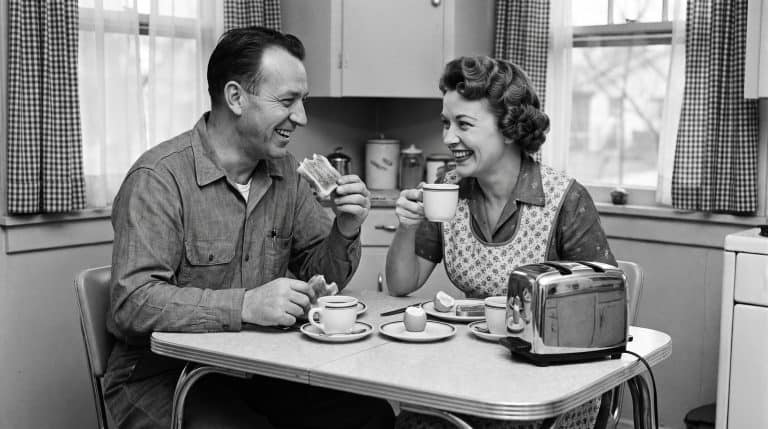

Your grandparents grew up eating these for breakfast, but no one makes them anymore.
Cornmeal mush

Before there was instant oatmeal, there was cornmeal mush. It was a simple mix of cornmeal, water, and salt, boiled into thick porridge. You could eat it like that out of a bowl with a little maple syrup.
But most cooks would let it cool and harden into a solid block, then cut it into squares and fry it until crispy on the outside. Cheap and filling, it was great for starting off a cold morning.
Fried scrapple

Scrapple was especially common in rural areas because it was a way to use every edible part of the pig. Pork scraps are combined with cornmeal and flour and spiced heavily with sage and black pepper. The mush is then formed into a loaf and allowed to cool. Finally, it’s sliced thin and fried up until it has a crunchy exterior and a soft, savory center.
Creamed beef

Those who served in the military or lived through the post-war years remember this dish. Creamed beef is simply dried beef cut into thin slices, stirred into a thick white gravy with plenty of pepper, and served over toast.
It wasn’t glamorous, but on a cold morning it was warm, salty, and immensely satisfying. Many restaurants have since replaced it with biscuits and gravy, but generations of Americans relied on this dish to sustain them through the morning.
Poached milk

We poach eggs in water these days, but back then, many preferred to poach them in a shallow pan filled with simmering milk. Once cooked through, the entire pan, eggs and milk included, would be poured into a bowl on top of a piece of buttered toast.
The milk absorbs into the toast through the runny yolk, leaving you with a creamy broth to dip your breakfast into.
Prune whip
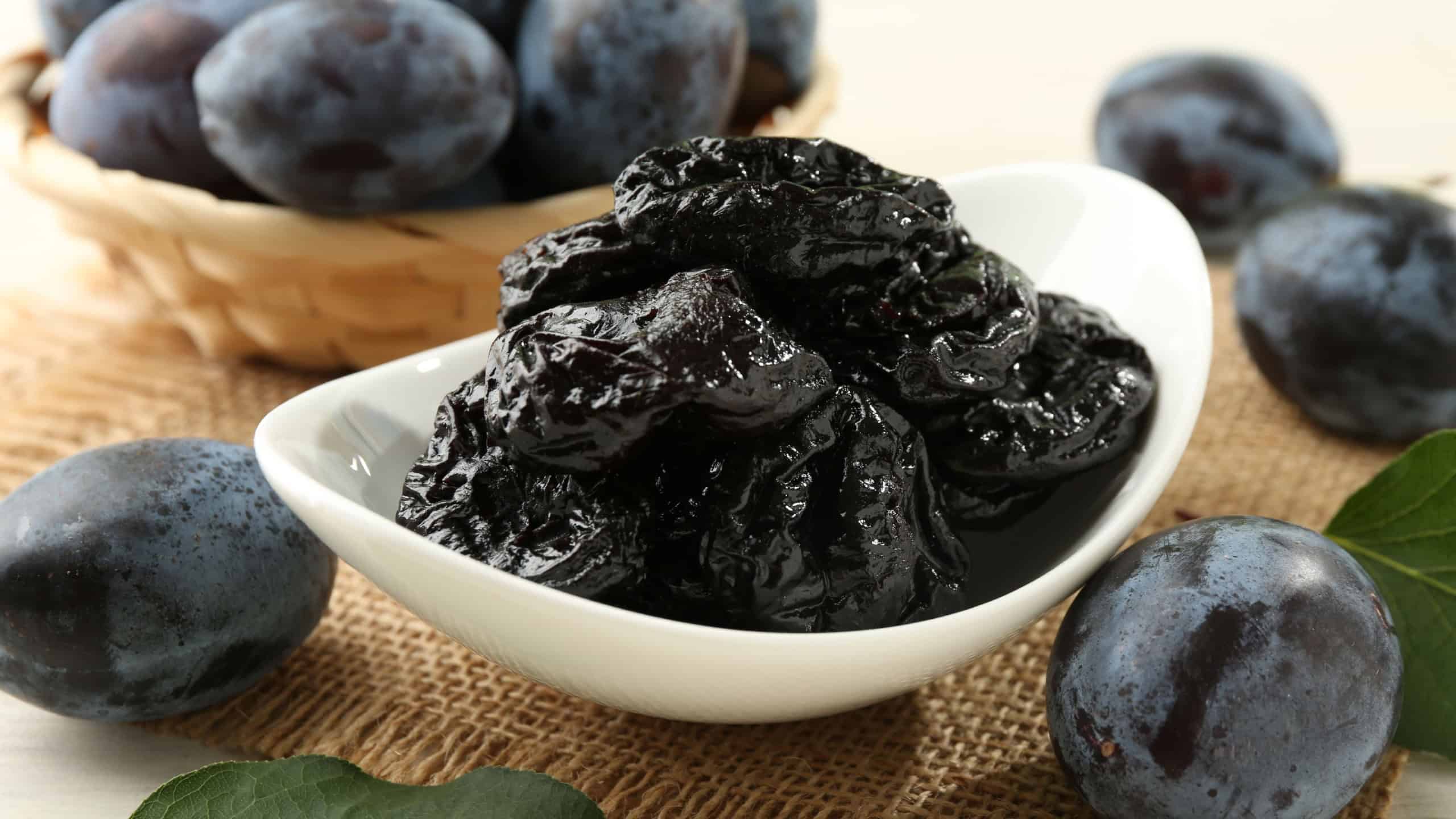
Prunes were big at breakfast in the mid-century for two reasons: they didn’t spoil and they were healthy.
A prune whip combined mashed stewed prunes with whipped egg whites or cream to create a light and airy dessert-like dish. It was often served chilled as a fancier alternative to fatty meats and dense breads.
Liver onions

It might be hard to imagine eating liver before your morning coffee today, but it was a common breakfast protein for decades.
Packed with iron and vitamins, it was seen as exactly what you needed to take on a long day before lunchtime.
Sautéed with caramelized onions and cooked alongside eggs, liver gave you a savory breakfast kick that most grocery store sausages can’t compete with.
Soft eggs

These days, we still eat boiled eggs for breakfast, and the ritual of the egg cup is mostly lost.
A soft egg is dropped into an egg cup, removed from the water with the top sliced off, and eaten by dipping pieces of buttered toast directly into the yolk. It made a simple meal feel like something special.
Codfish cakes

Fish has been relegated to breakfast burritos in recent decades, but immigrant families and those who lived near coasts regularly ate fish with their morning eggs.
Codfish cakes were cubed salt cod fish mixed with mashed potatoes and onions, formed into patties, and fried until crisp.
They made for a salty, protein-packed breakfast, and were often paired with a side of the now-dinner-exclusive baked beans.
Red-eye gravy
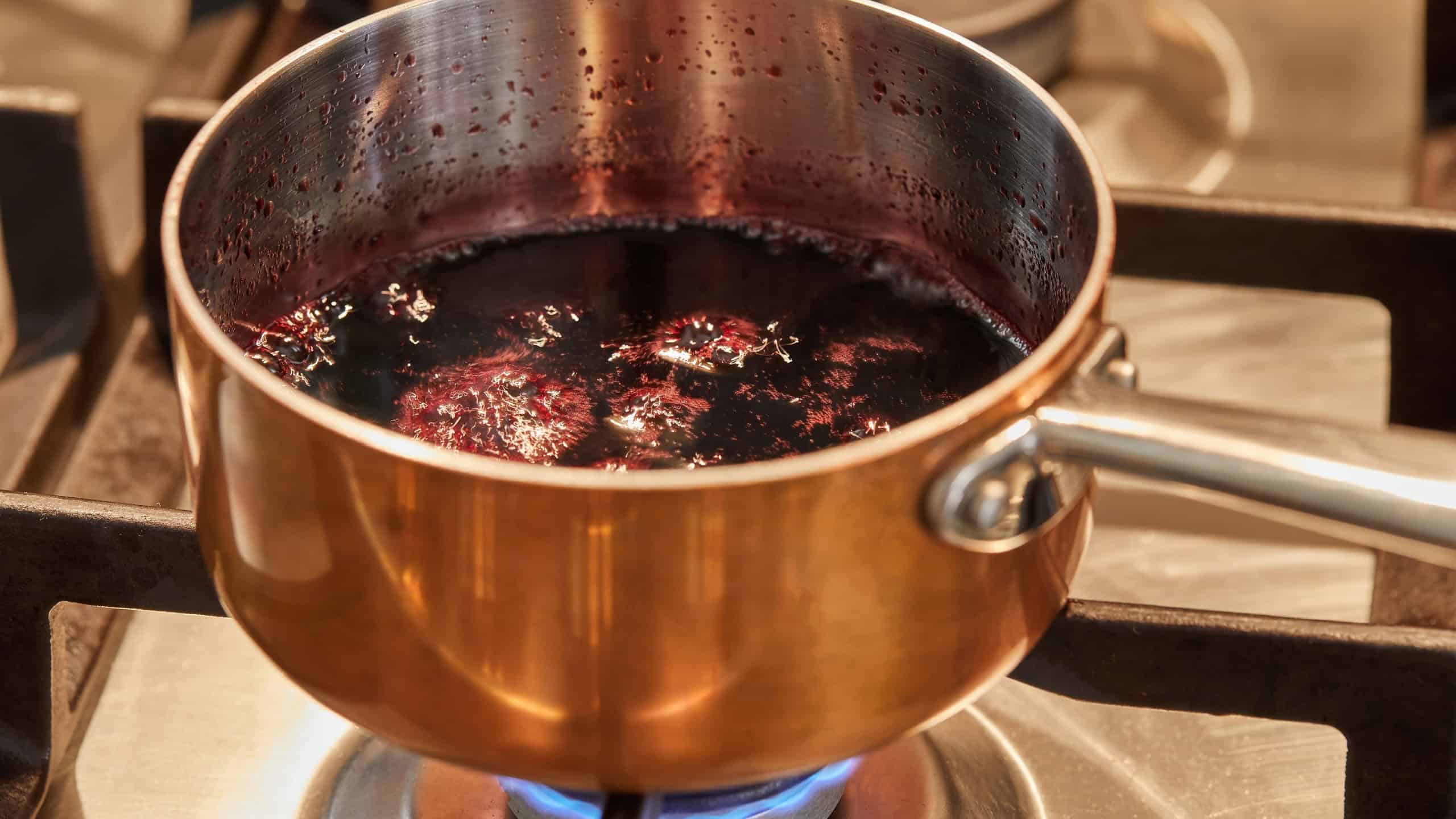
The Southern staple of red-eye gravy is made by deglazing a pan of cooked ham with a splash of black coffee.
This thin, salty, caffeinated sauce could either be poured over bowls of grits or allowed to soak into a pile of fluffy biscuits. It’s a salty heaven and caffeine all in one morning meal.
Bread milk
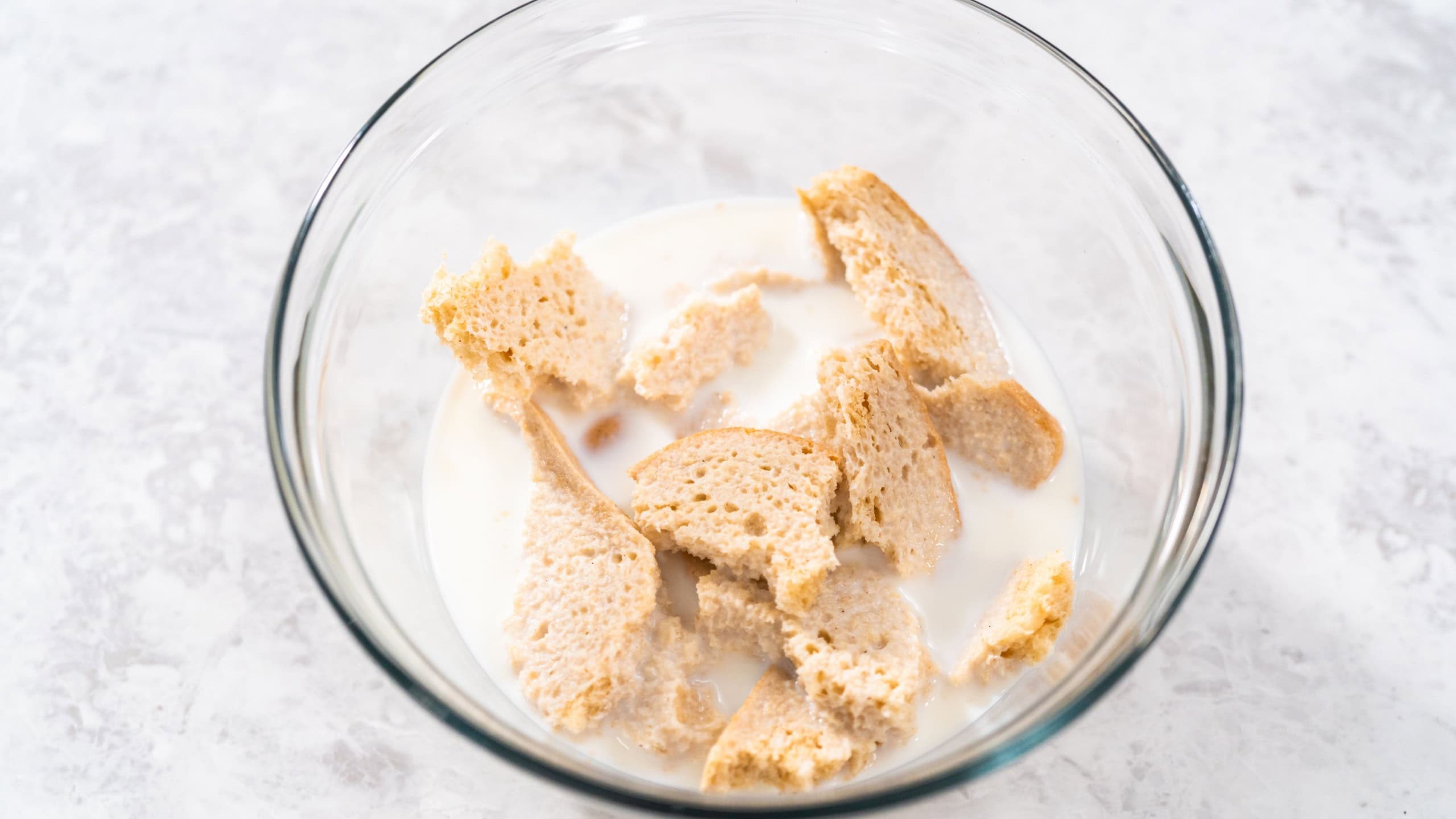
When your cupboard was bare, or you weren’t feeling well, bread and milk was a common go-to breakfast.
Much like it sounds, bread milk was torn-up pieces of bread (some even used leftover biscuits) dipped into a bowl of warm milk. Kids often poured sugar or cinnamon on top. Creamy and comforting, it was childhood breakfast comfort food.
Sources: Please see here for a complete listing of all sources that were consulted in the preparation of this article.


