

When laws and destitution left women with no legal means to support or defend themselves, they didn’t see changing genders as a choice, they saw it as a means of survival.
Elena de Céspedes
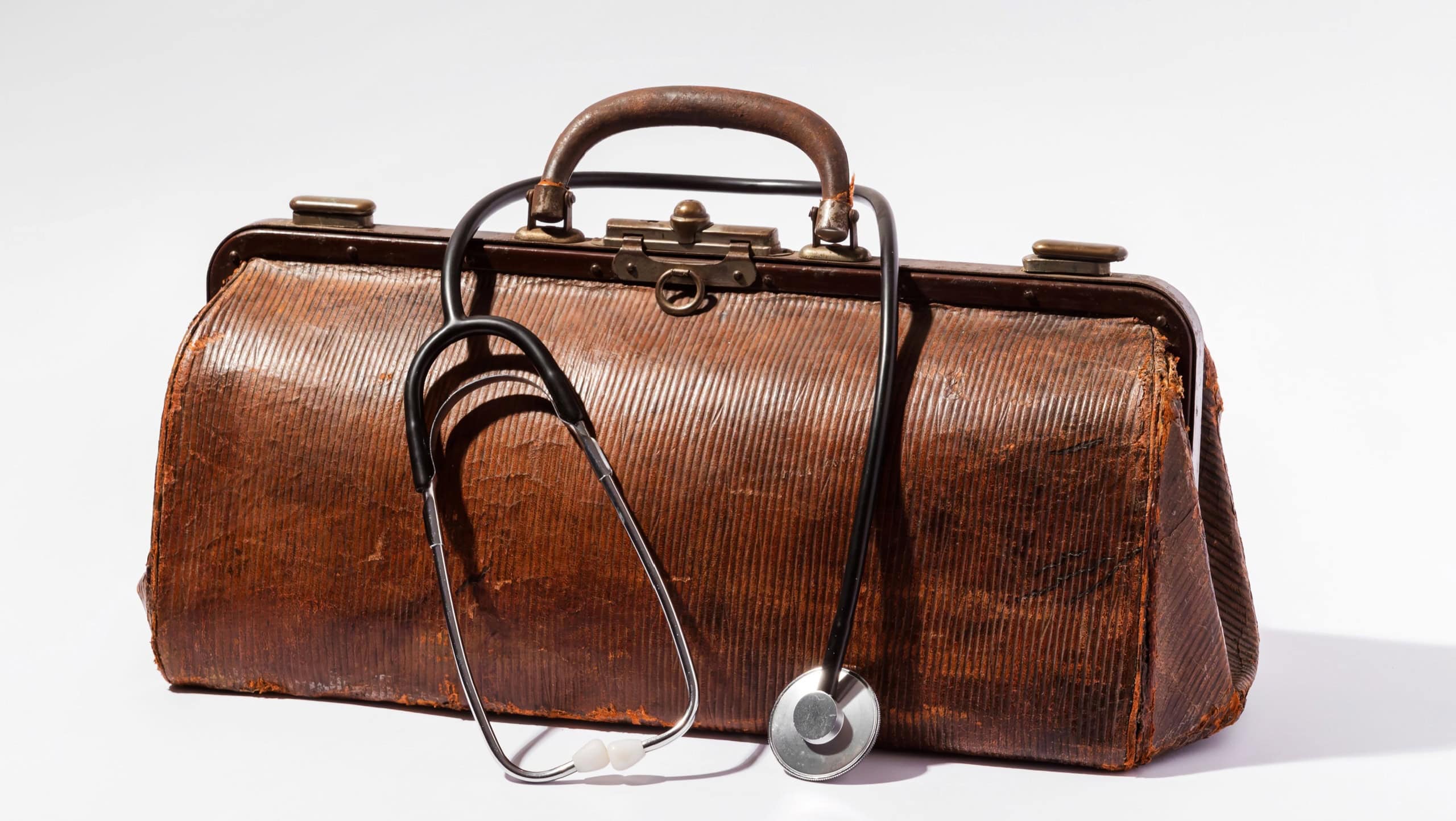
Though she was born to a free Black mother in southern Spain, Elena’s experience with systemic racism, classism, and sexism afforded her no opportunities to live freely or without fear of punishment.
Leaving slavery as a maid behind, Elena began wearing men’s clothing and held a number of labor jobs as a weaver and soldier under the male name of Eleno de Céspedes.
However, her impressive intelligence led her to become an apprentice to a master surgeon. She later earned her surgeon’s license and opened up her own practice in Madrid.
Eventually arrested by the Spanish Inquisition and dragged through a torturous trial, she fought hard for her independence within a society that valued theology over personal freedoms.
Nadezhda Durova
Nadezhda Durova grew tired of being abused by her mother.
Frustrated with the social conventions that kept women from seeing the world in 19th-century Russia, she disguised herself as a male soldier named Alexander Sokolov and joined the cavalry.
Despite almost getting caught by the drillmaster the first week of boot camp, she was able to fight against Napoleon’s army, participating in the great battles of Gutstadt and Friedland.
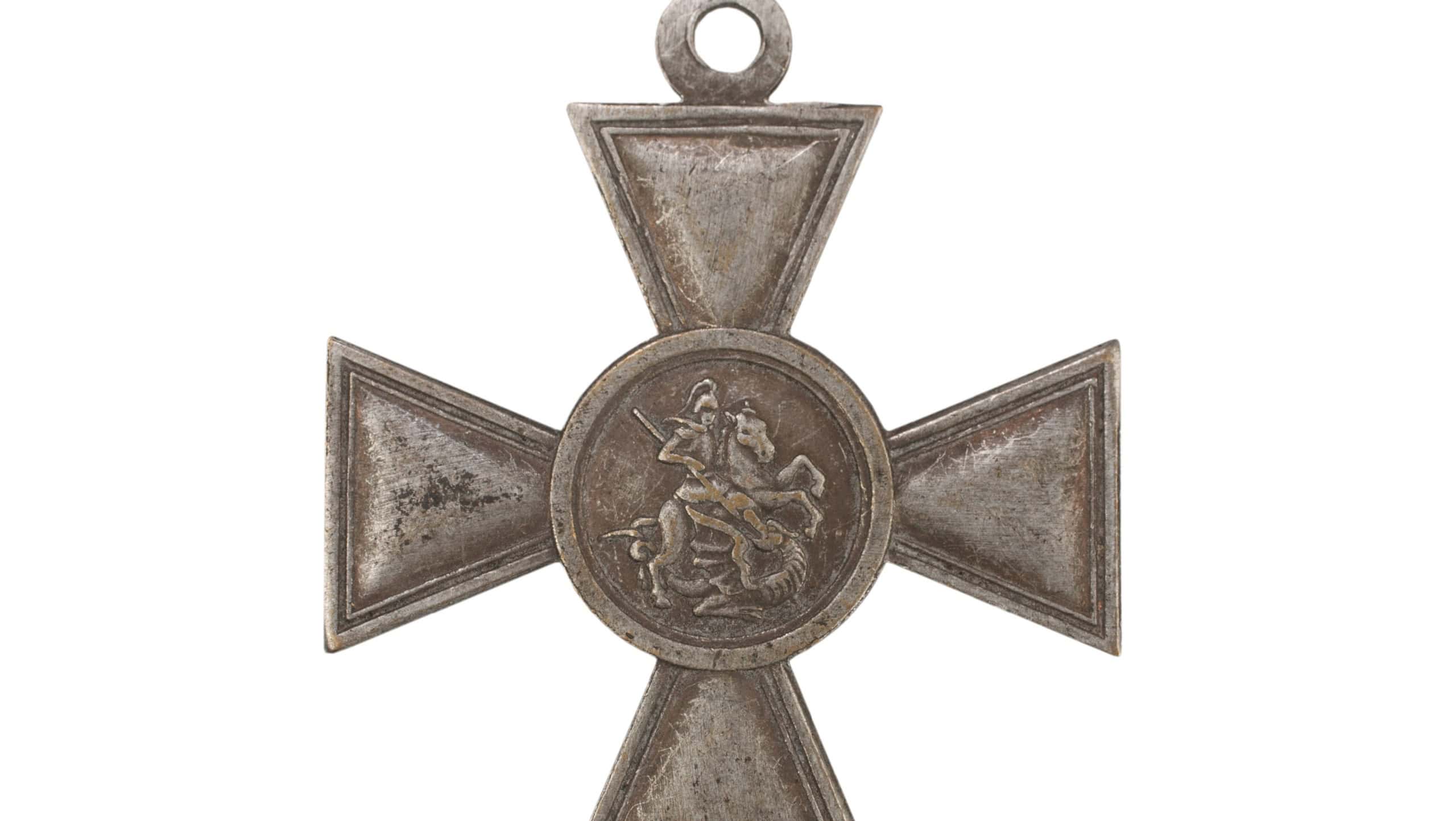
When she saved an officer’s life by running through enemy fire to get help, her commanding officer gave her a medal. Years later when her sex was discovered by Tsar Alexander I, he promoted her and gave her the Cross of St. George for her service.
Enriqueta Favez
Women couldn’t officially study medicine in early 1900s Europe.
When her husband died, Henriette Favez found herself without any legal options to continue her passion for science. Cutting her hair short and calling herself Enrique Favez, she obtained her medical degree from the University of Paris.
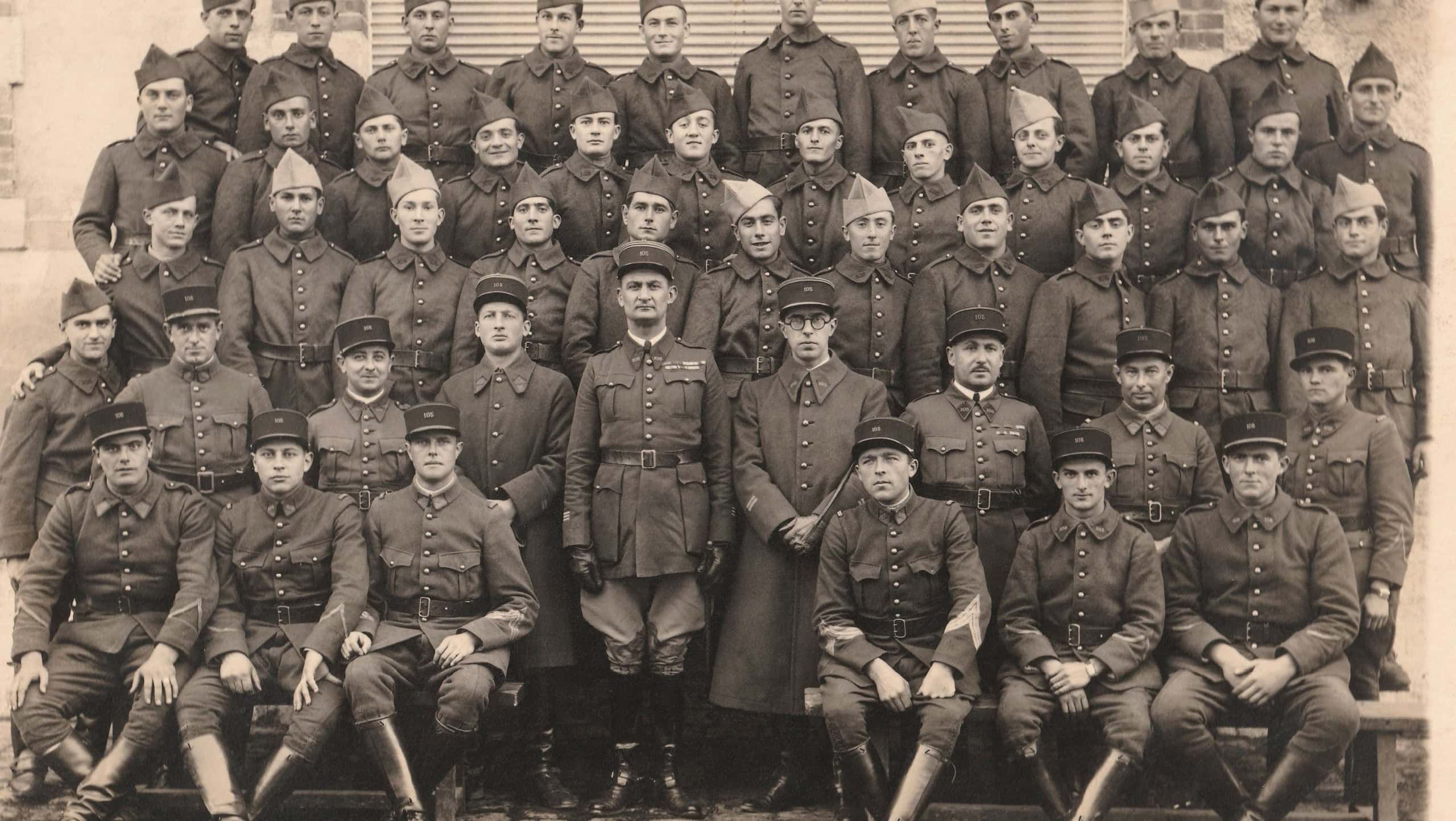
Having finished her schooling, Enriqueta went on to be a surgeon in the French army. Seeking a new start and hoping to rebuild her savings, she moved to Cuba and established herself as a doctor with a thriving private practice.
She spent many years treating mostly poor patients under her great secret. However, her career was cut short when her doctor’s license was revoked following a trial for fraud, which became public after her maid grew suspicious and alerted authorities.
Mary Lacy
Feeling trapped in poorly-paid domestic servitude to her family as a maid, nineteen-year-old Mary Lacy escaped in boy’s clothing.
Working her way across England, she eventually changed her name to William Chandler and won a coveted apprenticeship as a shipwright working heavy manual labor at the Portsmouth dockyards.
She worked in dirty, freezing conditions and kept her gender a secret for eighteen years while working in Britain’s masculine shipbuilding culture.
Mary suffered from crippling rheumatism from spending hours in cold water and inside rotting hulls of warships. Her health failing drastically, she eventually approached the British Admiralty as Mary Lacy, submitting evidence of her shipwright service to claim a pension.
Sarah Rosetta Wakeman

Sarah lived with her parents on a struggling farm property in New York State. When their family farm fell into large amounts of debt, Sarah realized that she could never make enough money as a woman doing domestic labor.
In 1862, Sarah disguised herself as a man and walked to a canal town to enlist in the Union Army as Lyons Wakeman.
She joined the 153rd New York Volunteers, hoping to snag a signing bonus and consistent monthly wages.
She fought fiercely in terrible conditions during the Southern march and fought during the Red River Campaign. She kept her secret from those who lived around her in the tents.
Even after succumbing to chronic dysentery in a military hospital and being buried, soldiers still believed she was Lyons Wakeman.
William Brown
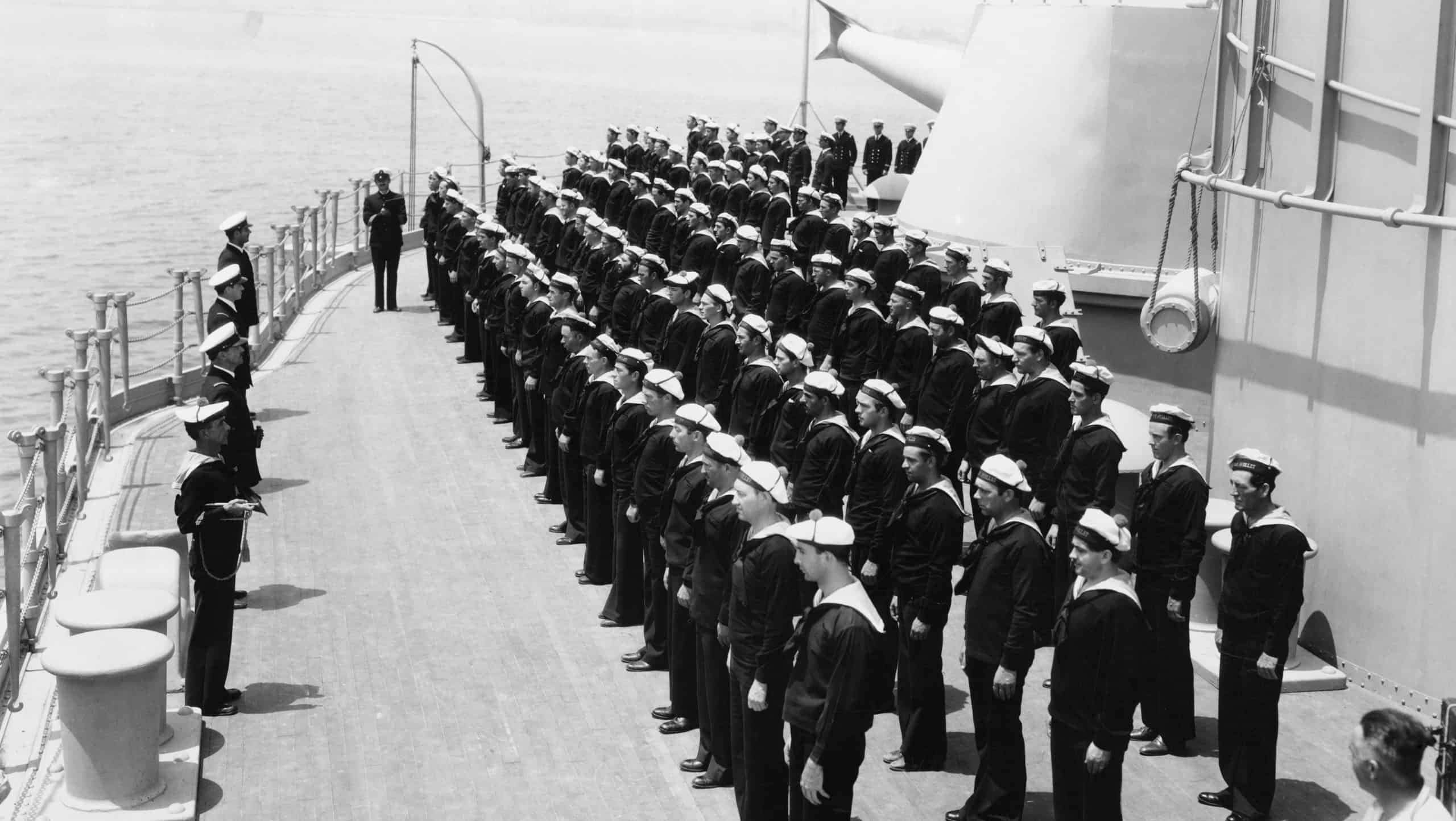
In 1815, British news reporters amazed their readers when they exposed the truth about a capable, well-regarded sailor serving onboard a large ship of the line: he was a Black woman.
With few options available to her on land because of racial and gender discrimination, she had given herself the name William Brown and joined the Royal Navy to gain consistent meals, shelter, and a portion of the ship’s prize money.
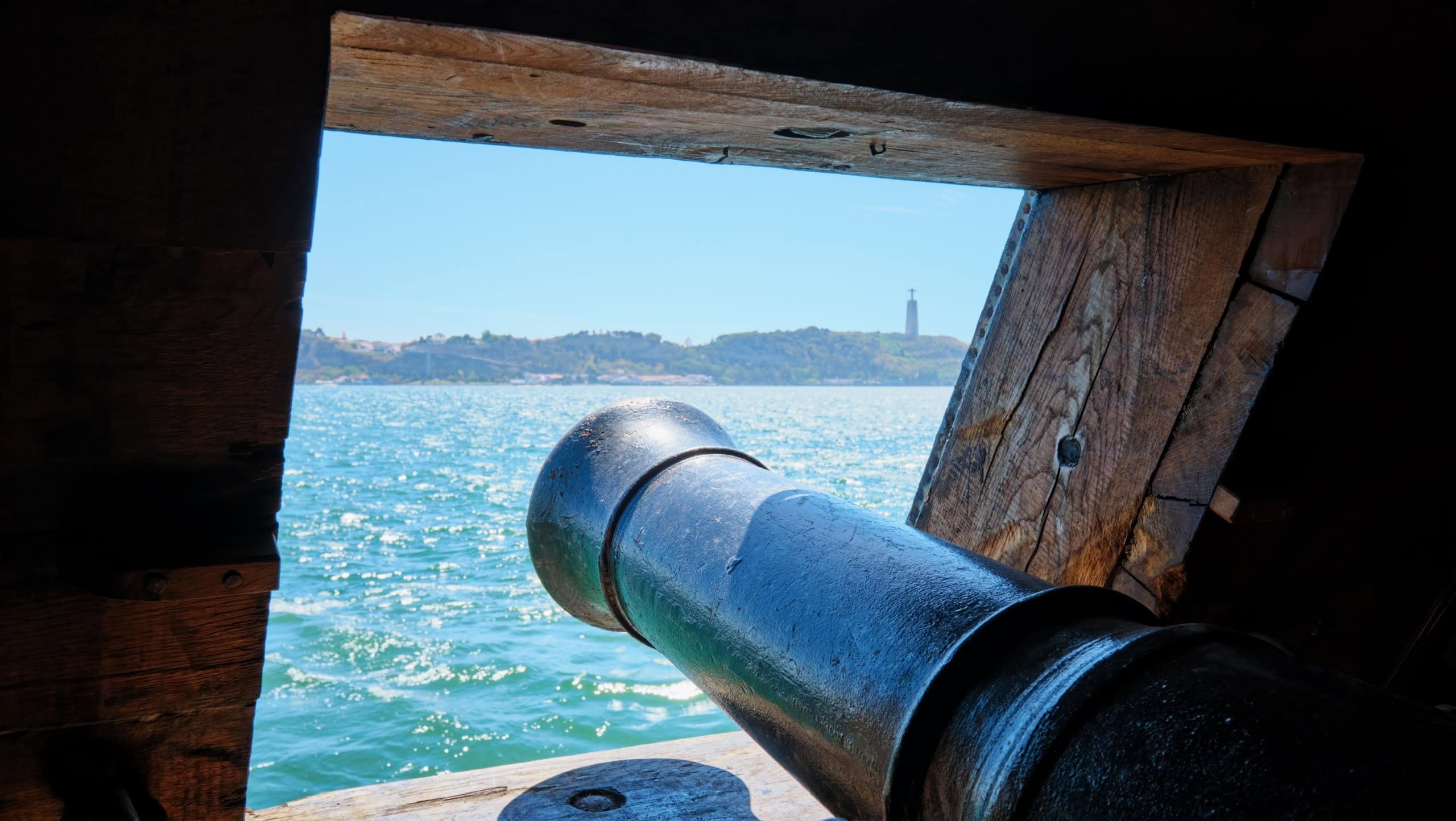
She worked on deck for years loading cannons in the heat of battle and climbing the mast ropes during intense hurricanes.
It took a pay audit for someone to discover her secret; her commanding officer even wrote in his official logs that William was an excellent sailor who worked like a man.
Lucy Brewer
Lucy was deserted by a charming seducer in Boston and left with absolutely no money. Starvation or life as a vagrant on the streets was the bleak future she confronted.
In 1812, Lucy strapped her chest tightly, donned an oversized wool uniform, and enlisted in the U.S. Marine Corps, using the name George Baker.
She served three years on the historic fighting ship USS Constitution, and saw combat against the British Navy during the War of 1812.
She managed to handle heavy muskets, endure terrible sea sickness, and remain unnoticed in tight spaces, allowing her to complete her service without her disguise being discovered.
Catalina de Erauso
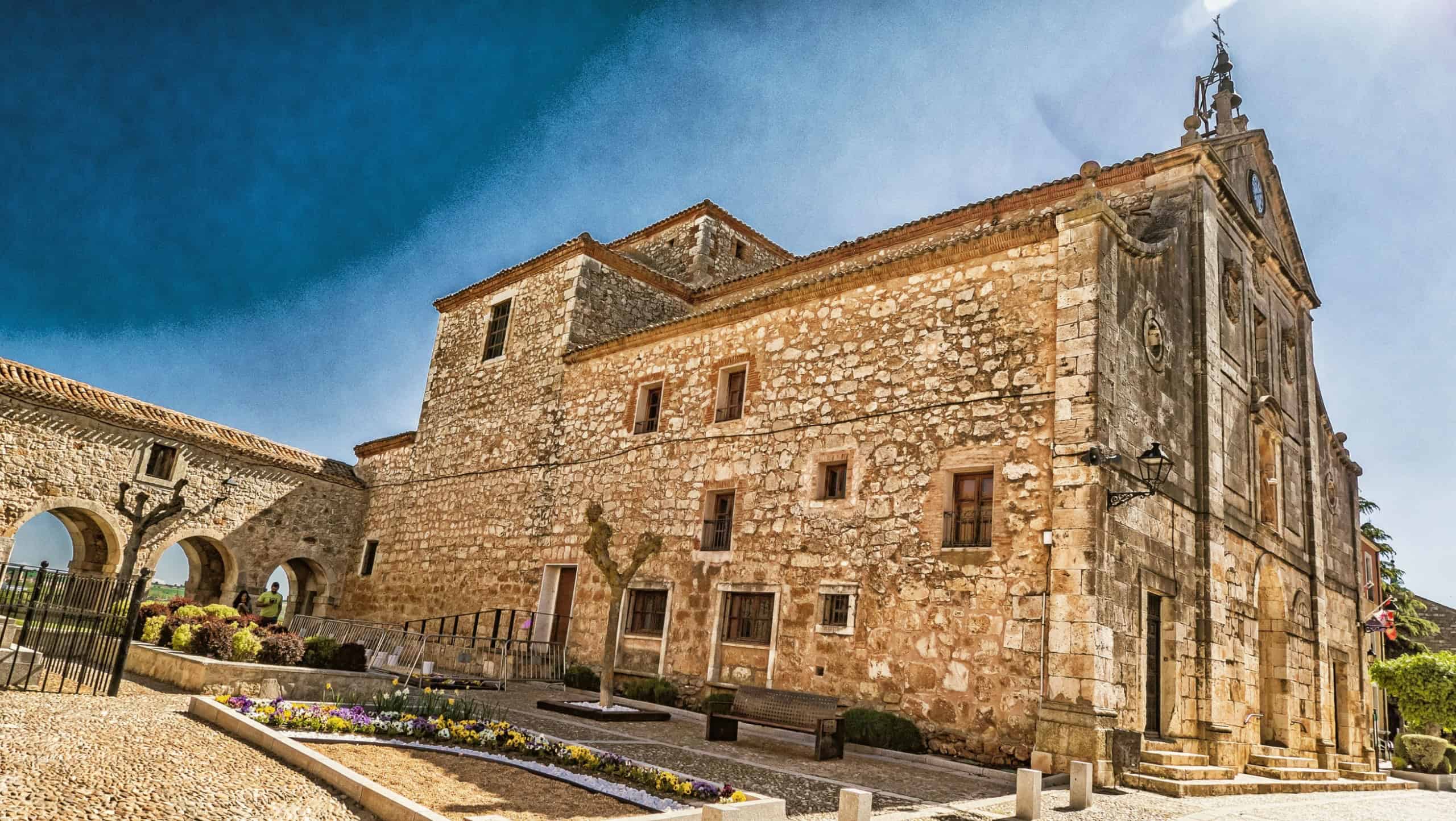
Catalina de Erauso made her escape from a rigid Spanish convent in the 1600s.
She tore her habit to shreds, dressed as a male, and took on the alias Alonso Díaz de Guzmán.
Once she arrived in South America, she joined the army and fought in many battles for Spanish colonists. Along the way she gained a reputation for violence with weapons and frequently engaged in duels and brawls.
Her gender was discovered when she was arrested for a fight. She avoided execution by confessing her true self to church officials. Pope Urban VIII eventually allowed her to live her life as a man.
Dorothy Lawrence
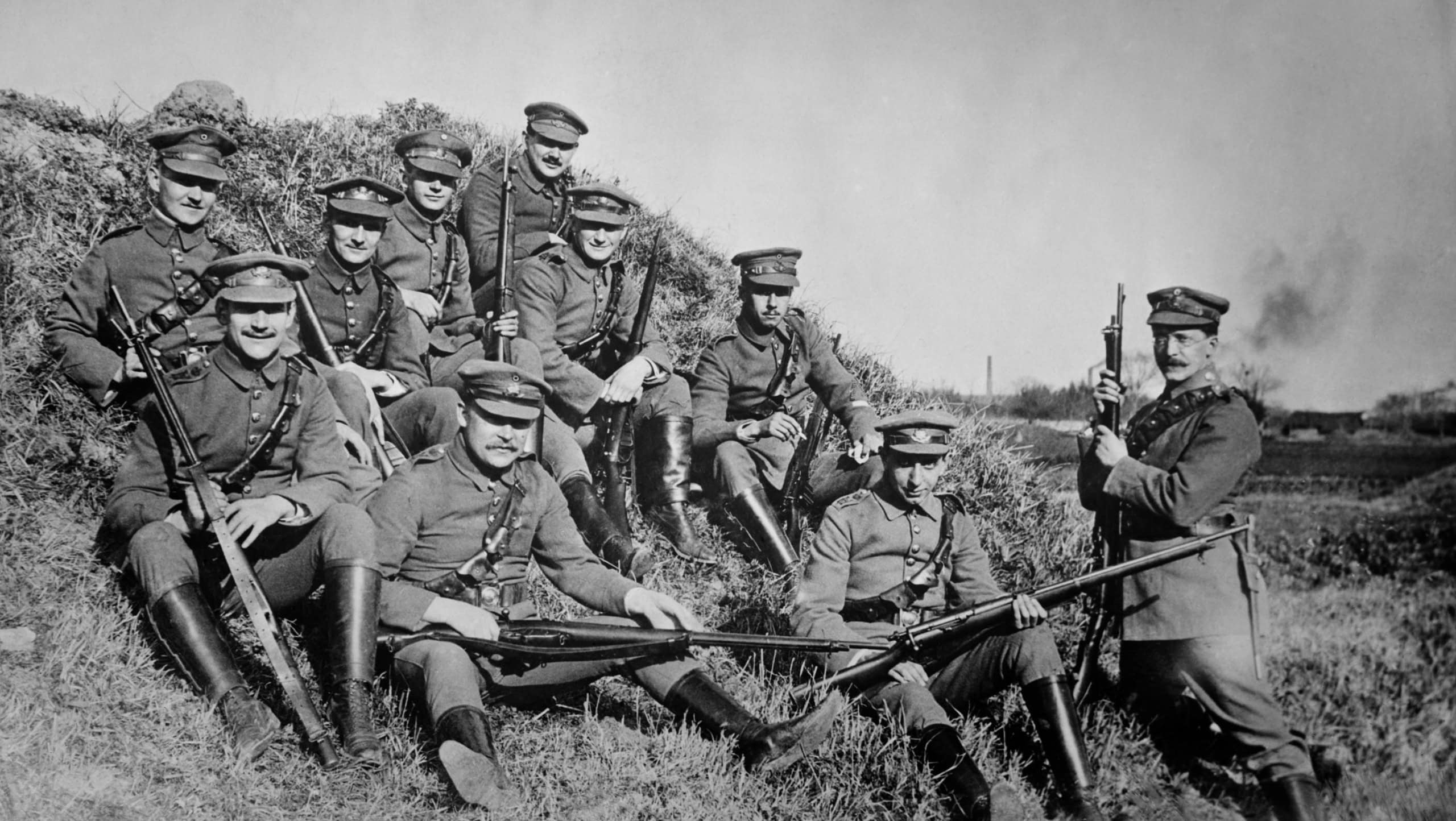
British journalist Dorothy Lawrence wanted to be a war correspondent on the frontlines of World War I, but women were not allowed near the combat zone.
In 1915, with help from some soldiers, she successfully disguised herself as a man. Under the guise of Denis Smith, she became part of the 179th Tunnelling Company in France.
For several days, Lawrence undertook exhausting work just a few miles from the front lines, but the constant barrage started to impact her health.
Worried about being found out as a woman, she eventually surrendered to the military. Dorothy Lawrence was confined until she agreed not to publish her story until the war had ended.
Christian Davies
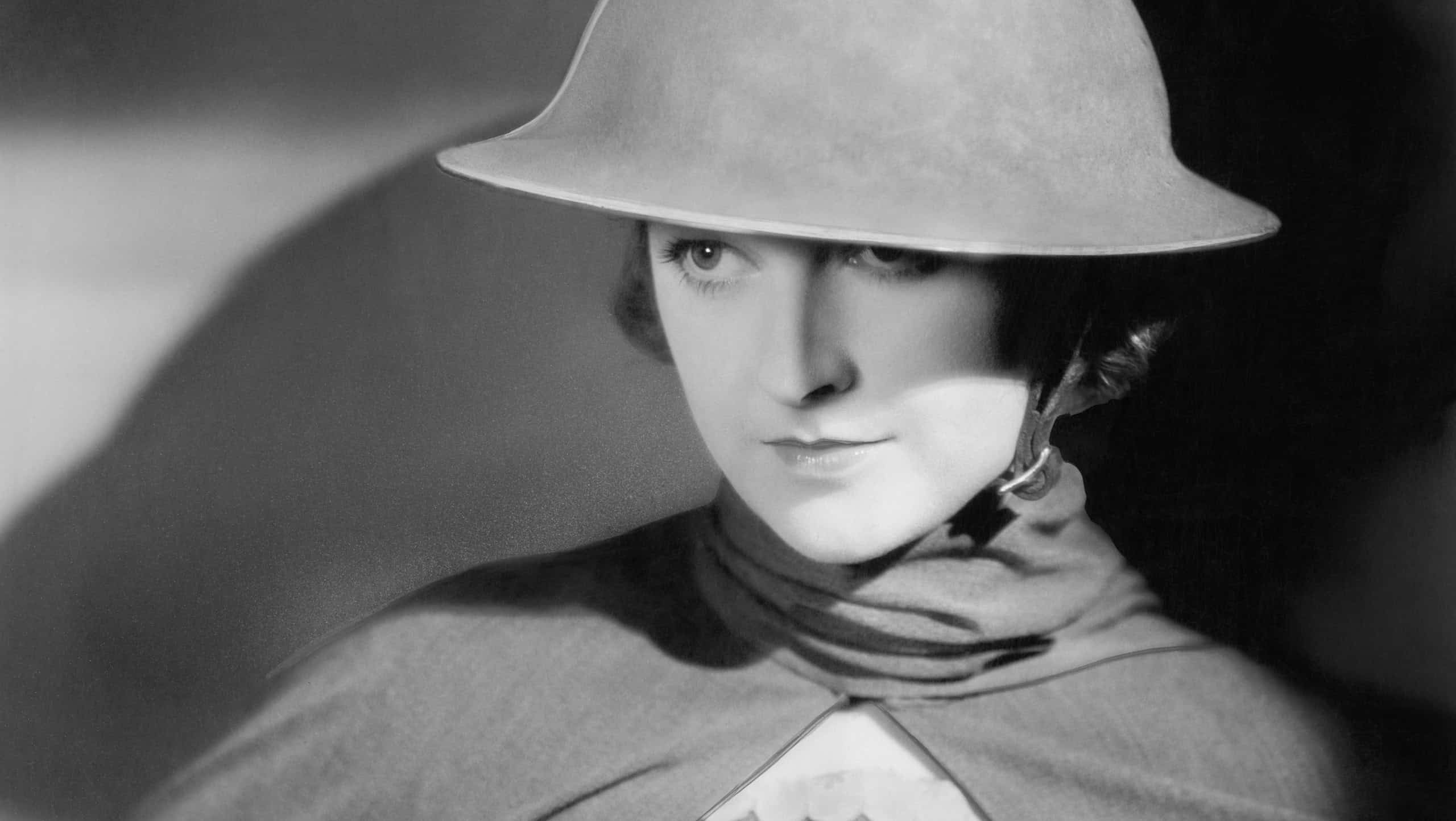
When her husband was pressed into the British army in the 1690s, Christian Davies took on the persona of a man and joined the ranks.
To find him, she chopped off her hair and donned men’s attire. She enlisted as Christopher Welsh and went on to fight in several campaigns throughout Europe and was wounded in her leg at the Battle of Landen. But, no one found out who she really was.
She eventually found her husband years later and became a cook and assistant to officers. After her story became public, Queen Anne gave her a pension and credited her service for over twenty years.
Mary Ann Talbot
Left penniless when her parents died, Mary Ann was next victimized by a lecherous predatory guardian. She disguised herself as a male footboy named John Taylor to keep herself protected.
She pleaded and begged for her release, but her guardian ultimately forced her onto a transport bound for the West Indies and the conflict there. Mary Ann was then required to learn quickly how to survive on a warship or die young.
Working as a gunpowder boy and later as a drummer, she survived the fighting in the naval battle known as the “Glorious First of June,” but was seriously injured by close-range grapeshot.
Keeping herself from revealing her sex while nursing her own injuries, Mary spent years as a sailor and laborer living with constant pain.
When doctors could no longer relieve her pain, she was informed that surgery was her only option. Under the threat of surgery, Mary revealed her sex in order to be treated.
Milunka Savić
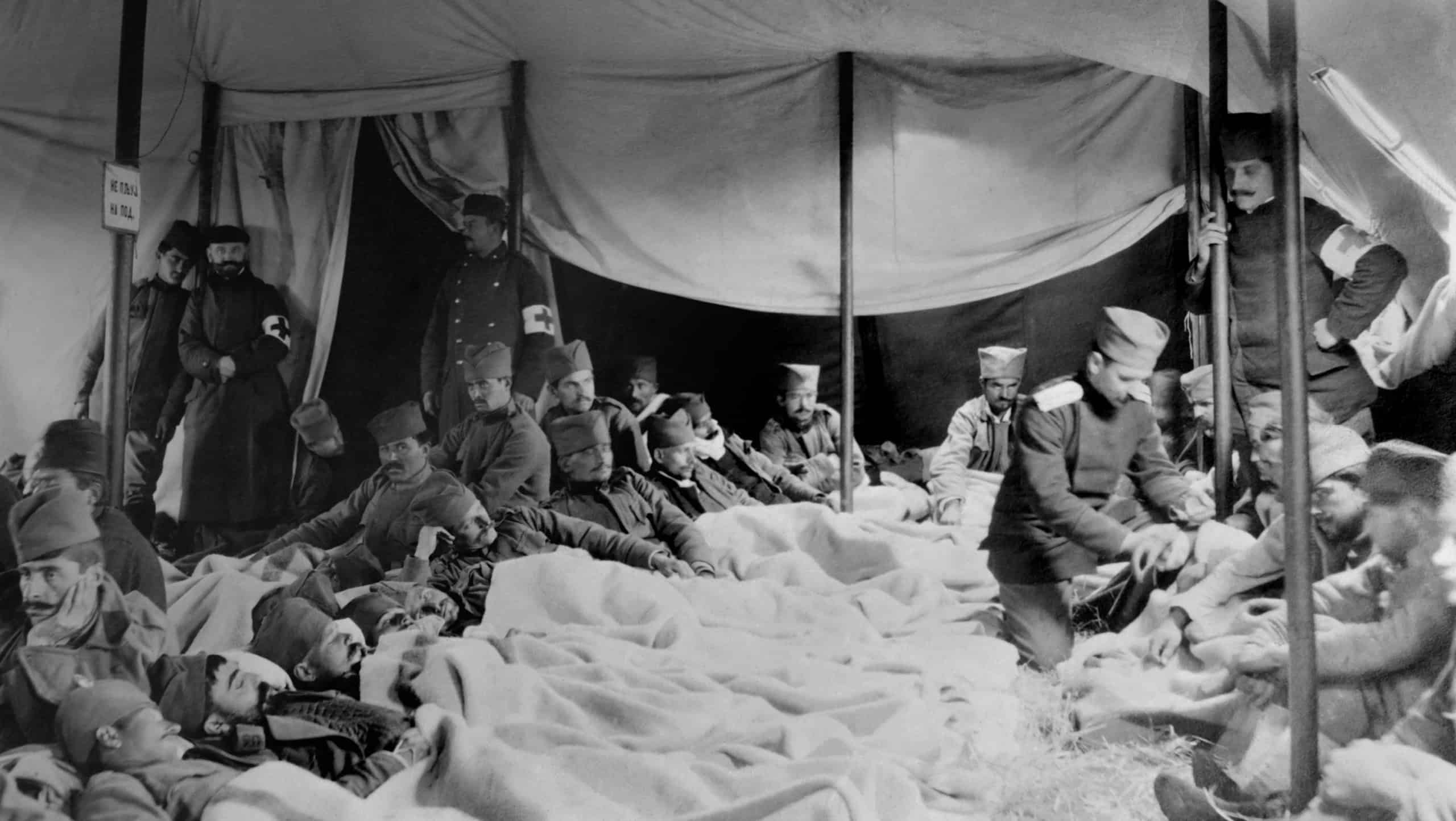
Milunka Savić actually joined the Serbian army in 1912, during the First Balkan War, supposedly stepping in for her brother when the call to mobilize went out. She disguised herself as a male soldier and fought in multiple campaigns with fellow Serbian soldiers.
Her secret went unnoticed until she was injured during the Battle of Bregalnica and doctors found out she was a woman.
At that point, her valour had won her superiors’ admiration. Instead of relieving her of her duties as a woman, Serbia kept her in service.
Her military career culminated in her becoming one of history’s most honored female combatants.
Loreta Janeta Velazquez
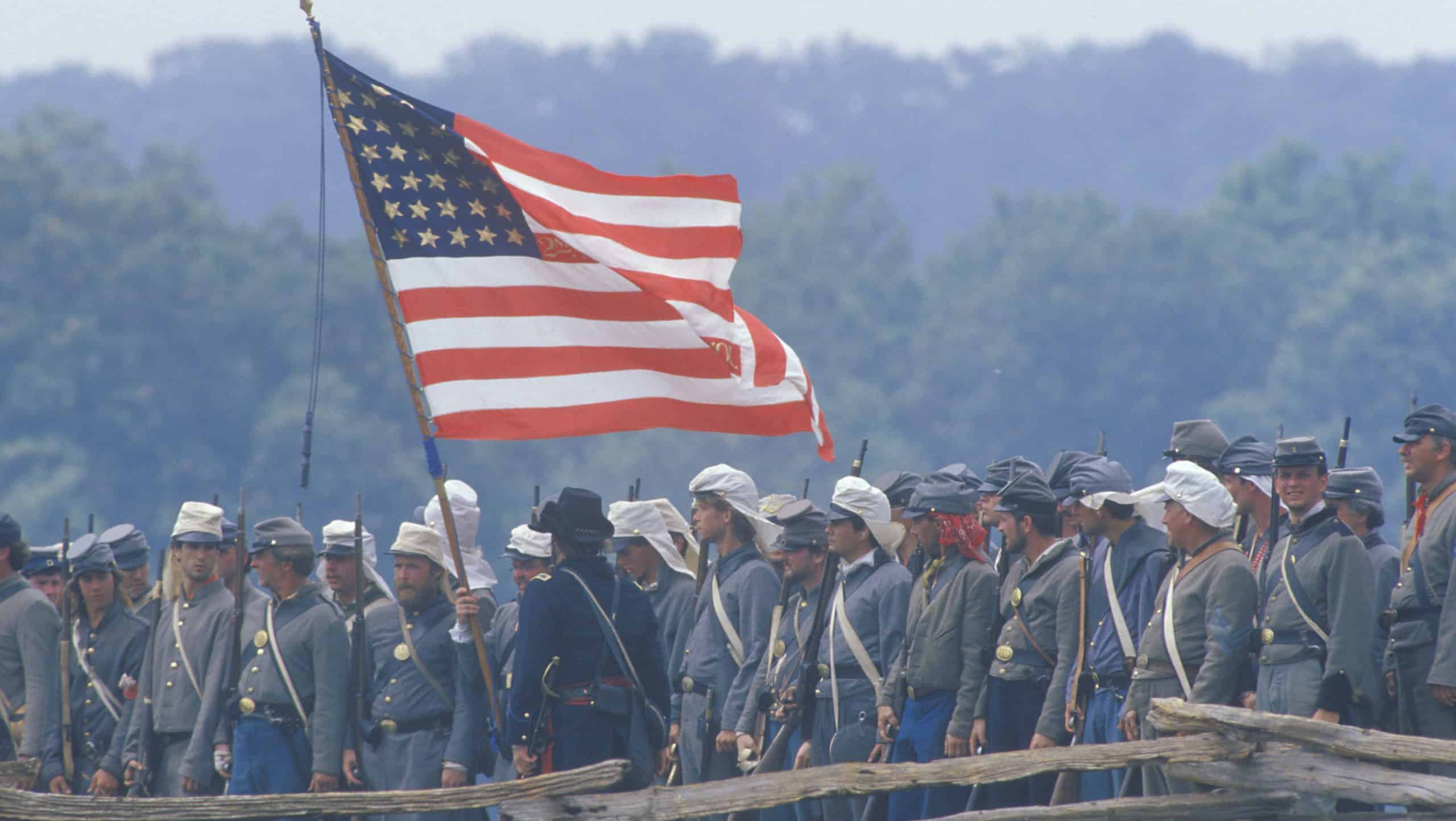
Loreta Janeta Velazquez claimed she served disguised as a male soldier using the name Harry T. Buford in the Confederate States Army during the American Civil War.
Velazquez’s memoir states that she organized a company of Confederate soldiers and fought in numerous engagements including the Battle of Shiloh.
Later, she became a spy, she claimed, when it became too difficult to disguise herself as a male. Her male disguise ultimately enabled her to operate as a spy, collecting intelligence across both Union and Confederate lines.
Velazquez’s memoir has been disputed by some historians as factually inaccurate in places. Still, she has one of the most outlandish stories from the American Civil War and is of continued interest to historians and Civil War buffs.
Amelio Robles Ávila
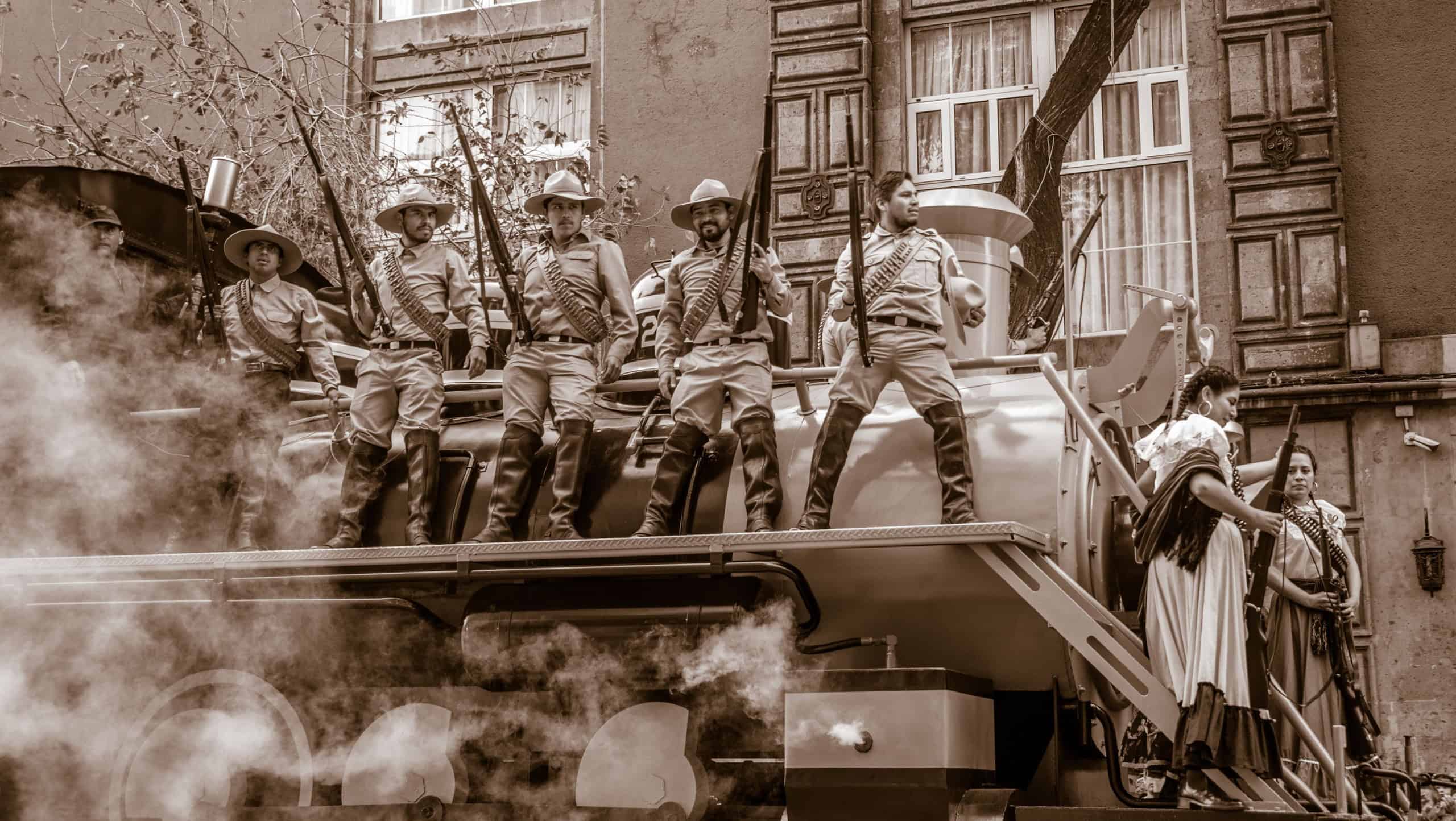
Amelio Robles Ávila enlisted in the Mexican Revolution in 1912, and fought as part of the Zapatistas. After joining the military, Amelio began life as a man and continued to live that way for the rest of her life.
She worked her way up to be known as a skilled horseman and fighter, and was well respected by her comrades in arms.
After the war, she demanded to be treated as male in both informal and official situations. Mexican officials eventually recognized her as a male war veteran.
Amelio Robles is today recognized as a vital person in both Mexican and transgender history.
Ann Mills
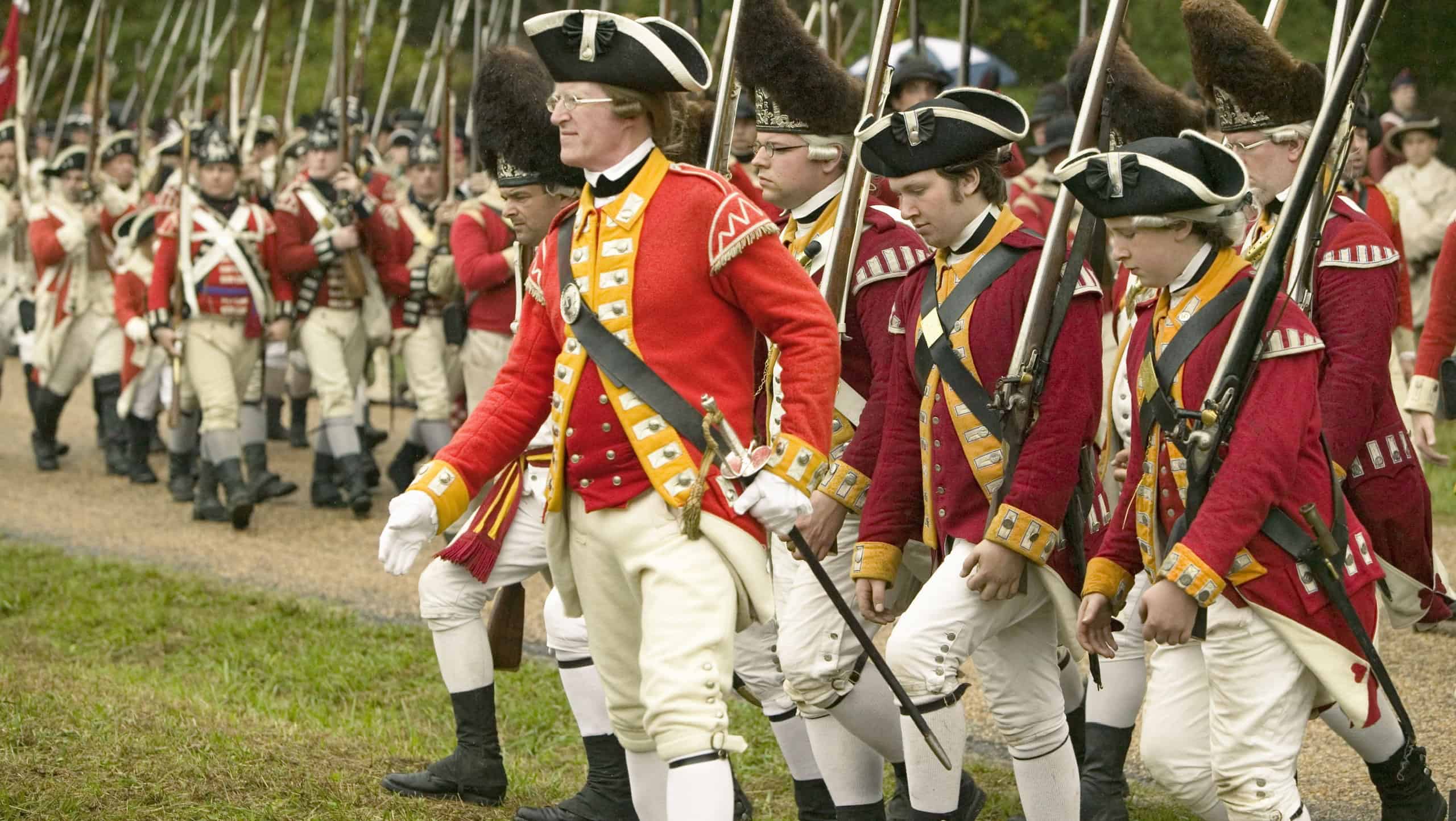
The name Ann Mills is often linked to tales of women who posed as men to join the British military in the 1700s. Older sources say she joined a regiment of dragoons and served in European campaigns in the 1740s.
Some versions of her story involve serving in combat and winning a duel with an enemy soldier. She supposedly returned to civilian life following her military service.
Details of her story are unclear due to limited surviving documentation. Ann Mills is a character frequently encountered in popular accounts of women warriors.
Sources: Please see here for a complete listing of all sources that were consulted in the preparation of this article.

