

We carry things for years without thinking about how devastating they could be if lost or stolen.
Social security card
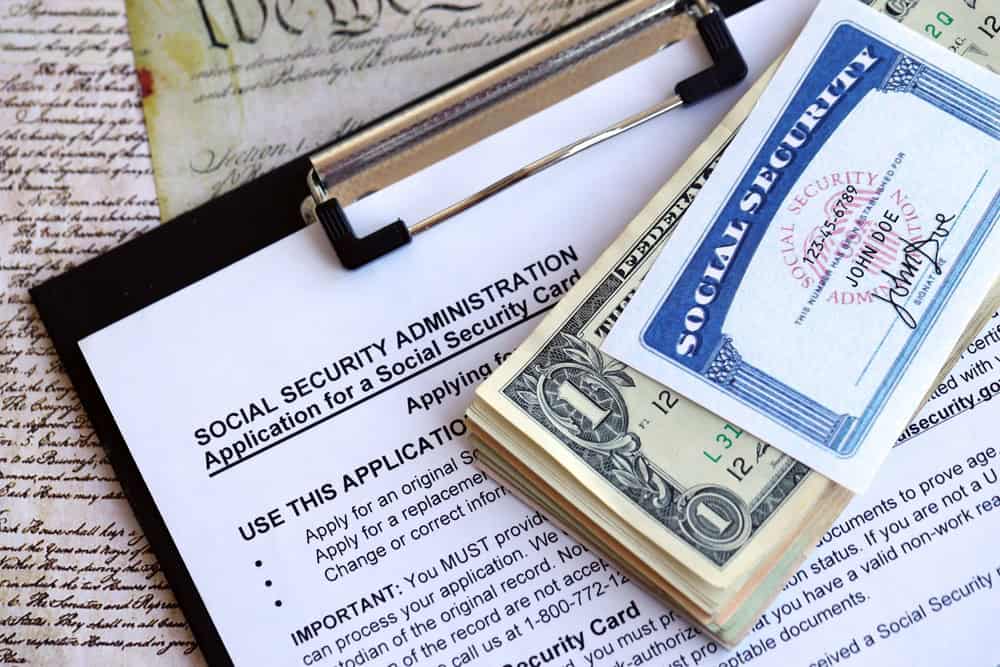
By the time you reach 50, your Social Security number may already be tied to four decades of employment records, tax returns, bank accounts and retirement investments. Lose that card, and criminals could use your details to open new accounts under your name.
Unless you need it for something specific, there’s never a good reason to carry your Social Security card.
The U.S. Social Security Administration also recommends that people safeguard the card in a secure place instead of carrying it around. If possible, memorize your SSN, and take the physical card with you only if you absolutely need it.
Signed blank checks
Don’t carry around signed blank checks.
By age 50, many people have years of banking history. They may have well-established accounts and savings. Having a signed blank check can put that history at risk. Someone could steal it and write in a payee and amount to cash it.
Your bank may catch the transaction before it goes through, but you’ll still waste time and deal with unnecessary stress.
If you don’t write paper checks regularly, keeping one hidden behind your debit card isn’t really necessary. Only carry a blank check when you know you’ll be writing one, and never pre-sign a check before you’re ready to fill it out.
Spare house keys
Many people keep a spare house key in their wallet in case of emergencies. That said, a house key becomes a bigger risk when your wallet also holds an ID showing where you live. If a thief steals both your ID and your key, they’ll have everything they need to link the key to your residence.
Your home is your castle. Chances are, by 50 you’ve spent years turning your house into a home, and the last thing you’d want is to hand a burglar an easier way into your private space.
So store your spare house keys away from your wallet and other identifying information. Leave a key with a family member or neighbor you trust instead of keeping it in your possession at all times, especially if you never use your spare key.
Credit and debit cards you don’t use
By age 50, you’ve probably switched banks a few times, opened new accounts and replaced old credit cards. And you can easily find yourself with a wallet full of cards you rarely use. The issue is that if your wallet is lost, you’ll have more banks to notify and more accounts to monitor for fraudulent activity.
Go through your wallet and throw away any credit or debit cards you don’t use regularly. Keep the cards that you need for shopping, bill payments, traveling, and emergencies. You don’t need to limit yourself to just two cards, but only carry what you actually use.
Password notes and PINs
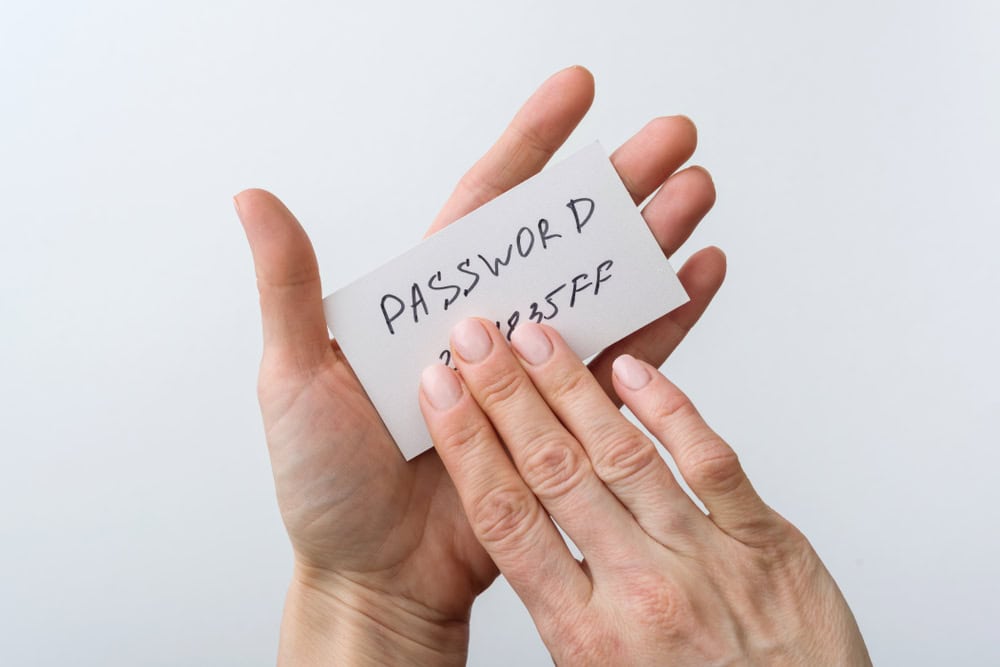
Writing your passwords down on a single sheet of paper and carrying it with you might seem smart. However, you don’t want that same sheet to fall into the wrong hands along with your bank card or driver’s license. Anyone who steals your passwords will find it trivial to find out your other personal information.
At 50, you may well have a handful of bank accounts, credit cards and online accounts to keep track of. Use a trustworthy password manager instead of writing your passwords down on loose paper. If you absolutely must have a written copy of your passwords, keep it somewhere secure at home. Passwords and banking PIN numbers don’t belong in your wallet.
An old Medicare card
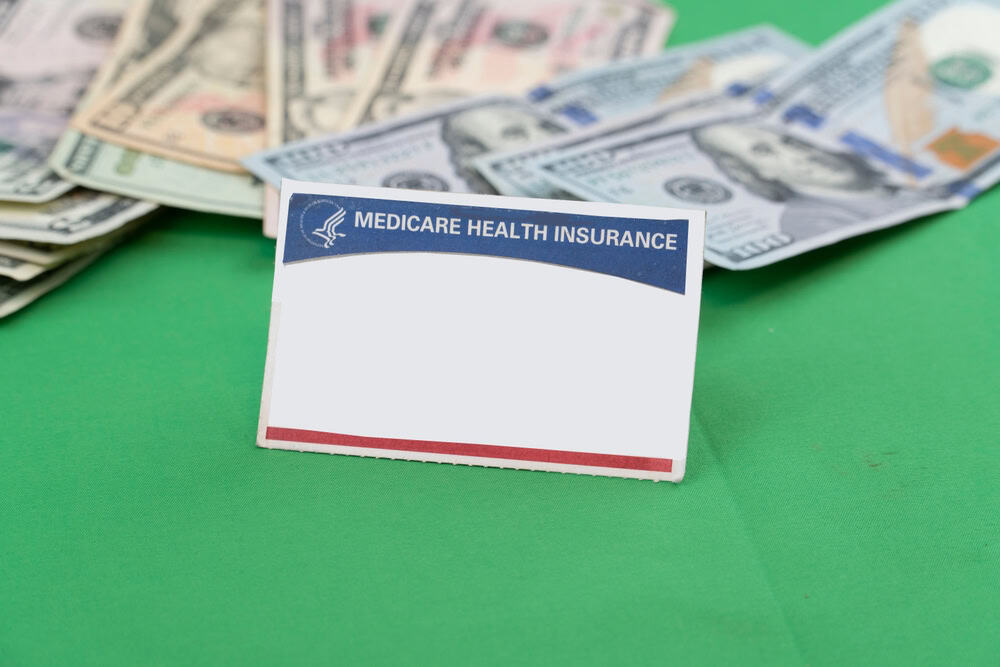
Are you 50 or older and enrolled in Medicare? Then pay attention to the card you have in your wallet.
Old Medicare cards issued in the U.S. featured the bearer’s Social Security number. If lost, it could lead to someone gaining access to that piece of personal information. Cards issued during the 2018 transition have a separate Medicare number, lowering that risk.
If you happen to have the old type of card with your SSN on it, see Medicare’s instructions on how to get a replacement. But for everyone else, don’t assume your Medicare card should always stay home. While members with Original Medicare should typically carry it when they go out, those with Medicare Advantage have their plan’s card instead.
Old shopping receipts
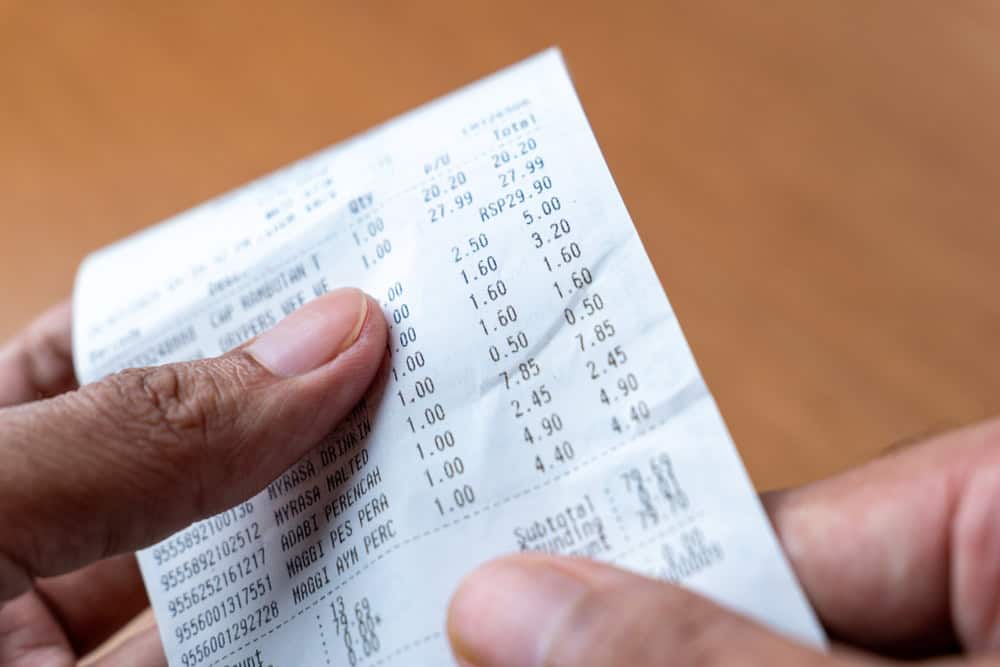
Once you reach 50, you’ve probably got years of shopping habits under your belt. That receipt from your grocery shopping yesterday or your coffee run this morning can find its way into your wallet. Soon enough, that little slip of paper hangs around for weeks.
Before you know it, you have several scraps of paper taking up space that could be used for something important.
Keep receipts if you might need them to return something, back up a warranty claim, get reimbursed, or check your expenses. The rest of the receipts you’ve been hauling around have done their job and can stay home from now on. It’s fine to digitize receipts for big-ticket items, but there’s no reason to snap a photo of every routine one.
Work badges and access cards

Just because you’re turning 50 doesn’t mean you’ve stopped working. You might still be working full time, part time, or maybe you’ve stayed in the same job for years. If that’s the case, your work badge or access card for the building is likely one more thing you slip into your wallet without a second thought.
The problem with losing a work badge is that it usually means you need to notify your employer, request a replacement, and perhaps file a security report. Badges may also list the employee’s name, photo, or place of work.
Whenever your employer’s rules permit, it’s better to carry your badge on its own lanyard or card holder than to keep it in your wallet. This way, finding it when you get to work is never a hassle.
More cash than you need

By age 50, you likely have a pretty good idea how much cash you need to pay for your weekly grocery shop, dinner and other living costs. However, it can be tempting to take out more cash than you need and stash the extra cash in your wallet. Days later, you’ll still have it. The problem is that if your wallet is lost or stolen, you’re in trouble. You’ll lose a big wad of cash. And you can’t cancel cash like a debit or credit card.
You don’t need to carry all your week’s spending money with you. Withdraw only what you think you’ll spend that day, plus a little extra for emergencies. Stash the rest at home. You don’t need to wander around with it.
Unused gift cards
Somewhere along life’s journey you may have accumulated a few gift cards from birthdays, holidays and family events. You might use a few of them right away, but others end up buried in your wallet and forgotten for months or even years. Before long, you might lose track of the remaining balance or whether the card has expired.
Review which gift cards still have a balance. Then decide if you will use them anytime soon. If the answer is yes, keep them somewhere safe or use a digital version if one is available. If that card has been sitting at a zero balance for months or even years, go ahead and pull it out of your wallet. There’s no harm in an empty gift card, but that doesn’t mean you have to carry it with you all the time.
Old insurance cards
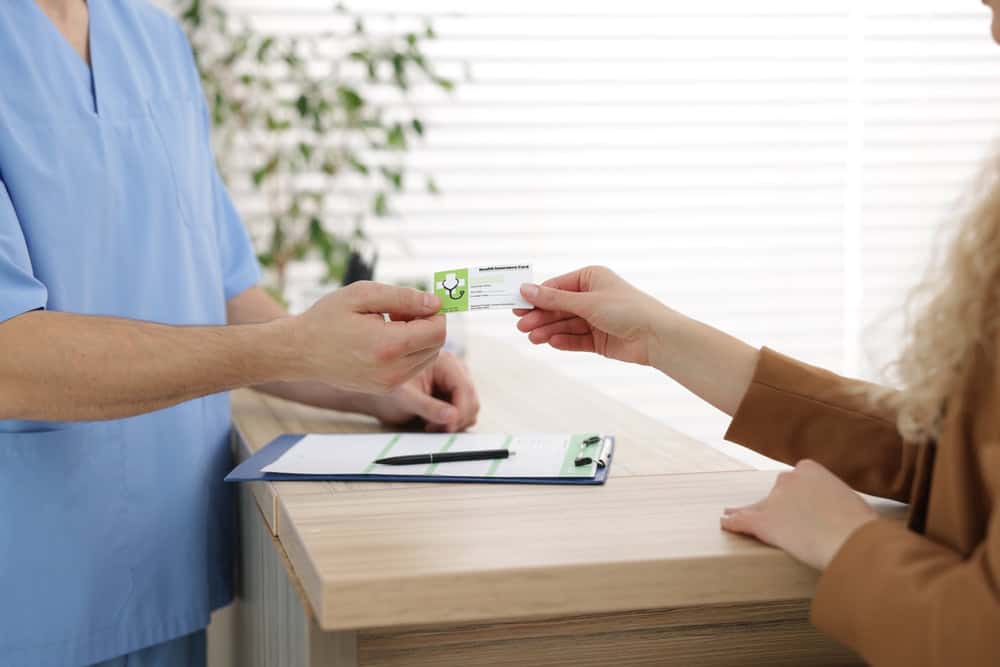
By the time you reach your 50s, you may have switched insurers, changed plans or upgraded your coverage, leaving you with old cards you overlook once the new ones show up. It’s easy to slip the replacement card into your wallet and simply leave the expired one where it is.
However, an expired card can cause headaches if you pull it out at a doctor’s office or pharmacy while trying to show proof of insurance. Staff won’t be able to confirm your coverage, which leaves them scratching their heads.
Review your cards any time your health or other insurance information changes. Get rid of or take out old cards as soon as you’ve confirmed they’re no longer valid. Keep your current insurance card easily accessible.
Bulky tools and gadgets
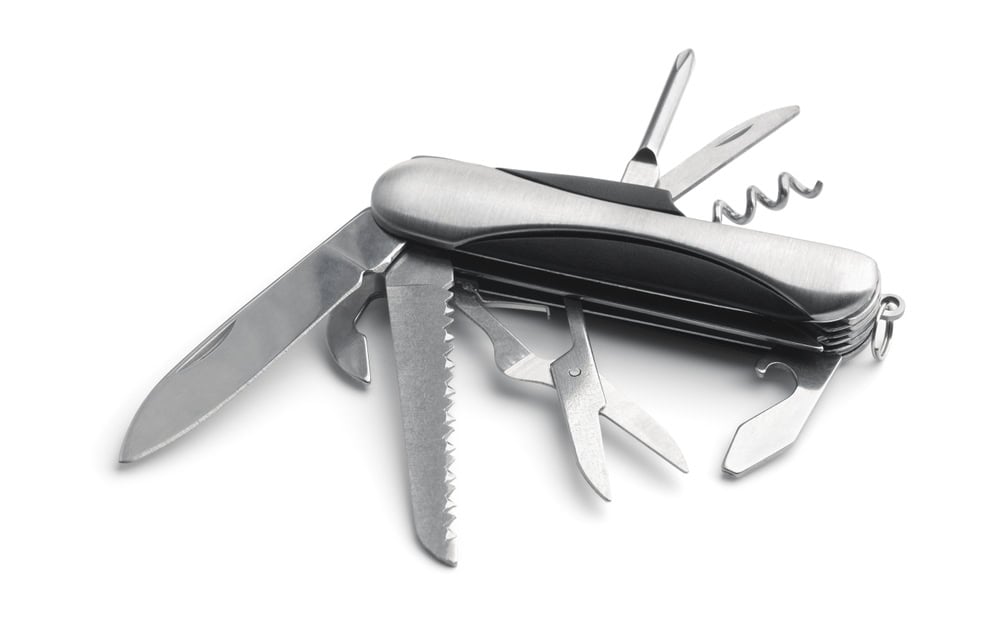
Older you get, the more important comfort is. Whether you drive, sit at a desk or travel a lot, keeping a bulky wallet full of gadgets, metal tools and who-knows-what else can create pressure on one side of your body when you sit.
If you spend long stretches sitting in a car, at a desk, or on public transportation, you’ll feel the strain. When sitting, your body wants to rest evenly around your hips and lower back. But a fat wallet on one side can create pressure. Relocate heavy gadgets to a bag or other pocket. Set your wallet aside before sitting if it bothers you.
Old membership cards
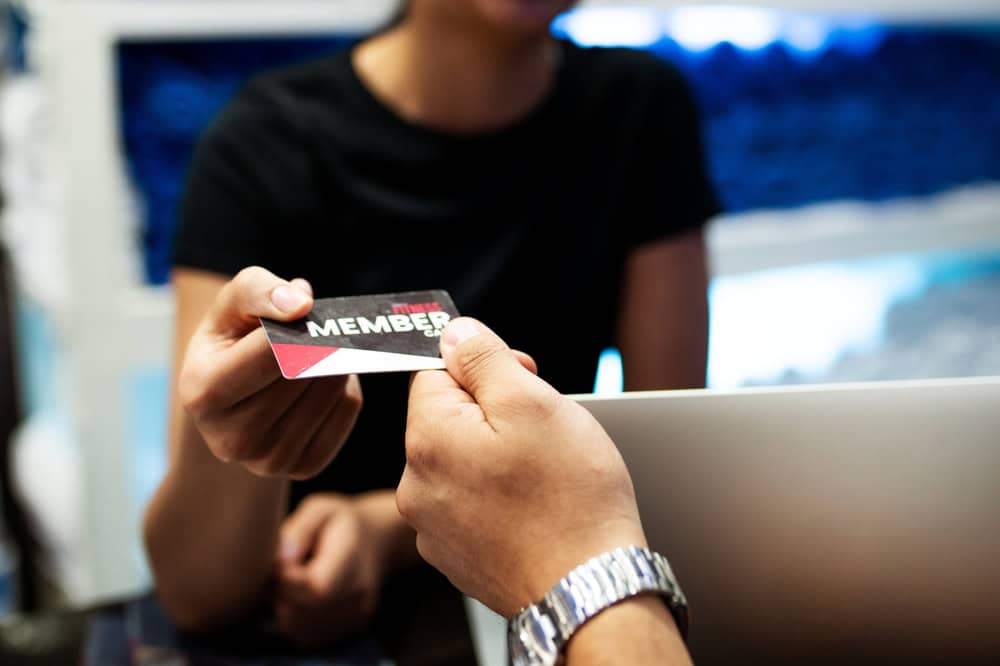
Old gym memberships you haven’t used in years may leave their cards behind in your wallet, forgotten. Once you consider how many you’ve collected over the course of your 50s, these little cards really start to add up. A lone card takes up little space, but as more of them collect, your wallet grows thick and hard to manage.
Review your cards every few months. Evaluate your current memberships and which rewards programs you actually use. Discard old cards. Opt for digital versions if they’re available and will work for you.
Photographs you cannot replace
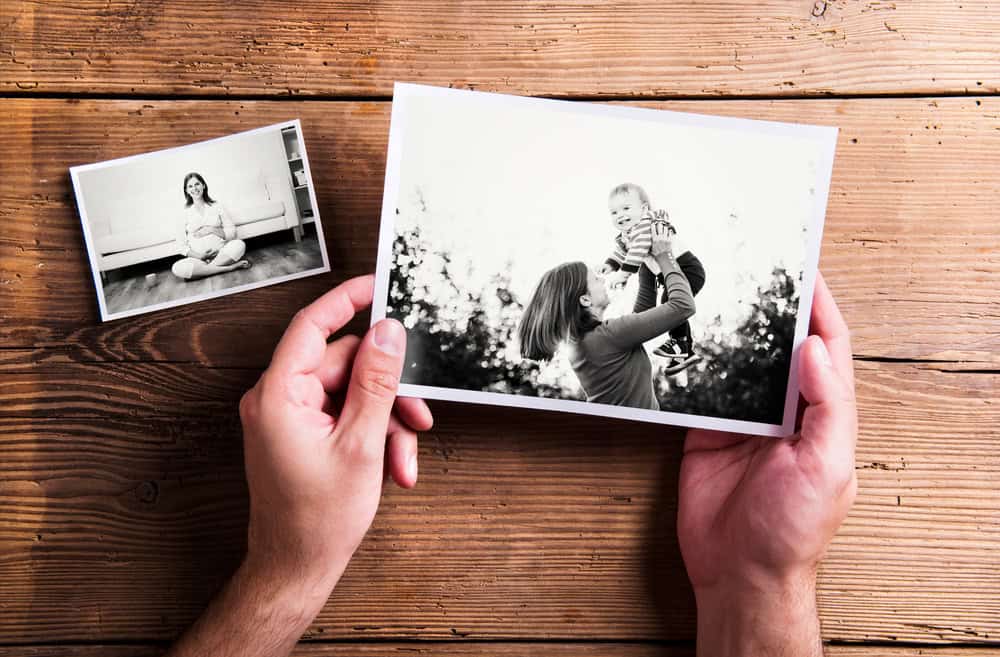
Pocket-sized photos of children, spouses, or parents can become treasures over time. Birthday celebrations, family reunions, and special occasions create lasting memories. After years of snapping pictures, your wallet might be hiding a few you never took out.
There is certainly nothing wrong with that, however the original photo can become worn down or damaged by years of folding and rumpling around inside your wallet.
It is far worse to lose that photograph though if you cannot easily replace it. If the photo is of an older family member who has since passed away, scan the original and save a digital copy to a secure location. You can even print one out to carry with you if you like, just keep the original safely stored elsewhere.
Bulk medical records

Old test results, lists of medications you used to take, and doctor’s notes could be stuffed into your wallet by the time you hit your 50s. They are bulky and can compromise your privacy if your wallet gets lost or stolen. Most of the time, you likely won’t need to show all those documents during your everyday activities.
A small card with essential medical information can be helpful. This can include severe allergies, chronic conditions, critical medications, and an emergency contact. Keep thicker medical records in a safe place that you can access if the need arises. If you have a medical condition that first responders should know about, ensure the information you carry is concise and will be recognized by medical professionals.
Sources: Please see here for a complete listing of all sources that were consulted in the preparation of this article.
Like our content? Be sure to follow us.
You know you’re over 50 when one of these 11 things is in your wallet or purse
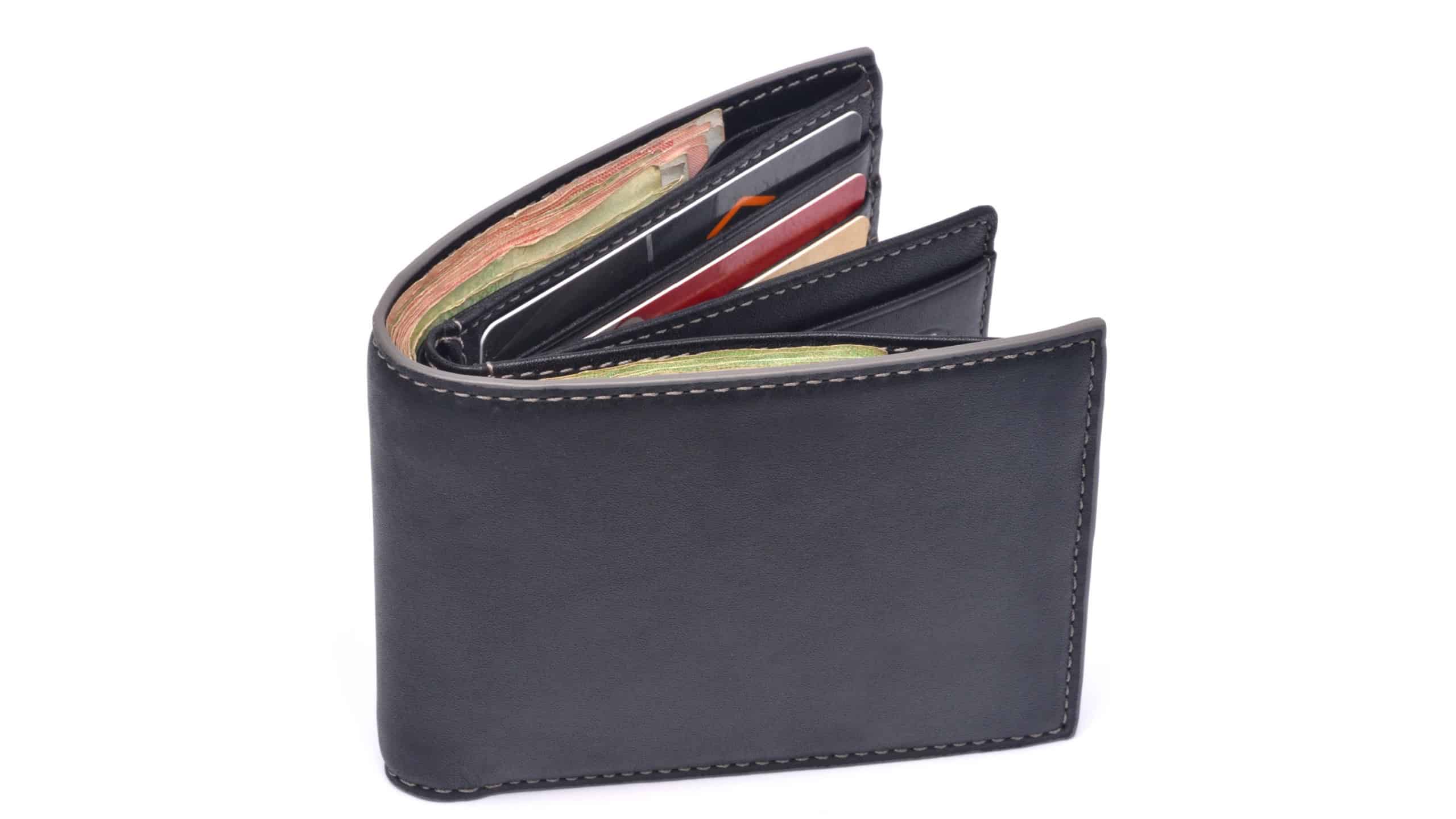
Your wallet or purse might be revealing your age without you even realizing it.
You know you’re over 50 when one of these 11 things is in your wallet or purse

