

Looking back, it’s easy to see history’s major turning points as planned, but often they truly rested on one individual’s gut feeling or a quick misunderstanding.
Cabin conversation
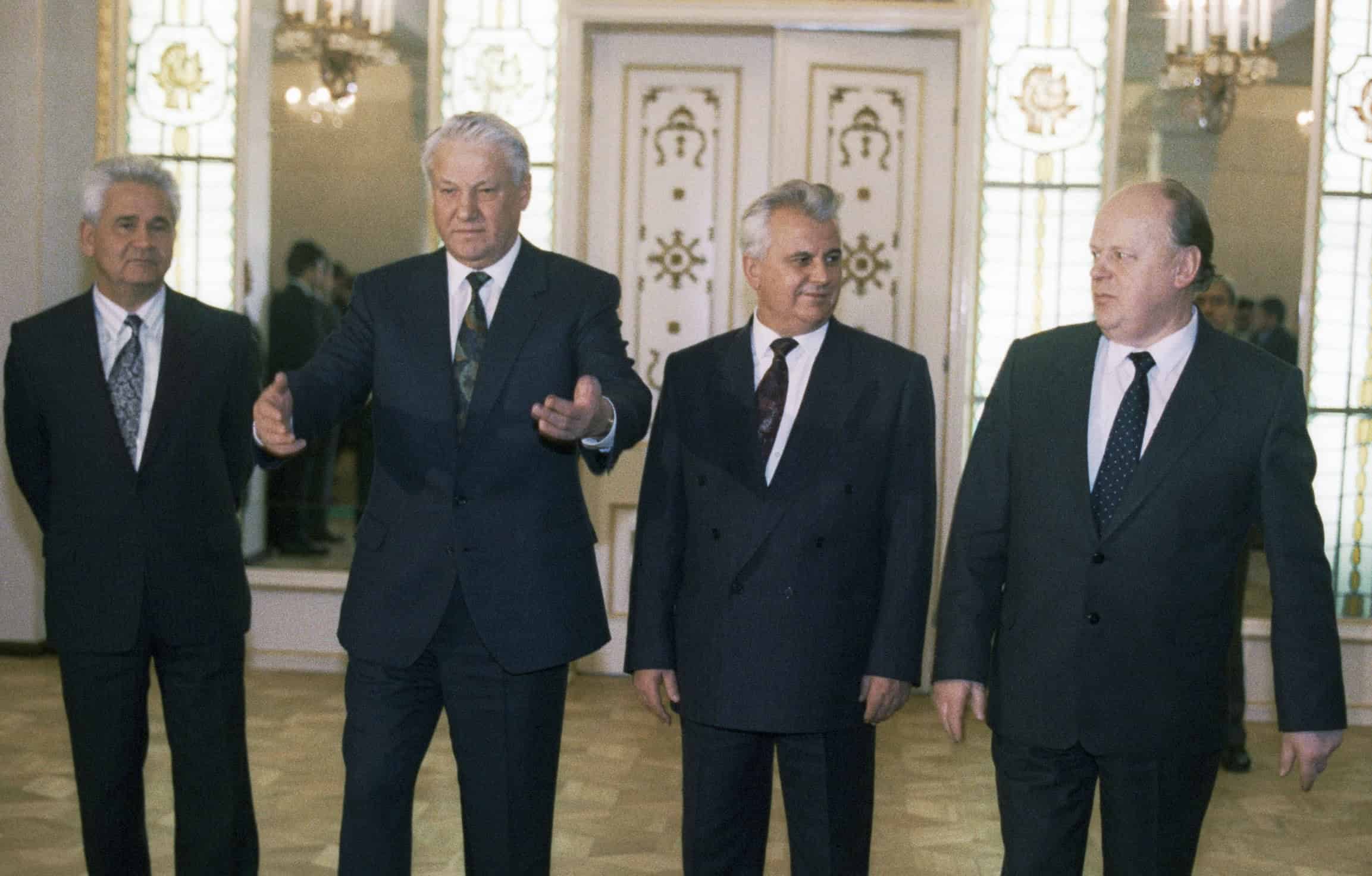
December, 1991: Presidents of Russia, Ukraine and Belarus gathered at a remote hunting cabin in the Belavezha Forest. They had intended to sign minor economic oil and gas accords.
However, over dinner one night, Belarusian president Stanislav Shushkevich drunkenly mumbled that the Soviet Union was fatally flawed. Russian President Boris Yeltsin grabbed that one sentence at face value and slid his pen across the table with a blank piece of paper inviting Shushkevich to write an official declaration ending the empire.
That night, the trio of leaders hastily drafted the Belavezha Accords, effectively dismantling the USSR over a single weekend and bypassing Mikhail Gorbachev entirely.
The radio order
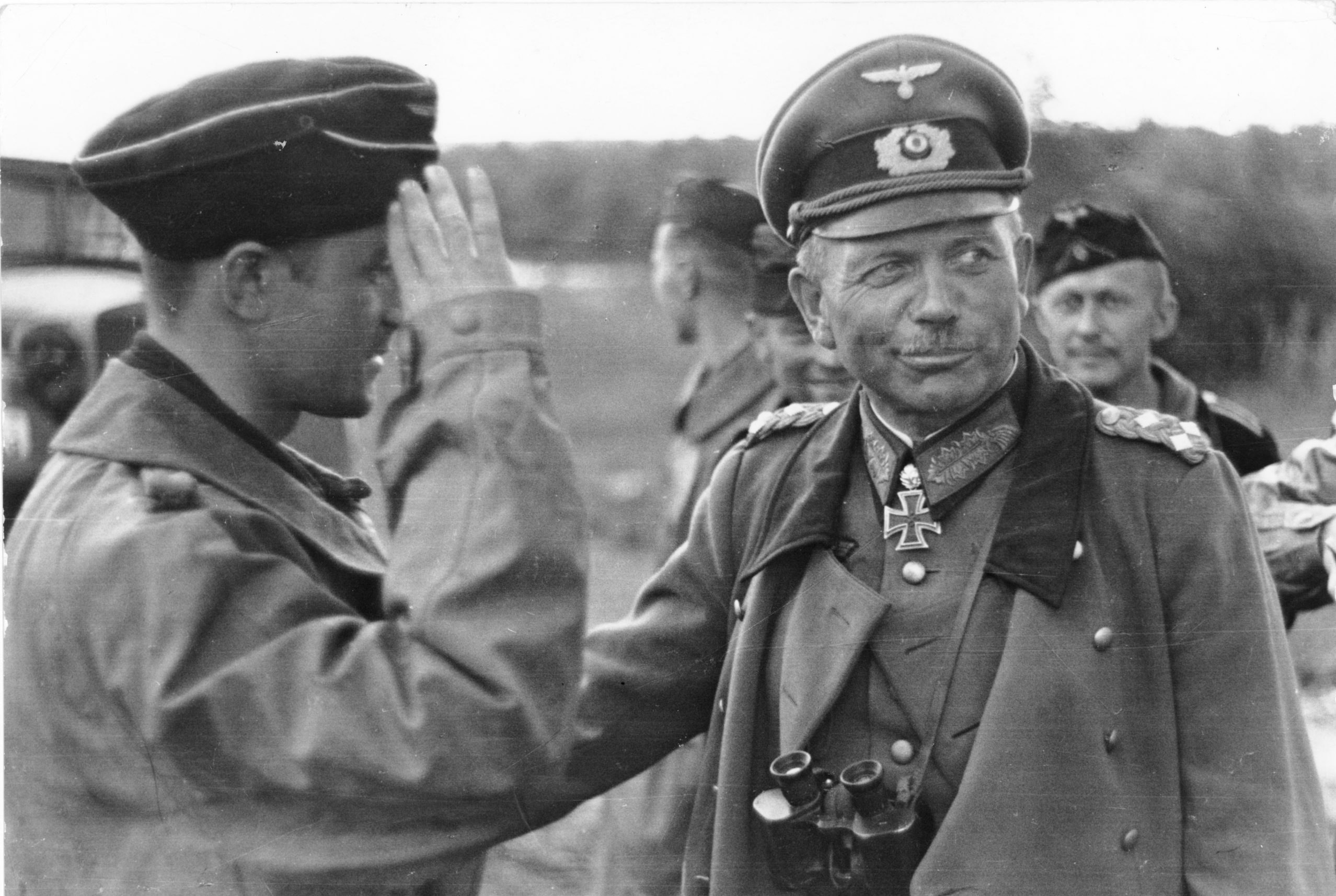
In May 1940, as Germany invaded France, General Heinz Guderian drove his tanks in a lightning thrust through the Ardennes.
Worried his tanks were pulling too far ahead of the foot soldiers, the General Staff commanded him to halt his advance and await their arrival.
Despite a direct radio order to halt, Guderian risked disobedience, characterizing his continued push as a “reconnaissance in force” to capitalize on French chaos. His rapid advance threw Allied forces into chaos, trapped the British at Dunkirk, and resulted in Paris’ rapid capture weeks later.
The empty gap
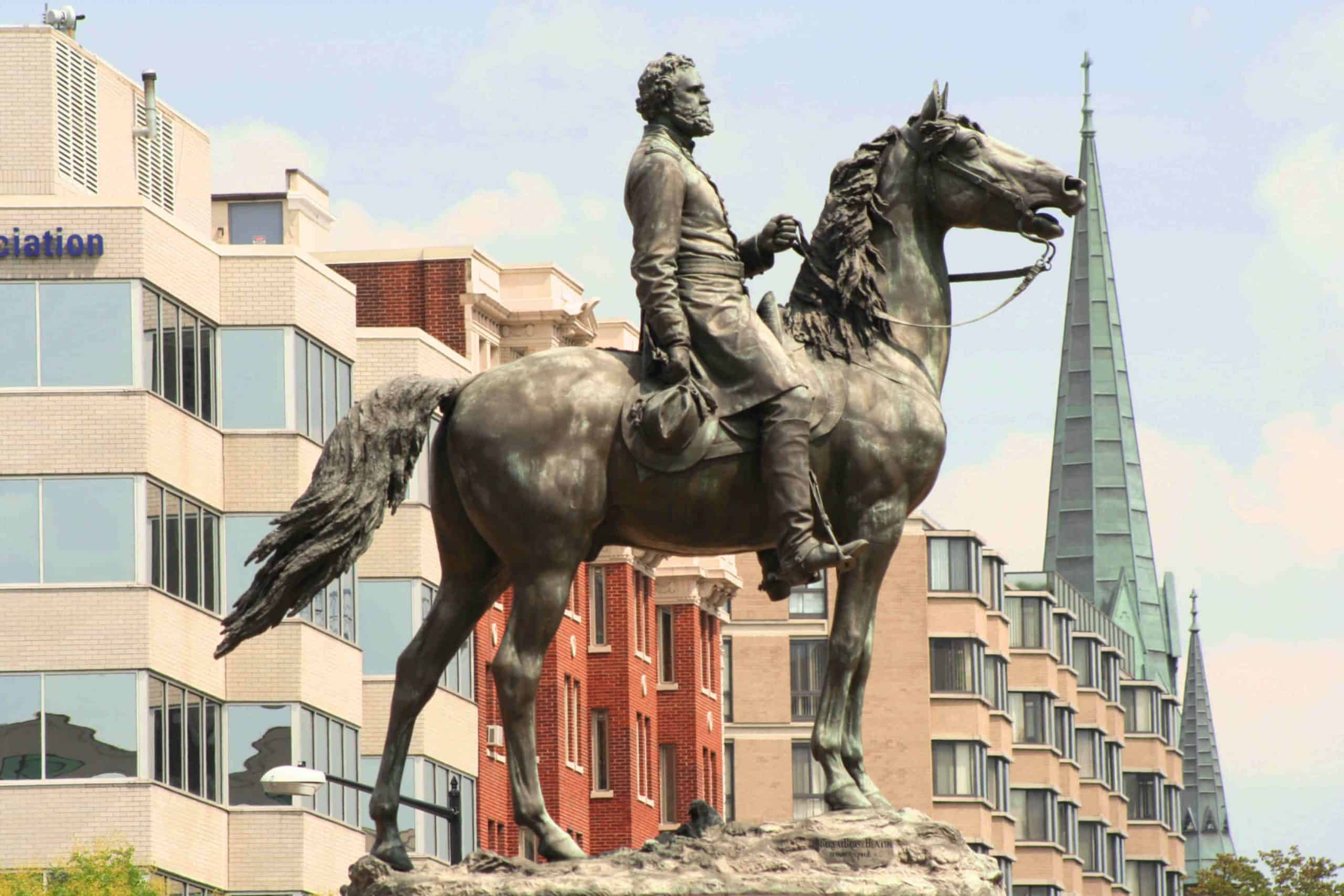
At a critical juncture in the 1863 Battle of Chickamauga, a significant mix-up led to a Union division vacating its post. This left a huge hole in the north’s center.
Confederate troops poured through the gap, and the Union commander and a large portion of his army broke into a panicked retreat towards Chattanooga. Seeing this, General George Thomas refused to retreat with his commander.
He gathered the remnants of various regiments on a nearby ridge. His tenacious, and completely improvised defense bought time for hours against the whole Confederate army, preventing utter destruction of the Union’s West Army.
The wrong carriage
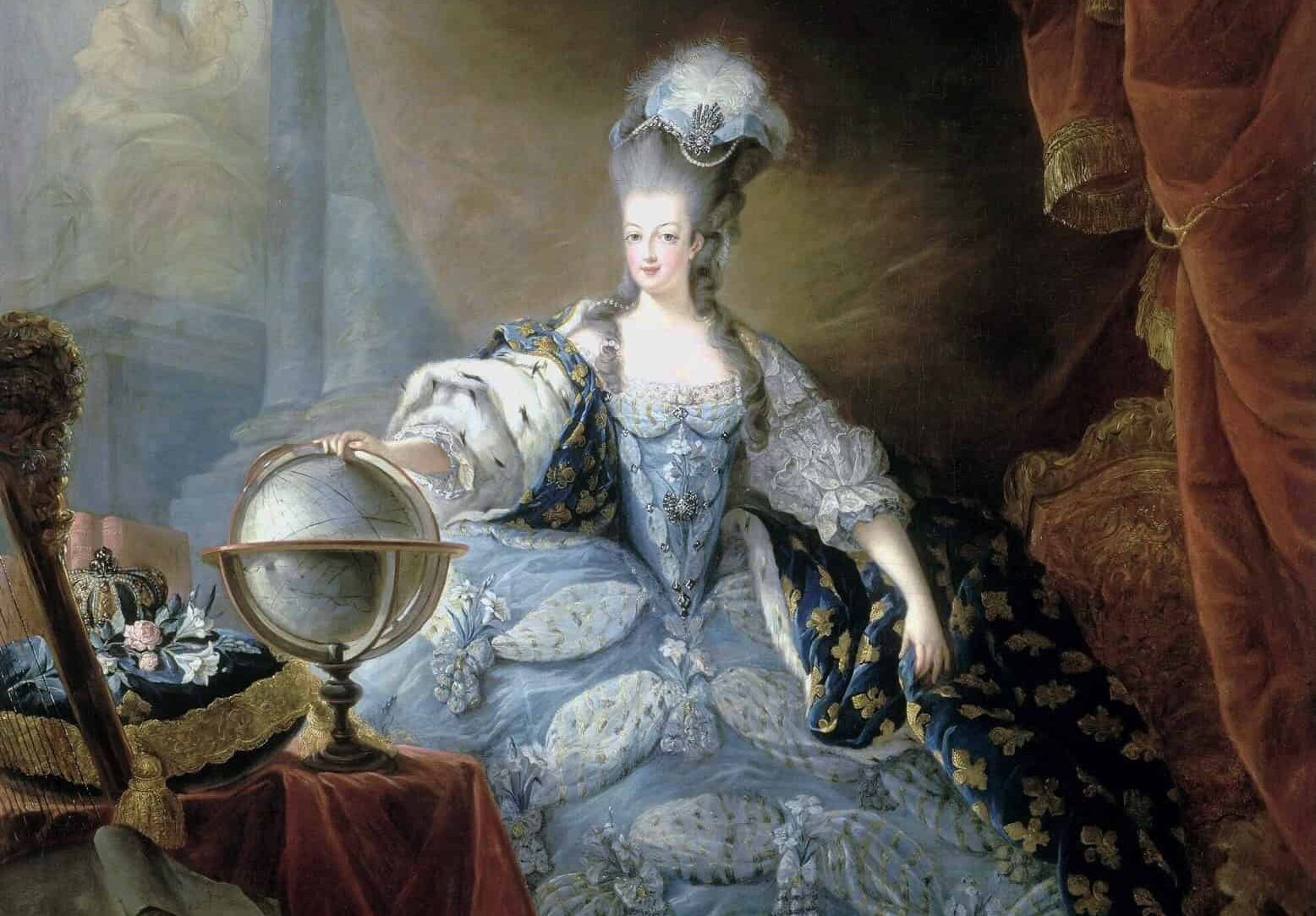
In June 1791, the French Revolution was heating up, so the royal family tried to escape Paris to join up with royalist forces just outside of the country. General Bouillé advised them to flee separately in pairs in two small, fast, plain carriages so as not to attract attention.
Marie Antoinette adamantly declined the suggestion at the time, instead opting for one large, extremely heavy, extravagant coach known as a Berlin so the family could ride in style together.
The showy, lumbering carriage fell hours behind schedule, missed its intended military protection, and was recognized by a local postmaster, leading to their capture.
Five signals

After five US intercontinental ballistic missiles were detected by a Soviet satellite warning bunker in September 1983, alarms began blaring throughout the room, shaking with strobing red lights.
According to protocol, Soviet officers were required to respond to the computerized data with an immediate nuclear strike of their own.
Ignoring the computers, Petrov followed his instinct, decided that America would never launch only five missiles in a first strike, and reported a false alarm. He alone kept the Soviet military from reacting to a computer glitch stemming from sunlit clouds, thereby averting WWIII.
A different meaning
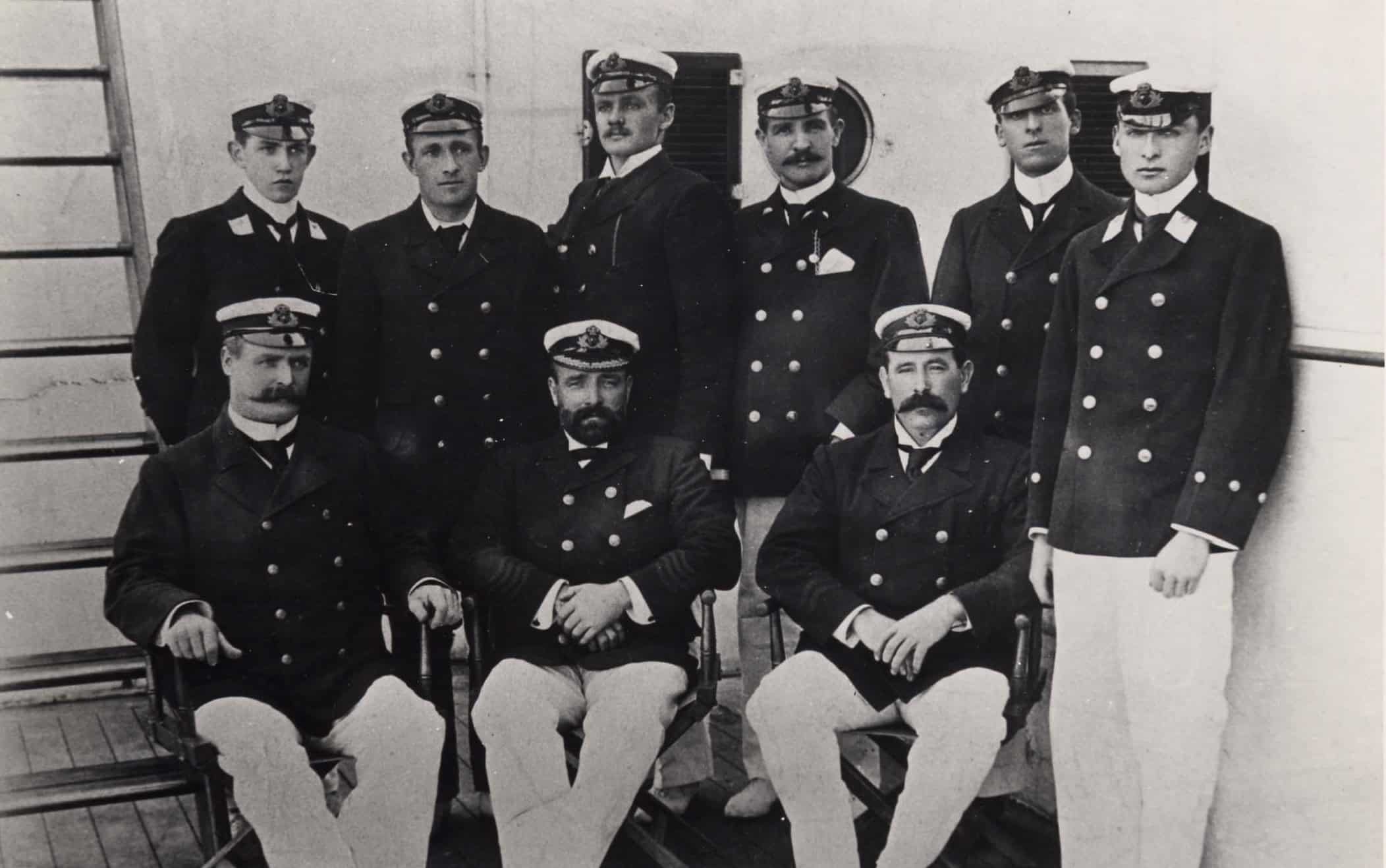
As the Titanic sank, Captain Edward Smith instructed crewmembers to begin loading the lifeboats utilizing his policy of “women and children first.” Officer Charles Lightoller manned the loading of the lifeboats on the port side of the ship.
Lightoller took Captain Smith’s instructions in the most absolute, literal sense and denied boarding to any man even if a lifeboat was half-empty. Because of Lightoller’s rigid interpretation made in a split-second decision, dozens of lifeboats were lowered into the icy Atlantic Ocean with empty seats that could have accommodated hundreds of fathers and husbands.
Across the ship on the starboard deck, the officers understood that same directive as “women and children first, with men to follow if there was space.”
The waiting line
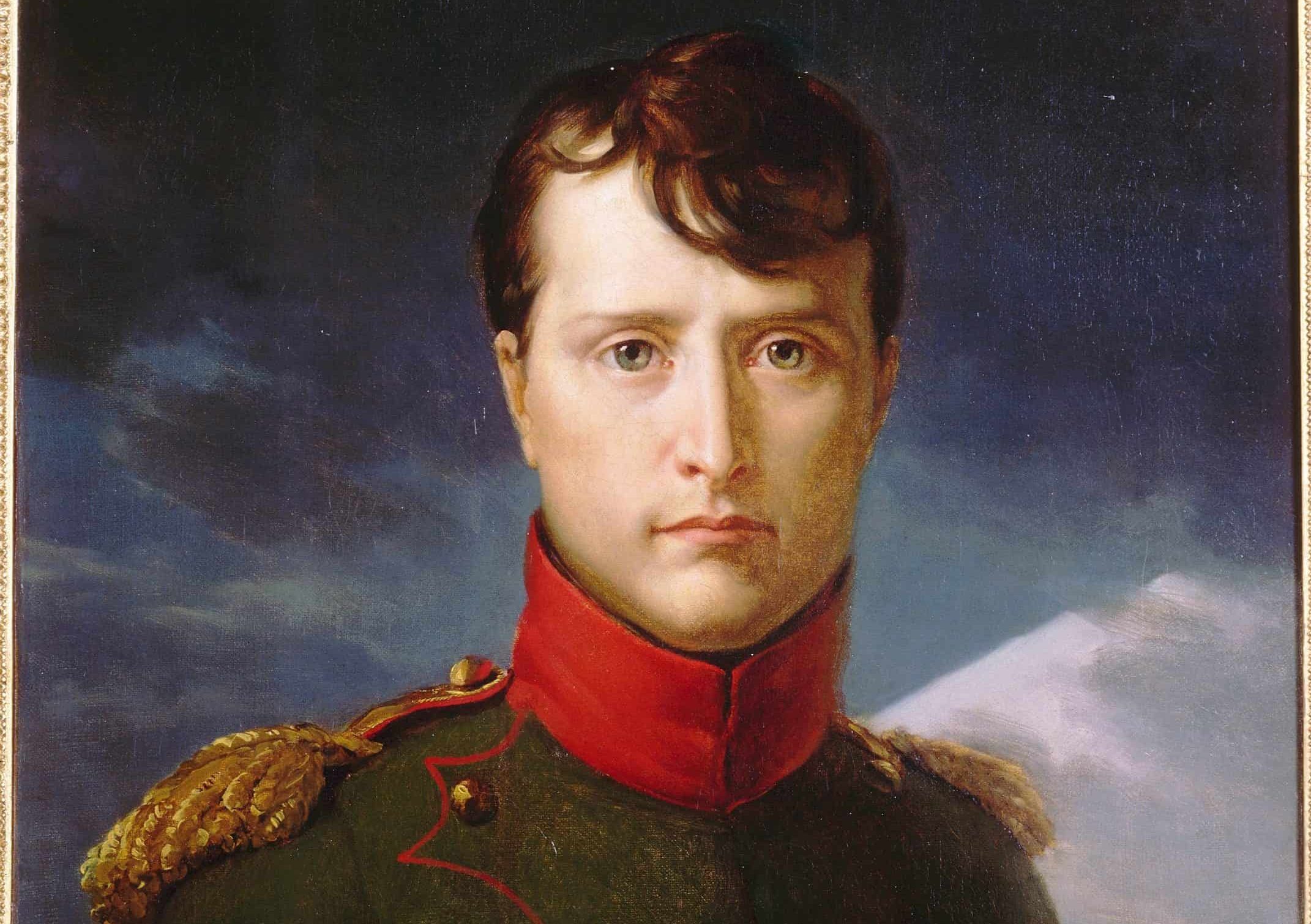
As the Battle of Waterloo dawned in 1815, Napoleon Bonaparte opted to hold back his initial infantry attack for several hours, waiting for the morning sun to dry the sodden ground and allow his heavy artillery to maneuver more easily.
As the French forces delayed their advance, the Duke of Wellington seized those valuable moments to strategically employ the undulating Belgian landscape, positioning the majority of his Allied infantry beyond view behind the crest of a hill.
Napoleon sent thousands of heavy French cavalry charging over the hill’s peak, expecting to see routed soldiers fleeing before them. Instead they found British troops in perfectly formed bayonet-defense squares.
The delay and Wellington’s strategic placement dispersed the initial French charge long enough for Prussian reinforcements to arrive, leading to Napoleon’s ultimate defeat.
A lucky draft
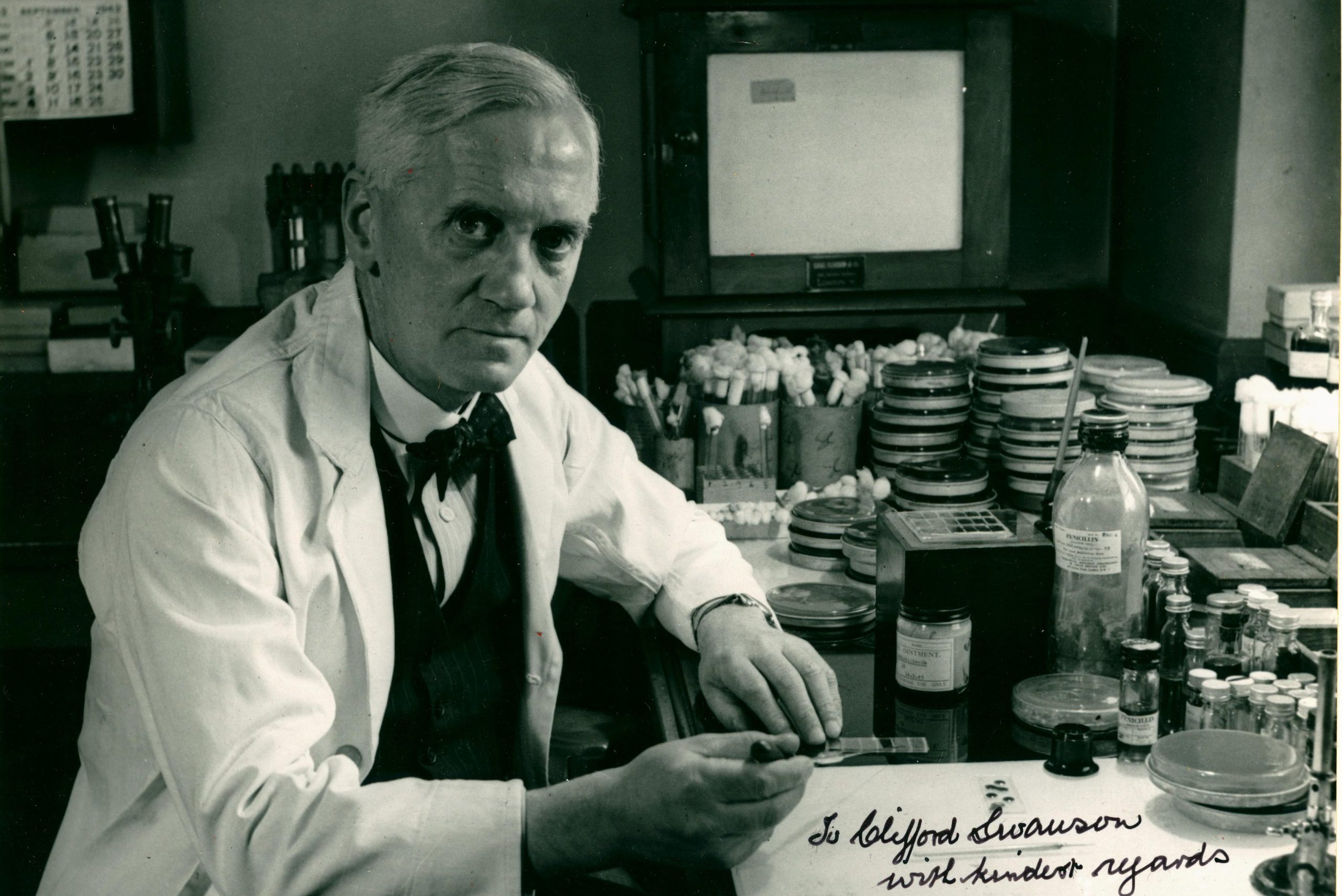
When the bacteriologist, Alexander Fleming was hurrying out of his London lab on Sept. 19, 1928 to begin a four-week summer vacation with his family, he did not bother to clean up his work station or stash his deadly staph cultures safely away in a temperature-regulated incubator. Instead he piled them up on a bench near his lab’s front door.
While he was gone, a spore of Penicillium notatum floated up through the floorboards and airshafts that his downstairs basement neighbor, a mycologist studying molds, had unwittingly cultivated.
The lucky spore fell neatly into one of Fleming’s open, abandoned petri dishes creating a ring of death bacteria buffer that he discovered upon his return, a fortunate mess that led to the modern antibiotic era.
No return fire
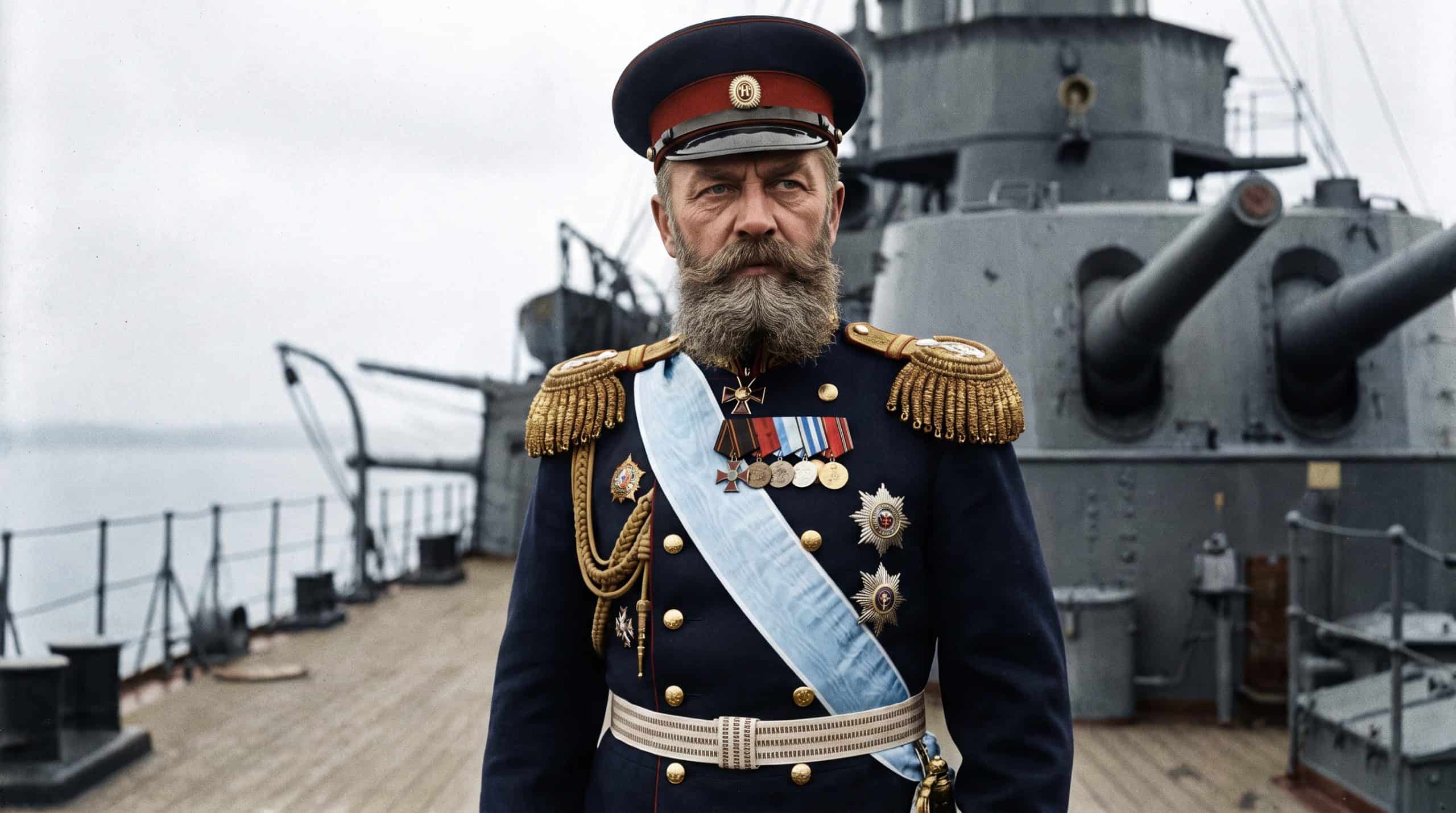
In August 1905, Tsushima had become a disaster for Russia. Admiral Zinovy Rozhestvensky’s fleet had been rocked for hours. They were about to be utterly destroyed by Japan’s navy.
With his flagship crippled and most of his fleet either lost or scattered, Rozhestvensky found himself without recourse as Japan advanced for the decisive strike.
Hoping to avoid senselessly massacring the remainder of his sailors, Rozhestvensky hastily ordered his crew to raise the internationally recognized maritime signal flags for “Surrender” from his battleship.
However, Japanese Admiral Togo was worried that this was a trick to draw his ships into torpedo range and refused to stop firing for several more minutes.
Only after Rozhestvensky stopped his ship’s engines completely and had all flagpoles retracted did Togo realize the Russians were honestly attempting to surrender and called off the attack, leading Japan to become a world superpower.
Thirteen minutes
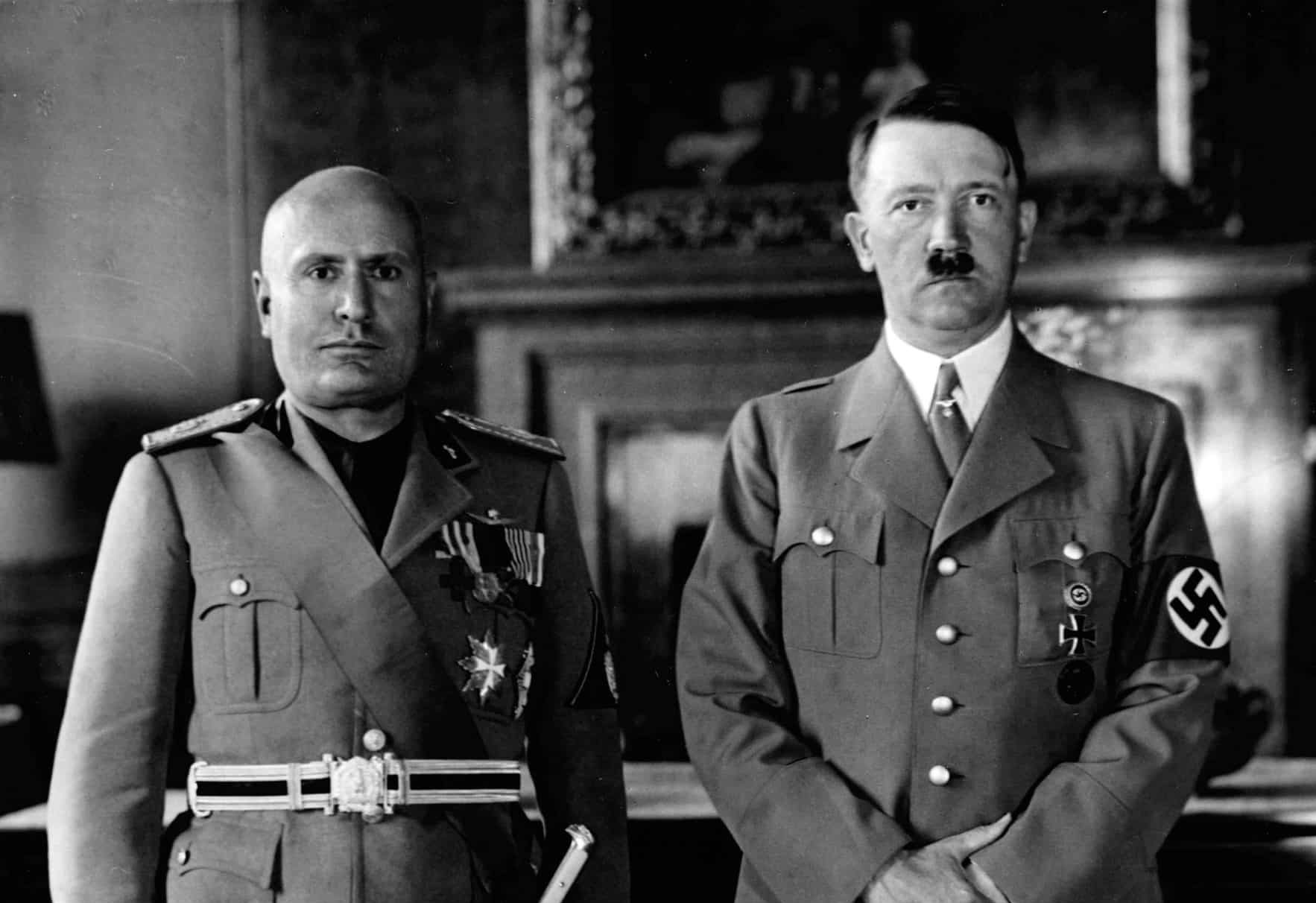
German carpenter, Georg Elser did his fair share of waiting on November 19, 1939. Each night, Elser patiently chiseled away behind Hitler’s podium at Munich’s Bürgerbräukeller beer hall, where Hitler was to give his annual speech that year.
There he mounted a state-of-the-art, build-it-yourself time bomb that was meant to explode while Adolf Hitler delivered his annual anniversary speech.
Normally, Hitler’s speeches stretched on for hours, but a thick fog that day prompted him to shorten his remarks to make an earlier train back to Berlin. Hitler actually left the hall thirteen minutes before Elser’s bomb blasted through the pillar that would have otherwise obliterated the Nazi Party before WWII.
The unread note
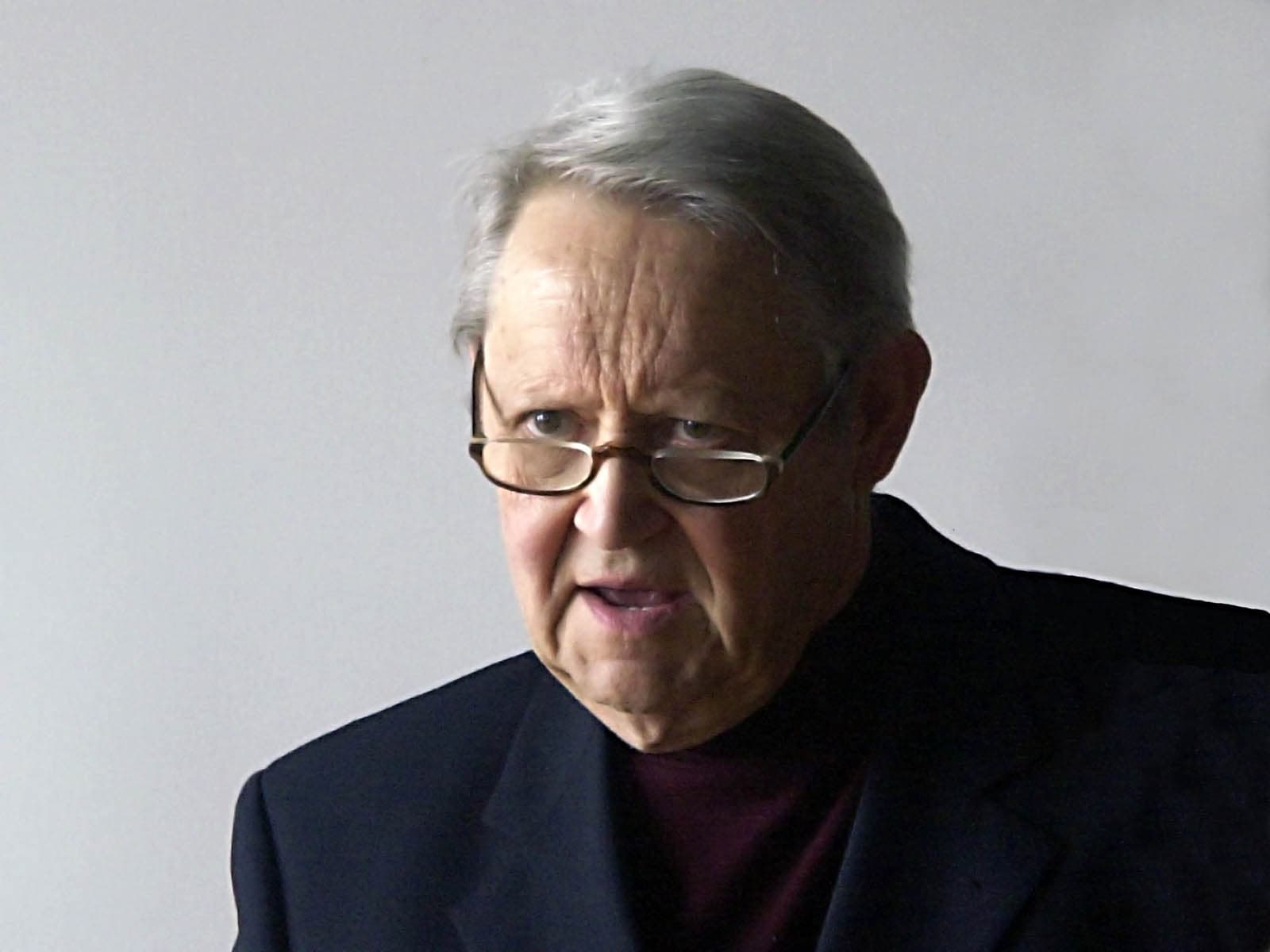
Günter Schabowski, a senior East German official, was handed a note on November 9, 1989. The note read about a new temporary travel policy involving minor border easements.
Schabowski was about to give a live televised press conference. He quickly glanced at the note before going on stage, but didn’t actually read it. When a reporter inquired about the timing of the new travel policy, Schabowski faltered, consulted his notes, and stammered out, “To my knowledge, it’s effective right away, with no delay.”
But in truth, the plan was for a gradual, bureaucratic implementation that would have still required travelers to obtain visas. And because of Schabowski’s abrupt announcement, thousands of East Berliners swarmed the border checkpoints that night, and the guards had no choice but to open the gates, tearing down the Berlin Wall.
The final vote
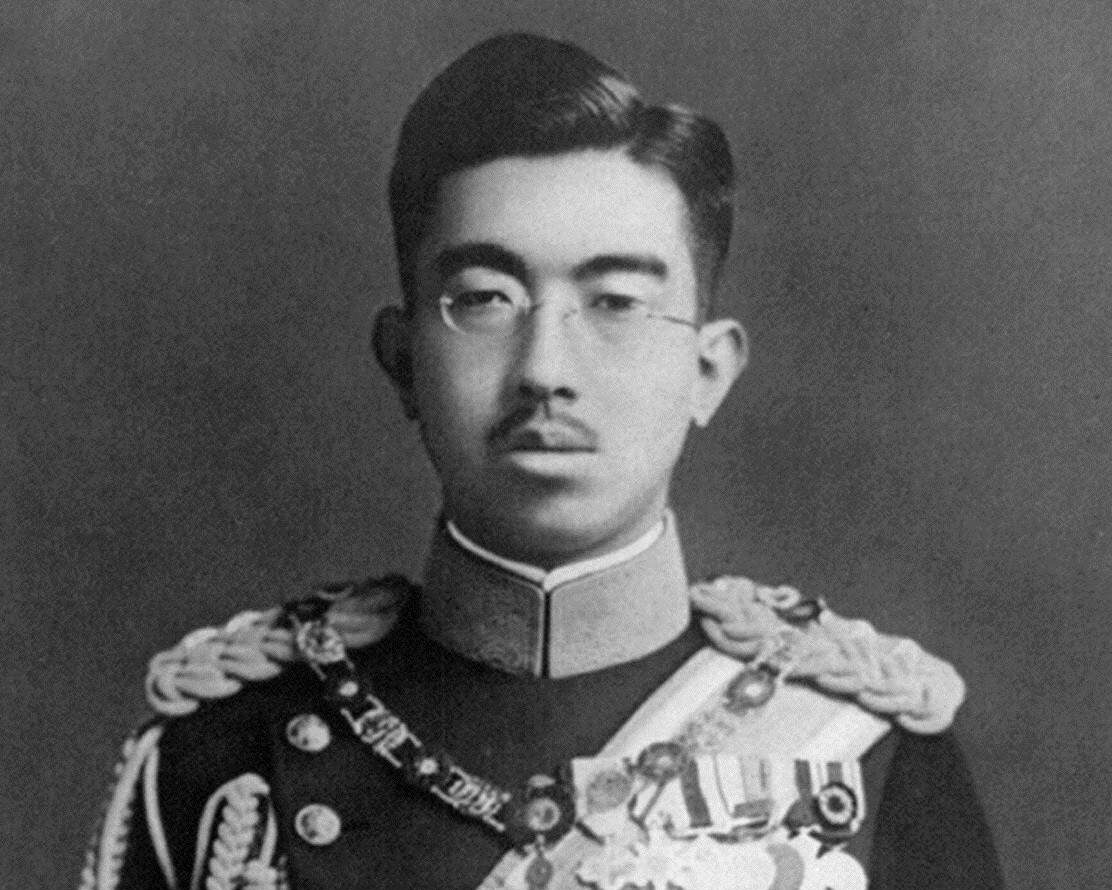
Deep beneath Tokyo, Japan’s Supreme War Council convened on August 19, 1945. Hiroshima had been destroyed just four days before and Nagasaki on August 9th. The Soviet Union had also invaded Manchuria. Japan was rapidly crumbling but its six-person Supreme War Council couldn’t agree on surrender.
Three hardliners argued that continuation of the war was vital to maintain national honor. Three members supported immediate peace. Unable to reach a decision, Hirohito intervened himself.
Discarding more than two hundred years of an imperial rule that insisted the emperor be a voiceless, divine figure, Hirohito cast the deciding vote for peace.
His action broke the deadlock and enabled Japan to surrender. The fighting in World War II ended, avoiding an Allied invasion of Japan.
Narrow waters
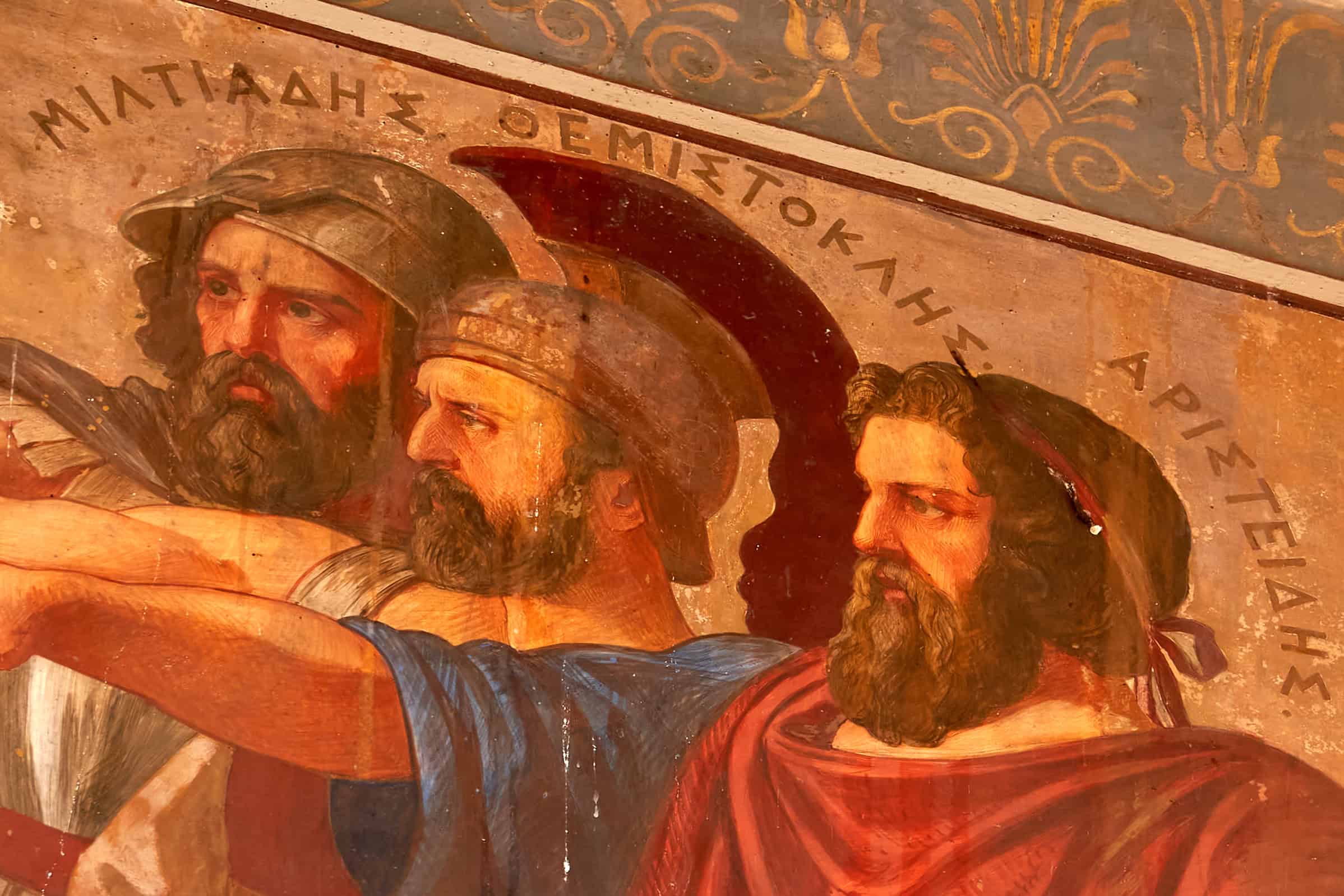
480 BCE: Persian troops were torching Athens. Greek leaders held a council to discuss their next course of action. Most favored withdrawing to the Peloponnese since they thought they had no chance against the overwhelmingly larger Persian naval force.
Themistocles knew fighting in the open sea would be suicide. Although the Greeks had faster ships, they’d be outnumbered on every side. So he devised a bold plan.
He sent a man he trusted to King Xerxes with a falsehood. Claiming to be a traitorous Greek, he told Xerxes that the Greeks were not unified and that their fleet was about to flee.
Xerxes bought it, and moved his fleet into the narrow Straits of Salamis to prevent the Greeks from escaping. It backfired. The tight confines of the strait neutralized the Persians’ superior numbers.
With their enemy trapped in the narrow channel, the Persians were at a disadvantage. Unable to maneuver effectively with their bigger ships, the nimble Greek triremes picked them off for an incredible victory.
The lone destroyer
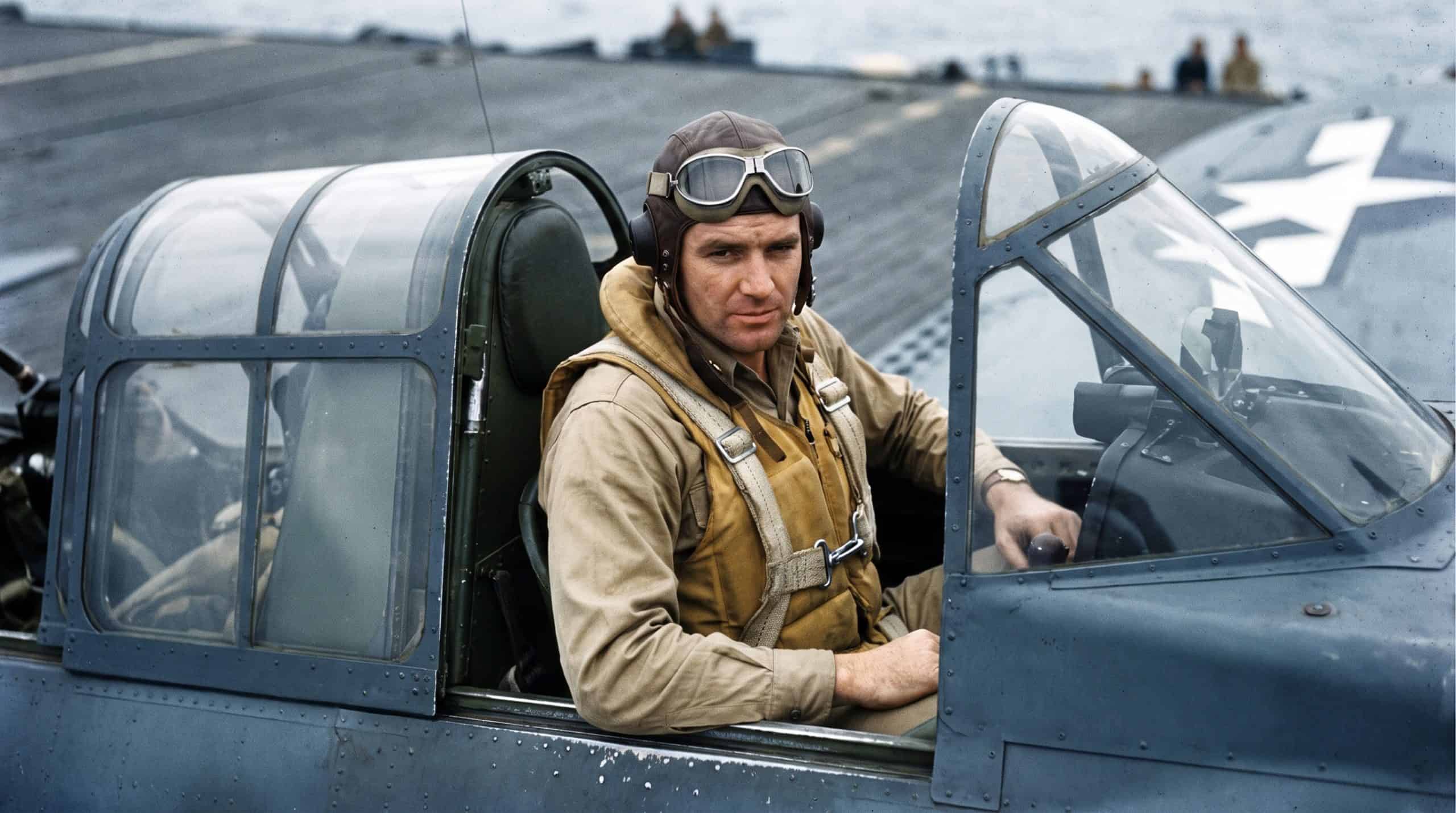
June 4, 1942: American dive bombers led by U. S. Navy pilot, Wade McClusky arrived at their planned rendezvous point over the Pacific during the Battle of Midway. This was where they were expecting the Japanese carrier force to be.
There was no one there. Not a single Japanese ship. Miles and miles of open ocean. With low fuel, the logical decision would’ve been to head back so their planes wouldn’t run out of gas. But McClusky spotted something in the distance: a lone Japanese destroyer (Arashi) sprinting across the ocean at full speed after having just torpedoed an American submarine.
For some reason, he kept staring at it. He could’ve abandoned the search for Japanese ships at this point. Rather than abandoning the search, he decided to follow the destroyer, hoping it was returning to the rest of the fleet. And it didn’t take long.
By trailing the Arashi, McClusky was guided straight to the Japanese fleet carriers. American dive bombers piled on and sank three of the ships in minutes. This powerful attack fundamentally altered the Battle of Midway and became a pivotal moment in the Pacific War.
Twenty-five seconds
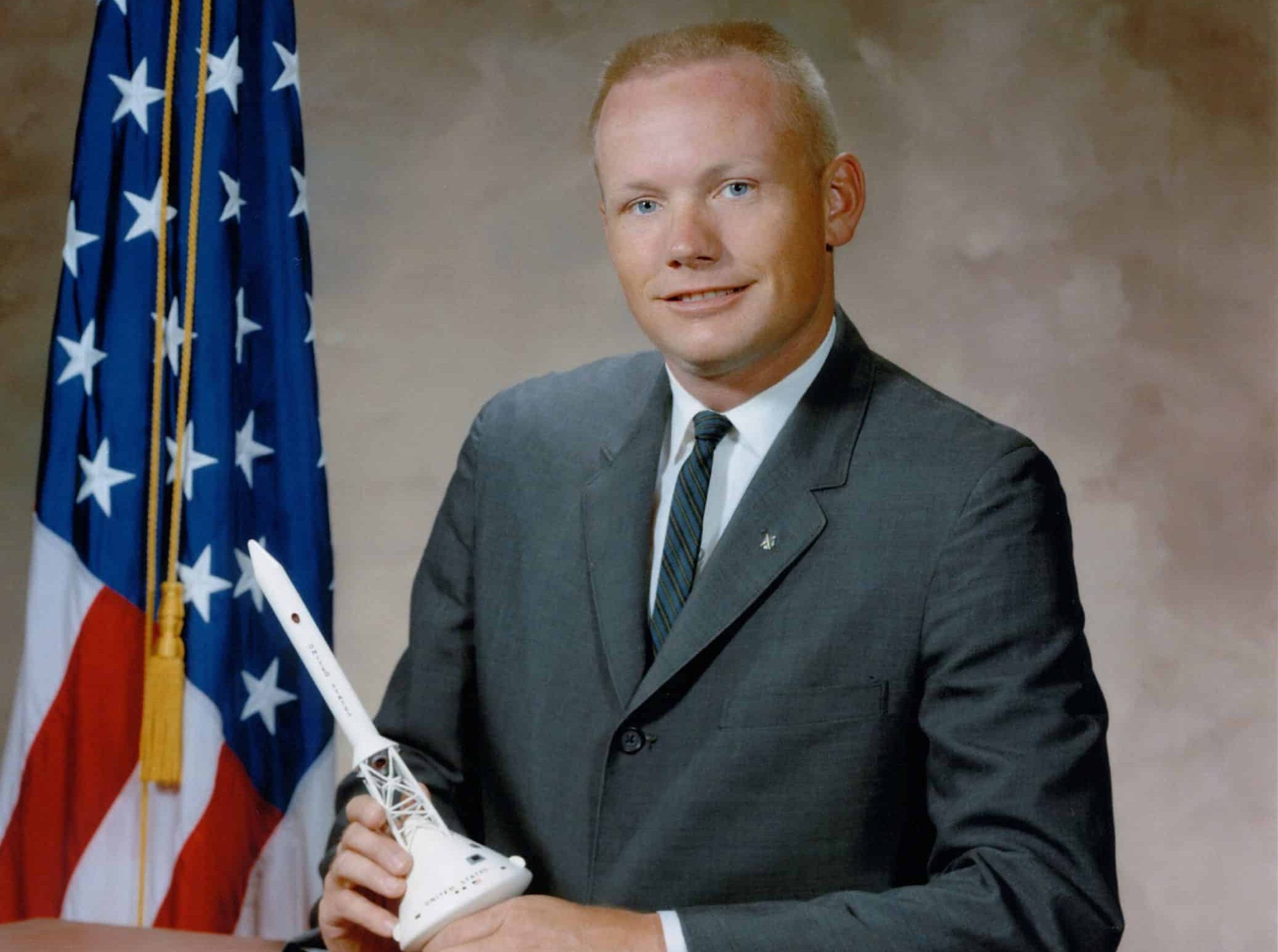
On July 19, 69AD, Apollo 11’s Lunar Module was slowly gliding toward the moon.
Neil Armstrong was piloting the lunar module towards the moon. As he glanced out the window, he spotted that the automated system was directing them directly towards a huge crater covered in massive rocks.
Instantly the computer displayed alarm codes, and beeped rapidly. It was becoming overloaded, and they had only seconds to decide what to do.
Armstrong’s pulse quickened to 156 bpm as he switched off autopilot. Cruising just above the moon’s surface, he began to scan for a place to land, knowing that time was running out on their fuel.
Armstrong landed the craft with only 25 seconds worth of fuel, averting what would have surely been a disastrous, deadly crash that would have cost billions of dollars.
Sources: Please see here for a complete listing of all sources that were consulted in the preparation of this article.
Like our content? Be sure to follow us.

