

Many parents don’t do it on purpose, but 10 toxic parenting habits can deeply damage your child’s self-esteem, stability and future relationships.
Constant Criticism

Kids need guidance. But constant negative feedback about their actions will make them believe they will never be good enough.
Don’t say things like, “why are you so lazy?” or “you always mess things up.” These can leave a long-lasting impact on children.
They will grow up to feel like failures or become perfectionists who fear making mistakes.
Guilt and Shame

When parents say, “After everything I do for you, this is how you treat me?” they are guilt-tripping their kids and teaching them that love and acceptance depend on meeting certain conditions.
When these kids grow up, they will do everything to earn love and affection from others, without establishing the boundaries that they need to. Their self-worth will suffer.
Ignoring or Dismissing
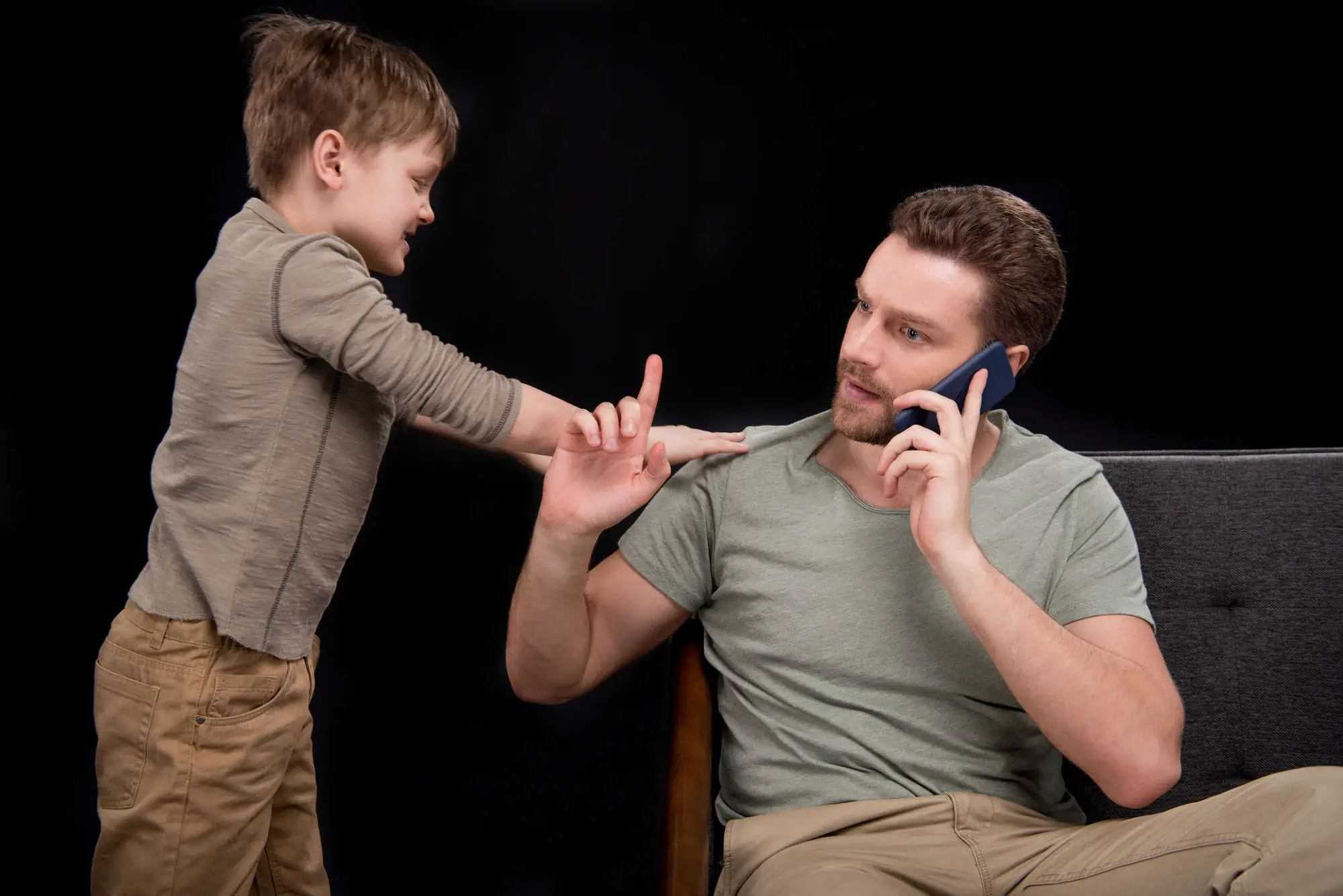
Telling kids to stop crying because their feelings aren’t a big deal, or calling them dramatic in the moment, sends the wrong message. It tells them that their emotions are not important.
This can teach kids to shut down emotionally later in life, which is no good for any relationships that they hope to have.
Controlling

Parents who practice helicopter parenting may have good intentions. But their constant control over their children’s clothing choices, friendships, or their hobbies makes kids feel confined.
With time, these kids may become rebellious or not be able to make independent choices as they grow up.
Comparing

Comparing children’s behavior, abilities, skills or grades to siblings, friends or cousins is not great for them.
This kind of behavior only teaches them to doubt their abilities or be worried about constantly proving their worth.
No Apologies

Parents who believe that adults shouldn’t say sorry think it reflects strength. Kids with never-at-fault parents think that they don’t have to be accountable for anything either when they grow up.
And guess what? This causes all kinds of issues in adulthood, with future relationships, at work or with their own families.
Conditional
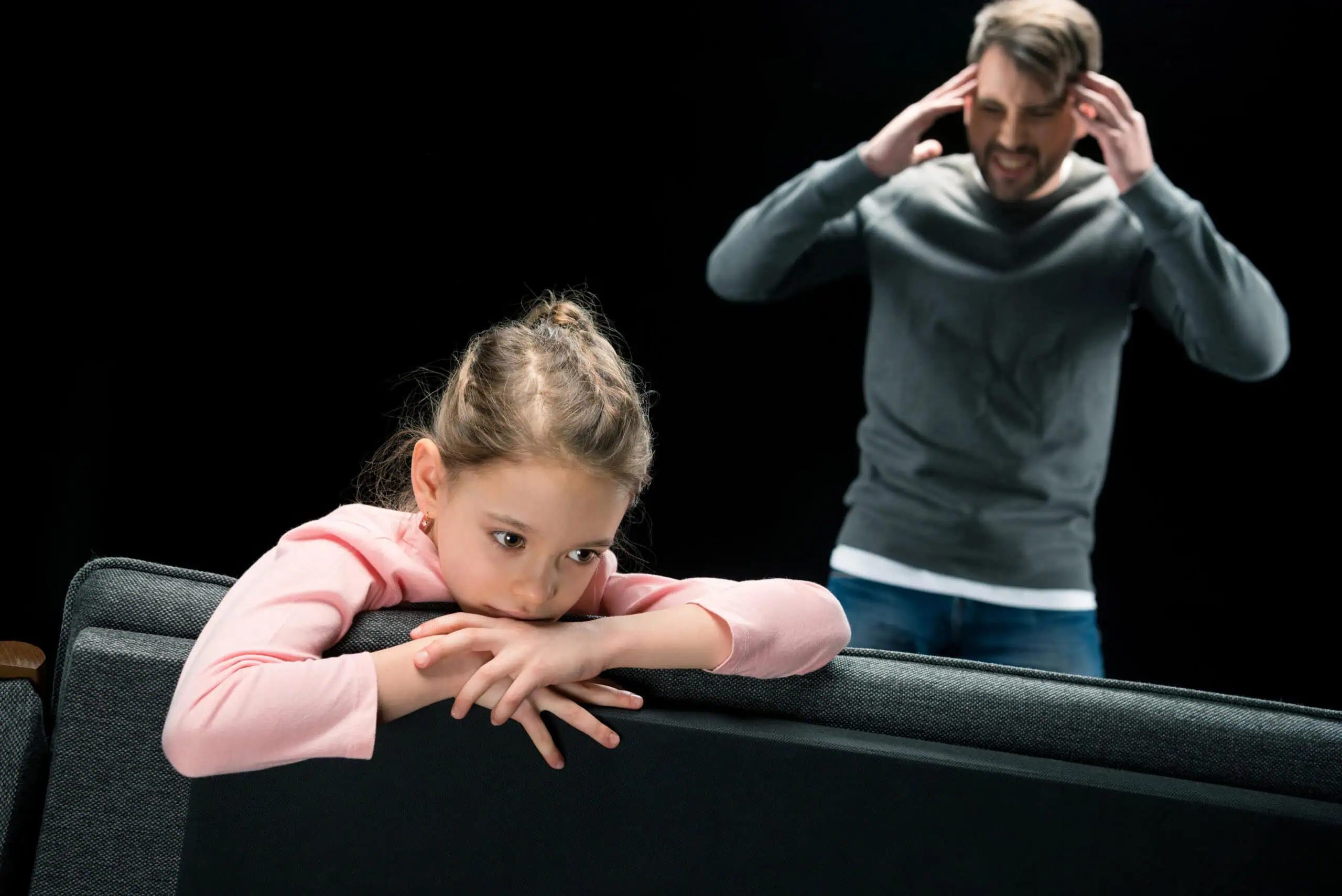
If you praise children only when they win a trophy or get good grades, it again teaches kids that love is conditional on what they do or don’t do.
Parents must make sure that kids know they love them no matter what.
Projecting

Although you wanted to become a doctor all your life, that doesn’t automatically mean your child shares your ambitions.
Just because you couldn’t achieve something, does not mean that you have to confine your kids to that goal. It puts too much pressure on them and can lead to an unfulfilled life.
Fear

Getting kids to do something out of fear of punishment or aggressive behavior does not earn you any respect.
The approach fails to teach children about the importance of doing the right thing because it only focuses on preventing them from being caught.
Expression

Kids should be free to express their genuine personality as they grow up. If parents constantly express embarrassment at their behavior or personality, it can drive kids to dislike themselves.
In the future, these children can grow up to be people pleasers or face depression due to continued suppression of their true selves.
Old-school parenting ideas worth revisiting

Raising children did not always feel this rushed or overmanaged. Many everyday habits were simple, quiet, and learned through living, not instruction. They weren’t perfect, but they helped children grow steady and capable. Over time, fear and modern pressure pushed these habits aside. What’s surprising is how much research now shows they mattered more than we thought.

