

It’s funny how, with one strange fact, some of history’s most famous faces suddenly seem a lot more human, or in some cases, even stranger.
A problem on the river
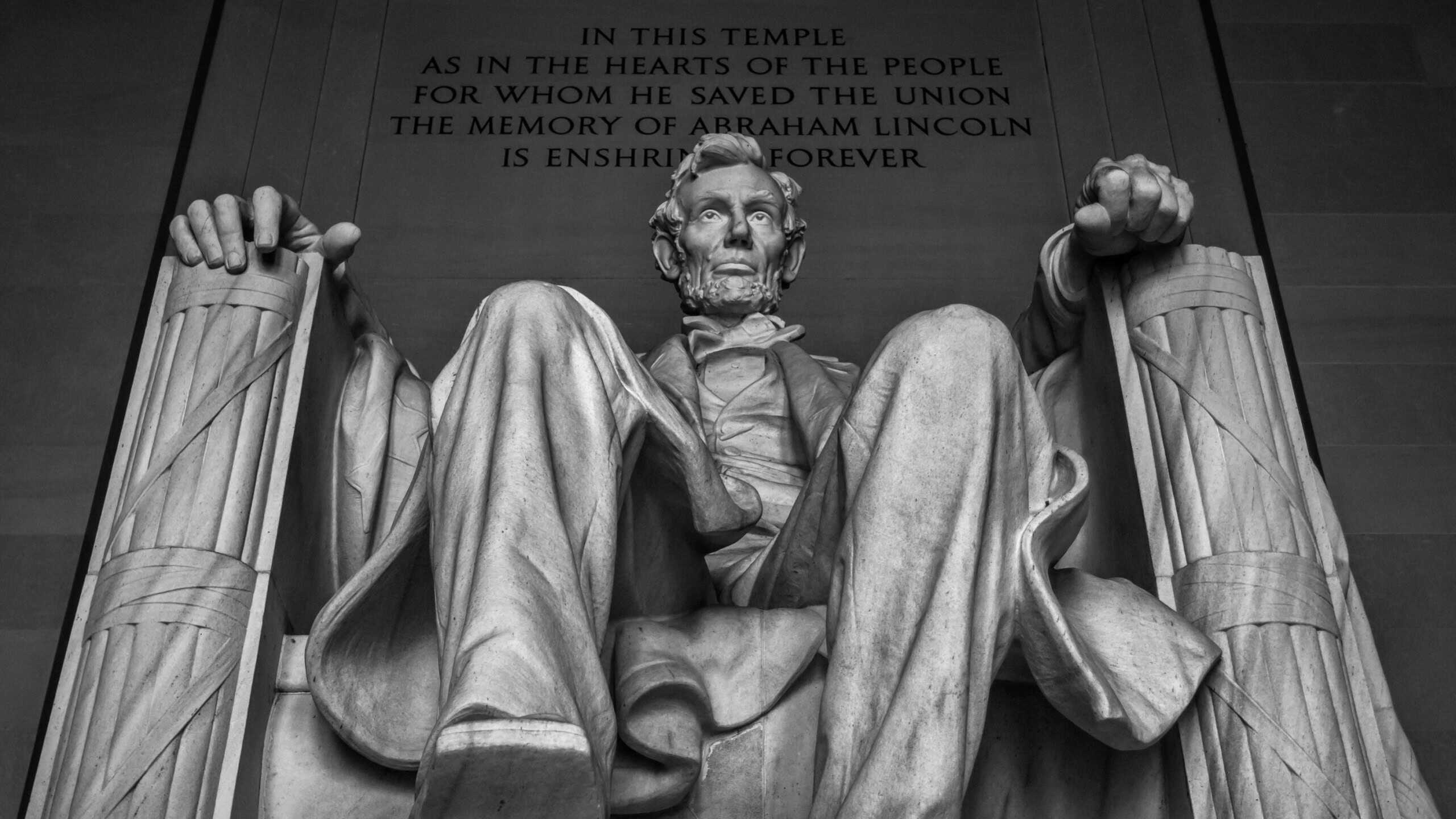
It sounds fake. At least, it does at first, when you hear that President Abraham Lincoln actually had a patent, because what reason would he need one? For a speech, maybe? No, it turns out that he got U.S. Patent No. 6,469 before he entered the White House for something quite odd.
It was for something called ‘Buoying Vessels Over Shoals,’ in other words, a device that lifts boats, using inflatable air chambers. Makes sense, Lincoln had seen river travel up close, he knew all about the dangers and difficulties of it, he even tested a model with bricks.
When the rules got awkward
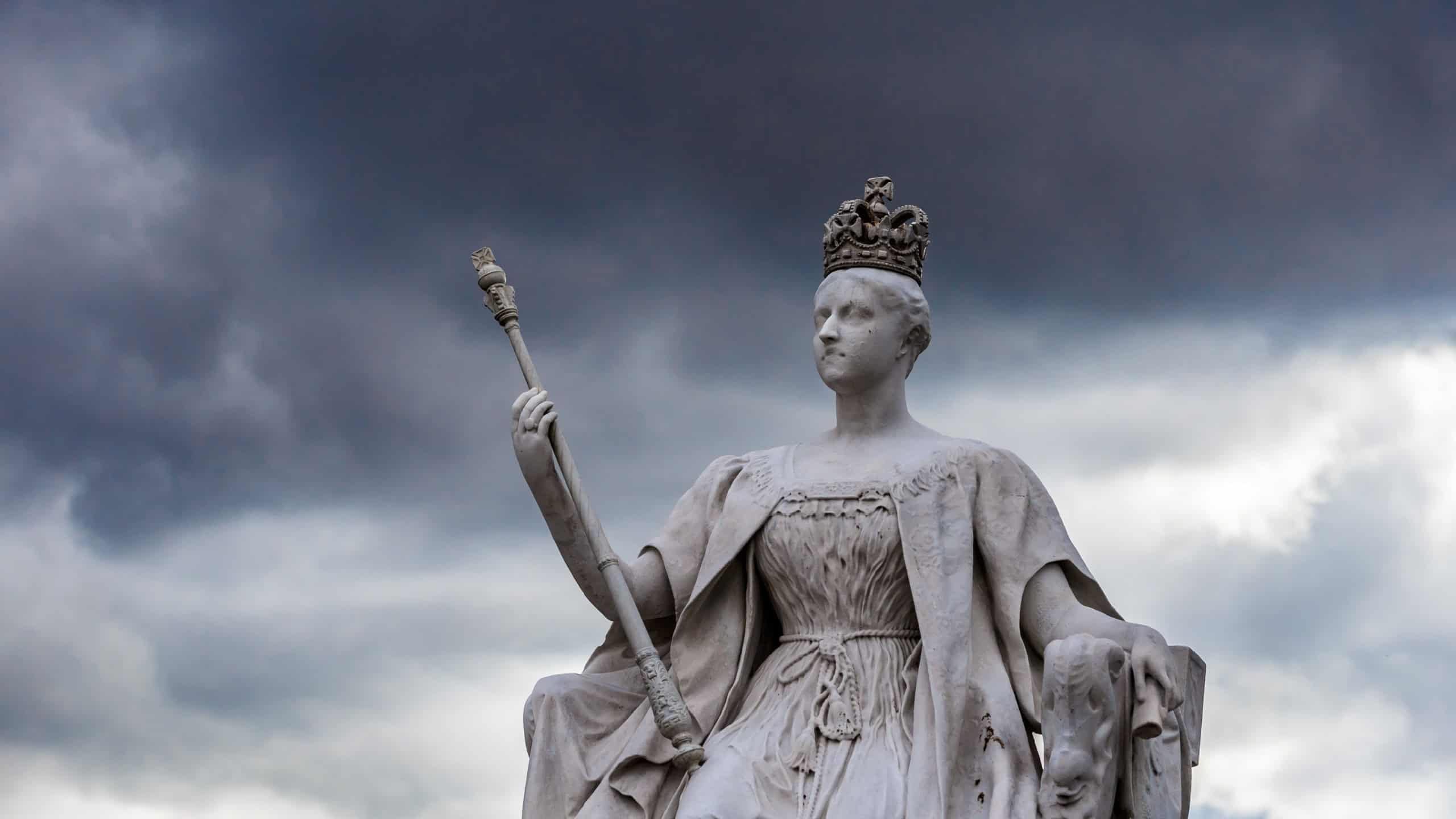
You’d think someone like Queen Victoria would get a fairy-tale proposal moment. You’d be wrong, though, because she was the one who actually had to propose, mostly because royal conventions said she outranked Prince Albert.
She proposed to him on October 15, 1839, telling Albert that marrying him would make her ‘too happy,’ that’s a lot of emotion from someone usually seen being so stiff. The good news for her was that he said yes and they married the following February. It was a true royal wedding.
A gloomy little draft
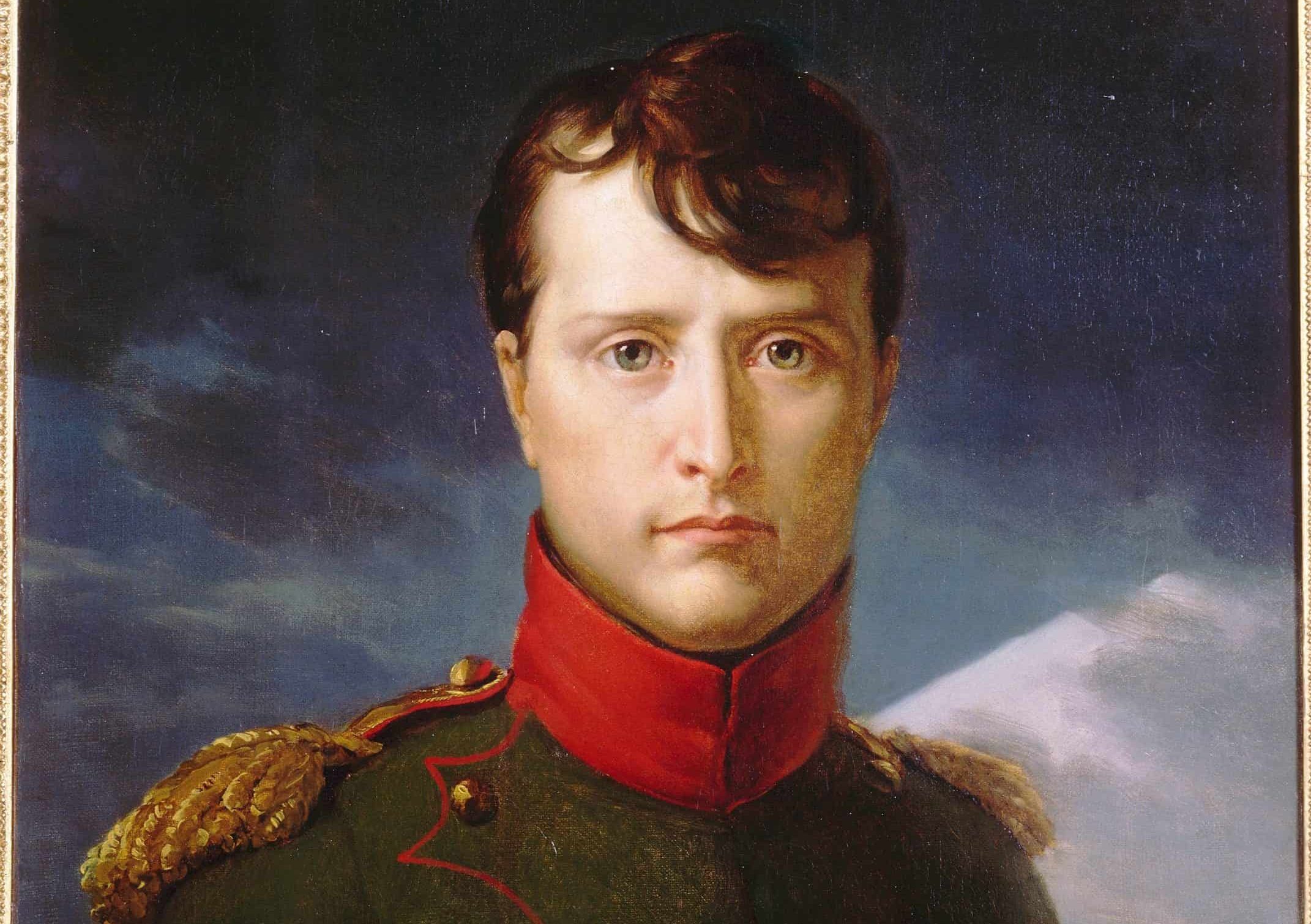
Napoleon. Hardly the guy most people think of when they think about romance, but it turns out, he was quite the lovey-dovey kind of guy. He wrote a romance novel around 1795, while he was still young. Clisson et Eugénie was about a soldier named Clisson, funnily enough.
He falls in love and gets hurt, ultimately having a tragic ending, you know, like most romance novels. Unfortunately, we’ve only got fragments of the manuscript to this day. But something tells us that it wasn’t going to become a beach read or anything.
A polite no from Princeton
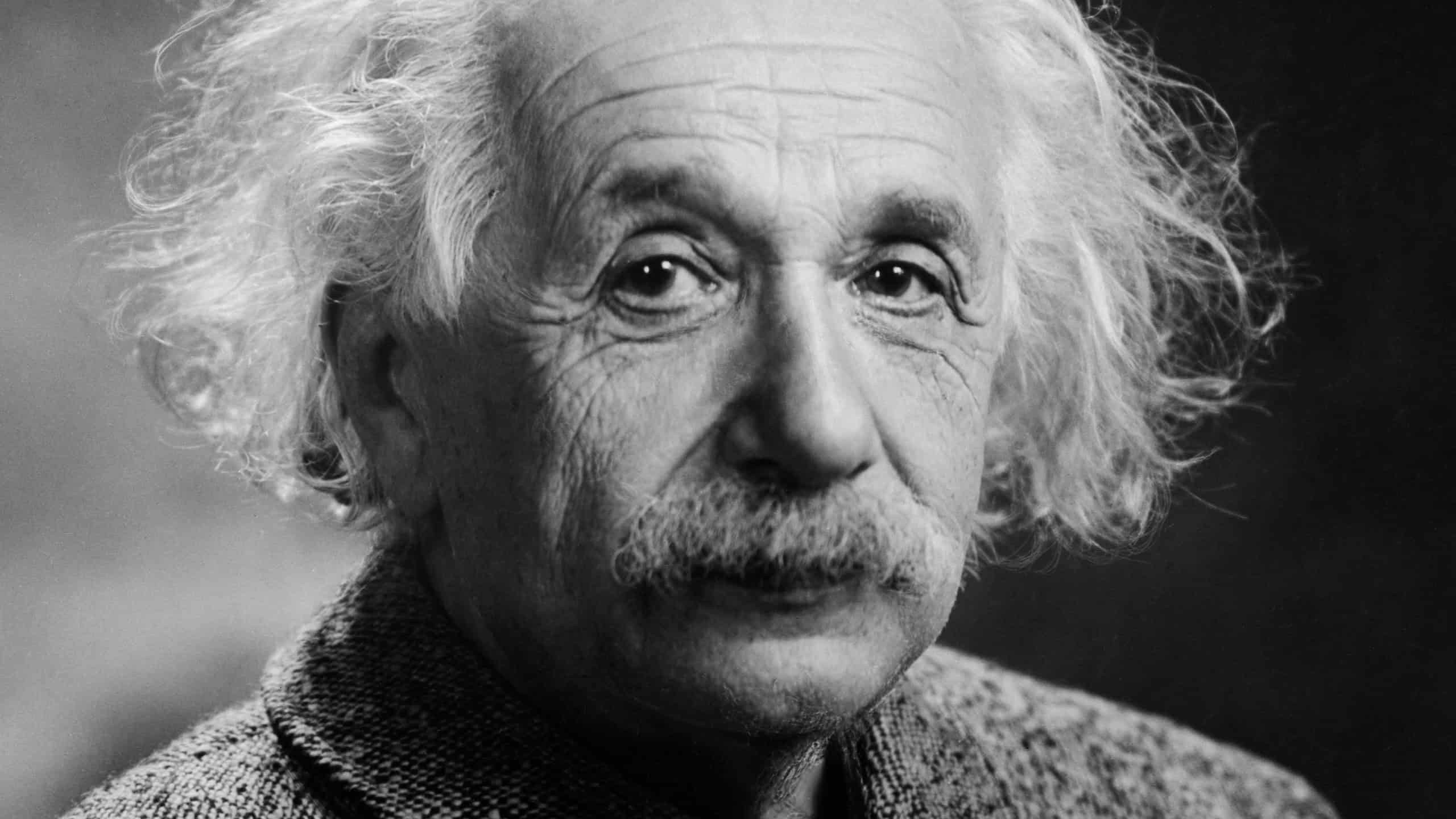
President of Israel Chaim Weizmann died in 1952, and it left Israeli officials scrambling. So what did they do? They called upon the smartest guy they, and basically everyone else, knew to take the position. That’s right, they asked the one and only Albert Einstein to become the leader.
The genius of all geniuses was living in Princeton at the time and was also 73 years old, not exactly the perfect age for a president. He turned down the position because he said he only dealt with objective facts, and didn’t have the experience for the role; kind of figures, really.
Too many tiny choices
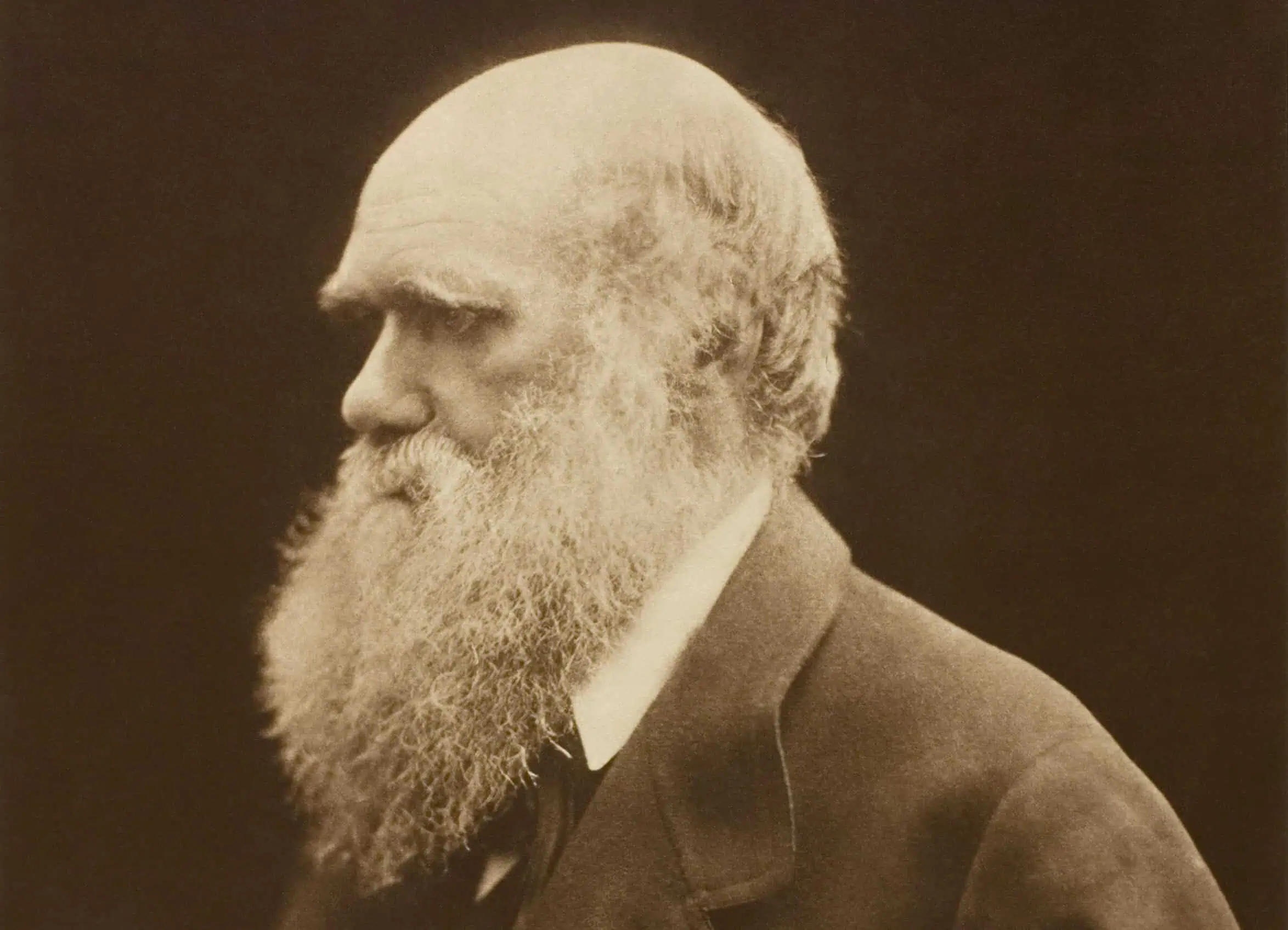
Charles Darwin was a beetle lover, that’s not the amazing fact here, everyone knows he liked animals. Picture the scene, he found two rare beetles under some bark and put one in each hand. But then Darwin saw a third one, he had to have it. Yet he had no free hands.
His solution? Not to ask for help, no, Darwin decided to put one beetle in his mouth. It released a burning fluid on his tongue that forced Darwin to spit it out. Ironically, he lost that bug and the third one; it was a terrible day for beetle collection all around.
A tiny singer in Vienna
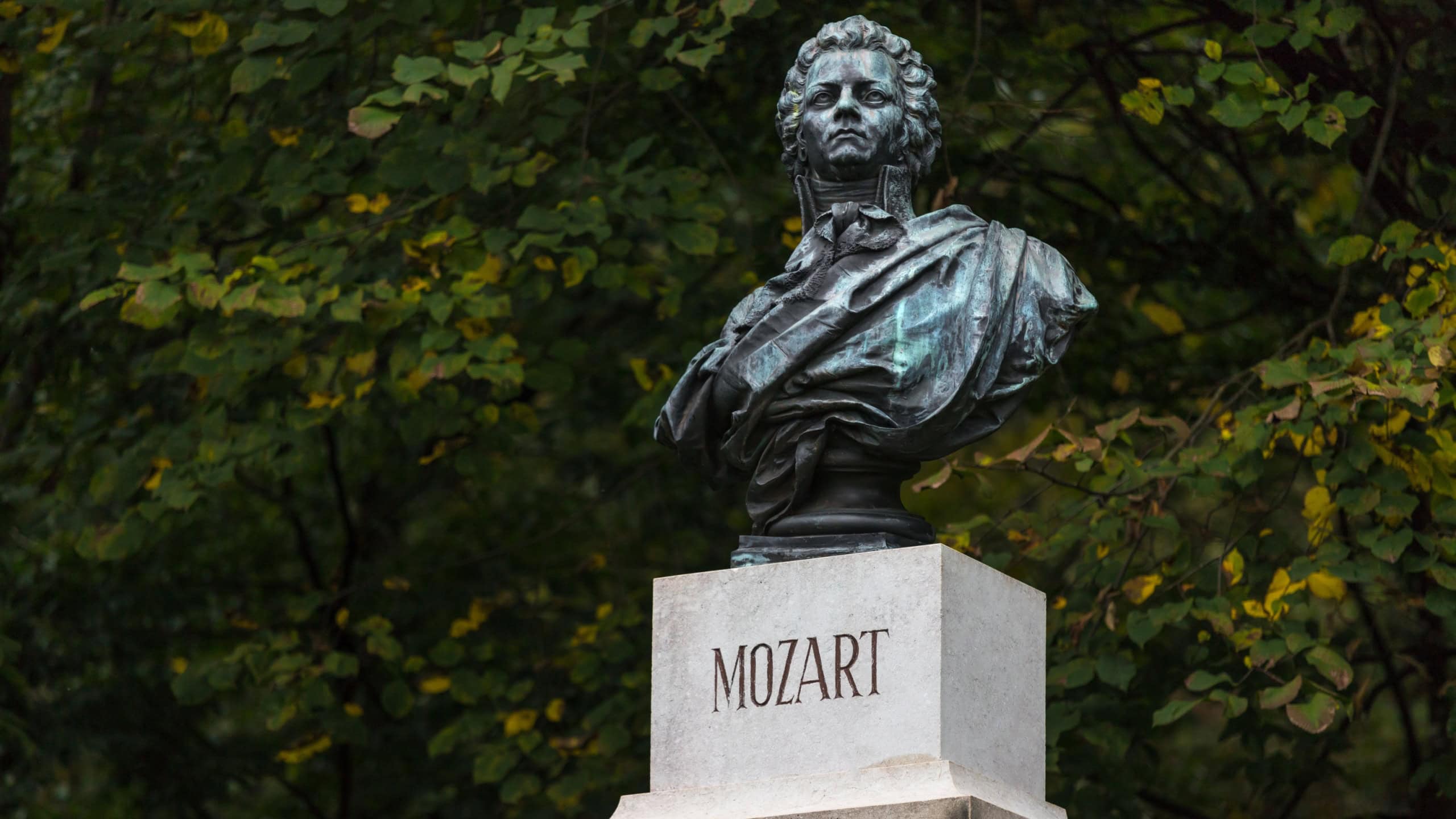
You might not think of Mozart as an animal kind of guy. He really was, though; he had a pet starling that could sing part of one of his piano concertos, or at least, it kind of could. Mozart heard it singing one day and wrote down the tune it sang in his notebook.
Turns out, the melody was close, weirdly close, to a theme from his Piano Concerto in G major, K. 453, but not perfectly right. Mozart was enough of a stickler to mark the little differences. A bird messing up Mozart, now we’ve heard it all.
Metal from above
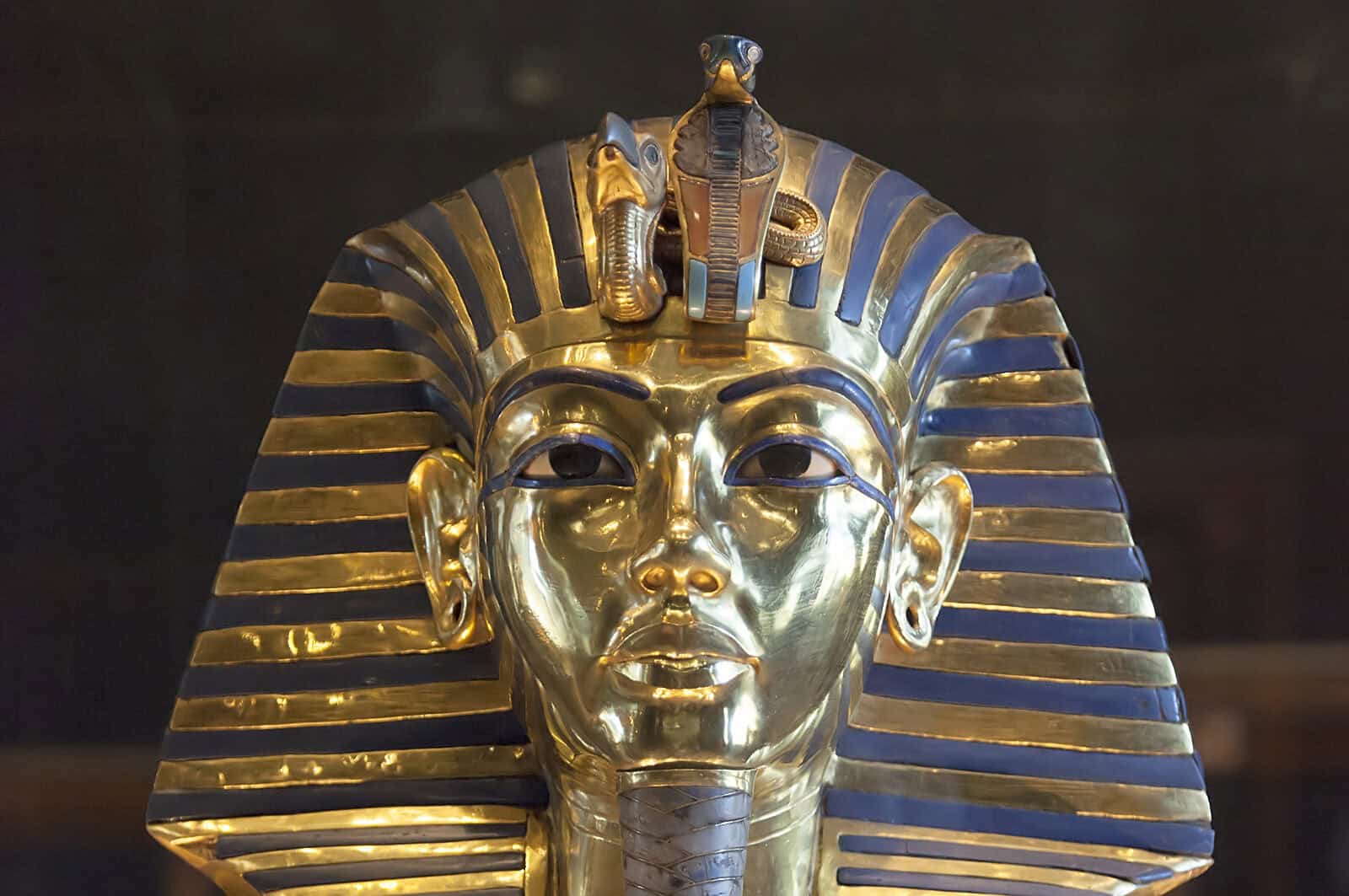
It was once normal to be buried with your valuables. King Tutankhamun took it to a new level, a cosmic one, in fact, because he was buried with an iron dagger made from a meteorite. Tests found high levels of nickel and cobalt that seemed to come from a meteorite.
The dagger itself was only found in 1925, a few years after Howard Carter opened the tomb in question. There was enough drama in ancient Egypt with the pharaohs alone without the interstellar stuff.
A ransom with an ending
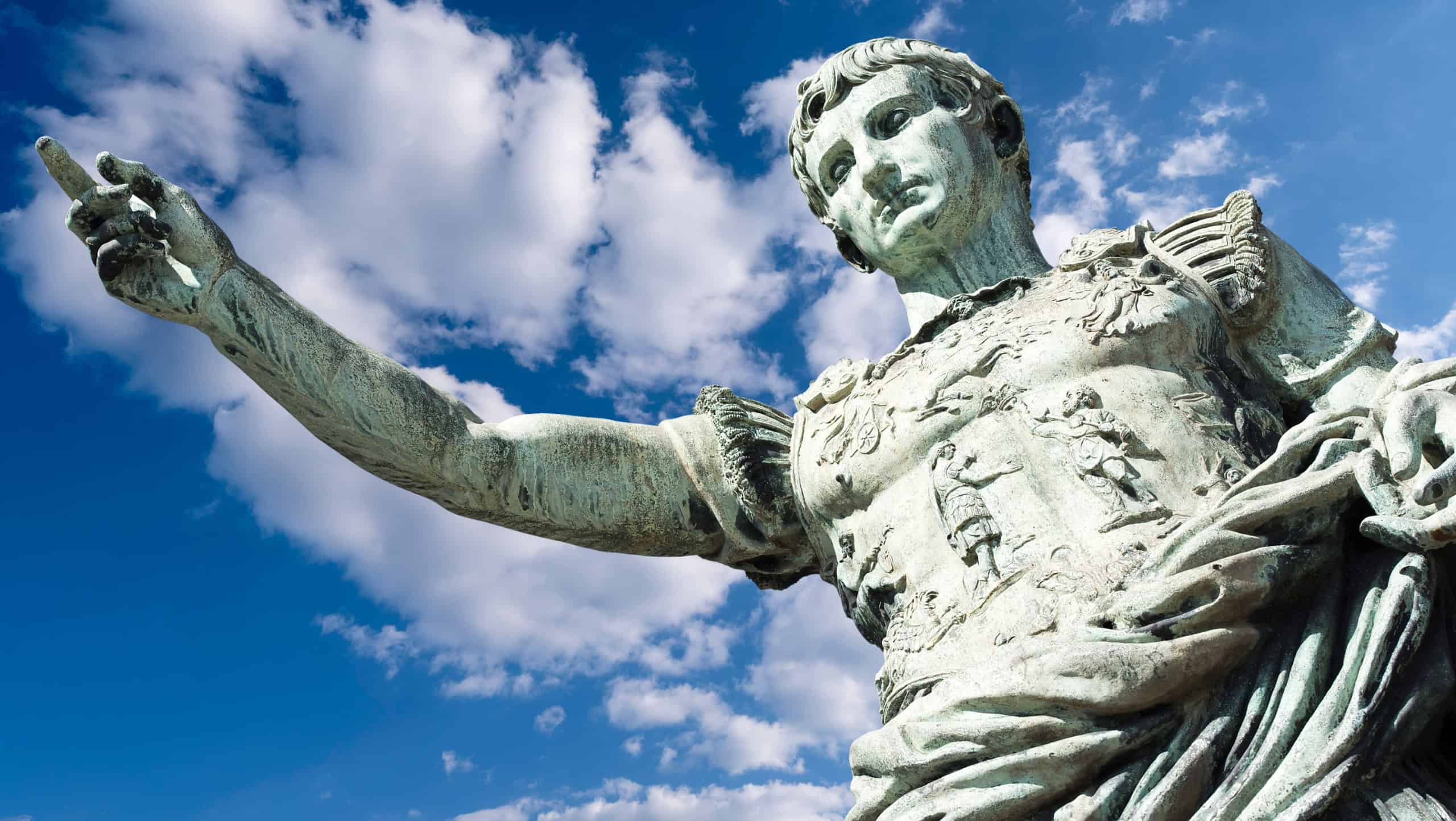
Julius Caesar being captured? It sounds impossible, yet it really happened, and it was pirates who managed to catch him, too. They caught him in the eastern Mediterranean in 75 BCE and demanded a ransom, which is where Caesar himself stepped in.
Apparently, he told them that they were asking for too little, something only a man as brave as Caesar could do, honestly. The money was eventually paid, and he was released. Caesar didn’t leave it there. No, he gathered ships to go after them, caught them, and had them executed.
Another kind of runway

Amelia Earhart, a name famous for her disappearance as much as her life. She had her own clothing line in the 1930s called Amelia Fashions. Launched in 1933, it was aimed at active women who wanted practical clothes that were still modern-looking.
At least, modern for the time.
The line was in major department stores and launched at Macy’s in New York. Earhart was seriously involved with the designs, making her a pilot, designer, and marketer. What a busy schedule.
One raised finger

It’s not a joke. Galileo’s middle finger is genuinely on display in Florence at the Museo Galileo; it came from his right hand and was removed in 1737. This was after his remains were moved to a new tomb. For some reason, Anton Francesco Gori, a scholar, detached it.
It’s been detached ever since and, bizarrely, it went through multiple collections before ending up where all the world can see it today. You know, if for whatever reason you decided you wanted to see Galileo’s middle finger.
Grease under royal hands
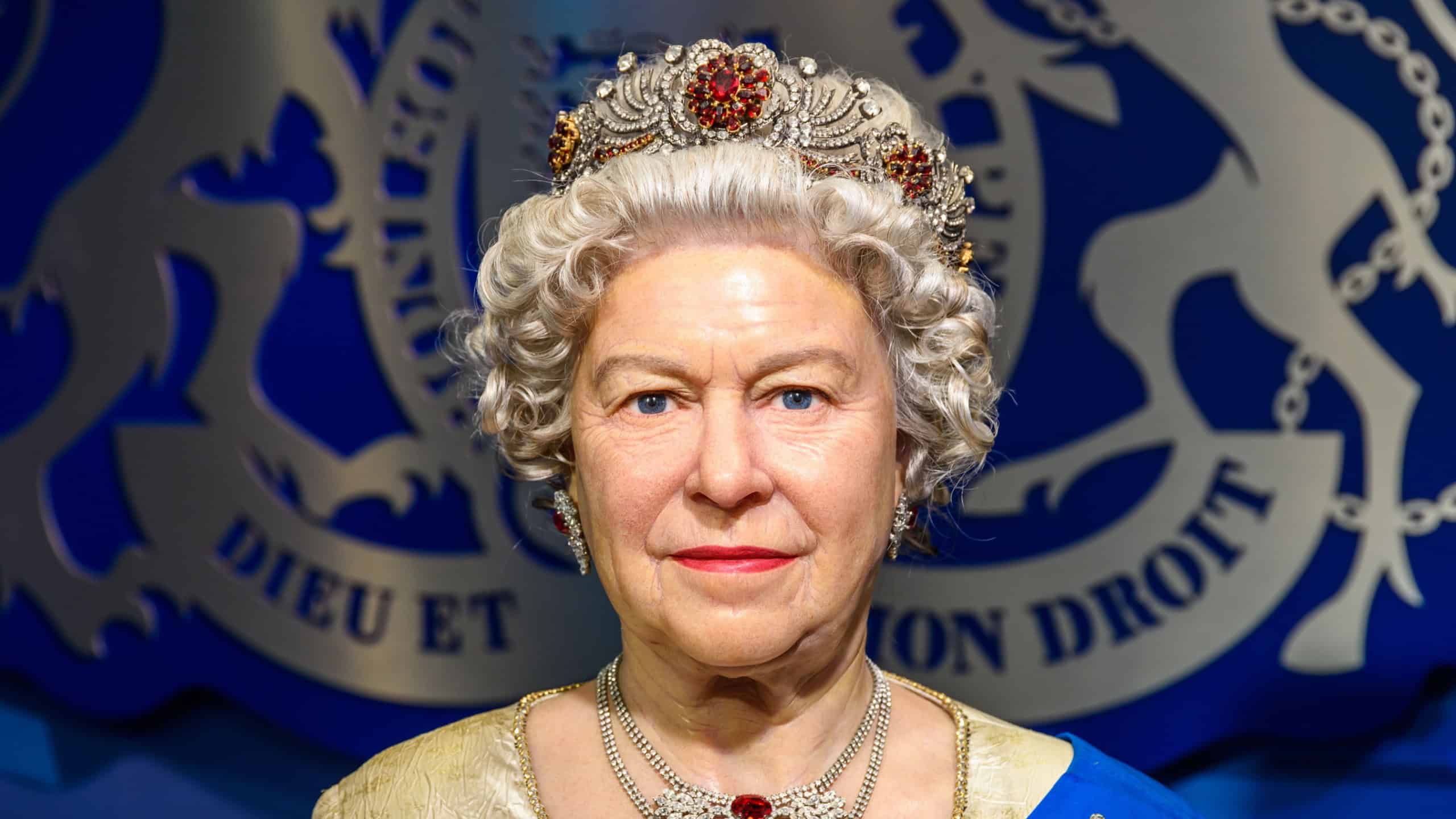
There was a time before Queen Elizabeth II became Queen of the UK, and that was when she trained as a mechanic. It was during World War II that she joined the Auxiliary Territorial Service in 1945, aged 18. Queen Liz learned driving, map reading, and vehicle maintenance.
It became a popular fact at the time, to the point where the press gave her the nickname ‘Princess Auto Mechanic,’ a bit much. Either way, though, she broke the usual royal image of polished shoes and formal rooms by getting down and dirty.
Tiny art from the Oval Office
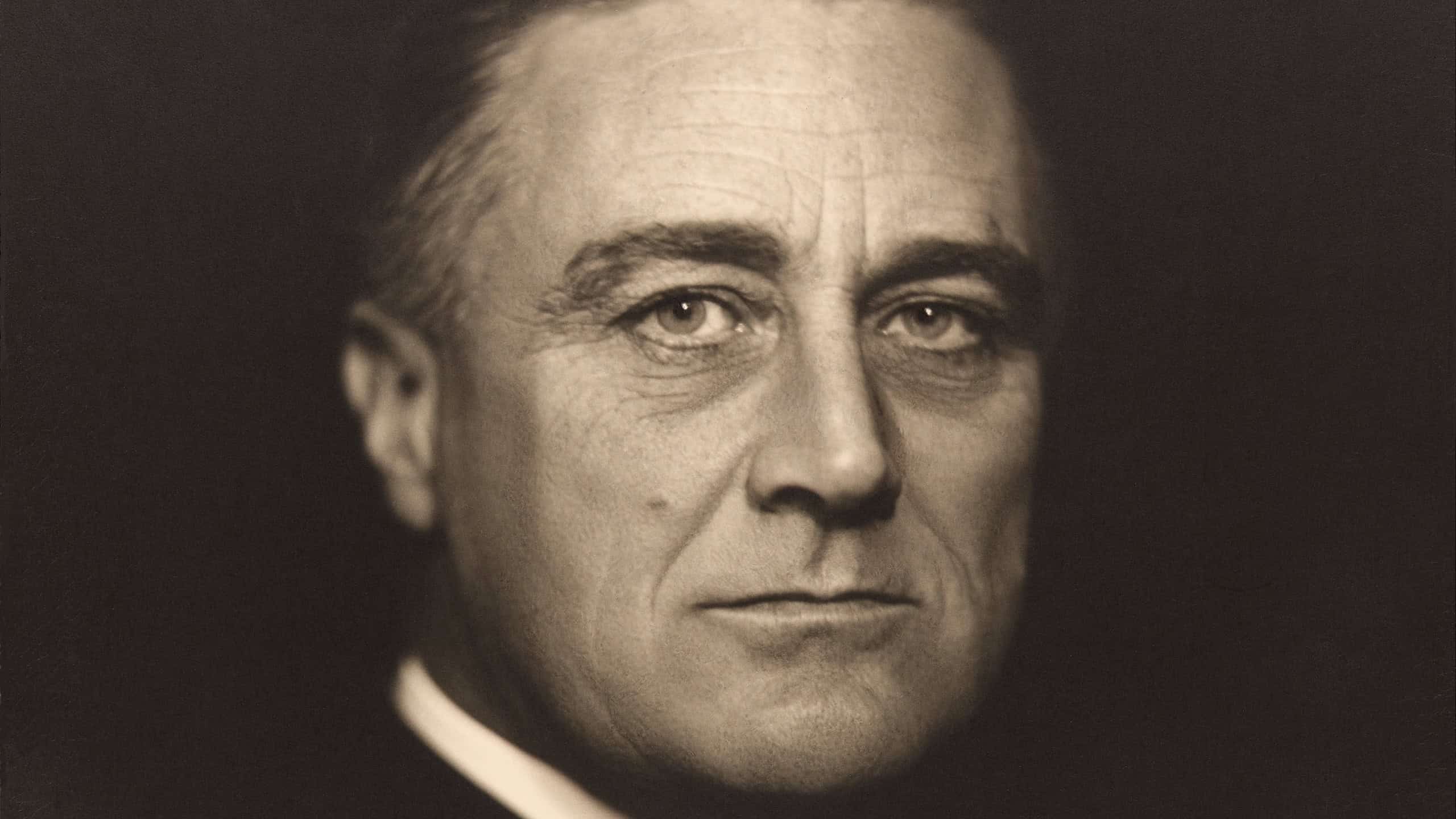
Some people know that Franklin D. Roosevelt collected stamps, a lot of people don’t know that he sketched stamp designs, too. He drew rough ideas for American postage stamps while he was president, way before the official versions even existed.
Postmaster General James Farley brought him proofs. Then, Roosevelt would review designs like the collector he was, and honestly, it’s kind of charming. A president fussing over tiny rectangles of paper, who would’ve thought it?
No paper, no problem
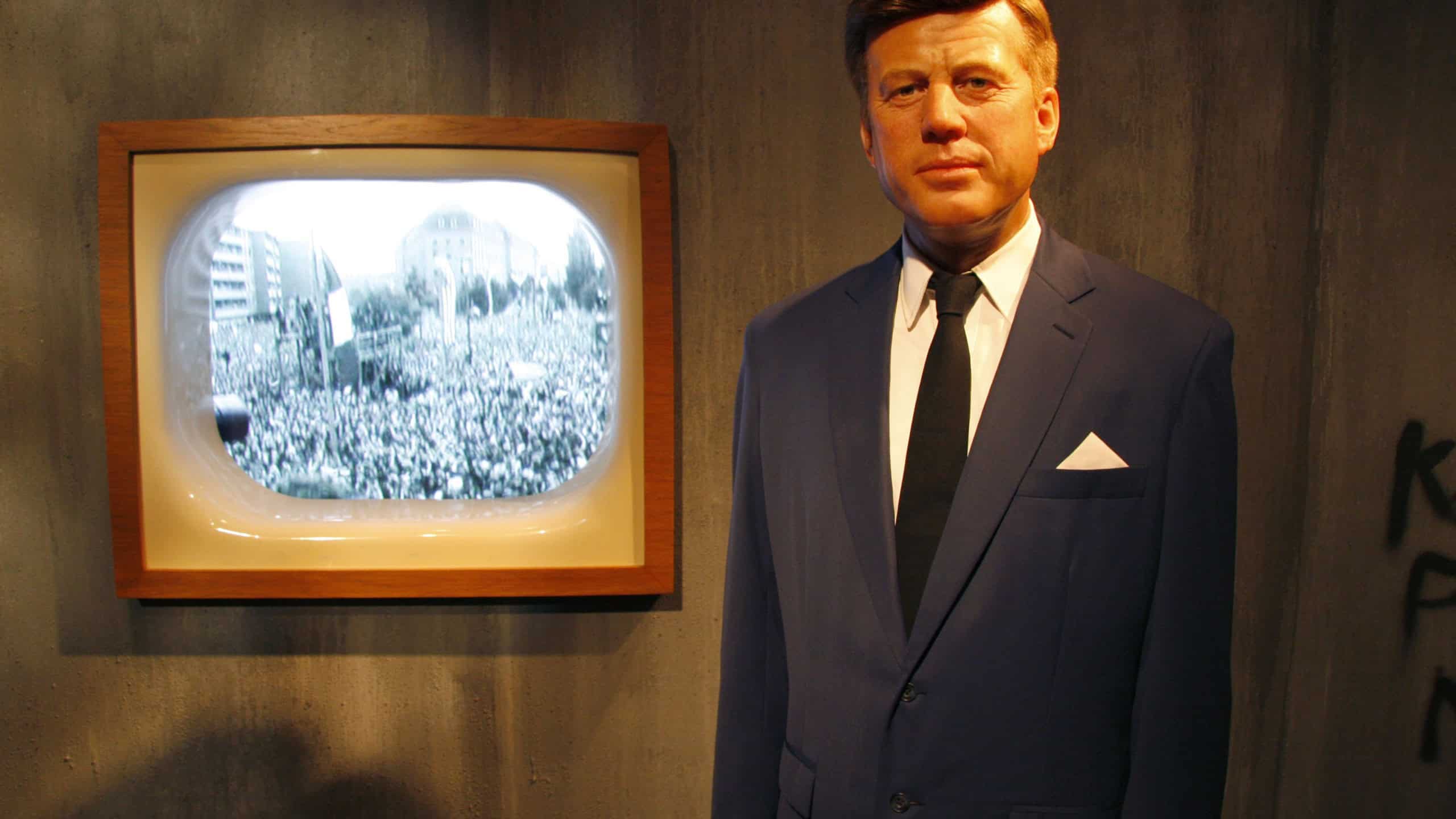
John F. Kennedy was one of the most resourceful guys out there, to the point where he used a coconut as a rescue note. It happened during World War II. His ship, PT-109, was hit in the Solomon Islands in 1943, so Kennedy and the surviving crew desperately needed help.
But with no phone lines and no way of sending a message, what were they to do? JFK decided he’d carve a message into a coconut husk using a knife, and two islanders carried it to an Australian camp. They found some American sailors, and the rest is history.
A rough mark in the gradebook
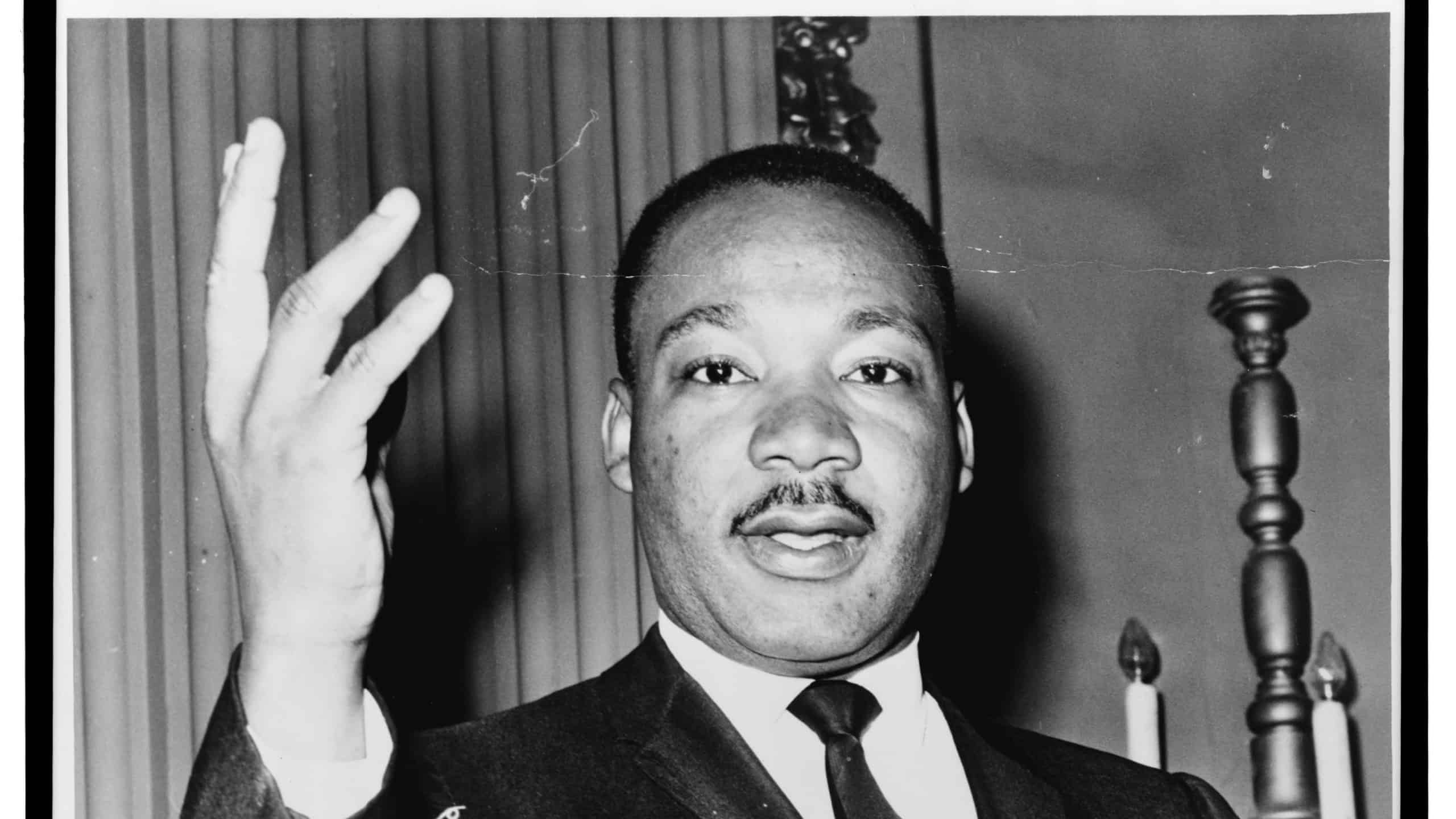
Everyone knows Martin Luther King Jr.’s famous ‘I Have a Dream’ speech, it’s one of the greatest public speaking moments ever, and that’s what makes this fact so shocking. He actually got a C in public speaking class.
Yes, while studying at Crozer Theological Seminary in Pennsylvania, King didn’t do that well in his public speaking class, it’s really quite ironic. It wasn’t all bad news because he was elected student body president and graduated as a valedictorian in 1951.
Four strange days in Washington
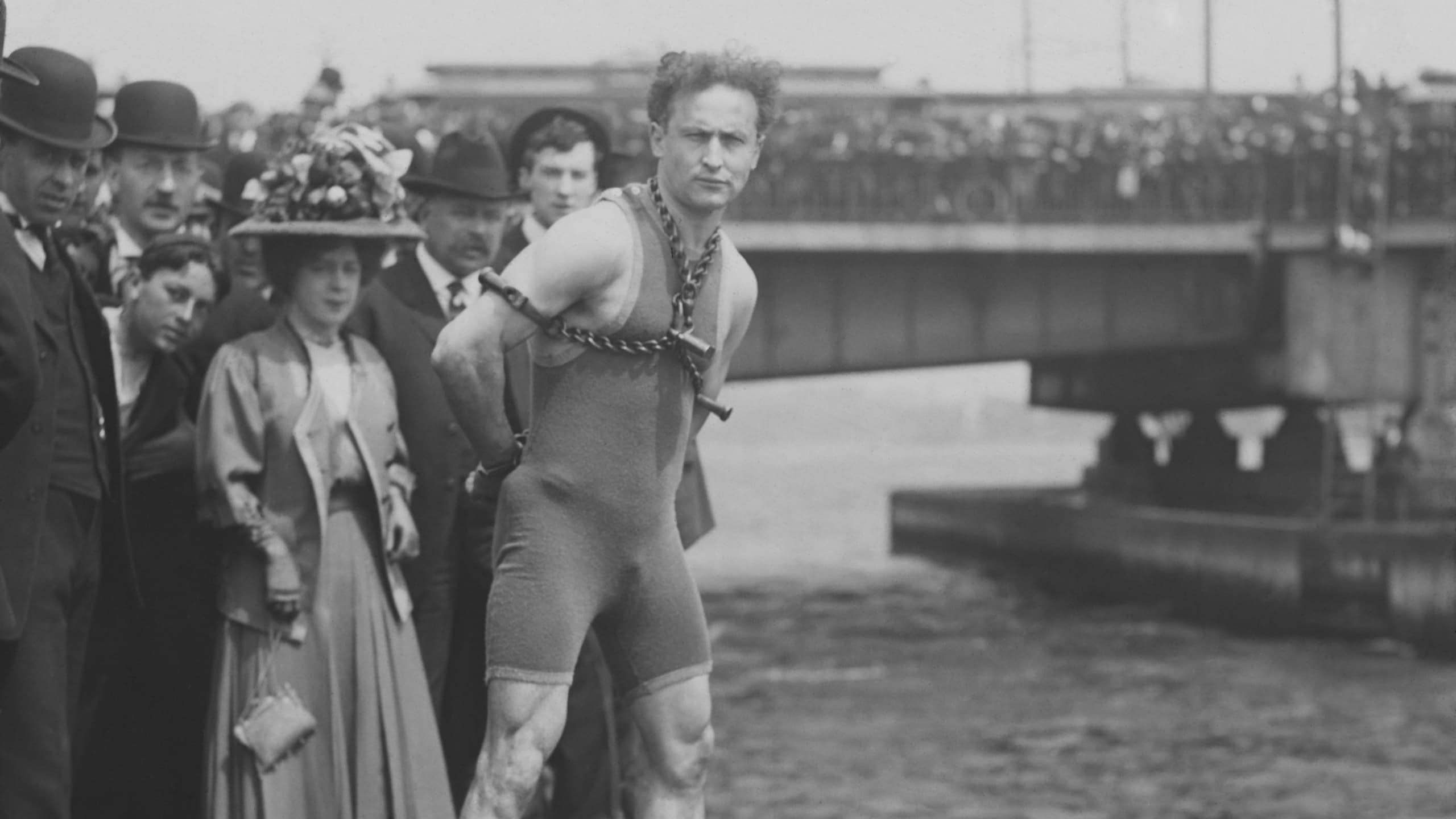
Harry Houdini was just as big on truth-telling as escape tricks. So much so that, in 1926, he went to Congress to speak against fake fortune-tellers, testifying in support of the bill H.R. 8989 that would’ve banned fortune-telling in Washington.
It wasn’t even one date, he testified on February 26, May 18, May 20, and May 21, it was that serious for him. Houdini was really mad about people using their spiritual claims to take money from those grieving or suffering in some way.
Sources: Please see here for a complete listing of all sources that were consulted in the preparation of this article.
10 historical figures who took secrets to the grave

Unanswered questions are the worst, and it’s even more terrible when they continue to be unanswered because the people with the answers took them to their graves.


