
The thing with historical villains is that, unfortunately, some of them didn’t become that way because of what they actually did, but because someone made people believe they were villains.
The room got dangerous
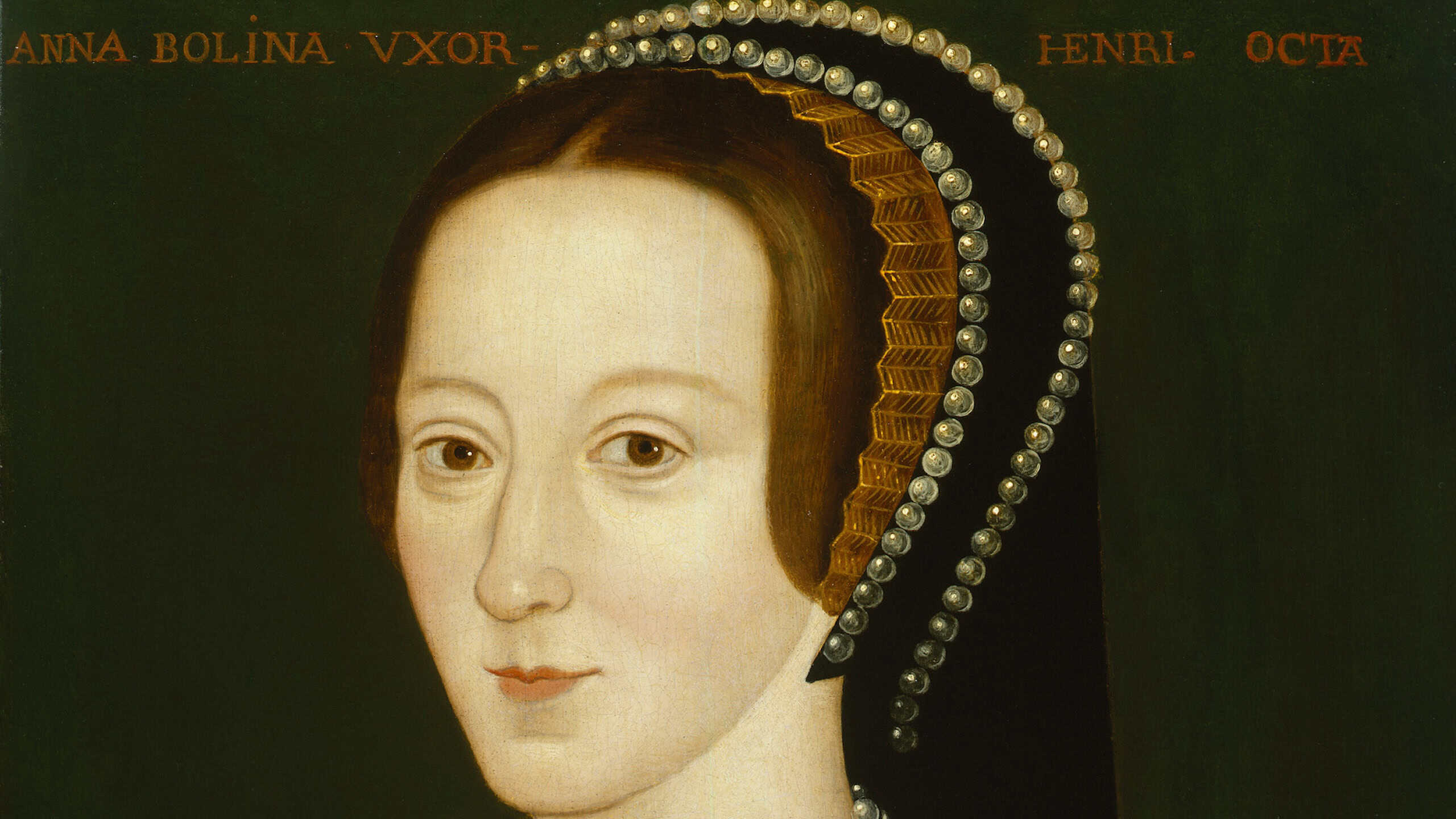
It didn’t take long for Anne Boleyn to fall from grace. She was the second wife of Henry VIII of England, but three years into the marriage, everything went downhill. Adultery, incest, and treason, she was accused of them all, and people believed these claims against her.
The later stories about her only added to it, saying she was a schemer or even a witch. In reality, none of that was really true, and Henry’s chief minister, Thomas Cromwell, was probably responsible for some of it. She was executed for her ‘crimes’ nonetheless.
A scrap of paper

Most people in 1890s France saw Alfred Dreyfus as nothing more than a perfect traitor, mostly because of the evidence. At least, the alleged evidence, it wasn’t really proof of anything. He was blamed for a torn-up note discovered in a German embassy wastebasket.
The fact that Dreyfus was Jewish didn’t help, in fact, it made the mob louder, so Dreyfus was stripped of his rank in public. Everyone treated him like he’d sold out the army, they genuinely believed he had. That is, until it was revealed that Ferdinand Walsin Esterhazy was responsible.
Smoke around the banner

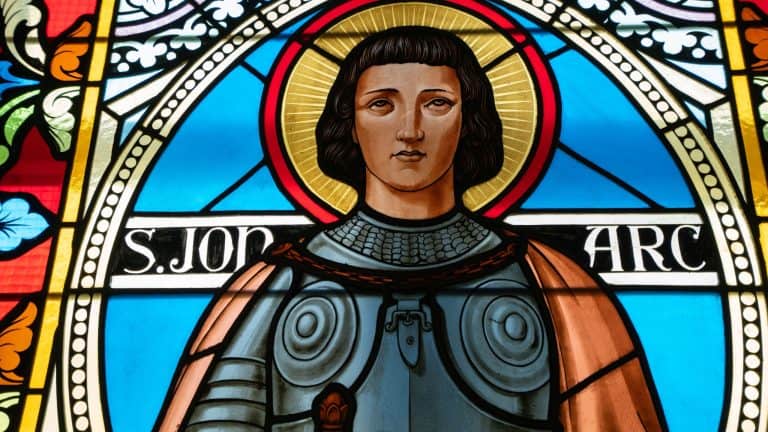
We see Joan of Arc today in a totally different way from how people treated her in the past. She’s a brave national icon to most people nowadays, yes, but her enemies made her out to be a dangerous heretic in the past.
She heard voices, she helped put Charles VII on the path to the throne, how utterly evil of her. Joan was burned at the stake in 1431, at Rouen, France, because people really thought she was a villain. A church review threw out the verdict in 1456.
The quiet file
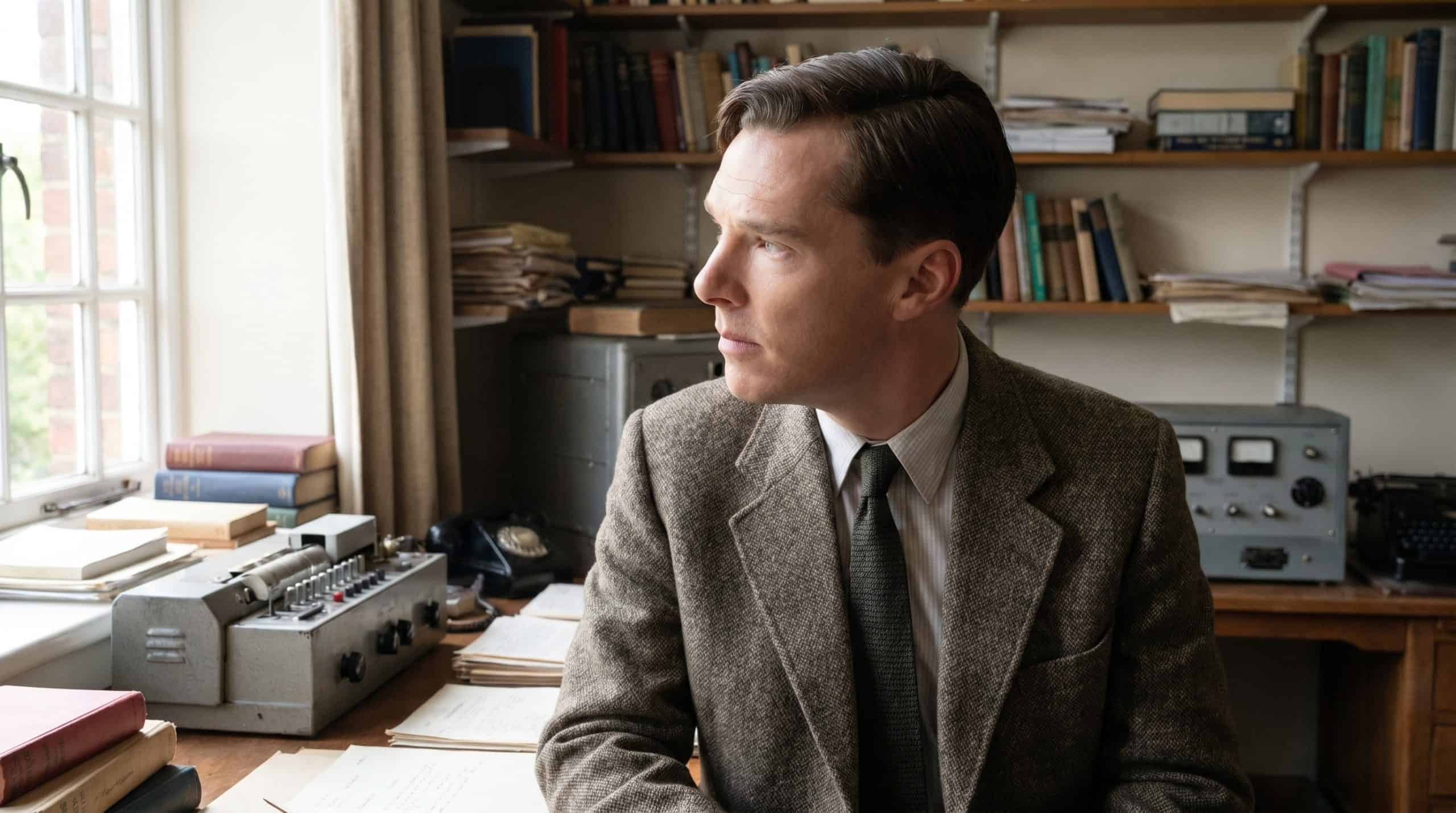
You’d think someone who helped Britain break Nazi codes and turn the tide of World War II would be celebrated. Except, no, that’s not what happened to Alan Turing, he was convicted of ‘gross indecency’ after the war. Why? For the simple crime of being gay.
It gets worse, however, because he was encouraged to be chemically castrated to avoid prison, something that would never fly in the UK today. Turing died in 1954, and historians aren’t sure if he committed suicide or if it was an accident. Still, a royal pardon came in 2013, way too late.
A book on the table

Galileo Galilei. He’s probably one of the most famous examples of someone who was turned into a villain, all because he dared to challenge the standard view of the universe. He wrote a book that said the Earth moves around the sun, what a horror.
The Roman Inquisition accused him of heresy while also banning his book. He was forced to live under house arrest until he died. Fast forward to 1992, and the Church acknowledged that, actually, he was correct. Funny how that works, right?
A cup at the end
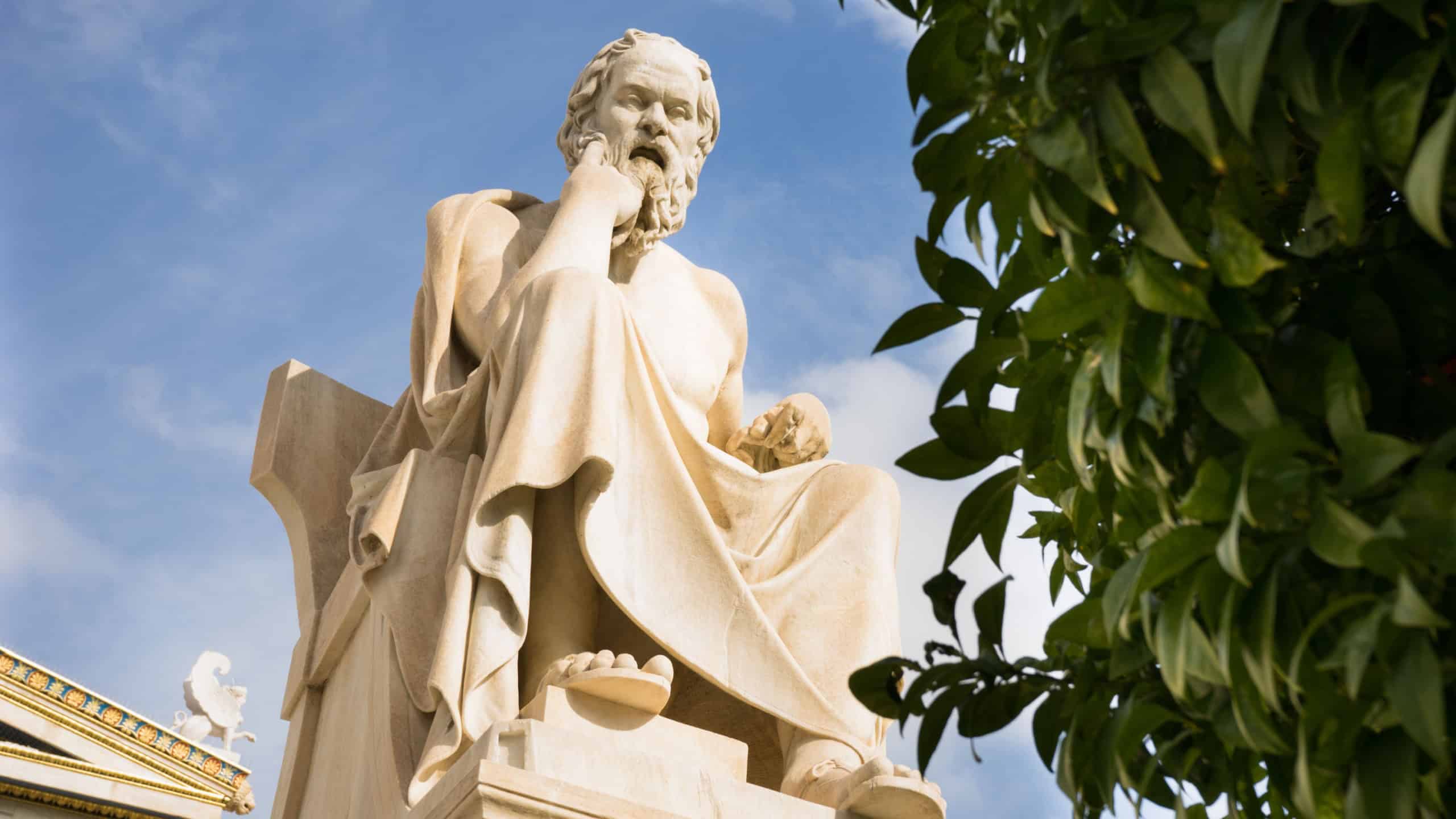
Socrates did something no Athenian was supposed to do in ancient Greece, he asked questions. Yes, that’s right, he refused to accept lazy thinking and had young followers listening to him, agreeing with him, questioning with him.
It might seem harmless to us nowadays, but Athens had suffered through a lot of war and political chaos during Socrates’s time. They couldn’t handle someone asking questions. So, in 399 BCE, he was tried for corrupting the young and found guilty. He was forced to drink poison.
The space in the boat

J. Bruce Ismay had both the bad luck and the privilege of surviving the Titanic. He was the ship’s company chairman, so when the media found out he’d survived, it didn’t take long for them to paint him as a rich coward. But was that true?
No, it wasn’t. The British inquiry revealed that Ismay had saved many passengers and only got into a lifeboat when nobody else was left to board, not exactly cowardly behavior. The head of the inquiry, Lord Mersey, actually said that staying behind would’ve only added another death.
Poison in the gossip
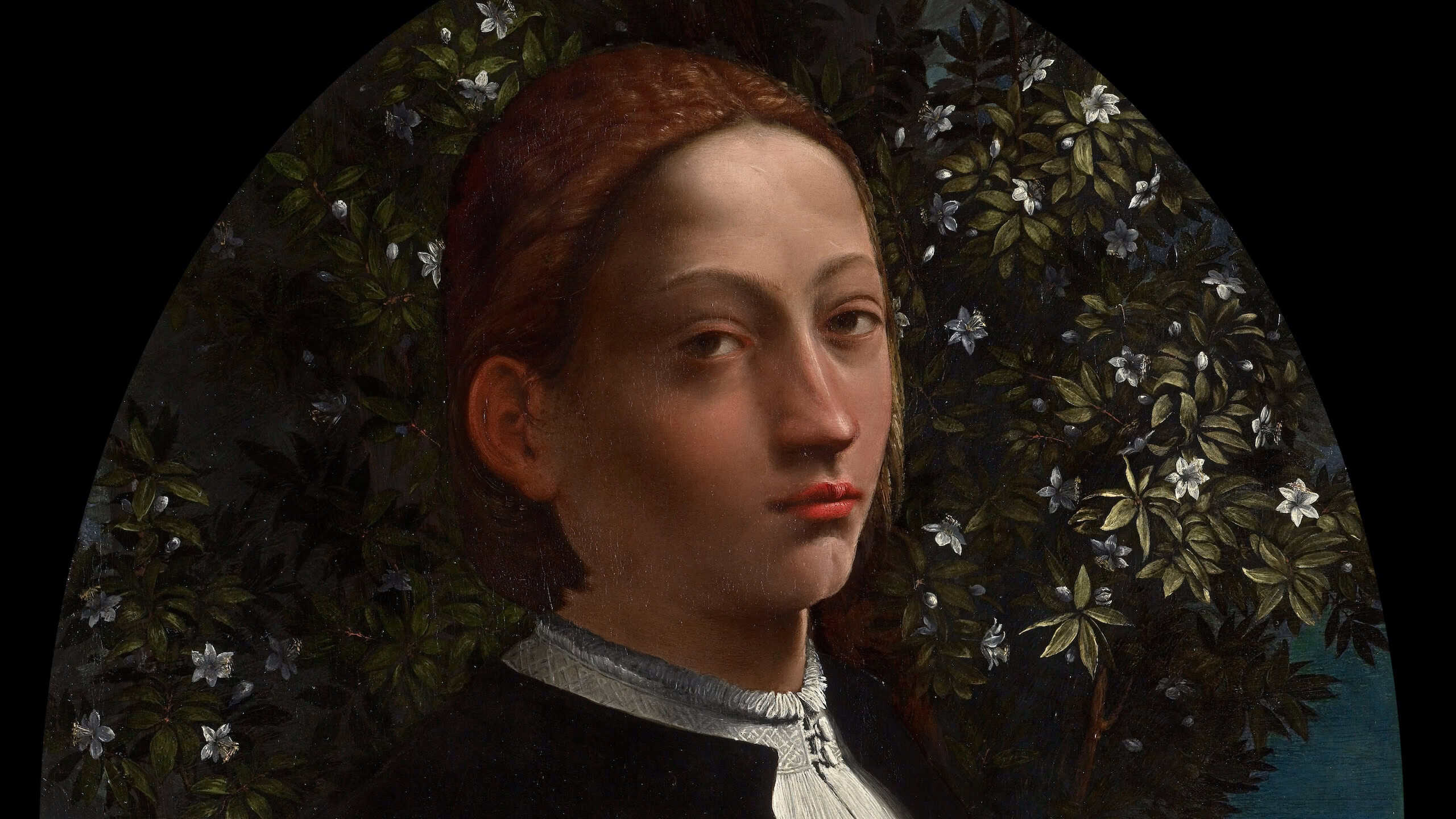
Some of the claims against Lucrezia Borgia were so extreme that they couldn’t possibly be true. They weren’t. But still, she was accused of poison rings, of incest, of murder, of basically everything under the sun, really.
Lucrezia’s mistake was being born into a family that made a lot of enemies, and having marriages that were focused on politics. There was never any proof she was a poisoner, let alone a master poisoner, but people still believed it.
A ship turned back
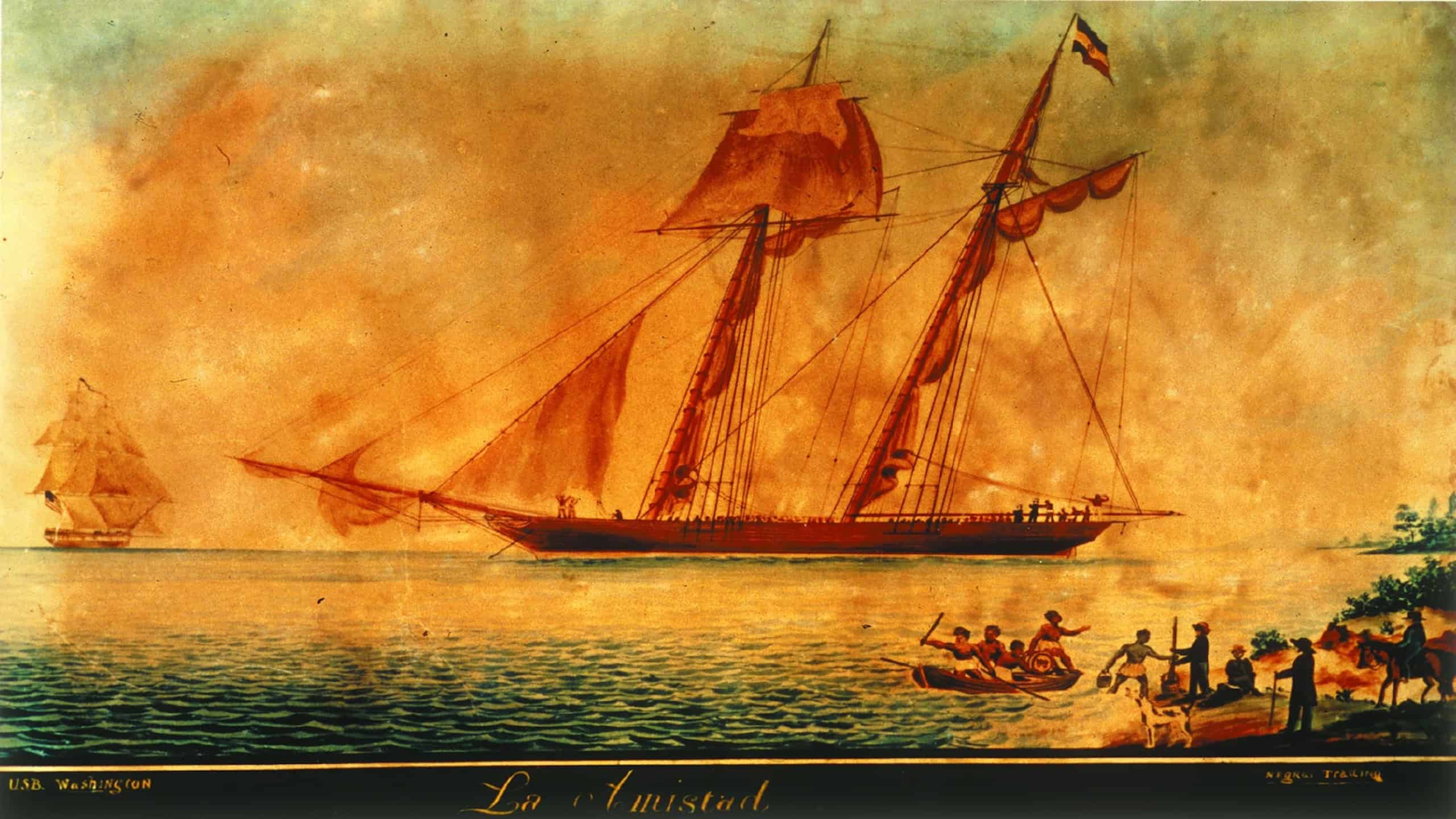
It was a crime. In 1839, the African people aboard the ship La Amistad took back control, and one of the men, Joseph Cinqué, was accused of being a mutineer, which was a crime. But then the truth came out. Turns out, Cinqué and the other Africans had been kidnapped in Africa.
They were sold illegally so they could be carried across the Atlantic as part of the transatlantic slave trade, something that was no longer allowed at the time. The U.S. Supreme Court later ruled in favor of the Africans and said they could return home.
The line on the map

The U.S. government told the entire nation that Sitting Bull was ‘hostile,’ that he was a villain, that he was dangerous. Why? Because he refused to move onto a reservation under a treaty that he himself had never signed.
American officials ordered Native people to move onto reservations by January 31, 1876. The ones who didn’t follow would be treated as enemies, even though they’d done nothing wrong. Sitting Bull was painted as evil.
The last ride out

People in the American Southwest treated the name Geronimo as a kind of warning, and it started in 1886. There were only 37 free members left of his Chiricahua group at that time. The U.S. Army was desperate to catch them, to the point where they had 5,000 soldiers doing it.
That’s not to mention the thousands of Mexican soldiers and volunteers involved, too. Geronimo’s group surrendered and had terms that included seeing his family again, but the U.S. government saw him and his people as villains. They were sent away as prisoners, far, far away.
The wrong name on TV

The media was the biggest issue for Richard Jewell. During the 1996 Olympics in Atlanta, he spotted a suspicious backpack at Centennial Olympic Park and helped move people away, pretty heroic stuff, honestly. That’s not how the newspapers treated him.
No, they acted as though he was the bomber, claiming that he’d planted the bomb so he could ‘find’ it later and be a hero. People believed it, and so did the FBI, they even searched his home. It wasn’t until 2005, when the real bomber confessed, that Jewell stopped being villainized.
Something in the sand

‘A dingo ate my baby.’ That’s the line that Lindy Chamberlain became infamous for after she said a dingo had taken her baby from the family tent at Uluru, Australia. People said she’d killed her baby herself, she was even imprisoned for it, and they made jokes about her comments.
But they were wrong. Lindy was four years into her life sentence when her baby’s clothing was found near a dingo lair, proving that, actually, she was right, a dingo had taken her baby. She was then released, and a 2012 inquest supported her defense.
The pause in court

Let’s turn the clocks back to 1692, when 71-year-old Rebecca Nurse was living in Salem Village, Massachusetts. She was a respected woman at the time, yes, but then the witch panic reached her door, and she was put on trial. The jury first found her not guilty.
But then, after the accusers made a scene, the judges sent the jurors back, and they changed their verdict, completely by chance, of course. It was likely because she didn’t respond to one of the questions, probably because she was hard of hearing. Nurse was hanged on July 19.
Sources: Please see here for a complete listing of all sources that were consulted in the preparation of this article.
10 historical figures who took secrets to the grave

Unanswered questions are the worst, and it’s even more terrible when they continue to be unanswered because the people with the answers took them to their graves.

