

Some laws have rather surprising personal beginnings, and it’s thanks to one individual’s experience that the law changed.
A neighbor’s hidden past

In July 1994, seven-year-old Megan Kanka was murdered by her neighbor, Jesse Timmendequas, in New Jersey. What made his crime especially horrific was the fact that he’d previously been convicted of s***al offenses against children. Megan’s parents had no idea.
After Megan’s murder, her parents began campaigning for families to be informed about registered offenders living nearby, leading New Jersey to introduce Megan’s Law that same year. President Bill Clinton signed a federal version of it shortly after. The law meant that certain information about registered s** offenders had to be available to the public.
The missing child nobody reported
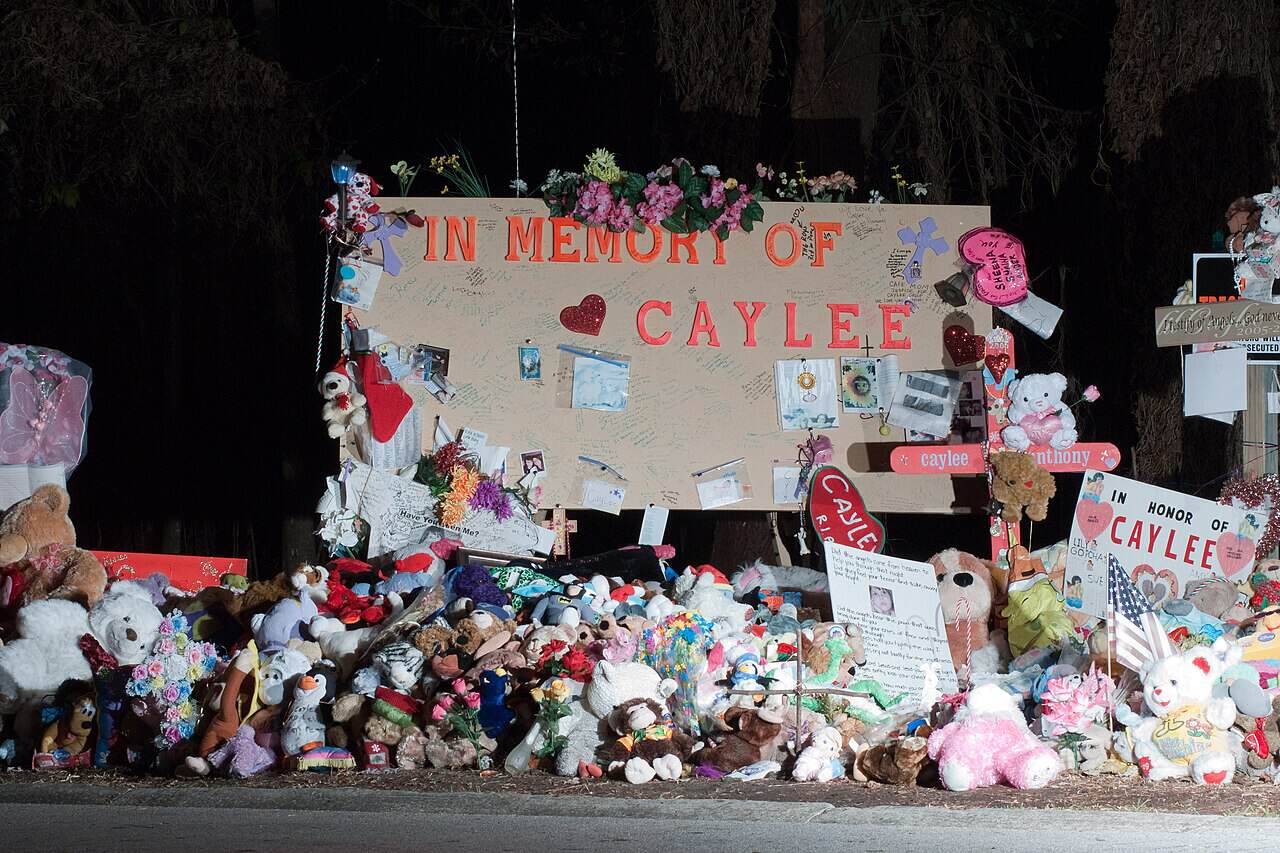
Most parents wouldn’t waste a second reporting their child missing. Casey Anthony waited thirty-one days. Yes, her two-year-old daughter, Caylee, disappeared in Florida in 2008, and it took Caylee’s grandmother to contact the police for something to happen. Caylee’s grandmother had grown suspicious about Caylee’s whereabouts.
Casey was acquitted of murder in 2011, but it was thanks to the case that several states introduced something called Caylee’s Law. It meant that parents and caretakers must report missing children under 13 within 24 hours, under certain conditions. The limit is under an hour for children younger than two.
A shopping trip in Florida
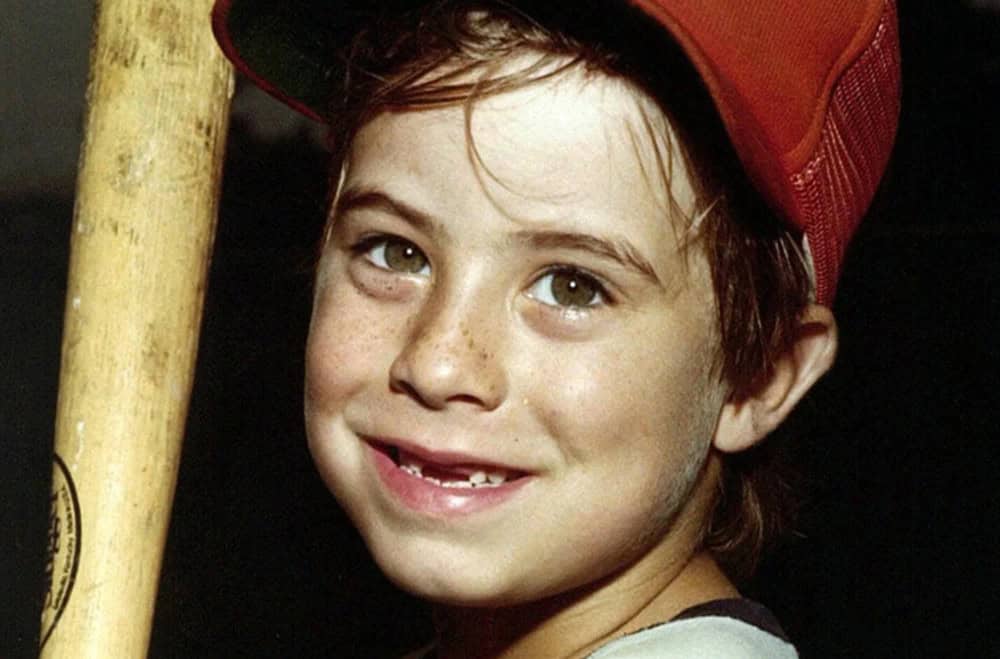
What started as a visit to Sears on July 27, 1981, ended as a nightmare for the family of six-year-old Adam Walsh. His mother left him by a video game display while she shopped nearby. He disappeared shortly after and was sadly murdered.
While nobody was formally charged with his murder, Adam’s father, John, spent years campaigning for changes to child protection laws. President George W. Bush signed the Adam Walsh Child Protection and Safety Act in 2006, exactly 25 years after Adam’s disappearance. It helped establish national standards for s** offender registration.
A very public rental history

Renting movies doesn’t seem like something that should involve Congress, but that’s exactly what happened in 1987. A Washington newspaper obtained federal judge Robert Bork’s video rental history and wrote about some of the things he watched. He wasn’t happy about that, and neither was Congress.
So, shortly after, it got involved to prevent businesses from revealing customers’ private records. President Ronald Reagan signed the Video Privacy Protection Act on November 5, 1988, which stopped personally identifiable video rental information from being released without permission. There are only very specific circumstances when it is allowed.
A little girl’s name in Congress

Rosa’s Law came about from the work of nine-year-old Rosa Marcellino’s family. She has Down syndrome, and for several years, her family had been fighting against certain language being used to describe intellectually disabled individuals.
They primarily wanted terms like ‘mental retardation’ to be replaced with ‘intellectual disability’ in federal legislation. Their campaigning worked. In 2009, Maryland adopted the change, and in October 2010, President Barack Obama signed a federal law with her name.
The decision that required a move

The right to die is something that Brittany Maynard was a firm believer in. She was diagnosed with terminal brain cancer in 2014 and decided she wanted medical aid in dying. But the state of California didn’t have such laws. She was forced to move to Oregon with her husband, where she died on November 1, 2014.
Her family continued campaigning after her death, and on October 5, 2015, California Governor Jerry Brown signed California’s End of Life Option Act. It meant that certain terminally ill adults were allowed to request medication to end their lives. This could only happen under specific conditions, however.
The phone call that wouldn’t connect

Kari Hunt was violently attacked in her Texas motel room in December 2013 by her ex-husband. Kari’s nine-year-old daughter witnessed the entire thing and tried to contact the police. But dialing 911 wasn’t enough. No, the motel’s phone system required guests to press 9 first to reach an outside line, although Kari’s daughter didn’t know that.
Her calls failed to connect, and Kari was sadly murdered. Hank Hunt, Kari’s father, then fought to remove that requirement, and on February 16, 2018, President Donald Trump signed Kari’s Law. It meant that any covered multiline phone systems had to allow callers to dial 911 directly.
The concert tickets that never arrived
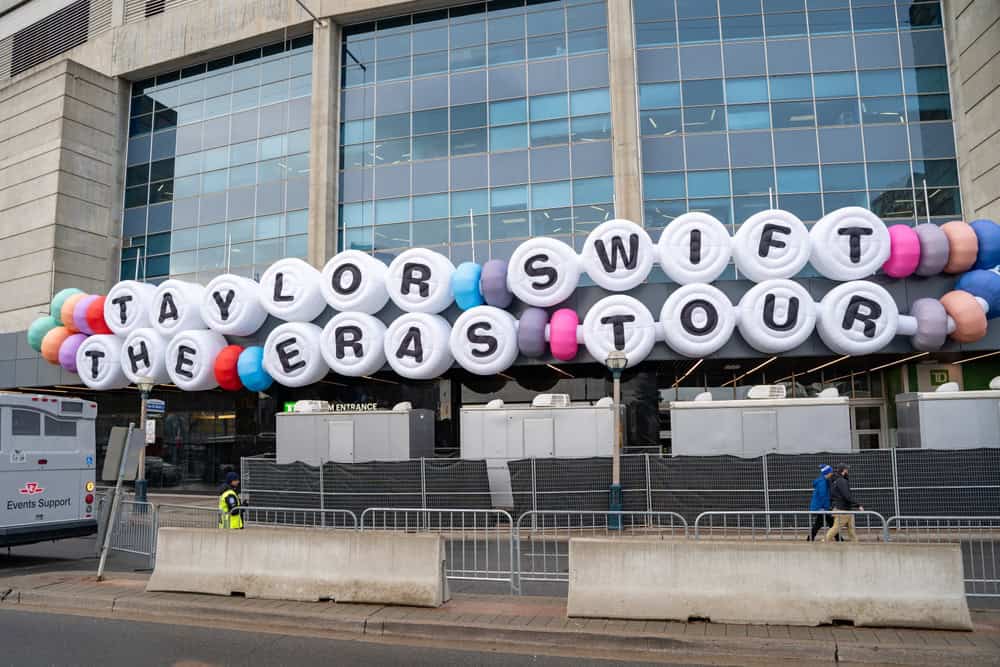
Many people tried to buy tickets to Taylor Swift’s Eras Tour in 2022, yet many of them were unable to do so directly. They were forced to buy from scalpers instead. Minnesota representative Kelly Moller was one of the people who had been trying to buy tickets, but she was unable to do so after the presale code never arrived. But she had the power to change that.
Moller went on to sponsor House File 1989, which required online ticket sellers to disclose the full price of a ticket, including mandatory fees. It also prevented resellers from selling more than one copy of a ticket, along with other changes. Governor Tim Walz signed the legislation on May 7, 2024, and the law took effect across the state in 2025.
The veteran who went home
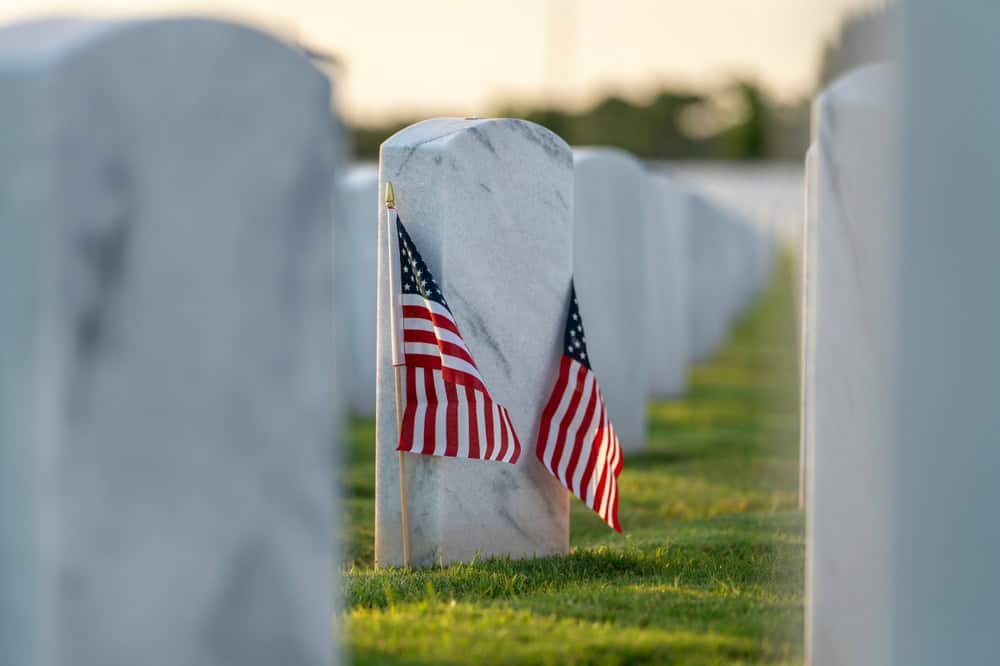
Gerald Elliott was a veteran who wanted to spend his final days at home in Michigan, instead of being in a medical facility. That’s exactly what happened to him in 2019. He passed away at home while receiving hospice care, although his family then faced some issues. The rules said he wasn’t eligible for burial benefits because he died at home, not at a VA facility.
His family fought against that. In January 2025, Gerald’s Law became federal law, expanding eligibility for burial payments for qualifying veterans receiving hospice care outside VA facilities. It’s a shame it took until Elliott’s death for that to happen.
The evidence kept from the defense

Michael Morton was convicted of murdering his wife, Christine, in 1986, and was sent to a Texas prison to pay for his crimes. The truth was, however, that he hadn’t done it. It took until 2011 for DNA to finally prove that he was innocent, and investigators also learned that prosecutors had withheld certain information during his trial. These included statements from the couple’s son.
Such details could’ve helped his defense, so on May 16, 2013, Texas Governor Rick Perry signed the Michael Morton Act. It meant that prosecutors now had to provide broader access to evidence such as police reports and witness statements to ensure a fairer trial. But even with that law, Morton couldn’t get those 25 years of his life back.
The test that proved everything

Speaking of DNA testing, it wasn’t widely available when Kirk Bloodsworth was convicted of murdering a nine-year-old girl in Maryland in 1984. Bloodsworth was sentenced to death anyway, although he continued to maintain his innocence. He was eventually cleared of murder in 1993, nine years after being convicted.
The case gained national attention and led to the Justice for All Act of 2004 and something called the Kirk Bloodsworth Post-Conviction DNA Testing Grant Program. Essentially, it gave federal funding to help states carry out DNA testing. This can only happen in certain cases after someone has been convicted.
A family’s insurance problem

It was a real struggle for Timothy O’Clair’s family to get him mental health treatment. The 12-year-old had serious mental health conditions, yet his family’s insurance didn’t cover enough of the treatment that he needed. His parents were eventually forced to give up custody of him so he could get additional services through Medicaid. Timothy died by s***ide in March 2001.
After his death, his parents pushed for change, and it finally came on December 22, 2006. Governor George Pataki signed Timothy’s Law, which required state-regulated insurance providers in New York to expand their mental health coverage.
The strange wires above the bed

Stephanie Fuller’s boyfriend noticed something strange inside her Long Island apartment. Yes, he saw some wires coming from a bedroom smoke detector, and when he opened it, the truth came out. Fuller’s landlord, William Schultz, had secretly installed a camera to record her.
It was legal under New York law at the time, as hidden recording inside someone’s home was technically allowed. That is, until Stephanie’s Law was signed in 2003. It expanded the definition of unlawful surveillance and meant that certain secret recordings were now felonies. A first offense could land you in prison for up to four years.
The warning buried in her records

Jessica Grubb definitely didn’t need a prescription for strong painkillers. She had been recovering from opioid addiction when a running injury led to a serious infection, and her family tried telling hospital staff about her addiction history. But it seems that the doctor handling her discharge missed that.
Jessica received a prescription for 50 oxycodone pills, and she later died from an overdose of the medication. Her death led to the federal law Jessie’s Law being signed. The law required federal officials to develop ways for patients to request that their opioid addiction histories be prominently displayed in their medical records.
The restraint that became illegal

13-year-old Max Benson was held facedown by staff at Guiding Hands School for over an hour in November 2018. He was autistic and, sadly, he later died following the restraint. His teachers at the time were allowed to hold him down in this way because it was judged to be an emergency situation.
But that changed in September 2024. Governor Gavin Newsom signed Max Benson’s Law, meaning that any schools under this legislation were no longer allowed to restrain students in this way. It doesn’t matter whether it’s an emergency. Now, there are no exceptions.
Sources: Please see here for a complete listing of all sources that were consulted in the preparation of this article.
12 people whose deaths changed the world

Some deaths did a lot more than make the headlines for a few days, as they actually ended up being the start of revolutions or public campaigns across the world.

