

The ‘truth’ about some historical facts is that they’re not at all real, but instead, half-remembered stories that have become something false.
Darwin did not create the phrase ‘survival of the fittest’
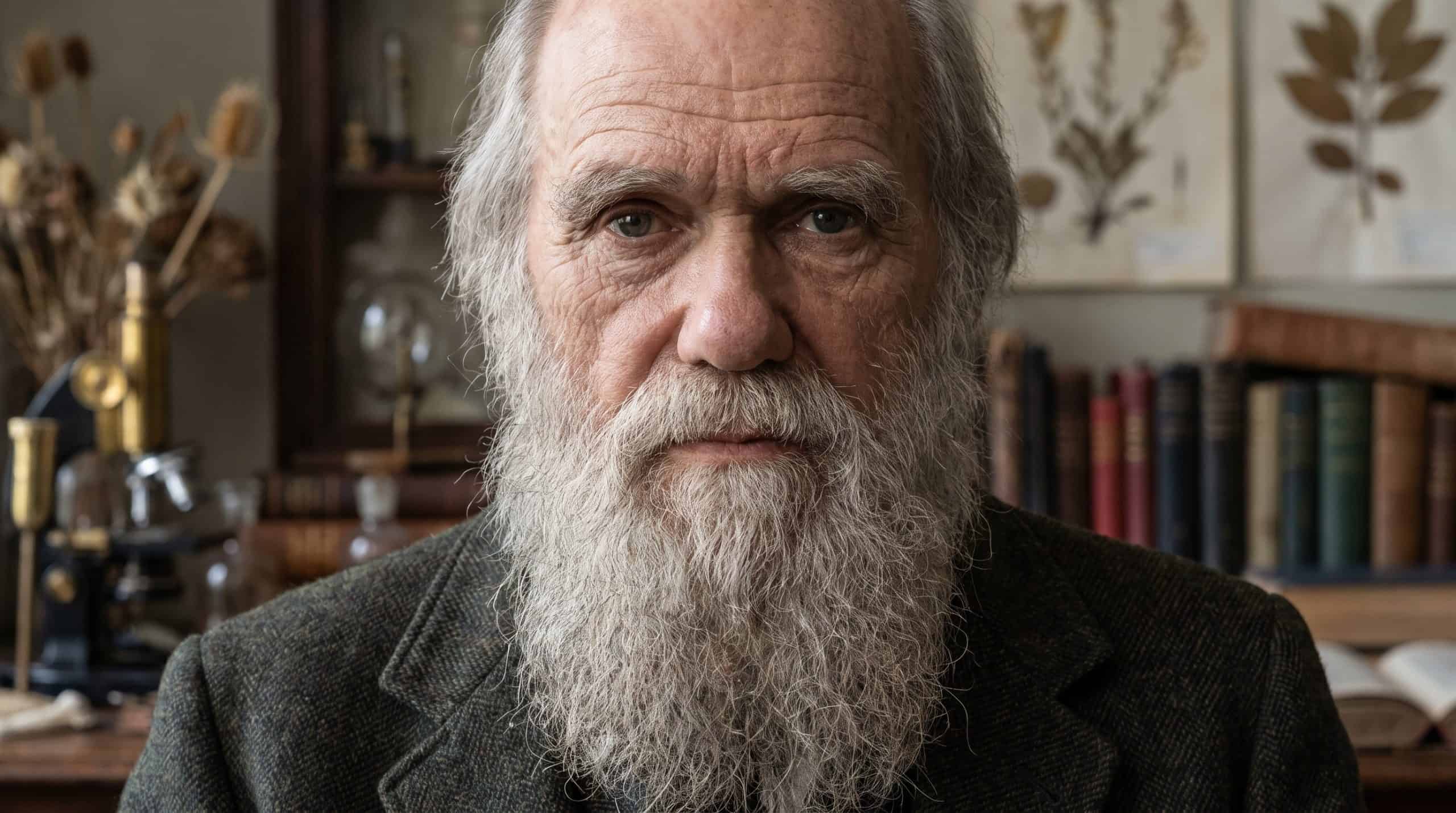
It’d make sense for Darwin to have created the phrase ‘survival of the fittest.’ It sounds so Darwinian, after all. But it was actually the philosopher Herbert Spencer who used the phrase in his 1864 book Principles of Biology, and that was after he read Darwin’s work.
Darwin actually used the phrase ‘natural selection’ first. It’s a little more scientific-sounding. Alfred Russel Wallace suggested to Darwin that he should use ‘survival of the fittest’ because it was a lot easier to understand, so he did exactly that.
Roman soldiers did not wear red because it concealed blood
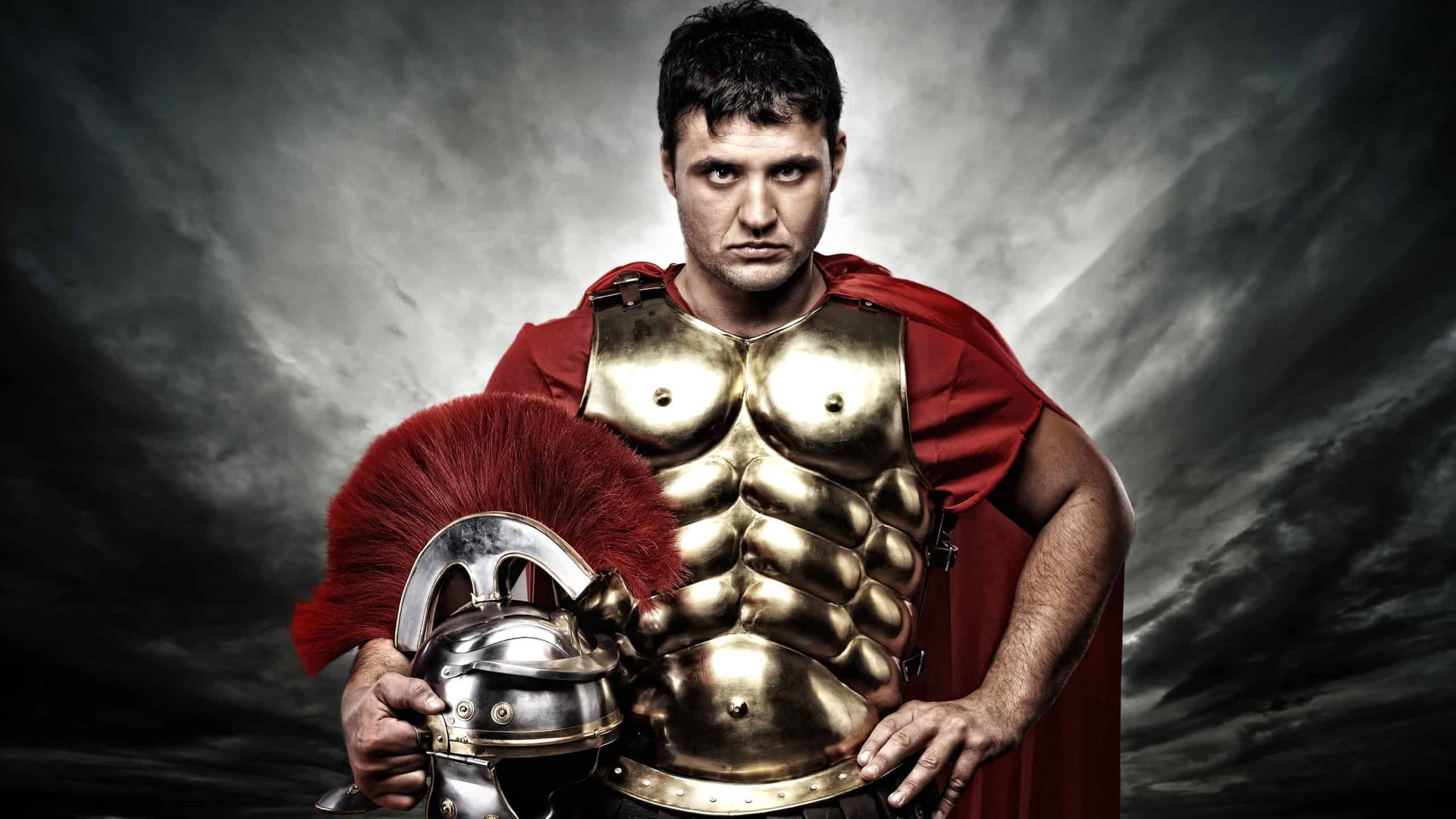
Roman soldiers wore red so their enemies couldn’t see them bleeding. It sounds logical and totally like something they’d do. But it was probably invented much later, although some Roman troops did wear red tunics. A lot of the others wore undyed wool or off-white clothing.
They also wore other colors, it all depended on where and when they served. Color was connected a lot more to identity than any kind of manipulation tactic.
Shakespeare did not personally invent all his phrases
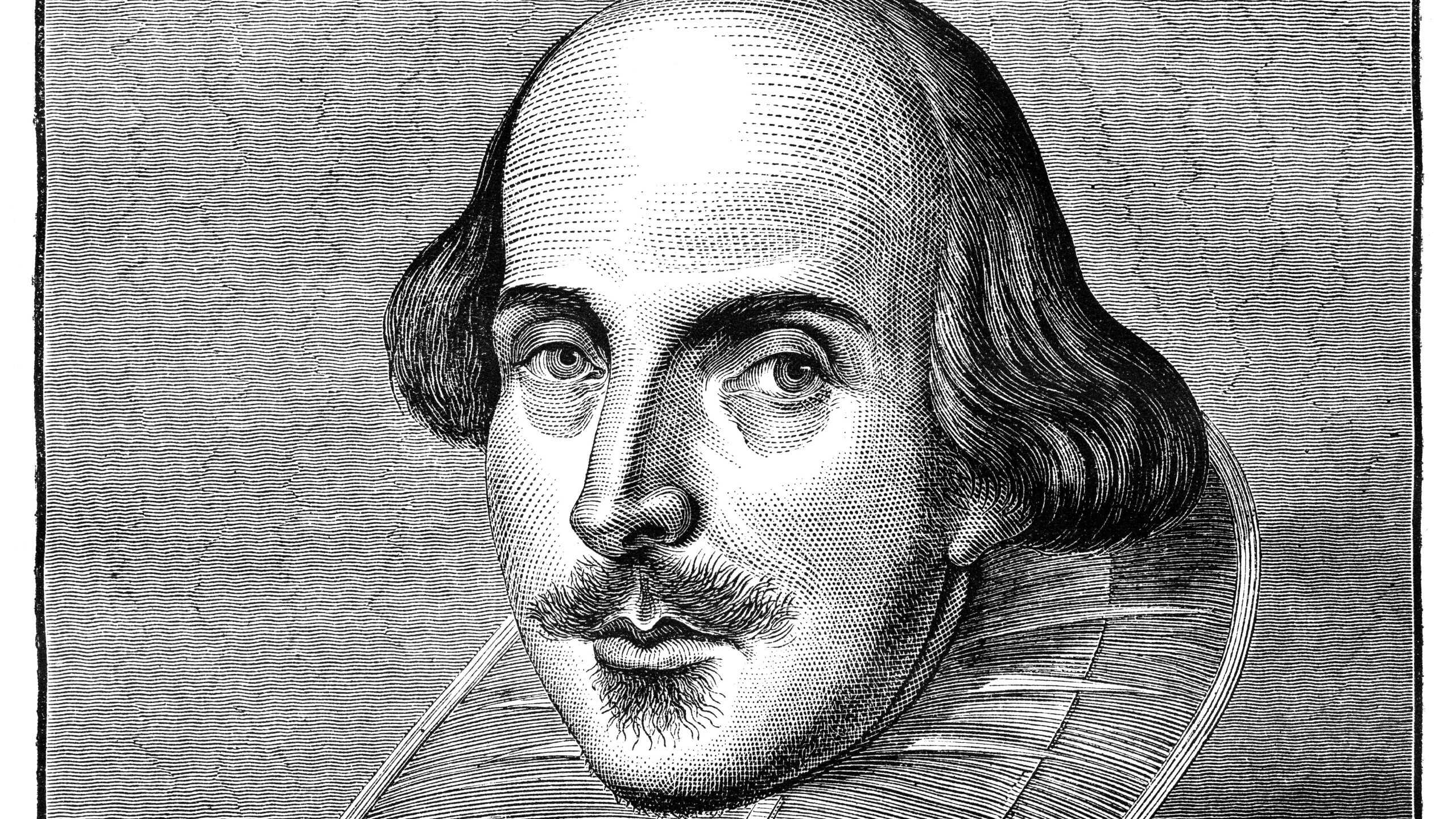
We give William Shakespeare a lot of credit, and to be fair, he was an incredible playwright. It’s just that he didn’t personally invent all the everyday phrases that we give him credit for. A lot of his plays have the earliest surviving written examples of these phrases.
But that doesn’t mean he made them. Turns out, people spoke long before everything was printed and preserved. We’ve actually found some evidence of Shakespeare’s ‘inventions’ being used in other texts, like ‘It’s Greek to me’ and ‘a wild-goose chase.’ Still a great writer, though.
Julius Caesar didn’t say ‘Et tu, Brute?’ before dying
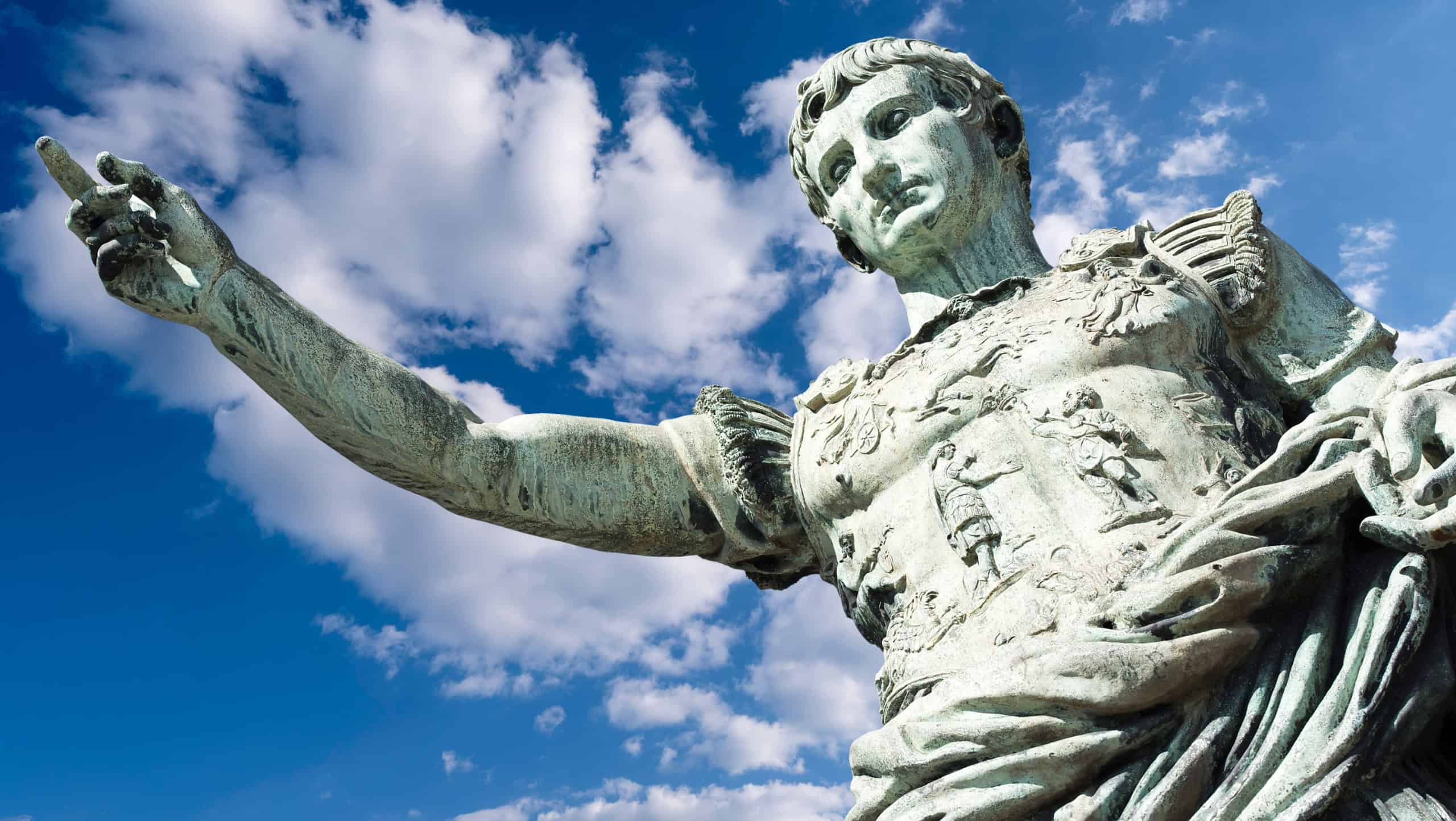
That’s not all for Shakespeare. His version of Julius Caesar features the Roman dictator’s last words being, ‘Et tu, Brute?’ although that didn’t happen in real life. Nothing like that, in fact. The records we have of his assassination talk about Caesar struggling against the attackers.
He saw Brutus, covered his head, and then fell. One writer, Suetonius, actually said Caesar never said anything when he died. That doesn’t mean he was silent, maybe he did say something, but nobody recorded it. It doesn’t mean that famous line was real, however.
The Salem authorities did not burn convicted witches

There’s a popular image of the Salem witch trials that has the women engulfed in flames. But that’s not how the executions happened in Massachusetts in 1692. Women were burned at the stake in Europe, yes, but most convicted people in America were hanged.
There were other execution methods, like in the case of Giles Corey, who was pressed under heavy stones. But no burning. There’s not a single piece of evidence showing that ever happened in America, and really, the true story was grim enough already.
A Roman vomitorium was not a room where people went to vomit

You might’ve heard of a ‘vomitorium.’ It was supposedly a room where overfed Roman would go to make themselves vomit, just so they could eat more food. It sounds awful, and that’s probably because it’s not real. Vomitoriums did exist, yet they had nothing to do with vomit.
They were actually passageways built into theaters and amphitheaters to help large crowds move in and out quickly. The ‘vomit’ part comes from how people would ‘spew’ through the exits as they were leaving. The Romans were savage, but not that savage.
‘Viking’ was not the name of one unified ethnic nation

There was no such thing as one united Viking people, mostly because Scandinavia during that time was pretty divided. There were different communities, different rulers, and so many different regional powers. Just because you were from that area didn’t make you Viking, too.
Only people who actually went on overseas expeditions were technically ‘Vikings.’ They weren’t always raiding, either, because some of them went for trade. Yes, trade. They bought and sold things like other people, not just stealing them.
The Roman salute wasn’t used in ancient Rome

The old movies tell us it was from ancient Rome. You know, that kind of stiff raised-arm gesture, it’s meant to be from ancient Rome, even though there’s very little evidence ordinary Romans used it.
It’s actually thanks to eighteenth-century paintings and stage productions that we got this image. Producers wanted to make Rome look grand and theatrical, so they used the salute. It’s a completely modern invention.
Ring Around the Rosie was not written about the Black Death
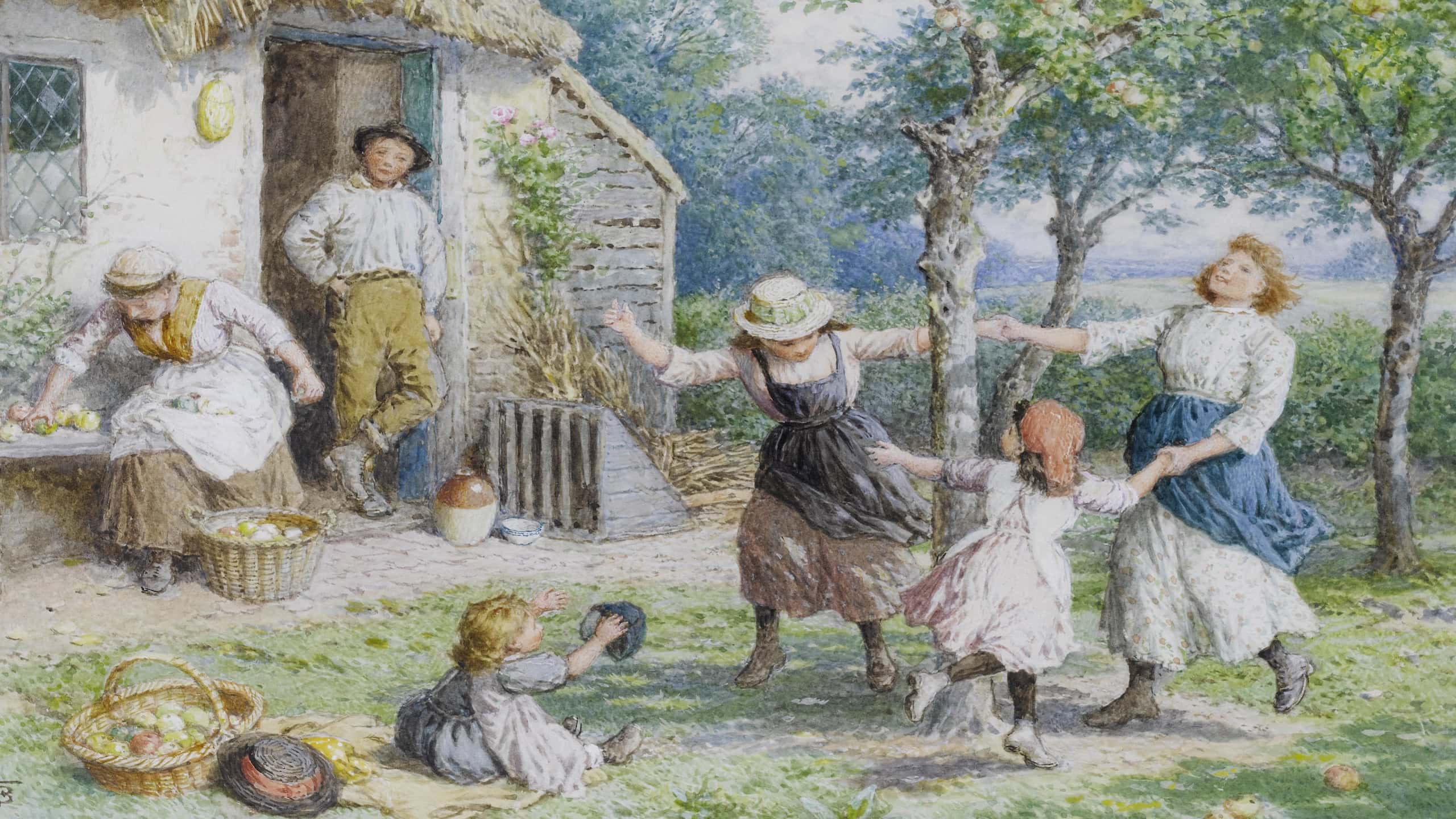
There’s a story that says the nursery rhyme ‘Ring Around the Rosie’ was written about the Black Death. It kind of makes sense. The ring becomes a rash, the flowers symbolize protection from disease, and everyone falls down dead at the end. Except, no.
Early versions of the rhyme were different from the ones kids sing today, and some even leave out the sneezing part. The song itself wasn’t written down until centuries after the Black Death. The idea of it being connected to the plague only really emerged in the 20th century.
The ‘first’ Thanksgiving wasn’t the first one
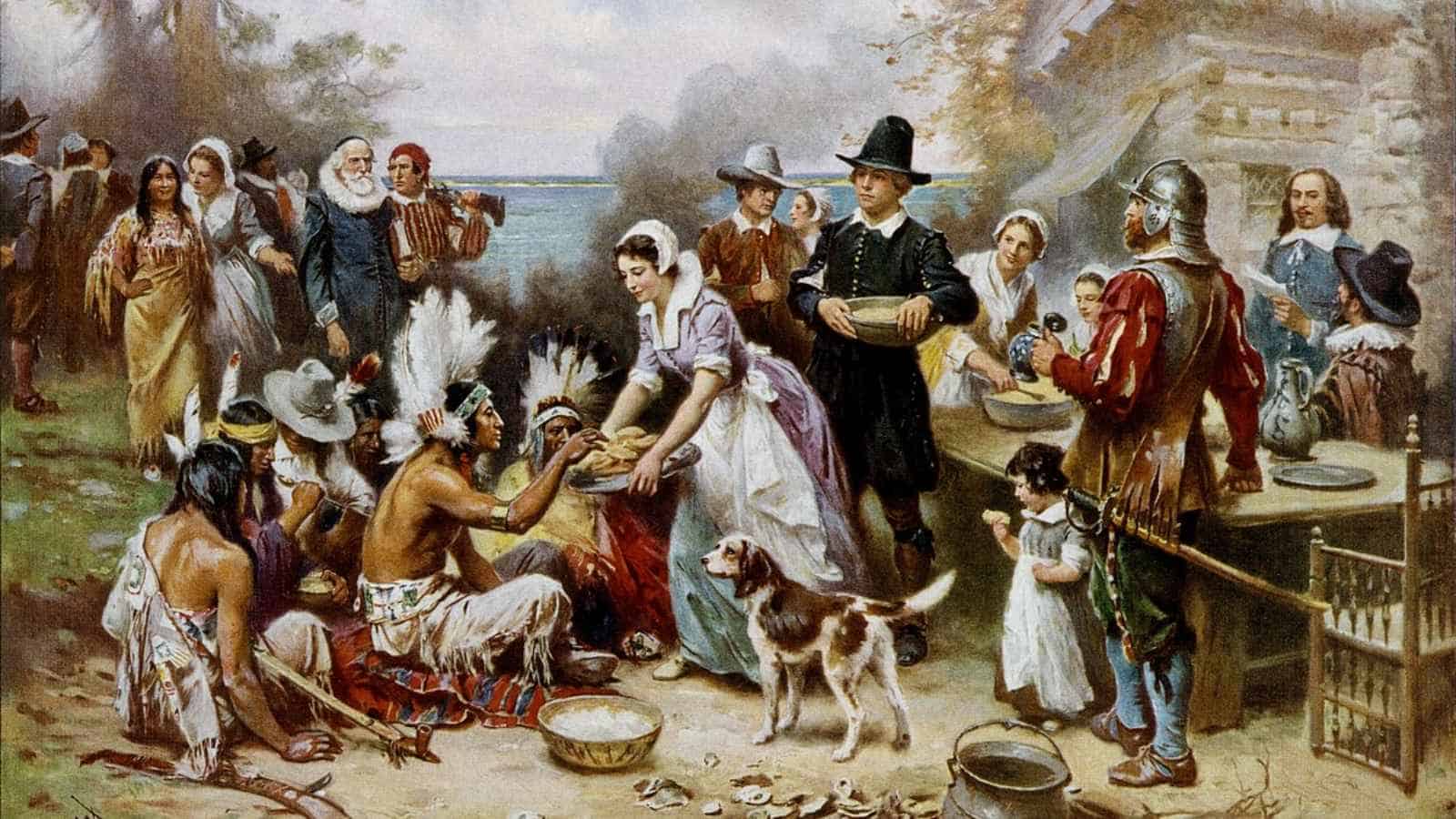
It sounds weird, but it’s true, Plymouth’s 1621 harvest gathering wasn’t the first Thanksgiving. Similar ceremonies had already taken place in the country before then, like Spanish settlers’ religious services of thanks in Florida during the sixteenth century. Sound familiar?
English colonists at Popham in modern-day Maine probably did the same in 1607. Nobody at the time called the Plymouth event America’s first Thanksgiving. That idea came later, a lot later, in fact.
Stonehenge was not built by Druids
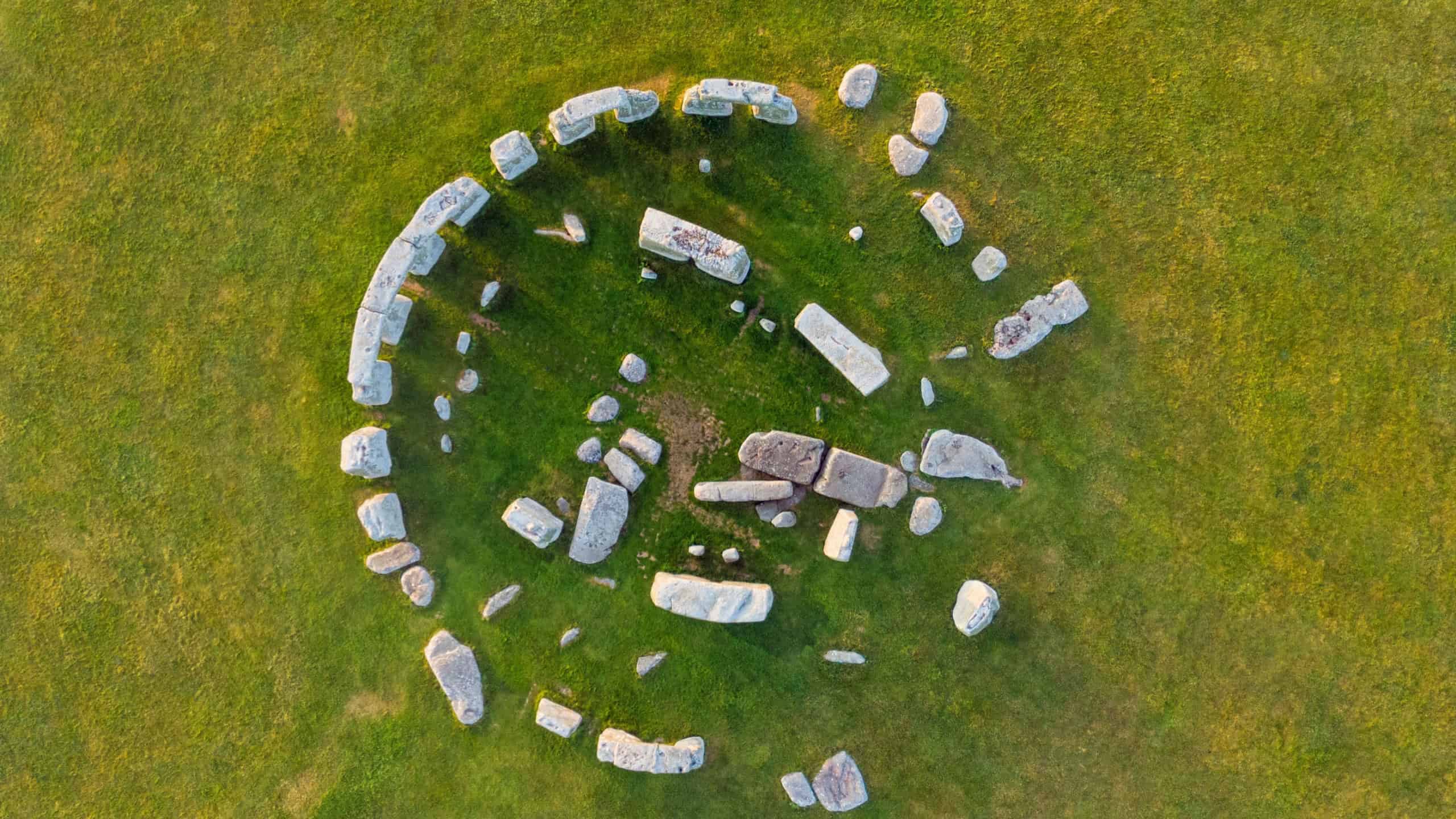
It’s so easy to fit Stonehenge and Druids together in our imaginations. Doesn’t mean it’s real, though. Construction at Stonehenge began around 3000 B.C., and the stones themselves were raised around 2500 B.C.
The Druids came from a much later time. Antiquarians, a special kind of historian, like John Aubrey, linked the two together much, much later. They said that the famous monument was a place for ancient priests, but really, there’s no evidence of that.
The Aztecs didn’t think Cortés was a god

There’s a common belief that the Aztecs surrendered to the settlers because they thought Hernán Cortés was a god. That’s just not accurate. Even Cortés’s own letters say nothing about that idea.
The famous story about them thinking he was the god Quetzalcoatl comes from later accounts. It’s not like appearing as a god would’ve worked for Cortés anyway, since he relied a lot more on Indigenous allies who were against the Aztec Empire. No divine power needed.
Anne Boleyn probably did not have six fingers
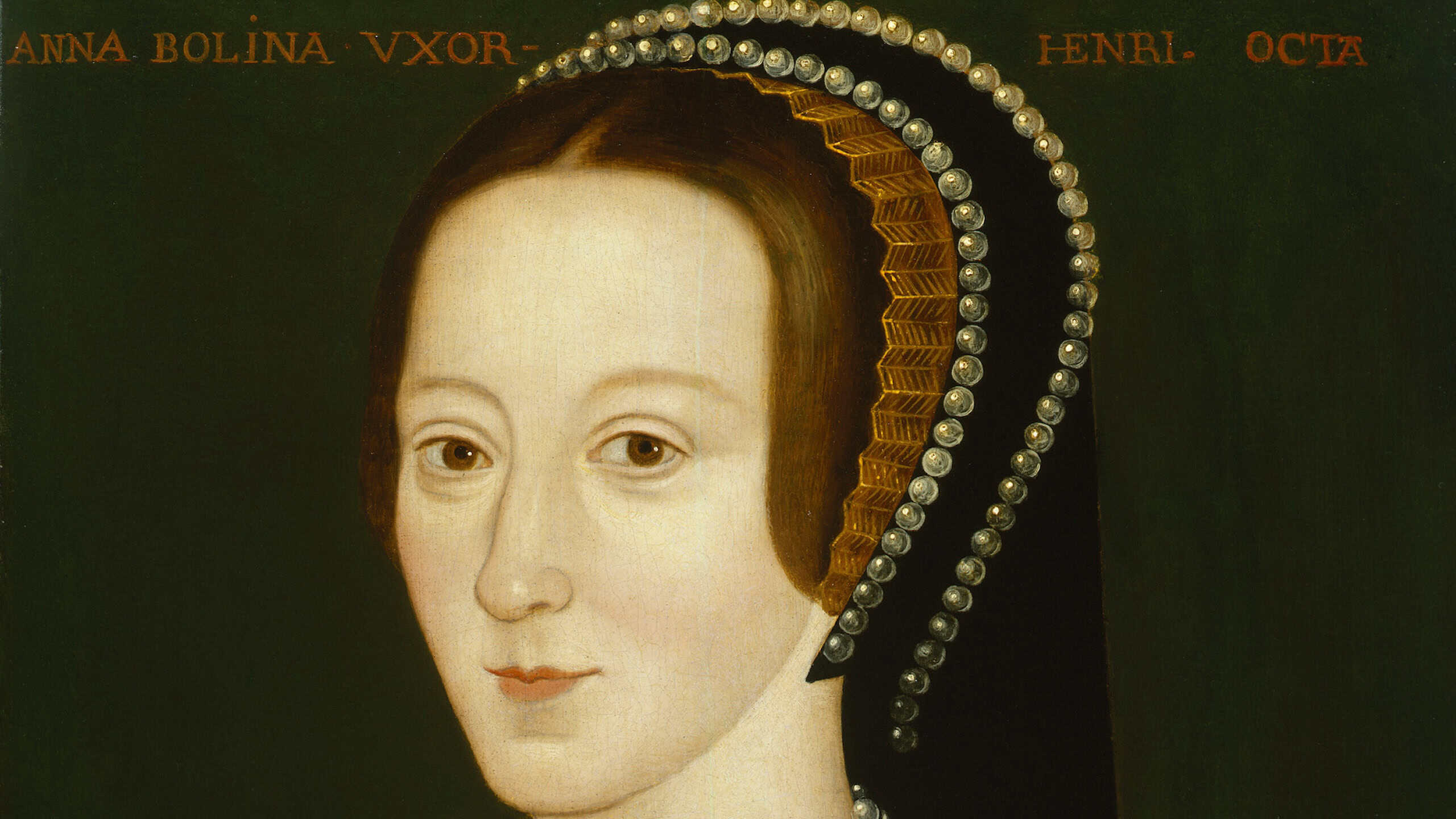
The story about former Queen Consort of England Anne Boleyn’s supposed sixth finger is just that, a story. It came from critics writing after her execution. There are no eyewitness descriptions from her time that say anything about her having any kind of extra digits.
Catholic writer Nicholas Sander said she had six fingers, but he was only a child when she died. He probably made the whole thing up to make Anne seem unnatural. That way, Henry VIII’s decision to have her beheaded would seem justified, in a weird kind of reasoning.
Hitler was never elected ruler of Germany

Let’s get one thing straight, Germany never actually voted for Hitler to become their leader. They did help the Nazi Party become the largest party in the Reichstag, but they never formally chose Hitler to be the country’s ruler. It was all thanks to President Paul von Hindenburg.
He appointed Hitler as chancellor on January 30, 1933, because conservative politicians believed they could control him. That was when Hitler began using emergency powers and political violence to take away all democratic limits. But he was never voted for.
The victims at Pompeii were not engulfed by rivers of lava
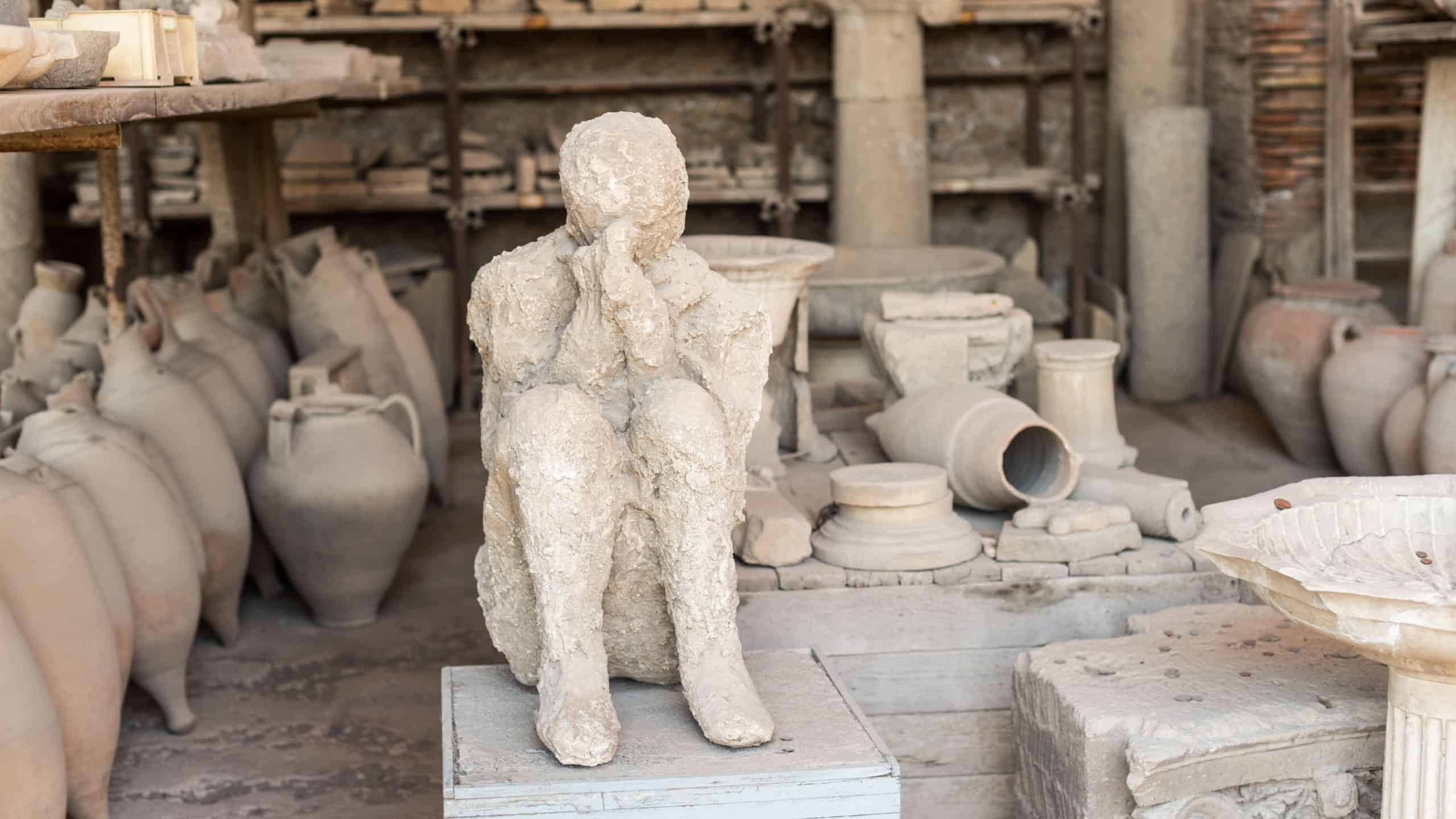
Pompeii sure was a dangerous place to be in A.D. 79, but not for the reasons you might expect. There was no river of orange lava rolling through the streets, turning people into stone. Mount Vesuvius’s eruption was nastier, honestly.
First came the pumice and ash that piled up on the roads and crushed some roofs. Then came the extremely hot clouds of gas, ash, and broken volcanic material. A lot of the victims were buried in ash that hardened around their bodies.
Sources: Please see here for a complete listing of all sources that were consulted in the preparation of this article.
13 historical facts that will totally mess with your sense of time
You might not realize it, but quite a few parts of history sit a lot closer together than they should have any right to, and it’s enough to seriously mess with your mind.
13 historical facts that will totally mess with your sense of time


