

There are people who have been closer to death than anyone should ever be and, miraculously, these 15 people lived to tell about it.
Roy Sullivan (1942–1977)

Roy Sullivan was a U.S. park ranger who had a severely crazy connection with lightning. Sullivan was struck by lightning seven times between 1942 and 1977. Six of those strikes occurred while Sullivan was on the job. The seventh strike occurred while he was fishing.
Not only was Sullivan struck by lightning multiple times, but he received burns from the strikes. One strike or another would knock him unconscious at least once. Twice, the lightning even managed to set Sullivan’s hair on fire.
As far as Guinness World Records is concerned, Sullivan has survived more documented lightning strikes than anyone else. Because of his history with lightning strikes, Sullivan has also become known as “the human lightning rod.”
Sullivan died by suicide in 1983 at age 71. The homicide squad originally investigated his death but ruled it a suicide.
Michael Malloy (1933)

Men in New York schemed ways to profit from Michael Malloy’s death during the Great Depression. They insured him with the hopes that they could collect his death benefits.
The men poisoned Malloy and froze him on several occasions but he would always recover, leading them to try other methods.
Michael Malloy gained the nickname “Iron Mike” from surviving all attempts on his life. His would-be killers were labeled the “Murder Trust” in newspaper articles.
Alexis St. Martin (1822)
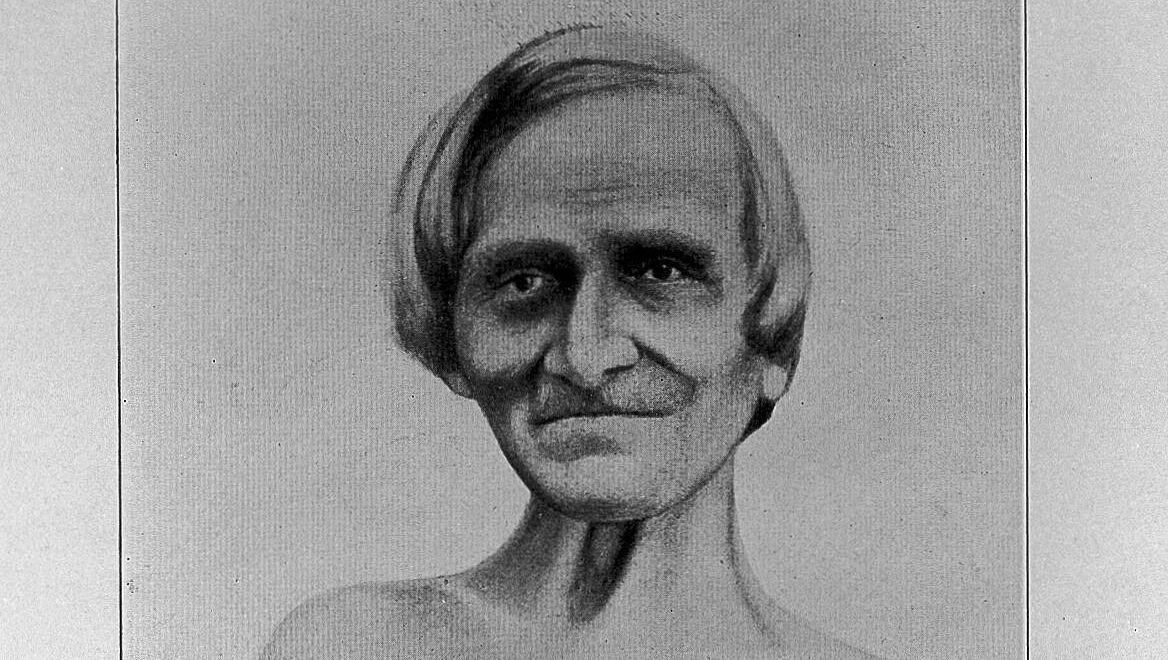
In 1822, French-Canadian fur trader Alexis St. Martin suffered a catastrophic accident. St. Martin was accidentally shot in the abdomen by another trader carrying a musket loaded with duck shot.
Though the wound should have killed him, St. Martin miraculously survived. The wound, however, left him with a constant opening from his stomach to the outside.
It wasn’t long before Army surgeon William Beaumont saw the unique advantage this peculiar injury offered the medical science. Beaumont’s unique access allowed him to study digestion like no physician ever had, imparting crucial insights about gastric juice and digestion to the medical world.
St. Martin lived for many years with his gruesome injury, becoming an unwilling martyr to medical science.
Juliane Koepcke (1971)

Flying over Peru on Christmas Eve in 1971, 17-year-old Juliane Koepcke was onboard LANSA Flight 508 when it was struck by lightning and shattered.
Koepcke remained buckled into her seat as she plunged through the rainforest canopy. She survived the fall with injuries including a broken collarbone and an arm wound.
Recalling survival lessons from her scientist parents, Koepcke followed a stream and eventually found her way through the Amazon rainforest. After spending 11 days lost in the jungle by herself, she made it to a hut where workers were able to contact authorities who brought her to a hospital.
Of everyone on board, only Koepcke survived the crash.
Truman Duncan (2006)

Railroad worker Truman Duncan experienced a truly miraculous accident back in 2006 at a Texas rail yard.
Duncan fell out of a moving train, becoming pinned beneath it and severing nearly his entire body in two at the waist.
Amazingly, he stayed conscious after the accident and called for help, despite losing so much blood. Doctors conducted scores of surgeries to keep him alive. Against all odds, Duncan recovered and found a way to manage life after losing both legs.
Ann Hodges (1954)
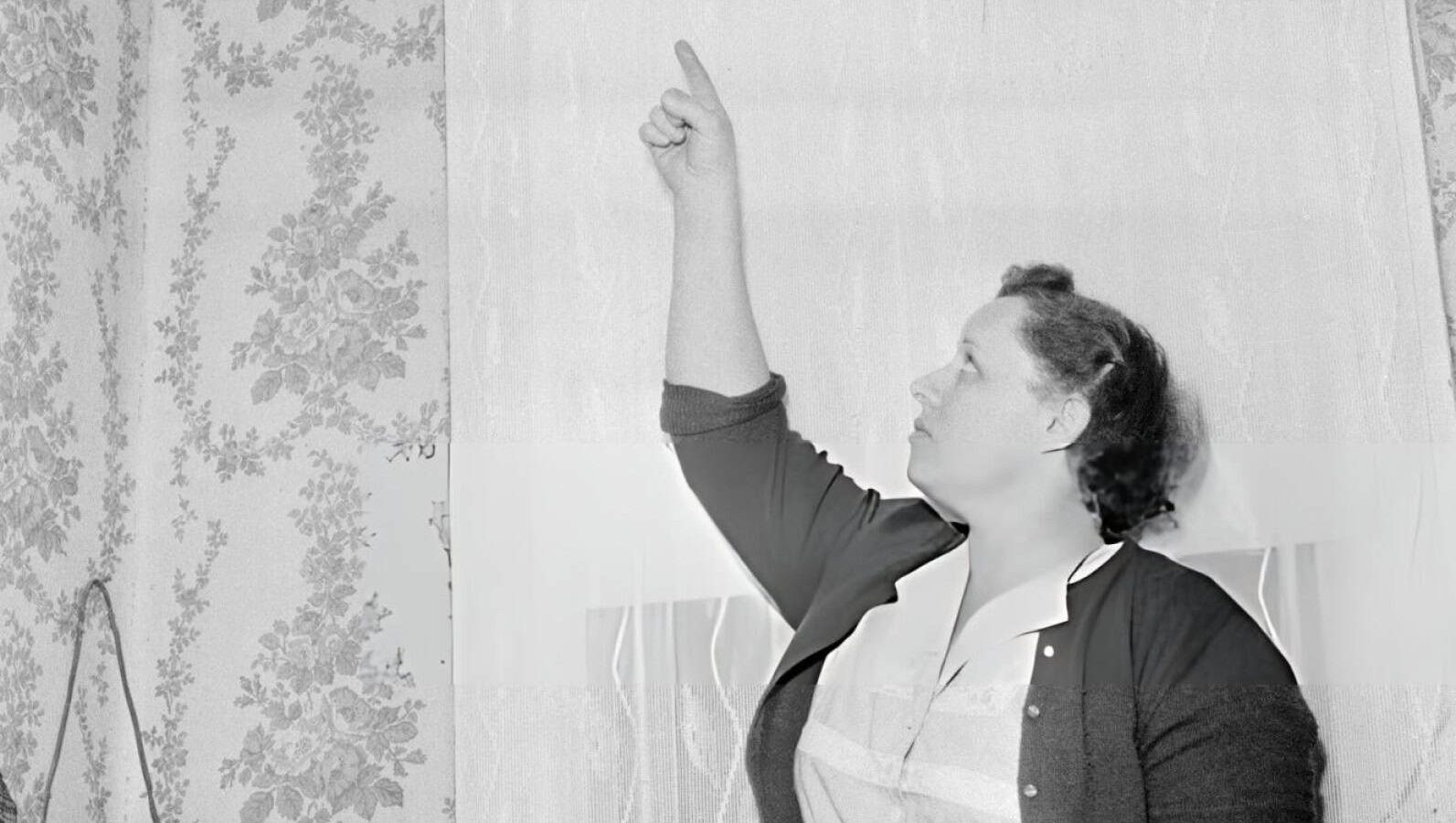
On November 30th, 1954, Ann Hodges was napping on her living room sofa in Sylacauga, Alabama when a mysterious object came blasting through her roof. It collided with her radio and then bounced off onto her, bruising her side.
The culprit was an 8.5 pound meteorite. Hodges is the only person known to have been struck by a meteorite injury. The meteorite, now called the Sylacauga meteorite, was eventually donated to the Alabama Museum of Natural History.
Ludger Sylbaris (1902)

Mount Pelée erupted on the Caribbean island of Martinique in May of 1902, unleashing a pyroclastic flow that killed nearly everyone in Saint-Pierre city.
Survivor Ludger Sylbaris was a prisoner jailed inside a stone jail cell with poor ventilation. The building protected him from the brunt of the eruption, though he did sustain burns.
Four days later he was rescued from the rubble alive.
Violet Jessop (1911–1916)
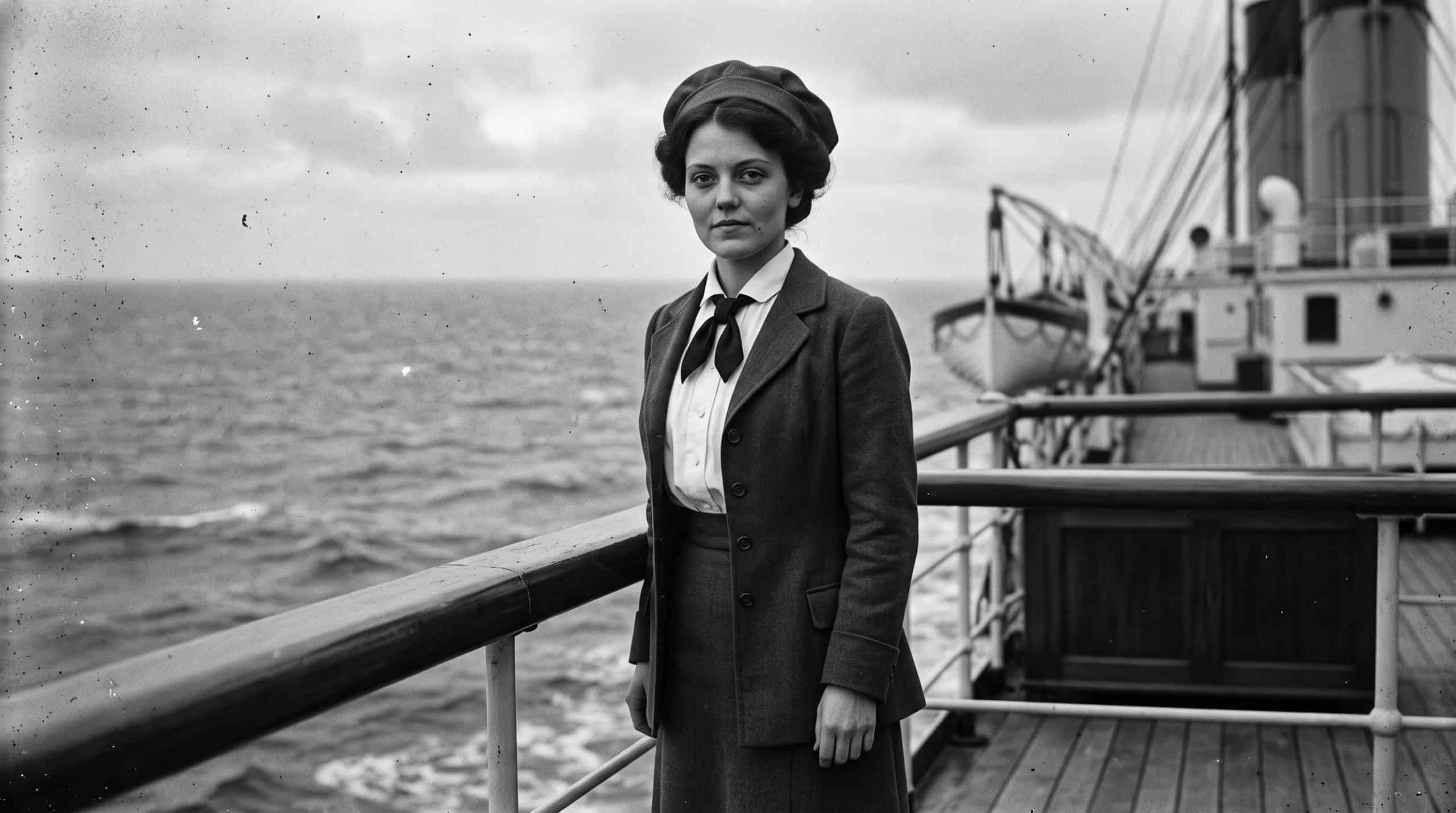
As an ocean liner stewardess, Violet Jessop was on board three legendary White Star Line ships when each experienced a catastrophic event.
In 1911, Jessop was on board Olympic when it collided with HMS Hawke, a warship. In 1912, she survived when the Titanic sank by escaping on Lifeboat 16.
Four years later, she was on board Britannic when it struck a mine in the Aegean Sea. Her lifeboat got dragged towards the ship’s still-spinning propellers, so Jessop had to jump into the water. Miraculously, she survived even though she suffered a head injury.
Aron Ralston (2003)

Canyoneering alone in Blue John Canyon, Utah, in 2003, Aron Ralston suffered an accident when a roughly 800-pound boulder fell and trapped his right arm.
After spending five days trapped with minimal water and no method of communication, Ralston, who was about to die, used a small multi-tool to amputate his own arm.
He then rappelled down the canyon wall and began hiking out until he found some hikers who called for rescue.
Ivan Chisov (1942)
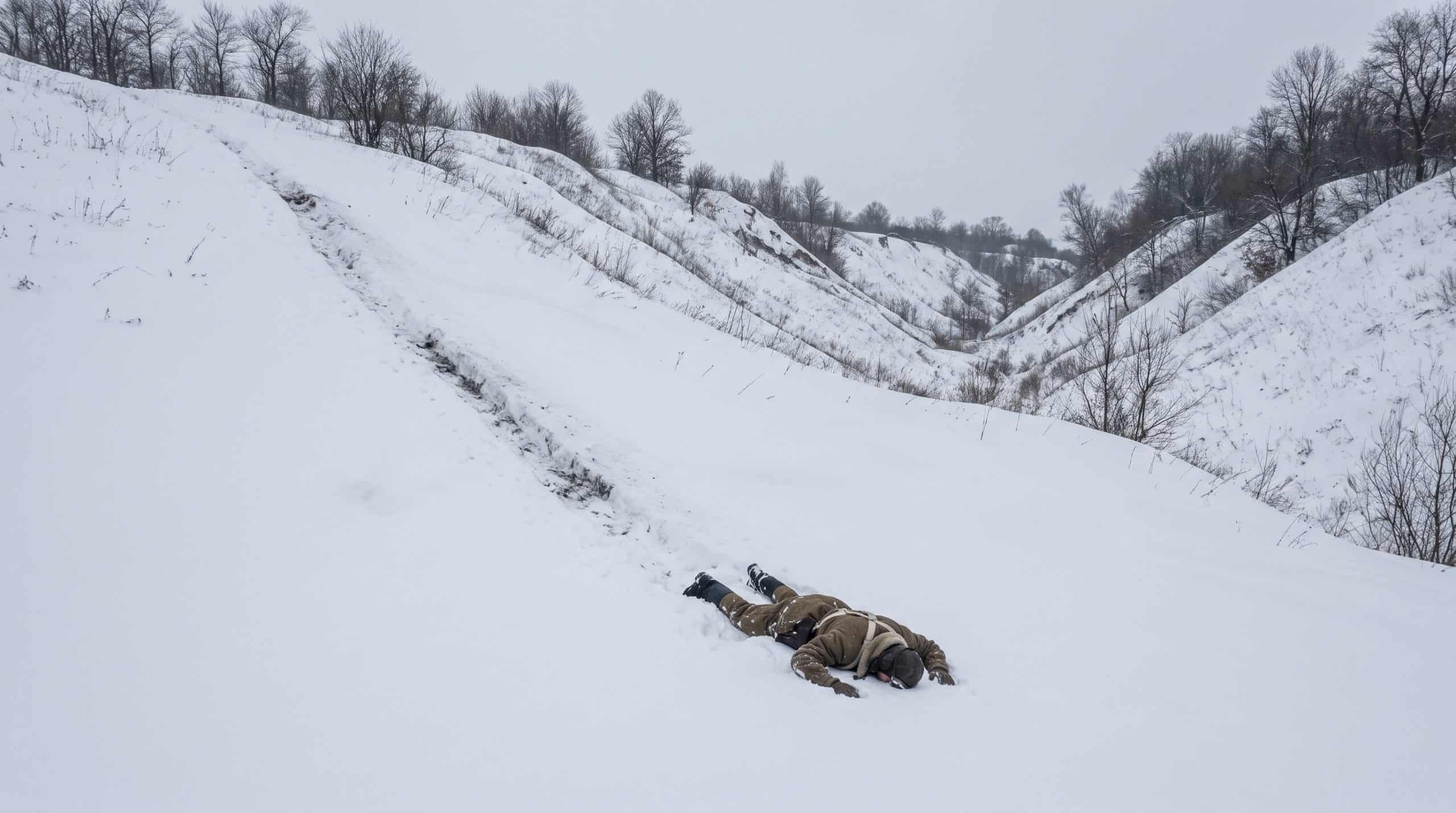
Due to damage sustained by his plane, Chisov fell from the plane without opening his parachute and passed out. A snow-covered ravine cushioned his head and sent him sliding downhill. He managed to slide down the slope instead of crashing directly onto the ground.
He suffered a broken pelvis and serious damage to his spine. Reportedly, a newspaper from the time noted that he fell approximately 22,000 feet and lived to tell about it.
Anatoli Bugorski (1978)

In 1978, Soviet physicist Anatoli Bugorski was working with equipment at the Institute for High Energy Physics when, by accident, his head ended up in the line of fire of a proton beam from the U-70 particle accelerator.
The accelerator beam shot through Bugorski’s head, irradiating everything in its path. According to reports, the left side of his face became severely swollen.
Miraculously, Bugorski lived through the ordeal. He went on to resume his scientific career and lived for many years following his accident.
Bugorski’s case is extraordinary because the radiation followed a narrow track through his head. It’s misleading to say Bugorski received hundreds of times the lethal dose of radiation, as it was confined to a narrow beam passing through his head.
Vesna Vulović (1972)
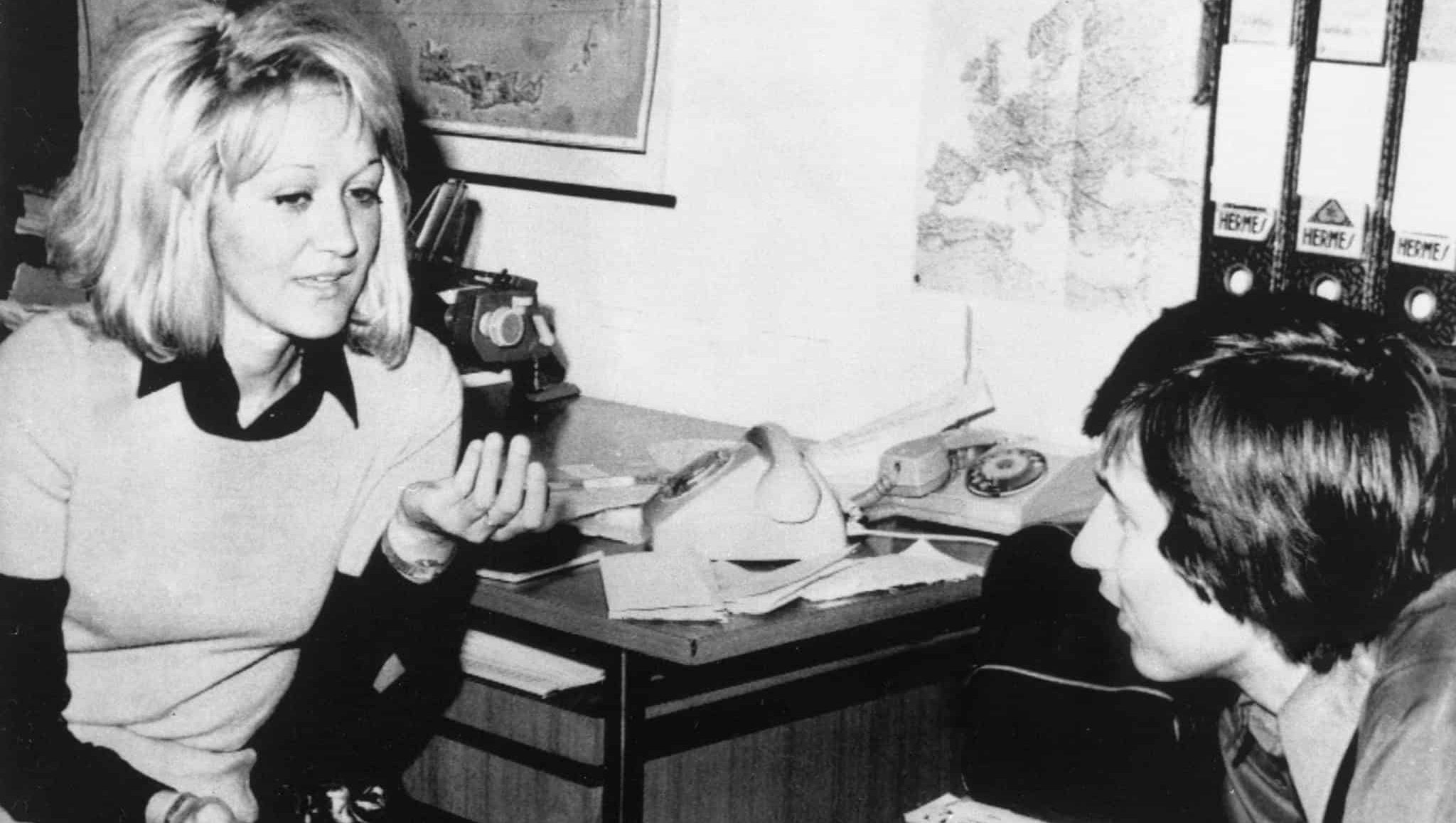
Flight attendant Vesna Vulović is known for surviving the fall that Guinness World Records lists as the highest fall without a parachute.
Vulović found herself on JAT Flight 367 in January 1972, the very flight that shattered mid-air above then-Czechoslovakia. The official accident report states that Vulović fell 10,160 meters (33,333 ft.).
Vulović was inside part of the plane when she fell and was later discovered by rescuers. She sustained several serious injuries and spent 27 days in a coma and 16 months in the hospital.
Guinness continues to credit her with the record, even though later investigations have raised questions about the fall’s actual altitude.
Poon Lim (1942–1943)
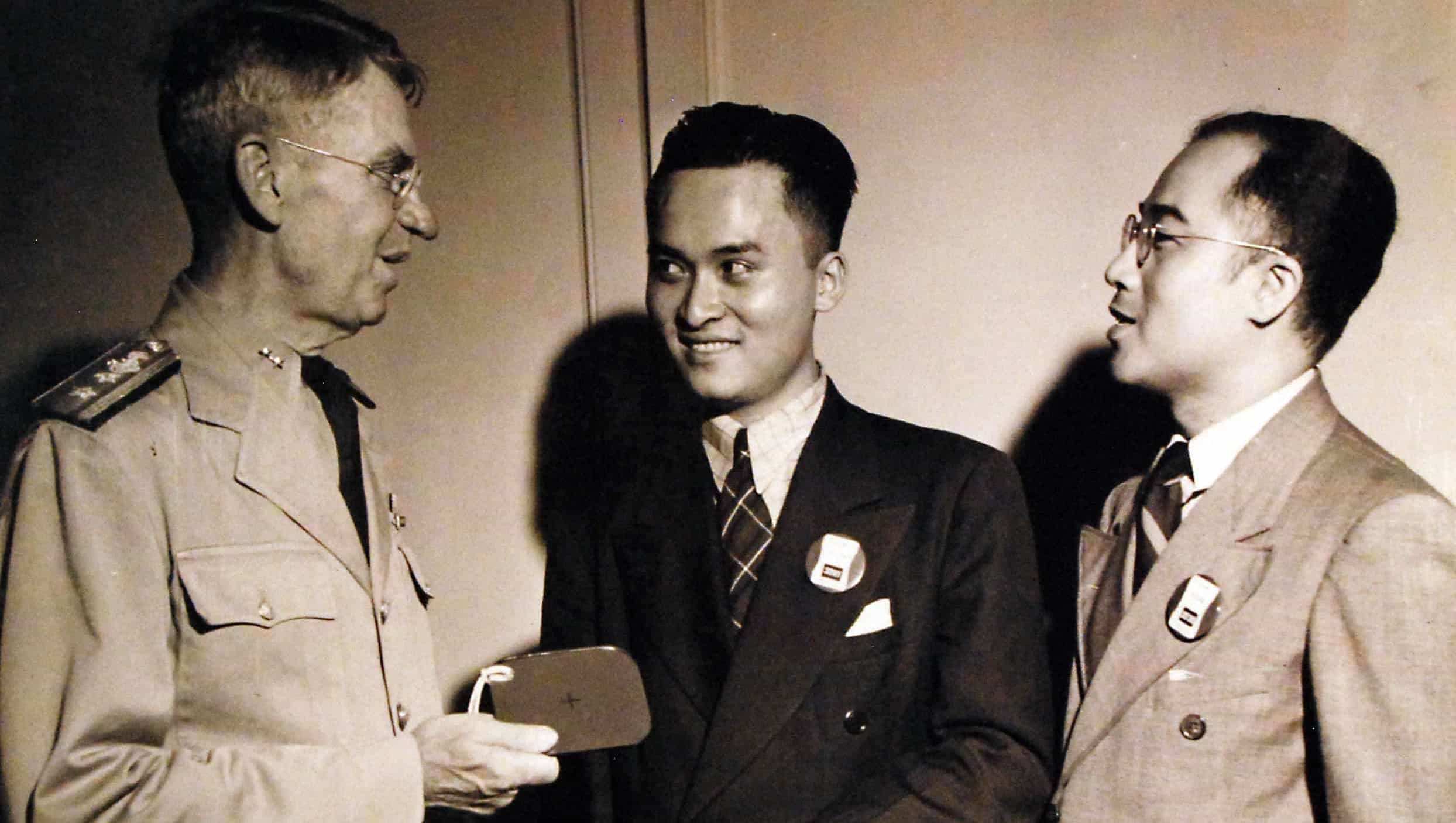
Chinese steward Poon Lim was set adrift alone on a small raft when his British merchant ship, SS Ben Lomond, was torpedoed by a German U-boat in November 1942.
He rationed rainwater, fish, birds, and whatever else he could find or catch with the supplies he had on board the raft.
Poon Lim drifted for 133 days before being rescued by a Brazilian fishing vessel in April 1943. His survival is noted by Guinness World Records as the longest time spent living entirely alone on a raft.
Harrison Okene (2013)
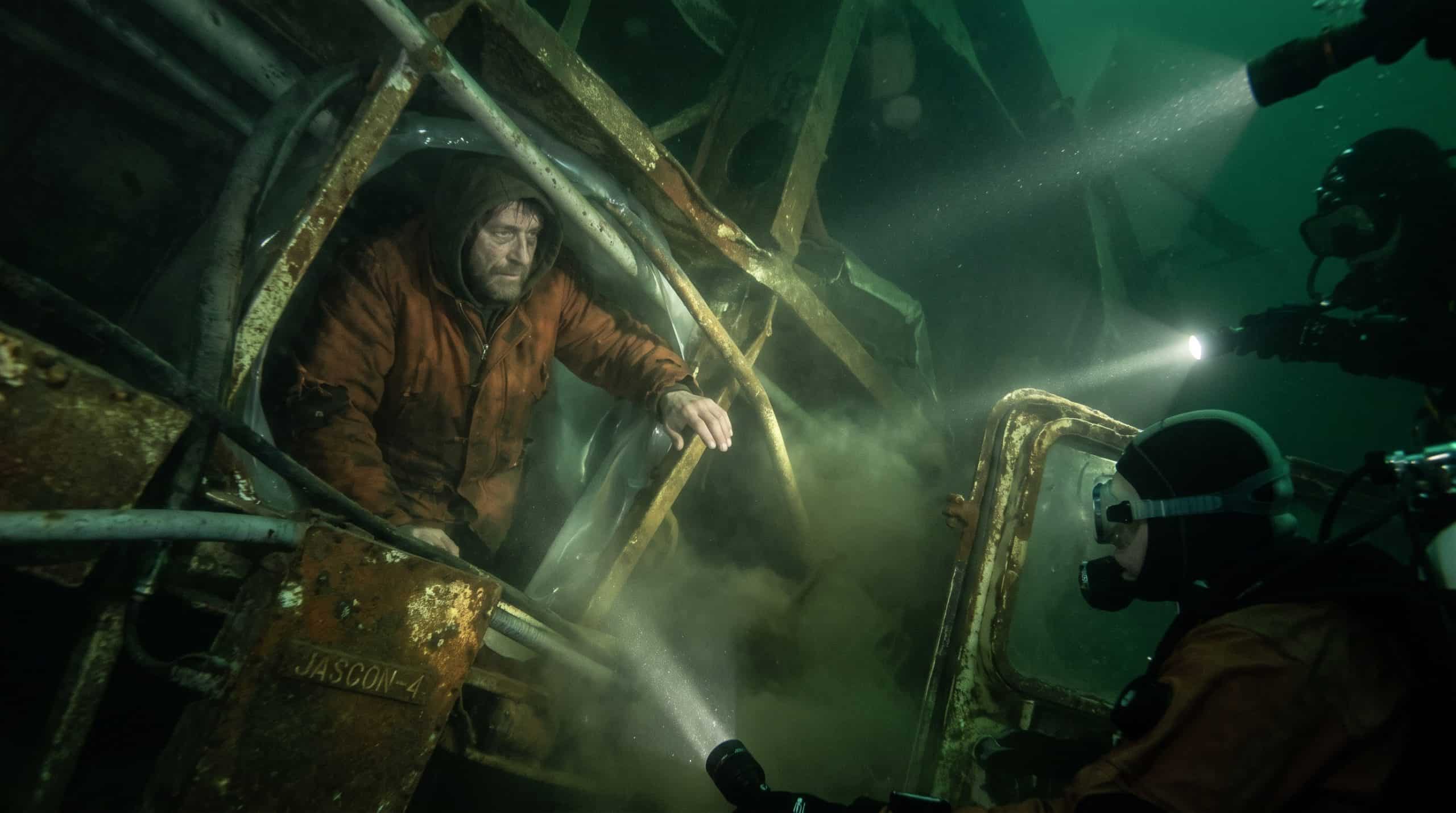
Harrison Okene was a cook on a ship that capsized and sank off the coast of Nigeria. The ship he was working on was called the tugboat Jascon-4.
Inside the capsized ship about 100 feet below the surface Okene discovered an air pocket and climbed inside. He survived about 60 hours inside of the wreckage surrounded by darkness and icy cold water.
It wasn’t until rescue divers placed themselves inside the wreck to pull bodies out that they discovered Okene was alive inside the air pocket.
The unusual conditions of his survival have led physicists to study his experience.
Phineas Gage (1848)
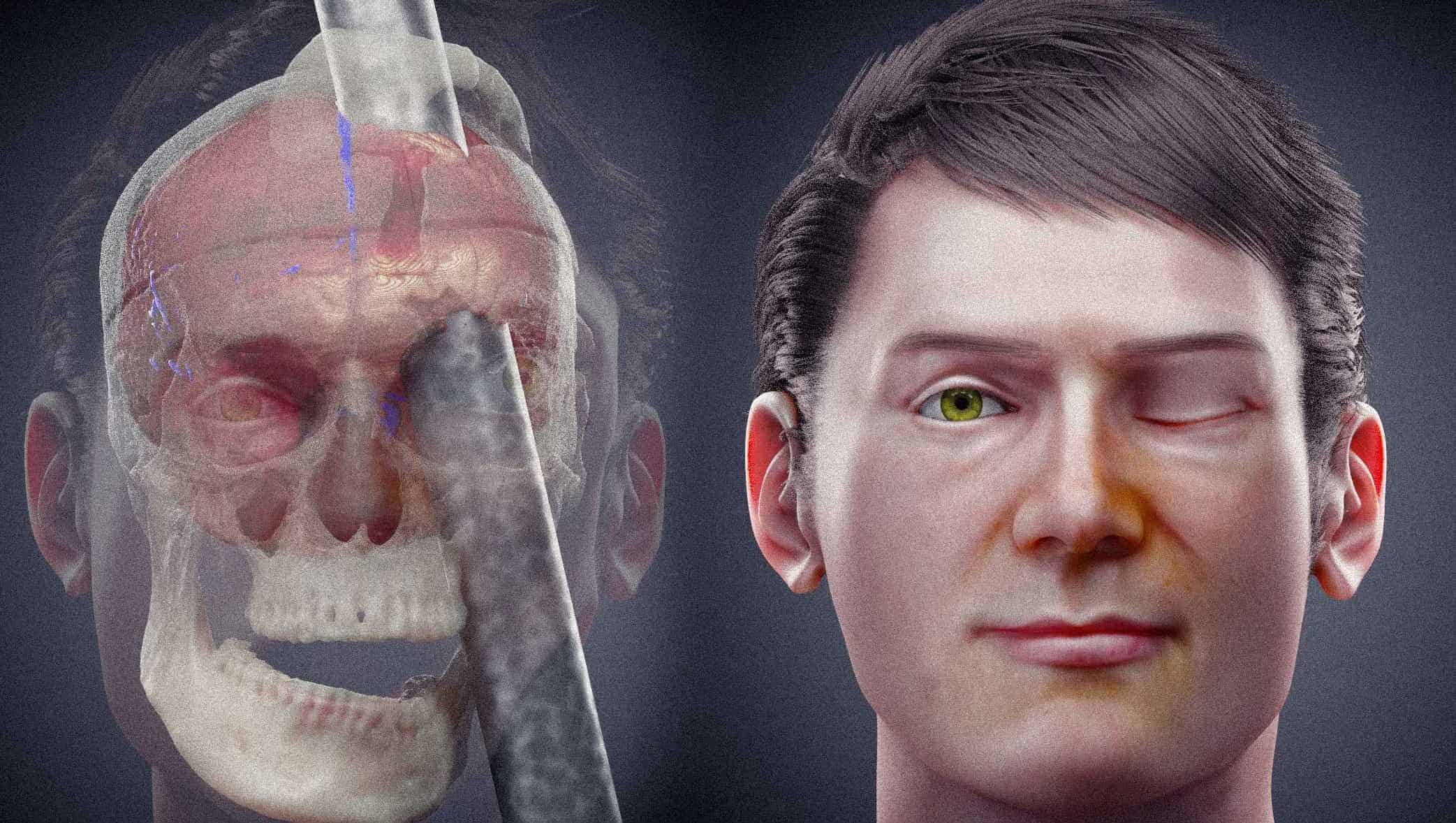
Phineas Gage worked as a railroad construction foreman when a massive explosion occurred in Vermont during the year 1848.
He was blasted into the air, a thick iron tamping bar driven clean through his skull. The iron rod entered through his cheek made its way through his brain before exiting through the top of his skull, landing some dozens of feet from where he fell.
Miraculously, Gage lived through the incident which led to him becoming one of medical history’s most recognizable cases.
The documented shifts in Gage’s behavior later rendered his case exceptionally valuable to neuroscience.
Sources: Please see here for a complete listing of all sources that were consulted in the preparation of this article.
Like our content? Be sure to follow us.
12 historical figures who lost their lives young

We remember how great they were, but often forget how young they died.

