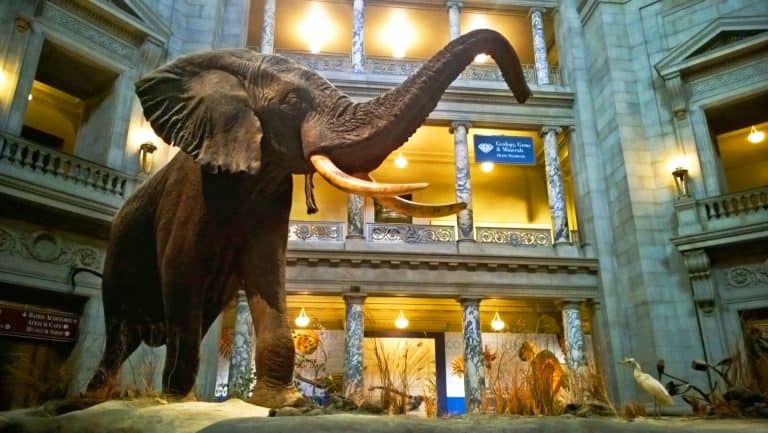

Hidden away in the Smithsonian’s high-security research vault are some of history’s most troubling relics that don’t fit into America’s nice little history books and pose incredible ethical dilemmas today.
Brains preserved in jars
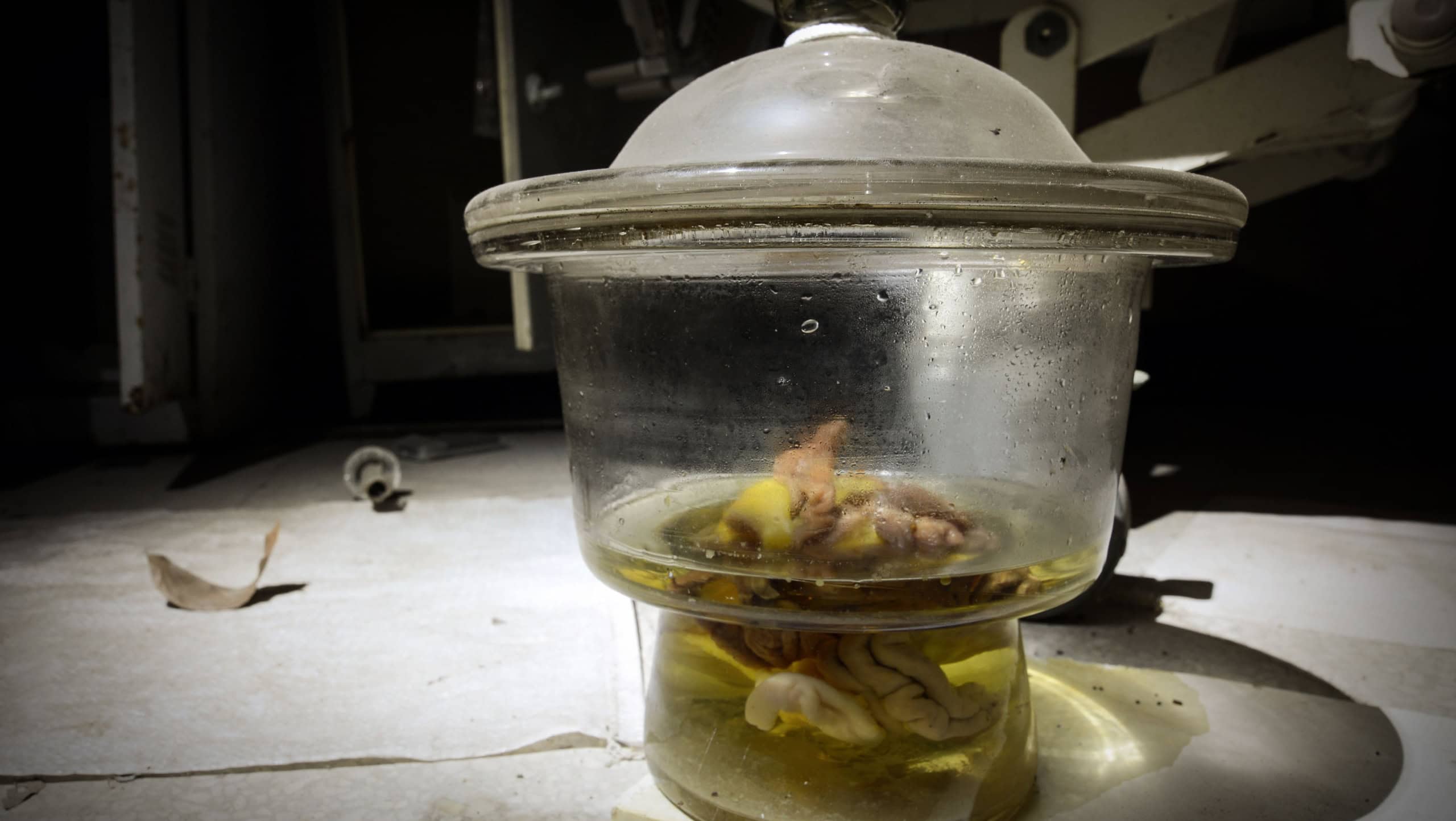
The museum houses a collection of more than 200 rather disturbing human brains. These specimens, gathered in the early 1900s, were taken by physical anthropologist Aleš Hrdlička from Indigenous communities and impoverished settlers. Hrdlička frequently took the brains without consent from the individuals or their families.
He planned to use the remains to justify racist theories about certain groups of people being biologically inferior or superior to others. Intelligence was a big focus of his studies. In later years, his legacy has been used as an example of scientific racism and white supremacy.
The museum still has custody of the brains, which are stored in a locked restricted-access room. Museum employees have been working to determine where they originated from so they can be properly repatriated to descendants, families, or tribes as able.
General Custer’s stuffed warhorse
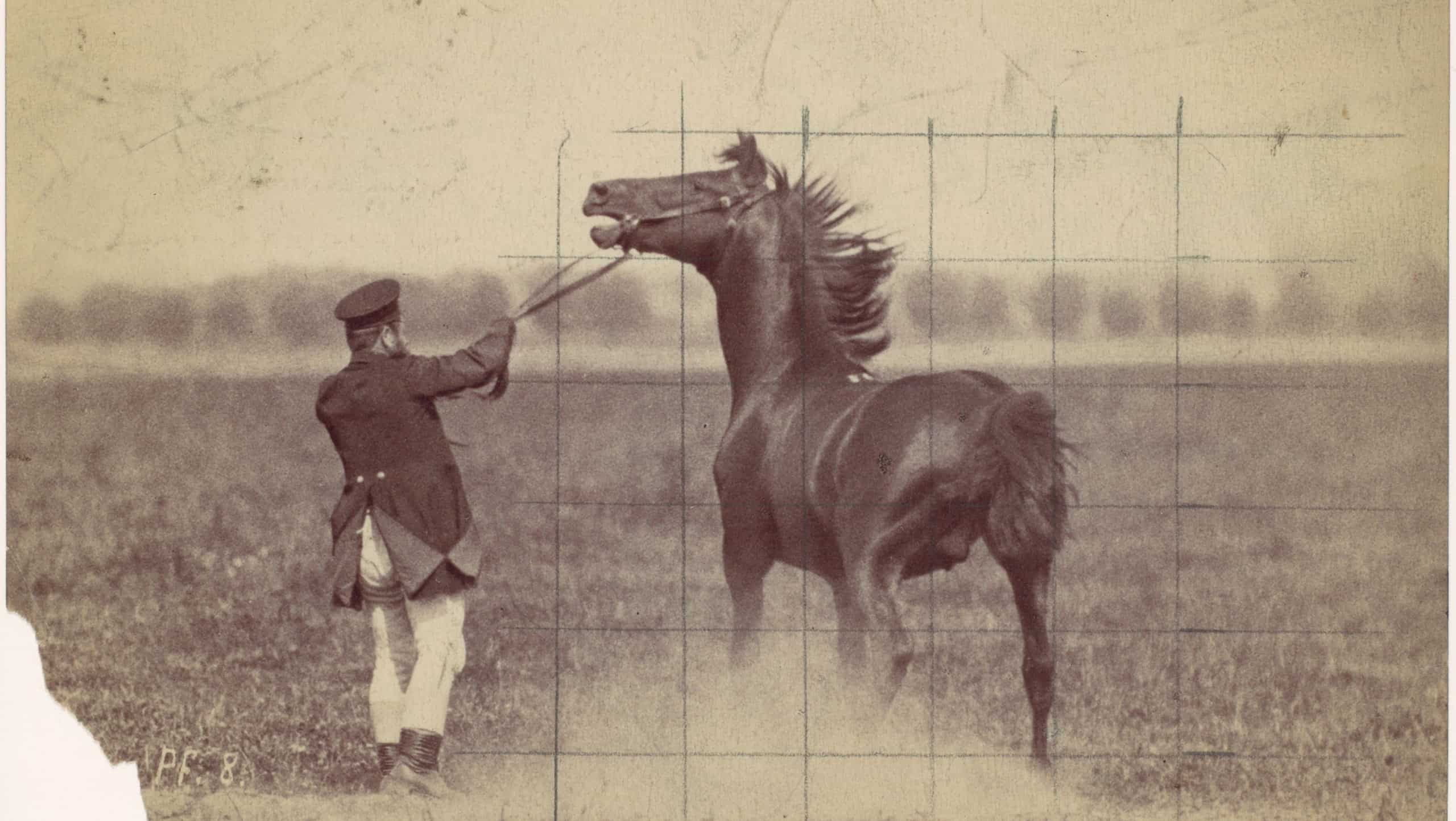
“Vic” was one of the horses who lived through the Battle of Little Bighorn in 1876 when General George Custer died.
Once Vic passed, a taxidermist preserved him before he was gifted to the museum. It’s stored away because they fear displaying it would only glorify a vicious war that slaughtered Native Americans.
Deleted scripts from the Enola Gay exhibit

The Enola Gay was the plane that carried the atomic bomb dropped on Hiroshima in World War II. When the Smithsonian attempted an exhibit of the plane, controversy erupted over its description panels. Some visitors felt they didn’t honor veterans enough, while others felt they glossed over the death of civilians.
The original offending description panels were taken out of the exhibit and stored in a Smithsonian archive permanently.
Missile prototypes made for pigeons
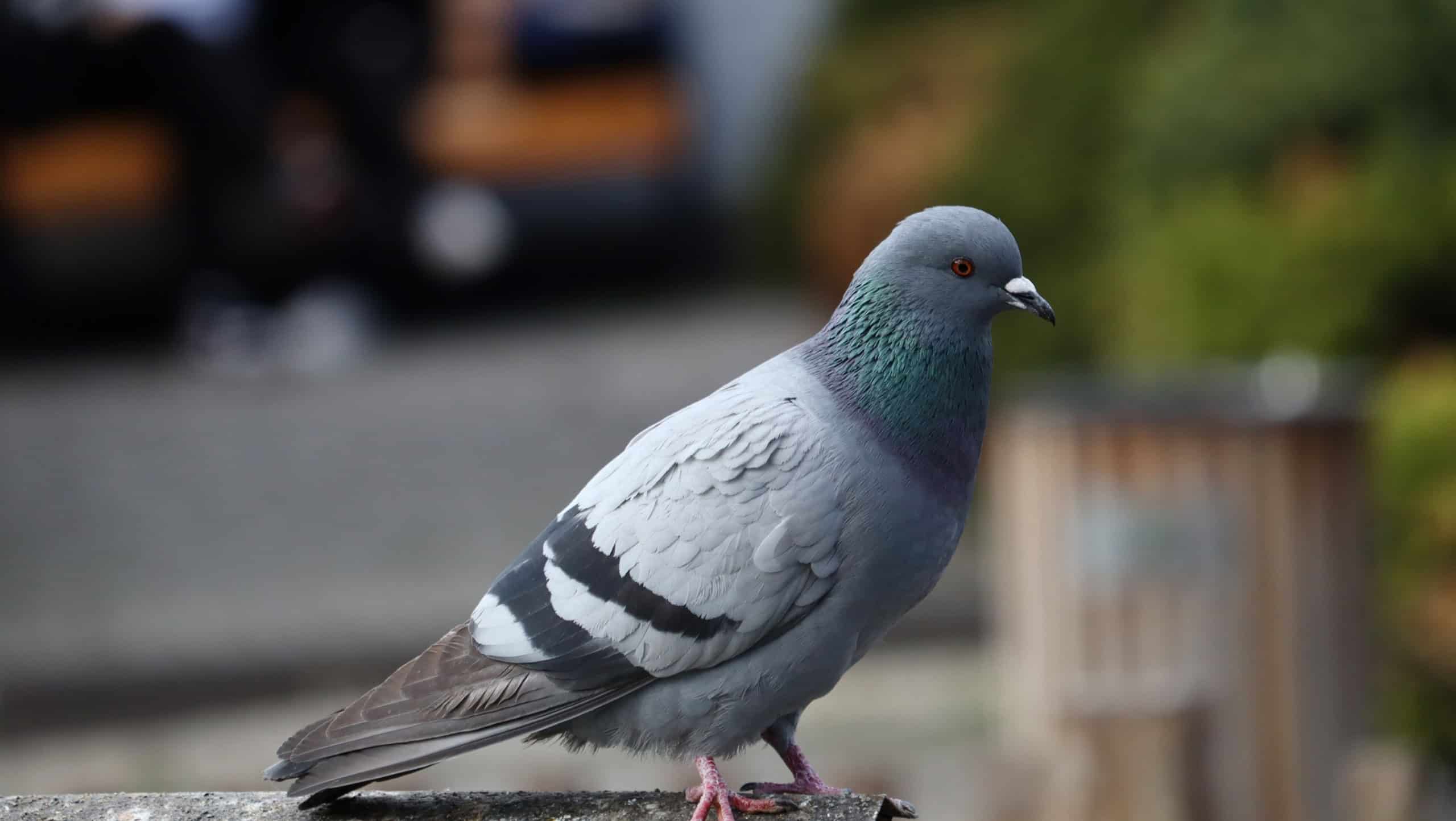
A renowned psychologist attempted to develop a pigeon-guided bomb during World War II.
Inside the missile’s nose, the pigeons would settle and peck at a screen, directing its course toward the intended target.
The Smithsonian Institution has the original mechanisms for this bizarre invention but won’t display them publicly because they would upset visitors with its animal militarism.
Plaster faces of native prisoners
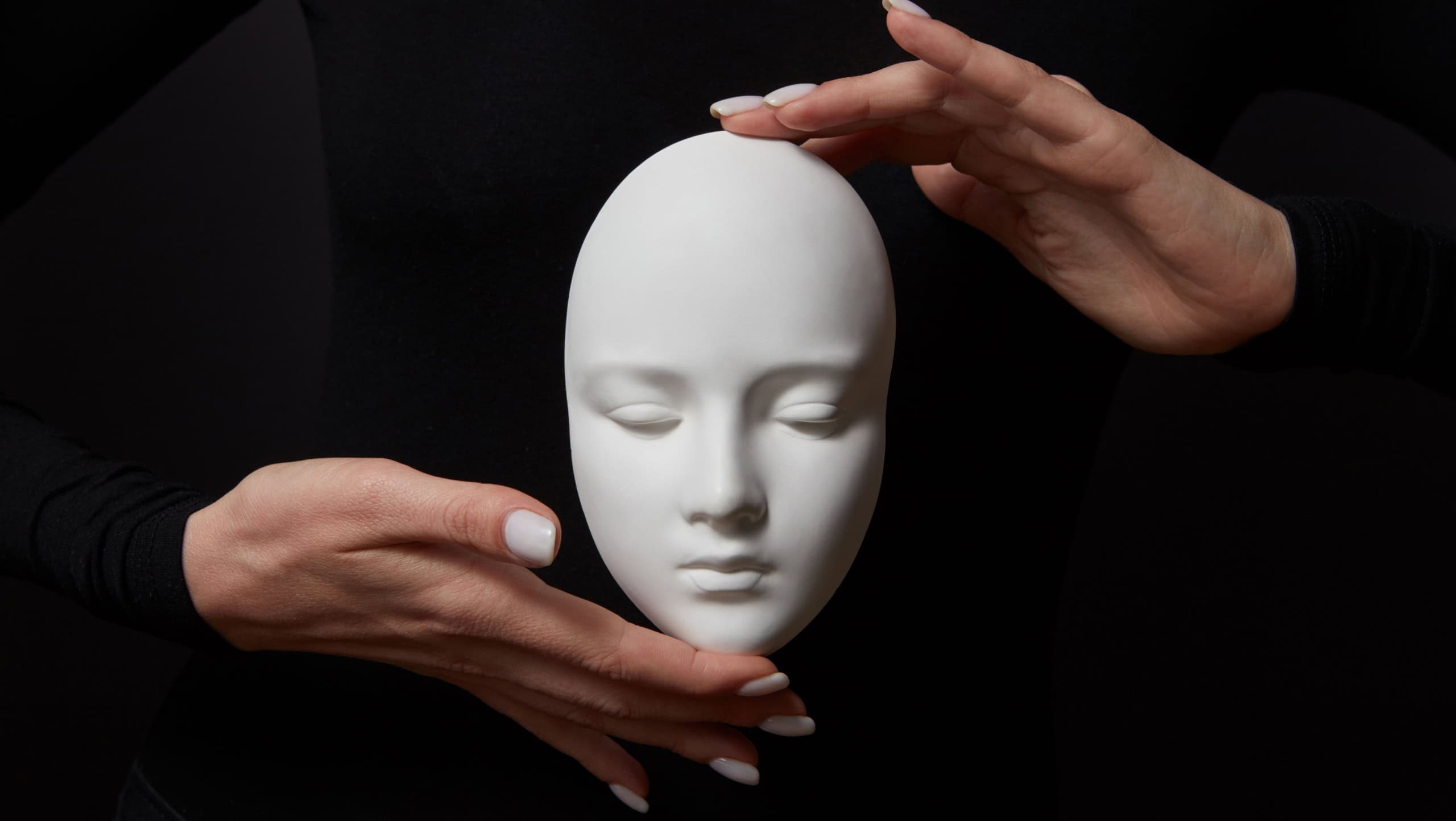
In the late 1800s scientists created plaster copies of Native American prisoners’ faces by draping wet plaster over their faces until it hardened. This process was humiliating and most of these people had no choice about participating.
The completed molds were then used to create startlingly realistic replicas. These men and women were not treated as humans but as specimens to be studied due to the racist mindsets that were prevalent during this time period.
These plaster casts are not on display anymore. The museum has decided to store them away because they are reminders of when Natives were not treated like humans.
A 17-foot severed beard

Norwegian-American farmer, Hans Langseth, grew the longest beard ever recorded at just over 17 feet long.
Langseth had the beard cut from his face before he was buried because he asked his family to preserve it. The Smithsonian stores it rolled in an archival tube, as it resembles a strange circus sideshow more than a historical item.
Radioactive soil from nuclear test sites

In the name of science, the U.S military detonated nuclear bombs on some of the world’s most pristine Pacific Islands known as the Bikini Atoll during the Cold War.
Their actions wrecked the natural world and forced the islanders to relocate.
Within the Smithsonian’s science vault are preserved soil and coral specimens from the blasts. They are kept from public view because they contain trace amounts of radiation and are reminders of a dark time in American history.
Racist statues from an Old World’s Fair
At the 1904 World’s Fair, some scientists commissioned life-size statue busts to represent what they believed to be “stages of human evolution.” The sculptures intentionally portrayed white humans as more advanced than the rest of mankind.
After the exhibition ended, the Smithsonian Institution took custody of them, but now keeps them locked away so that nobody can use them to spread racism ever again.
Replicas of an iconic civil war table
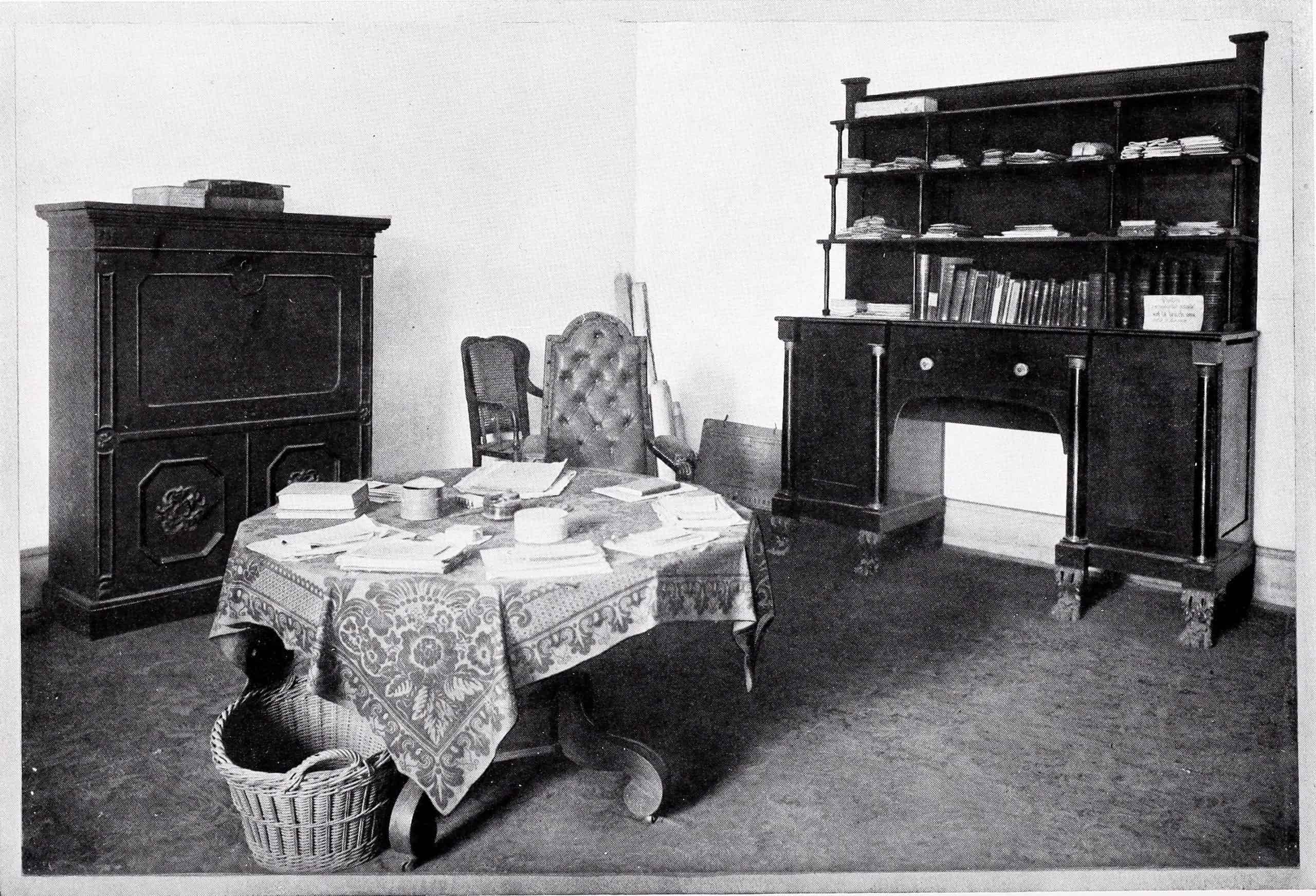
The Smithsonian has the original wood table that Robert E. Lee sat down at to sign the document that ended the Civil War. But they also have fake replicas of that same table in storage.
Throughout history, families have donated replicas thinking they were real and the Smithsonian locks them in a closet so they won’t embarrass the donors.
Seized counterfeit native American crafts
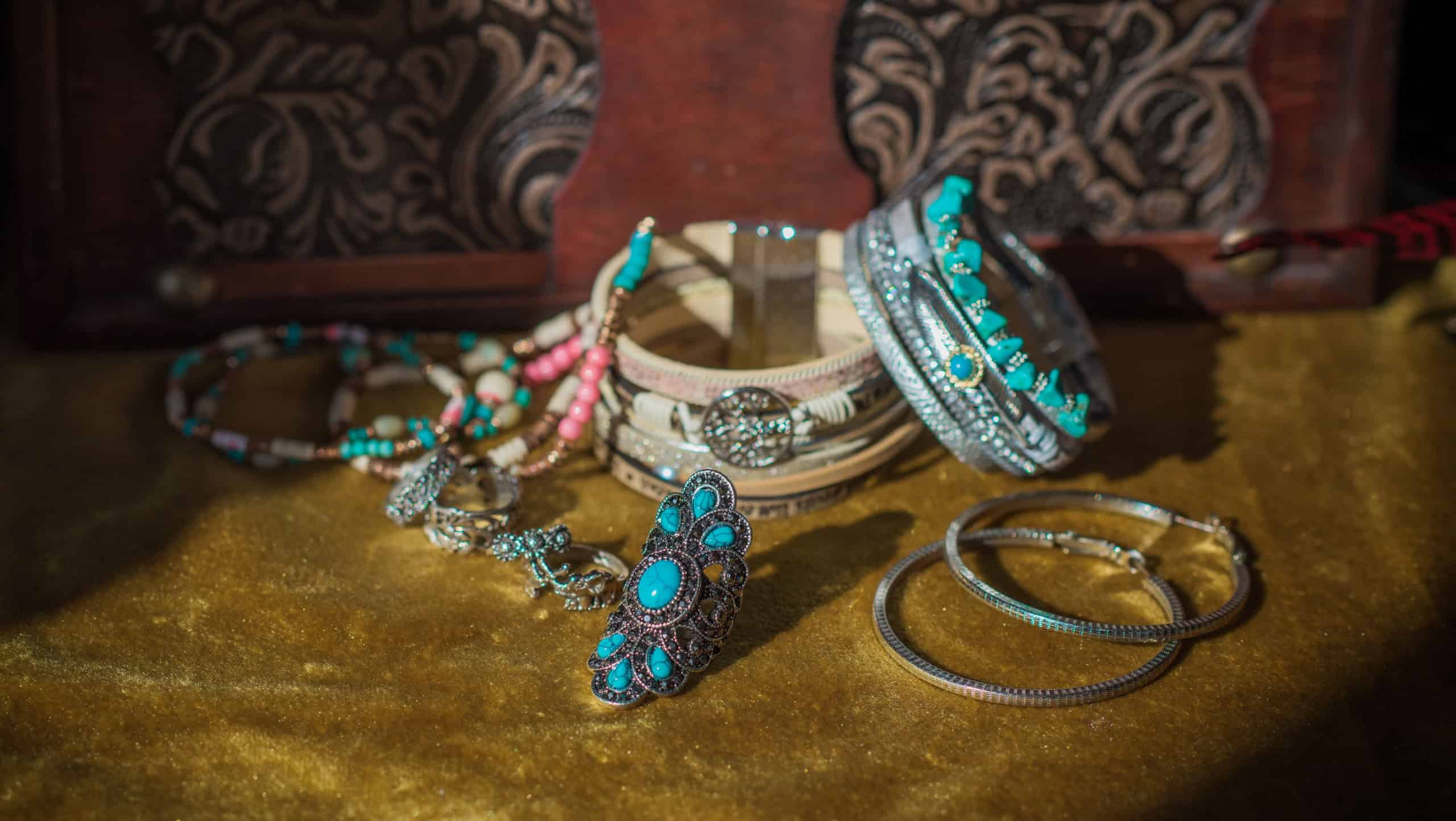
Thousands of cheaply-made Native American jewelry, rugs, and blankets that were imported from foreign countries and sold illegally were once seized by federal authorities.
This massive pile of counterfeit goods was handed over to the Smithsonian for safekeeping as evidence.
The museum currently keeps these items out of sight to prevent visitors from confusing the poorly crafted pieces with genuine tribal art.
Scalps taken as trophies from the Indian Wars
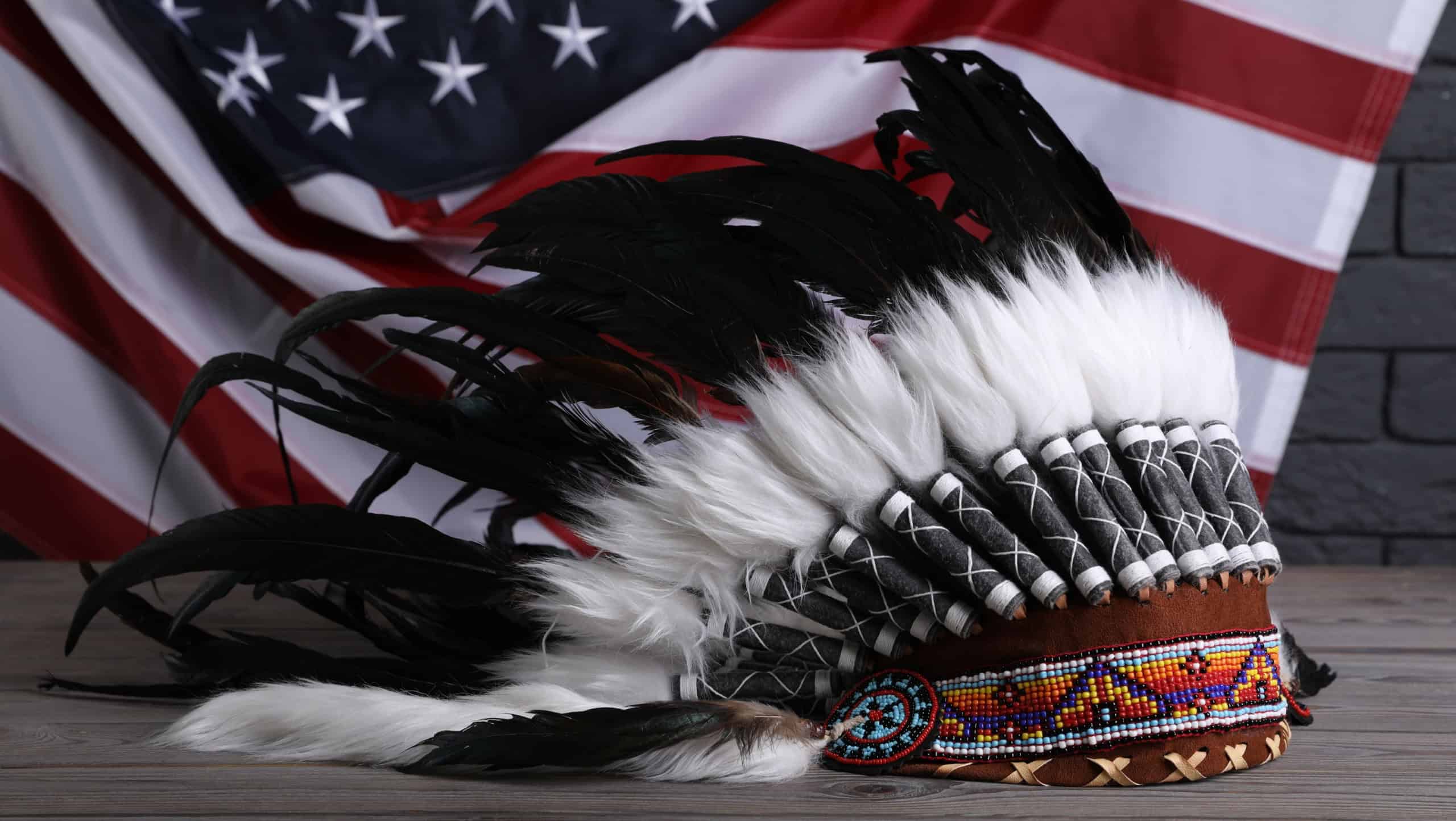
Possibly the most restricted stuff in the museum are locks of hair and scalps that were taken from Native Americans killed in battle during the Western Indian wars of the 1800s.
Army doctors and soldiers brought them home as trophies of war.
They are supposed to be returned by law, but until the museum can determine precisely which tribes they belong to, they sit in vault-high security safes sealed shut.
A 100,000-year-old pile of sloth dung
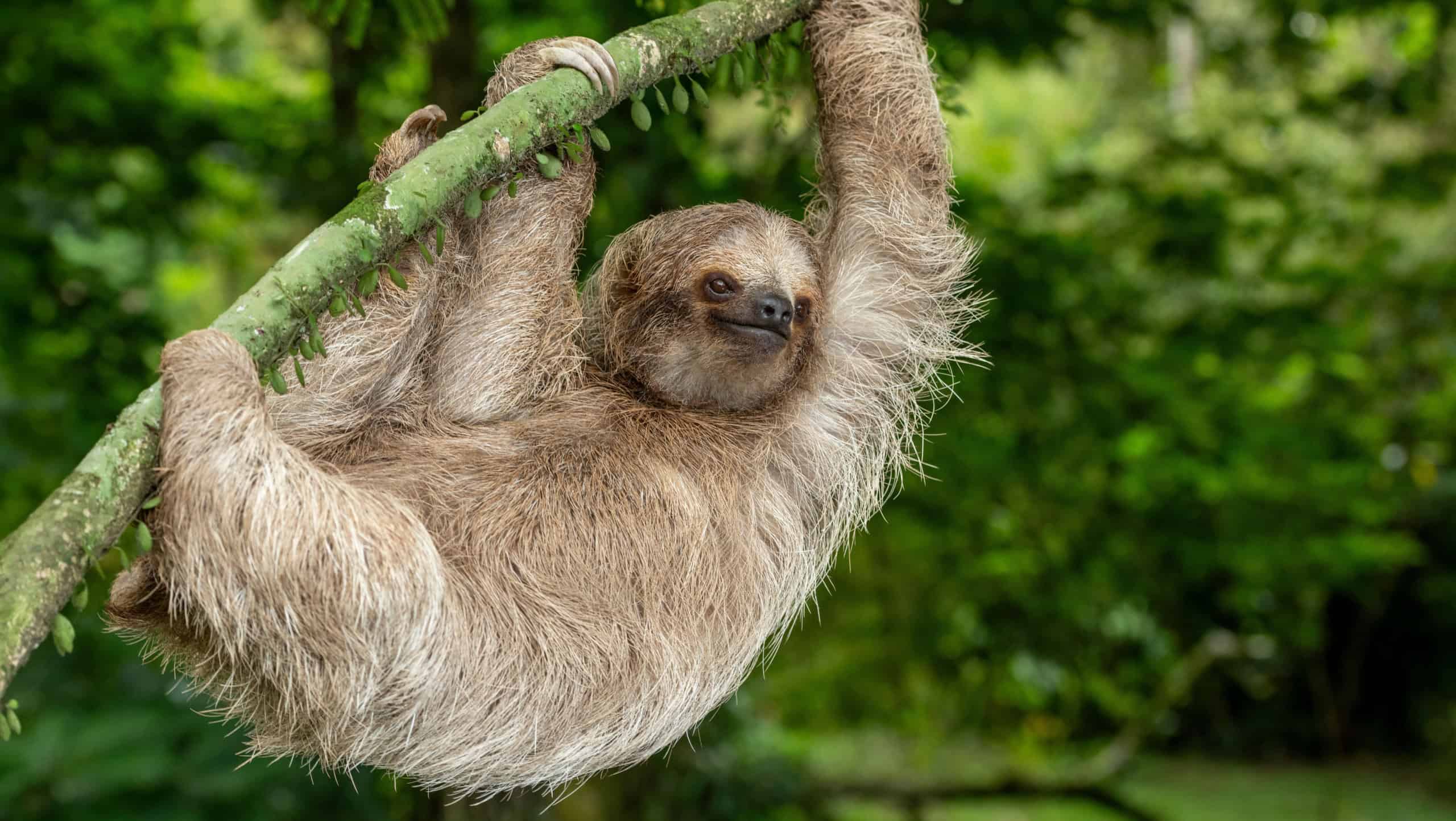
Museum researchers stumbled upon a colossal five-foot-thick deposit of fossilized droppings from a long-extinct giant ground sloth within a Grand Canyon cave back in 1941.
The Smithsonian has stored much of that five-thousand-year-old poop in their archives dedicated to paleontology.
Even though it’s valuable to scientists studying prehistoric flora and fauna, it isn’t allowed to be displayed because five feet of giant sloth poop is just too weird and gross for your average history museum.
Pickled woolly mammoth muscle
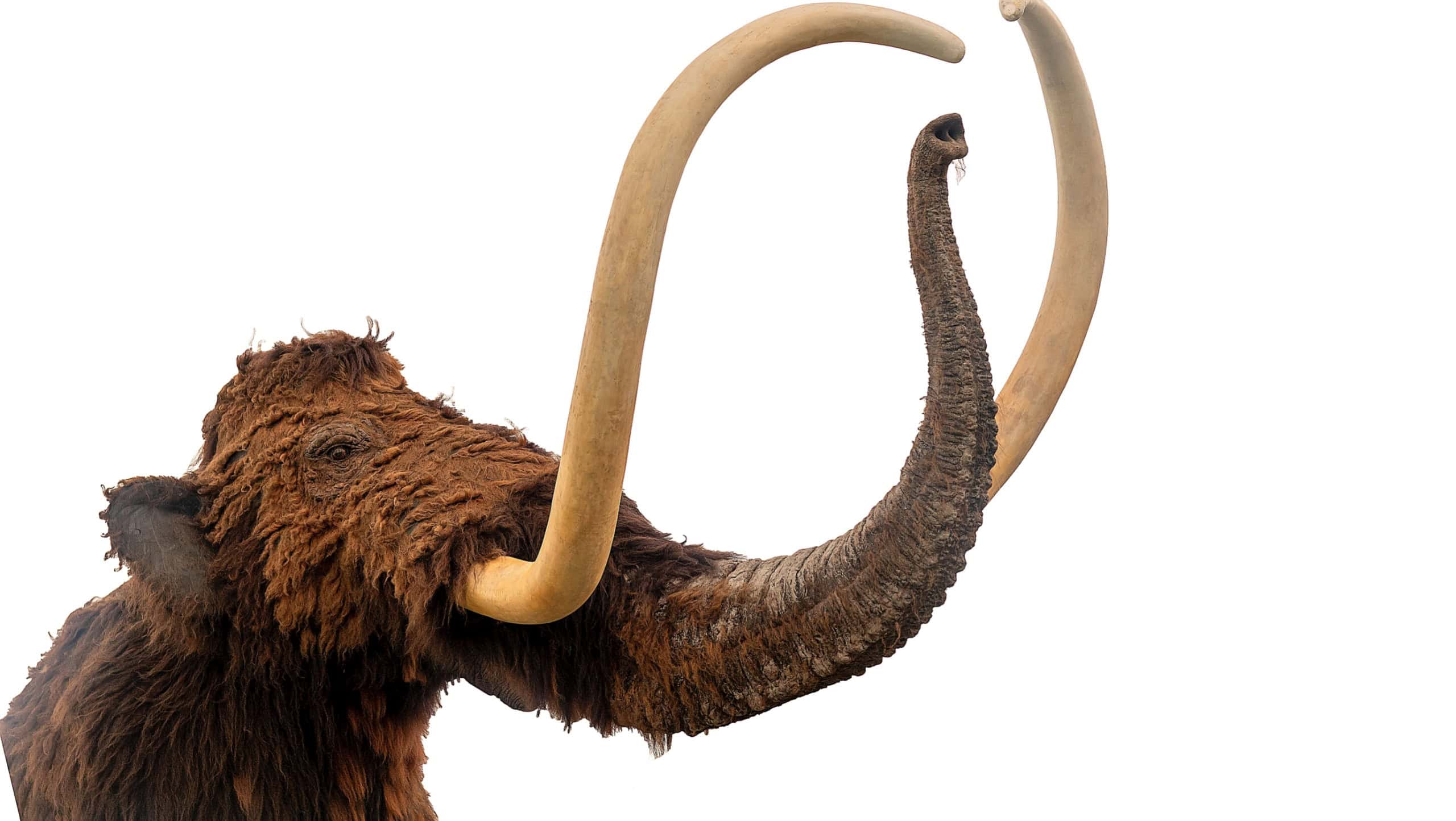
This pickled piece of leg muscle (plus some hair and teeth) was bought by the Smithsonian in 1922 after being removed from a frozen woolly mammoth carcass discovered in the Russian permafrost.
The specimen remains pickled within a jar in the museum’s restricted biology archives.
It is not on display because chunks of preserved mammoth flesh fall into some pretty gruesome territory, and is only used for genetic researchers looking to study DNA from the ice age.
Sources: Please see here for a complete listing of all sources that were consulted in the preparation of this article.
Like our content? Be sure to follow us.


