

Some facts we learn in school or hear growing up are completely false, and here are 15 untrue historical myths we’ve all believed at some point.
Viking helmets

Every Viking costume you’ve seen has probably featured horns on their helmets. However, there are no historical records of Vikings wearing horned helmets.
Horns would only get in the way of battle and would give enemies something to grab onto or hit you with. It was actually opera costume designers in the 1800s who came up with the image.
Napoleon’s stature
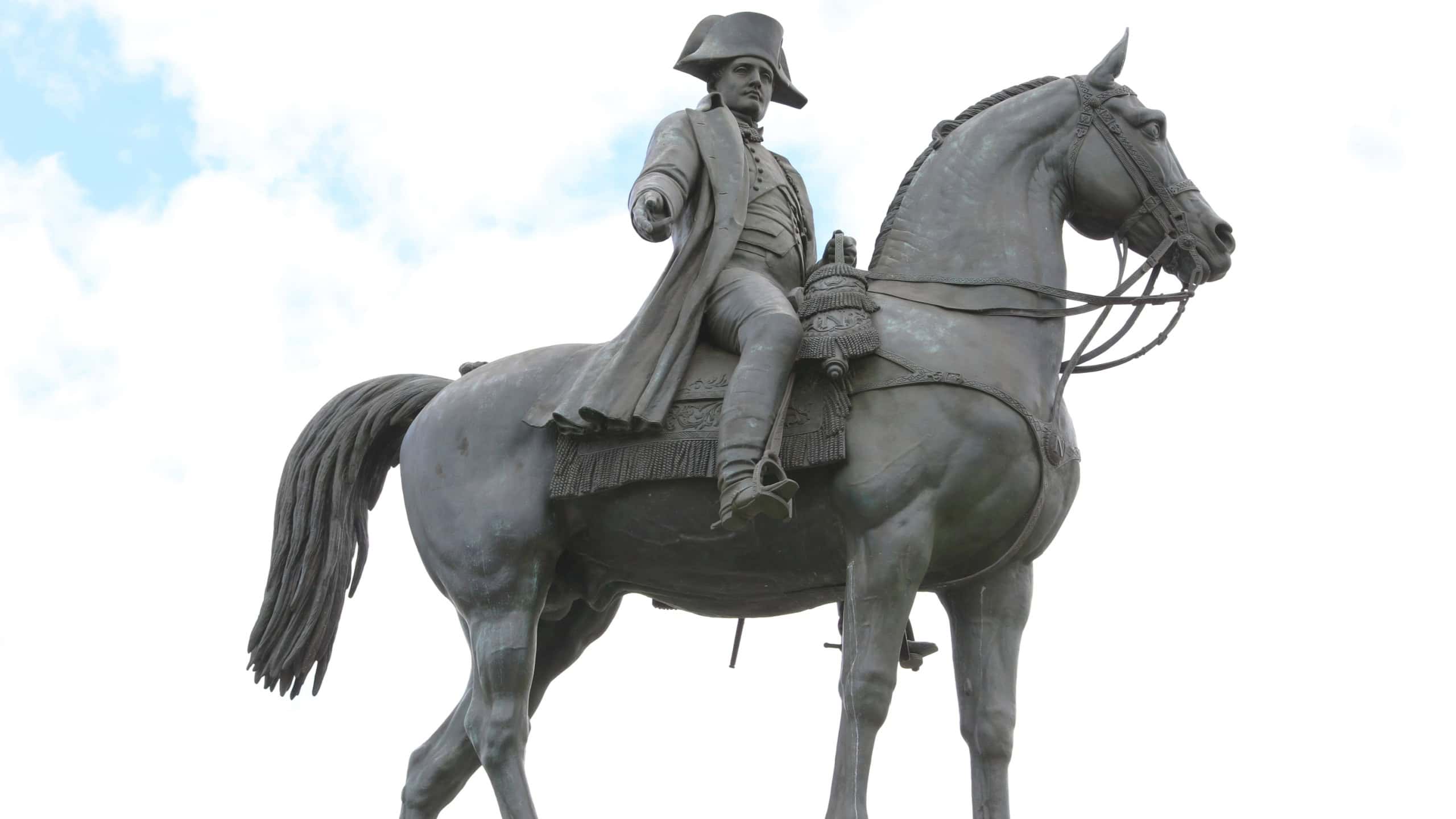
We have all heard that Napoleon Bonaparte was a short dictator who invaded Europe to compensate for his short stature.
Napoleon was actually closer to 5 feet 7 inches tall, which was average height for a Frenchman during this time. The misconception about his height comes from French and British units being mixed up.
Columbus’s map

People often say Christopher Columbus set sail to prove the Earth was round while everyone else thought it was flat.
This is false; almost all educated people in 1492 knew the Earth was a globe. Columbus’s actual mistake was thinking the Earth was much smaller than it actually is.
Iron maidens

The iron maiden is famous as a brutal medieval torture device filled with spikes. But they were never used in medieval Europe.
Most iron maidens were made in the 1800s to embellish museum collections, making the Middle Ages look more violent than they actually were.
Marie Antoinette

The Queen of France, Marie Antoinette, apparently called for her subjects to “let them eat cake!” when she heard they had no bread.
In reality, no historical record of her saying this phrase exists. The phrase actually came from a book, which was written when Antoinette was just a child.
Ninja outfits

Chances are, you picture a ninja dressed in an all-black uniform with a mask. In reality, ninjas needed to blend into the surroundings.
Wearing all black would have been highly conspicuous. They most commonly dressed as normal peasants, farmers, merchants, or Buddhist monks.
Newton’s apple

Everyone knows the story of how Isaac Newton was hit on the head by an apple, which gave him the “Eureka!” moment he discovered gravity.
While Newton did see the fruit fall from a tree and wondered why it didn’t go sideways, the apple never hit him. He used this observation to eventually come to his conclusion about gravity.
Einstein’s math

A common inspirational story says that Albert Einstein failed math as a student. This is completely false; he was actually a brilliant mathematician from a very young age.
He once failed an entrance exam for a school, but it was because the test was in a different language and he struggled with the non-science sections.
Roman togas

When you picture ancient Rome, you probably imagine all Romans walking around wearing white togas all day. In reality, togas were worn very rarely because they were very inconvenient.
Made of large amounts of fabric, togas were expensive, heavy, hot and difficult to wear. They were worn only for formal events or by high-ranking officials.
Gladiators’ death
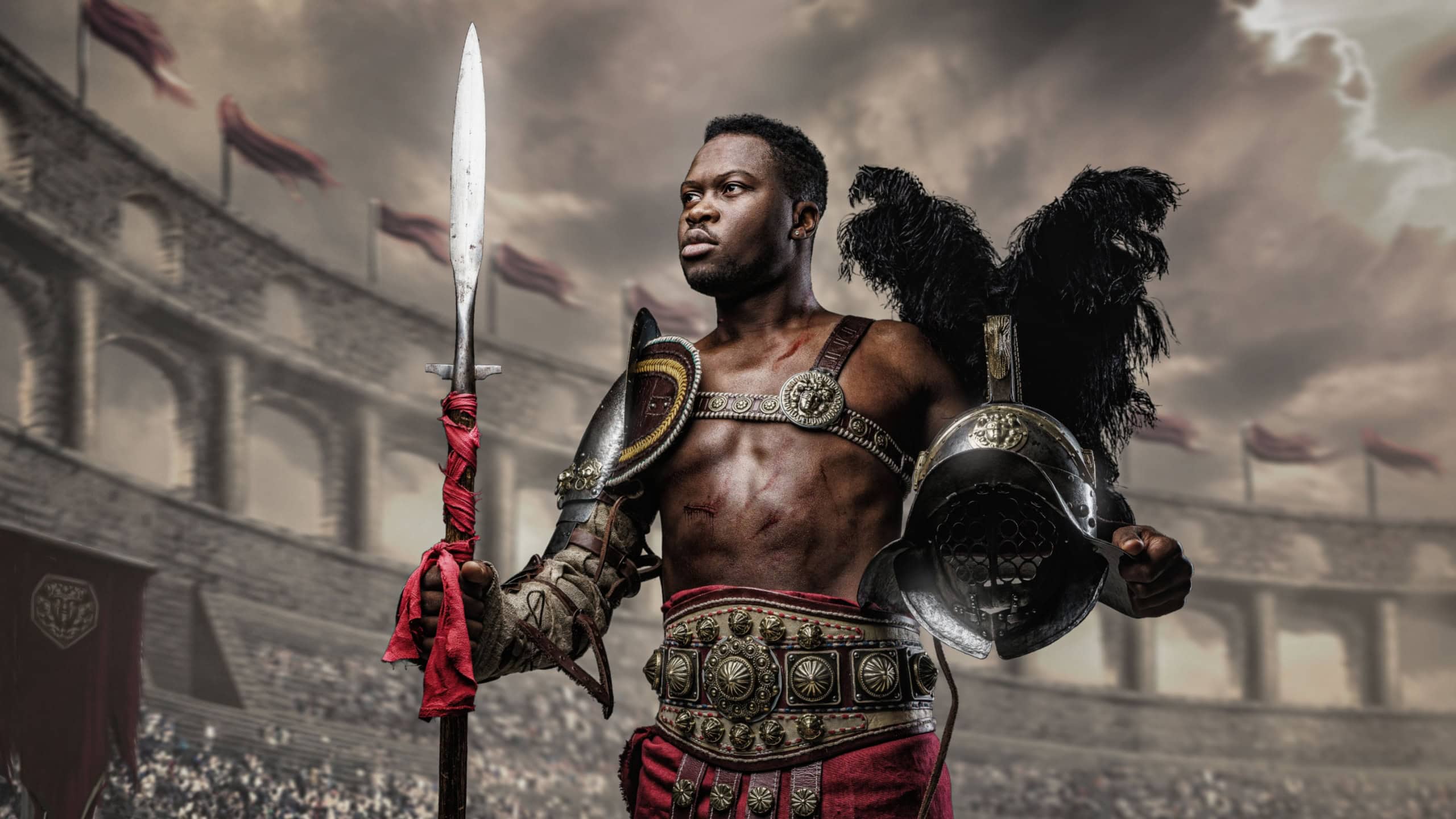
Movies show Roman emperors giving a thumbs down to order the death of a gladiator. Historians believe the signals were actually different.
A thumbs up or a thumb pressed against the palm might have meant death, while a different gesture signaled the fighter should be spared.
Paul Revere
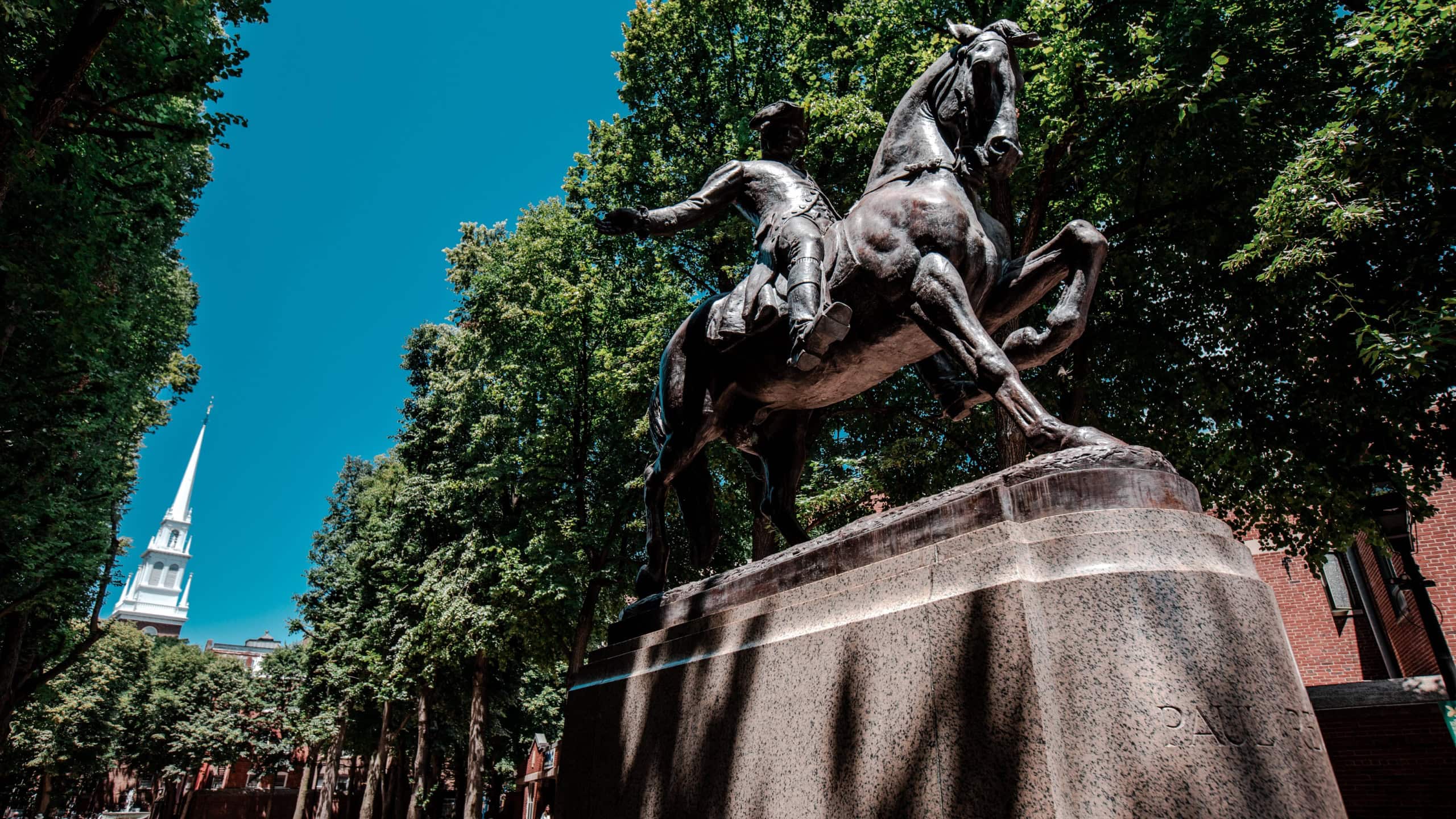
Paul Revere’s midnight ride is an iconic image in American history. However, it’s unlikely he rode around yelling “The British are coming!” as he was on a secret mission.
That would’ve been extremely careless of him and he would’ve been caught. Also, most Americans still considered themselves British at the time. It wouldn’t have made sense.
Great wall

It is a popular myth that the Great Wall of China is the only man-made object visible from space. This is not true.
The wall is very long but also very narrow and made of materials that blend into the landscape. You can see city lights or large airports much more easily than the wall.
Witches’ fire

During the Salem Witch Trials of colonial America, none of the accused witches were burned at the stake, as you may have heard in stories.
Burning people at the stake was a European form of execution. In the American colonies, people convicted of being witches were hanged. One man was even crushed to death with rocks.
Library fire
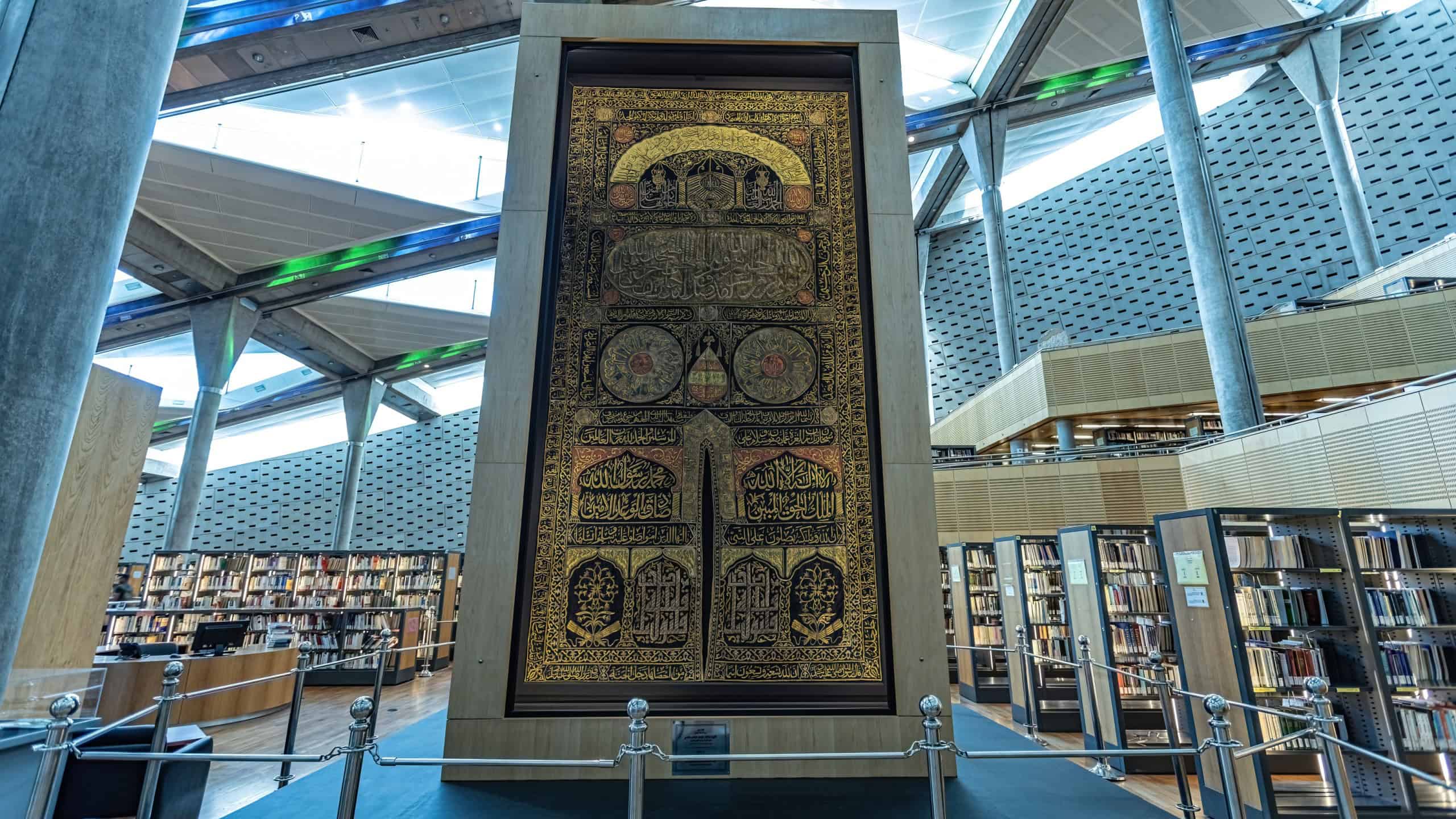
The famous Library of Alexandria didn’t burn down in one horrible day and take all of mankind’s knowledge with it.
The library was in decline for hundreds of years because of budget cuts, lack of repairs, and many smaller fires and wars.
Independence day
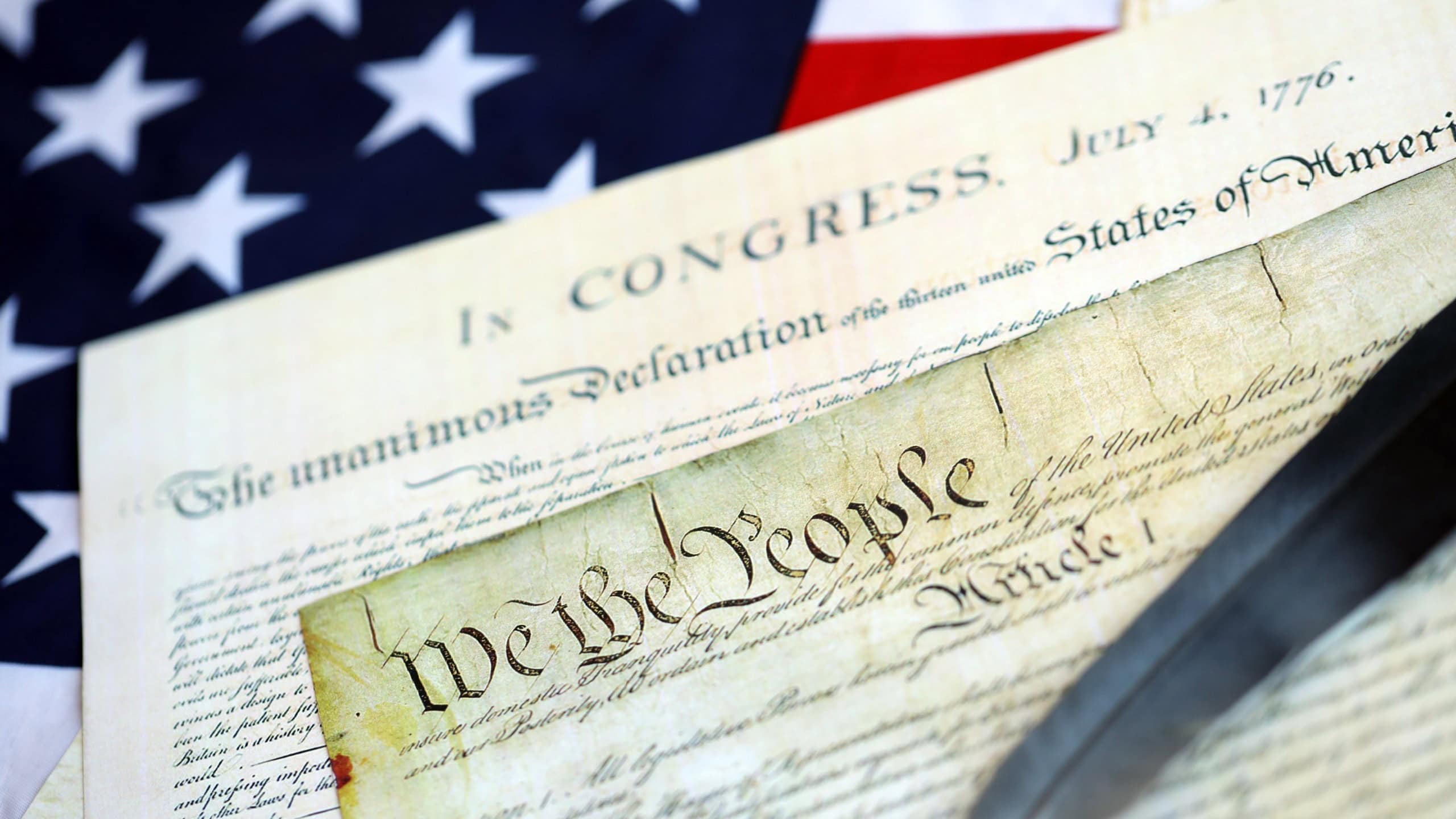
Americans celebrate independence on July 4th because that is the date on the Declaration of Independence.
However, the Continental Congress actually voted for independence on July 2nd. July 4th was simply the day the document’s final wording was approved and sent to the printer.
Sources: Please see here for a complete listing of all sources that were consulted in the preparation of this article.

