
The world is a pretty strange place, and even now, there are some facts that sound utterly bizarre, yet they’re actually real.
A lake beneath the waves
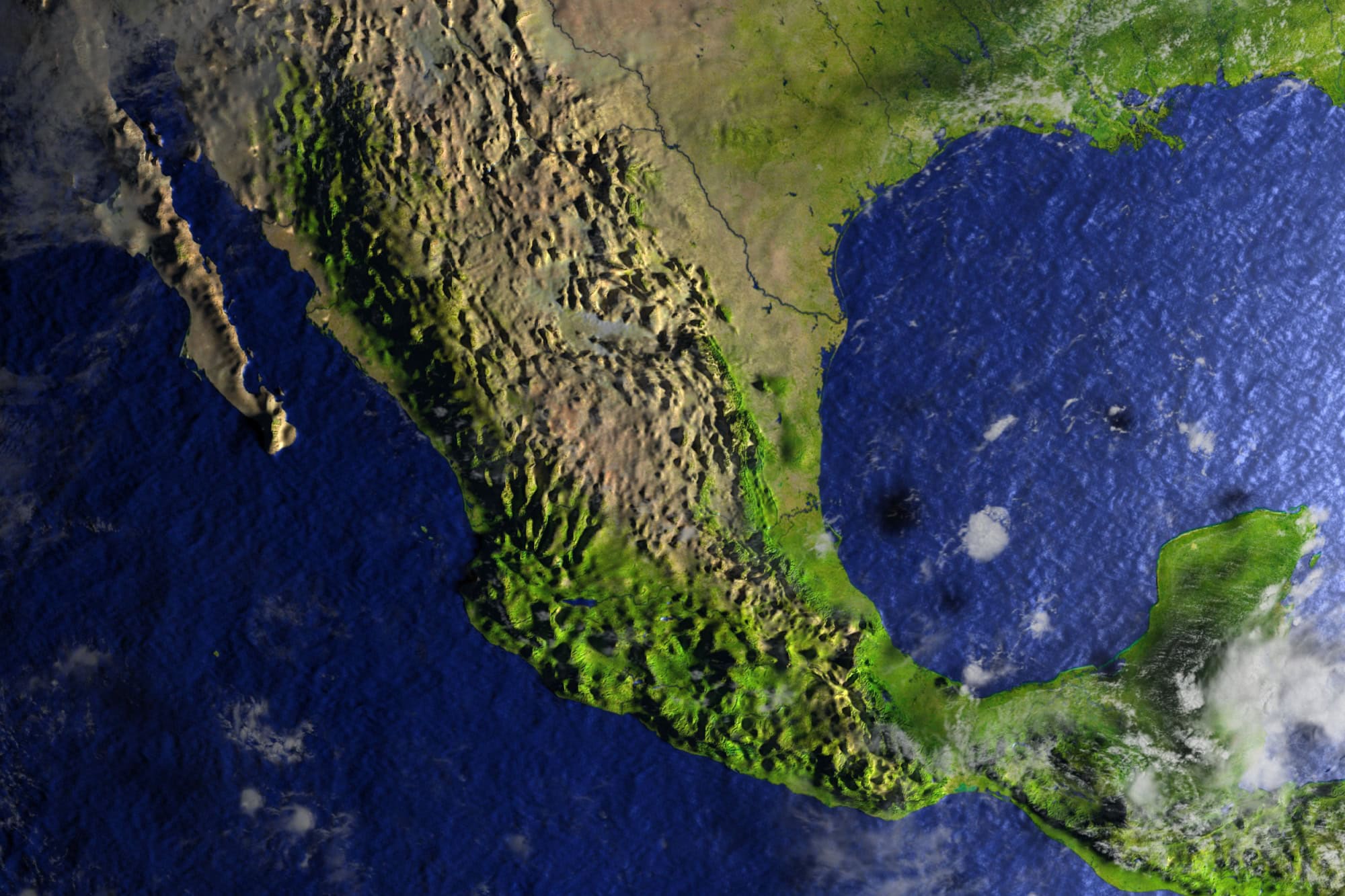
Dive into the Gulf of Mexico, and you might actually find another lake at the bottom. That’s right, some bodies of water can actually have underwater lakes, and they’re called brine pools. The water in them is so salty that it doesn’t easily mix with the seawater nearby.
In 2014, NOAA researchers discovered a pool that was over 4,000 feet below the surface. It even had little islands. Water underneath water sounds kind of strange, but it’s a real thing, apparently.
Three hearts, eight arms
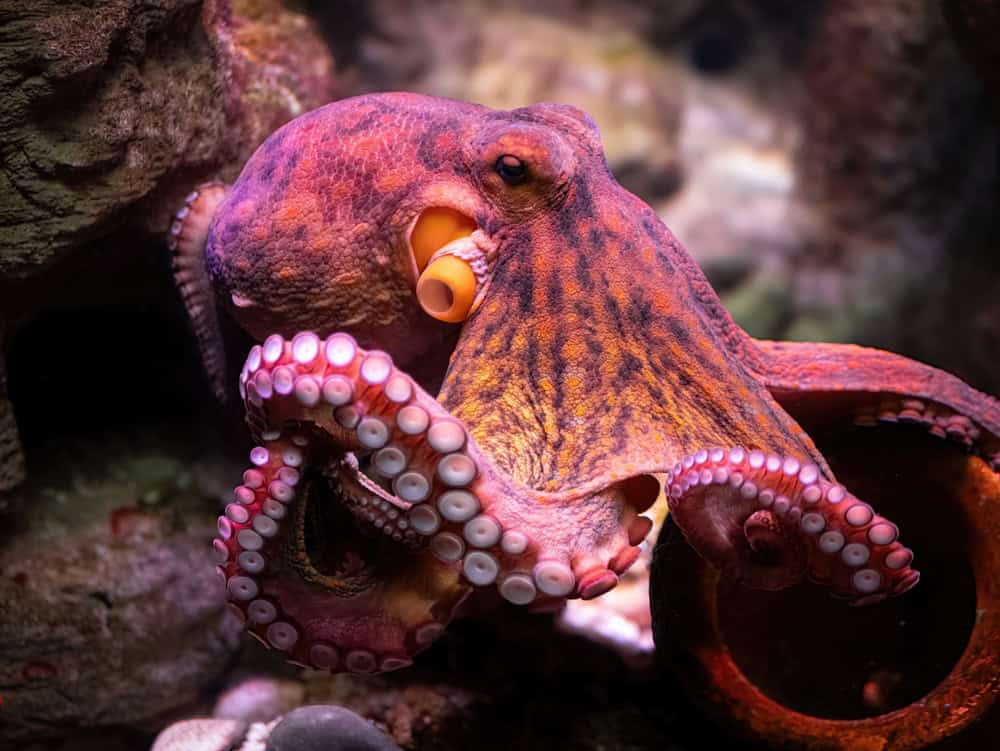
Octopuses have three hearts. That might seem pretty useful, but it’s not. Two of their hearts work on pumping blood through their gills, while the third sends oxygen-rich blood around the rest of their body. It’s a lot of work to stay alive.
It only gets more complicated when they swim, as the third heart actually stops beating, so the whole process is a lot more exhausting. That’s one of the main reasons that these creatures prefer crawling around the ocean floor. Oh, and their blood is blue, too. Apparently, three hearts weren’t unusual enough.
An unexpected way to breathe
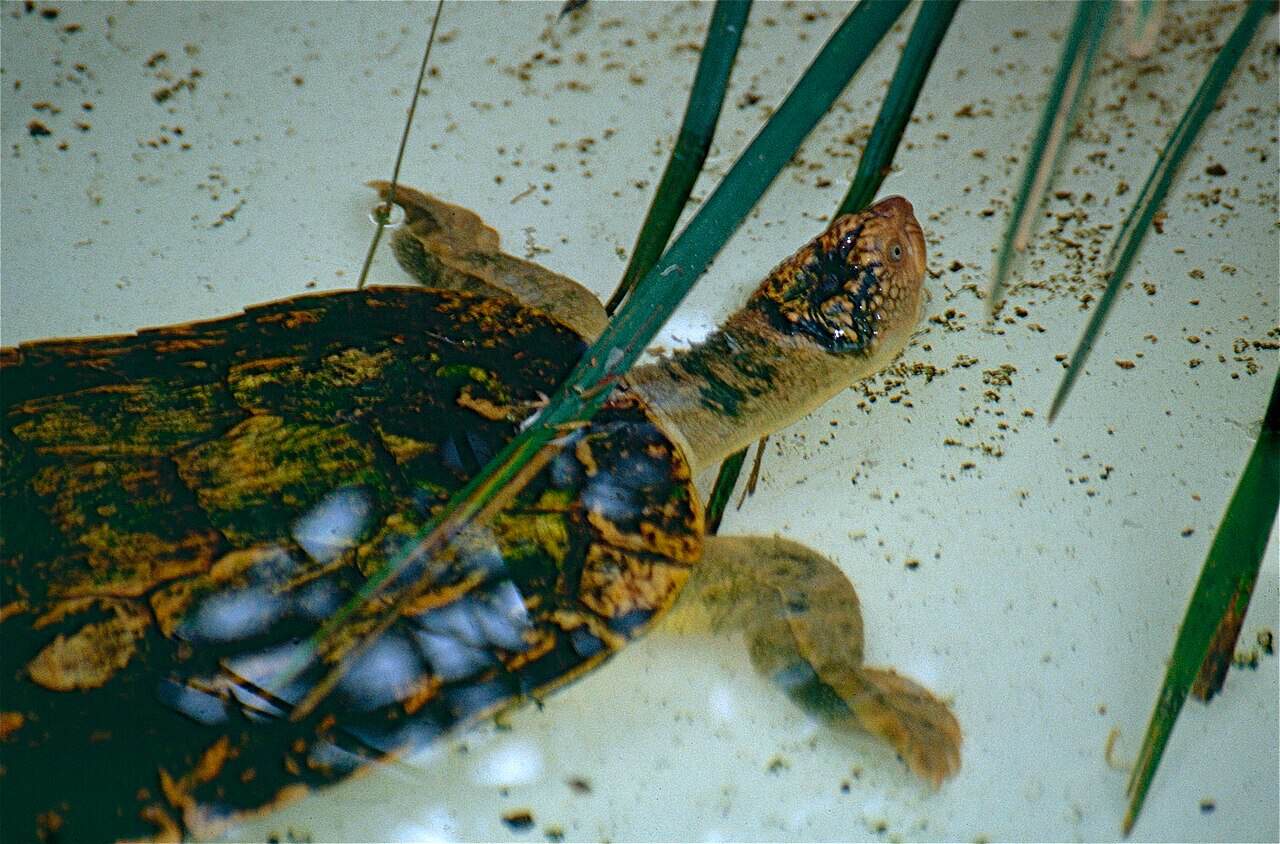
The Fitzroy River turtle is a special kind of animal that lives in Australia, and it can breathe through its rear end. At least, it kind of can. It has a hole in the back called a cloaca, which it uses to take oxygen from water and get rid of waste.
That’s not all, as the turtle has special structures inside the opening to absorb oxygen, allowing it to spend long periods underwater. It does still have lungs, though. Likewise, the Mary River turtle can also ‘breathe’ through its backside, but it’s not the same way that humans do.
Frozen until spring arrives
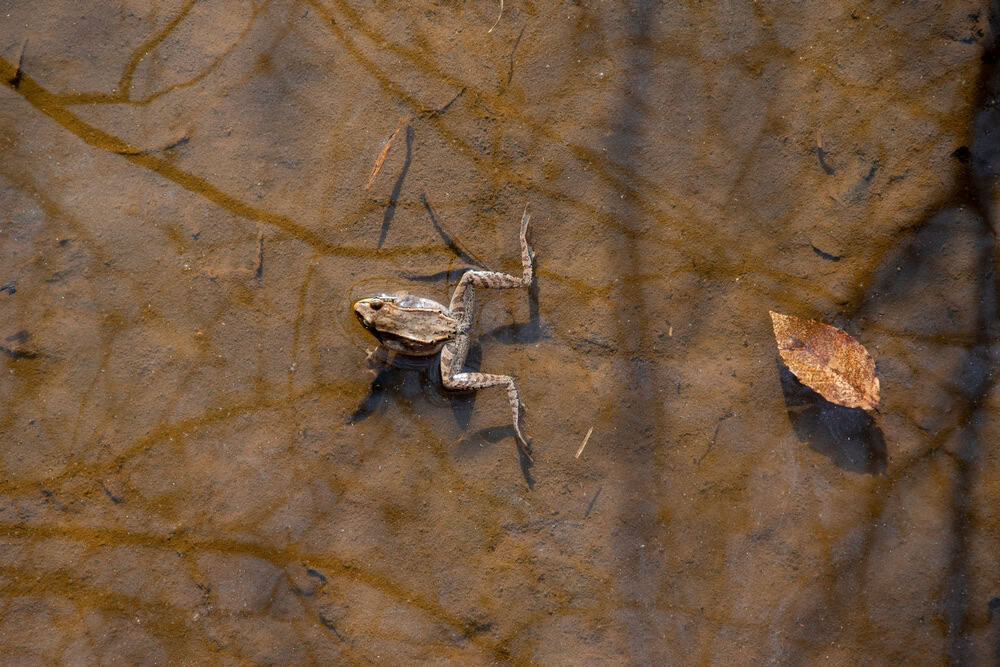
If you found a frozen frog in the middle of winter, you’d probably assume it was dead. Its heart isn’t beating, and it’s not breathing. Parts of its body may have turned to ice. However, this is totally normal for North American wood frogs, and they’re actually alive when they’re frozen.
Their bodies build up glucose before they freeze, and this helps to protect their cells from damage. Ice forms around the cells instead of inside them. That way, the frogs can survive until warmer weather comes. They eventually thaw out, and their hearts beat again. Just like that.
The red waterfall of Antarctica

You’ll find something called Blood Falls in Antarctica, and it’s every bit as scary as it sounds. Essentially, it looks like a bright red stain pouring down the white ice of Taylor Glacier. But it’s not blood.
The red color comes from the fact that the water contains lots of salt and iron. The iron reacts with oxygen and turns into that blood color. Interestingly, the salty water comes from underneath the glacier, and that’s where millions of tiny microorganisms somehow survive without sunlight.
The Moon is getting farther away
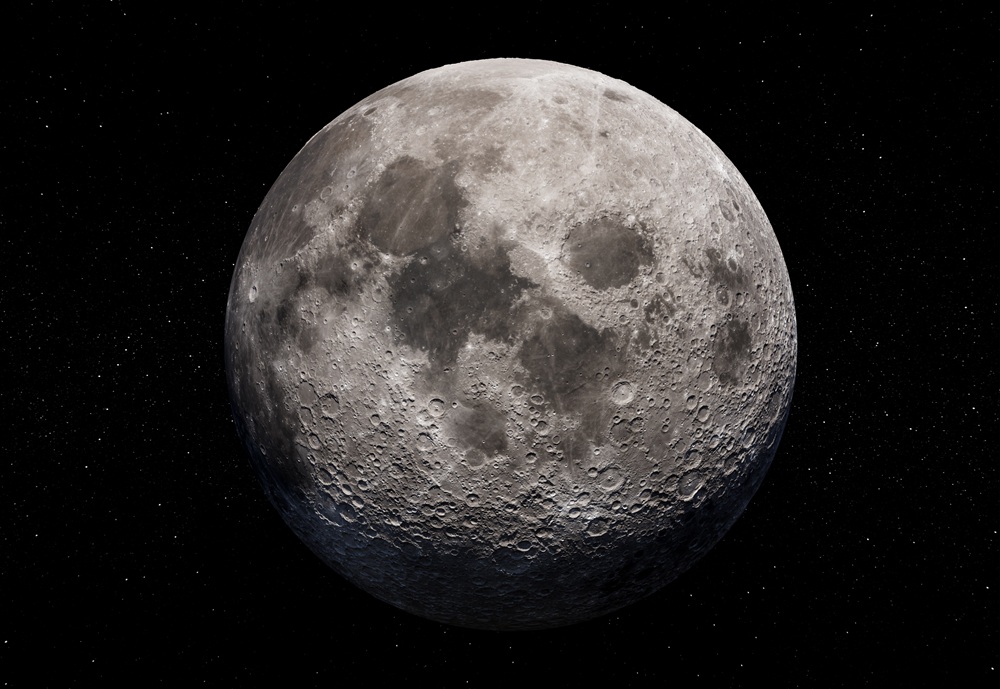
The Moon has been our closest neighbor for billions of years. But it hasn’t always been quite so far away, as the natural satellite is slowly drifting away from Earth. Don’t worry, it’s not going to suddenly disappear, as it moves about 1.5 inches farther away every year.
That’s about how fast your fingernails grow. The reason it’s moving is due to Earth’s tides interacting with the Moon’s orbit, and it’s been happening for billions of years. That means the Moon was once much closer to us than it is today.
A planet that could float
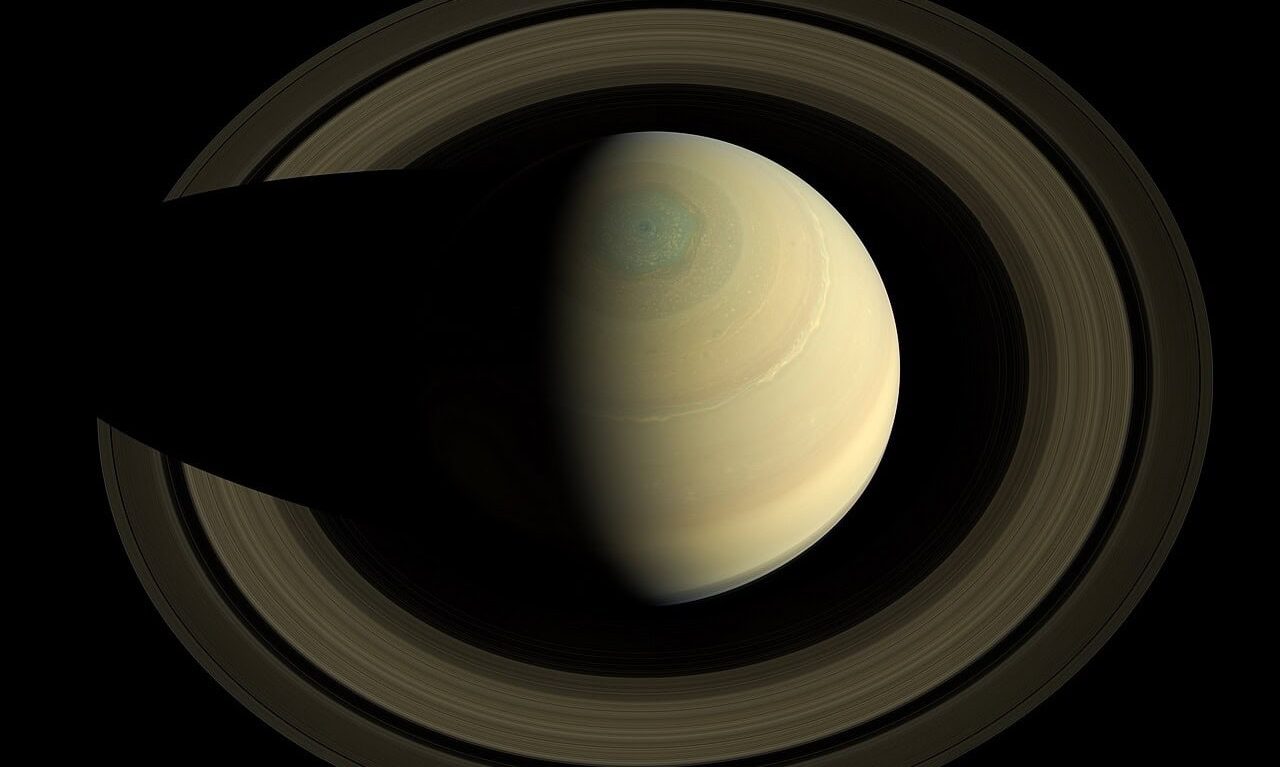
Speaking of space, it’s no secret that Saturn is enormous. It’s around nine times wider than Earth. However, if there were a bathtub big enough to hold it, Saturn would actually float straight to the surface, rather than sinking to the bottom of any ocean.
It’s because Saturn’s average density is actually lower than water’s. The planet is made mostly of hydrogen and helium. It also doesn’t have a solid surface, and it’s the only planet in our solar system with such an unusual density.
The organ that feels no pain
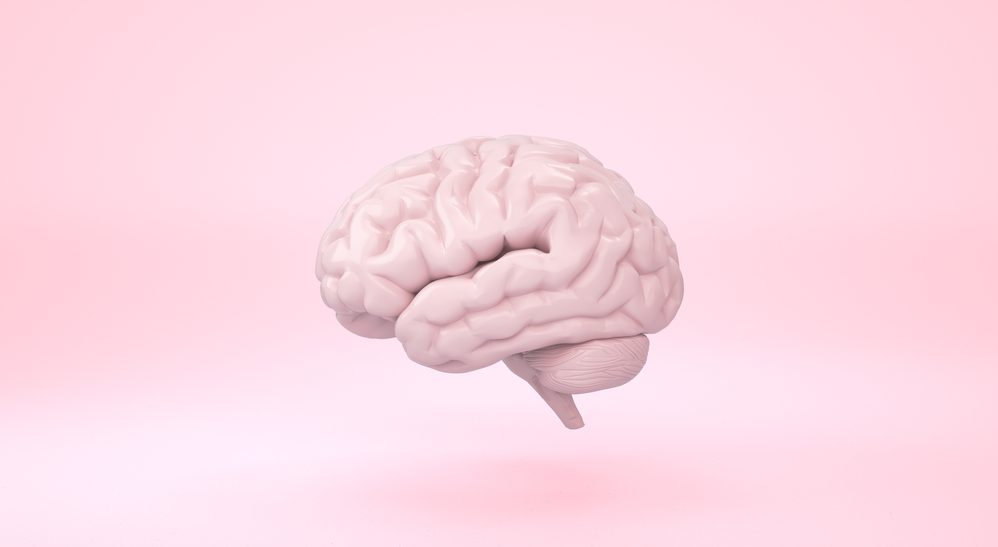
Your brain can tell you when your finger hurts. It knows when your leg hurts, and it knows when you’ve got a terrible headache. But the brain tissue itself isn’t able to feel pain, as it lacks the special nerve endings needed to detect pain.
In other words, your brain can’t actually feel pain. It’s one of the reasons that doctors can perform certain brain surgeries while patients are awake, and they can even ask patients to talk or move while operating. Even so, the tissues around your brain can feel pain.
A different kind of taste test
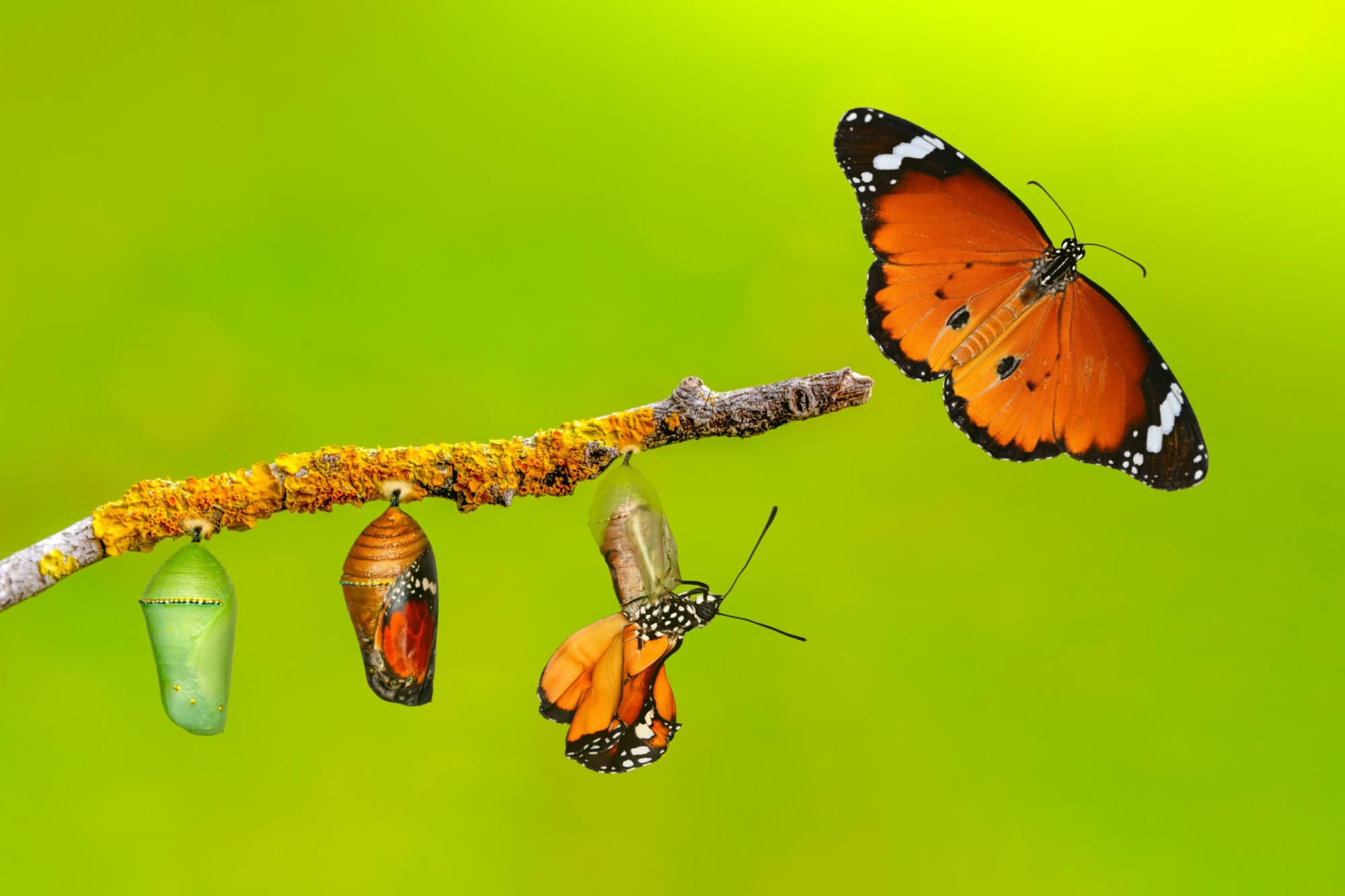
When a butterfly wants to find out how something tastes, it doesn’t even need to put it in its mouth. No, it can just land on the food. Butterflies have taste receptors on their feet that can detect chemicals from whatever they’re standing on.
In fact, female butterflies use this ability when they’re looking for somewhere to lay their eggs. They’ll land on different plants. Then, they’ll check whether the leaves will be good enough for their caterpillars to eat, and they’ll use their feet to do so. Thank goodness we’re not butterflies.
A fruit bowl mix-up
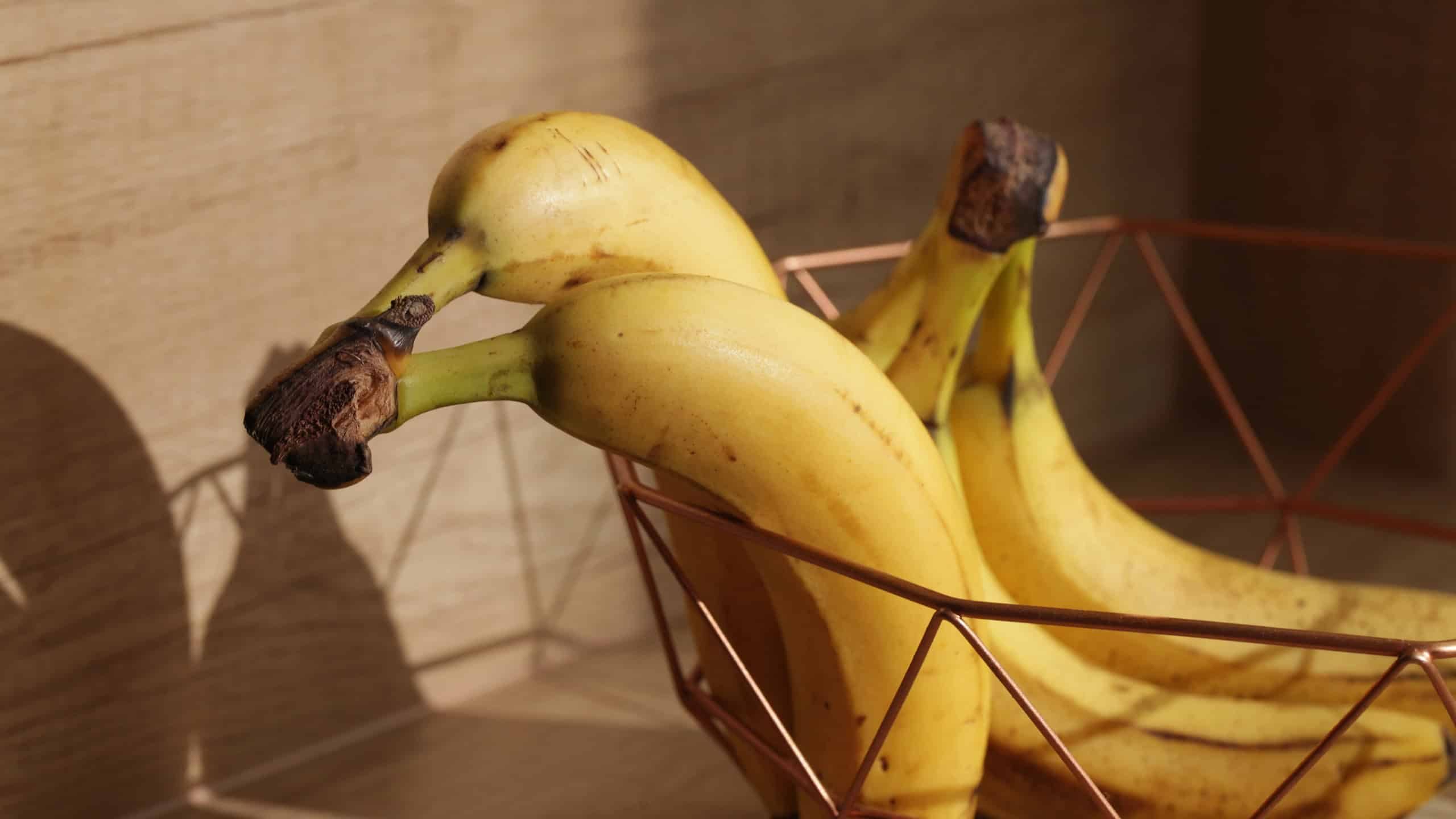
Strawberries are berries. It’s the name, after all. But the truth is, botanically speaking, they’re not berries at all, although bananas are. It all has to do with how these plants grow. Bananas develop from a single flower ovary, so they’re ‘true’ berries.
The ones in the grocery store don’t usually have developed seeds, though. Strawberries are different because their red flesh mostly comes from another part of the flower. The little specks on the outside are actually separate tiny fruits.
A blue evening on Mars
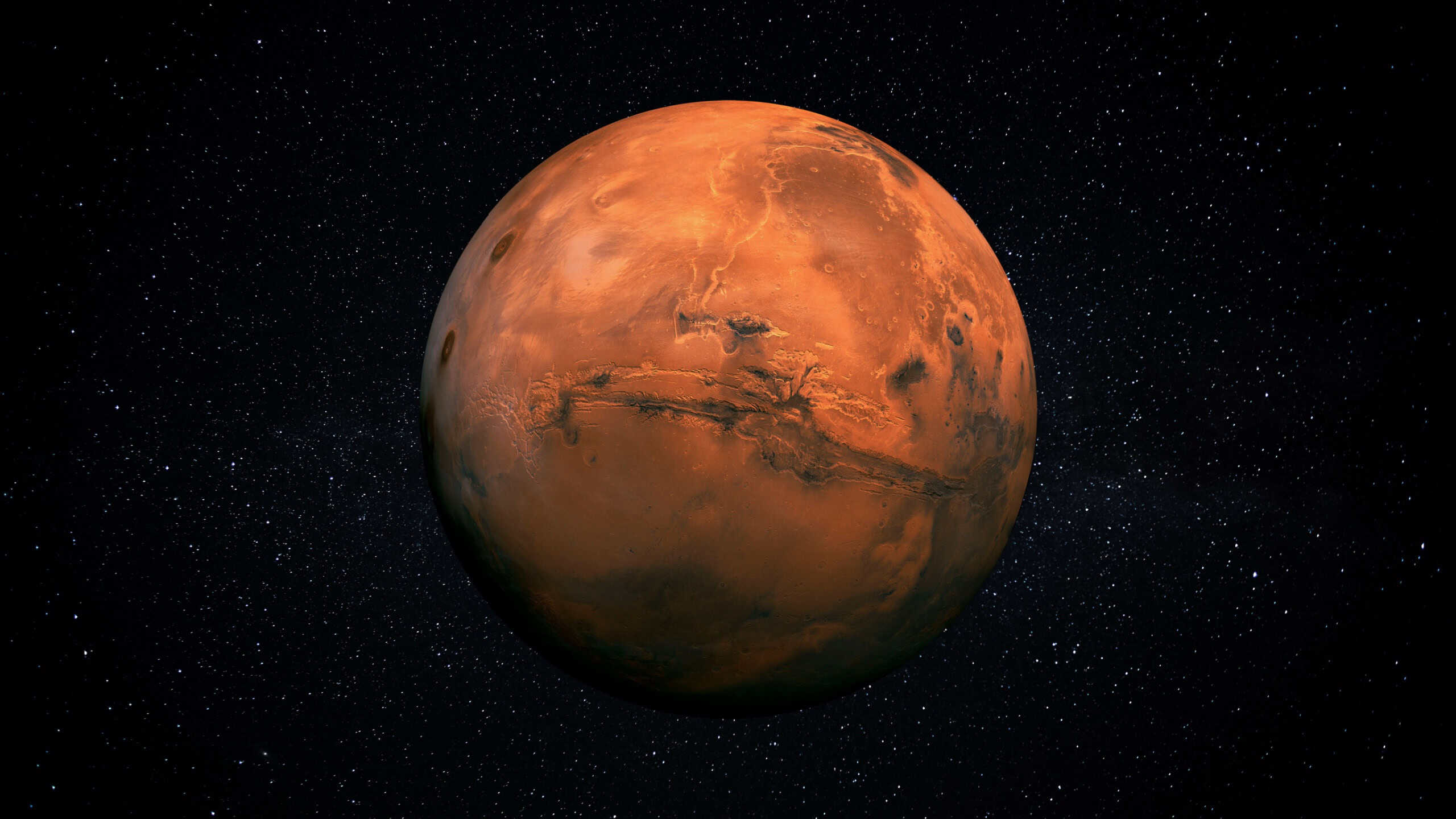
It’s unlikely that you’d get to watch a sunset on Mars anytime soon, but if you did, you might find that the colors are rather different from what you’re used to. Even though Mars is famous for its reddish color, the area around the setting Sun can actually look blue.
In April 2015, NASA’s Curiosity rover captured one of these strange sunsets. The color comes from all the fine dust floating in Mars’ atmosphere, as this scatters sunlight differently than Earth’s atmosphere does. The sky’s reddish or yellowish during the day, then blue in the evening. What a view it must be.
Emergency surgery in an ant colony
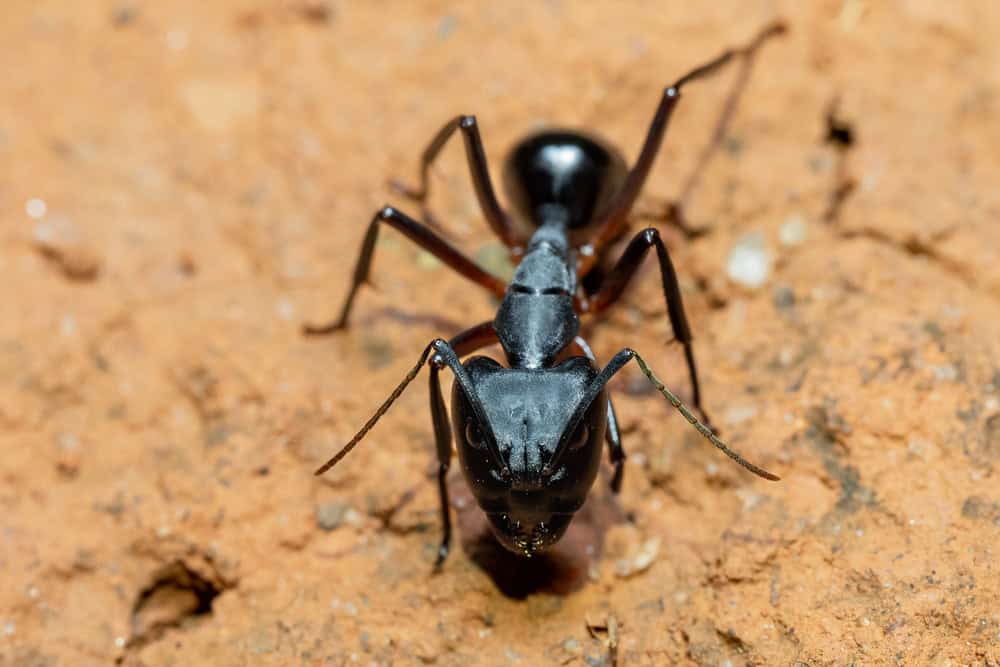
Losing a leg doesn’t mean it’s the end. Just ask an ant. Researchers found that Florida carpenter ants sometimes amputate the injured legs of their nestmates. That’s right, ants are capable of performing surgery on other ants.
They don’t do it for every injury, and it seems they’ll only amputate when an ant damages the upper part of its leg. The other ant will then bite through the limb near its base. Any time there are injuries farther down, the ants will try to clean them, using their mouths.
A partner for life, literally
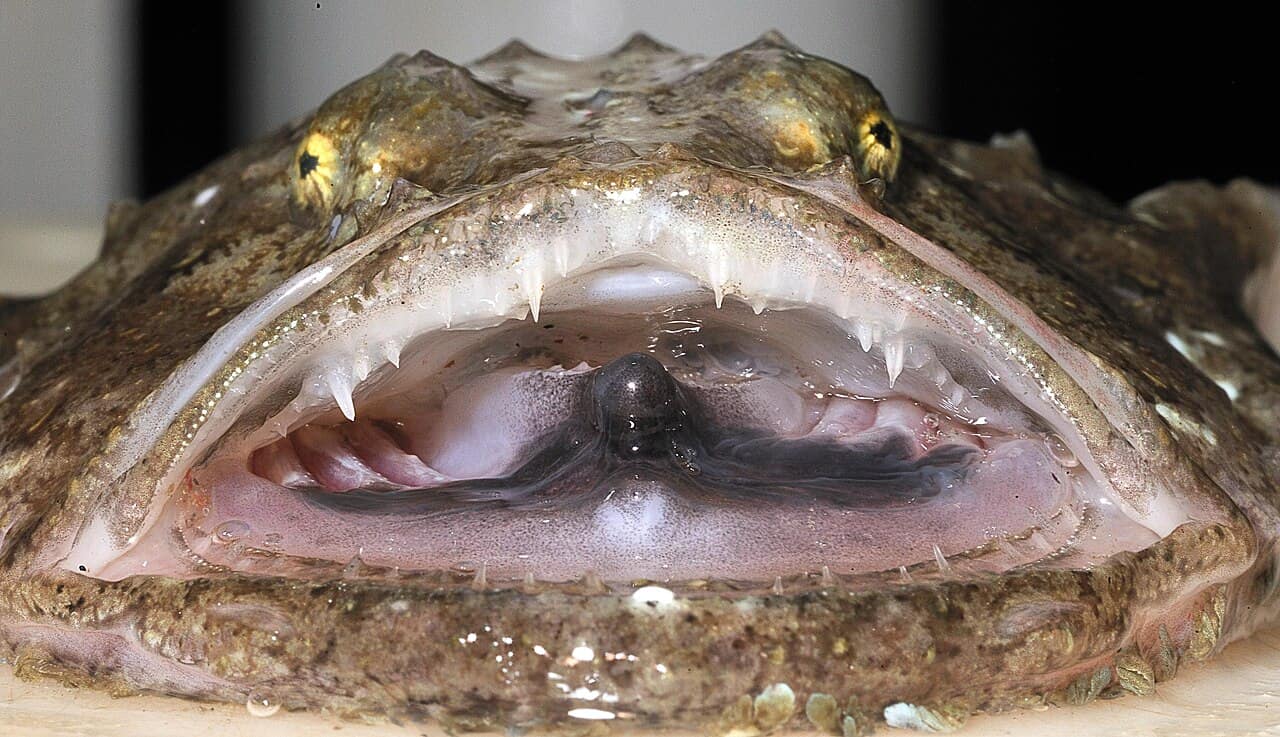
It’s pretty difficult for deep-sea anglerfish to find a partner, although not for the reasons you might expect. The males of some species are absolutely tiny compared to the females. When they finally meet one, the males will bite into her body, but without ever letting go.
Instead, the male’s body fuses with hers. It gets to the point where they share blood, and he gets his nutrients from her, with some female fish having several males permanently attached to her at the same time. Talk about a close relationship.
A small piece that stays behind

Decades after giving birth, a human mother may still have living cells from her child inside her. You read that right, decades. It happens because cells sometimes travel between the mother and baby through the placenta during pregnancy. They don’t all disappear afterward.
In one study, researchers found a woman had cells in her liver that were linked to a pregnancy she’d had around 17 to 19 years before. The process is called fetal microchimerism.
A shark older than America
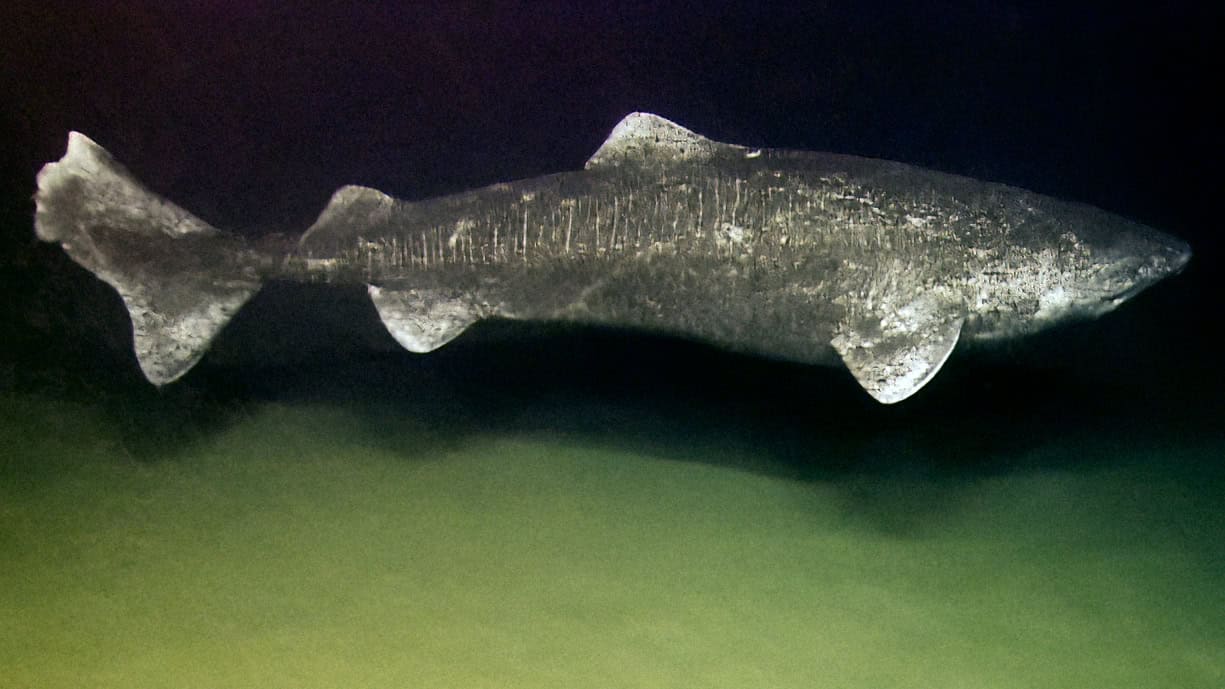
America declared independence in 1776. Some sharks alive back then might still be around. Greenland sharks live extraordinarily long lives, although it’s pretty difficult to find out exactly how old they are.
In 2016, scientists examined 28 female Greenland sharks. They found that the largest was around 16.5 feet long, and they estimated it was 392 years old, with a margin of error of roughly 120 years. That means the shark could have been born in the 1600s.
Sources: Please see here for a complete listing of all sources that were consulted in the preparation of this article.
12 unsettling facts we didn’t need to learn

Sometimes facts can be both terrifying and 100 percent true.

