

Ancient Egyptian tombs are pretty famous, and it turns out that some of them include things you wouldn’t expect, as well as things you wouldn’t expect to survive for thousands of years.
A replacement for a missing toe

Losing a big toe would make walking pretty difficult in ancient Egypt. One woman had a solution, though. She actually had a replacement toe made for her, and archaeologists found it attached to her mummy near Luxor.
No, it wasn’t a bionic toe, as it was made from wood and leather instead. It dates to somewhere between 950 and 710 BC. According to historians, the woman was likely a priest’s daughter. Modern researchers tested replicas on people missing their big toes, and they actually helped them walk.
A weapon from outer space
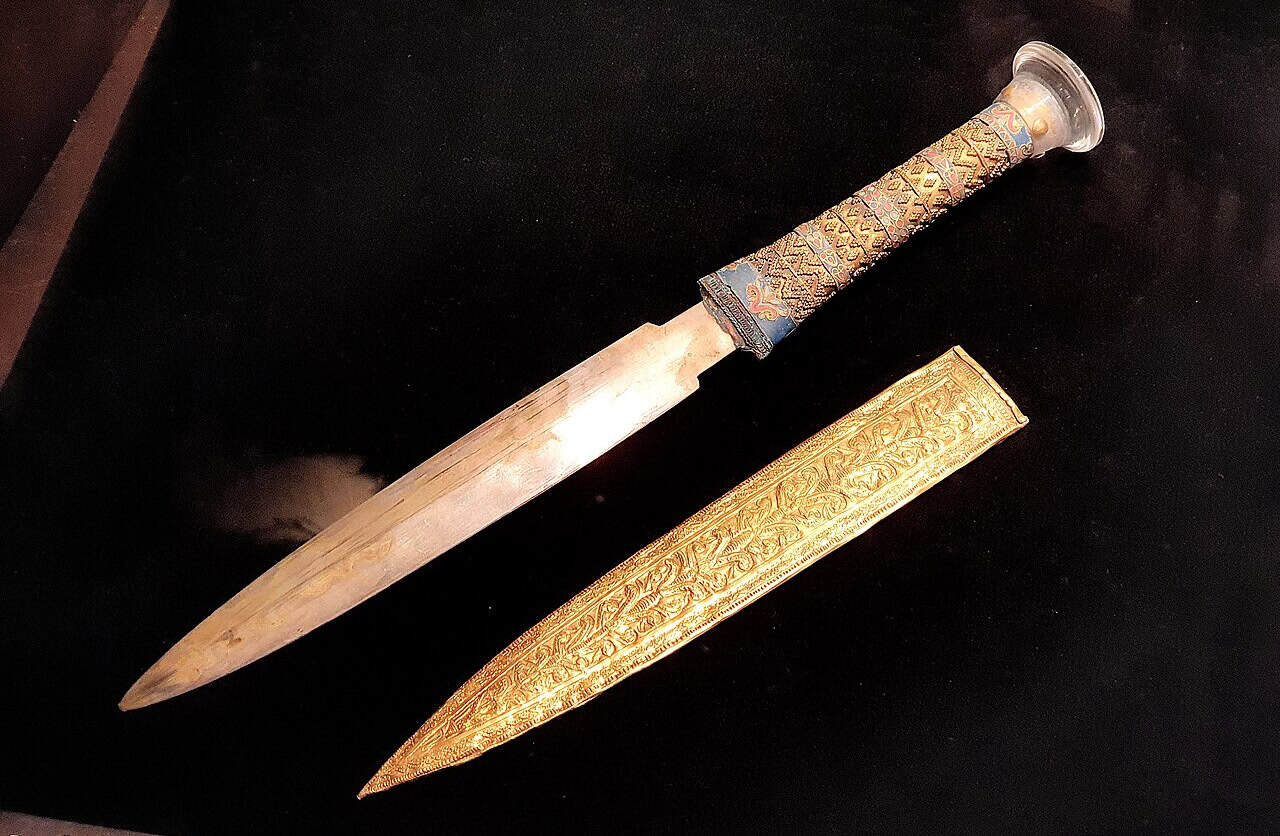
Tutankhamun had a connection to outer space. He had a dagger that was literally made from space metal. In 1925, Howard Carter’s team examined his mummy, and they found an iron blade with a gold handle tucked among his burial treasures.
They had no idea where the iron had come from because iron weapons were rare when Tutankhamun died. Fast-forward to 2016, and scientists tested it using X-rays, only to find it had unusually high amounts of nickel and cobalt. That matched the chemical makeup of iron meteorites.
A rather unexpected animal burial
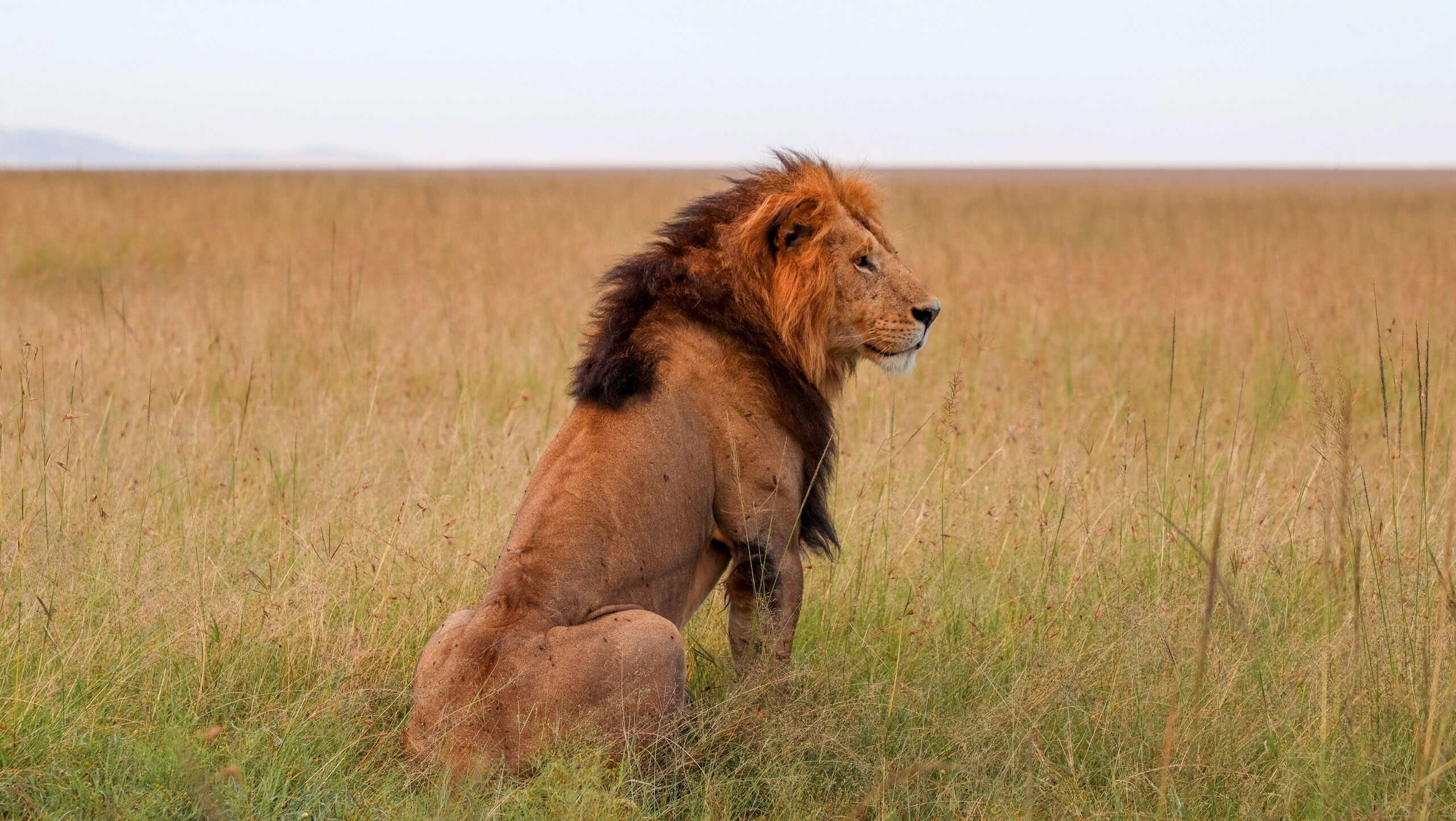
Everyone knows that ancient Egyptians mummified cats. What you may not realize is that they once mummified a whole lion, too. In November 2001, French archaeologists discovered the nearly complete skeleton of an adult male lion at Saqqara.
The feline was inside a tomb originally belonging to Maia, Tutankhamun’s wet nurse. However, the tomb was later reused for animal burials, and that’s probably why the lion was in there. The wrappings were gone, but the bones suggest it had been mummified. It was the first confirmed lion mummy ever found in Egypt.
A very old dairy product
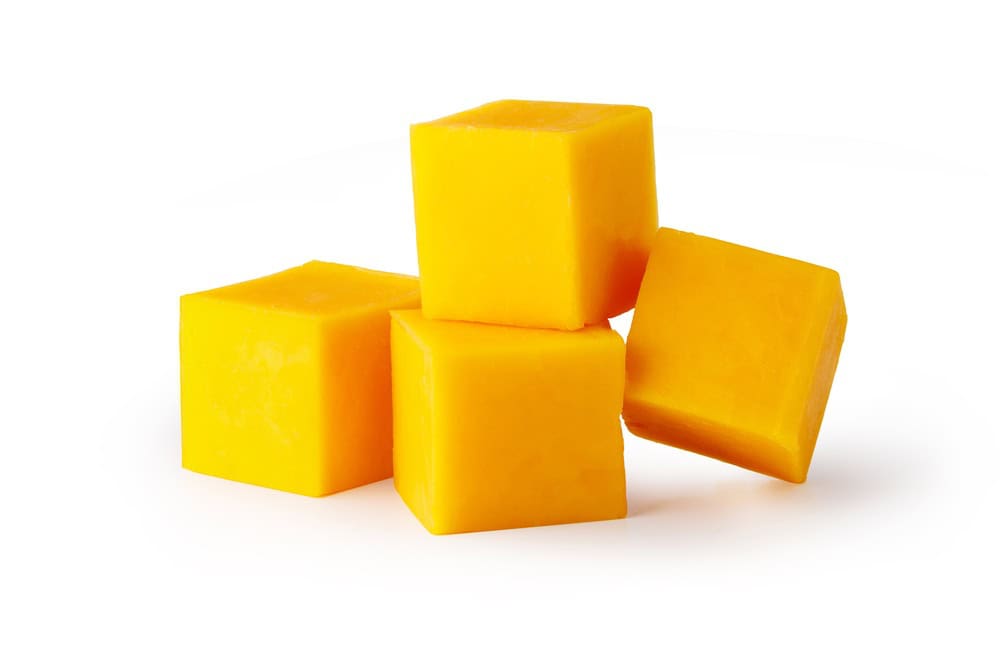
A 3,200-year-old block of cheese definitely isn’t appealing. But it’s what archaeologists actually found inside the tomb of Ptahmes, an important Egyptian official, at Saqqara. It was inside a broken clay jar.
As you might expect, the cheese wasn’t in great condition and had turned into a hard, whitish lump weighing several hundred grams. Scientists examined it in 2018 and found that it contained animal milk, as well as traces of bacteria linked to a disease called brucellosis.
Something golden inside the mouth
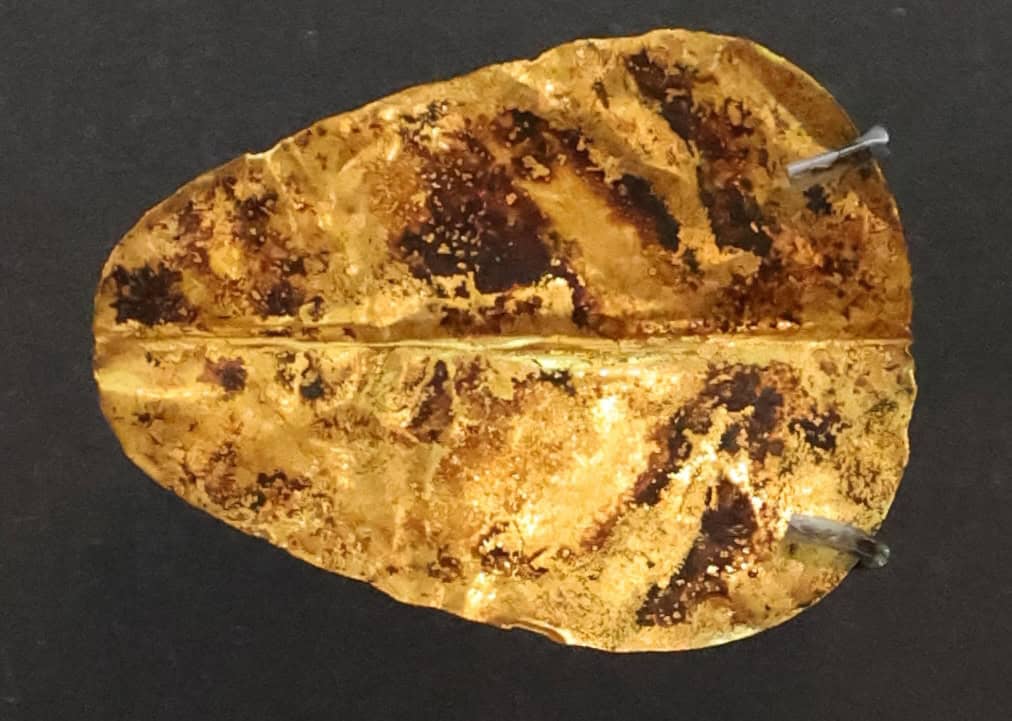
You’d expect to find mummies inside an ancient Egyptian tomb. However, in 2021, archaeologists found something rather unusual inside mummies at Taposiris Magna, near Alexandria. They found little gold tongues inside the mummies’ mouths.
At the site, the team uncovered 16 burial chambers dating to Egypt’s Greek and Roman periods. They believe ancient Egyptians thought the dead could use the gold tongues to speak in the afterlife. It’s a miracle they lasted so long.
An ancient version of a boomerang

Australia isn’t the only place where people used boomerangs. Yes, in Egypt, Tutankhamun had several boomerang-shaped items in his tomb, including three made from ivory. But these weren’t simple tools.
Historians believe the ancient Egyptians used these curved throwing sticks to hunt birds, while the fancy ivory ones were probably more ceremonial. That’s not all, though. While they were boomerang-shaped, they weren’t designed to come back after being thrown.
A tiny but busy workplace

Over in the tomb of Meketre, an ancient Egyptian official, you’ll find a miniature slaughterhouse. Archaeologists discovered it in 1920 while they were exploring a hidden chamber. It’s not a simple wooden model, though.
No, it features workers slaughtering two oxen and blood being collected in bowls. There are also kettles heating over fires, while someone’s keeping an eye on everything. At the top are little cuts of meat hanging from a balcony. It’s quite a lot.
Someone’s carefully preserved hairstyle
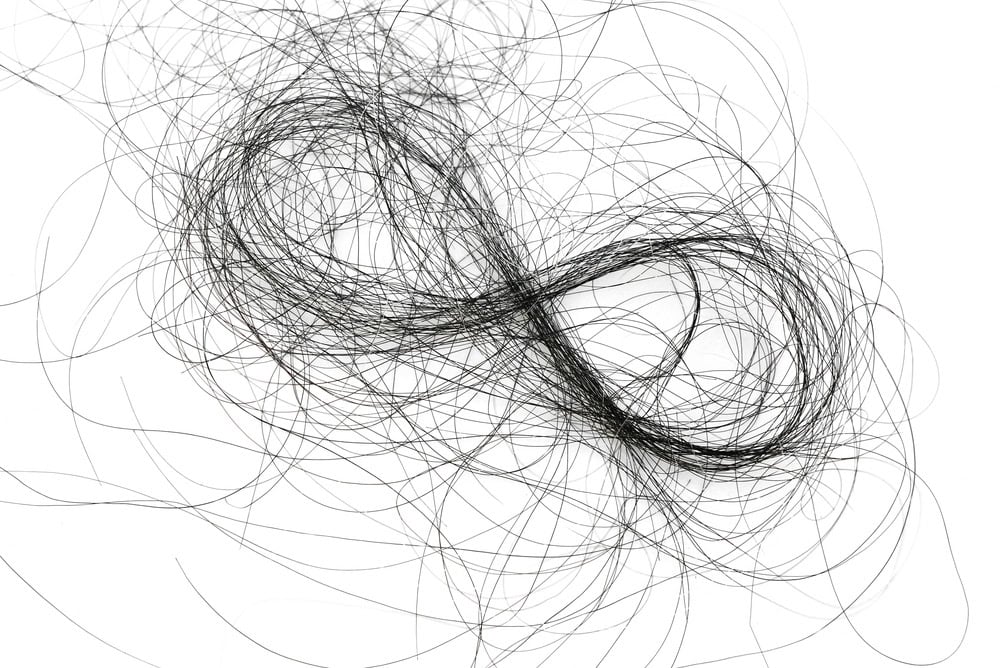
Keeping spare hair around isn’t a modern idea. During excavations at Sheik Abd el-Qurna in 1935–1936, archaeologists found a basket next to an elderly woman’s coffin, and inside the basket were four bundles of hair extensions. That’s right, hair extensions.
There were also two braids made from what seemed to be human hair and linen. The old woman also had an alabaster eye makeup container and an ebony applicator, as well as a little wooden box. In other words, she had a collection of beauty supplies in her tomb.
A garden small enough to carry

In 1920, archaeologists were clearing Meketre’s burial chamber and found yet another strange thing. It was a tiny model garden. The model had been sitting there for nearly 4,000 years, and it was about 33 inches long.
It features little sycamore fig trees with red fruit and a house porch. There’s even a rectangular pond with copper lining, so it probably had actual water. The ancient Egyptians believed the dead would need their possessions in the afterlife, and this might’ve been one of those things.
A surprisingly practical little box

Makeup containers have been around for a very long time, and the ancient Egyptians were no strangers to them. In fact, they had some pretty clever designs for them. One of these is an ivory box discovered at Thebes in 1916, and it dates to around 1550–1458 BC.
The box has a lid that swivels sideways on a small peg rather than lifting off. Using another peg, you can fasten it shut with string. Apparently, the ancient Egyptians liked being a little bit elaborate, and it’s believed that boxes like this held dry makeup, possibly rouge.
A woman with dozens of tattoos

In 2014, archaeologist Anne Austin was examining a 3,000-year-old mummy from Deir el-Medina and found an interesting detail on the woman’s skin. It was tattoos. Not just a few of them, either, as the woman had numerous designs across her neck, arms, shoulders, and back.
These tattoos included pictures of baboons and protective eyes, along with religious symbols. Some were so faint that Austin needed to use special imaging to see them. These tattoos weren’t that common, though, and they were far fancier than the simple dotted patterns on other Egyptian mummies.
Meat prepared for the afterlife
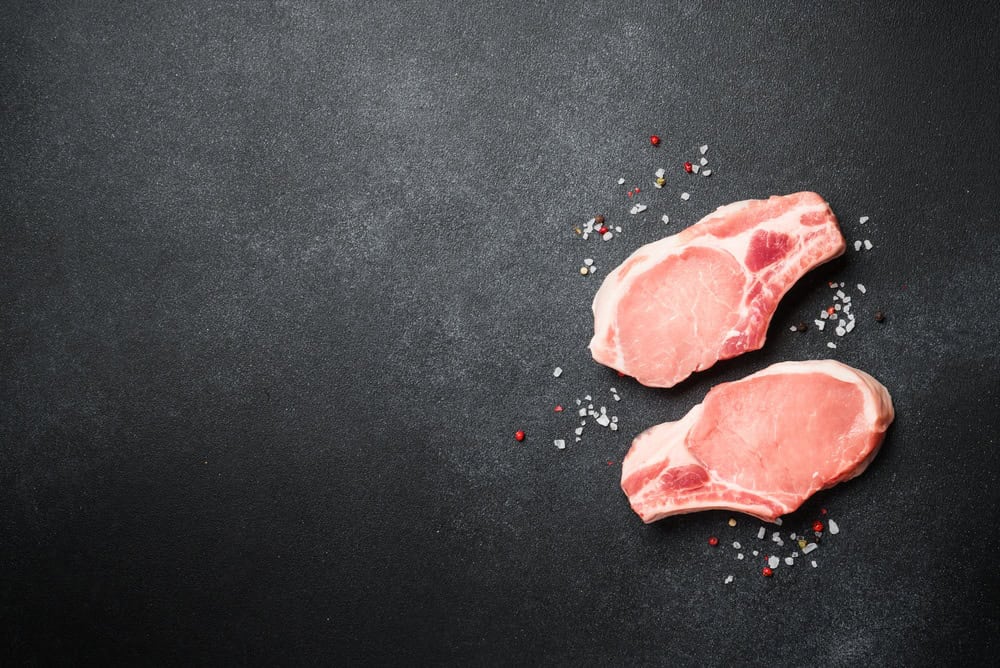
The ancient Egyptians had quite an odd idea for what to pack on a long journey. Inside Tutankhamun’s tomb were 48 wooden cases containing cuts of cattle and poultry, all prepared for his next life. These weren’t ordinary dried cuts of meat.
No, some of these cuts were mummified using special embalming treatments, and scientists found that a few beef ribs were coated in a balm. Other Egyptian tombs contained preserved ducks. It seems that the ancient Egyptians thought even the dead got hungry.
Sources: Please see here for a complete listing of all sources that were consulted in the preparation of this article.
13 stupid things we believe about ancient Egypt

For thousands of years, people have been fascinated by Ancient Egypt, although some of the things we thought we knew about it are actually completely wrong.

