

For decades, Boomers were sold products that seemed safe and sleek and were often fun or good for families. It took years or even decades before researchers and doctors discovered frightening toxins hidden inside many of these items.
What we once thought was normal is now banned or heavily regulated. Here are 15 products Boomers purchased and regularly used that we now know are toxic.
Lead-based paint

Lead paint was once loved because it made colors look vibrant and it stayed on without peeling for years. The problem is lead paint cracks, chips, and eventually turns to powder or sweet-tasting chips; kids tend to ingest it by putting chips or dust into their mouths.
Once ingested, lead permanently disrupts a developing brain and nervous system, causing lifelong learning disabilities and behavioral problems.
Asbestos insulation

Dubbed the “miracle mineral,” asbestos was inexpensive and fireproof. Boomer-era houses have it stuffed into the walls and wrapped around hot-water pipes.
Asbestos doesn’t break down into “small pieces” like shards of glass. It literally turns into tiny, microscopic needles when disturbed. Once inhaled, those asbestos fibers lodge in your lungs and liver, acting like tiny knives that cause irreparable damage (scarred lungs/cancer) over time.
DDT bug spray

DDT could kill any bug unlucky enough to get sprayed. Spray trucks would roam the streets while kids played in the pesticide-cloud they blew out behind them.
Eventually, scientists realized that DDT didn’t just kill bugs. It remained in the soil and water for up to 40 years, poisoning the food chain and causing cancer in adults.
Mercury thermometers & medicines
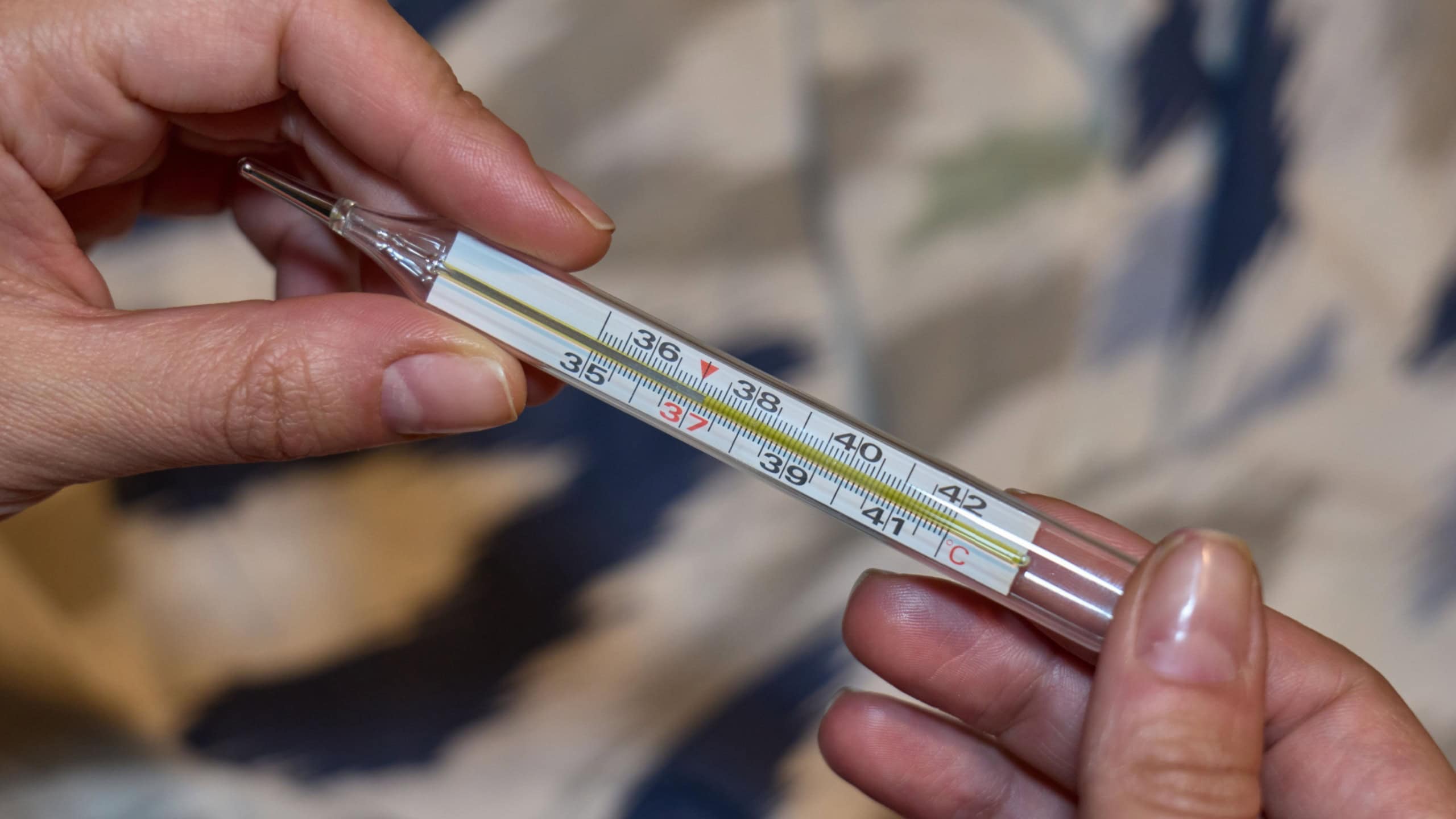
Mercury may look like really cool liquid silver, but it is actually a violent poison to the brain. Boomers used it in thermometers and even as an ingredient in some skin medicines (like Mercurochrome).
If your thermometer broke, the mercury would vaporize into an odorless gas, and people would breathe it in, causing “shakes,” memory loss, and kidney problems.
Radium glow-in-the-dark clocks

Some companies painted watch dials with radium-based paint so they’d glow in the dark. It was beautiful to look at on your nightstand, but radium is an incredibly radioactive element.
The people who painted these clocks (and the people who kept them close to their heads while they slept) were being exposed to constant radiation, which led to horrific bone diseases and cancer.
Early nonstick cookware

Nonstick cookware sounded like magic when it was first introduced to the market. But the first versions of these pans would emit toxic “Teflon flu” fumes if they heated up too much.
Those fumes were known to kill pet birds in houses instantly and made people experience lingering respiratory pain as if their lungs had sandpaper inside.
Arsenic-tinted wallpaper & fabrics
To create the “perfect green” or “bright yellow,” manufacturers used arsenic, an actual poison, to dye wallpaper and clothing.
Arsenic wallpaper grew mold that released its poison as a gas in humid rooms. As families breathed it in, they slowly poisoned themselves to death without knowing why.
Pressed-wood furniture

Mid-century furniture was often made out of compressed wood scraps glued together to keep costs down. The problem is, the glue companies used was loaded with formaldehyde (the chemical used to preserve specimens in labs).
Formaldehyde is a gas that slowly seeps out of furniture and causes eye irritation, sore throats, and an increased risk of cancer over the years of exposure.
Cigarettes (broadcast as healthy)

Advertising used to let doctors talk about the benefits of certain brands. They were touted as being “good for the throat,” and you could buy packs in doctors’ offices.
Not only were smokers poisoning themselves with every inhalation, but passively sitting around in their smoke was causing devastating lung diseases/heart problems for their families.
Talc baby powder

Talc is found in nature as a mineral used to absorb moisture. It worked so well that generations of babies had it sprinkled on their diapered bottoms.
The problem is, talc is often mined in the same facility as asbestos and can become “contaminated” during the process. Regularly using this “contaminated” powder on your youngest family member means they were accidentally ingesting or inhaling trace carcinogens for years.
Gas stoves without ventilation

Installing gas stoves used to mean no hood or fan to vent toxic gases to the outdoors. Burning gas creates carbon monoxide and nitrogen dioxide.
When families cooked, these gases had nowhere to go but build up in their homes, causing headaches, aggravated asthma, and slowly suffocating them (in severe cases).
Plastic food containers (original plastics)

Early plastic containers were a miracle for leftovers, but they weren’t designed with modern chemistry in mind. When you put hot food in them or scrub them with harsh soap, they leach chemicals like BPA into your food.
These chemicals can mess with your body’s hormones, potentially leading to various health problems down the road.
Hair dyes with outlandish chemicals

Those dark blacks and bright reds didn’t come without danger. Early hair dyes were developed using chemicals derived from coal tar.
Researchers later found many of those ingredients could be absorbed into the body through the scalp and cause higher rates of bladder cancer.
Flea & pest powders

Keeping your home pest-free used to mean liberally shaking bottles of “flea powder” on carpets and dogs. These harmless-sounding things were actually full of nerve agents that could paralyze insects.
But they also attack the nervous systems of children and pets rolling around on those carpets.
Vinyl flooring & tiles

Remember how every kitchen/living room had patterned flooring? As cute as those floors were, they had a few problems.
First off, both the glue used to install it and the green paper backing used on most tiles were made with asbestos. Secondly, vinyl emits something called “VOCs” (volatile organic compounds) when it heats up or as it ages.
Sources: Please see here for a complete listing of all sources that were consulted in the preparation of this article.
Like our content? Be sure to follow us.


