
The English language has been influenced by ancient languages like Latin and Greek as well as Egyptian. These ancient Egyptian roots are rare, but the words that do show up in English have some interesting origins. We did some digging to compile this list of English words with roots in ancient Egyptian (sources are at the end of the list). Some you’ll know, others you won’t, but all of them have interesting stories behind them, from one of the world’s most ancient cultures.
Featured Image Credit: Shutterstock.
Pharaoh
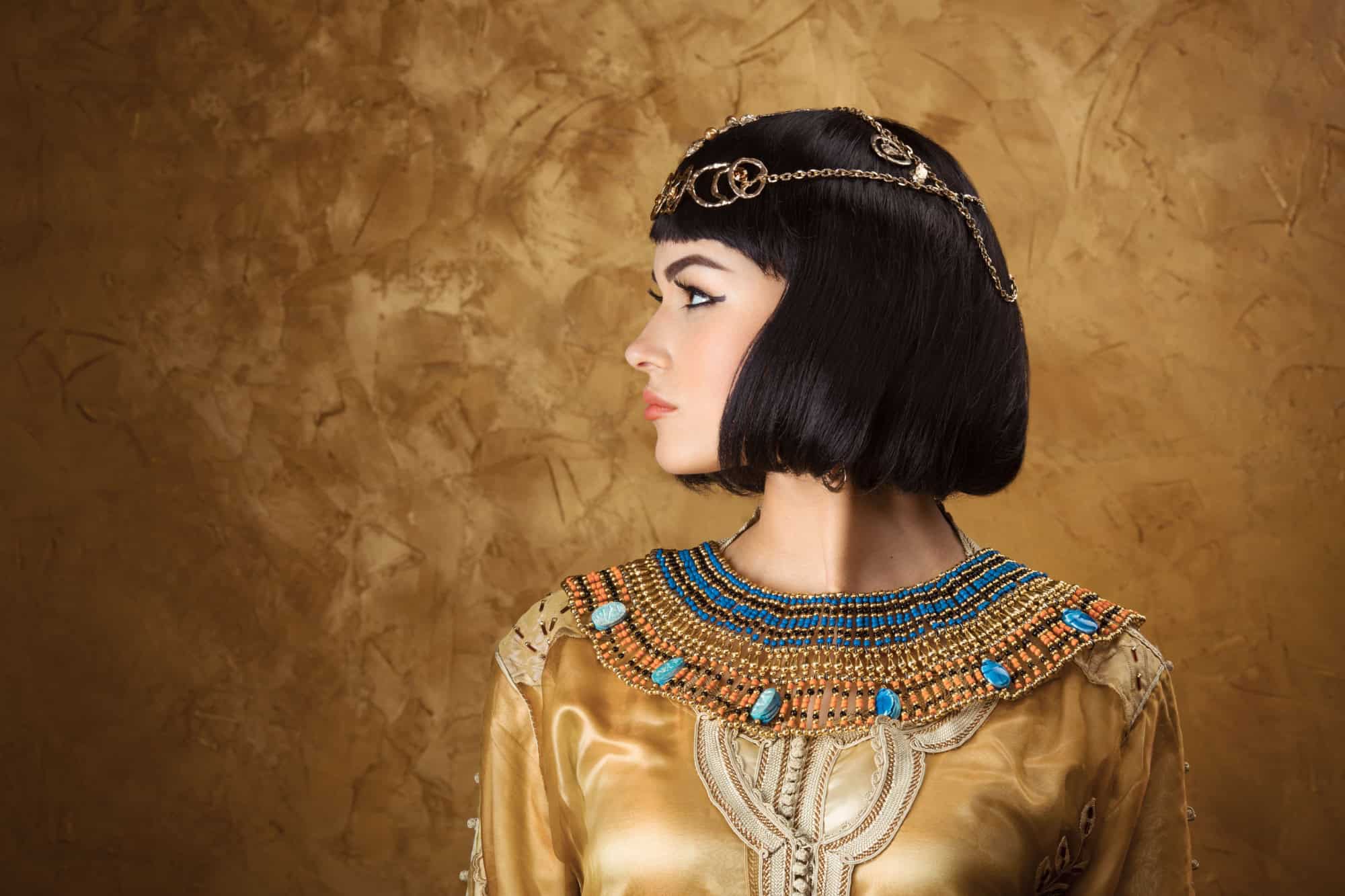
In ancient Egypt, pharaoh originally meant “great house” and described the royal palace. It eventually became a title of the monarch themselves and is today the standard term to refer to the rulers of Egypt.
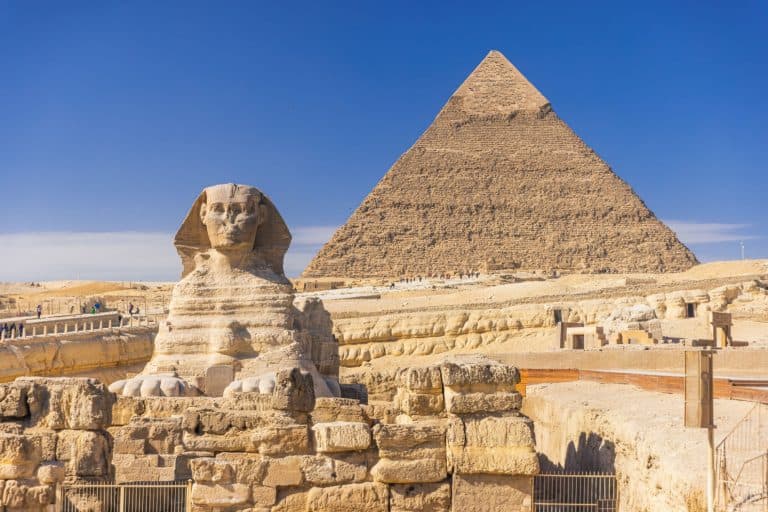
Sphinx
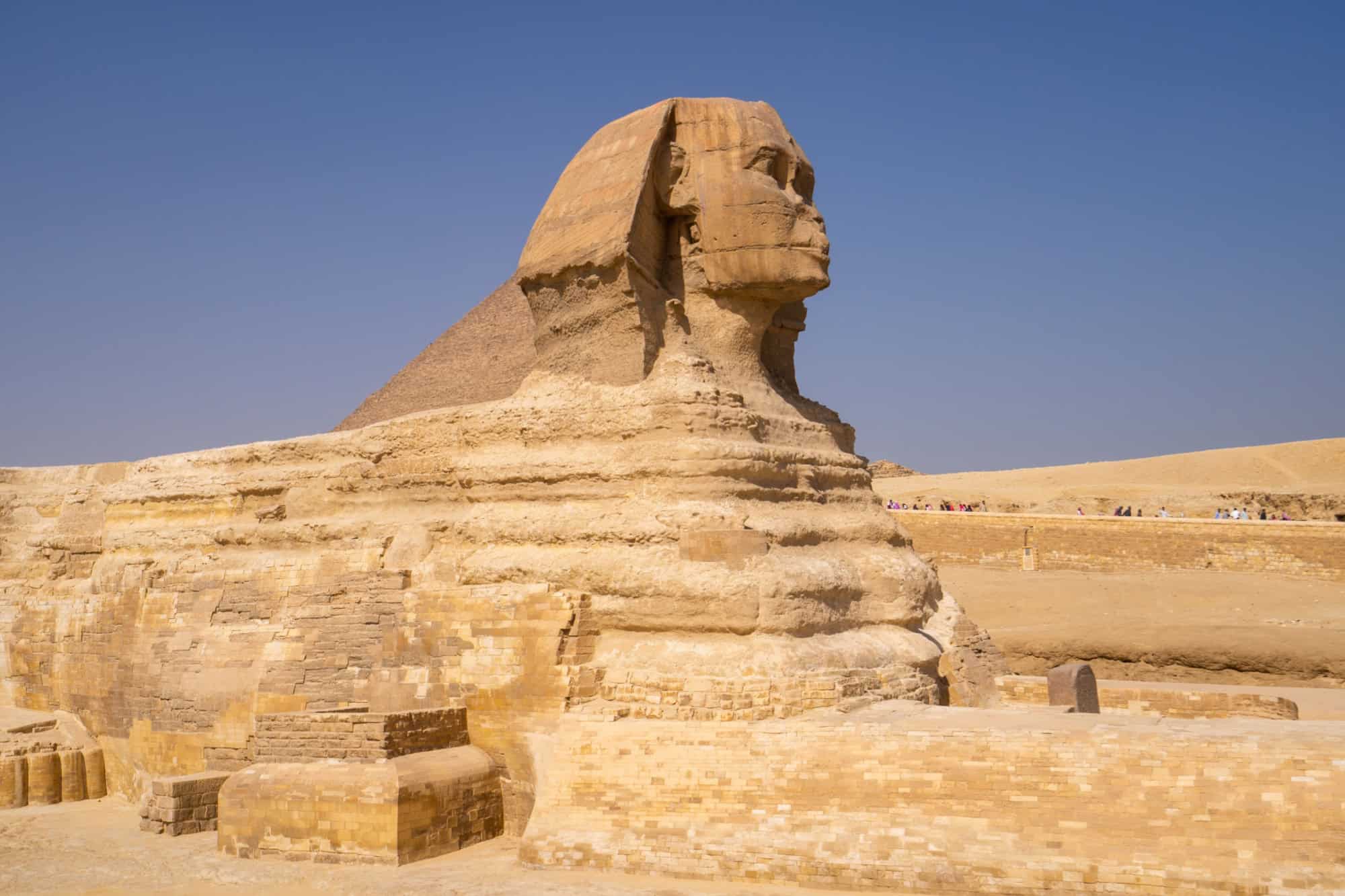
The word itself is Greek, but it’s an easy guess that this intimidating and mythical creature is one of the most instantly recognizable Egyptian sights. An enormous statue of a lion with the head of a human, it was a potent symbol of power, wisdom, and protection.
Papyrus
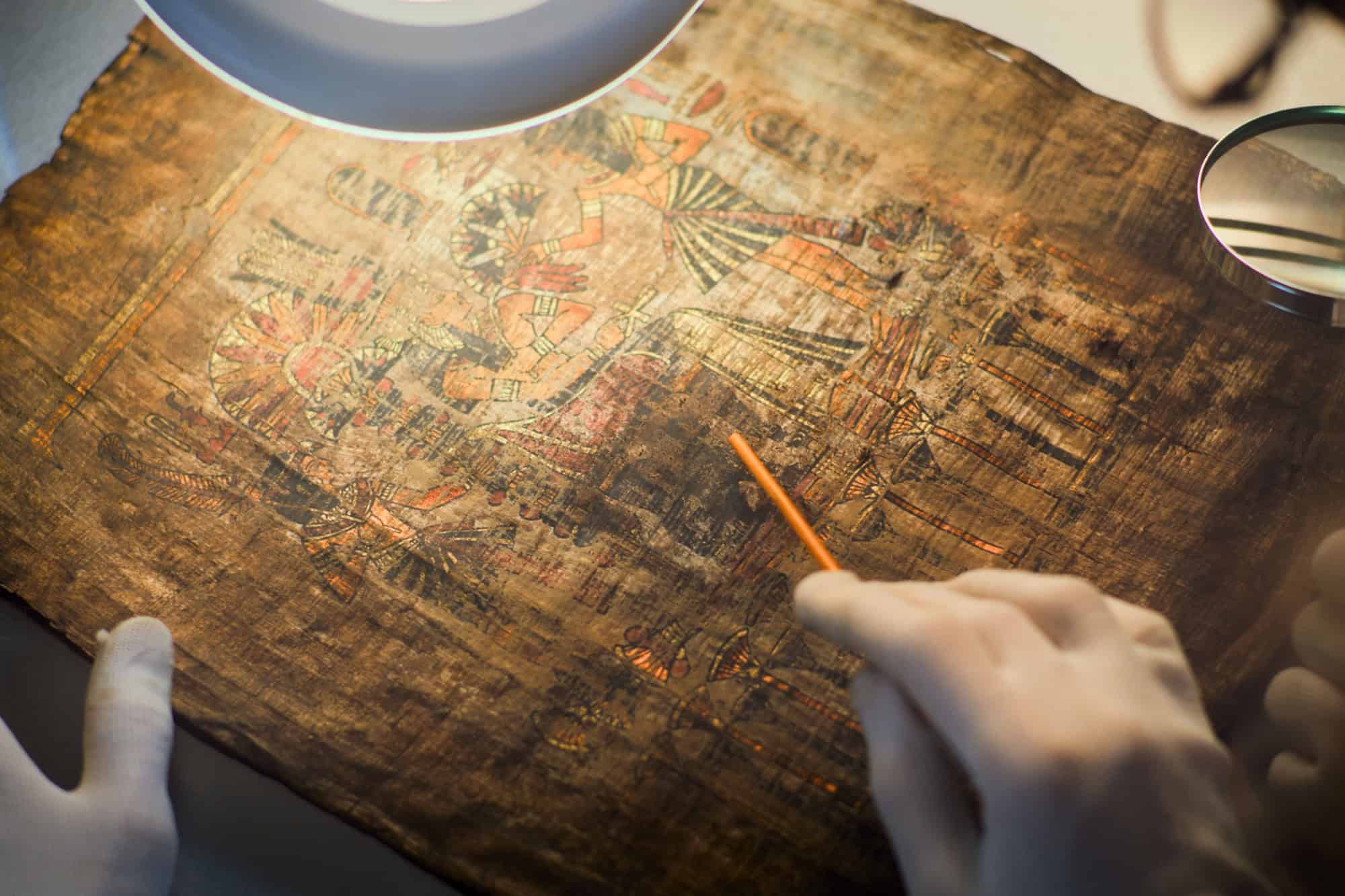
This is one word that was borrowed from the Egyptian word for the famous plant that they used to create a kind of early paper. Who knows how much of Egyptian history might have been lost without it?
Ammonite
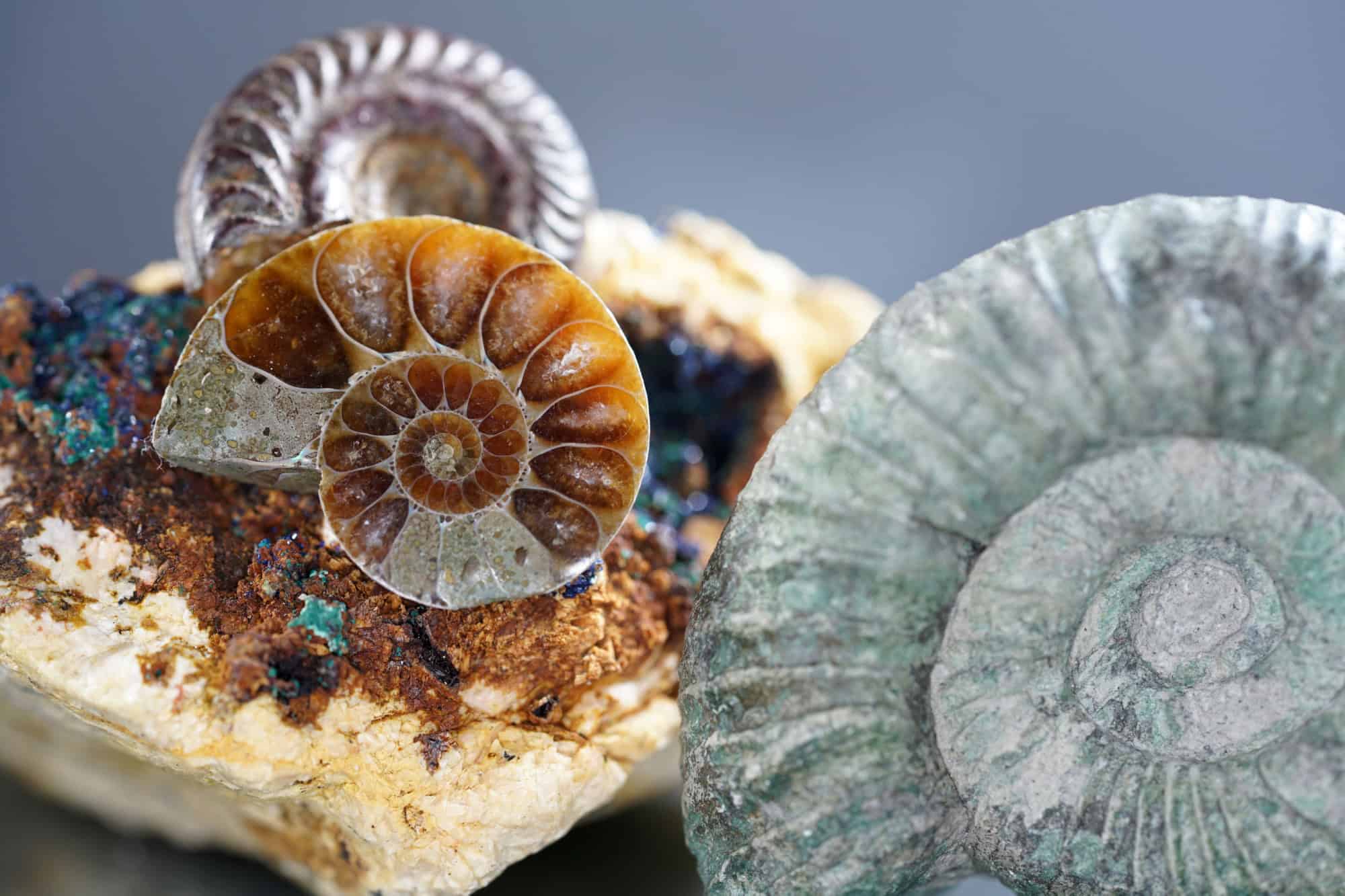
These fossil shells are named for the Egyptian god Amun, whose sacred animal was a ram. The ammonite’s coiled shell has a striking resemblance to a ram’s curled horns, and the link was made centuries ago.
Oasis
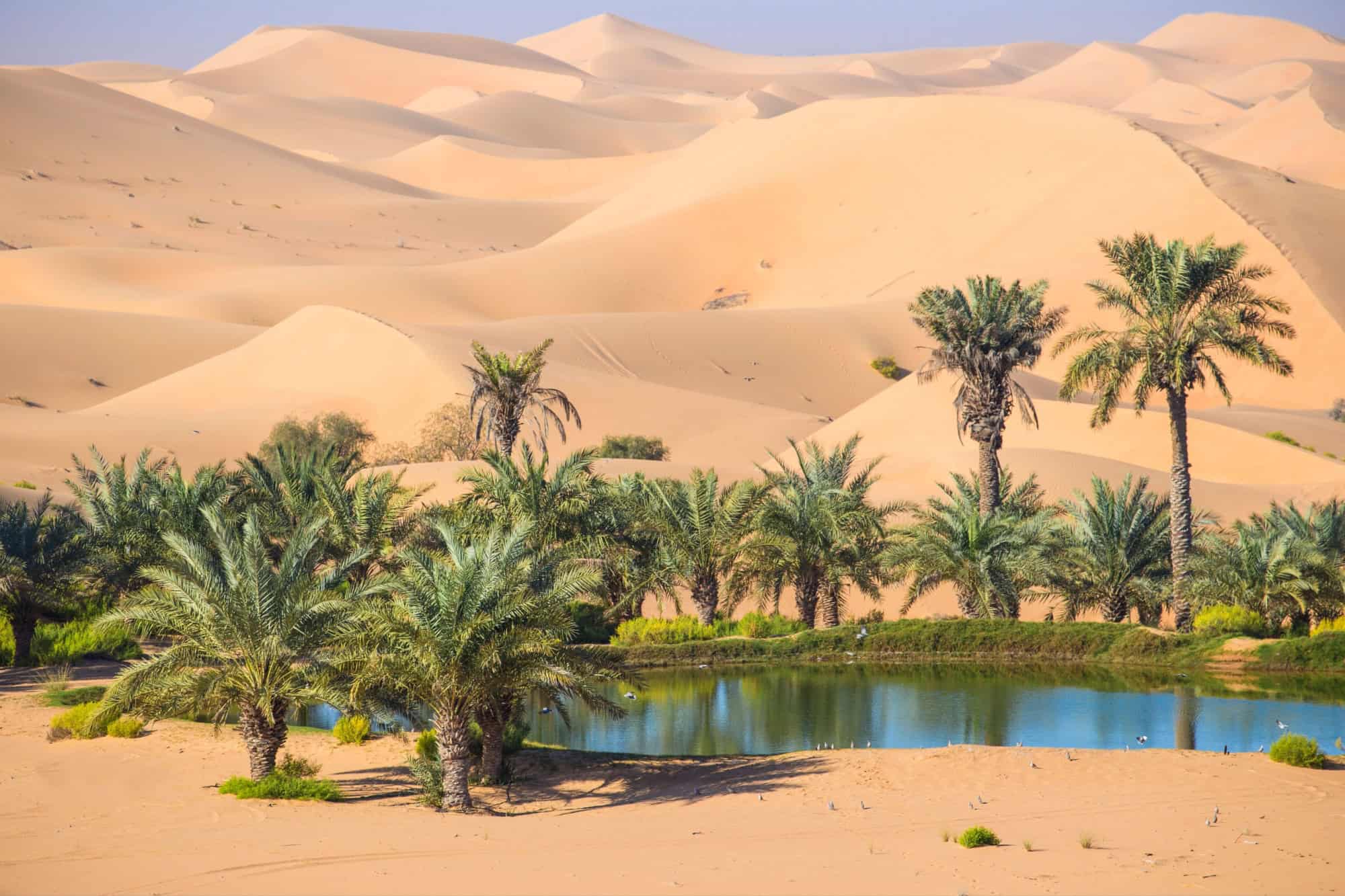
The Greeks, who borrowed it from the Egyptian word wahe, gave us the word oasis. But it’s still the only way to describe those small patches of green in the desert.
Gum

Before gum was something to chew, the Egyptians used plant gum for a number of practical purposes. The word itself is from kmy, which traveled from Egyptian through Greek and Latin before landing in English.
Ebony
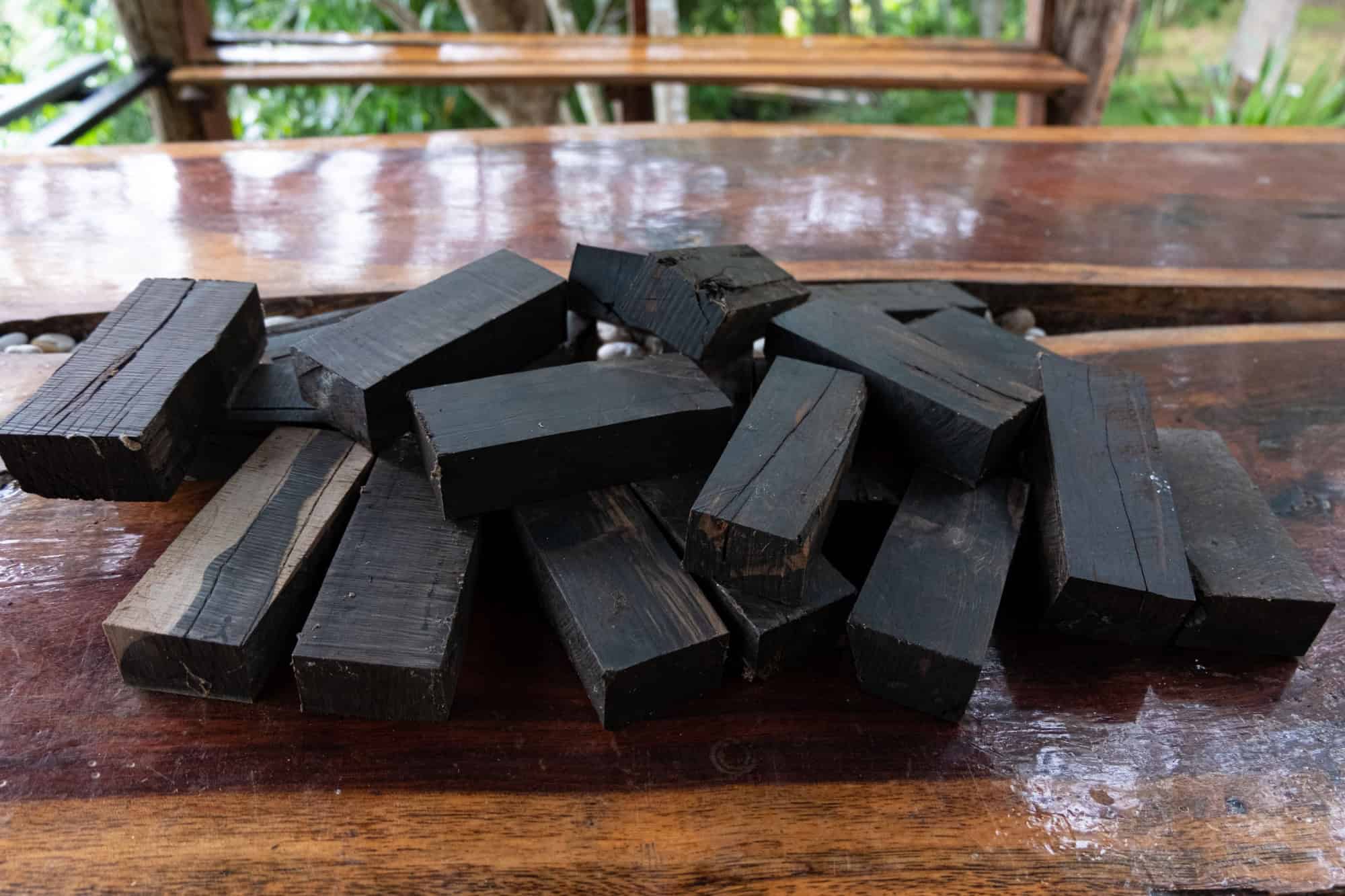
Ebony was the Egyptian word hbny, one of many African imports prized for its dark, deep black wood. Ebony was used in furniture, carvings, and other luxury items.
Barge / Bark / Barque / Embark

These words for boats all ultimately point to the flat-bottomed vessels that were used in ancient Egypt. The Egyptian bar became Greek baris, then Latin barca, and finally sailed into French and English. “Embark” itself literally means to step into a barque, proof that a simple riverboat left a pretty big wake in the English language.
Copra
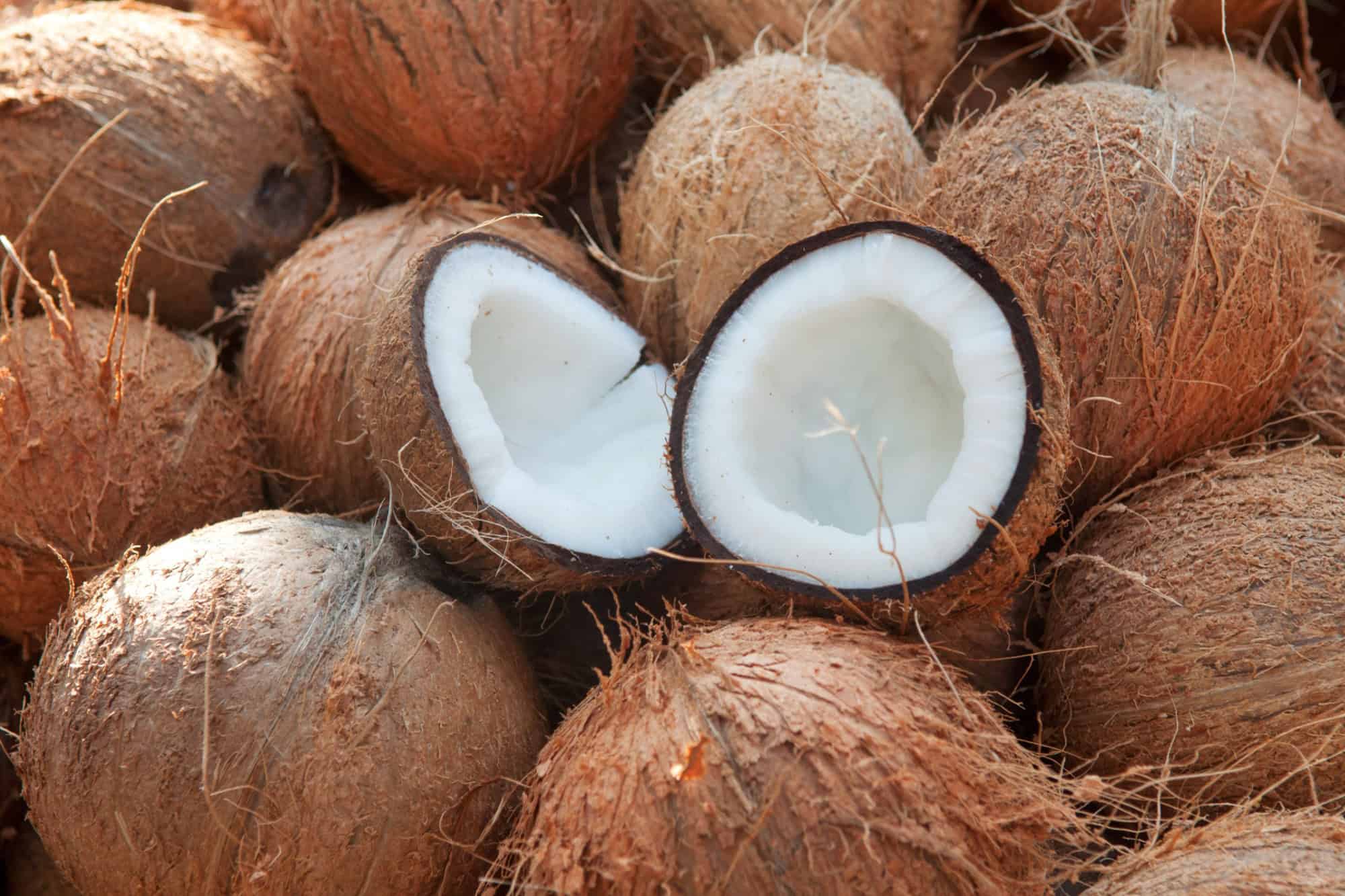
Most people link copra to dried coconut, but some word historians trace it all the way back to ancient Egypt. It may come from khepr, meaning “to become” or “to exist,” which makes sense since the coconut meat changes form when it’s dried.
Natron
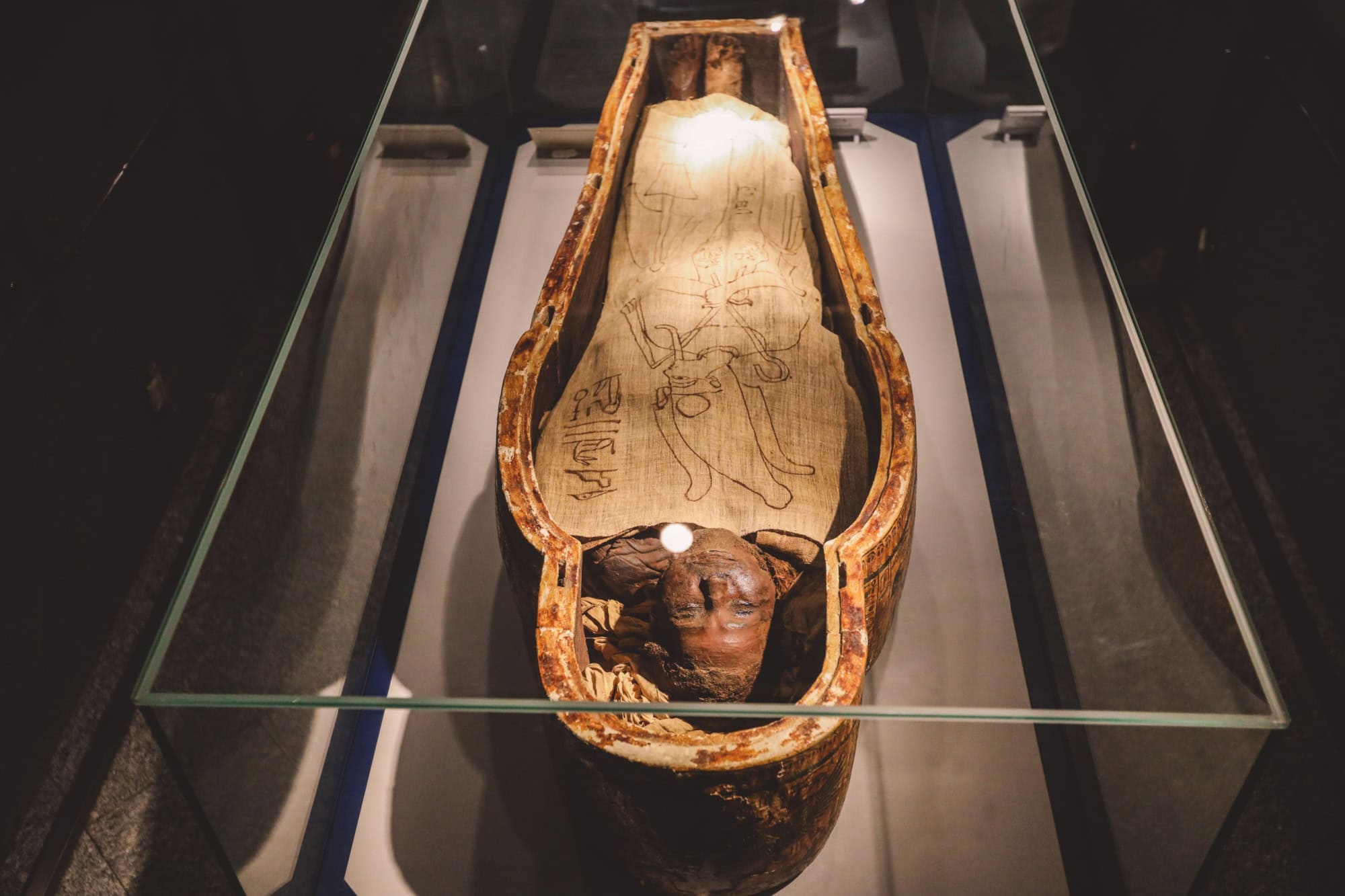
Natron is the chemical that was used to dry out the body during mummification. The word comes from Egyptian ntrj and it is still used in chemistry today.
Scarab
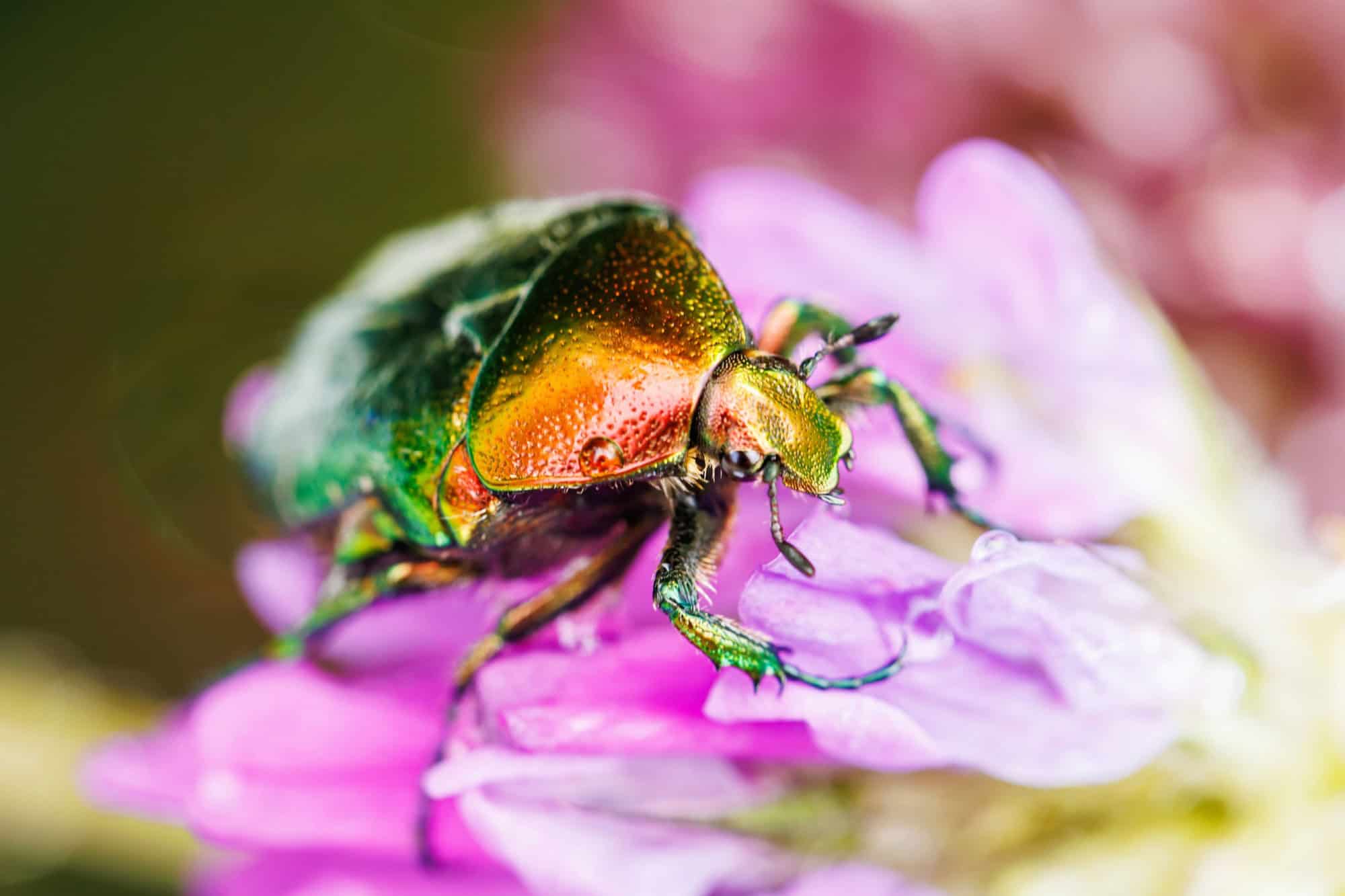
This beetle was more than just an insect to the Egyptians. It was a powerful symbol of rebirth and protection. We kept the name they used for it.
Ankh
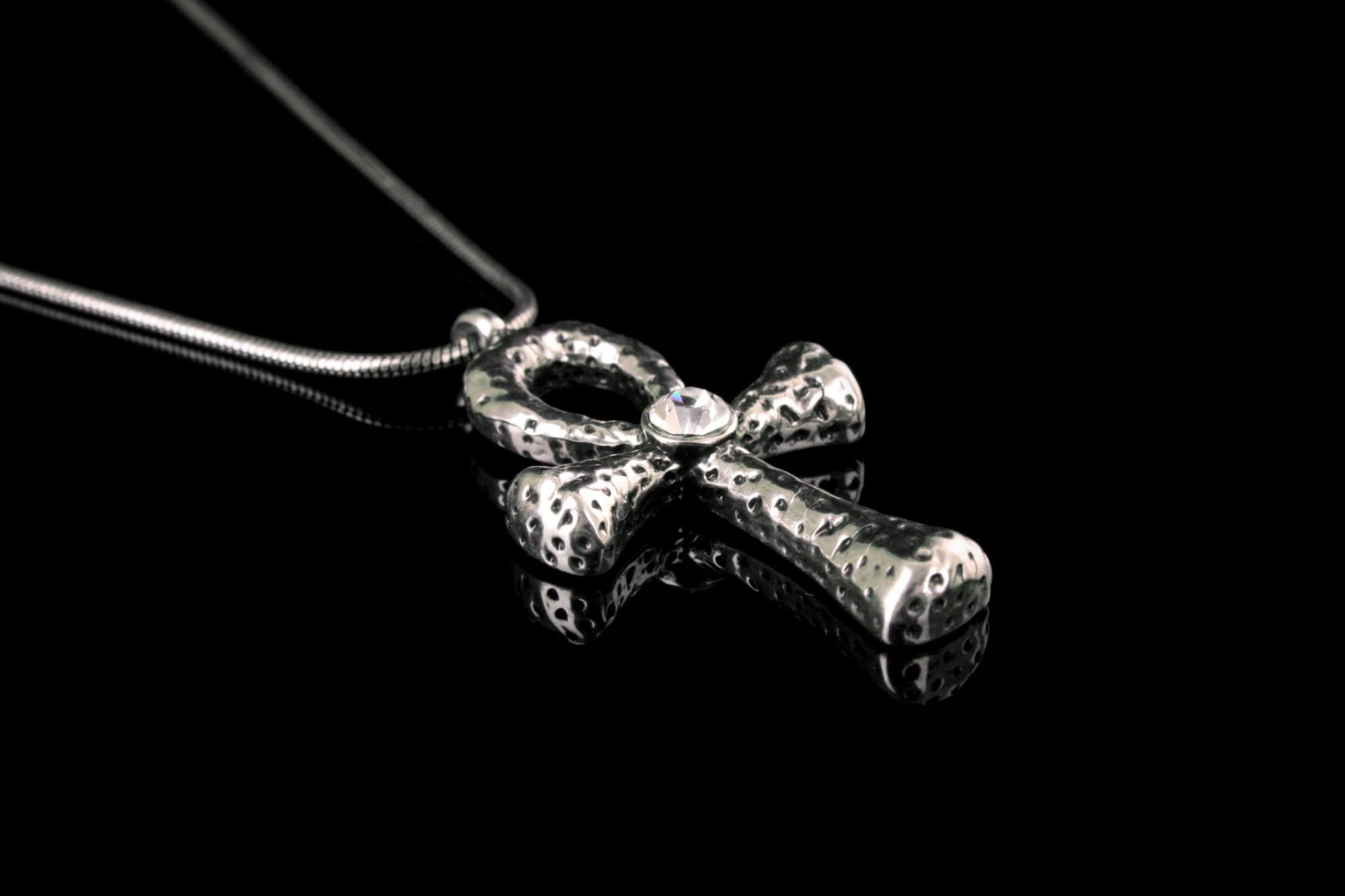
One of the most well-known Egyptian symbols, the ankh represents the concept of “life.” The ancient Egyptians used it to that exact end, and it is still regularly found in jewelry, art, and even pop culture today.
Sash

The long, decorative ribbon you tie around your waist has a much longer history than it seems. The word traces back to Egyptian Ss, fine linen, and passed through Arabic and Hebrew before it got to English.
Ivory

Ivory’s history goes way back to Egypt, where it was carved into combs, jewelry, and even game pieces. The word traveled through many languages, but the ancient trade started it all.
Sources: