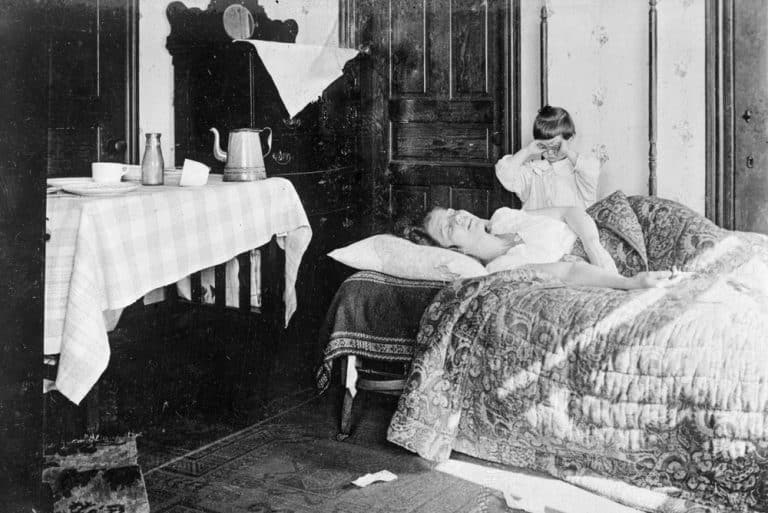

Some of history’s worst moments were far more terrible than people realize, and a lot of the disturbing stories never made it into the textbooks.
The strange walls beneath a cathedral
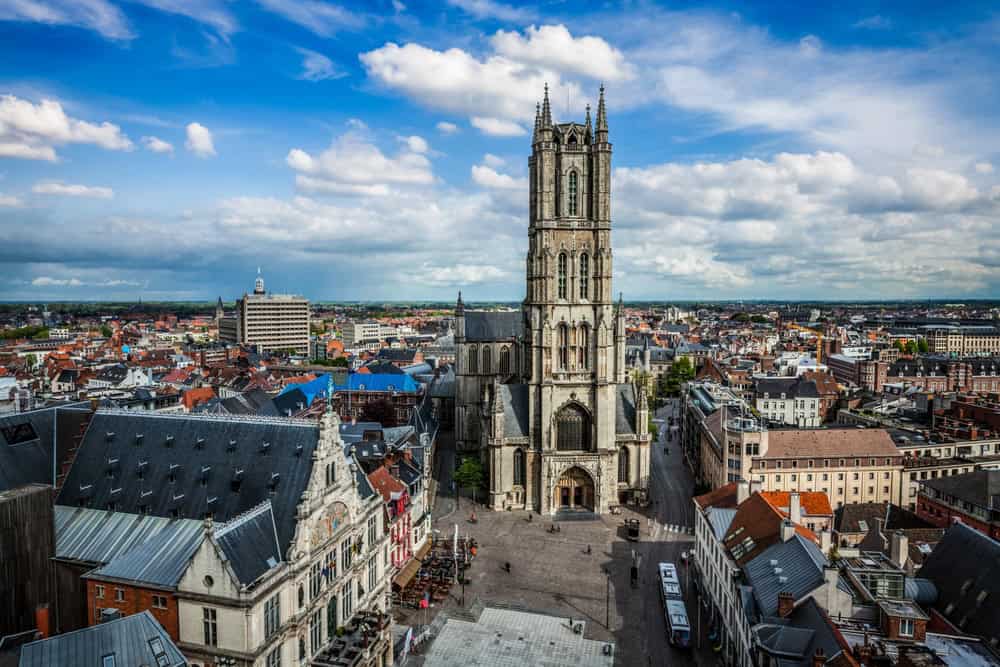
Constructing a building sure is hard, and those working beneath Saint Bavo’s Cathedral in Ghent, Belgium, had a strange approach to it. They built nine walls almost entirely from human bones. They stacked adult thighbones and shinbones together, then used skulls to fill the gaps.
The remains themselves came from around the 1400s, while the walls were likely constructed during the 1600s or early 1700s. It seems the builders removed the bones from older graves to make room for new burials.
The clinics with a terrible secret
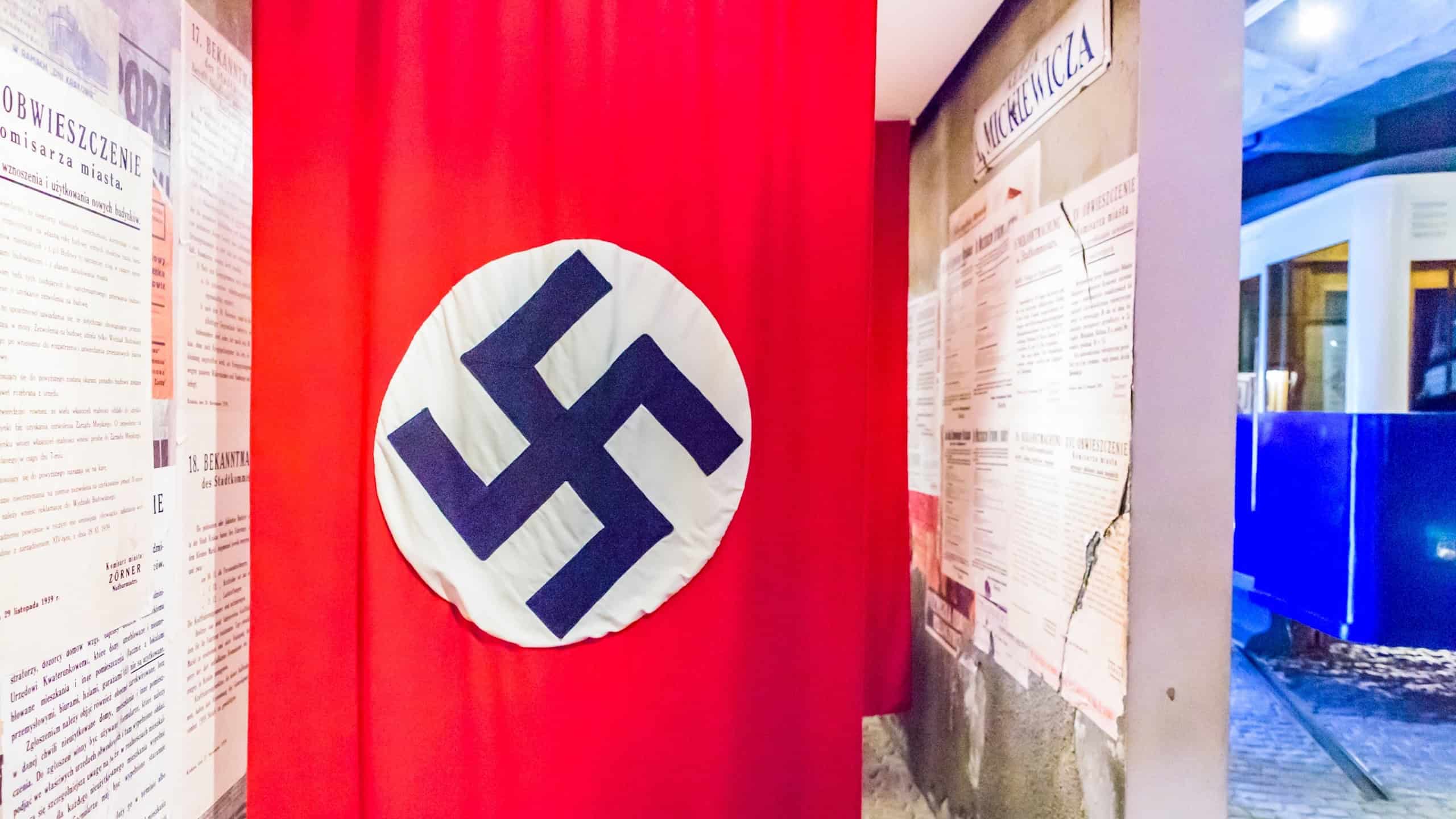
During World War II, many German parents thought they were sending their children to hospitals. Nazi officials encouraged families to send disabled children and teenagers to special clinics to help them. In reality, the children were sent to a killing program.
The program began in 1939, and it involved medical officials deliberately killing children through starvation or medication overdoses. They’d tell the parents that their child had died from an illness. According to estimates, at least 10,000 children were killed between 1939 and 1945.
The vaccination that went terribly wrong

April 1955 was supposed to be a groundbreaking time. For many American parents, it was. A new polio vaccine had finally become available, and it promised protection against a disease that had paralyzed so many children before. But something went wrong at California’s Cutter Laboratories.
Some of the vaccines contained live poliovirus, as the manufacturing process hadn’t properly killed it, and these doses passed safety checks. That meant thousands of children received the deadly virus, and not the safe version of it. Over 250 cases of polio were linked to the mistake. Some cases resulted in paralysis and death.
Four days without a rescue
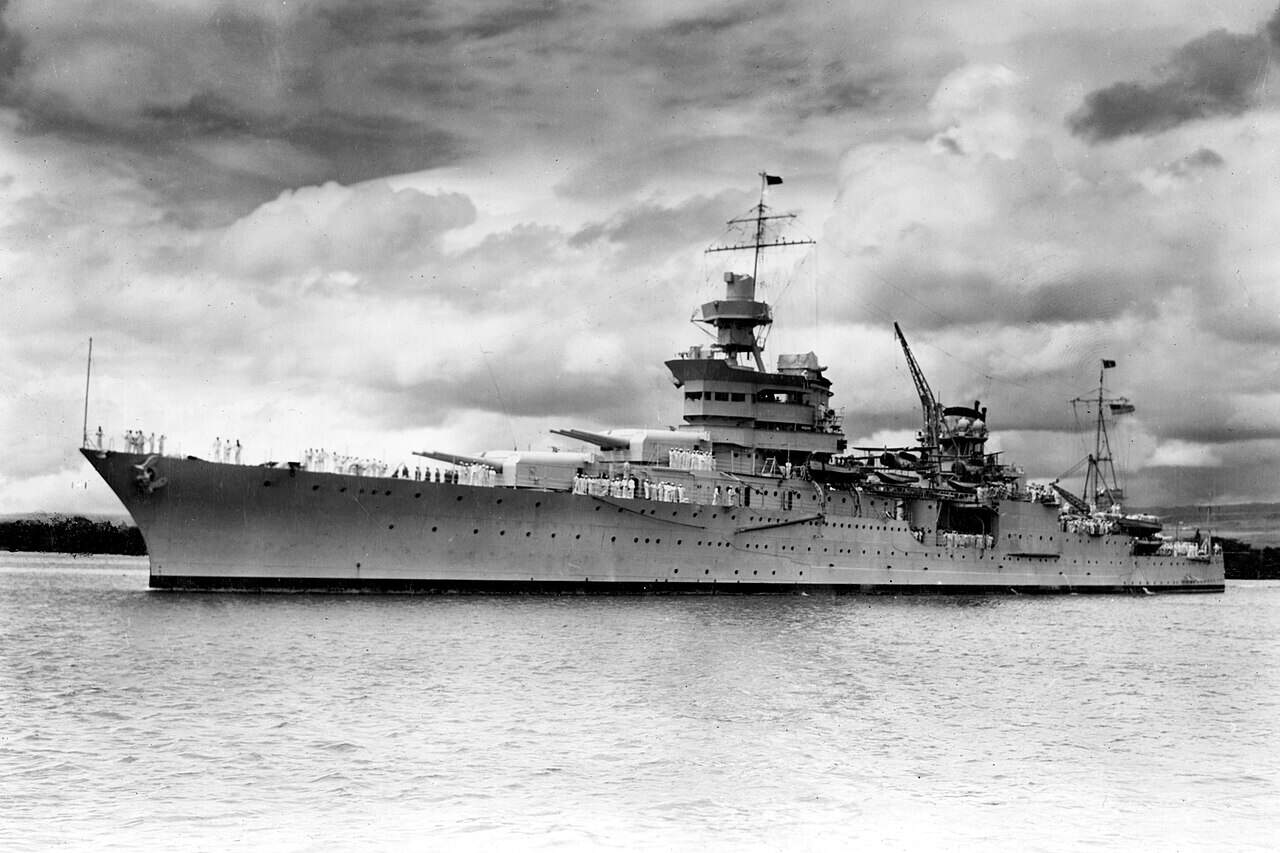
On July 30, 1945, the USS Indianapolis was struck by two Japanese torpedoes, leaving hundreds of American sailors stranded. Approximately 300 men died when the ship sank, while the others were left floating in the water.
But nobody knew. The surviving sailors spent four days without enough food or drinking water. They suffered from dehydration and exposure, as well as shark attacks. An aircraft accidentally stumbled upon the survivors on August 2, and out of 1,195 crew members, just 316 were left.
The city running out of room

There was a pretty serious problem in Philadelphia in October 1918. People were dying from influenza at record rates, and the city physically couldn’t bury them in time. It only got worse after 200,000 people attended a Liberty Loan parade on September 28, and the disease spread faster.
One morgue normally held 36 bodies. It had over 200 inside at one point. In fact, some families had to leave their dead relatives at home for days while they waited for a burial. The city eventually had to dig mass graves and use steam shovels and cranes just to keep up with the number of bodies.
A workplace disease with a terrible name

Anyone who worked in a match factory during the 1800s could end up with a horrifying disease. This was due to exposure to white phosphorus, a dangerous and toxic material. Its purpose was to make it possible to light the matches. However, this exposure caused a serious health issue. Long periods of contact with white phosphorus caused a buildup in the body, resulting in a serious condition. It caused a disease nicknamed phossy jaw.
First came the toothache, and then came the swelling. Your mouth became so swollen that it started to hurt, and eventually it could look like it was rotting. You could even lose whole chunks of your jaw.
What the soldiers carried away

On November 29, 1864, Sand Creek in Colorado Territory was the site of one of the most horrific massacres in American history. A group of U.S. Army soldiers attacked a village of Cheyenne and Arapaho people despite being in the middle of peace talks. Many of the victims were women, children, and elderly people.
But they weren’t finished when the fighting stopped. No, they mutilated the bodies of their victims and took body parts as trophies. They also apparently displayed them in public during their celebration at a theatre in Denver. This means that body parts were treated like souvenirs after the massacre.
The postcards nobody should have made

The 1921 Tulsa Race Massacre was one of the worst moments in American history. The city’s Greenwood neighborhood, known as Black Wall Street, was destroyed by mobs of white attackers, and hundreds of innocent people lost their homes, businesses, and lives.
One surviving postcard shows a body lying in the street, and another shows a father and his son standing in front of smokestacks. They decided to print these images as postcards, and the fact that they chose to display their actions for others to see is chilling.
An unusual tradition at Oxford

Wine can taste different depending on the glass that you use. Academics at the University of Oxford put this idea to the test for a long time by drinking from a wine cup made from a human skull. The skull had belonged to a person who died in around 1780, and it came from the Worcestershire area.
It wasn’t until 2015 that academics apparently stopped drinking from the cup. The cup itself remained in the collection at Worcester College. It’s now thought that it’s all a bit strange, but it also serves as a reminder of how unusual some traditions can be.
The book with a human covering

Harvard wasn’t much better. For around 90 years, they had a book covered in real human skin. The book was an 1879 French publication called Des destinées de l’âme, written by Arsène Houssaye, and explored ideas about the human soul.
Ludovic Bouland had the book covered in skin taken without consent from an unidentified woman who died in a psychiatric hospital. Harvard got the book in 1934. However, the binding was only confirmed to be human skin in 2014, and the university removed the skin in March 2024.
The discovery beneath the defenses

Archaeologists found something pretty gruesome underneath the collapsed defenses of Fin Cop, an ancient hillfort in England. They found the bones of a woman who was between 21 and 35 years old. She died around 400 BC.
Researchers suspect she may have been pregnant or accompanied by a very young child. Her remains were buried beneath stones from a demolished defensive wall, so she’d been thrown into a ditch before the rubble covered her. It was truly a horrible end.
The figure concealed inside a statue

For centuries, people had been interested in a golden Buddha statue. It came from China, and it looked perfectly ordinary from the outside. Then researchers examined it using CT scans. What they found was a monk’s skeleton inside, sitting in a meditation position.
He’d apparently been there for centuries. They believe the remains belonged to a Buddhist master named Liuquan, who died around 1100. His body had been mummified, and his internal organs had been removed. That’s enough to make us look at other statues differently.
The surgeon’s collection of tattoos
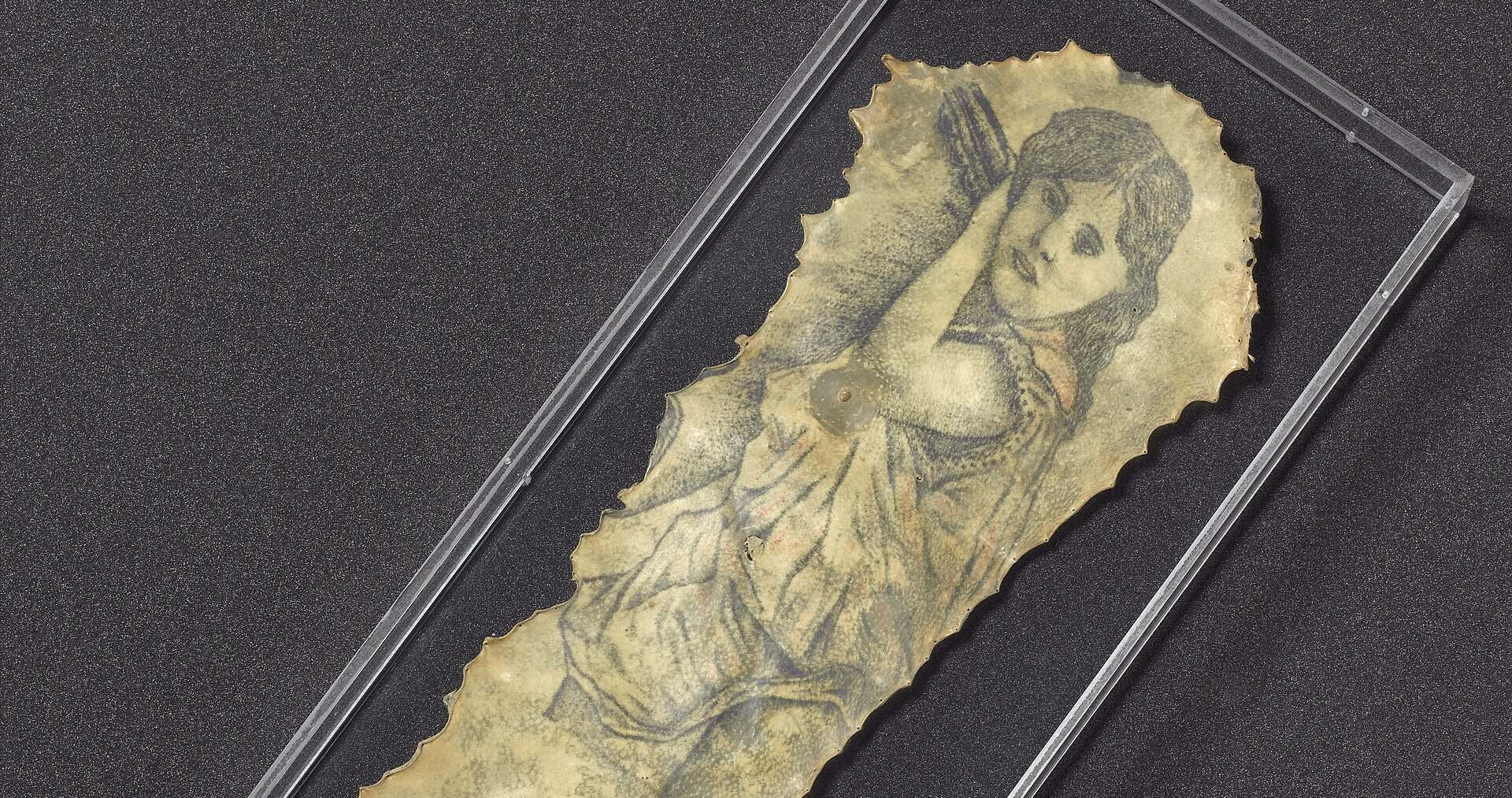
French surgeon Dr. Villette was interested in tattoos. Maybe he was too interested. He worked in military hospitals during the 1800s, and he removed patches of tattooed skin from soldiers after they died. Then, he preserved them.
Villette ended up with hundreds of these specimens, including some with words like ‘Souvenir du Sahara,’ and others with people’s initials. Some of them were several inches across, too. It’s kind of scary to think a medical professional would be so morbid.
The remains at the bottom of a shaft

Around 2200–2000 BC, something terrible happened near Charterhouse Warren, England. At least 37 people were killed and thrown into a deep natural shaft, although they weren’t simply buried there. No, many of their skulls had been smashed.
Other bones showed signs of dismemberment, and most disturbingly, there were also possible human tooth marks on a few of them. That’s right, some victims had been eaten. Researchers don’t believe the attackers were starving, and they believe the cannibals wanted to scare an enemy community. It certainly terrifies us.
Sources: Please see here for a complete listing of all sources that were consulted in the preparation of this article.
12 unsettling facts we didn’t need to learn

Sometimes facts can be both terrifying and 100 percent true.
