

Most people’s knowledge of history will be limited largely to wars and kings, but there is all kinds of other interesting information to find that most people don’t know about.
Medieval trials of animals

Pigs were once put on trial. Cows, horses and plenty of other animals have also faced court proceedings for injuries, property damage and even murder. Such cases date from the 13th to the 18th century.
Ecclesiastical courts frequently summoned great swarms of insects and commanded them to stop destroying specific regions.
These cases were often likely quite drawn out, involving testimony from one or more witnesses, verdicts, and other such formalities. In many cases, including those involving animals, it was customary to assign an advocate for the defense.
At Falaise in 1386, a pig was sentenced to death for seriously injuring a young child.
American parents once mailed their children
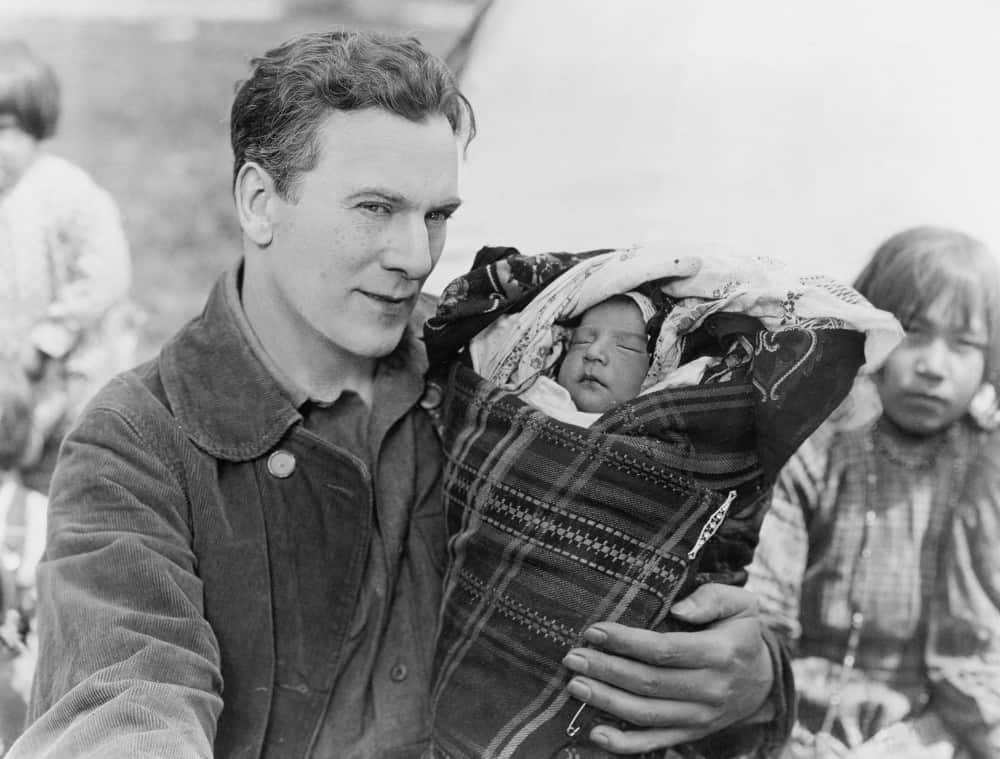
Once parcel post began handling much bigger items in 1913, it apparently remained unclear whether a baby or child could legally count as mail. So, in January 1913, an Ohio couple sent their 8-month-old son by post to a grandmother a little more than a mile off, and the whole thing cost 15 cents in postage.
The best-known example of this is May Pierstorff, aged 6, posted about 73 miles through central Idaho to relatives, in February 1914, for 53 cents. She made the journey in the company of a relative who worked for the railway mail service.
Roman concrete is so durable in the sea
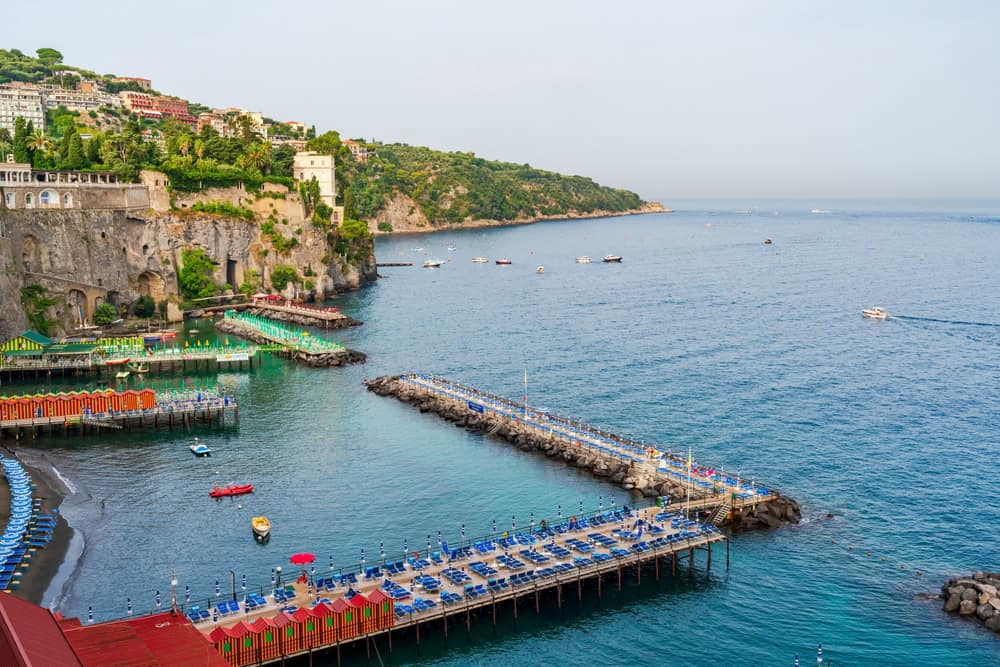
A great many harbors along the coasts of Italy and beyond are still standing more than 2,000 years on. Of course, if sea water penetrated deeply into today’s concrete, it could cause substantial deterioration of embedded steel bars.
Lime and volcanic ash, amongst other ingredients, were combined by the Romans to make at least some of their underwater concrete. Investigations into some of these features have identified a variety of minerals, notably aluminium-tobermorite.
It is plausible that contact with seawater triggered a range of reactions that formed these minerals. Such a process would obviously work to fill void spaces and modify the properties of the concrete matrix in other ways.
A 19th-century Pope endorsed a wine containing co**ine
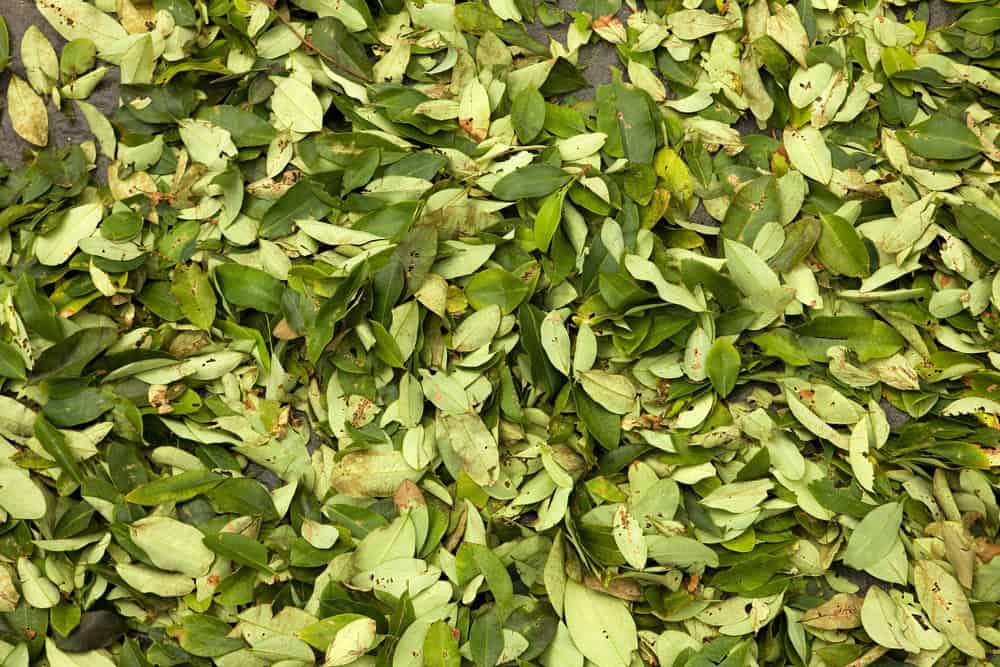
Angelo Mariani, a chemist of Corsican origin, began selling Vin Mariani in 1863. This was a wine infused with coca leaf, with the alcohol extracting the active ingredients. So the drink was effectively spiked with co**ine.
The drink became a big hit in both Europe and North America, marketed as a tonic for fighting fatigue and boosting overall vitality. A number of notable figures came to favor the drink, most prominently Pope Leo XIII.
The pope liked the wine so much that he handed Mariani a Vatican Gold Medal.
At that time in history, co**ine was free of the legal restrictions we have today. Until lawmakers took action, numerous other products made with coca were easy to come by.
Honey in Ancient Egyptian medicine

Of course, there were no effective antibacterials or antibiotics available at this point in ancient Egypt. However, many of the surviving papyri outline cures for a range of conditions, several of which involve honey.
Egyptians used honey to manage wounds. Since honey has been found to inhibit certain bacterial colonies because of its acidity, low water content, and several other characteristics, it is reasonable to believe honey was used for this purpose.
Woolly mammoths were still alive when the Great Pyramid was built
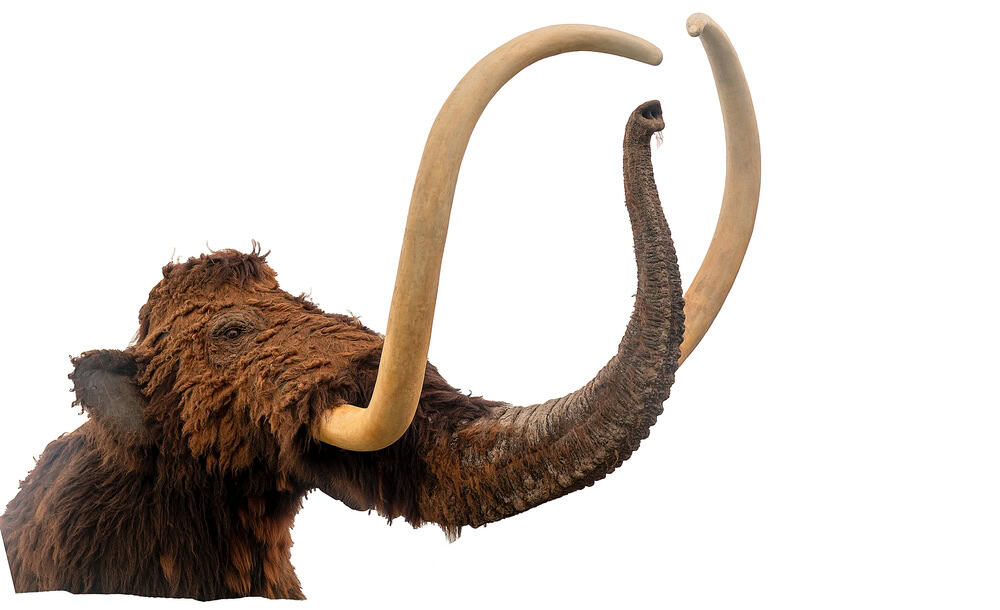
Most of us imagine woolly mammoths roaming the frozen landscape with early humans during the last stretch of the Ice Age. But they lived far longer than this.
The rest of the world lost its woolly mammoths roughly 10,000 years ago, but a small population survived on Wrangel, a remote island in the Arctic Ocean. Fossil analysis shows they survived until around 2000 BCE.
By that time, the Great Pyramid stood finished, its construction dated to approximately 2560 BCE. While the Ancient Egyptian empire was rising to prominence, a small number of woolly mammoths still inhabited this remote corner of the globe.
A deadly flood of beer in London

On 17th October 1814, London saw a bizarre factory disaster. A huge wooden fermentation vat at the Meux & Co. Horse Shoe Brewery ruptured after one of its iron hoops failed.
Nearby vats also collapsed under the pressure of the surging beer, which sent some 320,000 gallons of porter pouring through the surrounding streets.
Flooding also struck many houses in the St. Giles area, leaving some broken open and others swallowed whole. People were trapped beneath the wreckage, and the death toll ultimately reached 8.
All of those deaths were eventually attributed to an ‘Act of God’ by a coroner’s inquest, which exempted the brewery from any liability for the damage.
Samurai were still around during Abraham Lincoln’s presidency

Most people would imagine a samurai many years before the end of the 18th century, and think of Abraham Lincoln in terms of industry and growth in the 19th century USA. It might therefore surprise you to learn that samurai were alive during Lincoln’s lifetime.
Lincoln was President between 1861 and 1865. At this time, Japan was still largely run according to the ancient hierarchy, with samurai at the head.
Once the Meiji Restoration took hold in 1868, the privileges and advantages samurai had long enjoyed began to disappear, reaching their end point in 1876 when their salaries were cut off and openly wearing swords was prohibited.
It is therefore certain that plenty of samurai were alive and active during Lincoln’s lifetime and presidency.
Europeans once slept in two separate shifts

Most people today would probably consider around 7 to 8 uninterrupted hours’ sleep to be normal. However, a number of historical sources mention about the European practice of having a first and second sleep. That is, they would rise from their beds at some time during the night, remain awake for a variable period, and then go back to sleep.
It has been suggested that they may have spent this time in prayer, conversation with other members of their household, looking after animals, or doing various odd jobs. They would then sleep for the remainder of the night.
Roger Ekirch argues that this kind of interrupted sleep was likely very common across much of pre-industrial Europe, though there is considerable uncertainty about how widespread the practice actually was and whether every reference to first and second sleep necessarily points to two distinct periods.
Cleopatra was closer to the moon landing than the pyramids

One might naturally assume that Cleopatra belonged with the pharaohs of the pyramid-building era. However, she lived several thousand years after they were built.
Around 2560 BC the Great Pyramid was built. As Cleopatra was born in 69 BC, this great landmark would have been about 2,500 years old at that time.
The first moon landing took place in 1969 AD, only 2,037 years after the birth of Cleopatra.
So her life was actually nearer to this event than to the raising of the pyramid at Giza, a structure that must have felt immensely old in her day.
Wealthy Britons rented pineapples to impress dinner guests

In 18th century England, owning and displaying a ripe pineapple was great status symbol. Because they originated in different parts of the Americas, they required very warm conditions, meaning hot houses and skilled care, to grow well.
Since bringing a single fruit to full ripeness demanded considerable expense, only a select few could afford them.
It was enough for most to be able to show one off at a dinner or similar function, and renting them for the evening seems to have been quite usual.
Merchants were glad to rent them out for a few hours, which saved buyers the hefty expense of purchasing one outright.
The US army’s camel experiment

Secretary of War Jefferson Davis believed camels would be extremely handy for hauling goods across long distances, as they needed comparatively little water. That is why, in the 1850s, the dry regions of the western United States became the testing ground for a great many camels.
After Congress approved the funding, camels were purchased from several countries across North Africa and the Near East and shipped to Texas to be tested. They handled heavy loads across this harsh terrain far better than horses and mules.
When the Civil War broke out, the project was abandoned.
Oxford University is older than the Aztec Empire
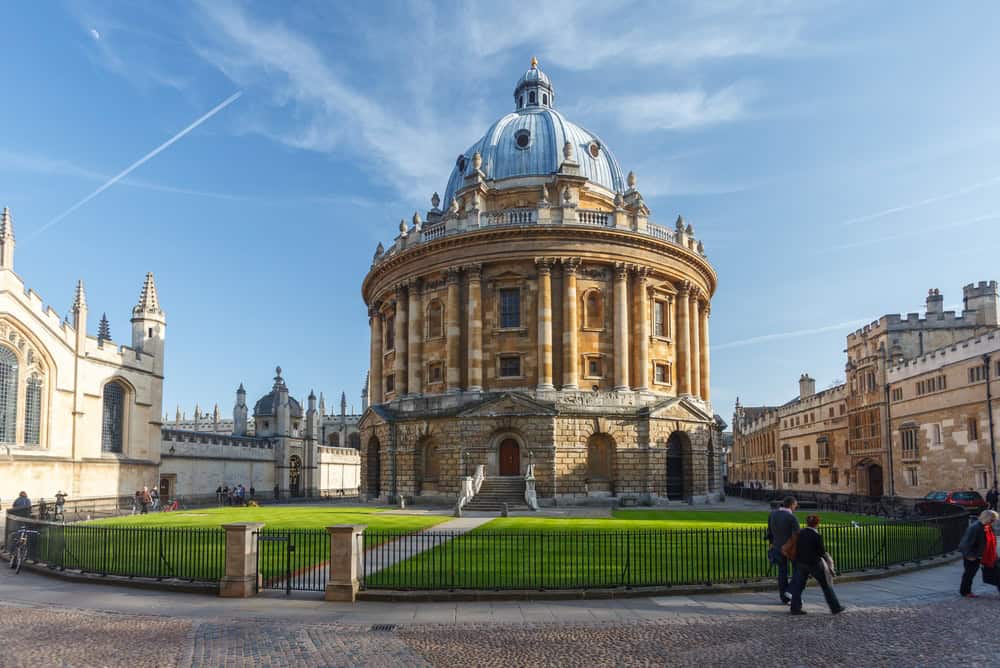
Oxford University gives the immediate impression of a traditional British institute. Still, there is evidence of teaching at the university from roughly 1096, and it grew substantially across the 12th century.
The Mexica did not begin to populate what would eventually be the Aztec empire’s heartland until several hundred years afterward. The construction of their city-state, Tenochtitlan, did not take place until 1325.
On top of that, the Aztec Empire did not emerge as a political power until around 1428. Oxford, in other words, was already teaching well before Tenochtitlan was built and before the ‘Aztecs’ formed.
Victorian doctors’ warnings over “bicycle face”
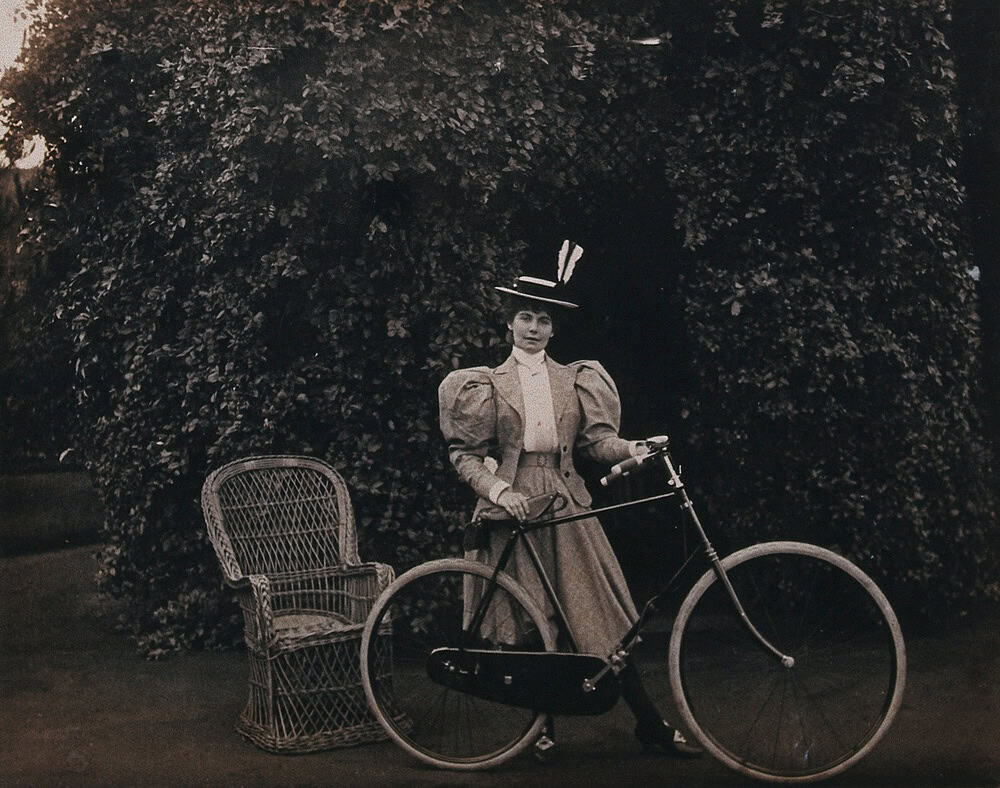
As the bicycle gained popularity in the 1890s, it opened up a fresh way for women to travel. Not everyone in Victorian society was on board, though, and some raised alarms about a made-up condition called “bicycle face.”
Doctors described a set of symptoms they linked to the strain of pedaling. And among them were bloodshot, tired eyes, a reddened face and tightness across the facial muscles. Even though some commentators elaborated on what they claimed cycling could do, “bicycle face” was never recorded as a recognized medical condition.
And the bicycle gave many women a new sense of freedom to travel as they pleased, no longer relying on men.
Sources: Please see here for a complete listing of all sources that were consulted in the preparation of this article.
Like our content? Be sure to follow us.
15 funny facts you didn’t need to know, but we still like

You probably didn’t need these facts, but you’ll be glad you know them anyway.

