

World War II and old-fashioned ideas about how women should behave shaped the lives of women in the 1940s.
Wearing makeup to show patriotism

Lipstick and other cosmetic products were encouraged during World War II so that women would stay feminine, while still helping with the war effort.
Posters and ads from the government showed women in factory jobs and the services with red lipstick and neatly applied makeup. They encouraged women that they could labor for their country without sacrificing their femininity. Lipstick wasn’t explicitly mandated by law for all women (there were no practical ways to enforce this), but rather the expectation was created through cultural pressure.
There is also no evidence that women who did not wear makeup were officially punished. At the same time, meeting beauty expectations could be used on occasion to frame women as patriotic.
Working without reliable childcare
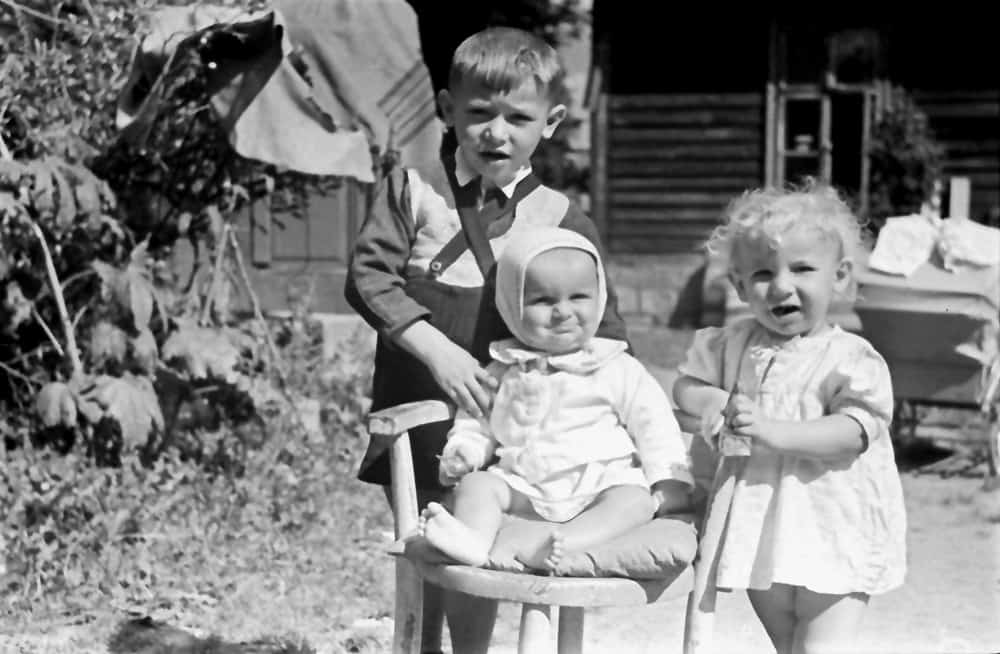
Securing child care was a realistic concern for women who entered the workforce during WWII. In order for women to work in jobs vital to the war effort, the federal government subsidized childcare centers during the war.
After the war, however, public childcare assistance did not continue at the same level. In 1946, a government-funded childcare program was terminated with the assumption that there would be less need for married women to work outside the home after the soldiers returned. And this caused some mothers who sought employment after the war to have limited affordable childcare options.
Painting legs to fake stockings
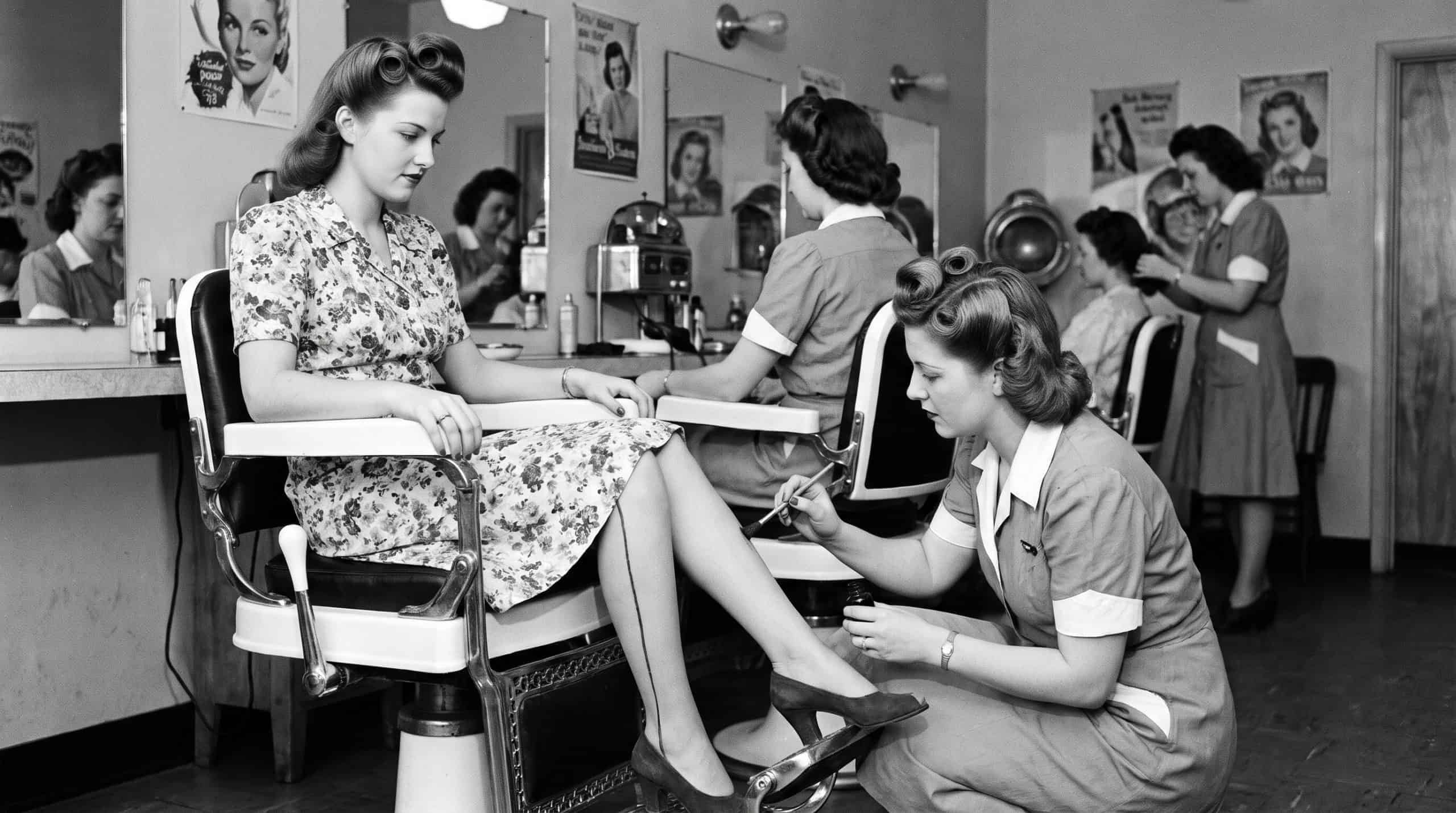
Once World War II broke out in America, nylon was redirected toward parachutes and rope instead of stockings. Regular people couldn’t buy nylon stockings, which were very popular as part of a woman’s daily wardrobe.
During this period, some women started painting their legs with liquid makeup to mimic the look of stockings. There are also mentions of dark lines running down the back of each leg to fake a seam. Beauty counters would even paint customers’ legs in makeup salons.
This wasn’t something every woman did when stockings couldn’t be found, but plenty did, and that was enough to make it iconic.
Losing jobs after marriage
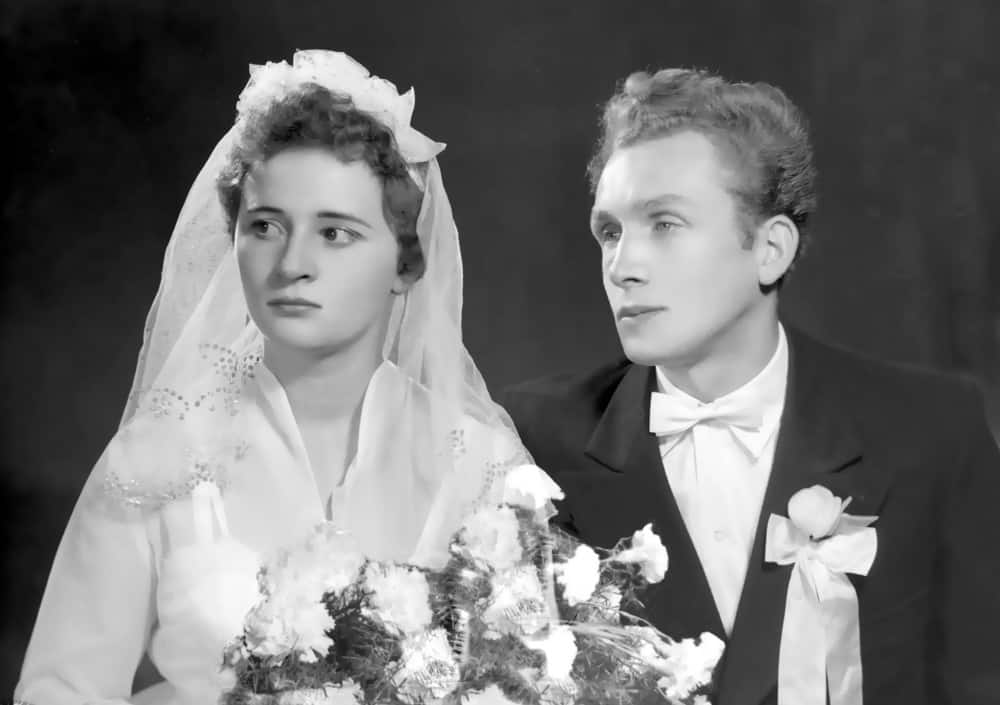
If you were a woman, you might lose your job after getting married. Employers and local school boards used policies called marriage bars to fire female employees after they wed or refused to hire a woman if she was already married. Teachers and white-collar office workers were among those fired or denied jobs.
Marriage bars were designed with the idea that a woman’s husband should support her, and she shouldn’t take a job that could go to another person. Marriage bars weren’t passed into law across the country. However, economist Claudia Goldin’s research revealed that hundreds of school boards and more than half of office workers were affected.
Dressing around wartime rules
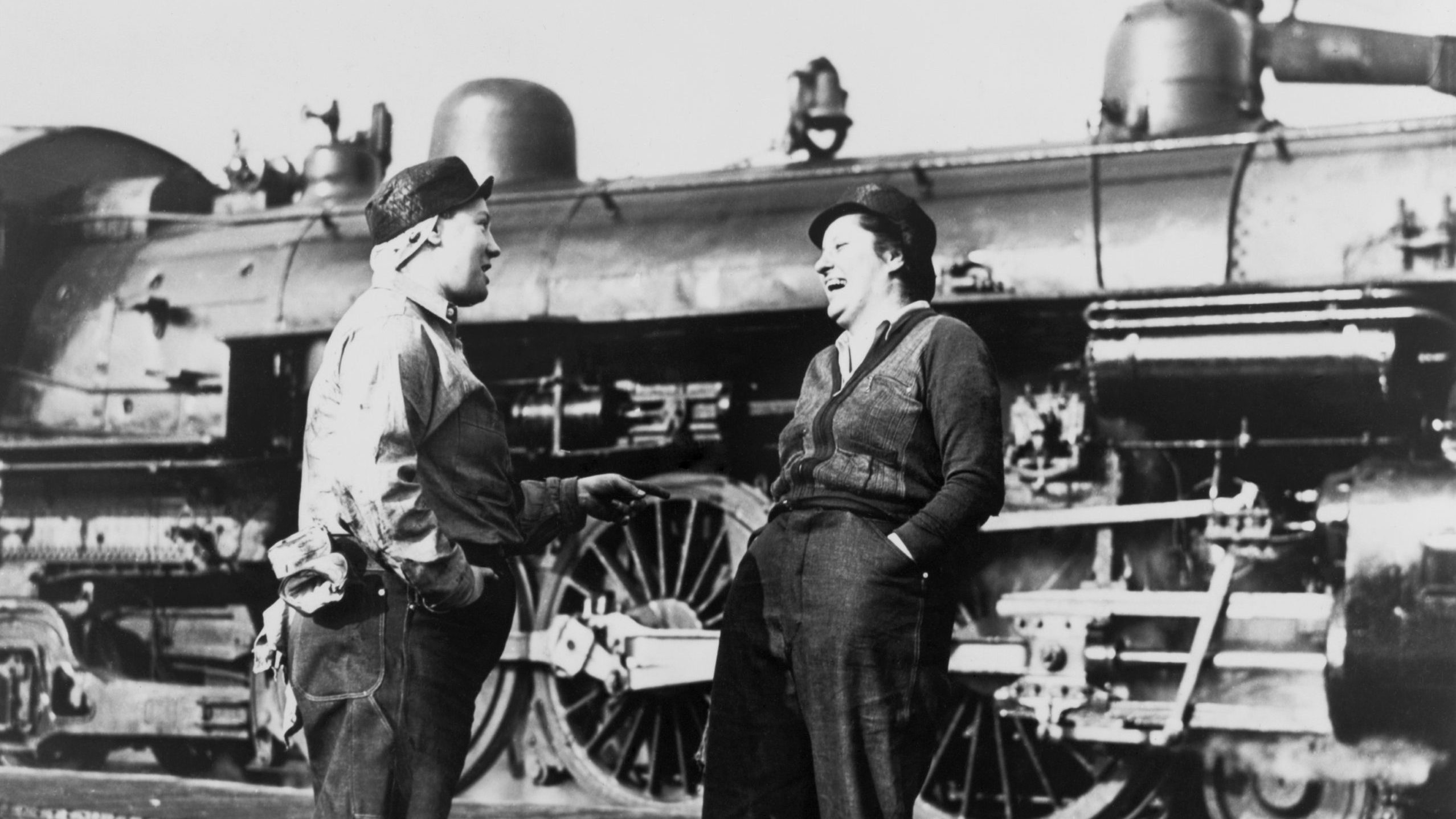
World War II left its mark even on what women wore. They faced government restrictions on fabric and materials needed for wartime production. Some design features were banned outright, and the goal was to push manufacturers to use materials more sparingly.
Women patched up old clothes, re-wore them, or found alternatives. Instead of the glamorous image the papers promoted, women on factory floors sometimes showed up in trousers, work shirts, and headscarves.
What stands out about this trend is that even everyday clothing fell under wartime production regulations. The rules governed how much fabric could be used in a skirt.
Serving in separate military units

Image Credit: Shutterstock.Women interested in fighting for America could enlist in the Women’s Army Corps (WAC) and WAVES, the women’s division of the Navy. Though they served jobs that were necessary to the war effort, women served separately from men.
Most of the time they were kept out of combat and assigned duties that mirrored the era’s assumptions about women’s work. Women filled necessary positions in areas such as administration, communications, medicine, and more.
Military service broadened opportunities for women in uniform, but serving on the same terms as men was not a choice available to them.
Being forced out for pregnancy

Being pregnant might jeopardize a woman’s employment as well.
Some employers required women to leave their jobs as soon as they became pregnant, keeping them on only until their size made the work unmanageable. Employers had policies like that because they thought women should give up paid labor and start taking care of a home when they became pregnant, rather than continuing to work.
Policies varied depending on the employer and type of job, but pregnancy could create workplace problems for women who worked. Only with the Pregnancy Discrimination Act of 1978 did federal law finally prohibit pregnancy discrimination.
Making less money than men

Women who worked in the 1940s had limited opportunities to earn equal wages with men. Many employers kept separate pay scales for men and women, even when women were doing the same work.
They justified paying women less by saying that men had families to support while women just wanted salaries “for pin money.” In fact, many women needed their salaries to support themselves or their children or other relatives.
Equal-pay protests continued through World War II, but America wouldn’t pass a federal Equal Pay Act until 1963.
Having to give up war jobs

American employers responded to government campaigns encouraging women to fill jobs left open by those who went off to join the armed forces. However, many did not believe women should have these jobs at all.
Women were supposed to occupy these positions only while the conflict continued. With the war ending and servicemen returning from overseas, women were expected to give up their places so men could have them back.
Some women lost their jobs after the war. Others discovered that the higher-paying work they had learned during the war was unavailable to them. Society might cheer a woman for doing a man’s work when an emergency demanded it. And once the crisis was over, she was supposed to step aside again.
Being denied jury service
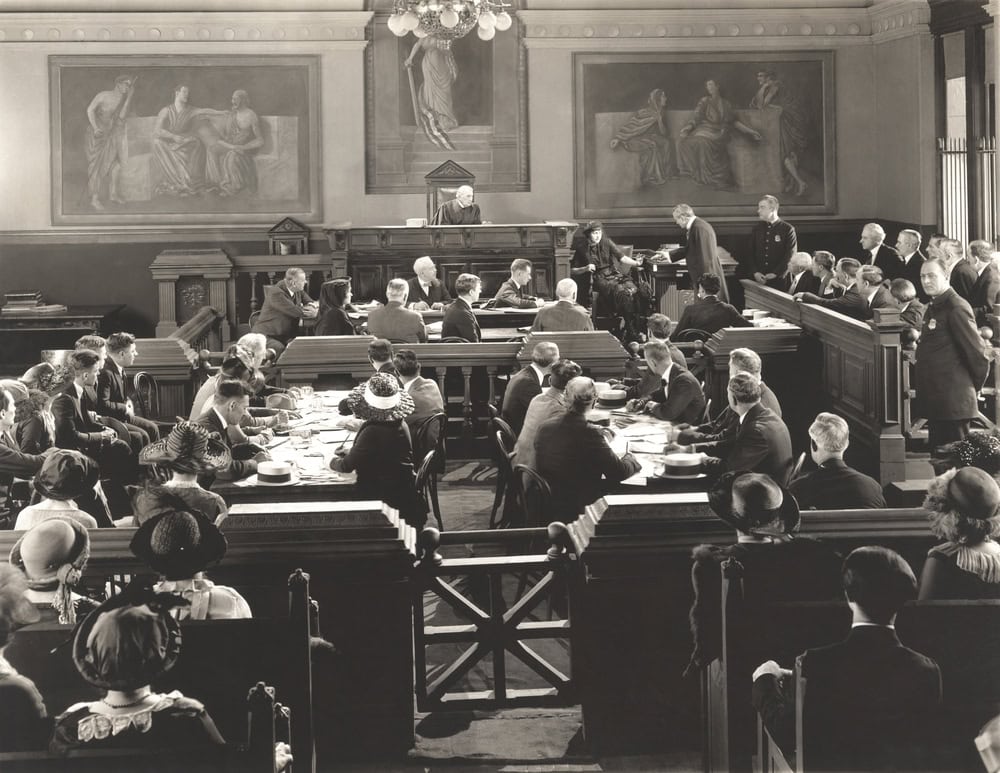
While men could serve on juries, women were not allowed the same privilege in large areas of the country. In sixteen states, women remained officially ineligible for jury service as late as 1947, while unofficial barriers in other states had much the same effect.
Reasons for jury exclusion were based on ideas that women were too emotional to make rational decisions about the law or that serving on a jury would take women away from their primary duty to care for their families. Women criminals could therefore be put on trial in front of all-male juries.
Women’s chances to serve on juries expanded little by little, and advocates for equality continued their efforts to get women on juries well past the 19th century.
Gendered divorce expectations
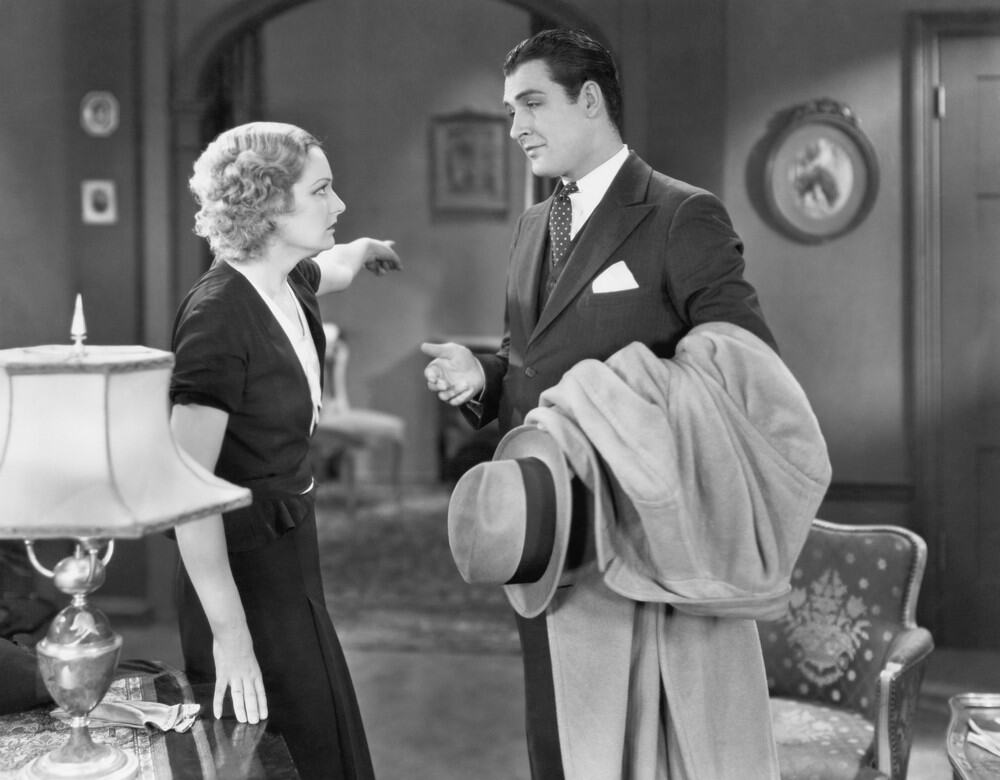
Divorce could affect women and men in very different ways. While women might face consequences from courts and their communities for extramarital affairs or neglected household duties, men often escaped blame for identical conduct.
One woman’s extramarital affairs could factor into how a court judged her character, financial award, or parental rights. Still, choosing divorce or being shown to have committed adultery did not automatically cost women custody; courts decided based on what seemed right given the circumstances and state laws.
What mattered was that expectations differed between the sexes, and that difference could influence how a woman’s conduct was assessed during a conflict.
A degree wasn’t always a career

College didn’t always signal an expectation of lifetime employment for women. Even as young women were encouraged to go to college in postwar America, they were also bombarded with messages that marriage and child-rearing were equally important pursuits.
According to the University of Delaware’s history of women students, women in the class of 1946 withdrew their vocational counseling applications as soon as they became engaged. Many women worked, of course. Still, the belief that marriage was where every woman would ultimately land could hold some of them back from aiming higher.
Needing a man for credit
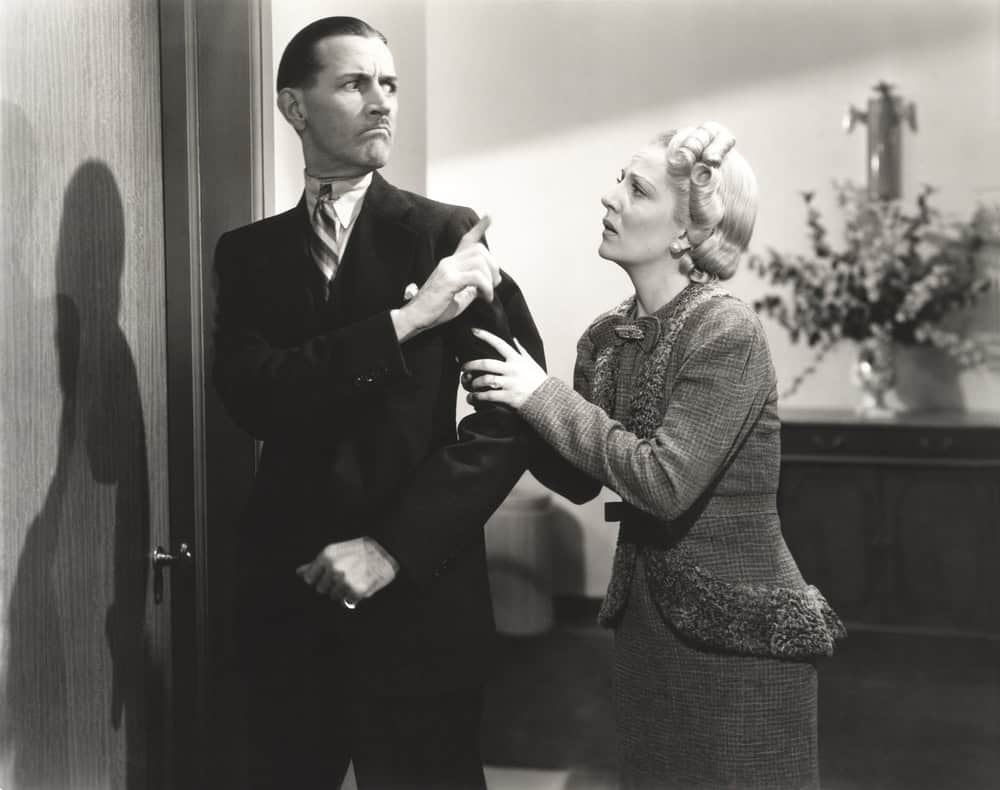
Women could work and earn money on their own but face discrimination when trying to borrow money.
Lenders often had different standards for women, especially married women. When processing credit applications, some women were asked to provide a husband’s or other male signature. Like marital status rules, credit practices also varied from one location and lender to the next.
Saying that every woman needed a man to sign her every account would be absurd, but equal access to credit was hardly a given. The federal Equal Credit Opportunity Act didn’t pass until 1974. The law barred lenders from denying credit based on a person’s sex or marital status.
Endless housework
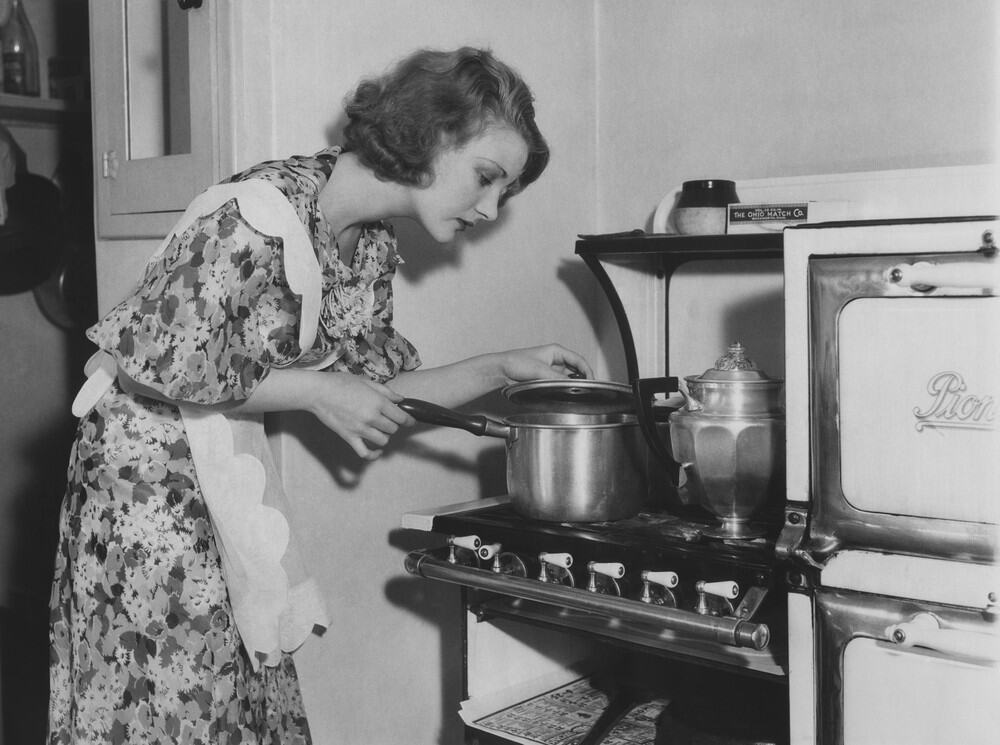
When women clocked out from their paid employment during the 1940s, they still had the job of feeding the family, cleaning the house and washing clothing. Adding to that was childcare. Husbands may have pitched in, but housework was considered women’s work.
Research into home life in America reveals the extent to which housework was treated as a woman’s domain during this period. Accounts of American women in factories also reveal how they struggled to keep up with the demands of paid labor and family duties at the same time.
This was not necessarily the case in every home but a working woman could feel as if she had two full-time jobs, one paid and one unpaid at home.
Sources: Please see here for a complete listing of all sources that were consulted in the preparation of this article.
Like our content? Be sure to follow us.
Ten frugal living habits from the 1940s and 50s that are making a quiet comeback

Frugal living used to involve a lot of interesting habits, and it turns out some of the best ones are making a comeback from the 1940s and ‘50s.
Ten frugal living habits from the 1940s and 50s that are making a quiet comeback

