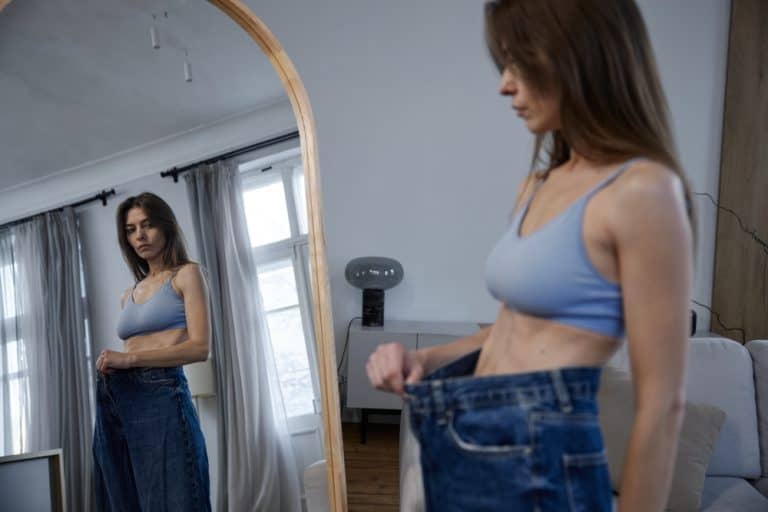

People might’ve called the past ‘the good old days,’ but those decades had their fair share of questionable trends that seem terrible today.
The fashionable face of the 1990s
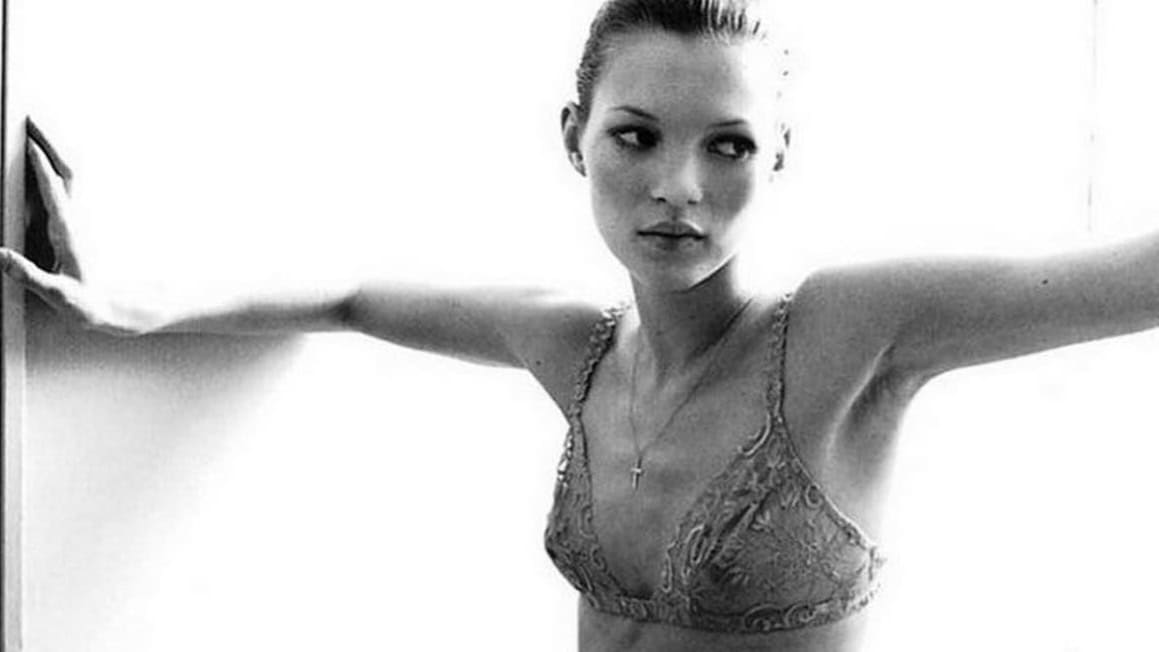
Anyone who wanted to get into fashion during the 1990s was practically required to starve themselves. It was part of something called ‘heroin chic.’ The trend was for models to have pale skin, dark circles under their eyes, and extremely thin bodies.
Kate Moss was the most famous face with this particular look. She appeared in numerous advertising campaigns, in a way that made looking almost sick seem like something fashionable. It’s kind of shocking that these sorts of images were ever allowed to be printed.
The kitchen cupboard diet

Even normal people followed some awful diet trends during the 1990s. One of them was the cabbage soup diet, which involved eating cabbage soup every day for an entire week. It was supposed to help you lose weight very quickly.
The grapefruit diet was another dangerous weight-loss trend, with some versions restricting people to just 800 calories per day. To nobody’s surprise, nutritionists were against these trends. They warned that these trends could leave people without important nutrients and cause major health issues.
Lighting up instead of eating
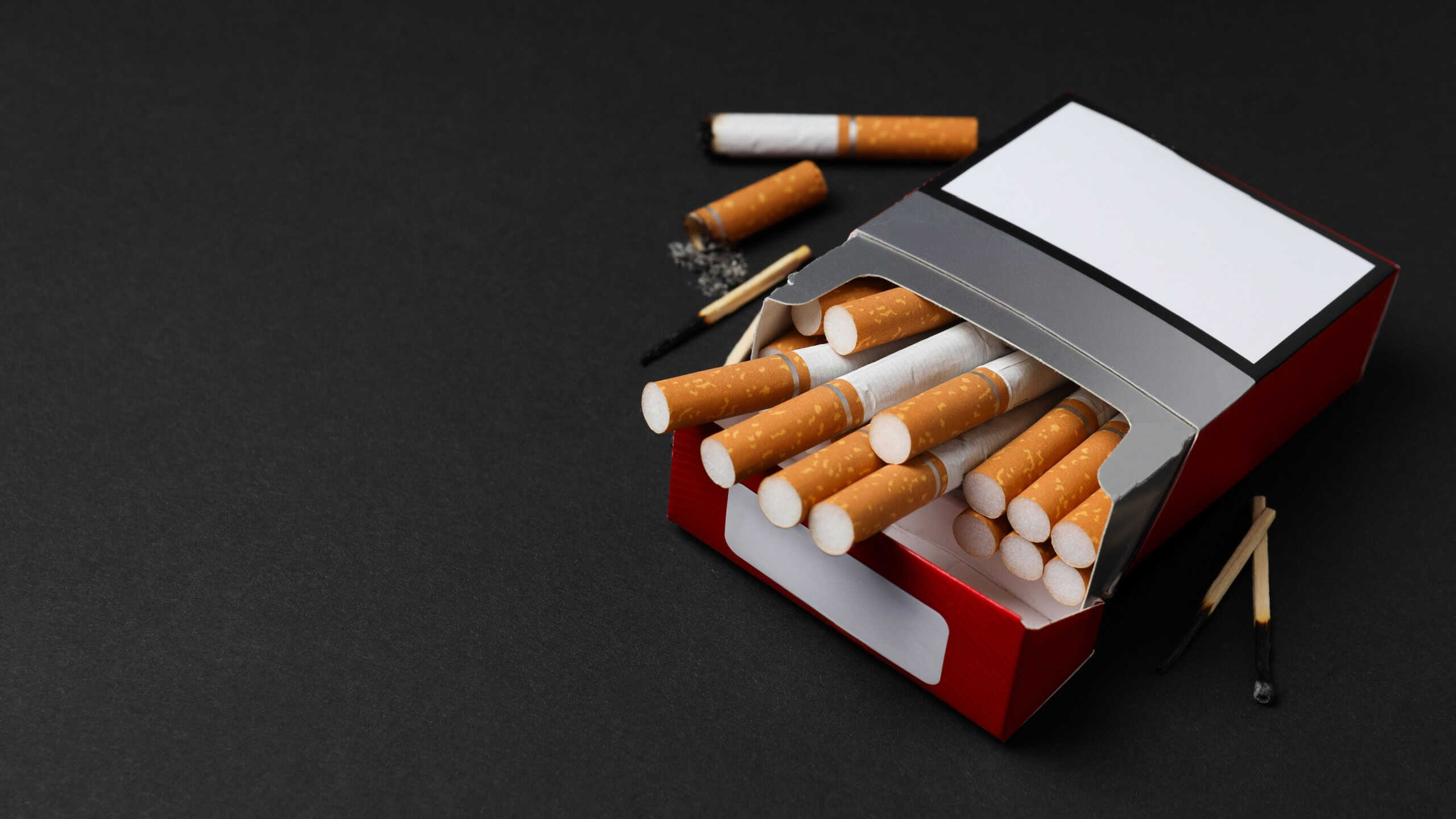
There was one thing you used to see in many cigarette advertisements. Companies like Lucky Strike would encourage women to smoke whenever they wanted something sweet. Yes, the cigarette manufacturer said cigarettes were a way to stay slim. The advertising campaign worked.
The thing is, though, we know today that smoking causes major issues like lung cancer and heart disease. Cigarette companies didn’t care, however. They sold cigarettes as something that could help women maintain their figures, and such adverts likely cost many women’s lives.
The year-round golden look

If you had a tan in the middle of December, it used to be a bit of a status symbol. Tanning salons made it very easy to achieve that kind of look. Many people used tanning beds between the 1980s and 1990s to get that bronzed look throughout the year.
There were even some salons that suggested that artificial tanning was safer than lying outside in the sun. Yes, really. The truth was completely different, as tanning beds expose people to dangerous amounts of ultraviolet radiation. What was once a convenient beauty treatment is now seen as the serious health risk that it actually is.
A slippery summer ritual

Not everyone tanned inside, of course. During the 1960s, 1970s, and 1980s, many sunbathers were more interested in covering themselves with baby oil than lathering themselves with sunscreen. They wanted to get as dark a tan as possible.
Some people took it even further by adding iodine to the mixture. Sure, baby oil made their skin shinier, but it didn’t help with harmful ultraviolet rays whatsoever, and all those hours in the sun could cause serious issues. Lasting skin damage and an increased risk of skin cancer were pretty common.
The lighter, the better
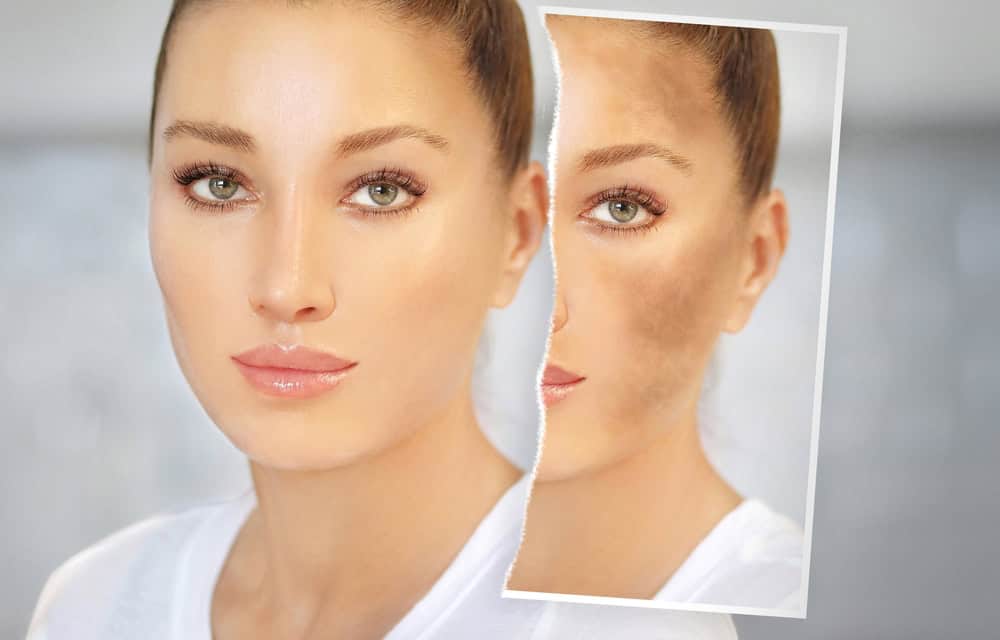
It’s kind of ironic. Beauty companies encouraged people to tan while also convincing people that it was worth paying to have lighter skin. Skin-lightening creams claimed in commercials that they’d make darker complexions several shades lighter. They didn’t mention the dark side to the products, though.
Some of these products contained dangerous chemicals like mercury or hydroquinone. These can damage the kidneys and nervous system, especially after repeated use. Physical risks aside, there’s also the fact that companies encouraged people to literally change their skin color to fit a certain beauty image. That’s just not right.
The wildest spring break

During the early 2000s, it was normal to see endless advertisements for Girls Gone Wild on late-night television. The company made a fortune selling videos of young women behaving provocatively at spring break parties and other events. It actually became a trend for some women to be part of the videos.
While the advertisements made it all look like one big party, the reality was very different behind the scenes. The company commercially released some DVDs that contained explicit footage with underage performers, leading to $2.1 million in fines. That’s not the carefree image the videos made it seem like.
Making humiliation into entertainment

Reality television used to be determined to make contestants as uncomfortable as possible. Just look a><Fear Factor, fore, which featured people eating disgusting things. The Swan took things much further by having women go through extensive cosmetic surgery. They’d then compete in a beauty pageant.
The idea of humiliating contestants on reality shows was the norm during the 2000s, and nobody really questioned it back then. You’d never be allowed to make these kinds of shows today. We recognize how harmful they actually are.
An especially invasive camera angle

A truly nasty 2000s trend was the upskirt shot. It was what it sounds like. Paparazzi would crouch beside vehicles and try to photograph underneath female celebrities’ skirts as they walked past or exited cars. Some of the most common targets were Britney Spears, Paris Hilton, and Lindsay Lohan.
Upskirt shots became such a normal part of celebrity coverage that some people kind of expected these pictures to appear. They didn’t care that the women hadn’t agreed to be photographed that way. Their accidental exposure was entertainment anyway.
The festival fashion mistake

Festivalgoers during the 2000s and early 2010s often wore one particular item of clothing. They’d put on Native American war bonnets. To them, these items were just another fun accessory to pair with their outfits, and several fashion brands got on board with the trend, too.
But these headdresses weren’t all that harmless. No, they hold important ceremonial and cultural meaning for certain Indigenous communities. They’re not party costumes. Wearing them without permission is actually quite offensive for certain groups.
Waiting for a birthday
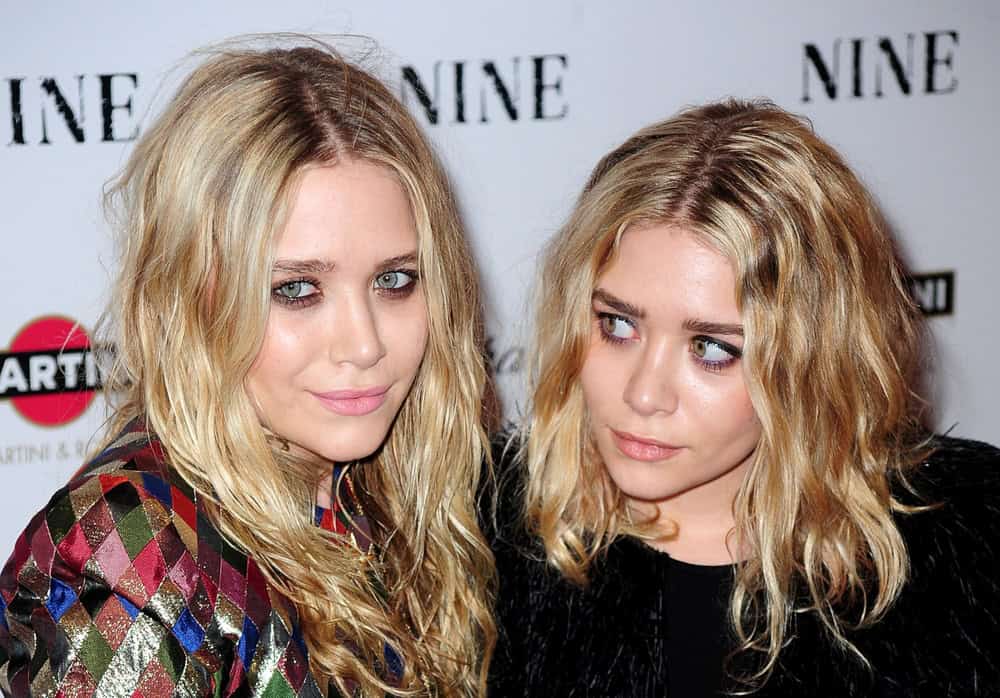
June 13, 2004, was the day that actresses Mary-Kate and Ashley Olsen turned 18. What should’ve been a normal birthday was something much worse. Several websites had countdowns running that counted down the minutes until the twins became legal adults.
There were several newspapers and radio personalities that joined in, too. It was a trend to countdown when child stars would become of age, and it was a genuine part of early inteusting today.
The college dorm invasion
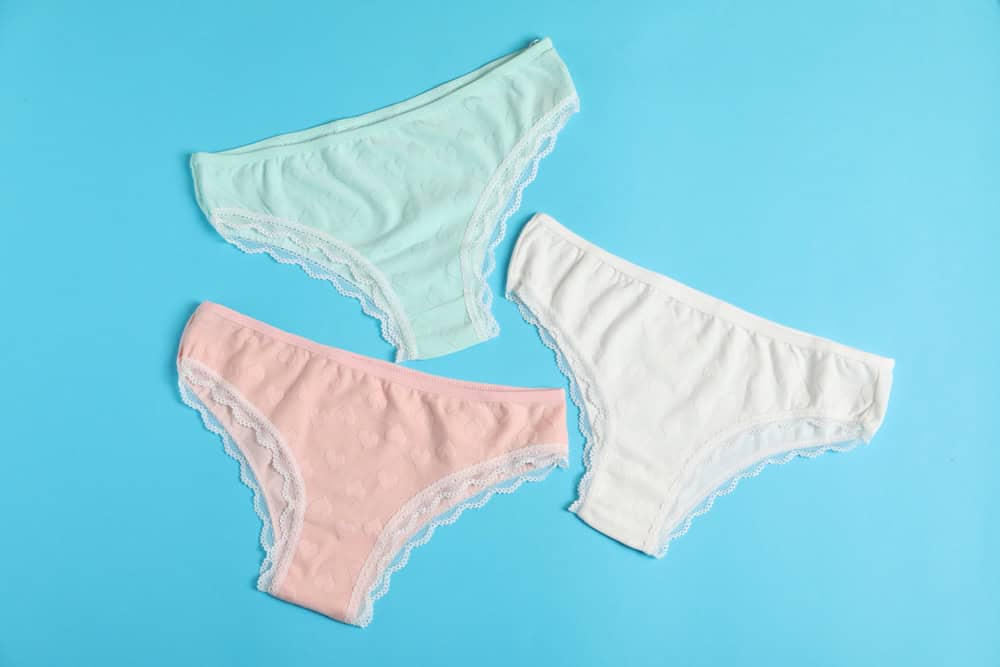
Panty raids are one of the older toxic trends. In 1952, thousands of male students marched toward women’s dormitories at the University of Pennsylvania. The male students wanted to steal the women’s underwear. It was a trend that, as creepy as it sounds, spread across 52 colleges and universities.
These weren’t harmless pranks, however. Some cases at Penn involved men smashing windows and damaging property, with one nursing student ending up in the hospital. A cherry bomb exploded inside her dormitory. All that for a college prank.
Sources: Please see here for a complete listing of all sources that were consulted in the preparation of this article.
15 strangest beauty trends throughout history
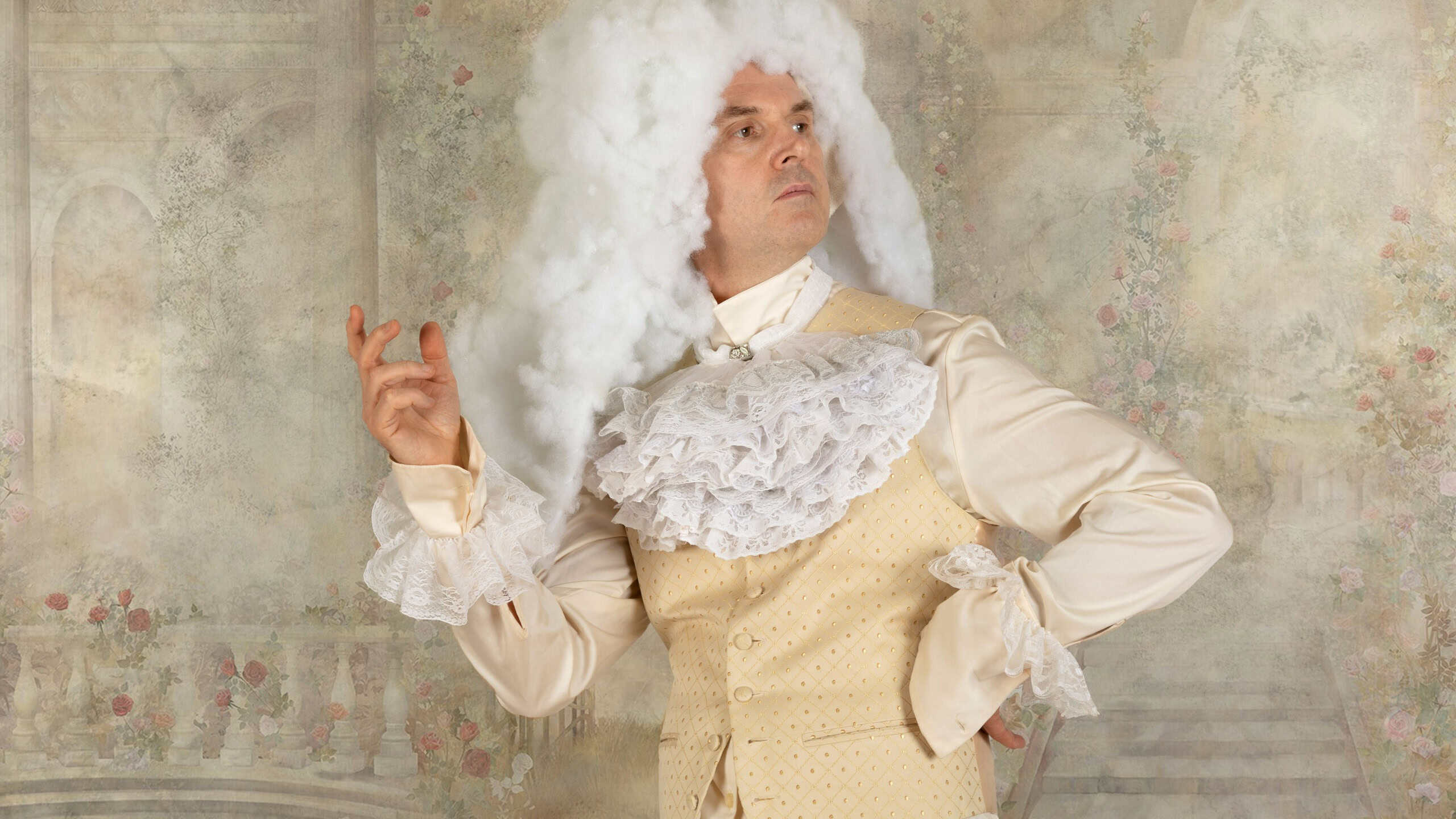
Modern-day beauty routines might seem stressful, but they’re nothing compared to the ones in the past that could be strange, or even downright deadly.
15 strangest beauty trends throughout history
