

In the ’70s, we all had to plan our own road trips without the luxury of an on-screen map to tell us when and where to turn. We used paper maps, guessed, shared the responsibility, and didn’t sweat if we got lost.
We spoke with a group of people who remember those days perfectly well. Here are 14 navigation traditions that once defined the trip’s overall experience.
Arguing when missing a turn

The moment someone missed a turn, arguments would ensue. “You gave the wrong instructions!” “No, I said turn here, I did not miss it!” The car would get farther and farther from where it should have been. Voices got louder and louder. No calm voice of a GPS to mediate.
Memorizing and following landmarks, rather than street names

Landmarks, not street names, helped people remember directions. “Turn after the big red barn.” “Left at the church.” If the landmark had been removed or had changed in any way, confusion reigned. But the little details made the journey more personal.
Pulling the car over to the side of the road to check direction signboards
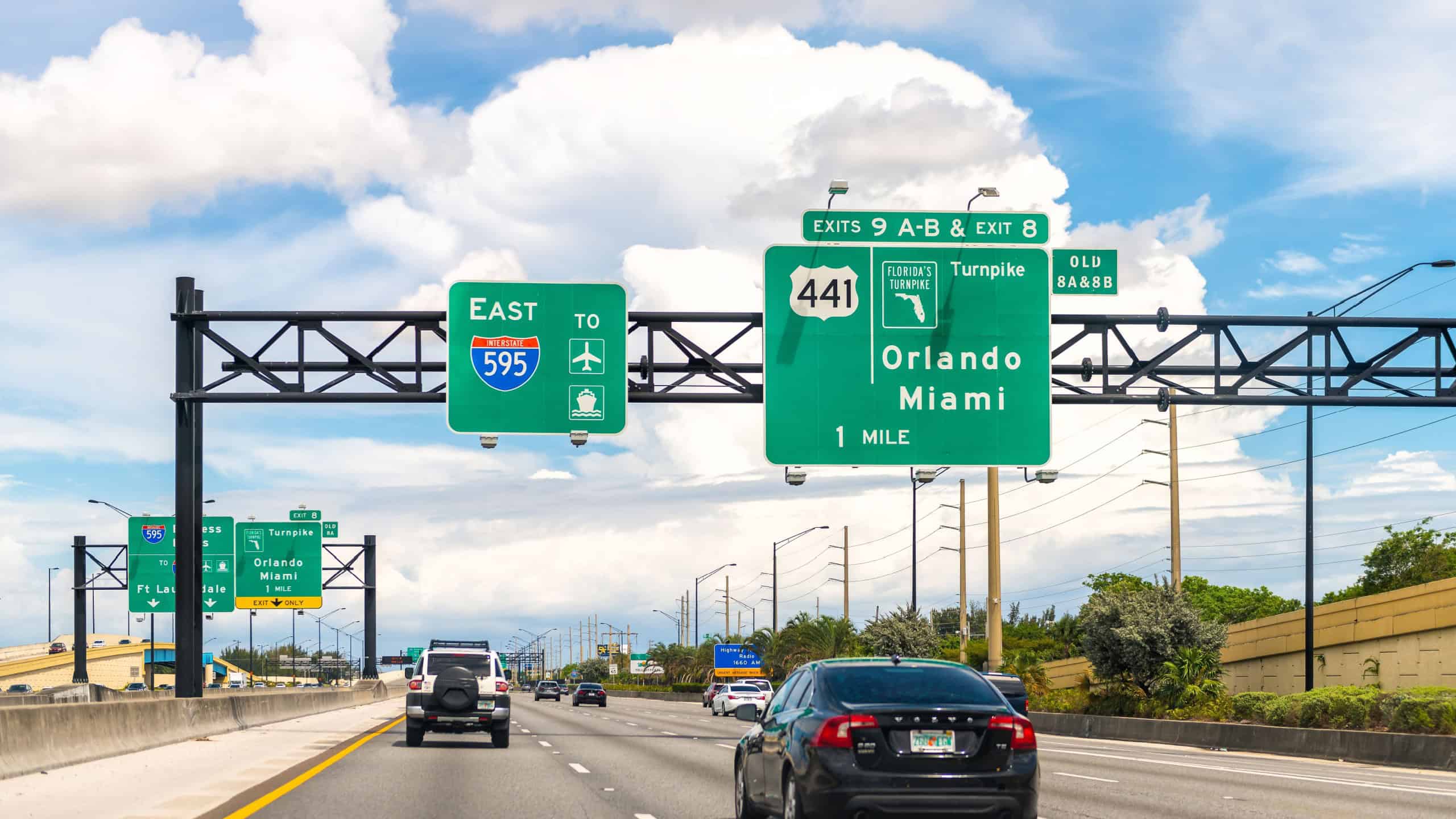
Drivers often slowed down and pulled to the side of the road to scrutinize highway signboards. The driver may even have gotten out of the car to get a better look at the arrows. No one wanted to make a wrong turn and realize 30 minutes later. It was all part of the travel experience.
Jotting down directions on a piece of paper before setting out

Travelers often jotted down directions on a tiny piece of paper before leaving home. It was folded and unfolded countless times during the journey. If it would get lost or blown away, panic ensued. It was more important than snacks or music on the trip.
Planning rest, food, and fuel stops well ahead of time

Road trips involved a lot of planning way before the car left the driveway. Families had to decide beforehand where they would stop for food, rest, and gas. Changes to those plans resulted in great stress and confusion. There was no quick online search for the nearest one.
Tuning into radio stations to get a sense of location

Drivers often got a rough idea of their location by the radio stations they could pick up. Listening to a station fade in and out meant they were in a new region or moving away from home. Hearing a familiar station come in gave people a comforting feeling of home. Losing a station, on the other hand, made people feel more lost. Radio became an unconscious navigational aid as well as entertainment.
Tracking distance by time, not miles

Distance was measured in hours, not miles or kilometers. “It’s a two-hour drive” was more common than “120 miles away.” The hours were real and more comprehensible to the mind. It also made long drives somehow seem less daunting.
Being extremely averse to making U-turns

Drivers went to great lengths to avoid U-turns on road trips. Pride mattered more than efficiency at that point. Sometimes they would turn off and drive for miles out of the way to keep going forward. Eventually, they would surrender and make a U-turn.
Having one person as the dedicated navigator

On most road trips in the ’70s, one person in the car was officially responsible for the directions. Sitting in the front seat, the map would be open, calling out turns and exits as they could. They would have to stay awake for the whole time, because missing one sign could ruin the whole trip. If the car ended up going the wrong way, everyone generally blamed the navigator.
Reading printed travel guides

Families with a car sometimes had printed travel guides or little books that listed towns, attractions, and places to stay. These were read during stops or slowly driven through new areas. Travel information was sparse, so choosing stops was made with care. If it looked different from the book, there was no way to verify changes. Travel became a slower, more considered process.
Getting lost and accidentally finding new places along the way

Getting lost was part of the experience of road trips in the ’70s. When a wrong turn was made, there was no fast way to undo the error so families usually kept driving. This often led them into small towns, quiet back roads, or scenic areas they would not otherwise have seen; local diners, parks, viewpoints, etc. Accidental discoveries were often the highlight of the journey. Today’s routes are efficient, but lack magic.
Pulling over to check directions

People stopped the car often to recheck the directions from the map. Everyone leaned over the map, together. Drivers waited while the navigator figured out where to go. Passing cars zoomed by without a care in the world. It was a slow process, but completely normal.
Trusting local people more than official maps

Many drivers trusted local people over and above printed maps. If someone from the area gave directions, you believed them. They knew a lot about road conditions, construction, and even shortcuts. Even if a map contradicted, the local word won. Comfort was found in asking real, breathing people.
Memorizing a list of turns in one’s mind

Drivers memorized an entire list of turns and exits in their heads before leaving. They would repeat it over and over silently as they drove to make sure they did not forget. Missing a turn often resulted in confusion or loss of knowledge of where to go next. It required attention, patience, and memory.
Like our content? Be sure to follow us.

