

Our polite habits are supposed to make life easier, but they actually end up annoying the people around us more than we expect.
The doorway dance

It starts sweet. One person tells the other that they should go first, and that other person responds that the original person should go. It’s fine one time. But then it becomes a major traffic issue that stops anyone from going anywhere for a few minutes. Kind of pointless.
The person being ‘honored’ with the choice to go first probably doesn’t feel honored at all. All they want to do is walk through the door. But no, apparently, it’s got to be a whole thing instead.
The generous scoop

A huge serving on a plate is meant to be polite, and it’s meant to show that someone really cares about you. They don’t want you to feel hungry. However, it often comes across as more of a challenge than anything.
There’s no easy way of reacting to half a pan of lasagna on your plate. Eating it all would make you seem greedy, while leaving some behind would make you seem uncaring. You can’t win.
A little too much

‘Sorry’ is meant to be a good word. It fixes things and softens things, until someone keeps saying it every twelve seconds. ‘Sorry, can I ask?’ ‘Sorry, I’m standing here.’ They’re basically apologizing for existing, and that gets really tiring, in all honesty.
It also makes every apology seem like it’s not actually genuine. You can’t trust someone who keeps saying sorry because, really, how do you know when they actually mean it? That’s the thing. You don’t.
The safe little laugh

A polite laugh can be enough to save a strange joke because, really, nobody wants to sit in awkward silence after they’ve told a joke. However, laughing at everything is something different. Being ‘polite’ and laughing after each comment someone makes feels uneasy.
You start asking yourself if what you said was really funny. Are these just pity laughs? It stops feeling like someone’s being friendly, and it comes across a lot more like they feel sorry for you. That’s not exactly a nice feeling.
The unnecessary cushion
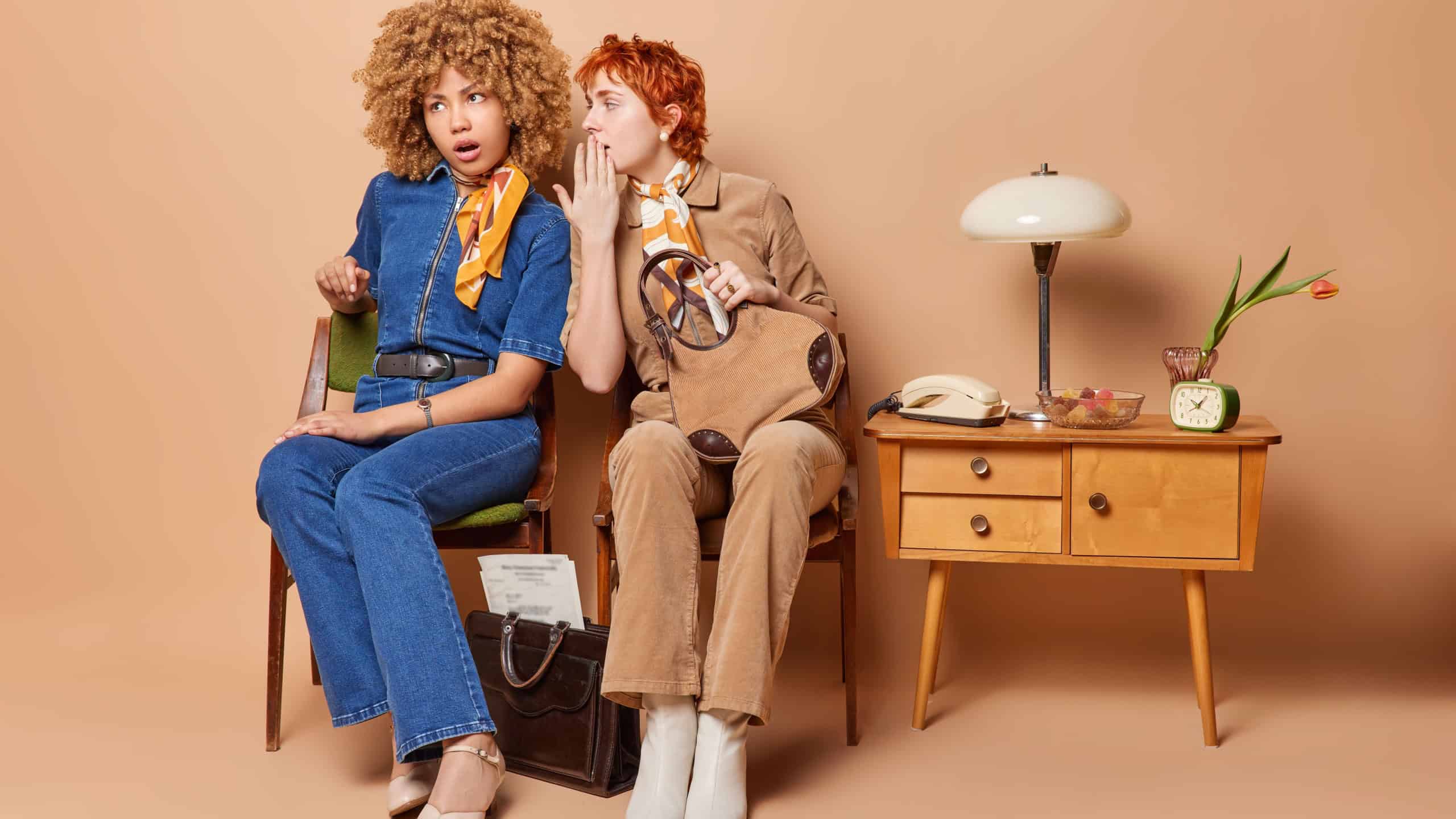
Sure, some kindness helps when someone messes up, we’re not arguing with that. But being treated like a child when you make a mistake? That gets pretty uncomfortable, pretty quickly. People start whispering and avoiding jokes because they’re worried you’ll crack.
They’re trying to be polite. However, a lot of us would prefer other people to act normally. We’d like them to stop treating a mistake like a memorial service and act like it was something ordinary.
The name loop

There are some people who keep using other people’s names during a conversation. They think they’re being kind. They might be showing they’re present in the conversation, yes, but there’s a limit to using a name. Using a person’s name all the time makes you feel watched.
It’s almost like the other person’s managing you, or maybe that they’re trying to sell something instead. We all like being remembered. We don’t like getting proof of that every thirty seconds, and it genuinely feels like overkill.
The someday line

People say it all the time. ‘We should catch up sometime.’ But in reality, we all know that nothing’s actually going to come of it, no date, and no time. It’s a sentence that means absolutely nothing. That’s why people hate it.
It also leaves the listener in an awkward position because they don’t know what to do. Should they smile and follow up? Should they treat it like a real plan? Both people understand nobody’s going to send a text to arrange anything.
The final bite

It doesn’t matter whether it’s the last slice of pizza or the last piece of brownie. You can guarantee someone’s going to act thoughtfully and offer the last one. It doesn’t take long before they offer it again, and again, and again.
The problem is, everyone feels weird after the food’s been offered to them. They look greedy if they take it, and if they don’t, it just sits there, uneaten. Eat it yourself or leave it alone, don’t make it into something else.
The compliment bounce

What could be wrong with giving compliments? Nothing, really. It’s the person who rejects them that’s the issue. They’re trying to be polite by acting like they don’t agree with the compliment. Now, the giver’s got to defend what they said.
They’ve got to keep proving that they meant what they said, and doing that repeatedly gets really tiring. It’s simpler to just say ‘thank you’ when someone compliments you. It might not be as polite, but it cuts down on a lot of the nonsense.
The thank-you pileup

We all like to be thanked for doing our jobs, and we all appreciate being treated like genuine humans. People who work in retail or the service industry really understand that. But over-thanking is when things get awkward.
Having someone tell you how much they appreciate you doing something for them is annoying. You’ve got to keep smiling through the whole thing. Show your gratitude once, maybe twice, but leave it at that.
The endless loan

‘Keep it as long as you need.’ People say it all the time to sound like they’re being generous, but in all honesty, it makes things weird for the borrower. They have no idea what it means. Is it okay for them to hold on to the book for two days or two weeks?
Should they dry-clean the jacket before returning it? There’s no clarity, and it’d be a lot better if the giver were clear about what they wanted. A little limit doesn’t have to be a bad thing or anything.
The pretend menu

The pretend choice is annoying because, well, it’s pretend. It’s the fake choice where someone says, ‘Do you mind if we leave now?’ while having the keys in their hand and knowing that you do actually mind.
It forces the other person to pretend like they don’t care. They do. It’d be better if everyone were just upfront and honest about what they actually want. It’d save us from having to deal with all those traps, that’s for sure.
The helpful stack
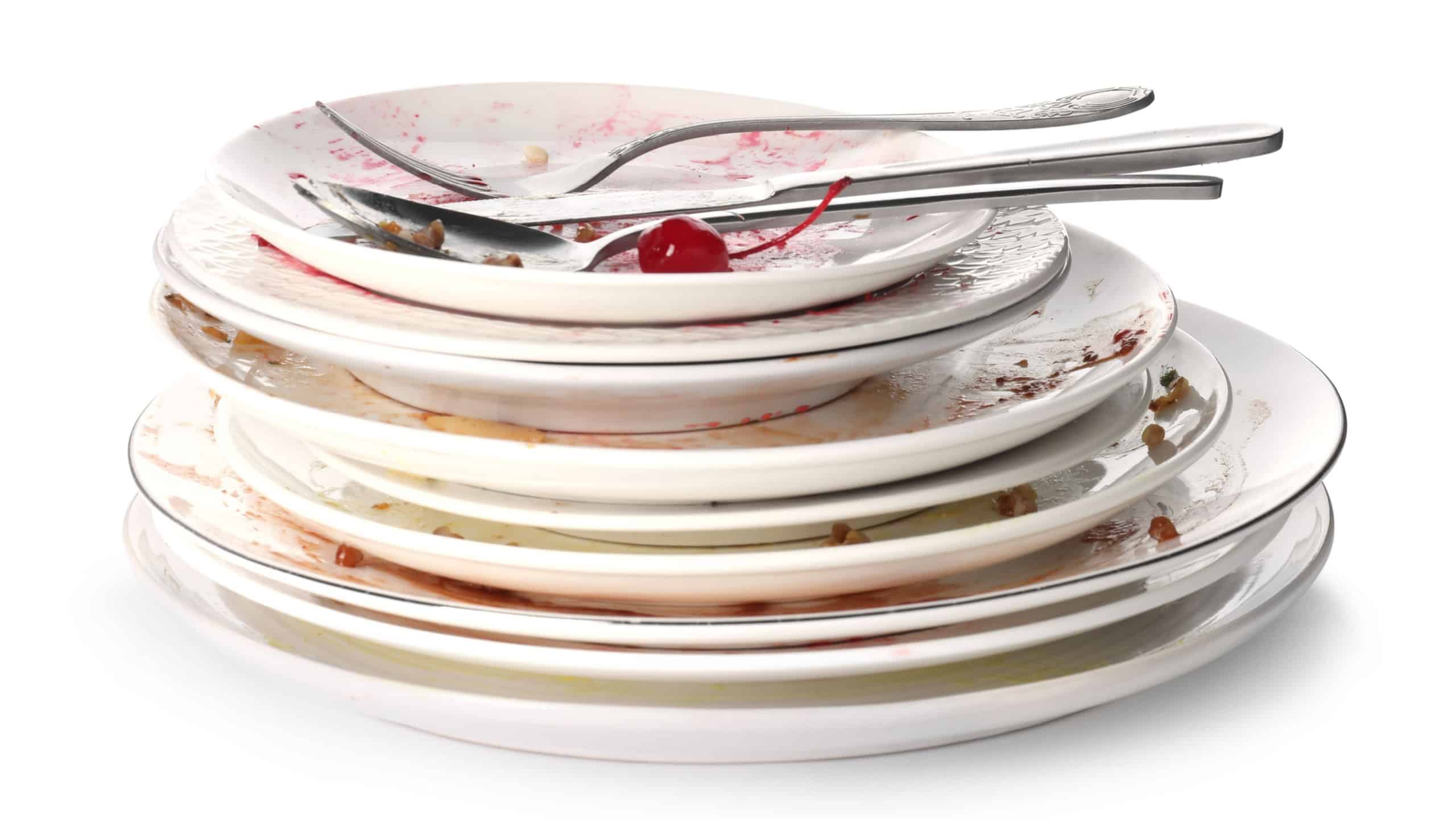
Let’s get one thing straight. The idea of stacking all your silverware and plates after eating at a restaurant is nice. You’re being polite. However, servers usually have a system that they’ve got to follow, and your pile of stuff is probably nothing like it.
They’d prefer guests to put everything closer together on the table, not necessarily stacking each item on top of each other. That’s a kind of politeness that comes off way nicer.
The sudden jacket

Someone who offers their jacket to you is trying to be kind, obviously. It puts you in a weird position, though. Taking it means that you’re wrapped in someone else’s coat and allowing them to be cold. Don’t take it? It’s just as bad.
You might look difficult and kind of ungrateful, which is never a good look. It’s not like someone’s deliberately trying to make things awkward when they offer their coat or jacket. But that’s how it ends up being, anyway.
Sources: Please see here for a complete listing of all sources that were consulted in the preparation of this article.


