You’d think it would be easy to travel the world and bring home a souvenir plant. But the United States’ prohibited plant list is long. After looking through USDA rules and pest alerts, we found out some bans are about protecting native plants, and others are about stopping invasive species or hidden pests from sneaking in. Either way, the list is full of surprises you probably wouldn’t expect.
Featured Image Credit: Shutterstock.
Garlic mustard
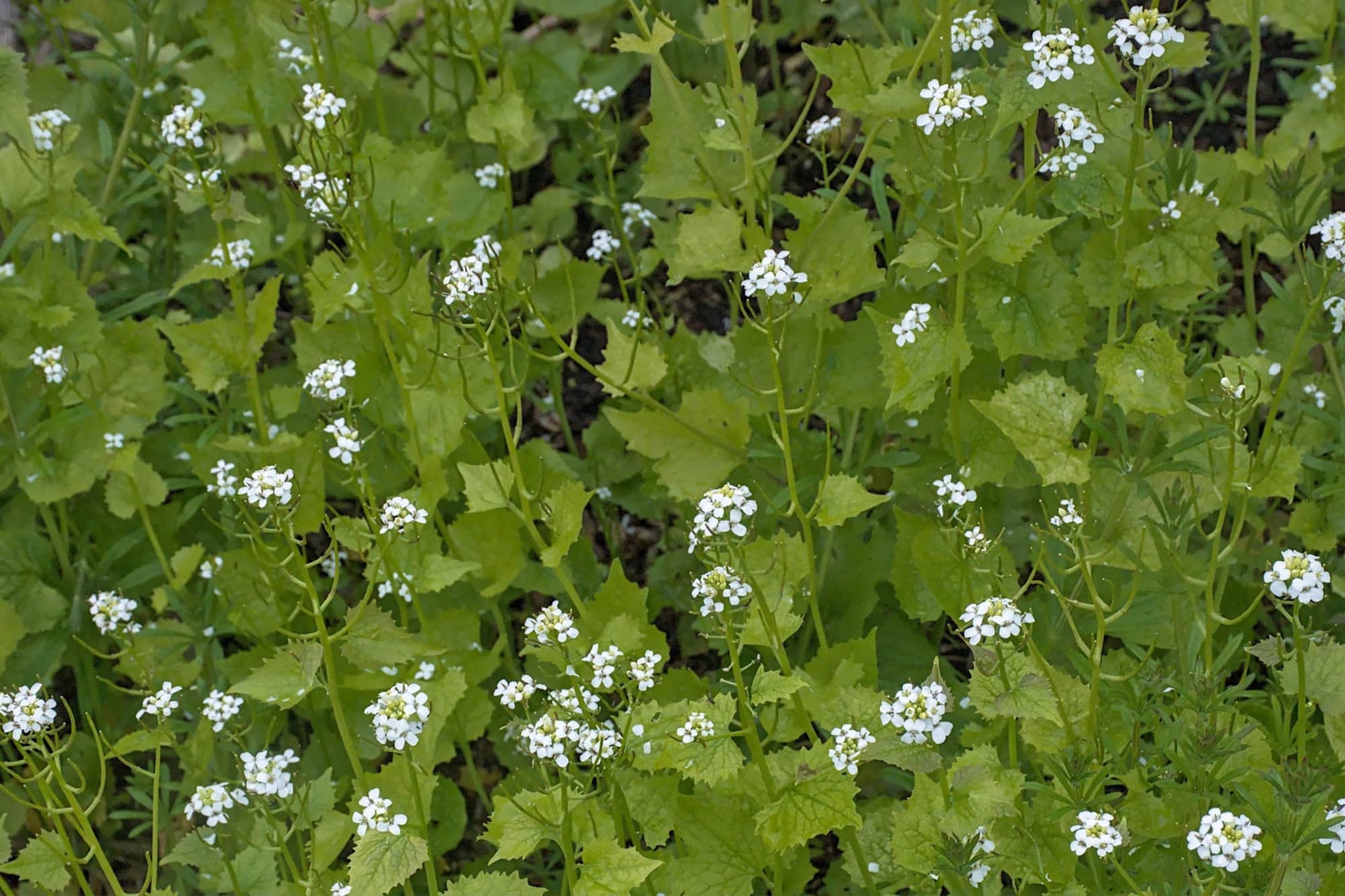
Garlic mustard may sound like a culinary delight, but when you look up its stats on the USDA’s website, it’s clear this leafy, peppery green is an invasive species in the U.S.
Chinese tallow tree

A pretty tree that provides shade? Not exactly. It spreads like wildfire and can take over whole areas, so states like Texas have said “no thanks.”
Berberis (barberry species)
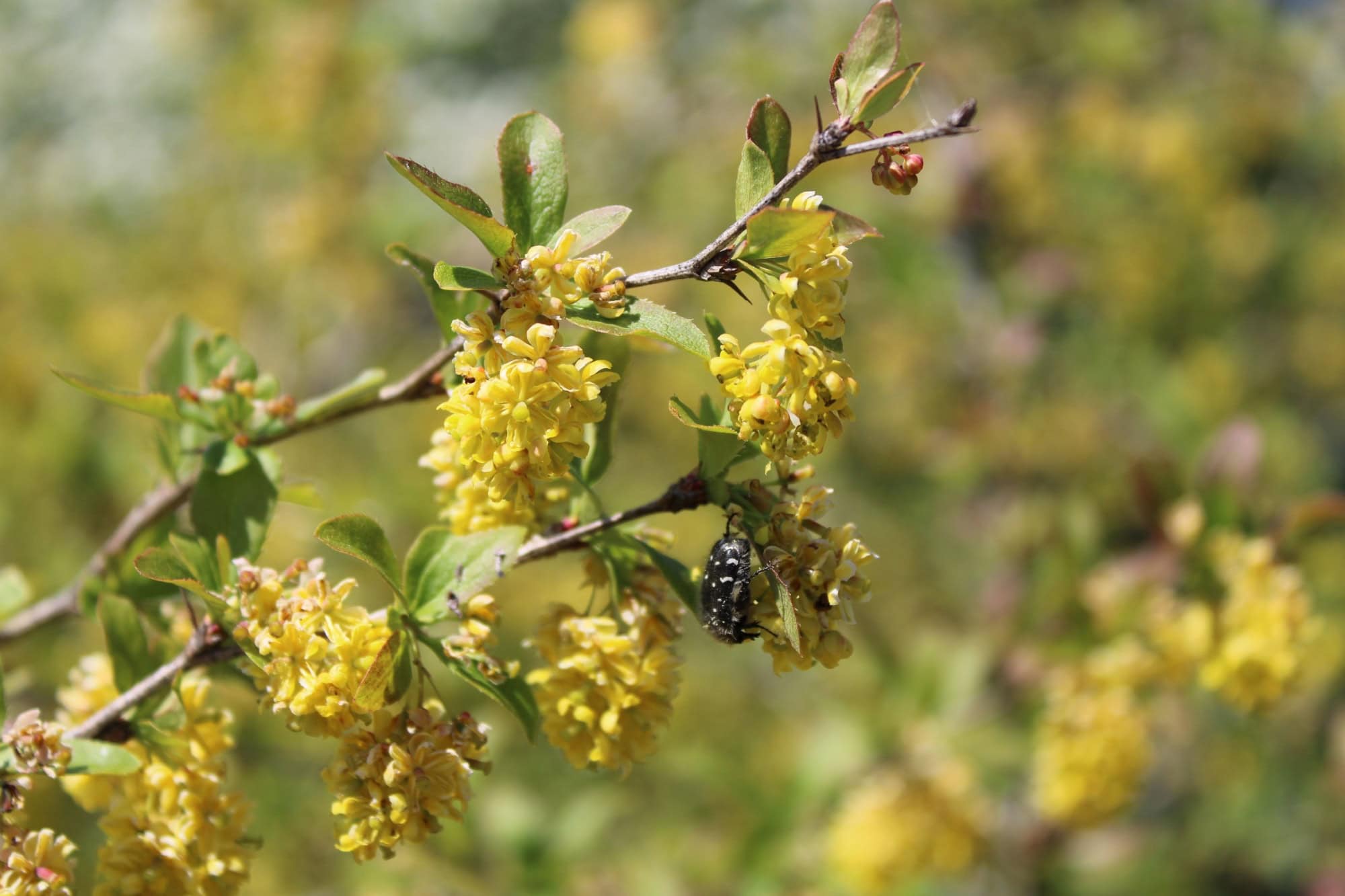
While some barberry species are fine, others carry a fungus that can completely decimate wheat crops. So only some resistant varieties are allowed. But even then, you need official permission.
Brazilian pepper tree

With its pretty red berries, you might not expect this plant to be on the list. But its sap is irritating to the skin and can cause a reaction like poison ivy. It’s also extremely invasive, so it’s banned in many areas for safety and ecological reasons.
Khat
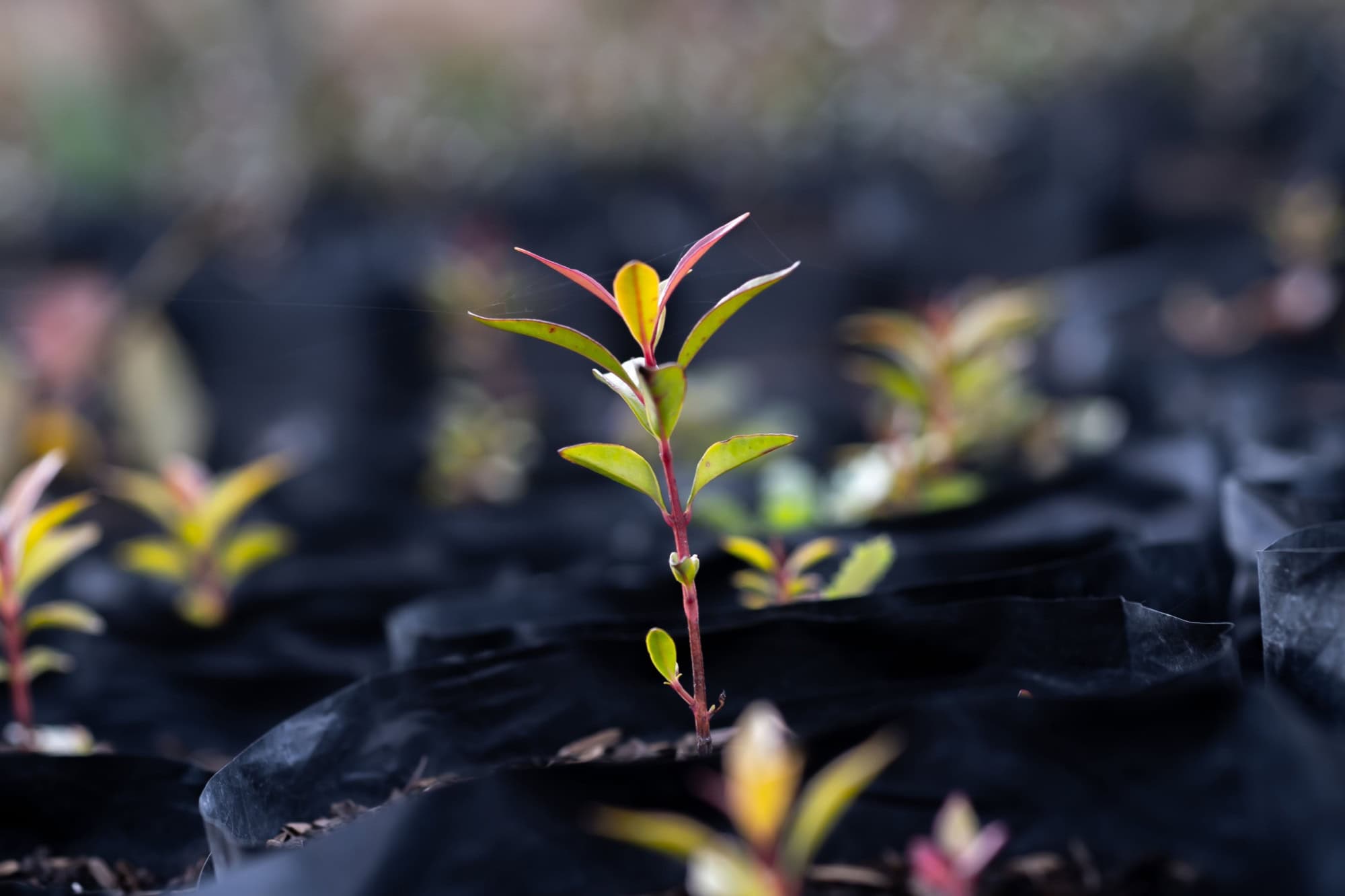
This leafy plant from Africa and the Arabian Peninsula is chewed for a stimulant buzz, but in the U.S., it’s treated like a Schedule I narcotic. Customs officers seize it on sight to keep it from entering the country.
Opium poppy (pods and straw)
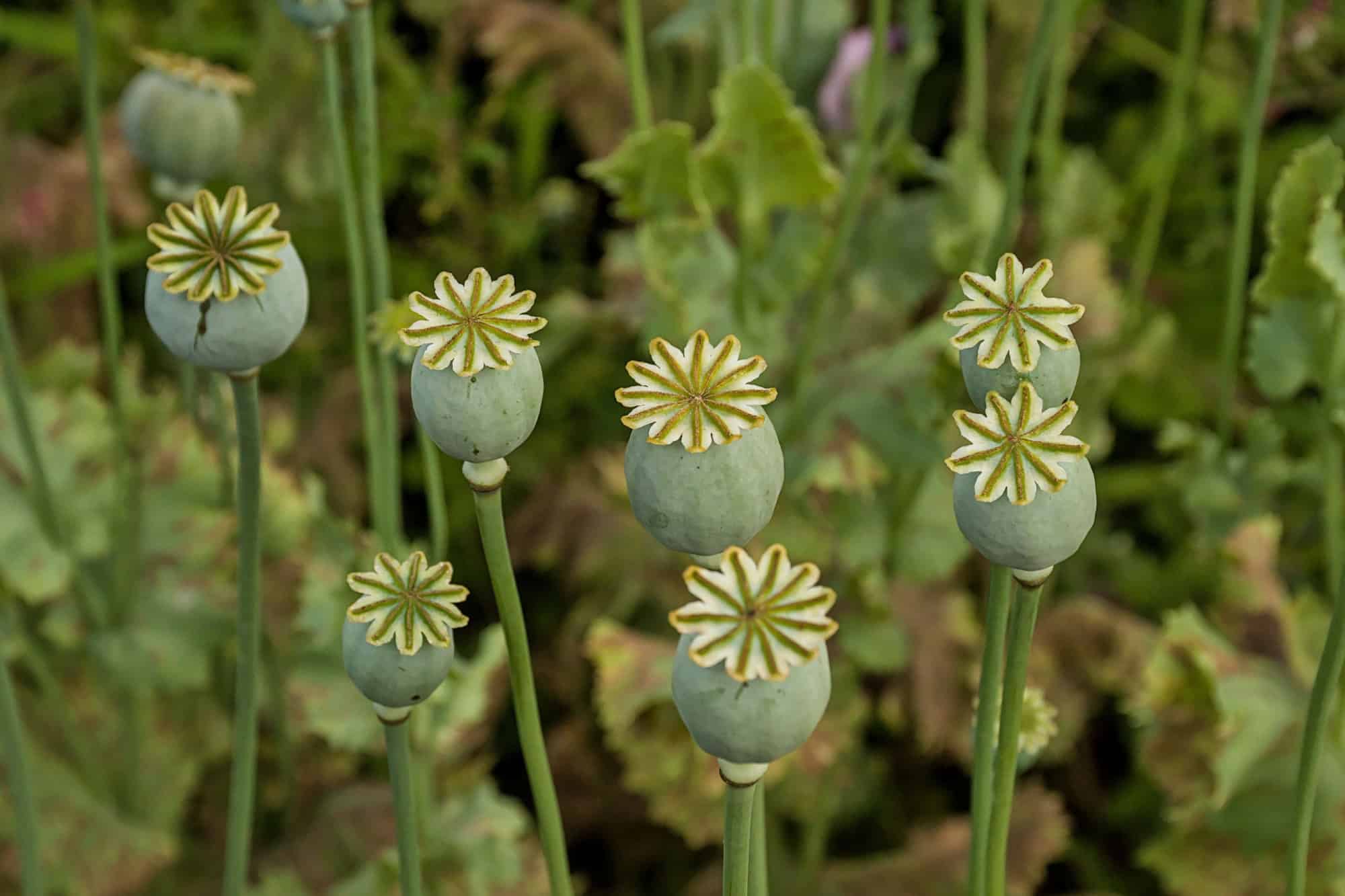
These are pretty flowers, but with a dangerous reputation. Unless you’re a licensed pharmaceutical company, you can’t import opium poppy pods or stems because they’re used to make opioids.
Autumn olive

It looks like an innocent berry bush, but it’s a troublemaker in the wild. It spreads fast and takes over, leaving no room for native plants to grow.
Giant hogweed

Sure, it’s tall and impressive, but it’s also dangerous. The sap can burn your skin and even cause blindness, which is why bringing it into the country is a no-go.
Purple loosestrife
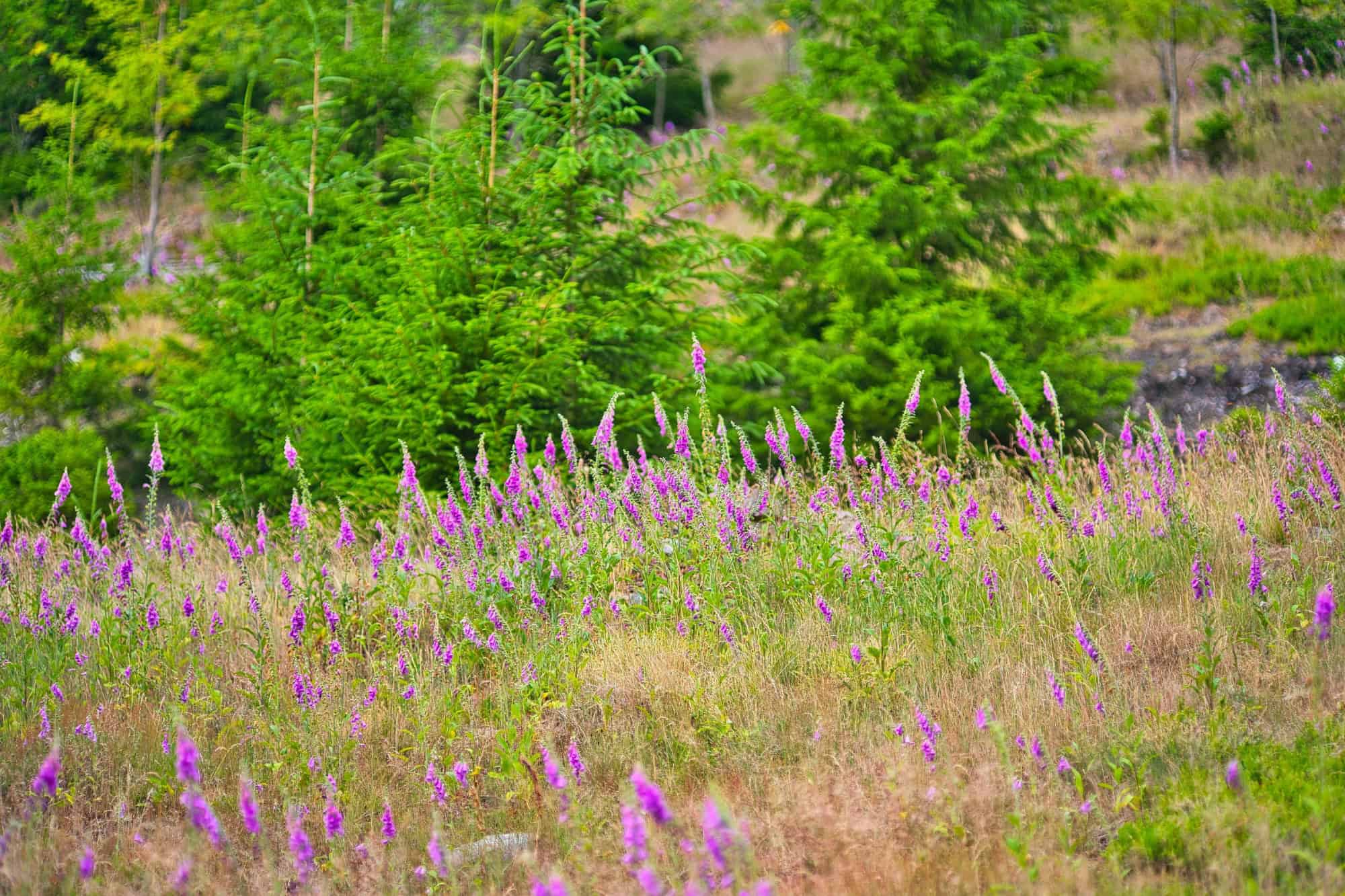
Those purple flowers are pretty, but the plant is bad news for wetlands. It grows fast, crowds out native species, and wrecks habitats for wildlife.
Kudzu

Known as “the vine that ate the South,” this plant grows so fast it can smother whole trees in weeks. It’s banned from import to keep it from spreading any further.
Japanese knotweed
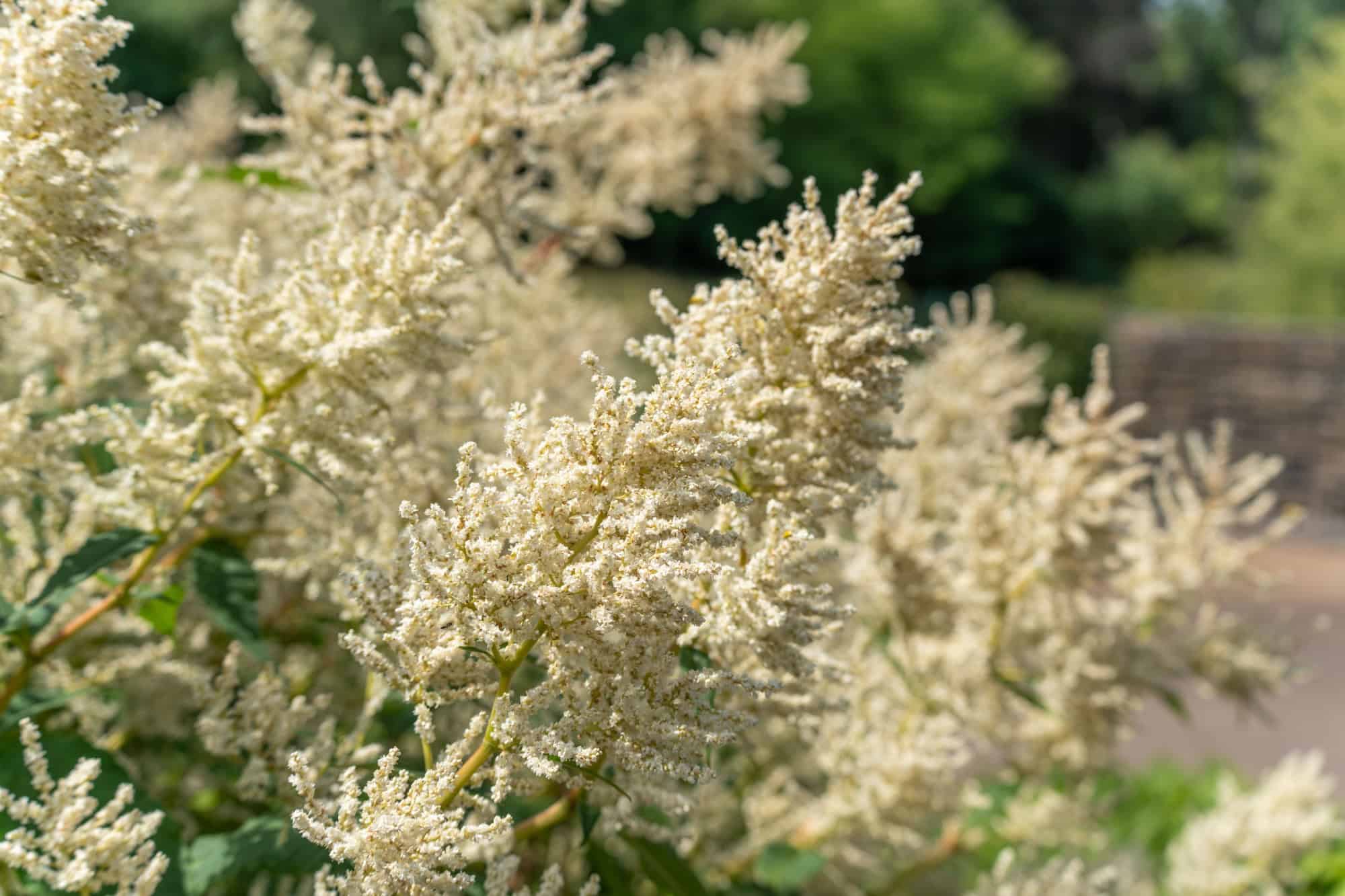
Japanese knotweed is not as innocent as it looks. This plant is an aggressive invader that can quickly cover large areas and crowd out native plants. So the U.S. restricts its entry without special government permission.
Coca Plant

Coca plant itself isn’t lethal, but it’s the primary source of cocaine. This is why the U.S. enforces an absolute ban on coca plant imports. That means no seeds, no leaves, nothing.
Pompom weed
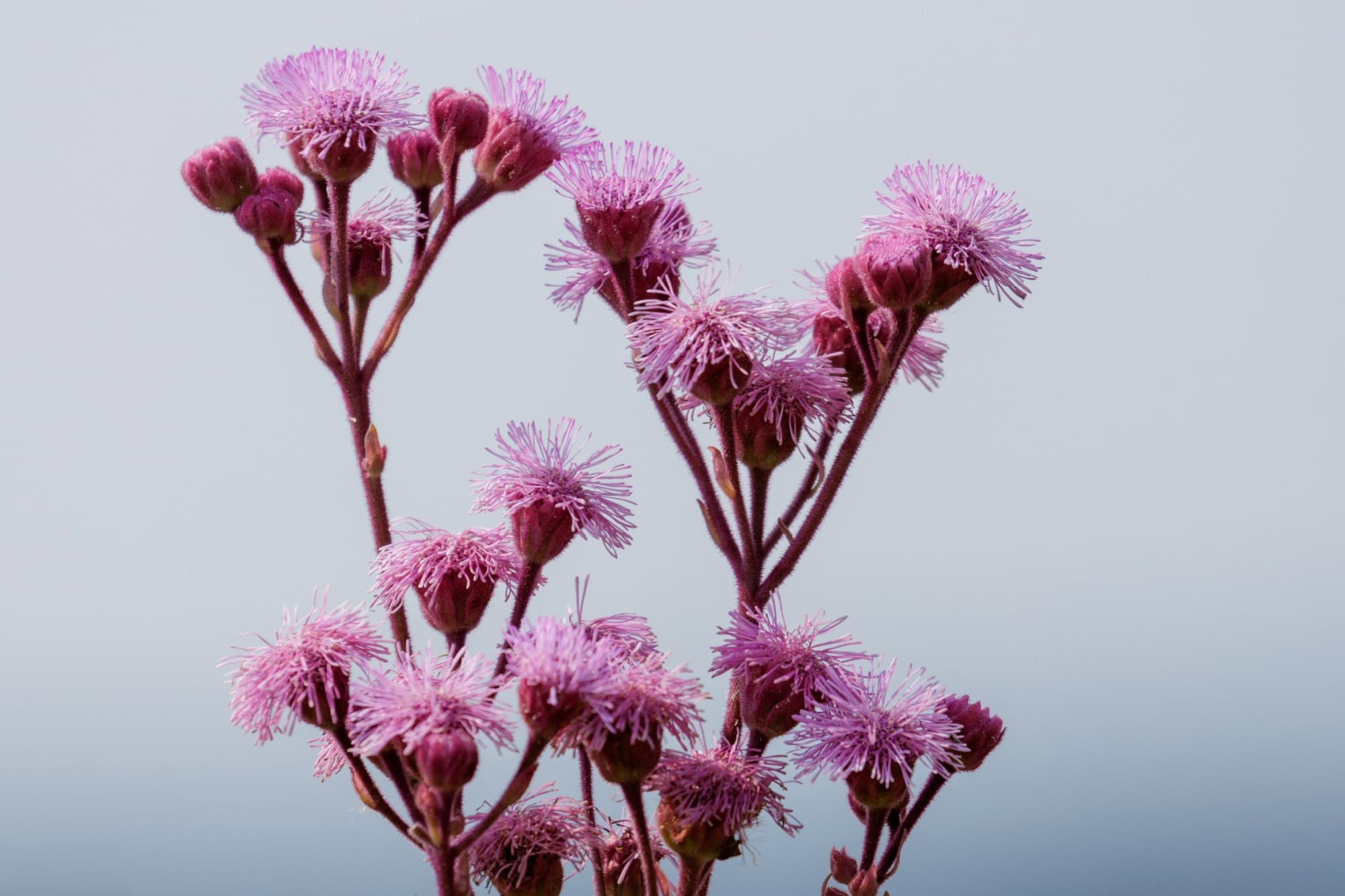
Fluffy, pink pompoms may be enchanting, but don’t let their beauty fool you. Pompom weed is a serious invasive plant that can quickly overrun fields. Importation is banned to stop it from spreading.
Water hyacinth

Those cute little floating purple flowers might not seem so bad. But they spread like a thick carpet over lakes and ponds and choke out fish and other plants. It’s illegal to import because it’s so hard to get rid of once it starts growing.
Sources:
- Plants with Special Requirements and Prohibited Plants
- 13 Plants You Can’t Legally Bring Into the USA
Like our content? Be sure to follow us.