

There are so many stories of heroic Americans throughout history, and some of the bravest people did things most of us wouldn’t dare attempt.
The journey to freedom
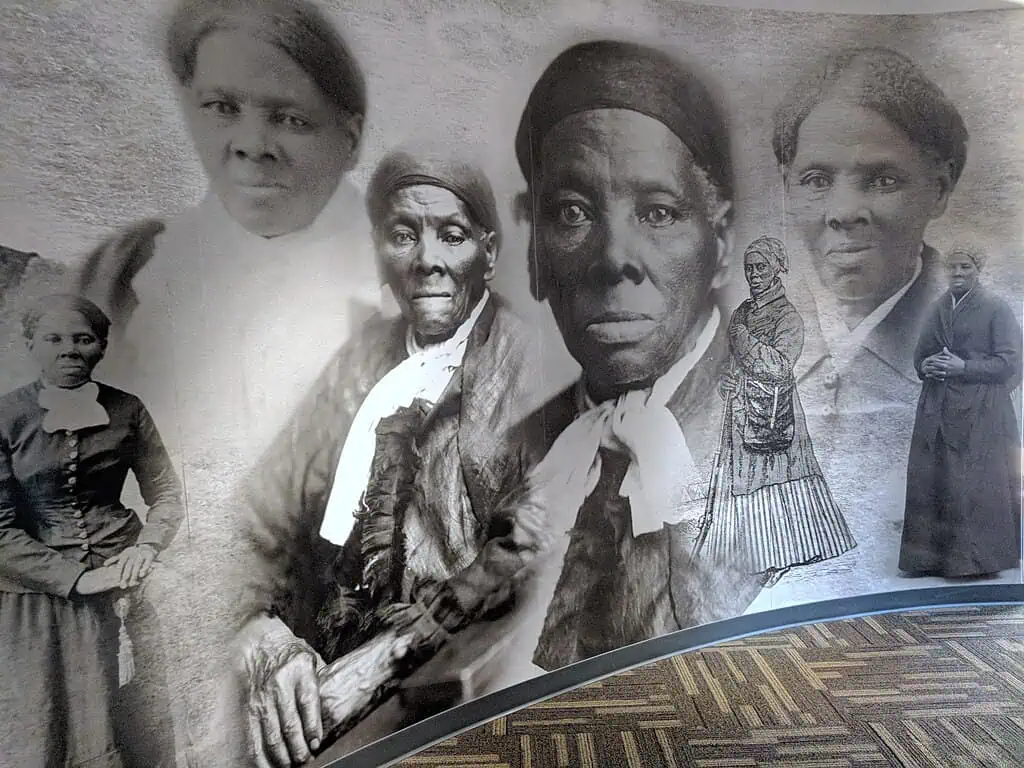
In 1849, Harriet Tubman managed to escape slavery, and that should’ve been the end of her dangerous journeys. She’d made it out of Maryland alive, and that was no small feat back then. Yet she decided to keep going. Tubman returned to Maryland to help other slaves get out.
Tubman helped lead a Union raid along South Carolina’s Combahee River on June 2, 1863, as part of an operation that freed over 750 slaves. She also worked along the Underground Railroad. Tubman deliberately returned to dangerous places to help people she’d never even met. What a hero.
The soldier without a weapon
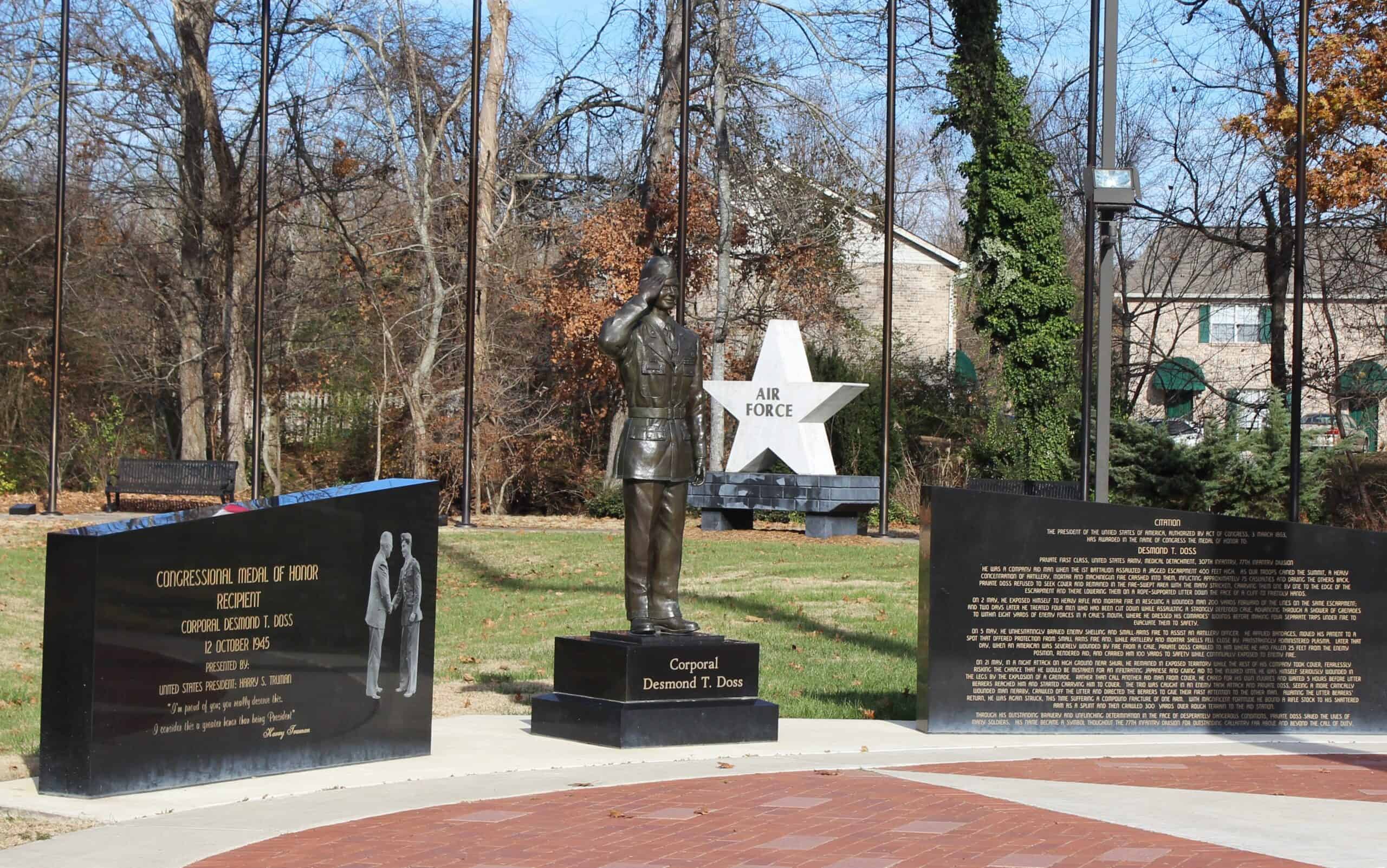
Desmond Doss was sent into one of World War II’s fiercest battles in May 1945. But unlike other American soldiers, he didn’t have a gun. Doss was a pacifist and didn’t believe in killing anyone, so he chose to help his nation by working as a medic instead.
Doss stayed behind while his fellow soldiers were retreating from Hacksaw Ridge in Okinawa, Japan. There were wounded men scattered across the battlefield. However, instead of giving up, Doss carried them to a cliff and lowered them using a rope-supported litter. He continued to return for more despite enemy fire, saving around 75 soldiers in total.
The journalist who refused to be silenced
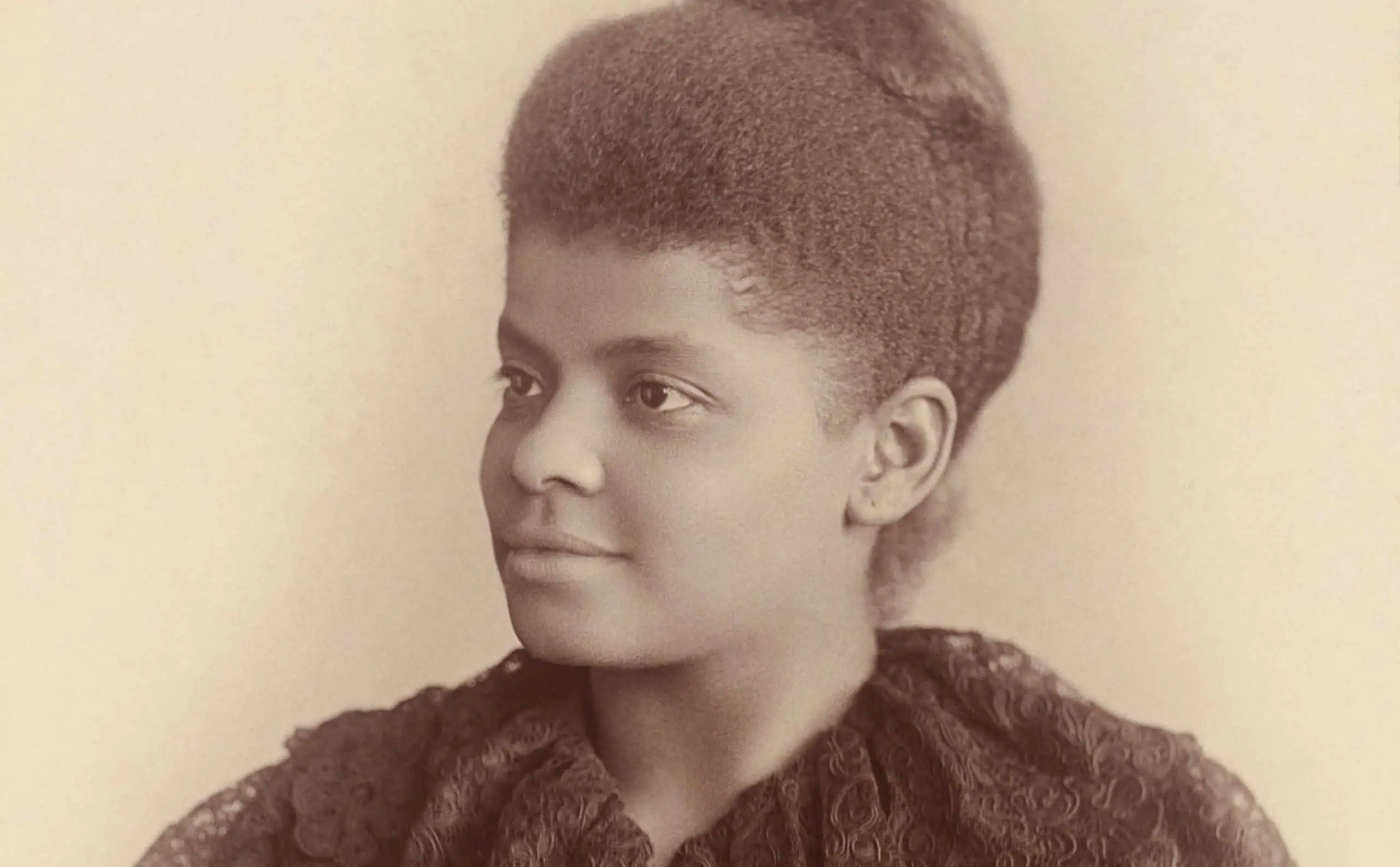
If you were a Black business owner in 1892, Memphis was a dangerous place to be. Three of them were lynched in the city, including a man named Thomas Moss. He was a close friend of journalist Ida B. Wells. She refused to accept the excuses people were making for these murders, and she decided to investigate what was going on.
She learned many details that challenged the stories people were telling about the victims. Her reporting got her into trouble. In fact, it got to the point where she was forced to leave Memphis due to threats, but she kept publishing. She released a pamphlet titled Southern Horrors and exposed the violence for the whole country to see.
The man with the red bandana
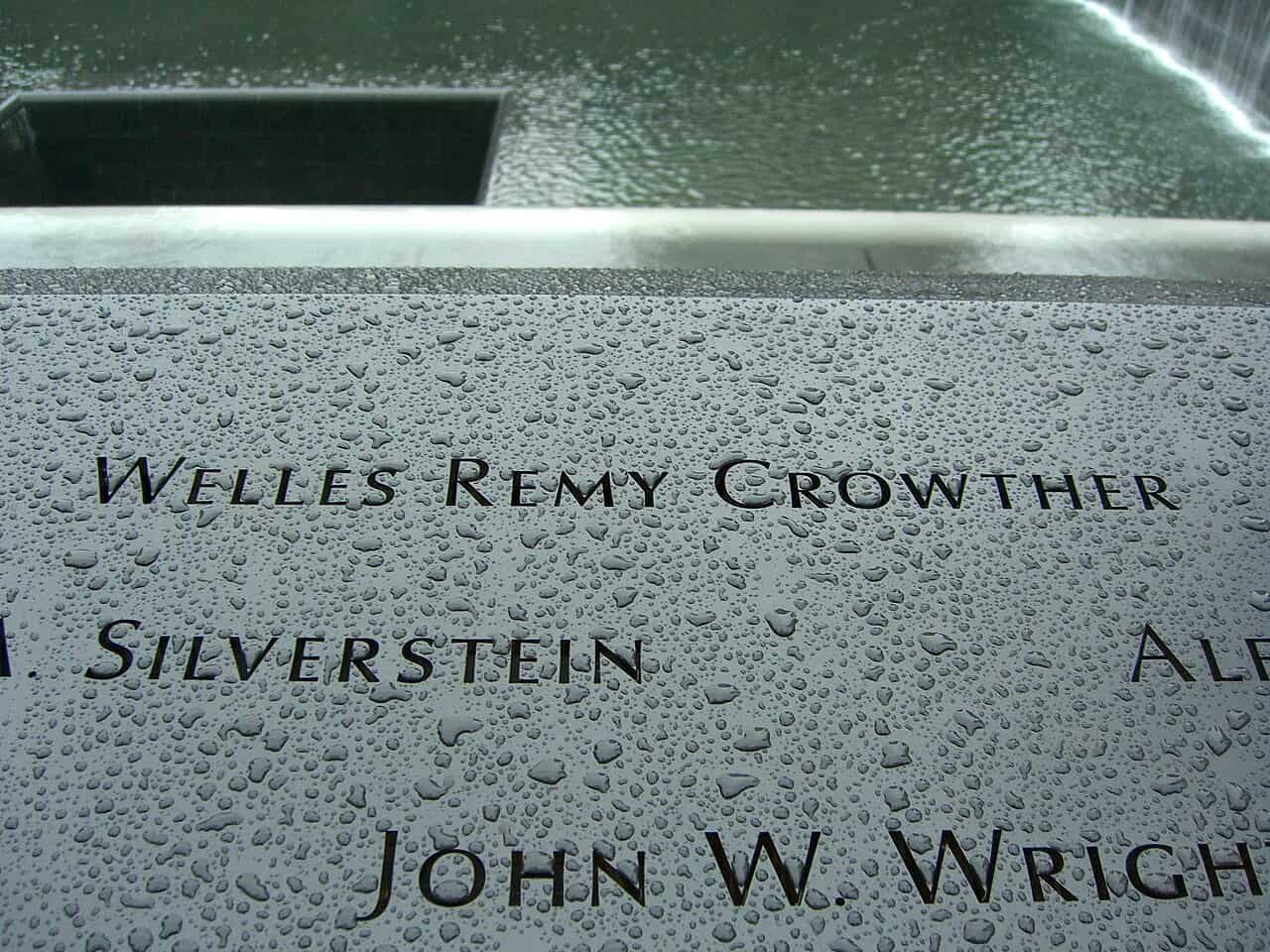
There were quite a few heroes during the devastation of the September 11 attacks. One of those was Welles Crowther, who became known as ‘the man with the red bandana.’ He helped many people escape from the World Trade Center’s South Tower before it collapsed. Crowther was a 24-year-old financial worker and volunteer firefighter.
After the Tower was hit, Crowther guided people toward a usable stairwell on the 78th floor, and he even carried an injured woman down several floors. He then returned to rescue more people. Sadly, Crowther died when the Tower collapsed, although survivors later recognized his photograph and shared his story.
The evacuation that saved thousands
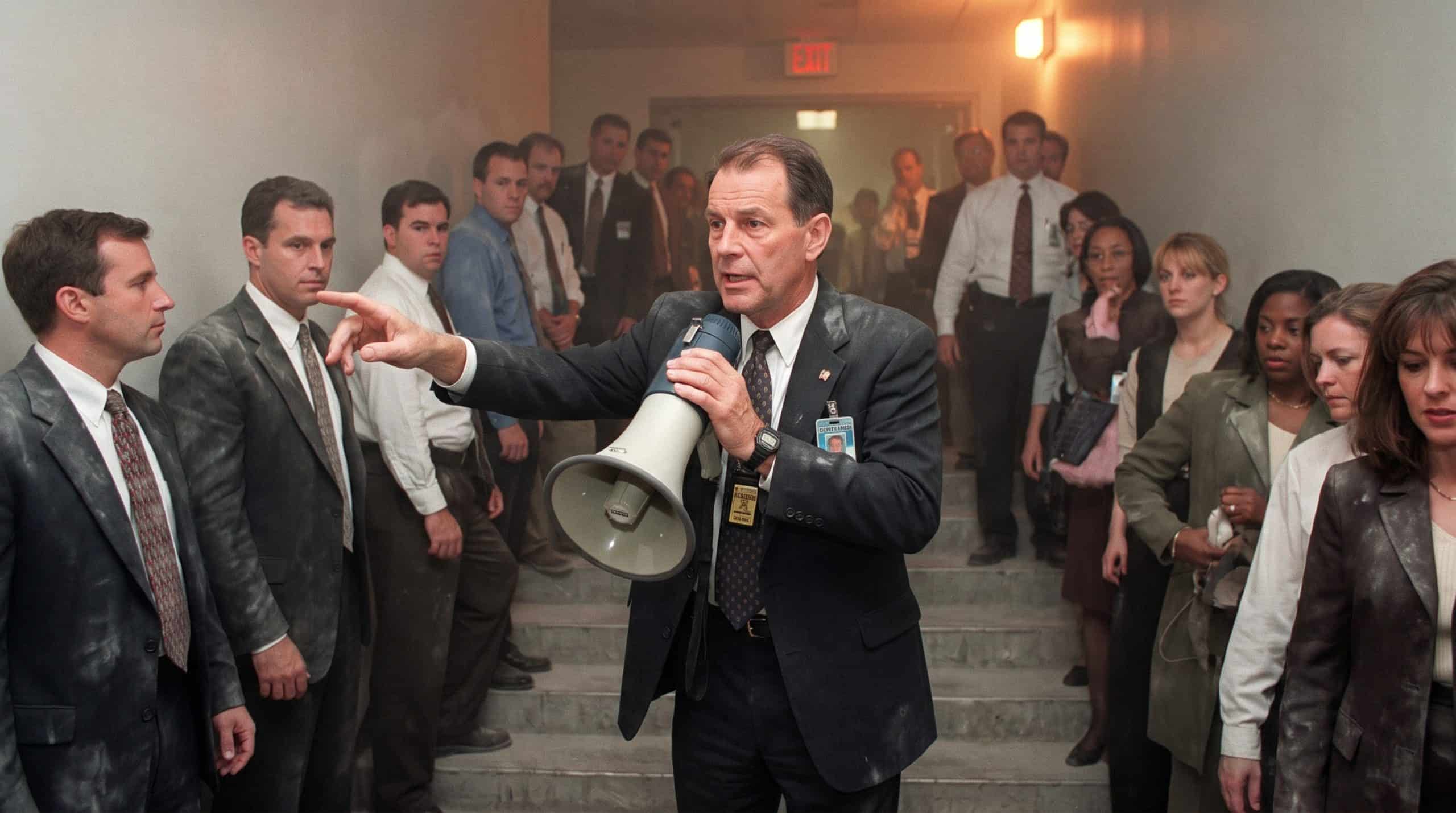
Rick Rescorla was another hero of 9/11. The British-born man became an American citizen and worked as the security director for Morgan Stanley at the World Trade Center. When the North Tower was hit, Rescorla ordered his employees out of the South Tower. That went against the original advice from security. They’d told South Tower employees to stay put.
But Rescorla refused to listen, and he grabbed his bullhorn to help direct people toward safety. He saved 2,687 employees that morning. Rescorla went back upstairs looking for anyone still inside and said he wouldn’t leave until everyone was out. He died when the South Tower collapsed at 9:59 a.m.
The final decision aboard Flight 93
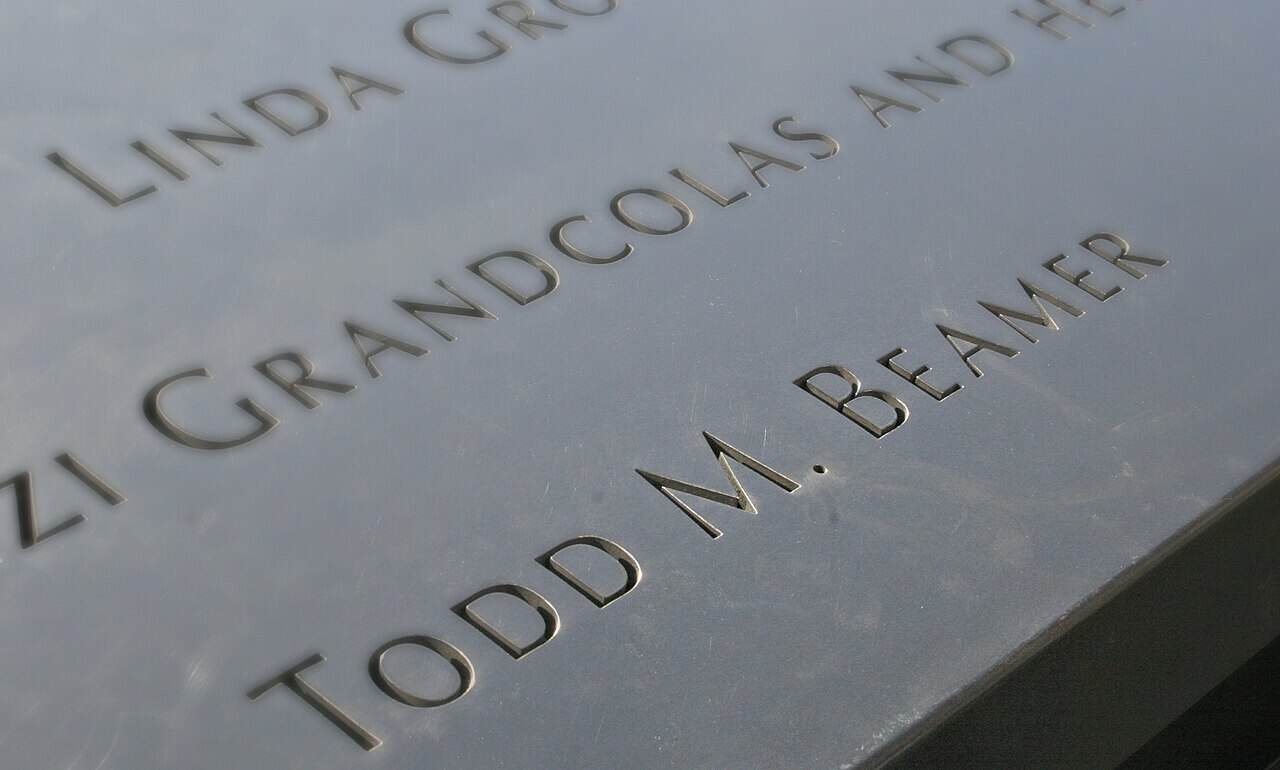
On September 11, 2001, Todd Beamer was meant to be flying to California on United Airlines Flight 93. He ended up saving hundreds of lives. The 32-year-old businessman, along with others aboard the hijacked plane, learned about the 9/11 attacks while in the air. They discovered that hijackers had already flown planes into key buildings.
Beamer and the others decided they wouldn’t let that happen to United 93. During a conversation with a telephone operator, he described plans to fight back and said his famous final words, ‘Let’s roll.’ The passengers and crew fought back against the hijackers, leading to the plane crashing in Pennsylvania. It was likely intended to strike the White House or Capitol building.
Six hours of unimaginable courage
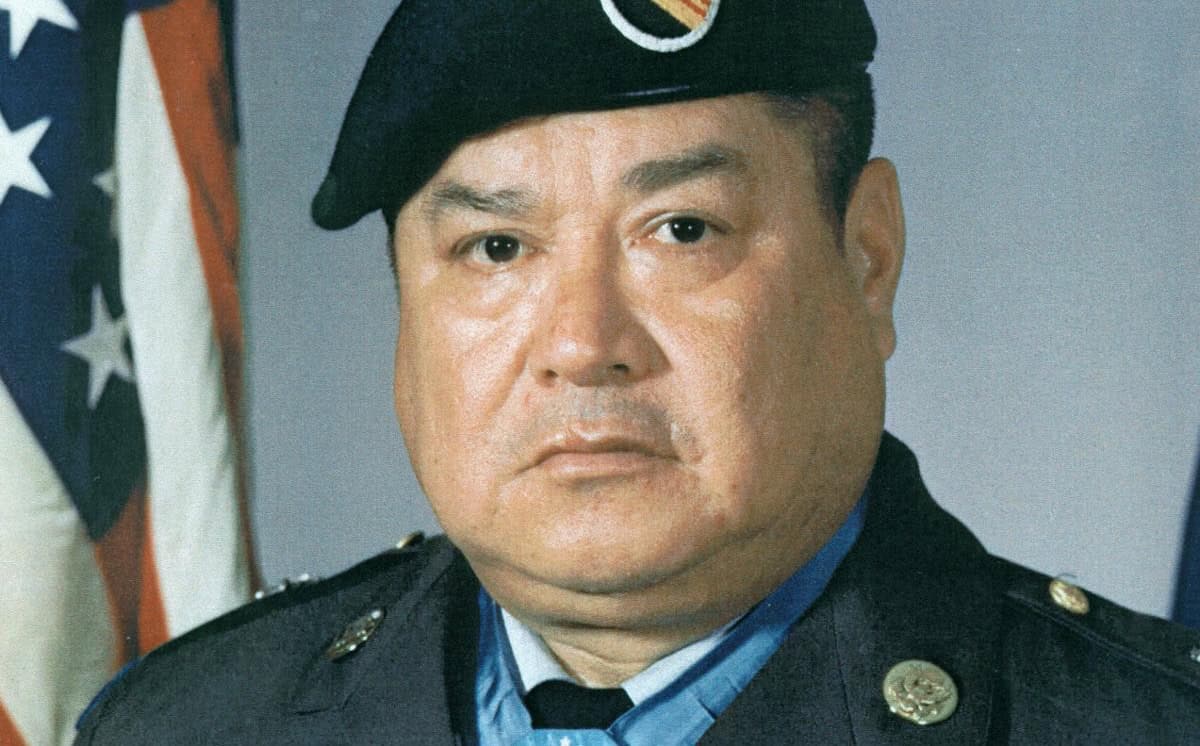
Roy Benavidez was an American soldier in Vietnam on May 2, 1968. That was when he heard that enemy soldiers had trapped a Special Forces team near Loc Ninh, Vietnam. He volunteered as part of a group to rescue the Special Forces.
Benavidez spent around six hours carrying wounded soldiers and recovering documents. He also helped organize evacuations while enemy troops fired at him, suffering serious injuries as a result. But he kept moving. He was even mistaken for dead at one point, yet he survived. He received the Medal of Honor in 1981.
One man against an advancing army
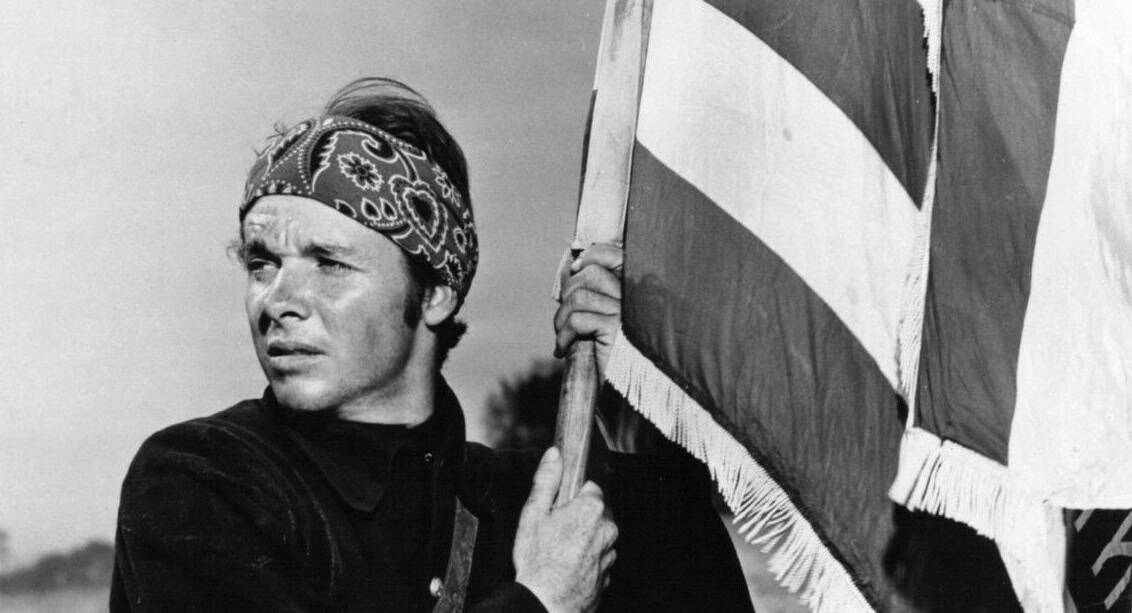
Things seemed hopeless for 19-year-old Audie Murphy’s team on January 26, 1945. They were by a burning American tank destroyer near Holtzwihr, France, and the enemy was advancing. Six German tanks and a large group of infantry were heading his way. Murphy decided to climb the tank destroyer.
He fired the damaged vehicle’s machine gun at the troops and continued calling for artillery support. He was wounded during the fighting, but he managed to make the Germans withdraw. Murphy then took things further by organizing a successful counterattack. He later earned a Medal of Honor for his heroic efforts.
The doctor who crossed enemy lines
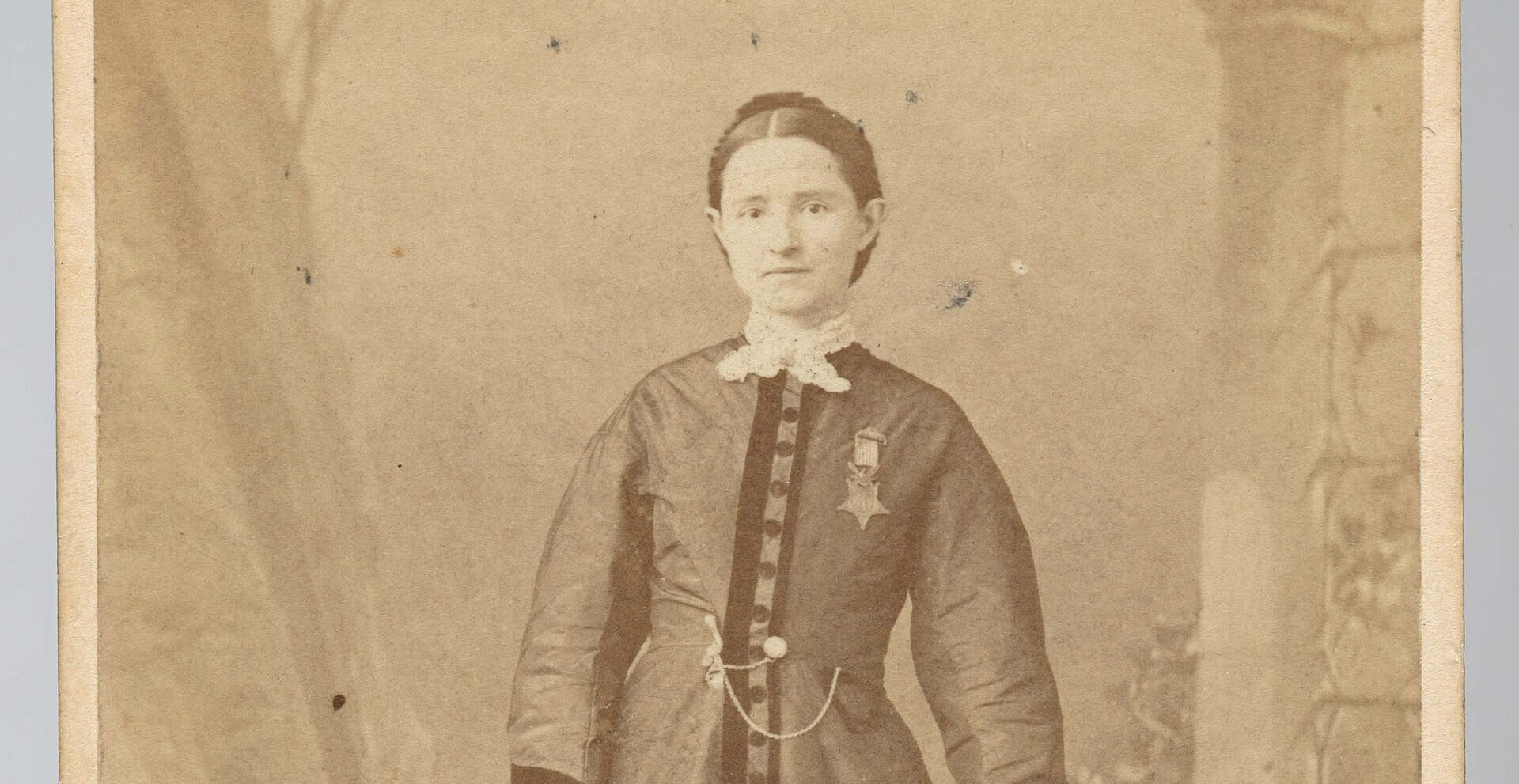
Being a doctor during the Civil War was difficult enough. It was even harder if you were a female doctor like Mary Edwards Walker. She wanted to work with the Union Army, despite the fact that women weren’t accepted as military surgeons. She kept working anyway. Walker treated wounded soldiers and traveled into dangerous areas to provide medical care.
In 1864, Confederate troops captured her and imprisoned her for several months. She was eventually exchanged for a Confederate prisoner. But Walker refused to give in, and she continued to conduct her medical work. She was awarded the Medal of Honor in 1865, becoming the first and only woman to do so.
The landing on the Hudson
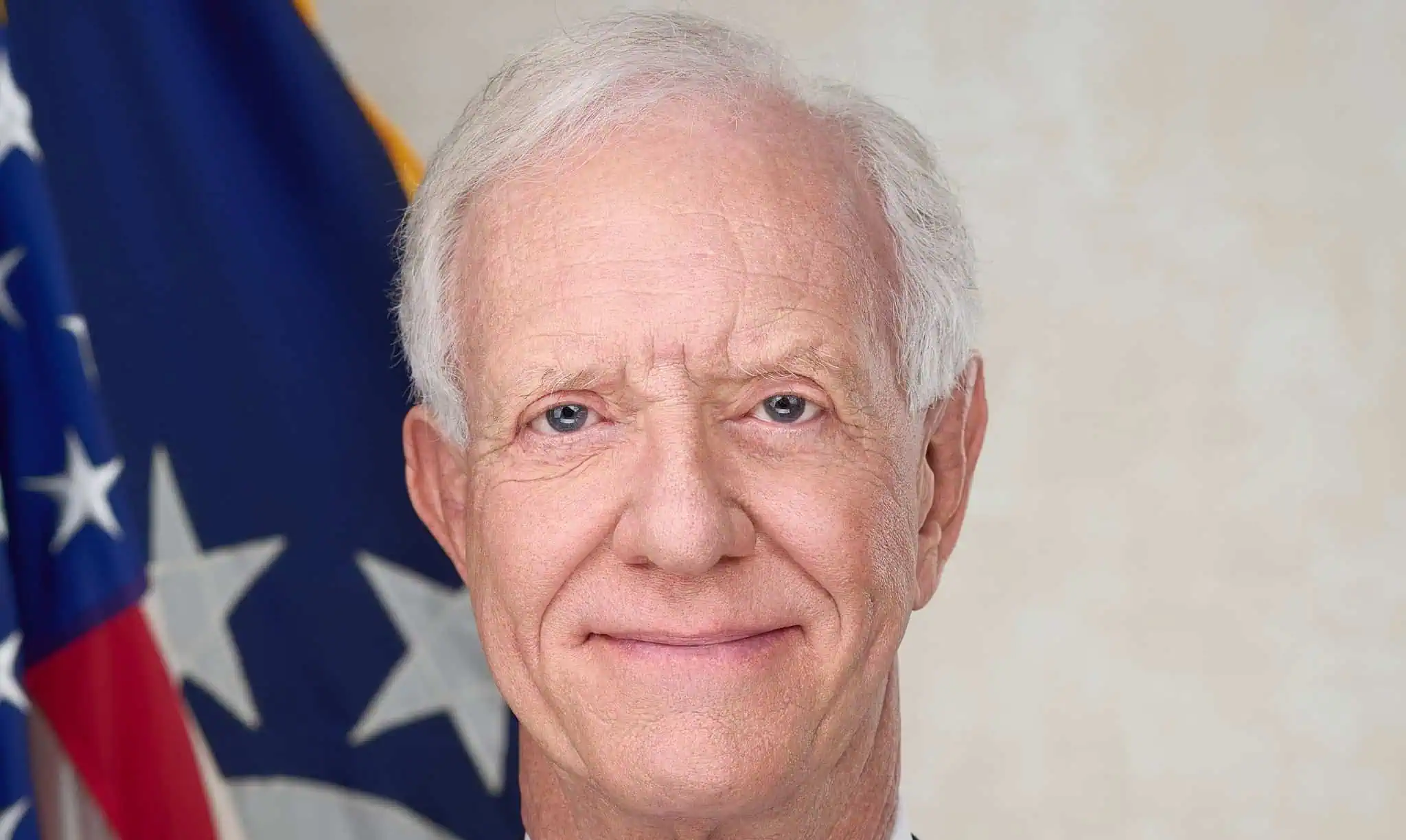
Captain Chesley Sullenberger was the pilot aboard US Airways Flight 1549 on January 15, 2009, when disaster struck. A flock of birds went straight into the plane’s engines shortly after takeoff, causing both engines to lose their power. It didn’t take long for Sullenberger and First Officer Jeffrey Skiles to realize they couldn’t safely reach an airport.
So, Sullenberger did the impossible and landed the Airbus A320 directly on the Hudson River. It could’ve gone so badly, but amazingly, every single person aboard survived. The event became known as the ‘Miracle on the Hudson.’
The customer who fought back
29-year-old James Shaw Jr. started his morning in a normal way on April 22, 2018. He was at a Waffle House near Nashville, eating breakfast. But then a gunman entered and opened fire, leading to Shaw taking cover.
He noticed a brief pause in the shooting and decided to take action. Shaw Jr. rushed the attacker, grabbed the barrel of his rifle, and wrestled it away. While Shaw did suffer injuries during the struggle, he managed to throw the weapon behind the counter. Four people were killed, but Shaw’s actions prevented many more deaths.
The teacher who protected her students

On December 14, 2012, a gunman entered Sandy Hook Elementary School and began shooting innocent people. 27-year-old first-grade teacher Victoria Soto tried to stop her students from being hurt. The gunman entered her classroom, and she lied to him, saying that the children were somewhere else.
She tried shielding them from danger, too. Soto was sadly killed, along with five other staff members and 20 children, although eleven students from her classroom survived. Nine managed to escape during the attack, thanks to Soto’s bravery.
The doctor who treated forgotten patients

Getting proper treatment for tuberculosis was incredibly difficult for patients in some of the world’s poorest communities. Paul Farmer wanted to fix that. He helped establish a treatment program in rural Haiti in 1989, and a study reported in 1991 found a 100% cure rate among patients receiving enough support.
He gave patients free medication and food, as well as financial assistance. That wasn’t his only heroic action, as Farmer had co-founded Partners In Health in 1987 and continued the fight against tuberculosis in other countries. He traveled the world to help patients who had been struggling to get proper care, saving millions of people’s lives.
The rescuer who wouldn’t leave anyone behind
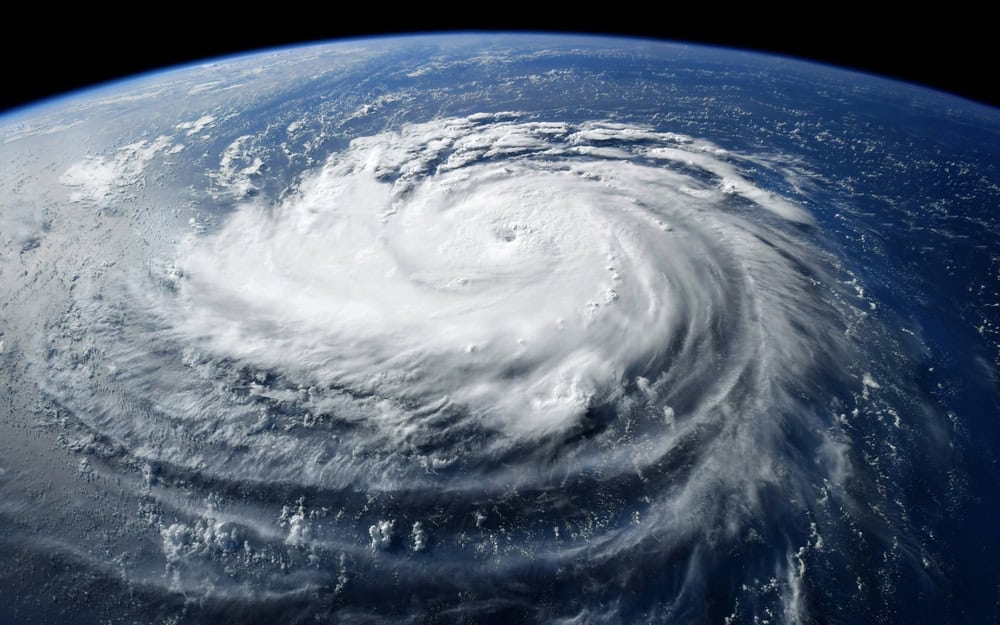
Hurricane Katrina struck in August 2005 and caused utter devastation. One of the places affected was the American Can apartment building in New Orleans, where residents were stranded for around five days. But former Marine John Keller didn’t want to wait much longer.
He’d already helped protect the building from looters, and then he began swimming through floodwaters and hot-wiring boats. His goal was to get residents out. Keller succeeded in transporting them to dry land, where helicopters could collect them. He stayed until everyone had been evacuated.
Sources: Please see here for a complete listing of all sources that were consulted in the preparation of this article.
7 famous historical figures who were nothing like their legends
History has a way of turning real people into characters, and once you learn the truth behind them, you’ll find that some of the most familiar names are almost unrecognizable.
7 famous historical figures who were nothing like their legends
