

There used to be some pretty imaginative ways of calling somebody a fool, and they involved using a far more entertaining selection of words.
Something’s cooking upstairs
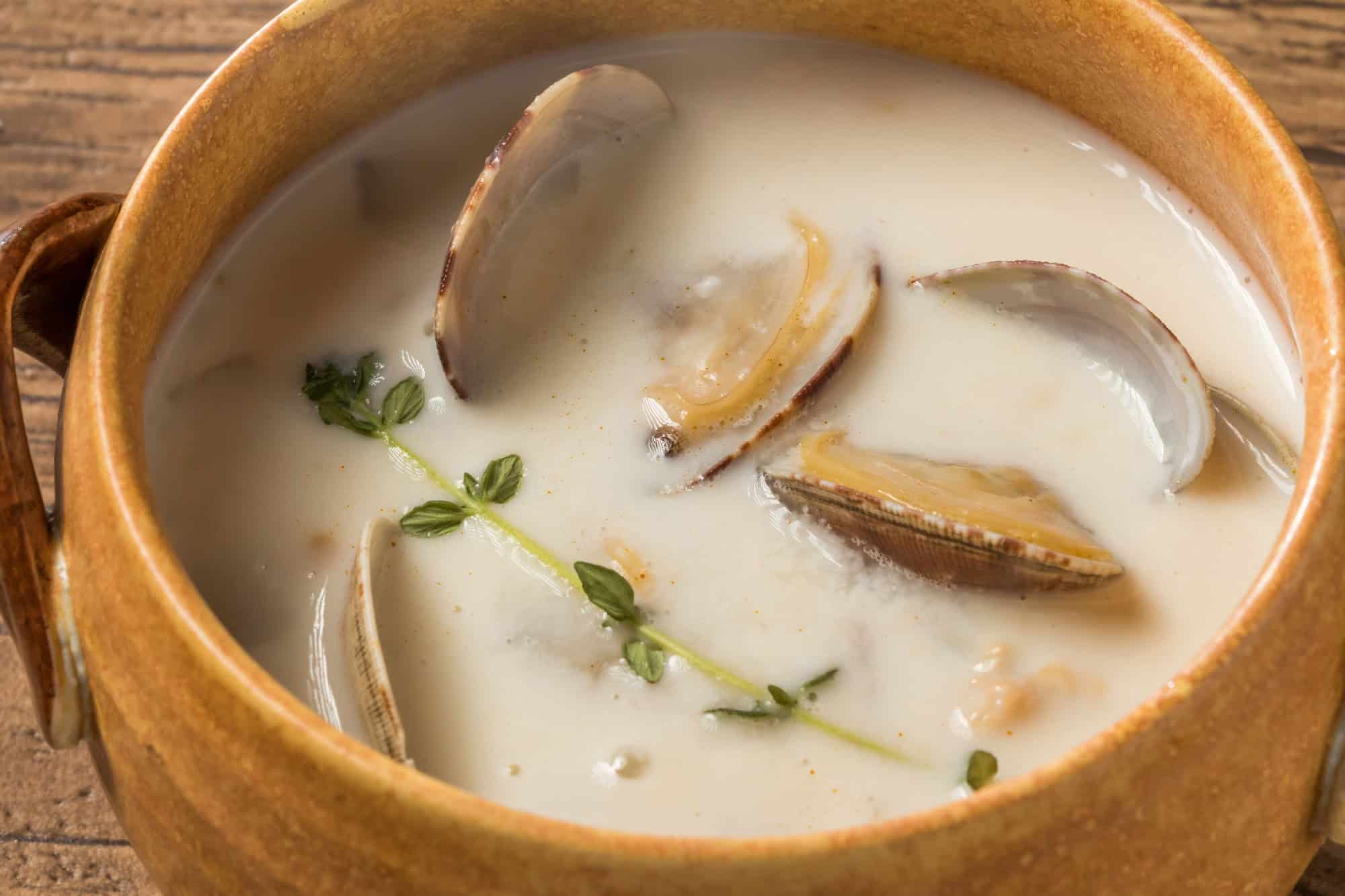
Apparently, a bowl of soup has a lot to do with somebody’s intelligence. That’s what the word ‘chowderhead’ suggests, anyway. It’s been around since the early 1800s, and linguists believe that it came from an old English dialect word, ‘chowterhead.’
The other version of the word was ‘jolterhead,’ but Americans eventually settled on a version that sounded like something you’d order with a side of crackers. You’d call somebody a chowderhead if they’d done something stupid. It sounds kind of affectionate today, though.
A little extra punch

It wasn’t quite enough calling someone a ‘ninny’ in the late 1500s. No, English speakers decided to stick a hammer on the end of it to make ‘ninnyhammer.’ It was a pretty colorful way of calling somebody an idiot, and it’s a word that Tolkien fans might remember.
Samwise Gamgee calls himself a ‘ninnyhammer’ in The Return of the King and says his father used to call him that, too. Today, though, it’s quite a mouthful of an insult. You probably wouldn’t pull this one out when you were in the middle of an argument.
All talk and no sense

You’ve been listening to somebody ramble on for ten minutes. Almost none of it makes sense. That’s when you might want to pull out this word, which is ‘blatherskite.’ American soldiers during the Revolutionary War were pretty fond of it.
It’s not exactly clear where the word came from, but either way, you can use ‘blatherskite’ to say that someone’s talking nonsense. You can also call the actual nonsense itself blatherskite. It’s a very versatile word.
Running out of air

After getting home from a date in the 1920s, you could tell your friends that you’d spent the evening with a ‘flat tire.’ However, they wouldn’t ask if you needed help with your car. They’d completely understand that you were trying to say that the other person was boring.
They weren’t much fun socially. It wasn’t the only weird dating slang to appear during the first half of the decade, and young Americans even had a nickname for engagement rings back then. They called them handcuffs.
King of the barnyard
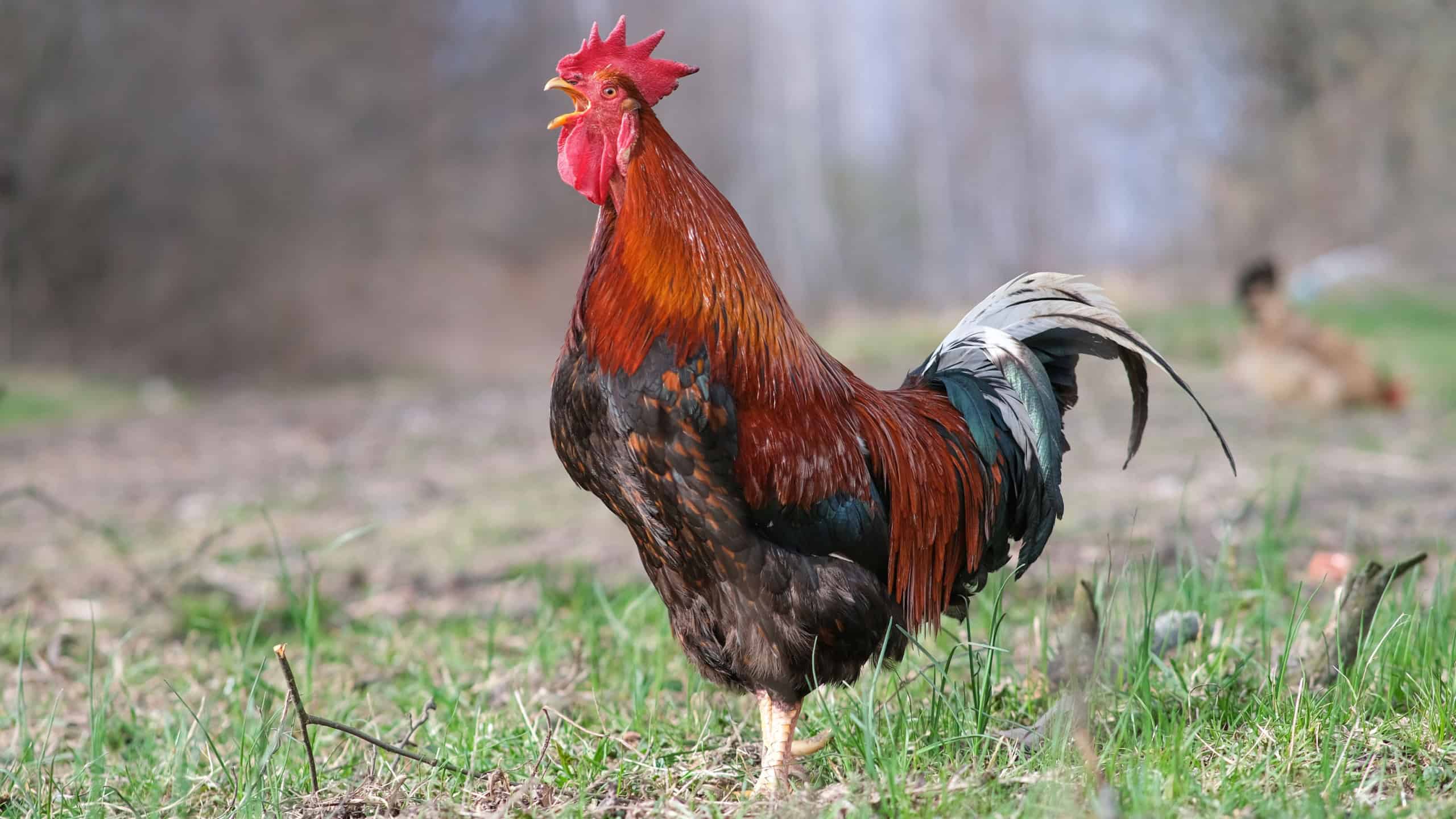
Roosters seem to have a really strong sense of their own importance. So, it’s quite fitting that people started using the insult ‘cockalorum’ to describe a person who was a little too pleased with themselves.
It likely came from an old Dutch dialect word associated with a rooster’s crowing. By the early 1700s, English speakers began using it, and they also used it to describe someone who was being too boastful.
A very late breakfast
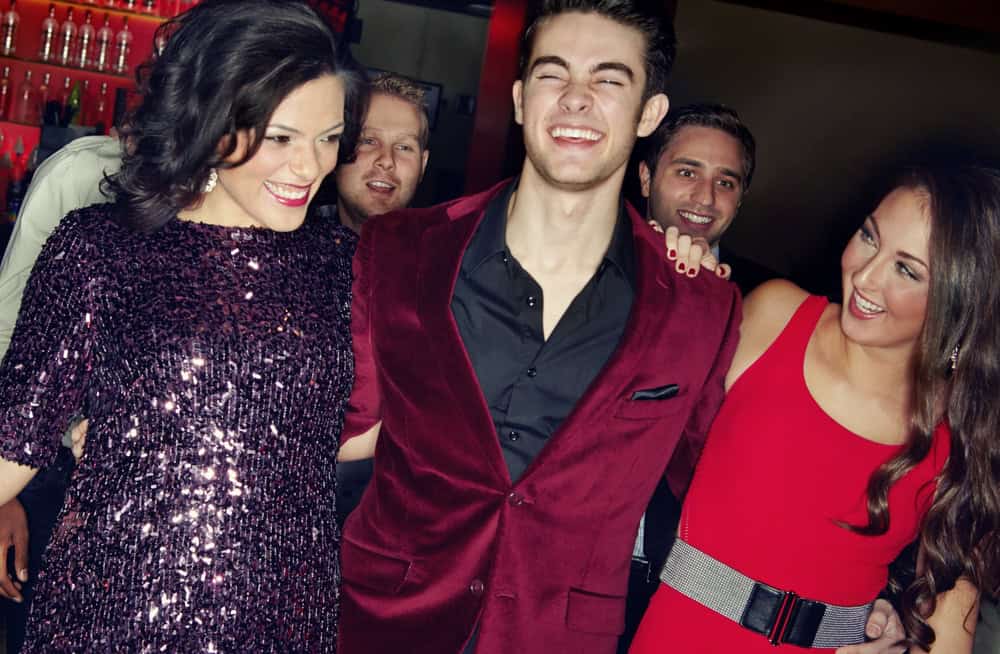
You won’t see a ‘dewdropper’ anywhere near the breakfast table. That’s because the word was used to negatively describe guys who’d spend their nights dancing and sleep through the day, instead of doing anything productive.
It was also used for young men who didn’t work and slept during the daytime. While ‘dewdropper’ might sound gentle, it definitely isn’t.
Fresh from the orchard

Casey Stengel was a famous baseball manager, and he didn’t seem bothered about being called an ‘apple knocker.’ He even used it to talk about himself. The thing is, though, apple knockers were originally agricultural workers who’d knock apples from trees to collect them.
It wasn’t meant to be an insult at first. Yet it somehow became a nickname for a really unsophisticated person from the country. Stengel didn’t have a problem with it, though. He was quite happy to distinguish himself from the city slickers.
A familiar face in the funny pages

‘Dumb Dora’ was a phrase you could use to talk about someone who was, you guessed it, dumb. Turns out, there really was a Dora, although she was made of ink. Cartoonist Chic Young launched the newspaper comic strip Dumb Dora in 1924. It was already a slang expression at that time.
The phrase referred to a young woman who wasn’t particularly bright, and American newspaper readers followed Dora’s adventures for years. Perhaps we could bring back ‘Dumb Dora’ and use it today.
An unusual appetite
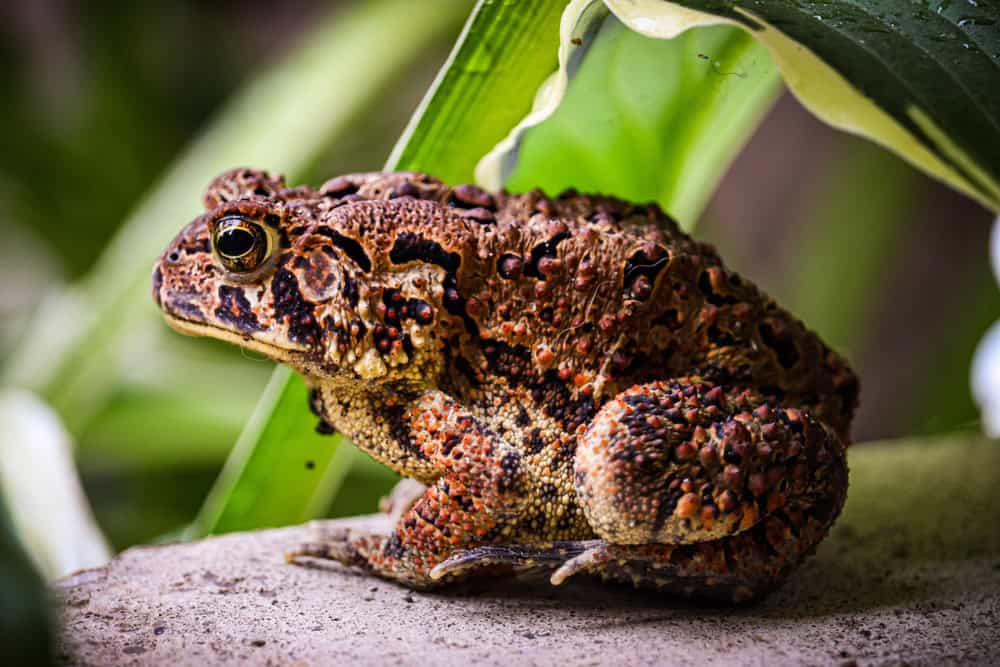
It’s not hard to see why ‘toadeater’ is an insult. However, you might not realize what the term refers to. The word first appeared as a way to describe the assistants of old traveling medicine salesmen, and these men would supposedly eat poisonous toads.
They did it before their employers gave them a remedy. That way, they could show off how effective the treatment apparently was. The word soon became a nickname for somebody willing to do practically anything to please a person in a position of power.
A soggy reputation
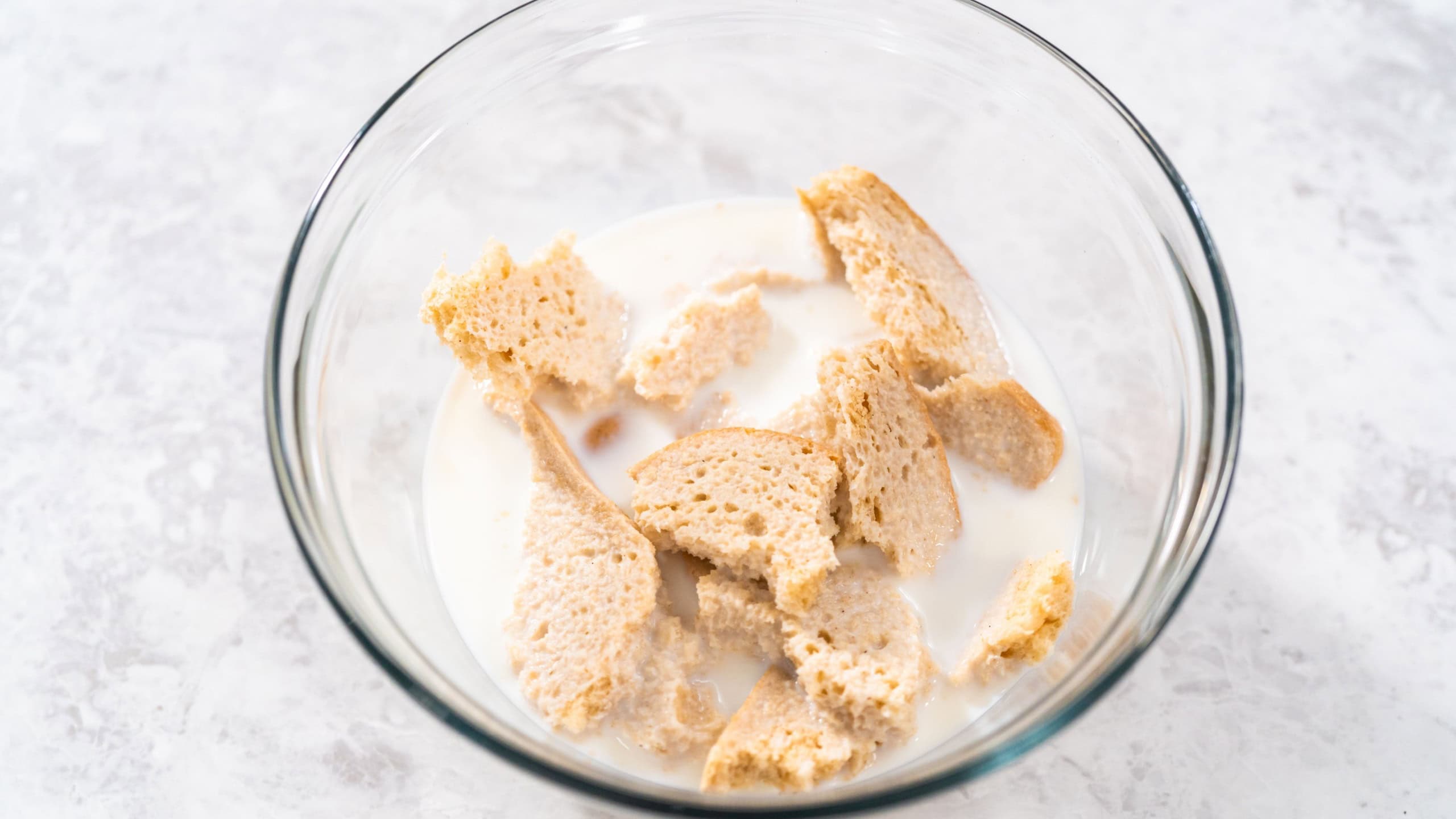
Try taking a piece of bread and soaking it in warm milk. Now, you’ve got yourself a milksop. It used to be a simple food that people would give to somebody who was unwell or a very young child. But then they started using it to describe people.
Yes, by the late 1300s, ‘milksop’ referred to a timid man who lacked courage. Using ‘milksop’ in a conversation could be a way for a person to insult a gentleman or simply talk about his breakfast. How strange.
Here for the refreshments

We all know that one person who only turns up when there’s food on offer. During the 1920s, Americans had a rather specific nickname to talk about them. This person was called a ‘cake-eater.’
To put it another way, it was a young man who enjoyed other people’s hospitality without offering much hospitality of his own. It wasn’t an entirely fixed definition, however. A cake-eater could also describe a guy who liked spending time around women or was fond of luxury.
Not quite the shepherd
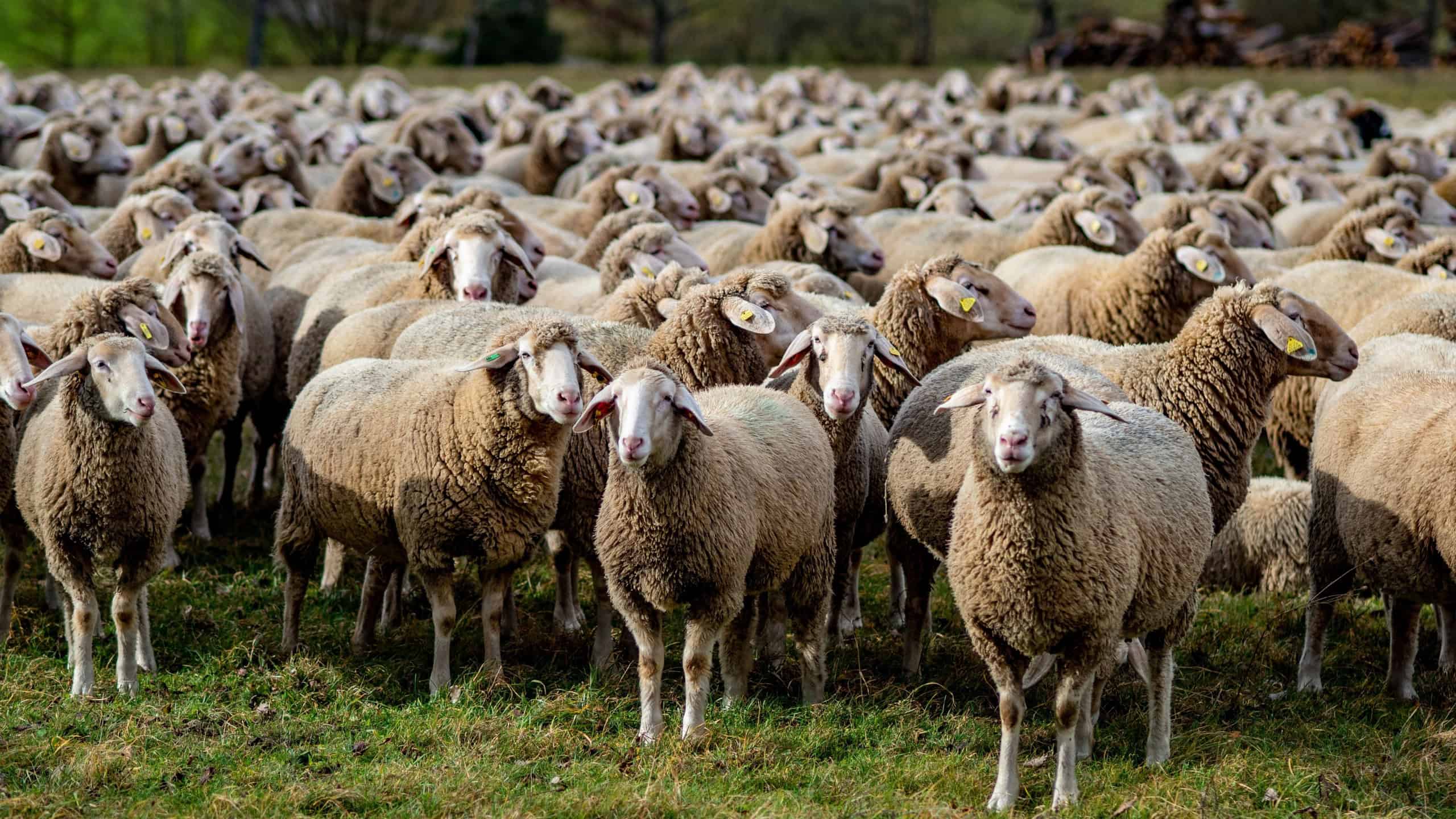
‘Mutt’ is a word people use today to talk about dogs, but it actually has origins in an old insult. The word used to be ‘muttonhead.’ If you used it, you would be comparing somebody’s intelligence to that of a sheep. That’s hardly a compliment.
By the late 1800s, Americans shortened the expression to ‘mutt,’ and they still used it to describe a foolish person. It took a few more decades for people to start using the word to talk only about dogs.
A regular at the hotel

Tea rooms had their share of men looking for romance in the 1910s. In fact, they were such popular places that there was a nickname for the men who kept turning up at these places. You know, the kind of man who dressed up and desperately wanted to catch a woman’s attention.
These guys were known as ‘lounge lizards.’ You’d find them hanging around fashionable hotels, too, and they didn’t seem to have anywhere else that they needed to go. Maybe we could bring this one back.
A rumble between the ears

‘Dunderhead’ was one of the most versatile words of the 1620s, and that’s because there were so many versions of it. You had ‘dunderwhelp,’ followed in later years by ‘dunderpate’ and ‘dunderpoll.’ Yes, these were pretty ridiculous words to say out loud.
Nobody really knows where the ‘dunder’ part came from, although linguists believe it may have originated in an old Dutch word for thunder. Either way, it’s not good being called a ‘dunderhead.’
Sources: Please see here for a complete listing of all sources that were consulted in the preparation of this article.
These 15 boomer words were cool in 1965, now they’re social suicide

Explains how once-trendy boomer-era words have fallen out of favor and may sound out of touch today.
These 15 boomer words were cool in 1965, now they’re social suicide

