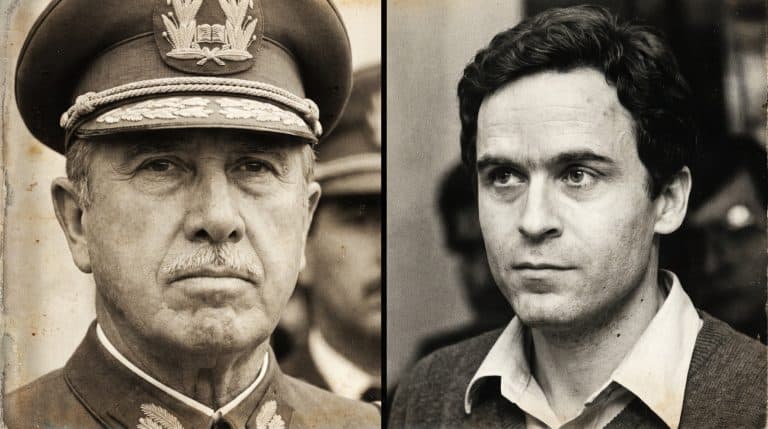

History is full of people who looked harmless until someone made the mistake of underestimating them.
Cardinal Richelieu
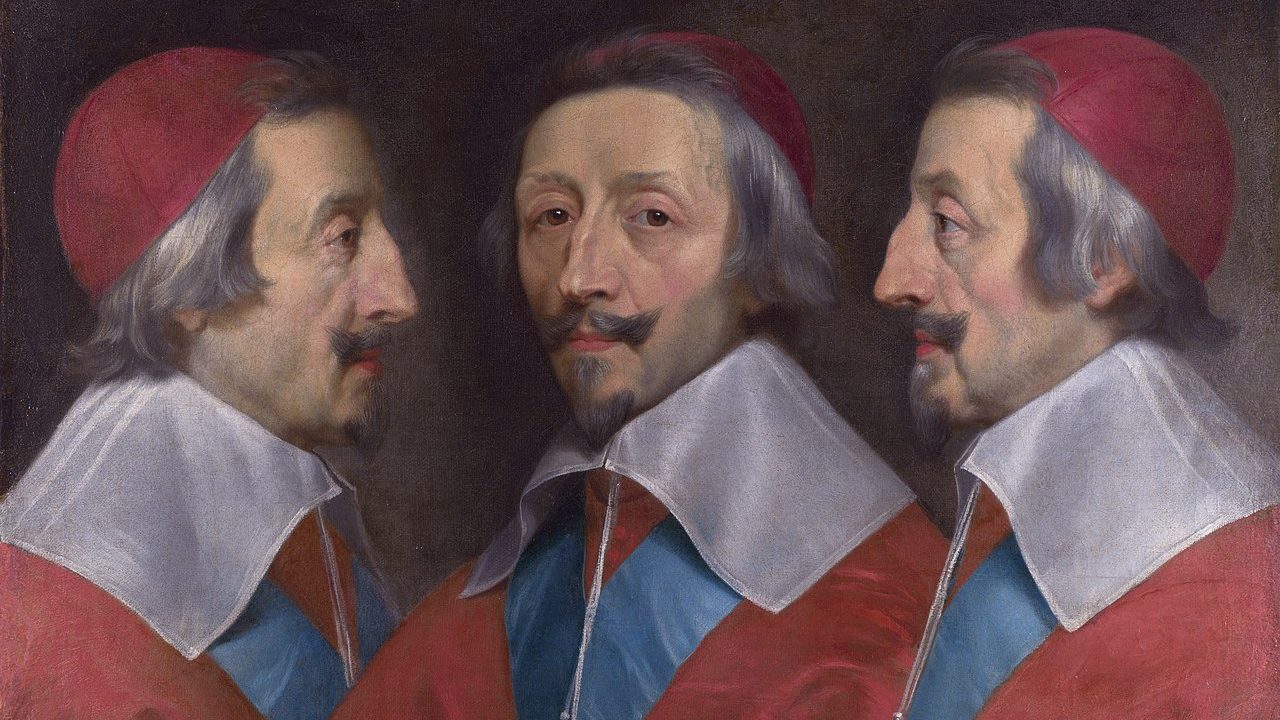
Cardinal Richelieu seemed to those around him a weak, pious bishop in red robes who suffered from frequent headaches and who idled away much of his downtime playing with pet cats. Behind this façade, as Chief Minister to King Louis XIII, he was the heartless founder of French absolutism and modern statecraft.
He suppressed internal rivals to the crown, violently broke French Protestants’ political power, and deliberately led France into the Thirty Years’ War by financing Protestants to tear apart France’s greatest rival: the Catholic Habsburg Empire.
Ted Bundy
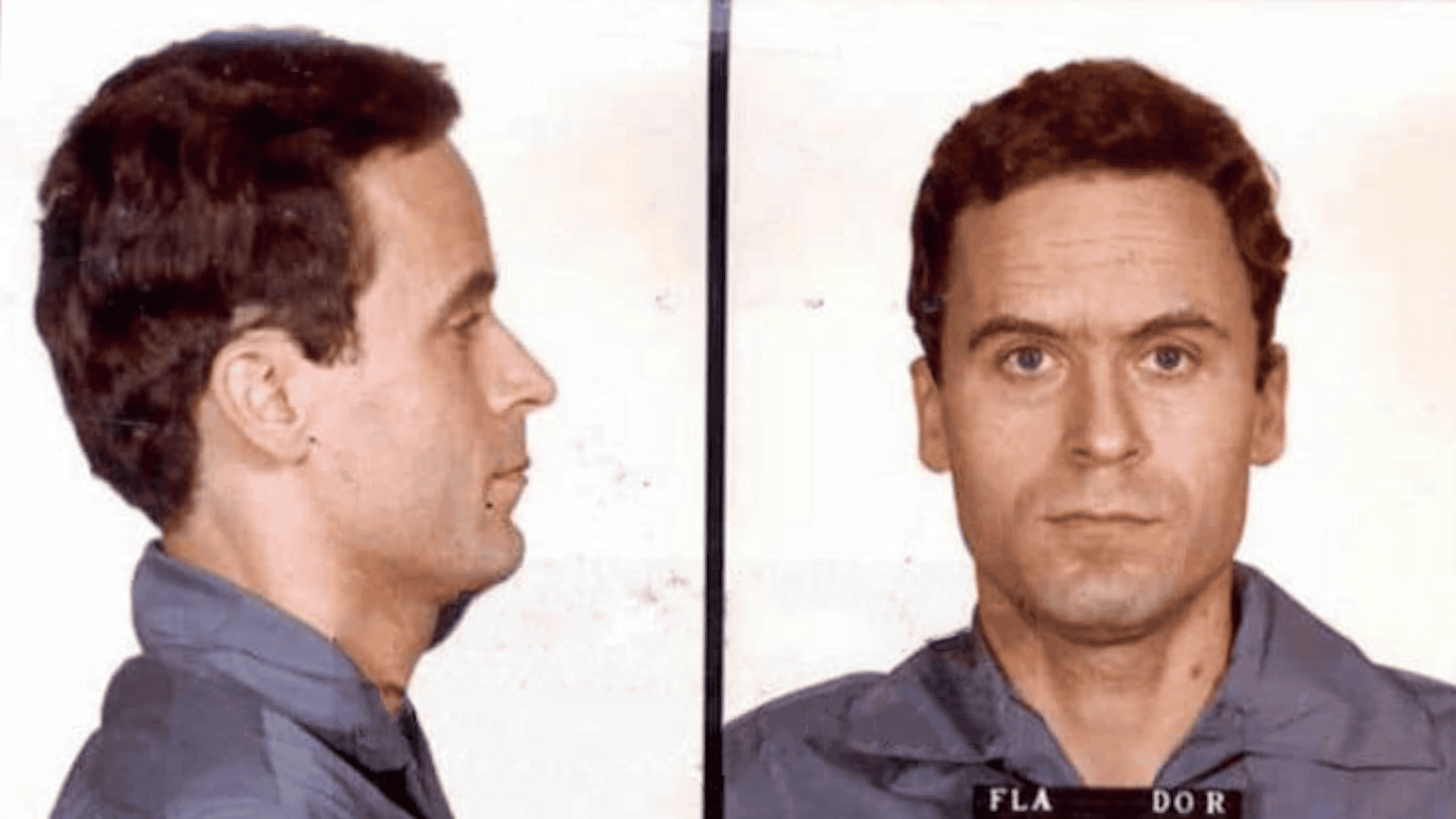
Ted Bundy studied psychology and law, worked on a Republican political campaign in Washington state, and volunteered at a crisis hotline (crime writer Ann Rule was one of his coworkers).
Starting in the 1970s, however, young women began vanishing from across multiple states, and Bundy was linked to these murders. Bundy admitted to 30 homicides shortly before being executed in 1989; however, authorities have suspected he may have killed more.
François Duvalier
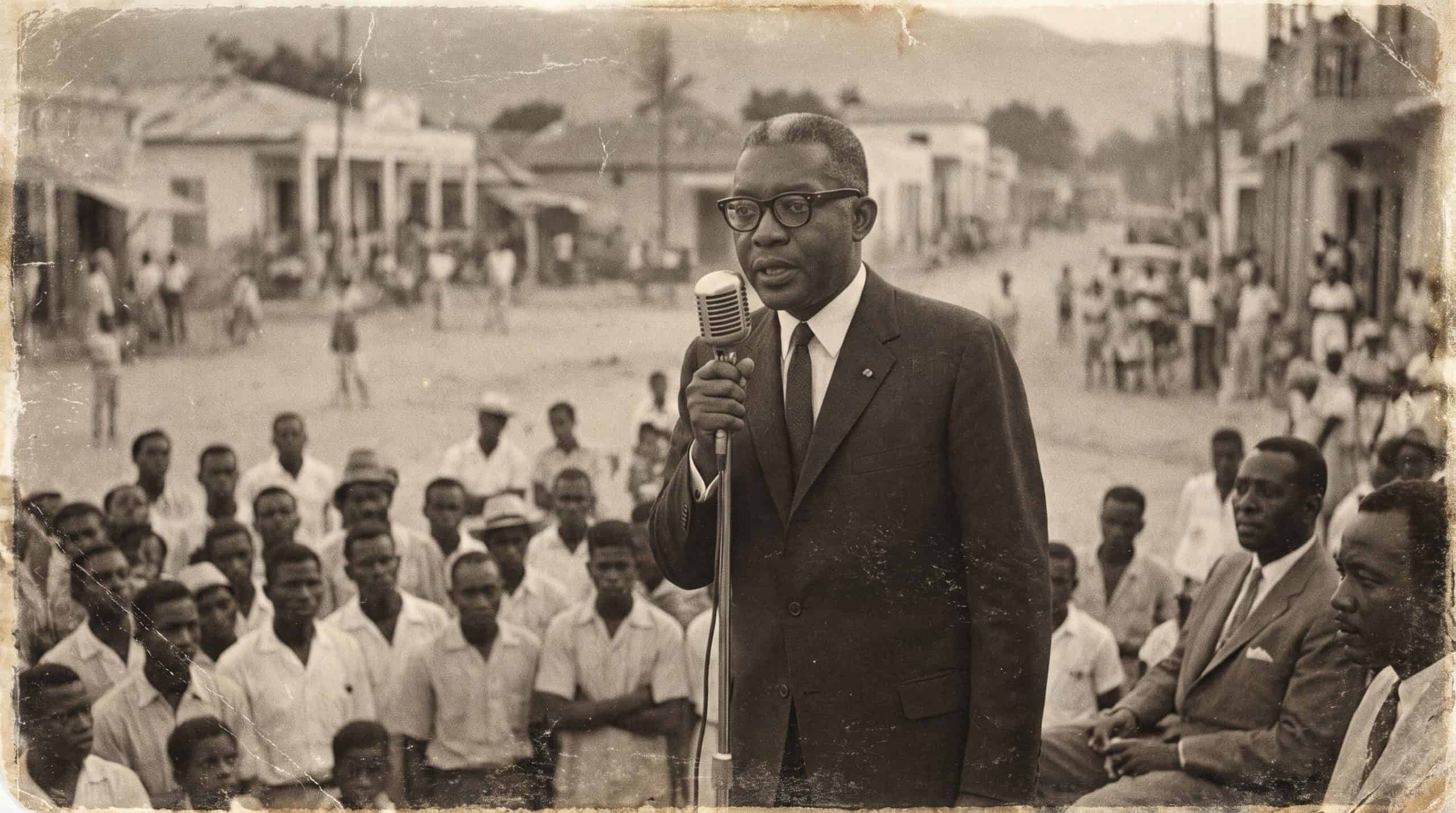
François Duvalier studied medicine and took part in anti-tropical disease campaigns in Haiti and was affectionately called “Papa Doc” by patients. He later became president of Haiti in 1957. After rising to power, Duvalier began suppressing opposition and formed a paramilitary group called the Volontaires de la Sécurité Nationale, also known as the Tonton Macoute, who answered only to him.
After consolidating his power against several challenges, Duvalier chose not to relinquish control. In 1964, he was named president for life by a new constitution. Upon his death in 1971, his 19-year-old son Jean-Claude took over.
Subutai
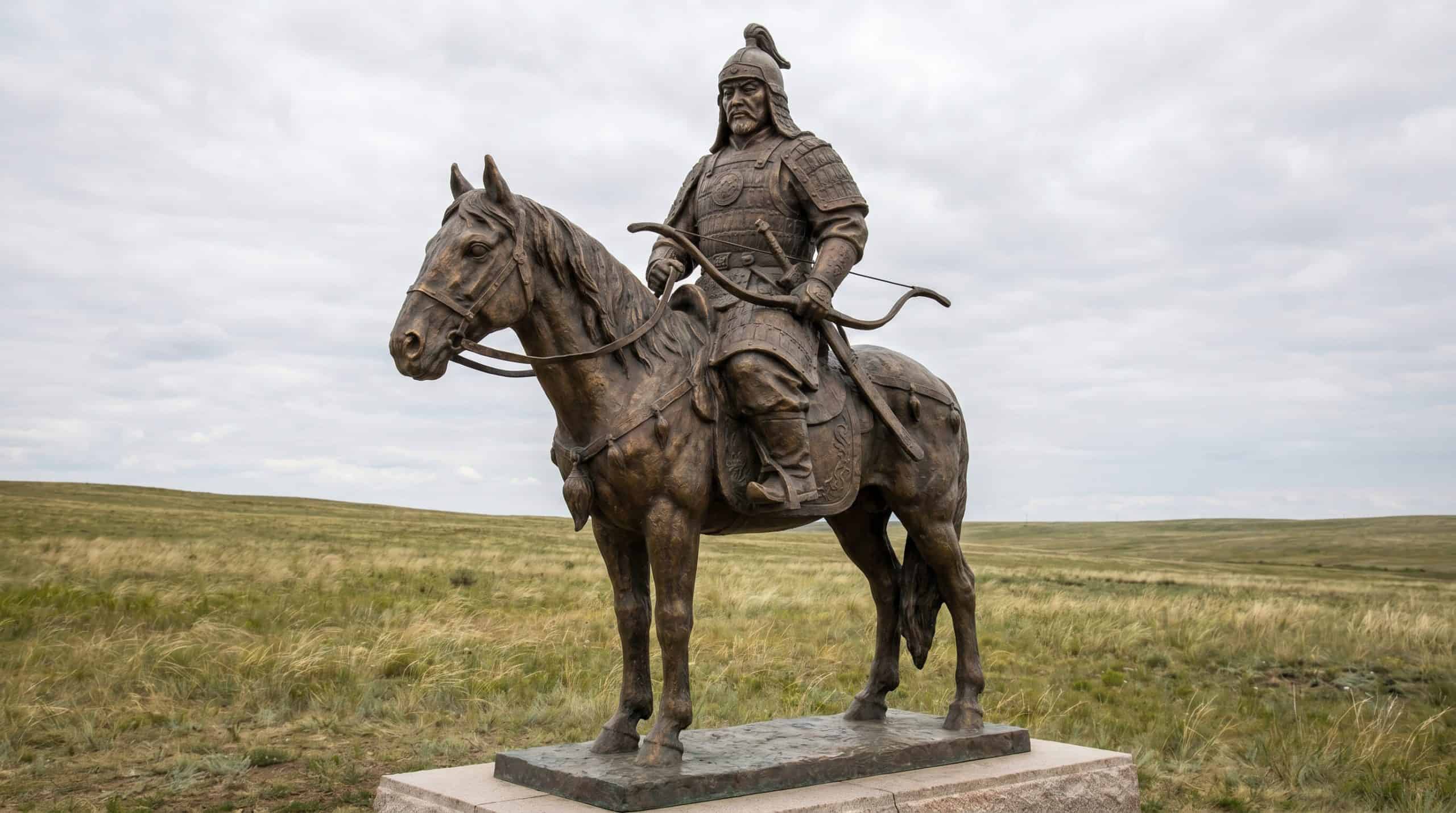
In his middle age, Subutai appeared deceptively harmless. He was an obese and elderly general whose various injuries rendered him incapable of horseback riding, even requiring him to be carted around in a giant iron wagon.
However, Subutai was Genghis Khan’s main strategist and likely the most successful military commander of all time. Commanding out of that wagon, he conquered thirty- two countries, defeated his enemies in sixty-five pitched battles, and led invasion campaigns on both sides of Asia that simultaneously invaded and laid waste to Eastern Europe, Russia, and the Middle East.
Augusto Pinochet
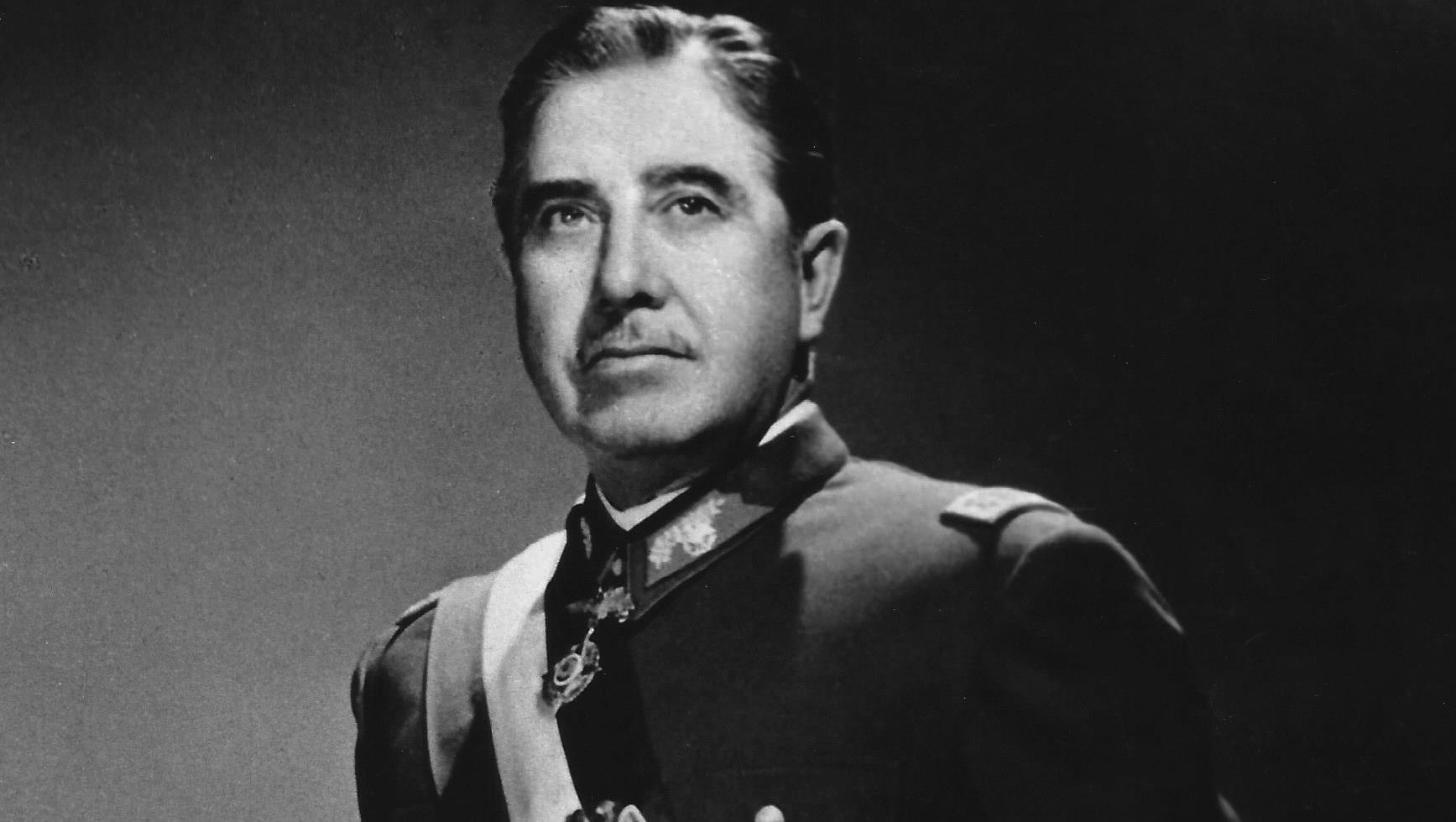
Augusto Pinochet was named commander-in-chief of the Army by President Salvador Allende in August 1973. On September 11, just three weeks later, the armed forces toppled Allende’s government, and Pinochet joined the junta that took power.
Pinochet quickly became Chile’s dominant ruler, remaining in power until 1990. Chile’s subsequent truth commissions verified thousands of deaths and disappearances and tens of thousands of incidents of political imprisonment and torture from the dictatorship.
Joseph Fouché
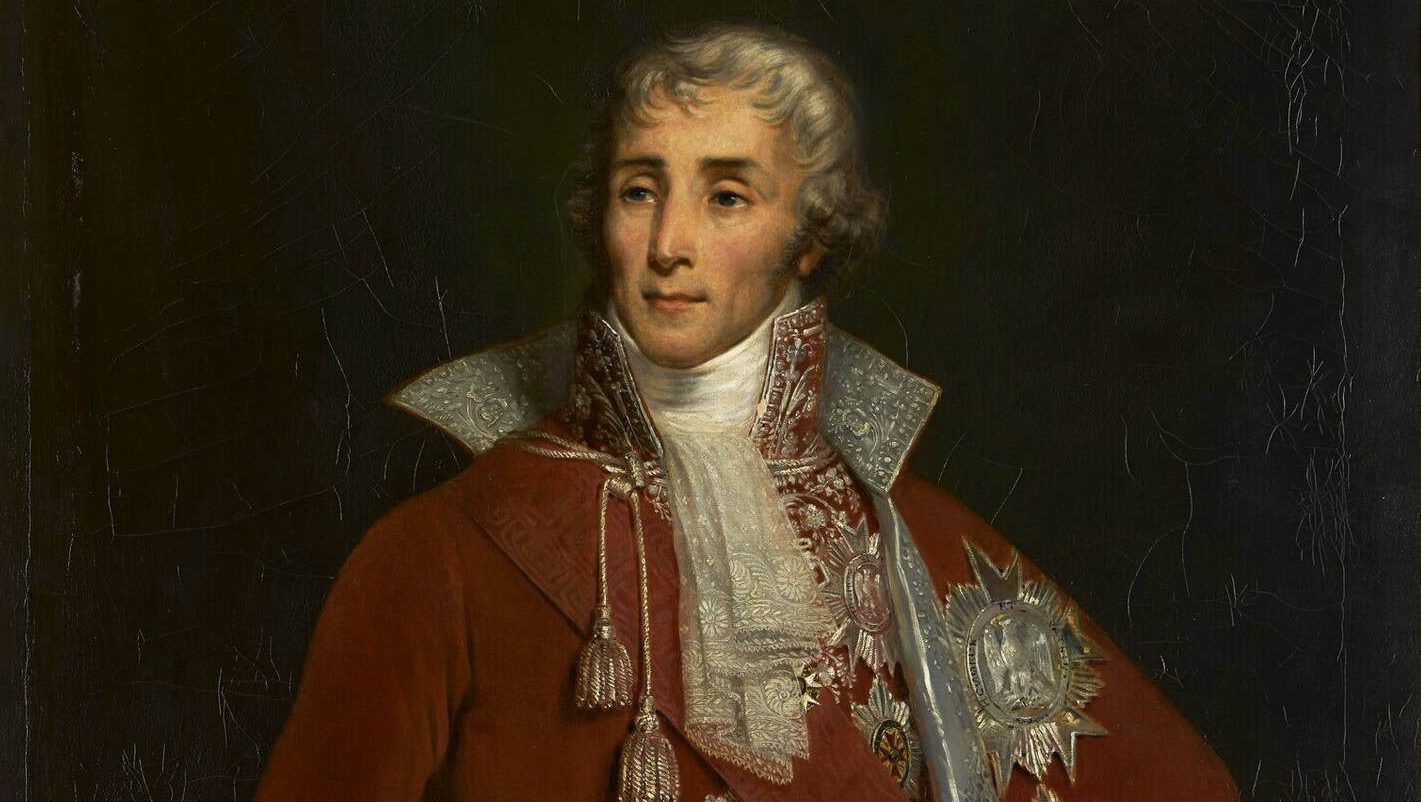
Joseph Fouché looked more like an awkward professor. He was pale and seemed quiet, a former math teacher and monk who spoke softly and seldom shouted. Fouché actually orchestrated the Reign of Terror as France’s Minister of Police during the French Revolution and Napoleonic Era.
He was nicknamed “The Mitrailleur of Lyon” after massacring hundreds of royalist insurgents using cannons loaded with grapeshot. Fouché created the first modern police state using an unseen empire of spies, blackmail, and censorship through the Reign of Terror, the rise of Napoleon, and the restoration of France’s monarchy.
King Leopold II of Belgium
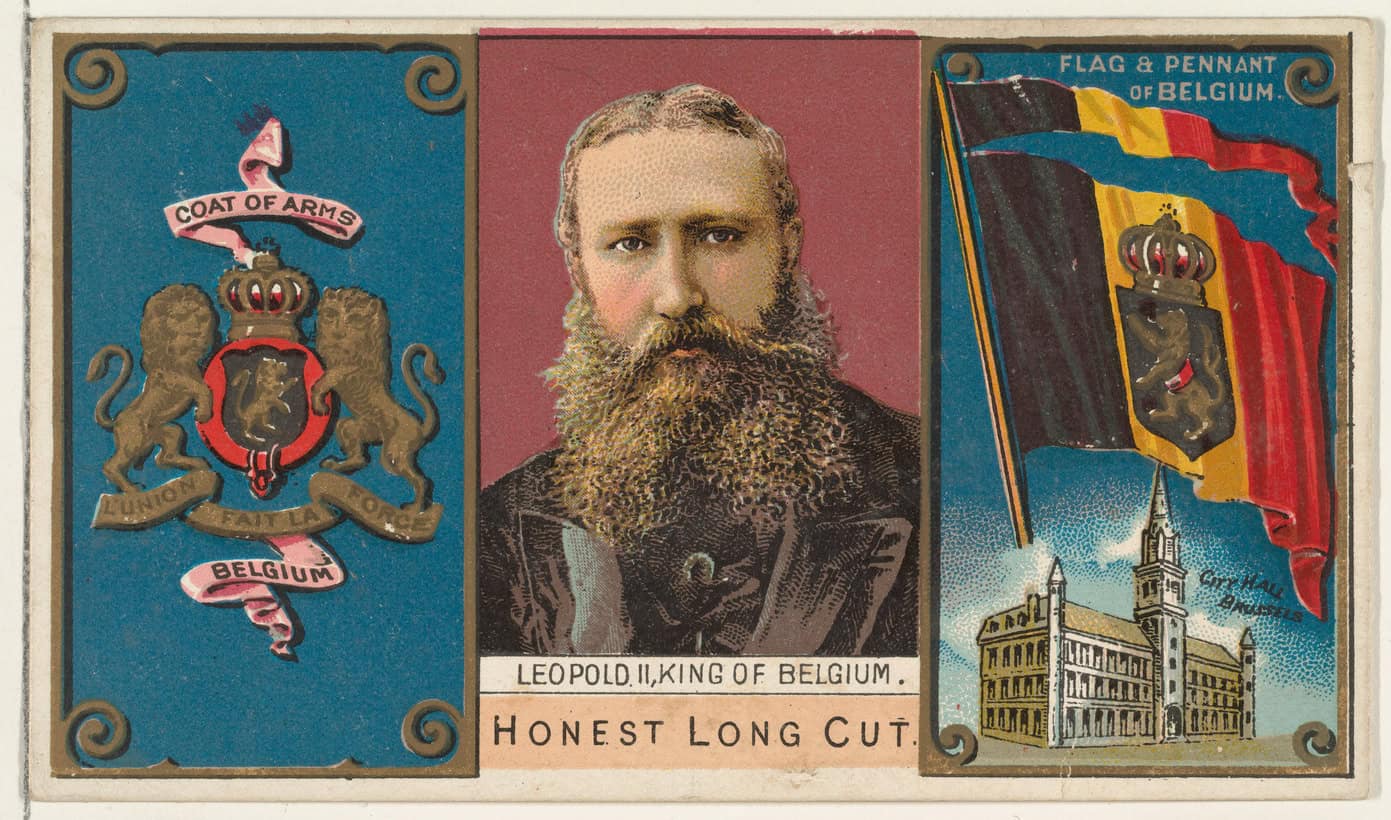
King Leopold II of the Belgians posed as an elegant, bearded monarch in the tradition of European statesmen and philanthropists intent on bringing progress and civilization to Central Africa. Behind the facade of his supposedly benevolent International African Association, Leopold successfully claimed the Congo Free State for his own private ownership.
Leopold imposed a system of exploitation based on the forced labor of rubber and ivory. This forced labor regime, implemented by means of a force of mercenaries, led to mutilations and killings on a large scale; as many as ten million Africans were killed.
Belle Gunness
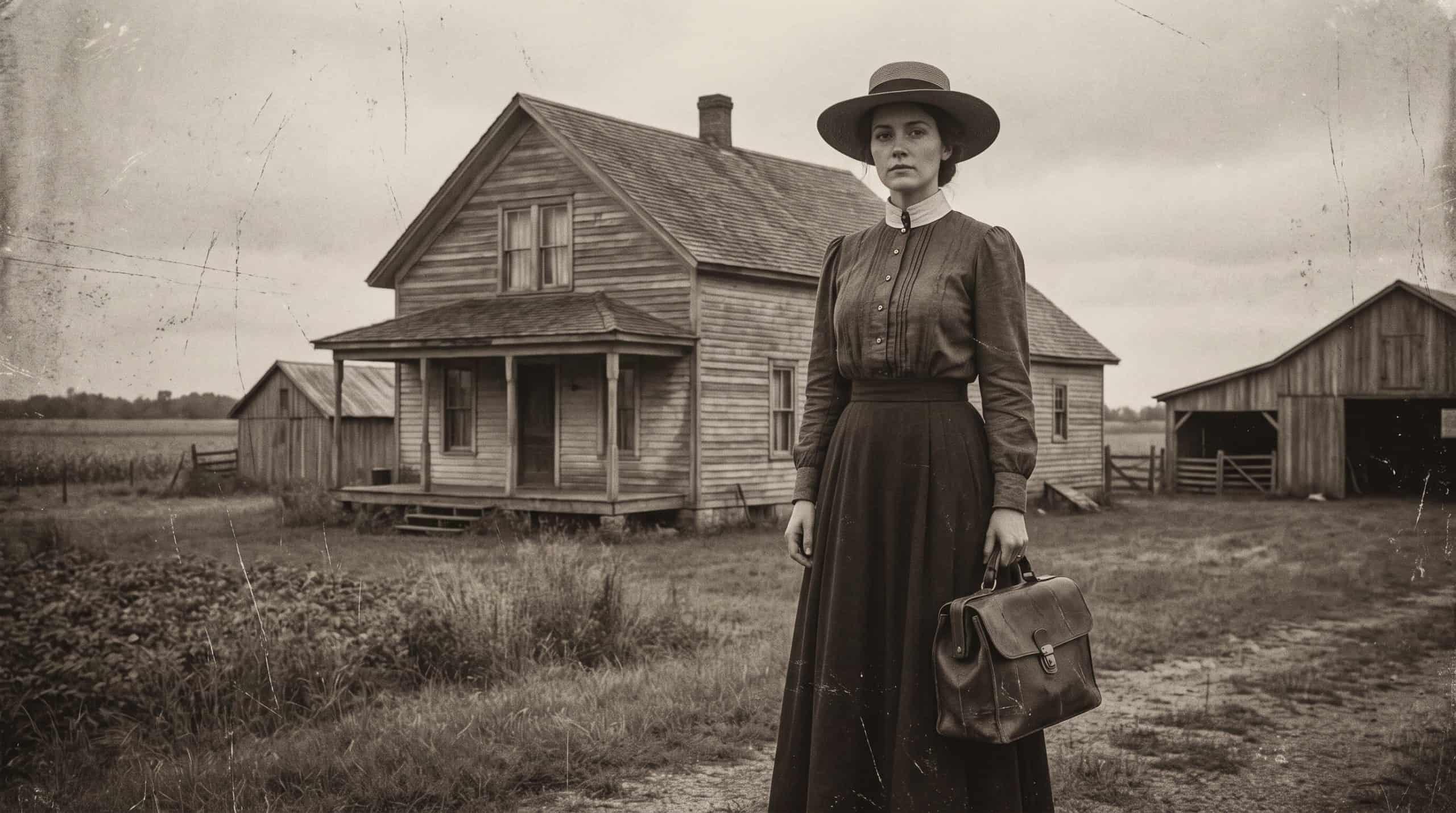
Belle Gunness ran a farm outside La Porte, Indiana, where she placed marriage notices asking for men seeking wives. Letters that have survived from those who responded ask men to come to her farm and ask that they should bring money and keep their arrival a secret.
On April 19, 1908, Gunness’s farmhouse caught fire. Officials who searched the grounds discovered many corpses buried on the farm. Some of the bodies were identified as men who responded to her matrimonial ads. It is disputed whether Gunness perished in the fire because authorities could not positively identify a headless female corpse discovered in its aftermath.
Harold Shipman
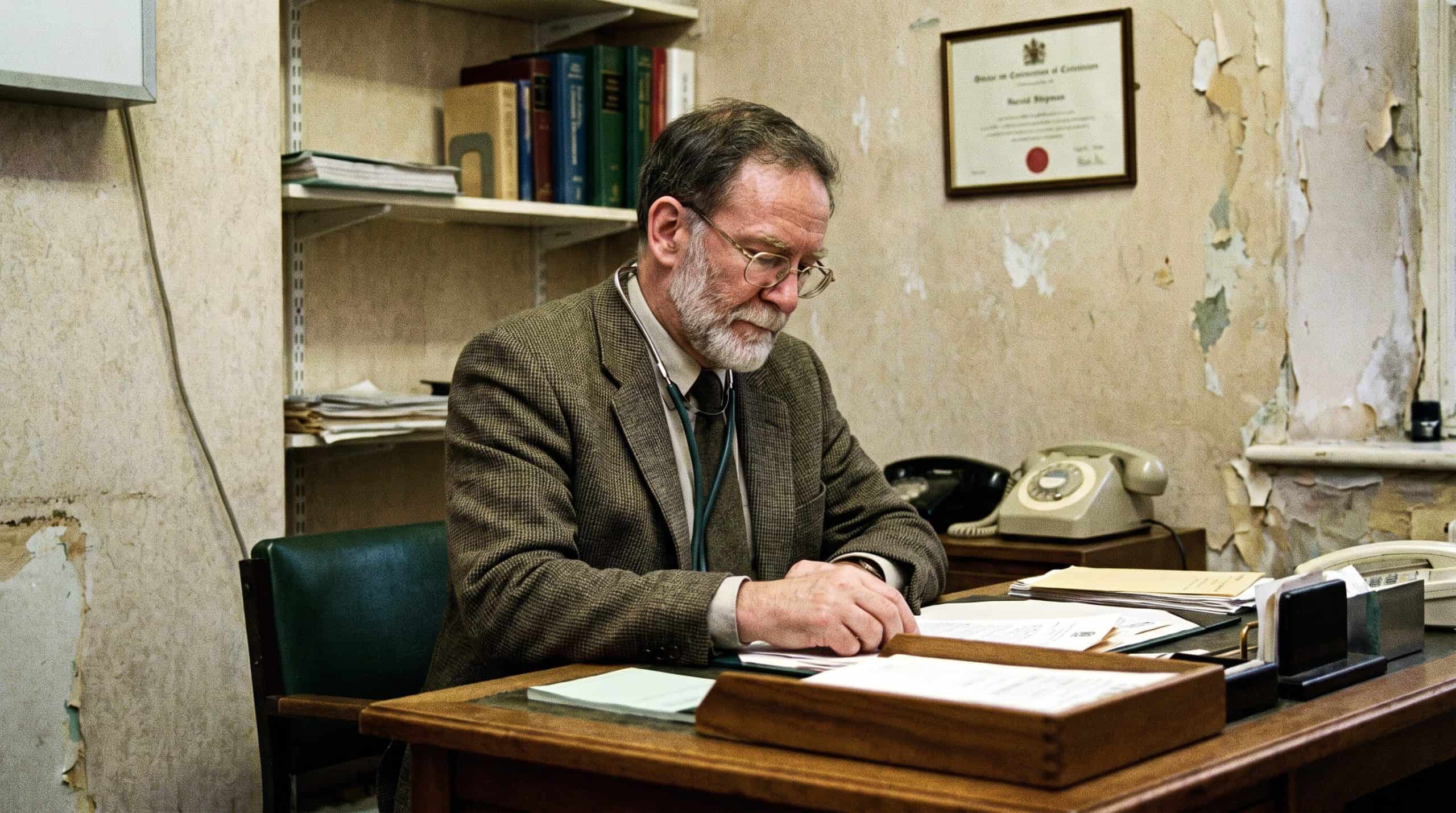
Shipman was a general practitioner in Hyde, near Manchester, and many families trusted him with their health. However, suspicions were raised following the death of Kathleen Grundy in 1998.
Miss Grundy left Shipman £180,000 in her will, but the police found that she had forged the will. The body of Kathleen Grundy was exhumed. Shipman was convicted in 2000 of killing 15 of his patients. However, the Shipman Inquiry concluded that he killed about 250 victims over a number of years, most of them elderly women.
Cardinal Mazarin
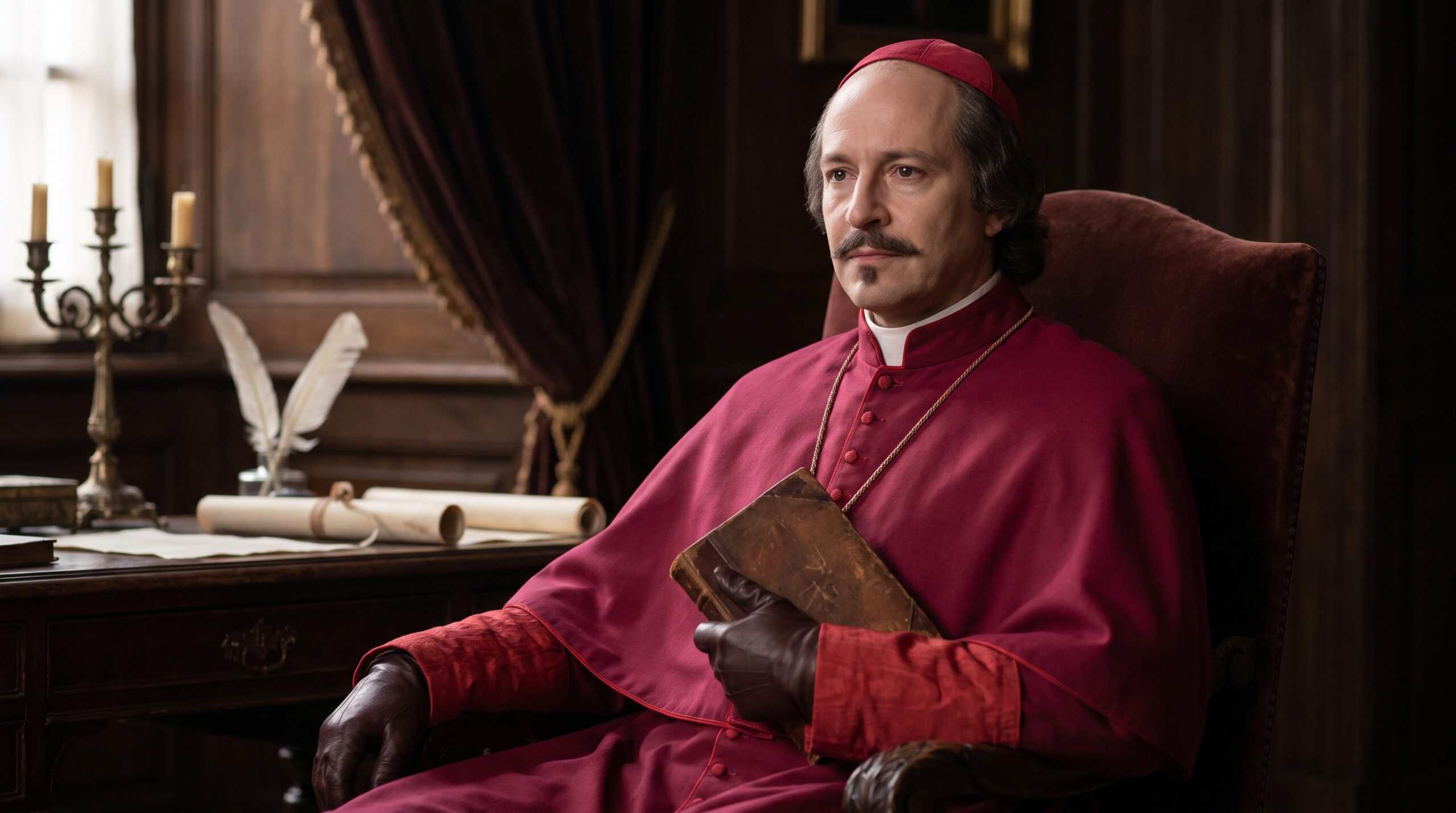
Cardinal Mazarin entered the French court as a handsome, softly spoken Italian diplomat. A lover of art with refined manners, many at court saw him simply as another courtier instead of the dangerous politician he became.
When he replaced Cardinal Richelieu as France’s Chief Minister, Mazarin employed his duplicitous, sweet nature to strengthen the power of the monarchy behind Louis XIV.
He defeated armed noble revolts in the Fronde, crushed opposition through clever cunning and meticulous patience, and signed treaties that positioned France as the most formidable military and diplomatic force in Europe.
John Wayne Gacy

John Wayne Gacy owned a prosperous concrete construction business in suburban Chicago, worked in local Democratic politics, and belonged to several civic organizations. Gacy was even photographed with First Lady Rosalynn Carter during a political fundraiser in 1978. He also performed infrequently as “Pogo the Clown” at children’s hospitals and parties.
Following the disappearance of 15-year-old Robert Piest in December 1978, police eventually linked Gacy to the boy’s disappearance. Police later discovered remains of several victims on Gacy’s property, and he was convicted of killing 33 young men and boys.
Tomás de Torquemada
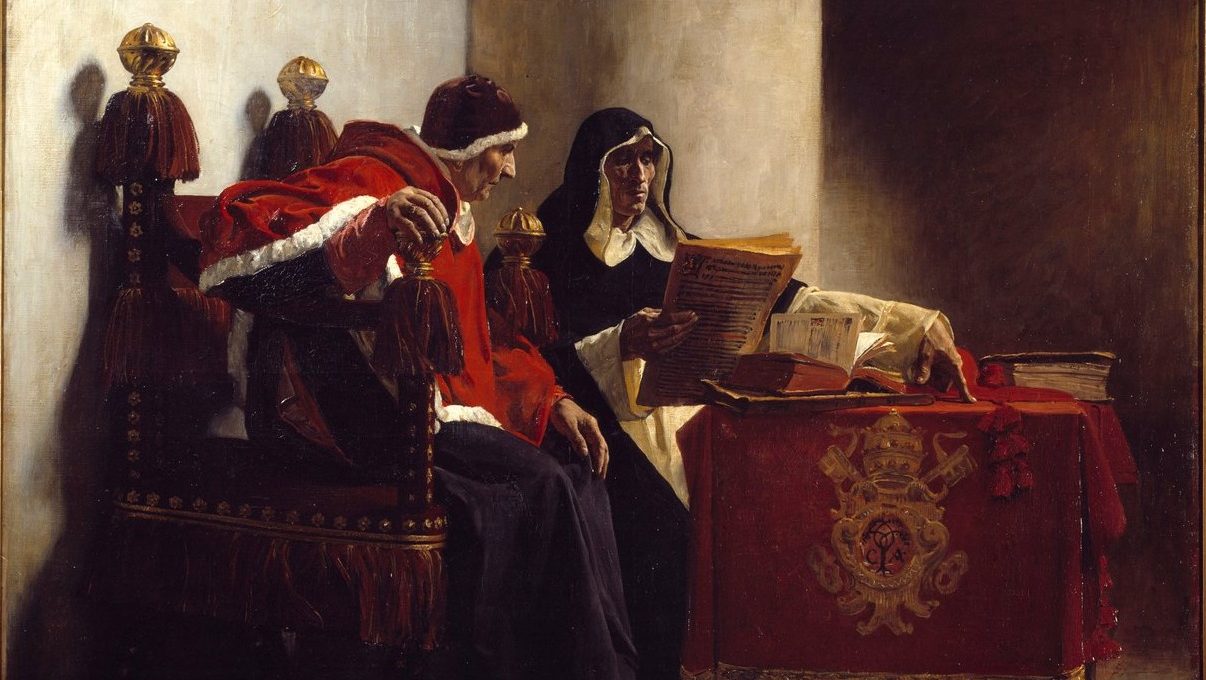
Torquemada led an extremely austere existence as a Dominican friar. He wore no fine clothing, ate simple food, and spent his waking hours reading and praying quietly. This severe lifestyle disguised the zealot who would lead Spain’s Inquisition.
As Grand Inquisitor, Torquemada made the Spanish Inquisition a nationwide program of terror. By his orders, tens of thousands were questioned, tortured, and deprived of their possessions. Thousands of Jewish and Muslim converts were burned at the stake during his direct supervision.
Lavrentiy Beria
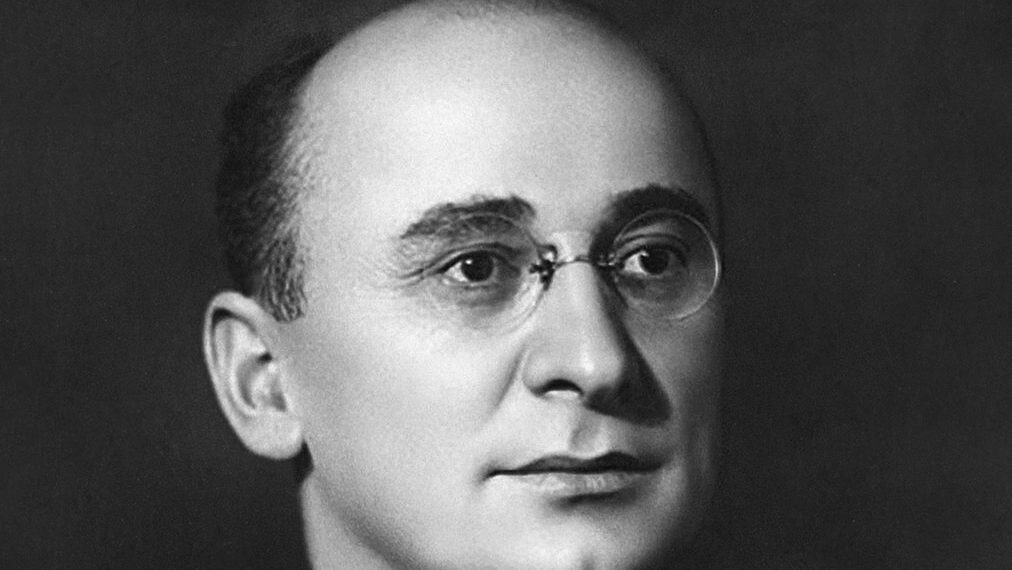
Beria cut the figure of a mild school accountant or mid-level bureaucrat shambling through the halls of the Kremlin. Beria was actually the head of the Soviet NKVD apparatus under Joseph Stalin during World War II and the early stages of the Cold War.
As Stalin’s right-hand man, he controlled the Gulag prison system, masterminded the Katyn massacre of Polish POWs, ran the Soviet atomic bomb project built on slave labor, and orchestrated a vast political purge machine and reign of personal terror within Moscow.
H. H. Holmes
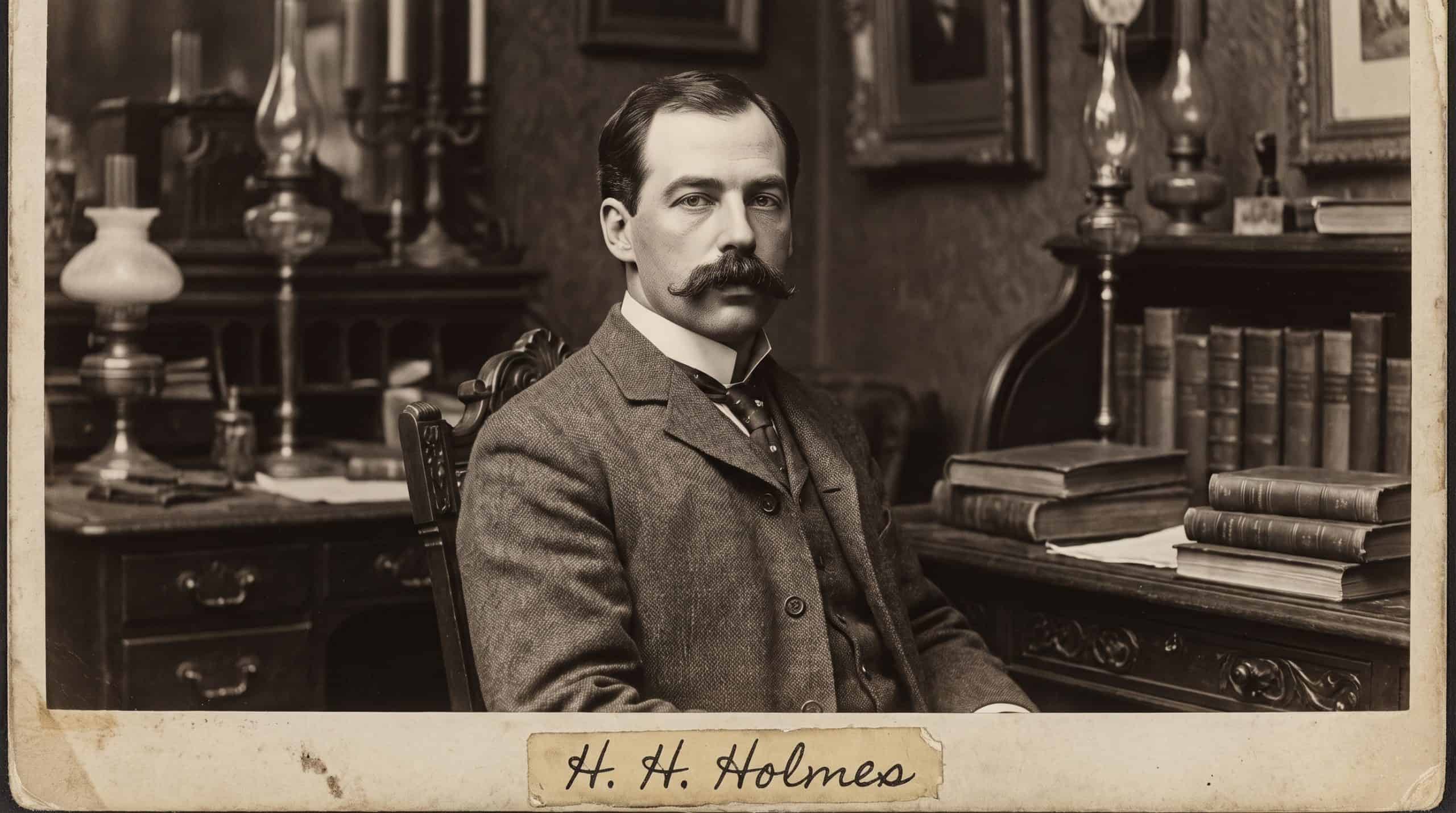
H. H. Holmes moved to Chicago in the 1880s, and later owned a pharmacy as well as a building adjacent to the pharmacy in Englewood. To clients and business partners, he could appear to be a well-educated doctor and businessman.
Holmes was also a skillful con artist. He would buy insurance policies and assume aliases as part of his cons. Holmes was eventually found guilty of killing his partner Benjamin Pitezel in an insurance fraud scheme and was executed in 1896. Holmes confessed to 27 murders.
Sources: Please see here for a complete listing of all sources that were consulted in the preparation of this article.
Like our content? Be sure to follow us.
12 historical figures that don’t get enough hate

Some of history’s worst individuals are well-known, but then there are those whose historical reputations have been so polished that the uglier parts barely get mentioned.
