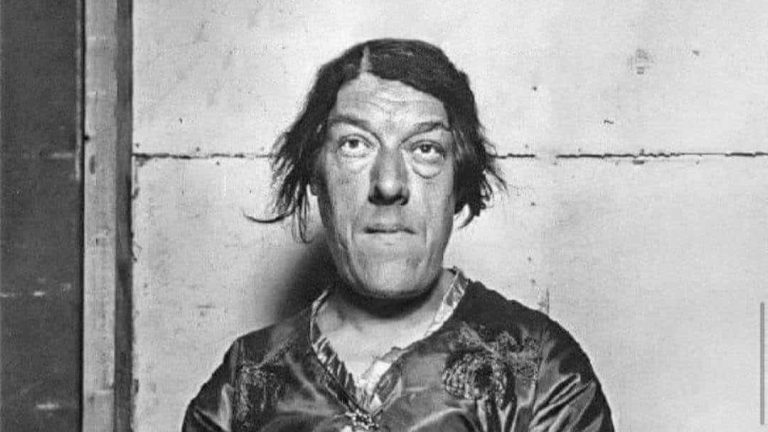

More than just having a bad run of luck, some people lost years, freedom, health, and their families, making for some of the most tragic lives in history.
Blanche Monnier
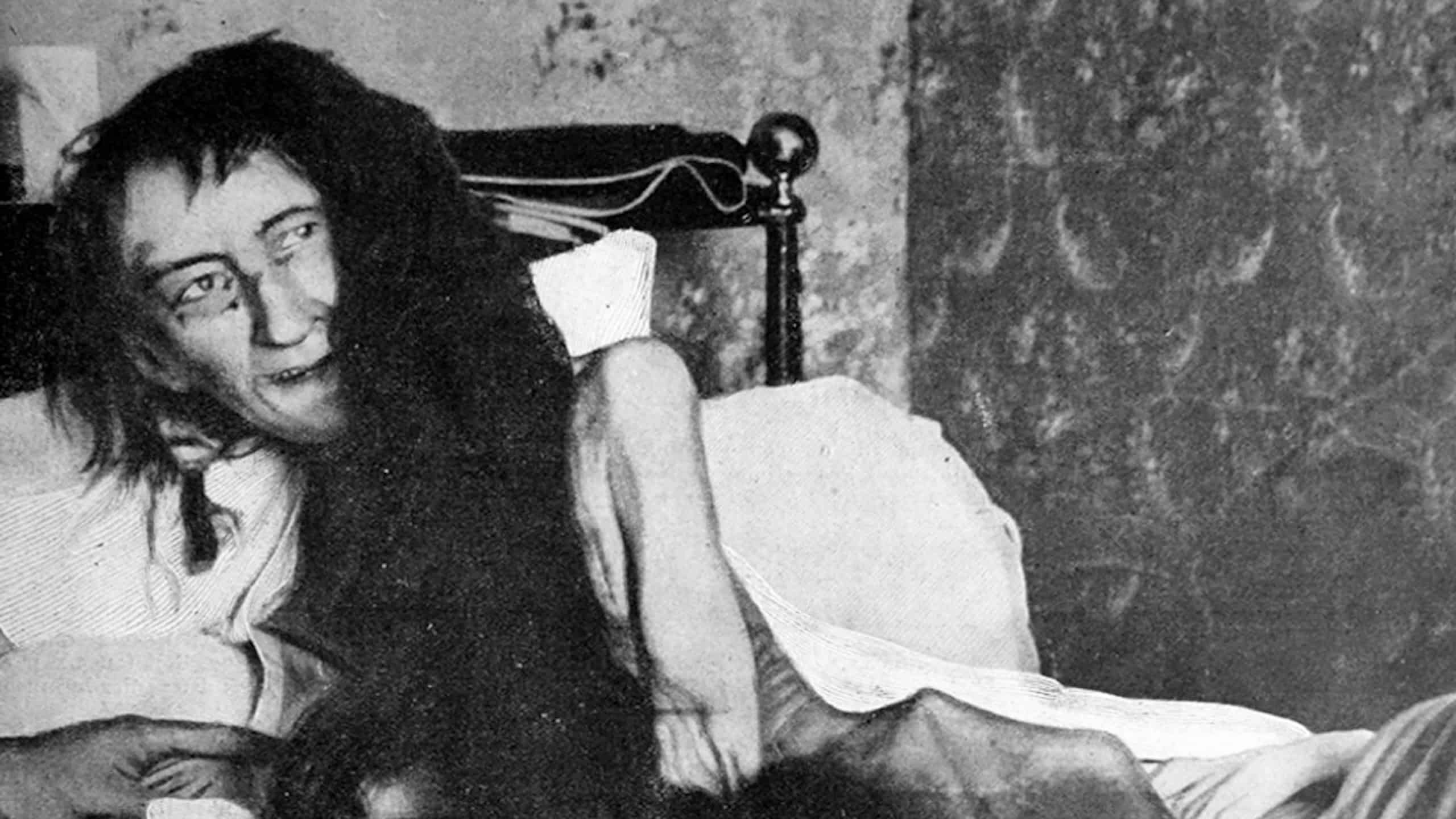
25 years. That’s how long Blanche Monnier was locked inside a single room in her family’s house in Poitiers, France. Police eventually found her in 1901 after an anonymous letter reached the attorney general, revealing that the woman was locked away.
She was painfully thin and lying on a filthy mattress when the police found her. In fact, the window was sealed so tightly that practically no daylight came through, so she’d been locked away in the dark for over two decades. She later died in a psychiatric institution in 1913.
Ota Benga
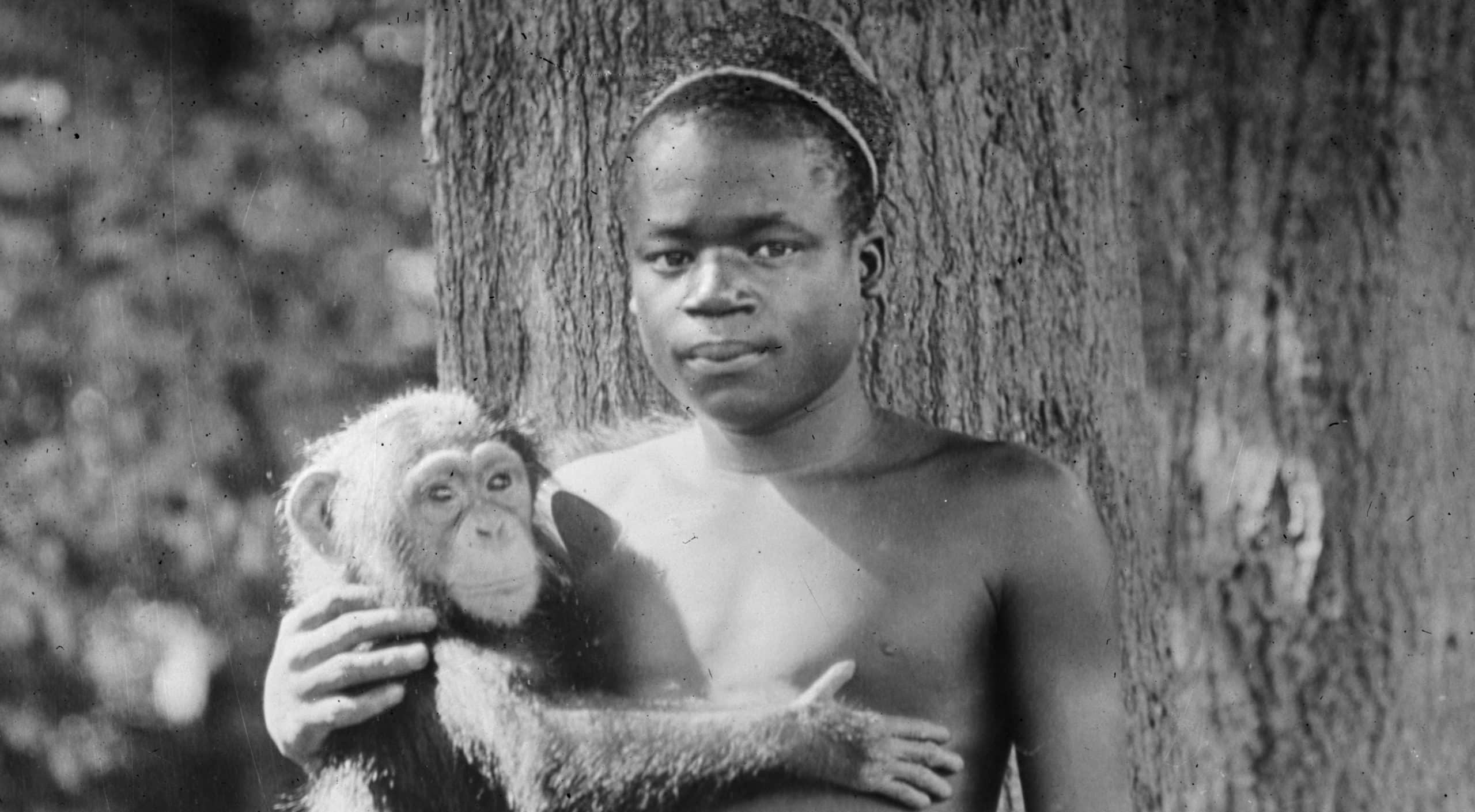
Ota Benga had been through a lot in the Congo, surviving violence and much more. Then strangers took him into a whole new kind of nightmare. They took him to the United States for the 1904 St. Louis World’s Fair, showing him off like a zoo animal or exhibit. It only got worse.
The Bronx Zoo put him inside the Monkey House two years later, right next to an orangutan, and even gave him a sign that described his weight, height, and birthplace. He tried to go back to Africa, but the outbreak of World War I stopped that. Benga committed suicide in 1916.
Ivan VI
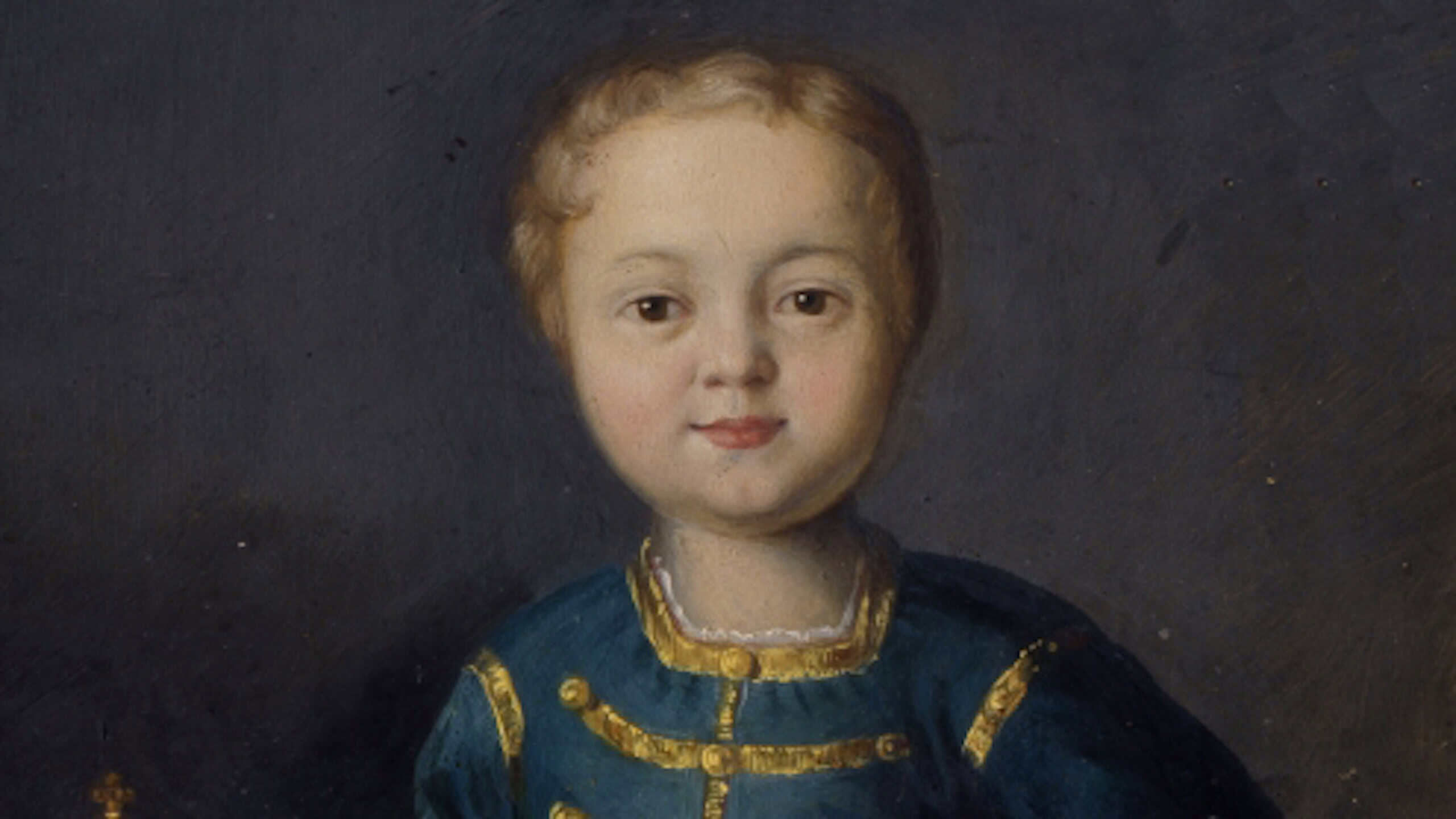
At two months old, Ivan VI became emperor of Russia, although it wasn’t as cool as it sounds. His reign lasted about a year, after which Elizabeth of Russia seized the throne and had him imprisoned with his family. Ivan was later moved into solitary confinement when he was older.
Officials hid his identity and everything human about him, calling him ‘the nameless one.’ Not everyone was out to hurt him, however, as an officer tried to free him in 1764. The officials killed Ivan before the rescue could happen. He was 23.
Wanrong
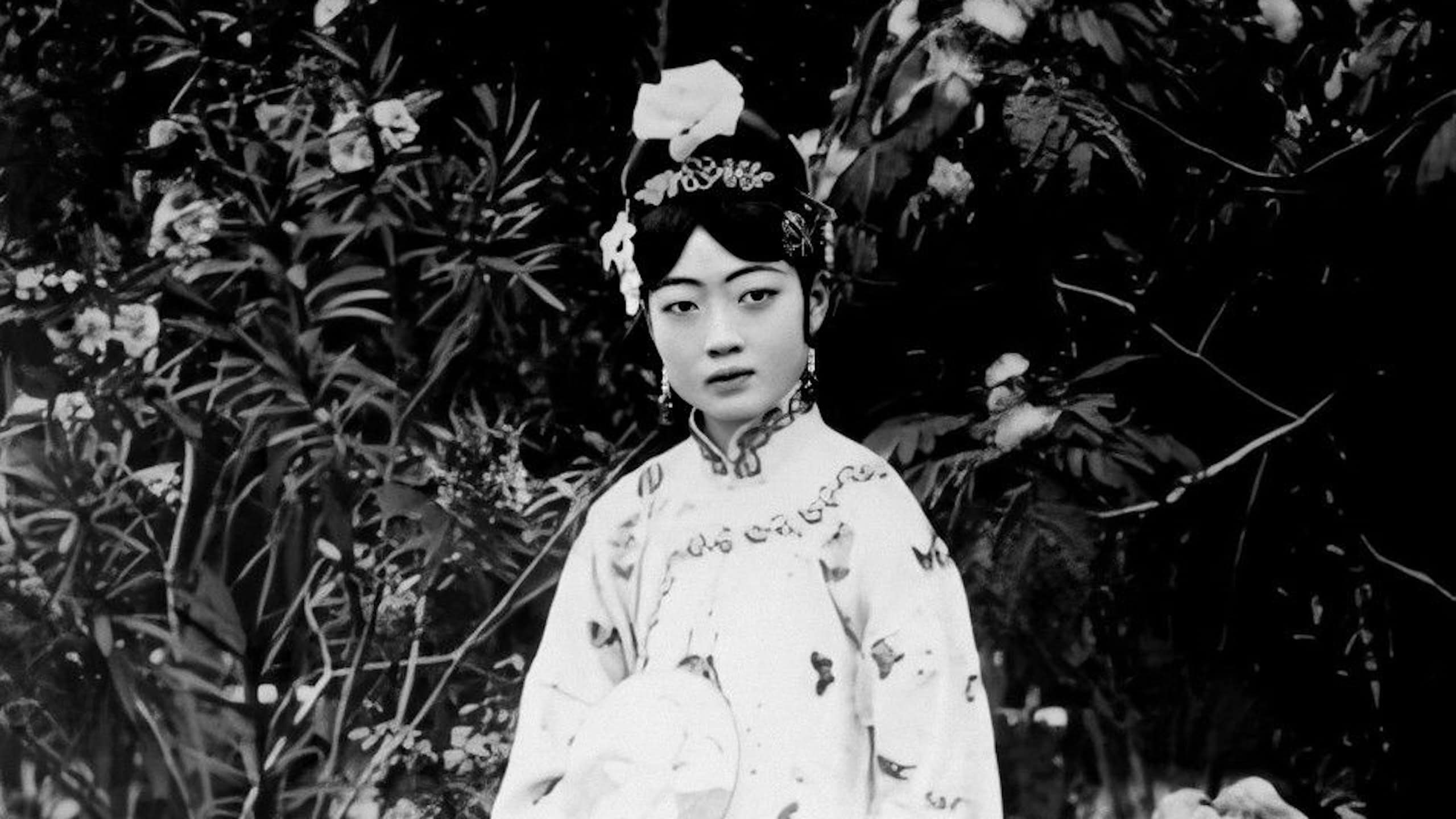
China’s imperial system had already fallen by the time that Wanrong entered the Forbidden City as the empress of Puyi, the last emperor of China. But palace life wasn’t exactly comforting. Her marriage was lonely, and she soon became dependent on opium to cope.
She became pregnant after having an affair. Her daughter was taken away and died soon afterward. Things only got worse for her, as she was captured during the Soviet invasion of Manchuria. She died in prison while suffering opium withdrawals.
Juana I

She had it all. Juana I of Castile, Spain, had a crown and a title, yet she had almost no control over her own life, especially after her husband Philip died in 1506. Her father, Ferdinand, took charge of Castile and placed her in the palace at Tordesillas.
Juana’s son, Charles V, kept her there when Ferdinand died, but kept ruling in her name, and she was confined for roughly 46 years. They claimed she was mentally unfit. But they also benefited from keeping power away from her, so who really knows?
Rosemary Kennedy
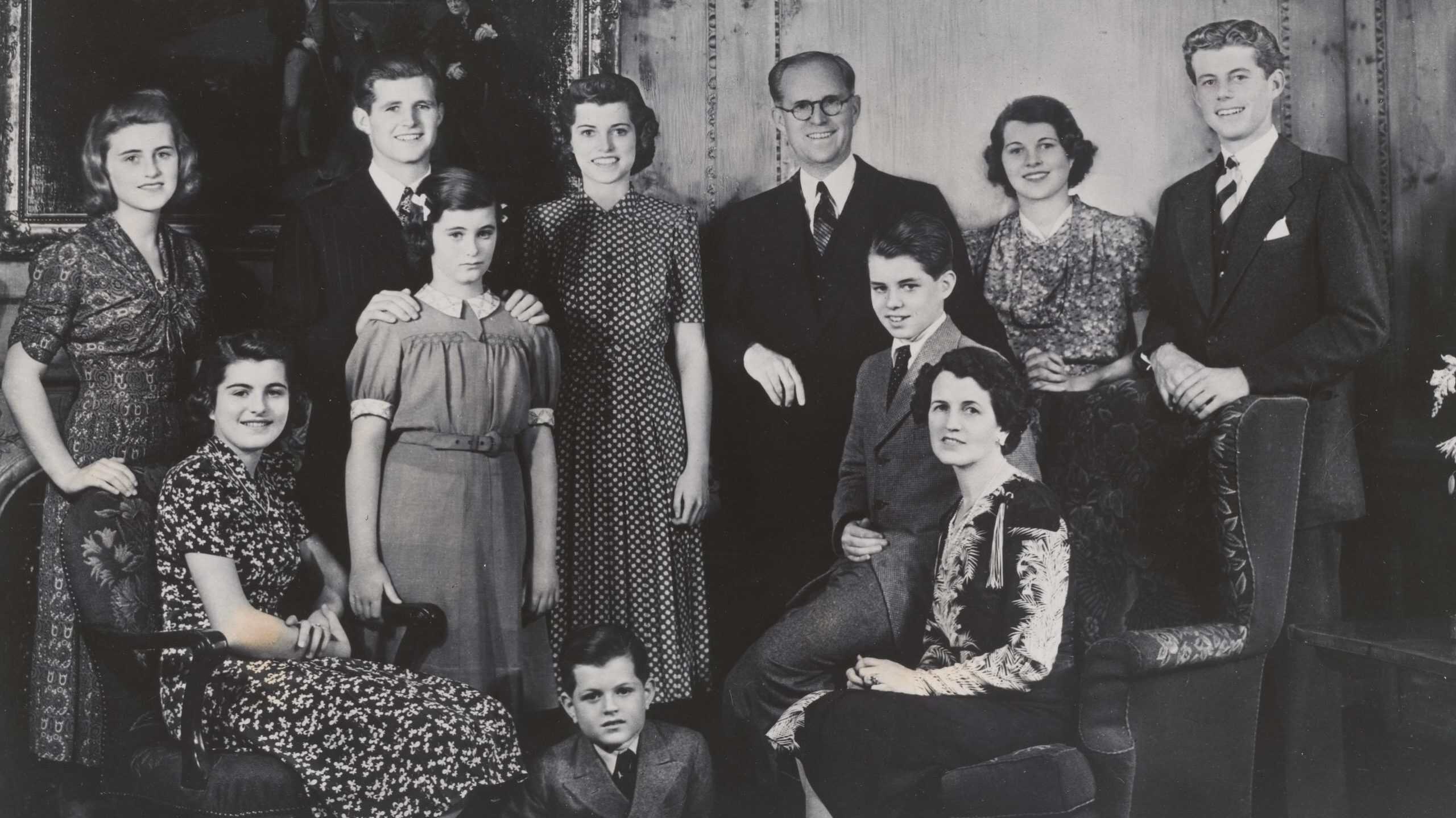
Rosemary Kennedy could read, write letters, travel, attend social events, and do all sorts of things before 1941. The only issues were that she had developmental difficulties and growing mood problems. But her father couldn’t accept that and sent her for a lobotomy.
The surgery irreversibly damaged Rosemary’s ability to speak and walk, leading to her being put in institutional care. Most of her siblings had no idea where she was, and her mother went about two decades without visiting. All that, for appearances.
Lady Jane Grey
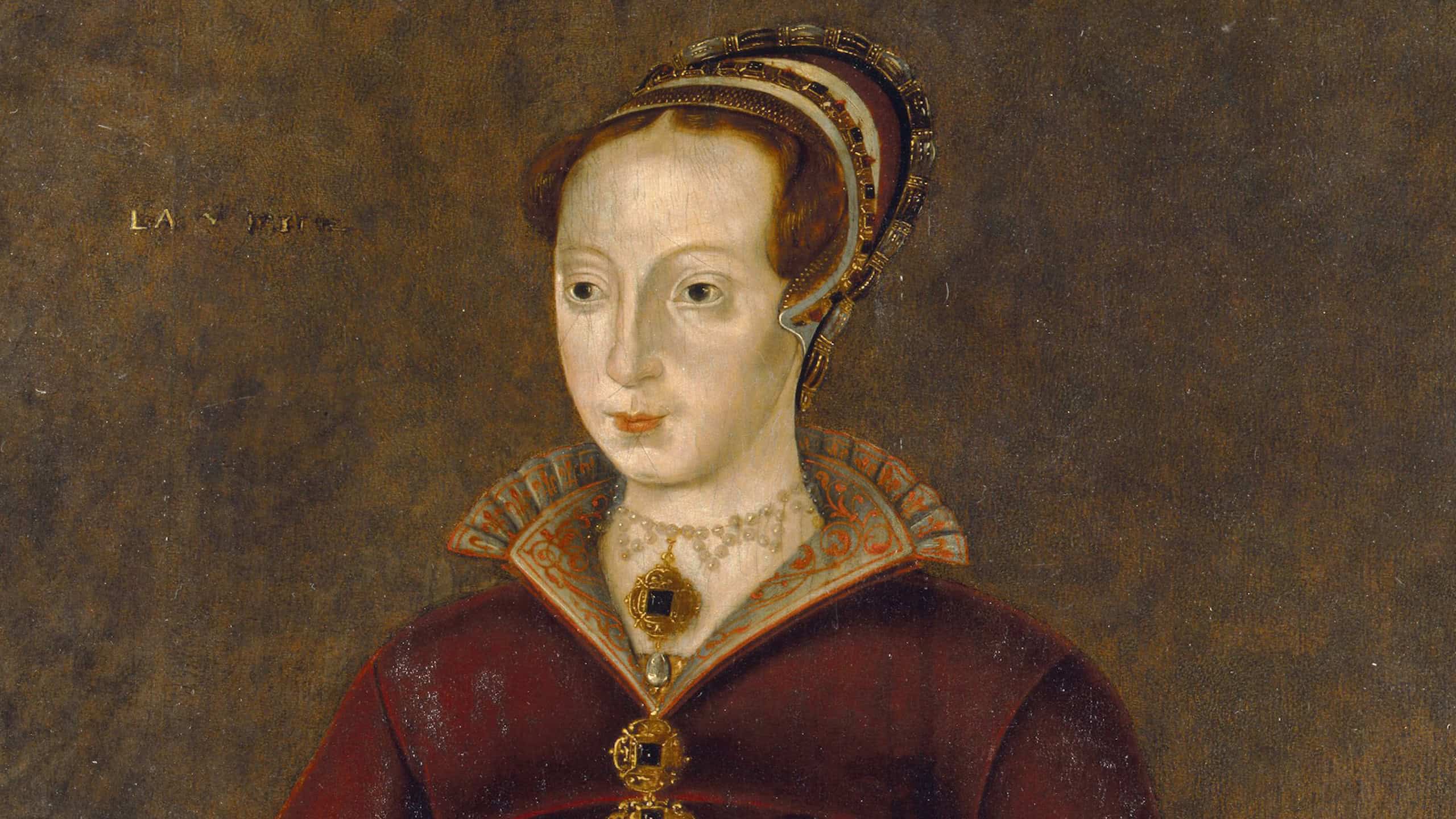
Lady Jane Grey is also known as the Nine-Day Queen, and for a good reason. That’s exactly how long she was on the throne. She was put on England’s throne as a teenager in July 1553 to prevent Edward VI’s Catholic half-sister Mary from taking power. Then the plan collapsed.
Mary gained support, and Jane was arrested. She was taken to the Tower of London with her husband and executed on February 12, 1554, for high treason. She was either 16 or 17 years old when she died, historians aren’t sure.
Solomon Northup
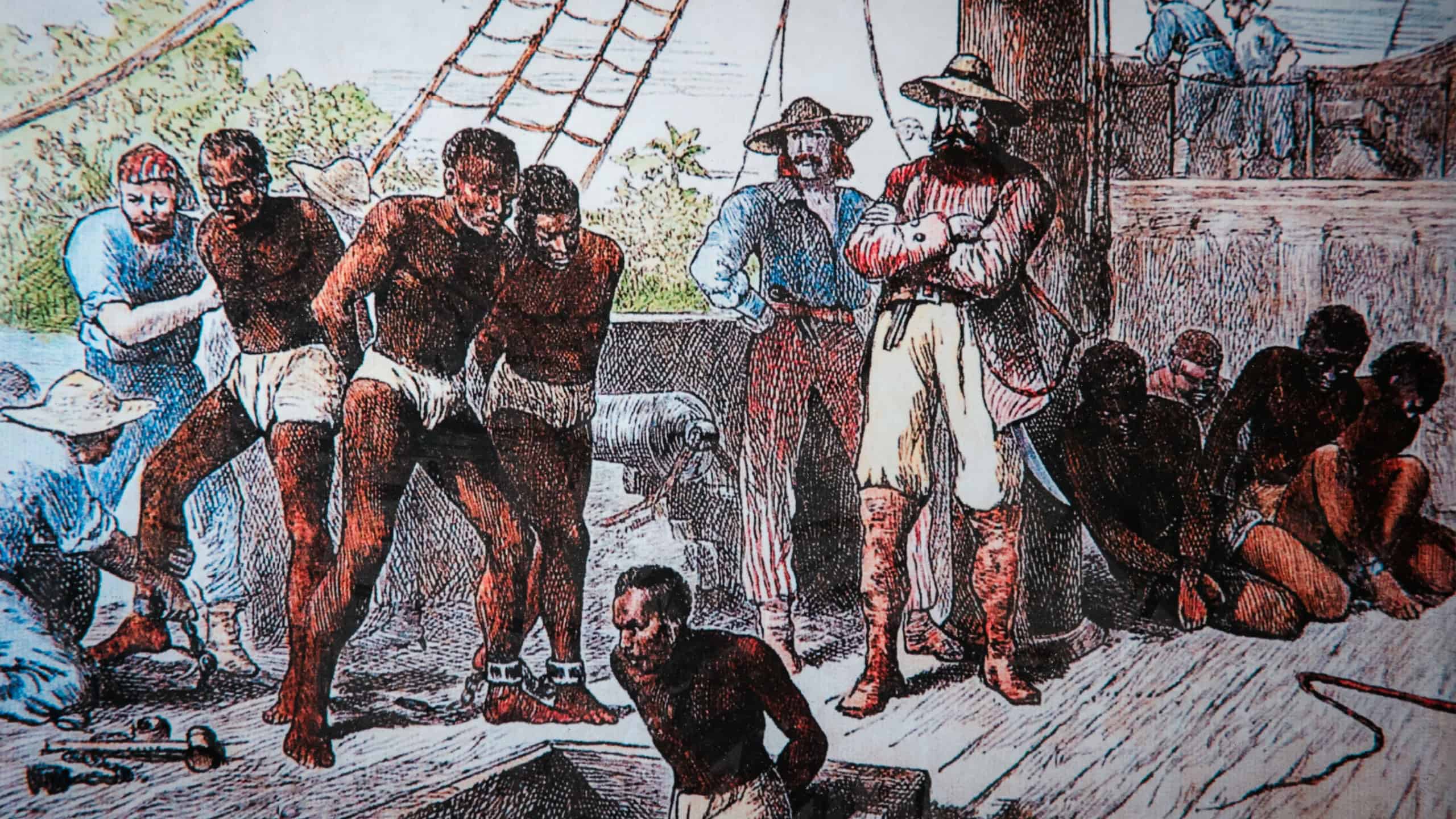
Solomon Northup was a free Black man living in New York when he got a work opportunity that’d take him to Washington, D.C. At least, it was meant to be an opportunity. His ‘employers’ drugged him and stole his freedom papers before selling him as a slave under a fake name.
Northup was shipped to New Orleans and spent twelve years enslaved in Louisiana. He suffered like most slaves at the time, facing beatings and being forced to do labor for his masters. Northup did eventually get his freedom back, but not the twelve years stolen from him.
Marie-Thérèse Charlotte
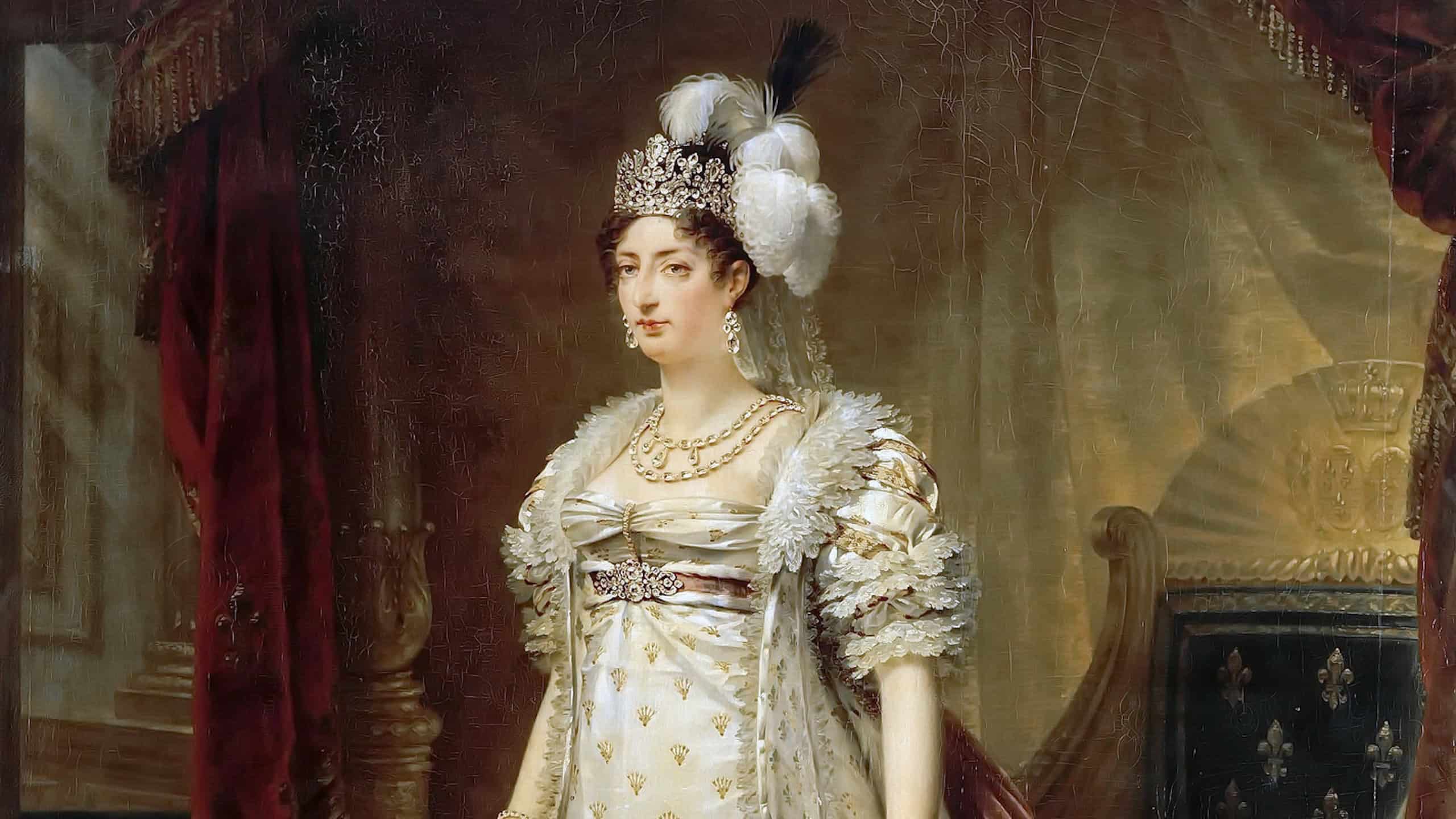
Marie-Thérèse Charlotte entered prison with her whole immediate family. She came out as the only one still alive. The 13-year-old was confined by French revolutionaries in 1792, with her father being executed the next year and guards taking away her younger brother.
It didn’t take long for her mother and aunt to meet the same fate. Marie-Thérèse spent the rest of the time alone and wasn’t clearly told what had happened to them, just left there to wonder. It was only because of a prisoner exchange that she was finally released, on her 17th birthday.
Solitude of Guadeloupe

In 1802, French troops captured Solitude of Guadeloupe while she was still pregnant. She had been fighting against Napoleon Bonaparte’s attempt to restore slavery on the island, but the French crushed the revolution. They delayed her execution because she was pregnant.
On November 28, 1802, she gave birth. She was executed the very next day because, clearly, the French officials didn’t want to wait. By far one of the saddest parts is how little we know about her life because nobody bothered to record anything about her.
John Clare
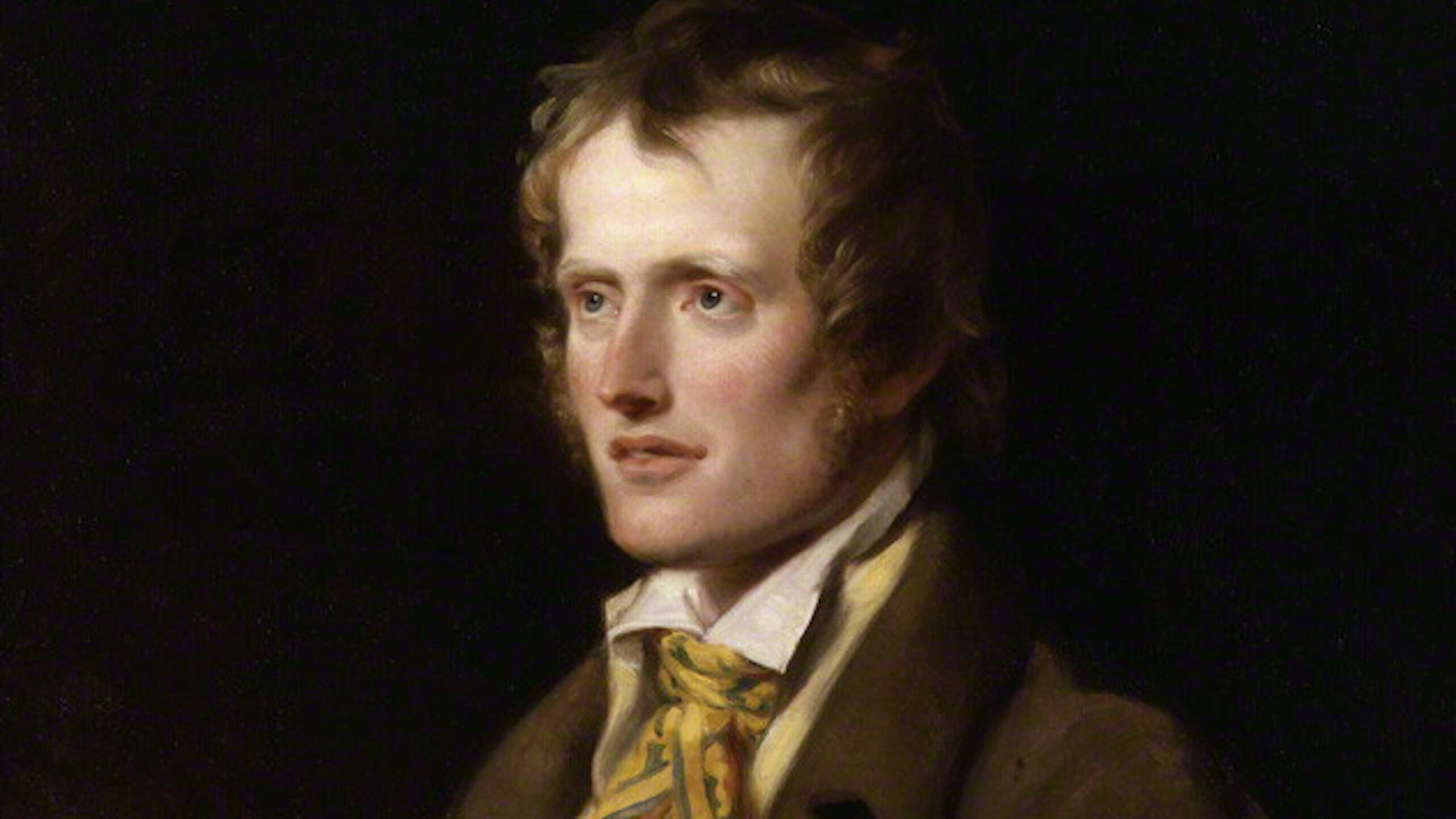
John Clare seemed like he was finally moving up in the world. He went from working in fields to being praised in London literary circles, but not everything changed how you might expect. He struggled financially and mentally before falling out of the spotlight.
Clare was dealing with depression, memory trouble, and delusions during the 1830s. He then entered a private asylum and escaped. Clare walked over 80 miles home, eating grass on the way because he had no food. He was committed again five months later and died there.
Krao Farini
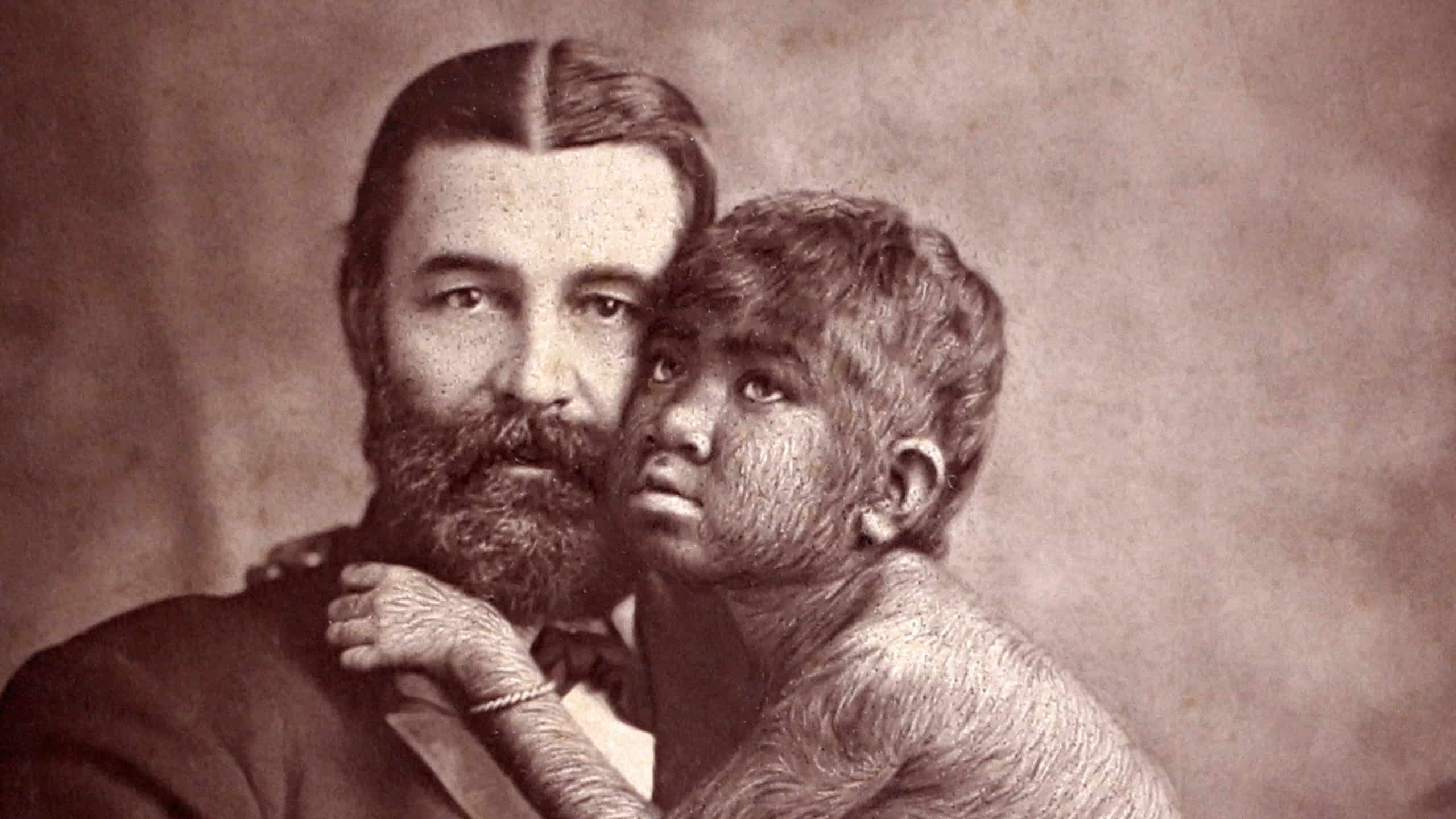
Krao Farini’s entire life was tragic. She suffered from something called hypertrichosis, causing her face and skin to be covered in thick hair. That interested many people, including a man named William Leonard Hunt, who took her from Southeast Asia to Europe.
He advertised her as the ‘missing link’ between humans and apes. It was obviously not true. Still, she spent years in shows across Europe and America being advertised that way. She spent so much of her life being stared at and treated like an animal.
Mary Ann Bevan
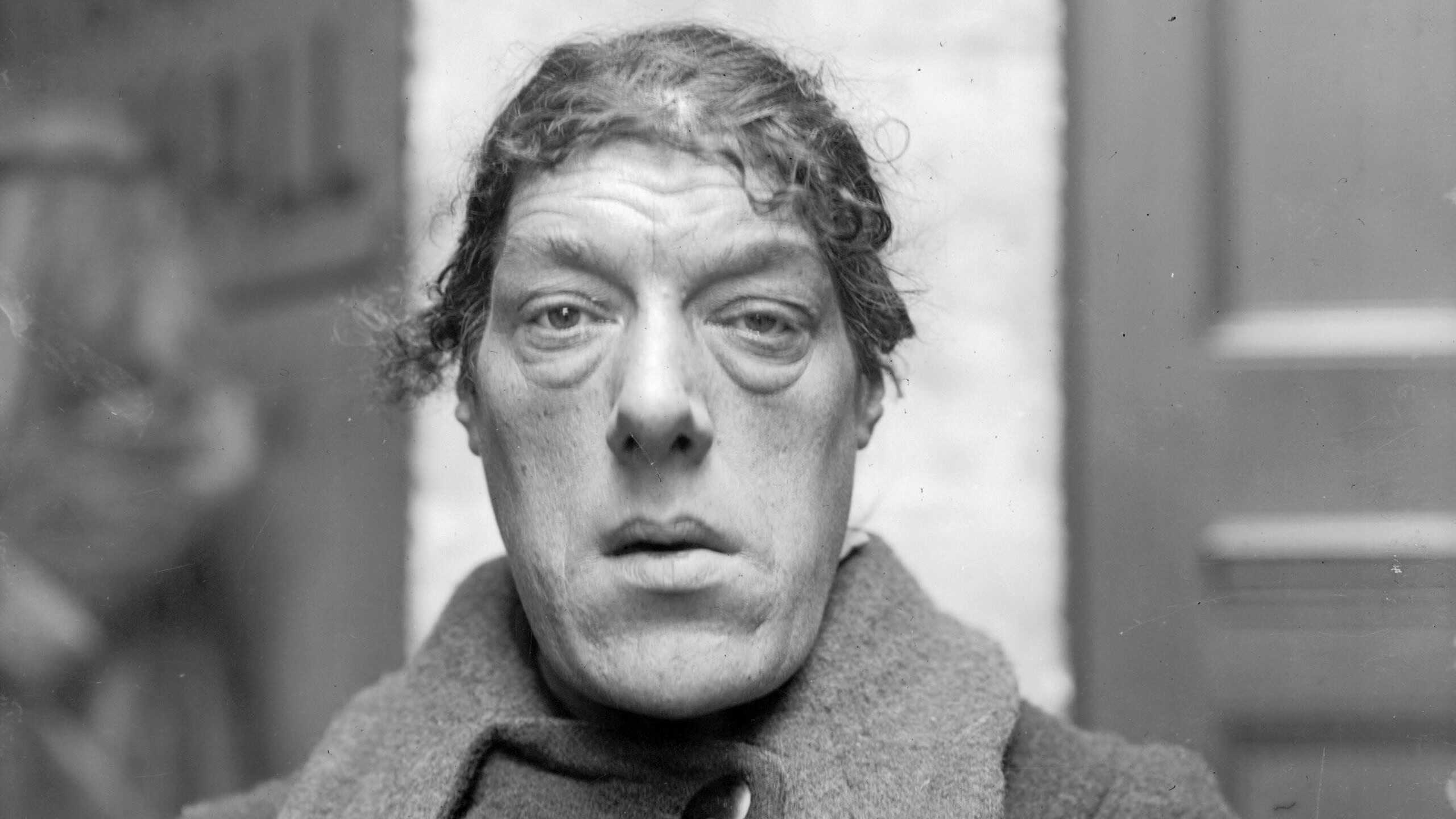
Mary Ann Bevan was another person who went through the pain of being in sideshows, although it didn’t start out that way for her. She’d been a nurse, had a husband, and was raising four children, until a disease drastically changed her appearance. Her husband died in 1914.
Money then became a serious problem, so Bevan entered an ‘Ugliest Woman’ contest for a chance at earning some prize money. She then worked for showman Samuel Gumpertz at Coney Island and elsewhere, just to put food on the table. What a sad story.
Anna Göldi
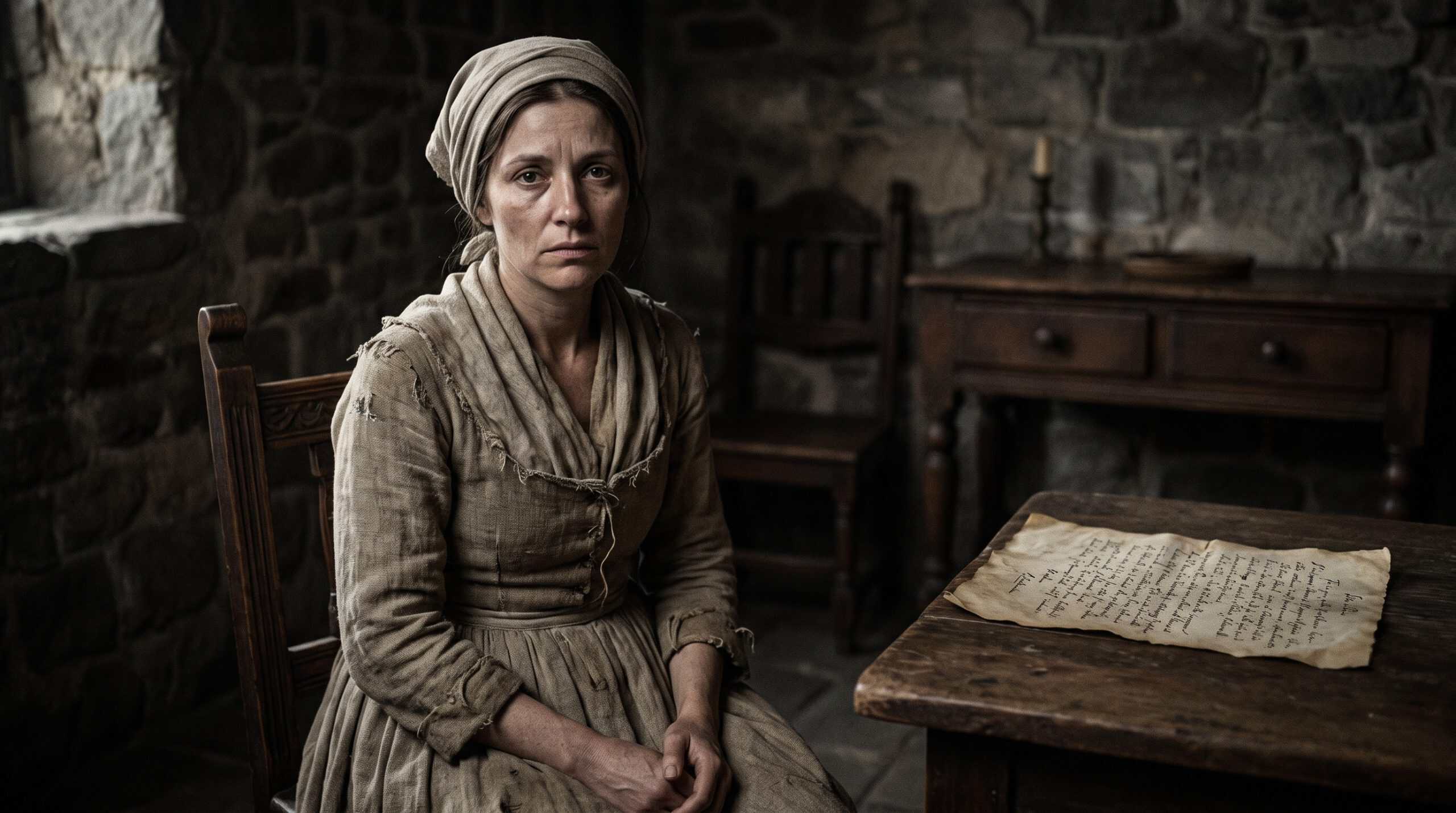
It was almost too strange to be real. Anna Göldi was working for the wealthy Tschudi family in Switzerland when one of their daughters said she found needles in her food. The girl seemed to spit some of them up. Göldi was accused of using supernatural powers against the child.
She ran and was caught before being tortured and forced into a confession. Officials said she’d poisoned the child, rather than saying it was witchcraft, although they never managed to find any poison. Göldi was beheaded in Glarus on June 13, 1782.
Sources: Please see here for a complete listing of all sources that were consulted in the preparation of this article.
10 historical figures who took secrets to the grave

Unanswered questions are the worst, and it’s even more terrible when they continue to be unanswered because the people with the answers took them to their graves.


