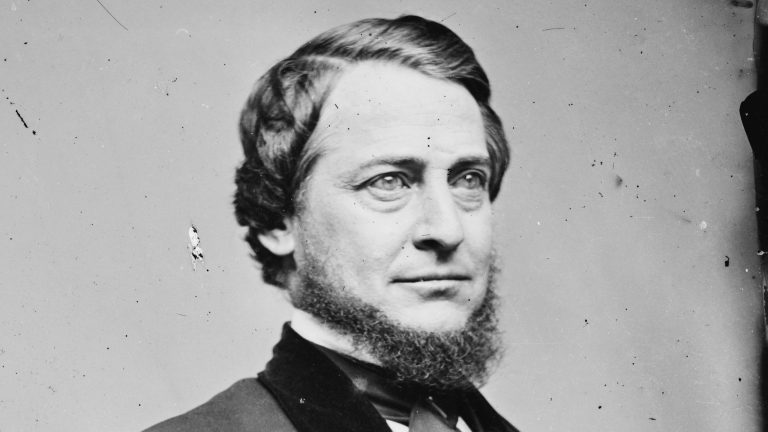

Some people went out in battles, some people went out in grand political dramas, but then there are those who met their end in ways that could’ve been completely avoidable.
Hans Steininger

Hans Steininger had a beard that was around four feet long, so it made sense that he normally kept it rolled up and out of the way. Then came the day that he didn’t. He ran down a set of steps in Braunau am Inn, Austria, after an emergency, but didn’t tie up his beard properly.
The beard came loose, and Steininger slipped under his feet. He tripped over the beard, falling down the stairs and breaking his neck. He died from his injuries. The town later preserved the beard and showed it off in a local museum because it was that weird of a story.
Franz Reichelt

Franz Reichelt had already seen dummy versions of his wearable parachute fail. But apparently that wasn’t enough for him to avoid doing a big test himself, and he climbed to the Eiffel Tower’s first platform on February 4, 1912. He was 187 feet up.
The police thought he’d be dropping another dummy, so they didn’t get involved. Reichelt had other plans. He jumped from the Tower with the contraption strapped to him, but the fabric failed to open. He hit the frozen ground below while the cameras kept rolling.
Clement Vallandigham
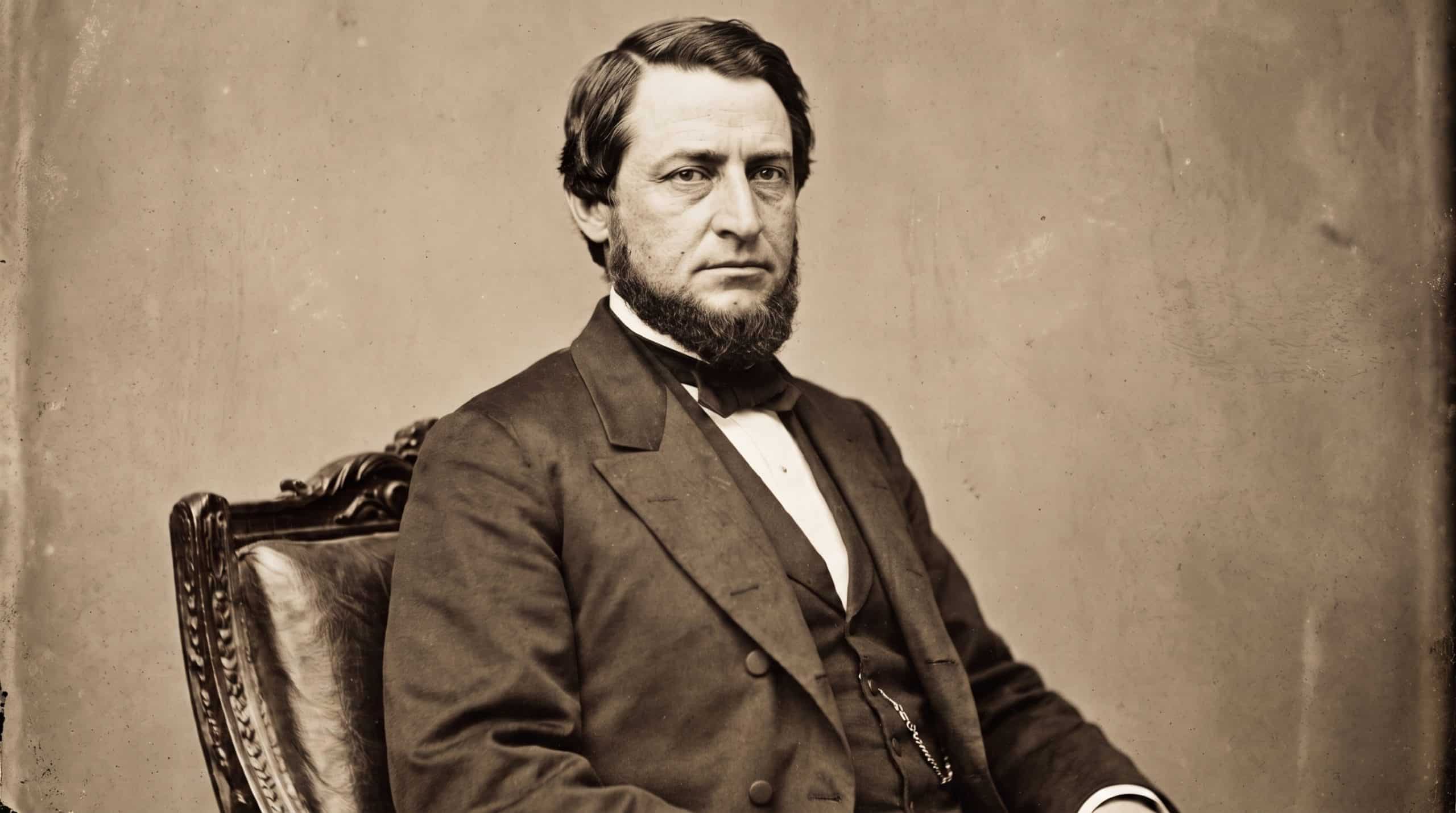
Clement Vallandigham was trying to do a good thing. He was trying to save a client accused of murder in Lebanon, Ohio, in June 1871, and he claimed the victim had accidentally shot himself. Ironically, that’s what happened to Clement.
He grabbed what he thought was an unloaded gun and acted out the victim’s last moments. Clement shot himself in the abdomen and died around 12 hours later. But it wasn’t for nothing because his demonstration worked in court and his client was later acquitted.
Jean-Baptiste Lully

Being a conductor was pretty challenging during Jean-Baptiste Lully’s day, mostly because they didn’t use a small baton to do it. No, they had to bang a wooden staff against the floor, and that’s what killed Lully.
He struck his own foot instead during a performance of Te Deum in Paris in January 1687. The wound became infected and gangrene set in, but Lully refused to let doctors operate. He died on March 22 that year. It was a completely avoidable death.
Isadora Duncan

A scarf. That’s all it took for Isadora Duncan’s short drive to become a fatal accident, and it happened on September 14, 1927, after she got into an open car in Nice, France. She had a long scarf wrapped around her neck.
Her vehicle was going along the Promenade des Anglais when the fabric got stuck in a wheel, pulling tight and dragging her from the car. It broke her neck. She was 50 years old and died because of something as simple as a scarf.
King Alexander of Greece
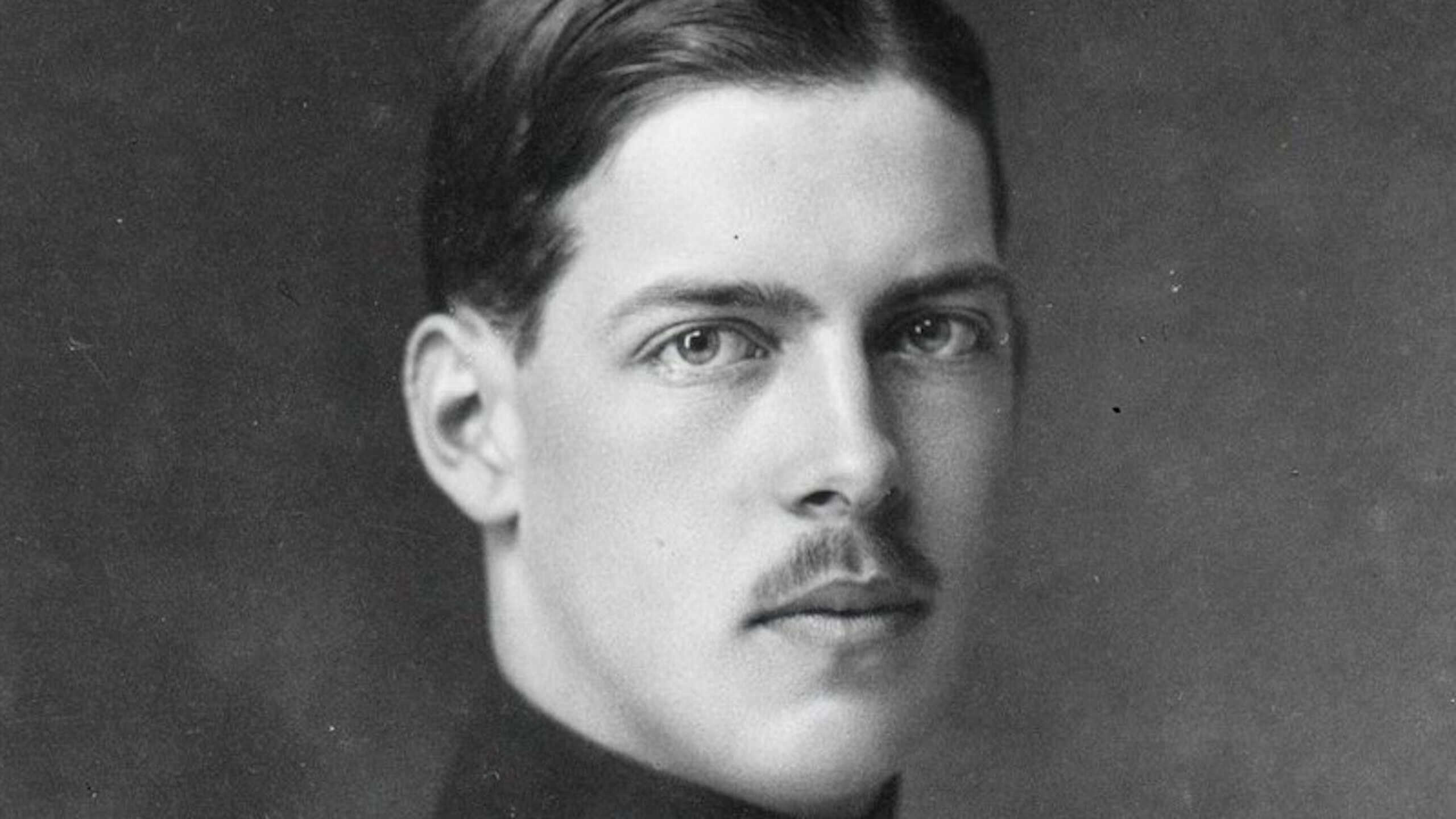
A simple walk around the royal estate at Tatoi, Greece, was where everything went wrong for King Alexander of Greece. His dog got into a fight with a monkey owned by an estate worker. So, Alexander, being Alexander, decided to step in to separate them. Bad idea.
A second monkey joined in and bit him on the leg and torso, with the injuries later becoming infected. He died in Athens twenty-three days after the bite, all because he was trying to stop two animals from fighting.
Sam Patch

It’s not like Sam Patch didn’t know what he was getting into, as he’d already made a career out of jumping from crazy places. He’d already done Niagara Falls and Rochester’s High Falls, for example.
But then, on November 13, 1829, he climbed onto a platform above the Genesee River in New York. It didn’t go down well, far from it, in fact. Patch failed to enter the water feet-first and disappeared below the surface. His body was found months later.
Max Valier
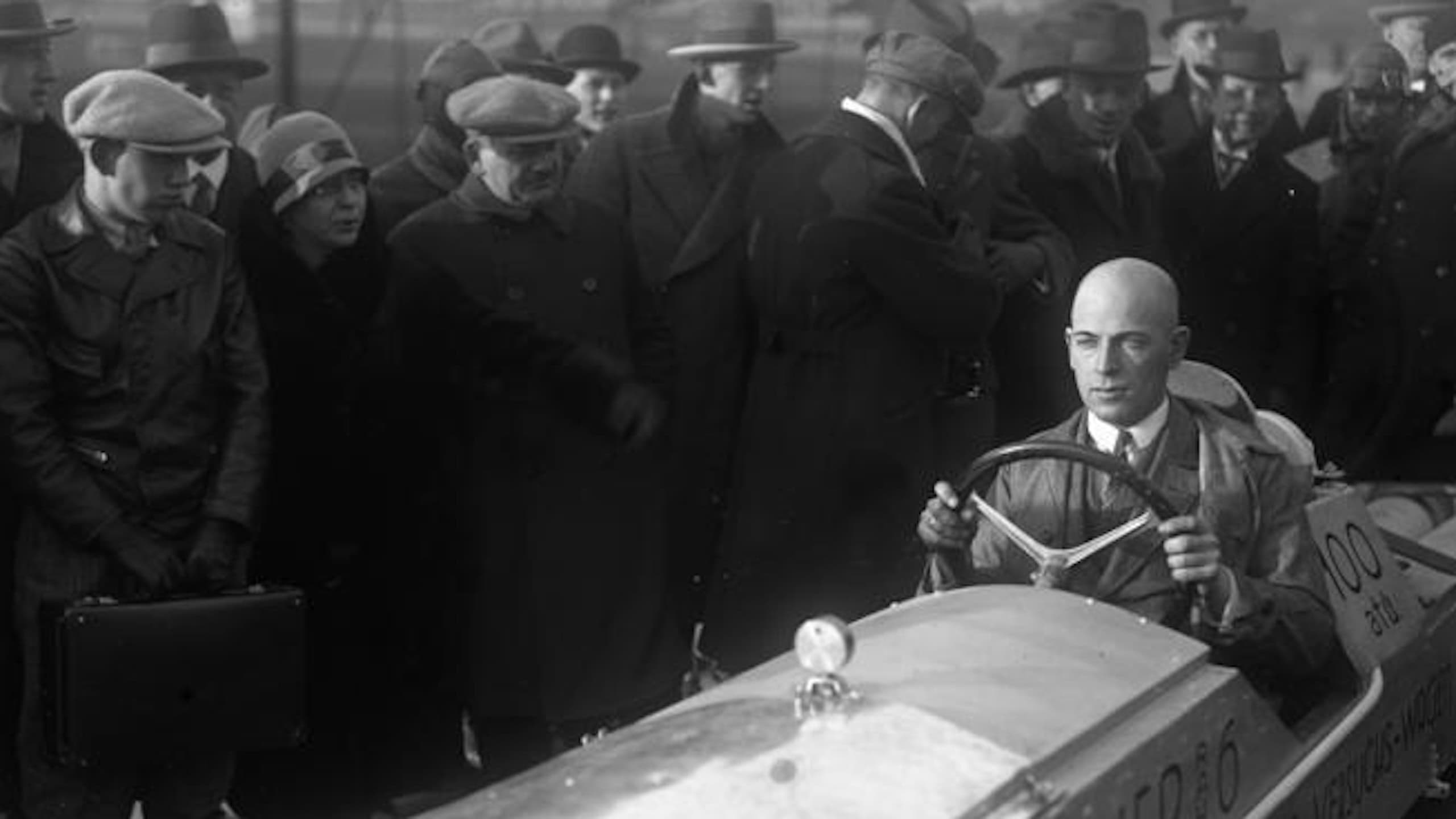
Rocket experiments were just as dangerous when Max Valier was alive as they are today, maybe more so. He was testing a liquid-fueled motor in Berlin on May 17, 1930. Valier was close to the equipment in the workshop, but a little too close because the motor soon exploded.
One of the metal pieces pierced an artery near his lungs. Valier died within minutes. He couldn’t exactly have predicted it, though, since he’d already survived tests involving rocket-powered cars and sleds. He probably thought the workshop would’ve been safer.
Karel Soucek
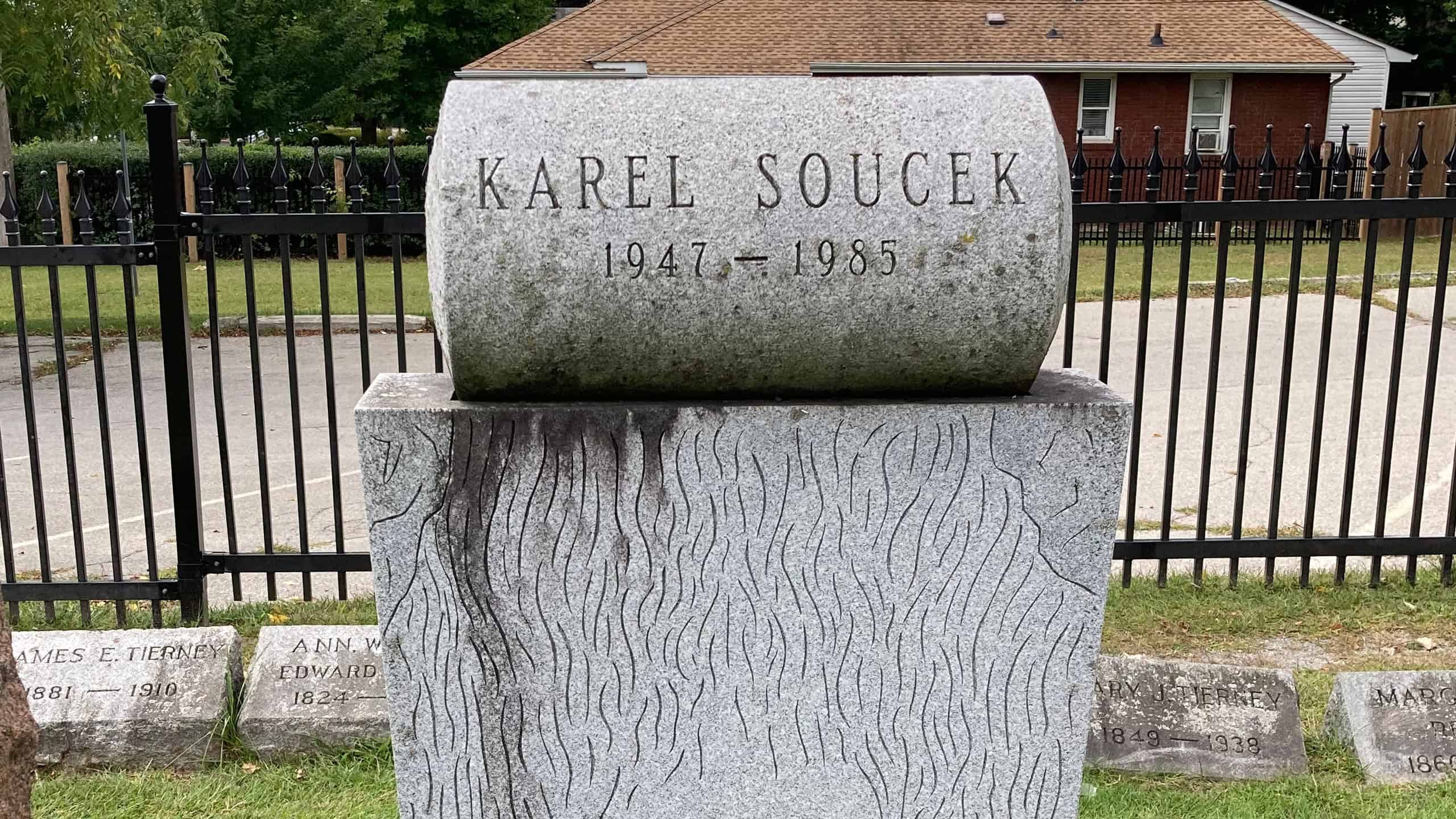
A 180-foot stadium drop would seem huge to most people. Not Karel Soucek, however, he’d already survived going over Niagara’s Horseshoe Falls in a barrel. 35,000 people packed Houston’s Astrodome to watch him jump in 1985.
It was a simple enough idea, just fall from the roof and land in a water tank. It didn’t go down that way. The barrel hit the rim, and Soucek was badly injured in the fall. He died the very next day at the age of 37.
John Kendrick

Let’s get one thing straight, John Kendrick’s death wasn’t his own fault. He was just celebrating with other ships on December 12, 1794, in Honolulu, sharing cannon salutes like the rest of them. Kendrick’s vessel fired one of its own, and the British ship Jackal replied.
Except, maybe they should’ve been a little more careful, as one cannon was loaded with an actual shot instead of a harmless blank. The blast tore into Kendrick’s ship and killed him, along with several men nearby. It wasn’t so much of a celebration anymore.
Sources: Please see here for a complete listing of all sources that were consulted in the preparation of this article.
10 historical figures who took secrets to the grave

Unanswered questions are the worst, and it’s even more terrible when they continue to be unanswered because the people with the answers took them to their graves.


