

The real stories behind these 14 historical figures are very different from what we were taught.
Cleopatra VII

Despite what Hollywood has led you to believe, she wasn’t a reckless temptress who used her looks to stay in power.
She was actually a polyglot who could speak nine languages, an accomplished mathematician, and an administrator who ran the Egyptian economy during one of the country’s worst periods of crisis.
Richard III
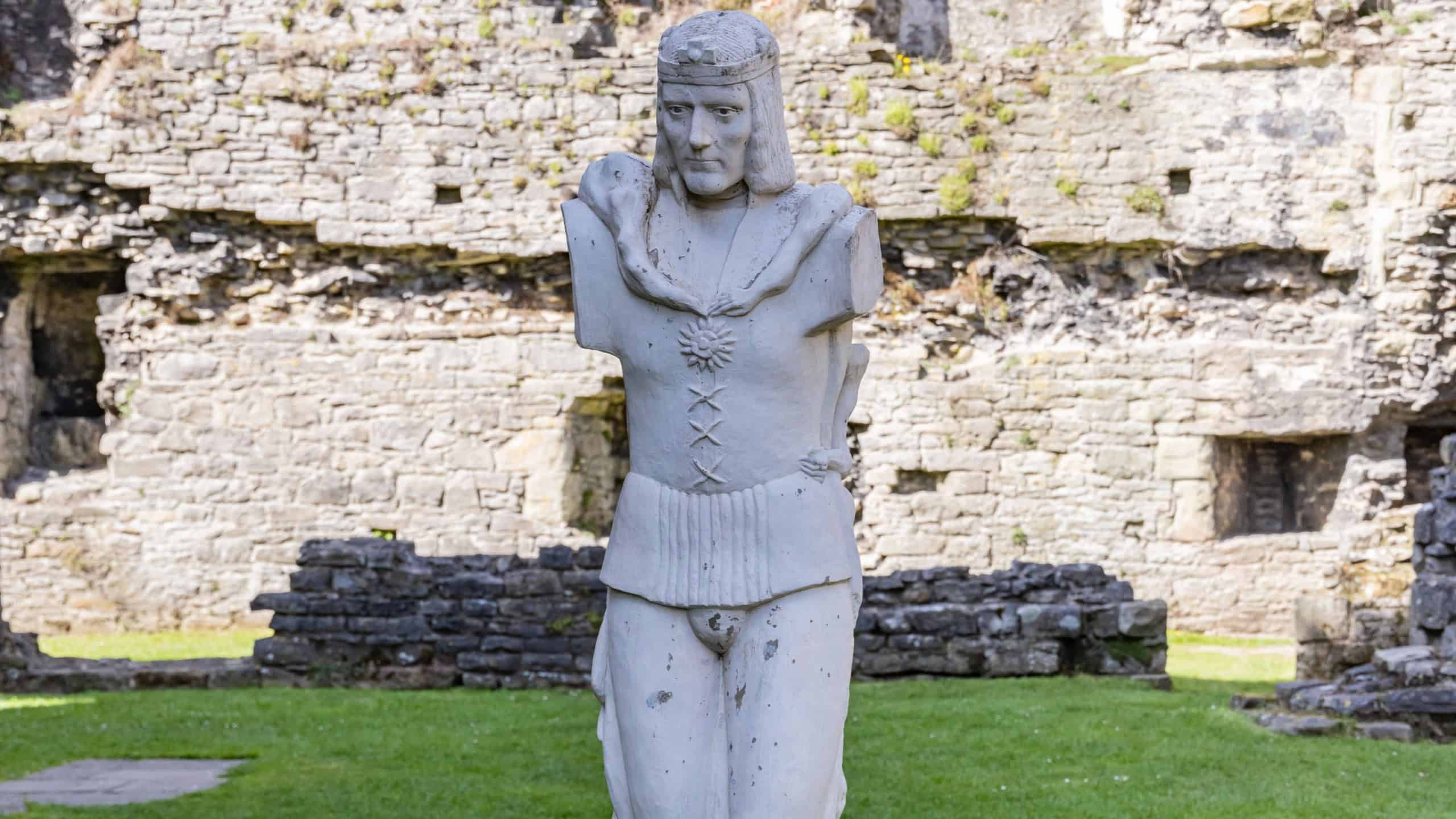
The evil, hunchbacked king of Shakespeare’s plays was Tudor political propaganda meant to justify Henry VII’s ascent to the throne.
While he may have murdered his nephews, he was also a fair and popular administrator in the North who instituted progressive laws like bail for those awaiting trial.
Marie Antoinette
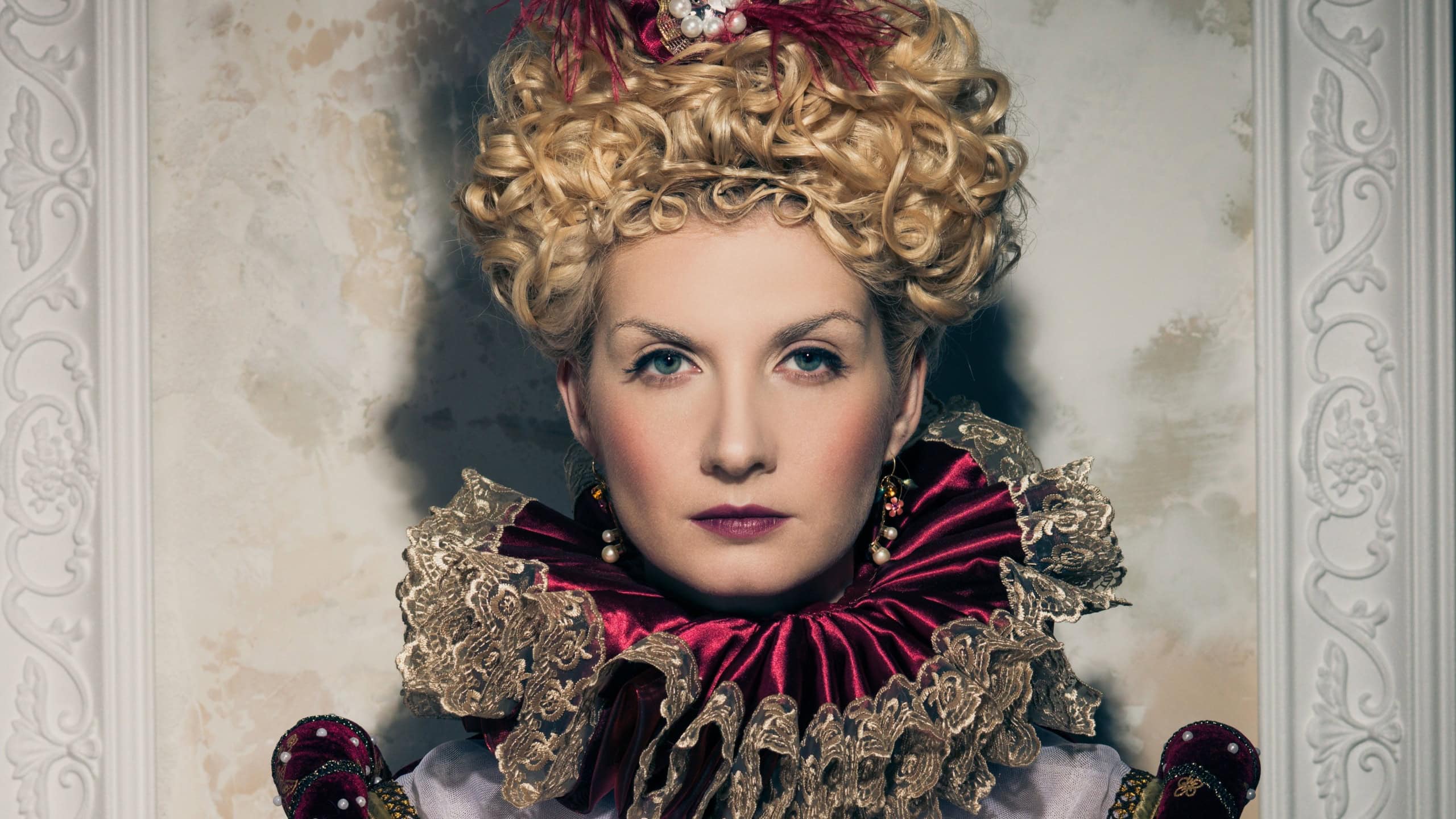
Remembered as a shallow, air-headed spendthrift who told starving peasants to “let them eat cake”, she was actually a patron of many charitable causes, including homes for unwed mothers and orphanages.
“Let them eat cake” was a libel invented about royalty before her reign. Her supposed extravagance was probably a way to mask her crippling loneliness as a grieving teenager trapped in the formalities of French court life.
Nero
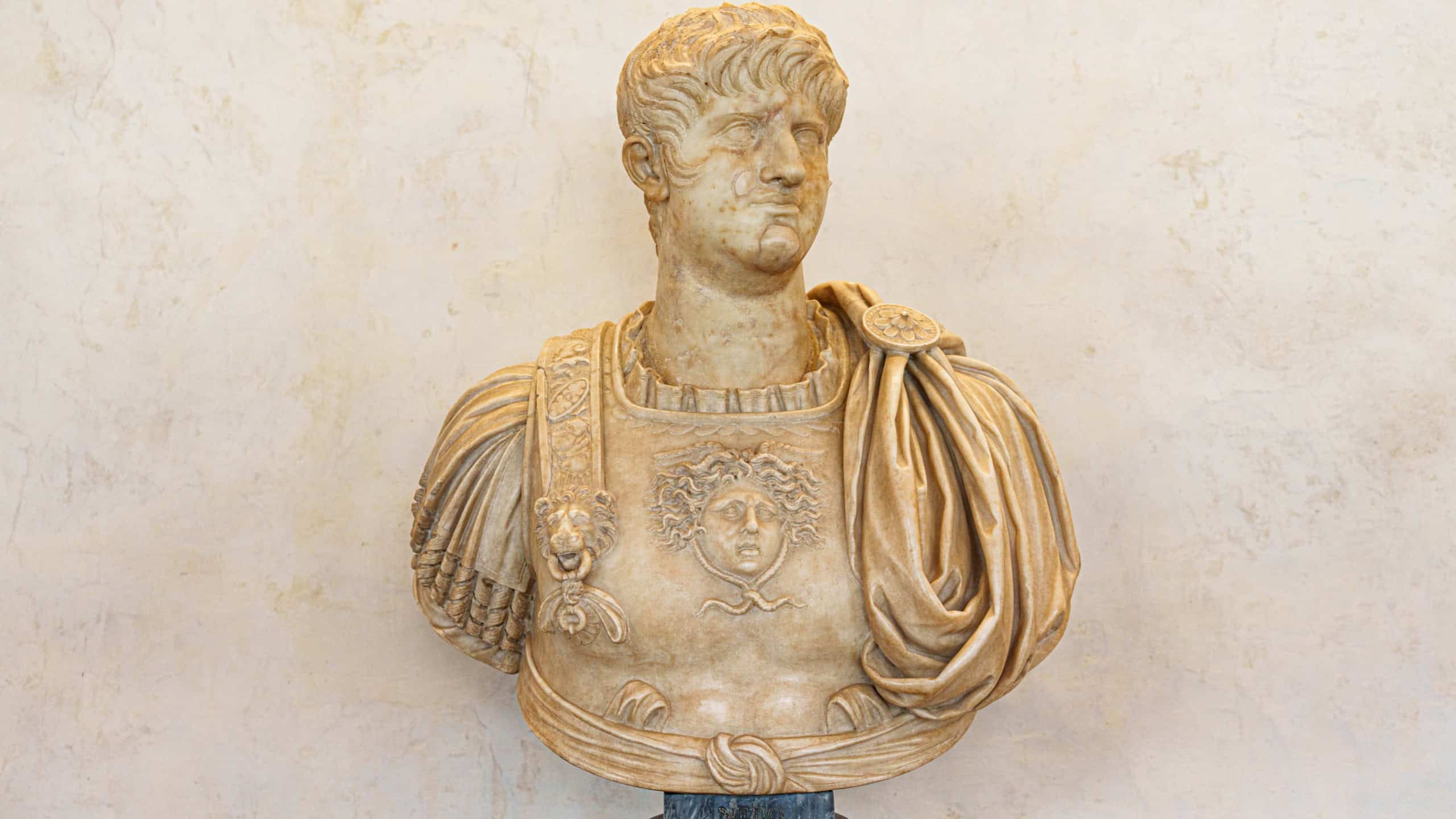
You may know him as the emperor who “fiddled while Rome burned,” but Nero’s reputation as an inept ruler was exaggerated by the senatorial class, who never forgave him for his populist reforms.
Archaeological discoveries have shown that he was quite popular among Rome’s commoners, whom he cared for by building infrastructure and putting on lavish games. He may not have even been in Rome when the fires started.
Christopher Columbus
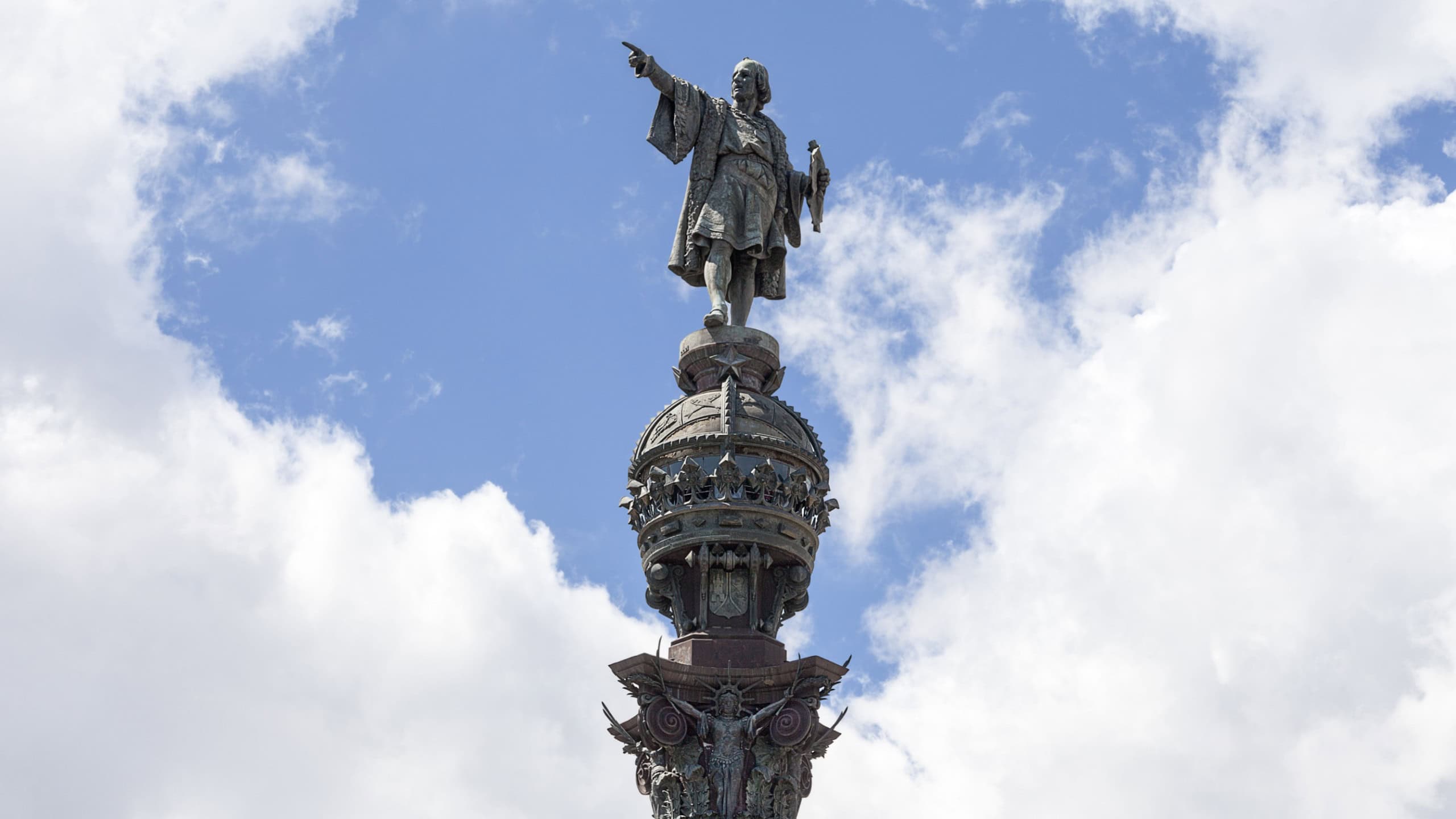
In schools, Columbus is portrayed as a daring adventurer and explorer who “discovered” America.
He was such a tyrannical and incompetent governor of Hispaniola that the Spanish crown actually arrested him and removed his titles from him for ruthlessly exploiting and abusing native populations.
Florence Nightingale
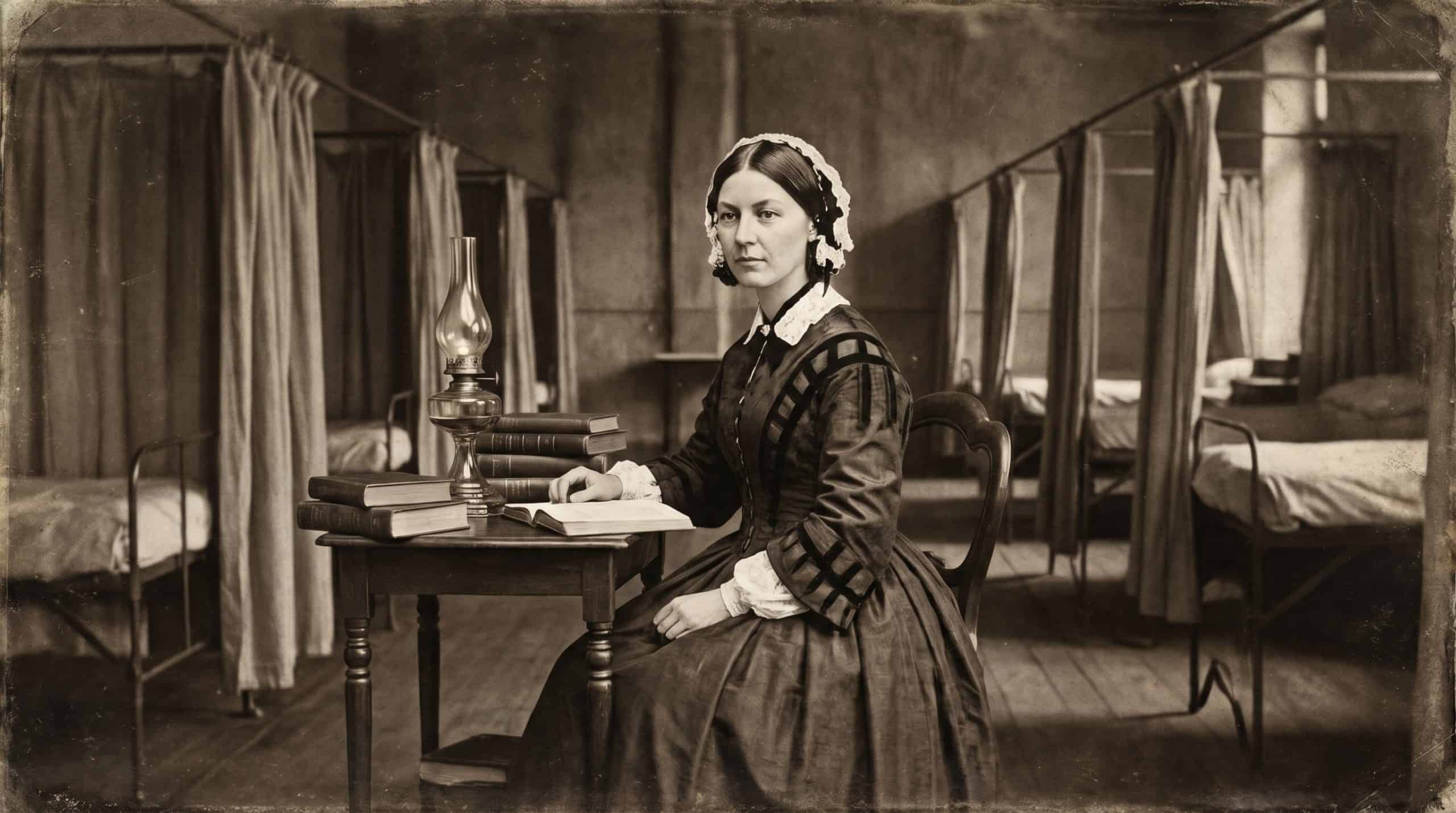
To most, she’s the empathetic Lady with the Lamp who cared for sick soldiers during the war. She was also a rigorous statistician and meticulous scientist.
She gathered data and created one of the first comprehensive statistical models to prove that if soldiers were better taken care of in hospitals, their survival rate would be greater, spearheading a revolution in British healthcare.
Henry VIII
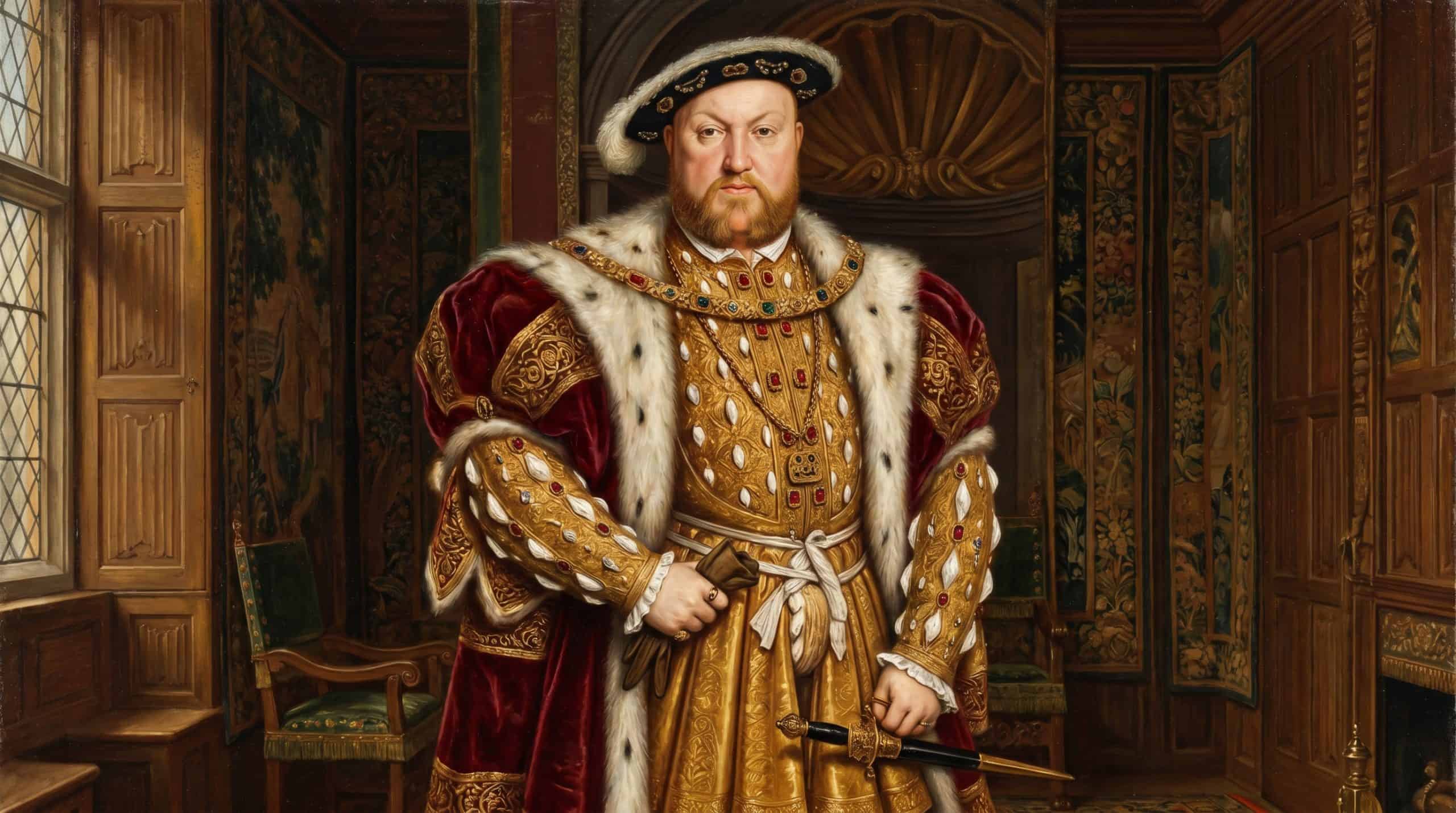
Most people think of Henry VIII as an obese, gluttonous, tyrannical man with six wives. But in his early years as king, Henry was widely considered to be a handsome, athletic man who loved the Church.
A scholar, a great jouster, and an accomplished composer, Henry’s tragic descent into paranoid despotism was a slow decay caused by ill-health, infertility, and the soul-crushing pressure he put on himself to have a legitimate male heir.
Catherine the Great
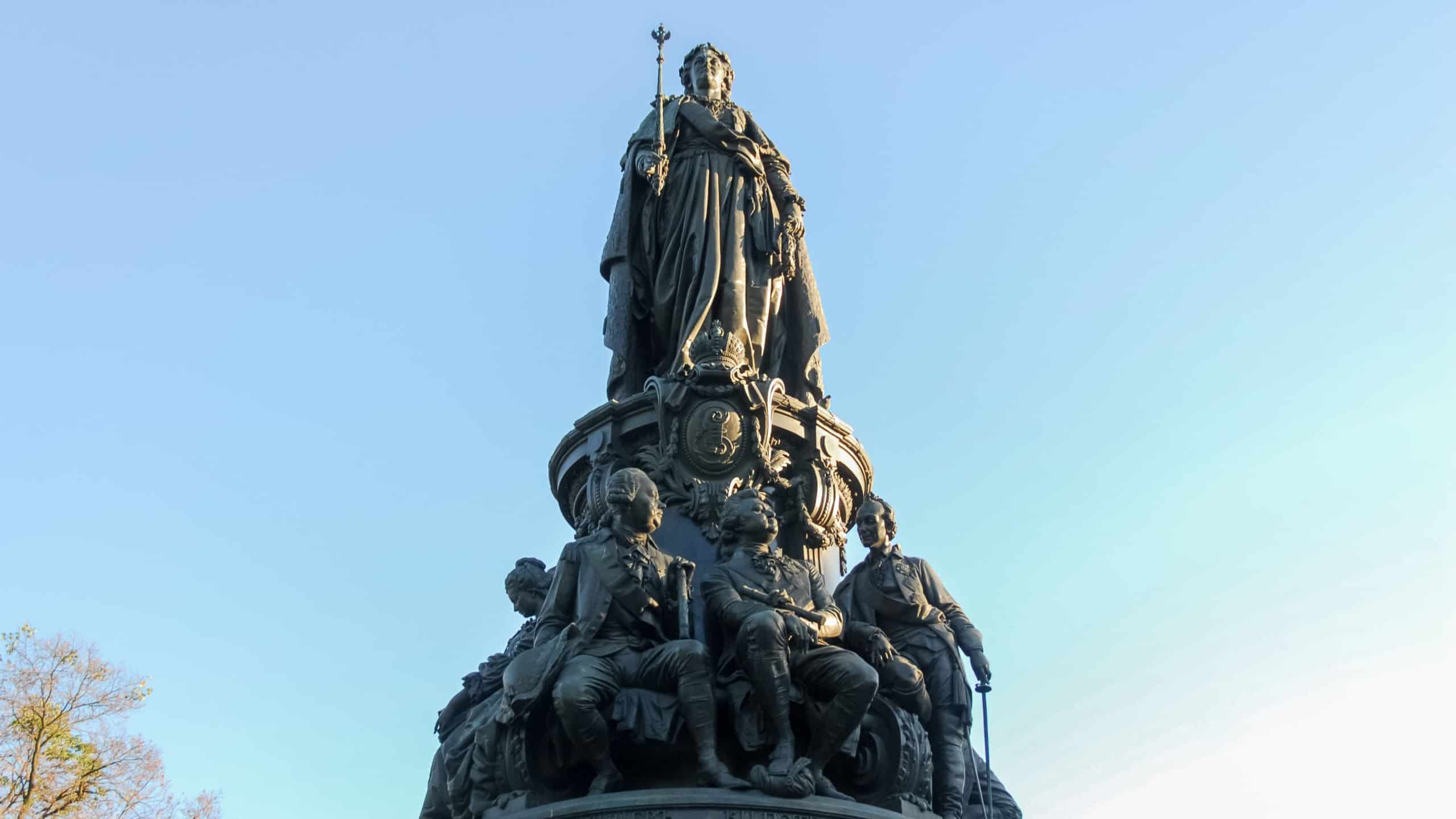
Accused of promiscuity by her political rivals during her reign (and by historians since), blaming Catherine for her many lovers ignores the larger political conversation of the time: her enemies were trying to undermine her legitimacy as Russia’s ruler because she was a woman.
In truth, she was one of Russia’s most competent rulers ever, greatly expanding her nation’s borders, modernizing its legal system, and patronizing the arts and education like never before.
Thomas Edison
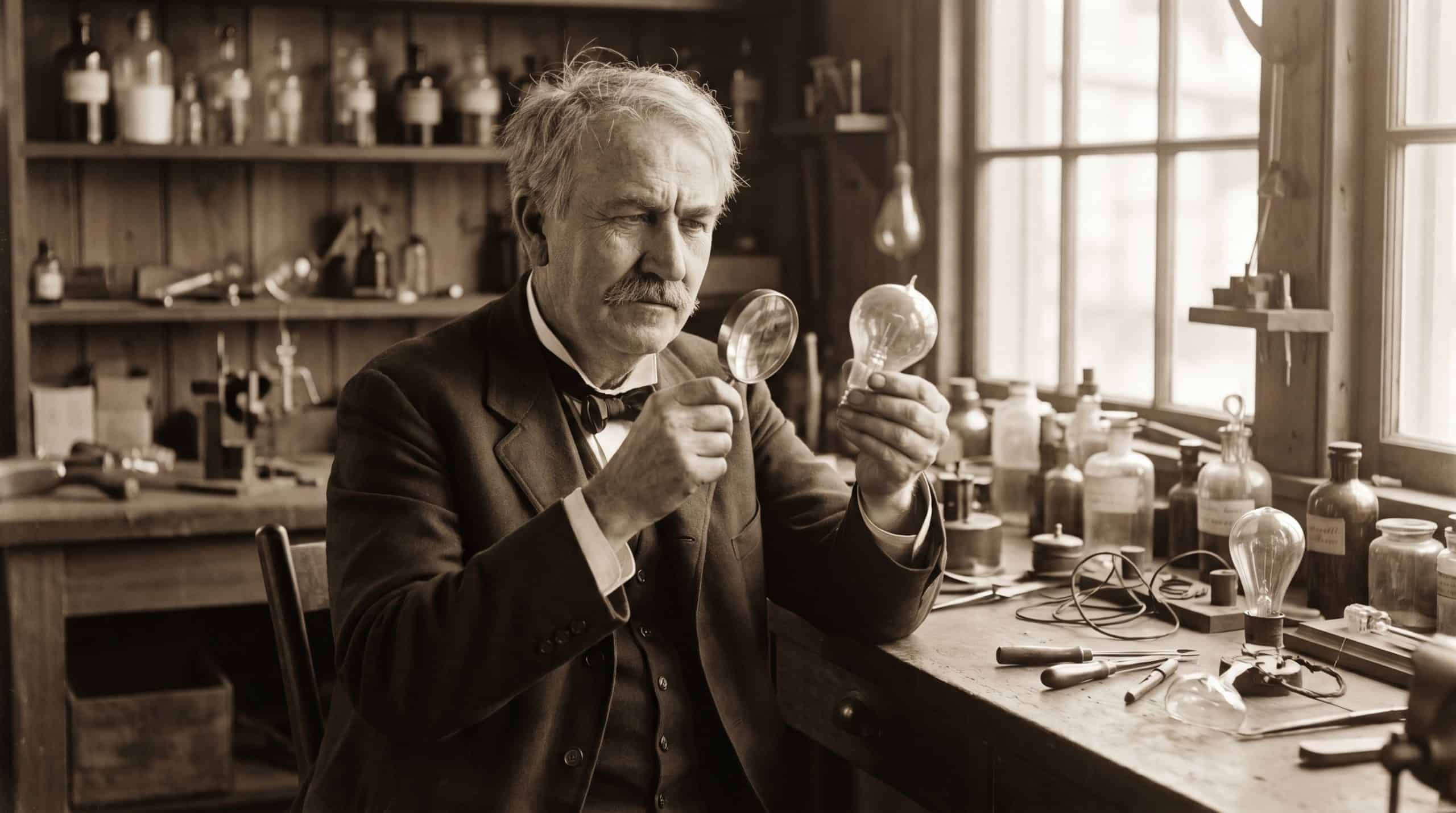
We learned in school that Thomas Edison was the lone brilliant mind behind the lightbulb, but the truth is different. He leaned on the research and experimentation of his employees.
His war against Nikola Tesla was one of unethical misinformation and corporate sabotage.
Attila the Hun
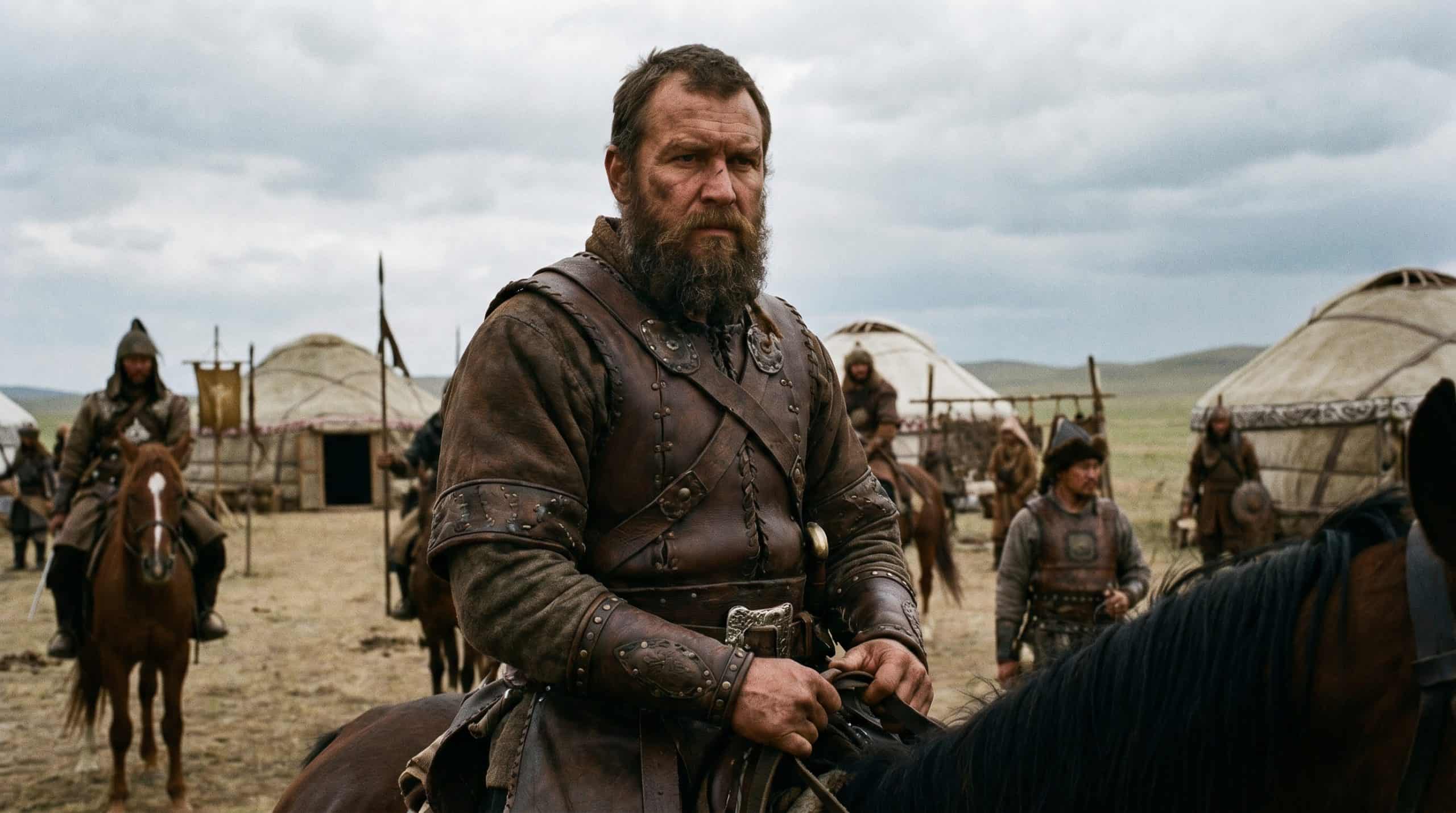
Although he was known as the “Scourge of God,” he was actually a fairly honorable leader who was highly regarded by his people. Attila maintained alliances with both Rome and Constantinople and was known to frequently pick a side in a conflict and act as a paid mercenary to destabilize the other.
He ruled over a sophisticated multi-cultural empire that valued talent and skill over pure pedigree.
Pocahontas

Disney paints her as this pretty Indian princess who saved John Smith, but she wasn’t.
She was a child when colonists came and kidnapped her, forcibly converted her to Christianity, and took her back to England to show off how easy it was to civilize savages.
She died at age 21 in England, horribly homesick.
Napoleon Bonaparte

Napoleon wasn’t just a power-hungry, tiny dictator. Over half of the criminal code still used in the United States today is Napoleonic law, which he wrote to improve life for his citizens.
He promoted merit over class and creed, championed religious freedom, and ended feudalism as France’s rulers before him had accepted it as normal.
Lady Jane Grey
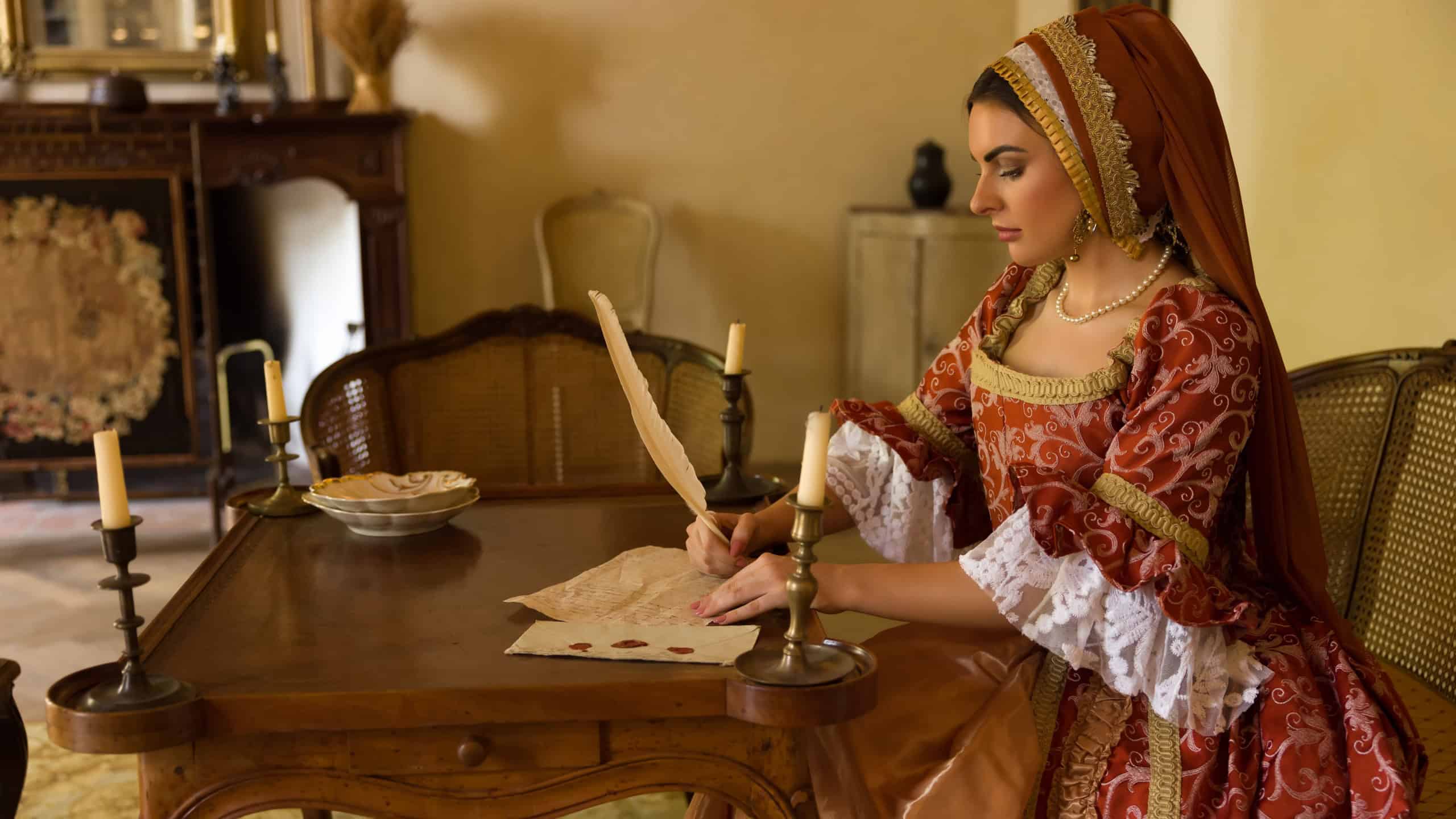
Lady Jane Grey was usually portrayed as a meek martyr who was shoved onto the throne by power-hungry men on both sides.
Recent historians believe that she was actually quite intelligent, very involved in the Protestant movement, and well aware of the power politics in which she was a part.
George Washington
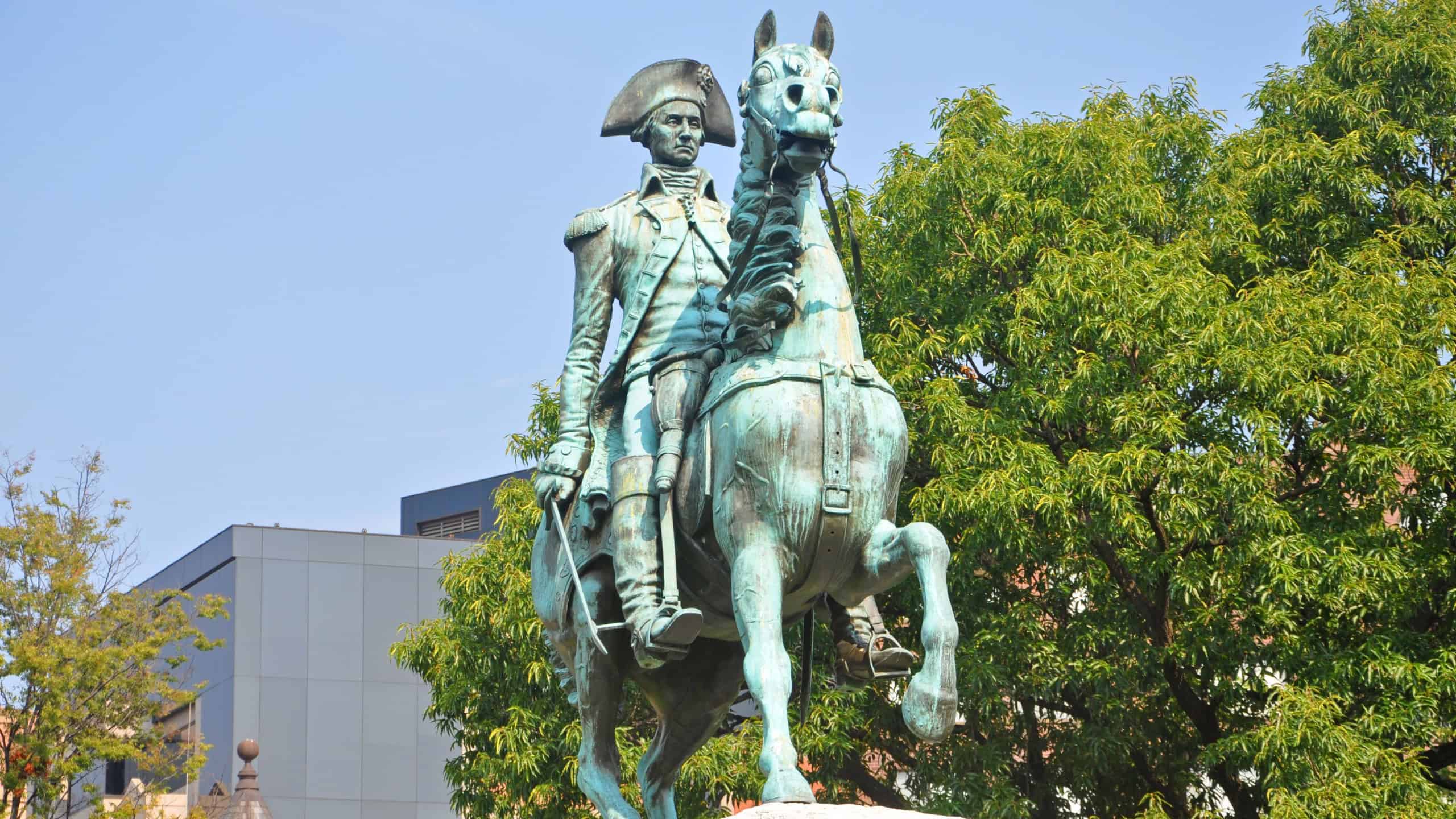
While American history treats him as the flawless, stoic “Father of the Nation,” he was a man full of contradictions. He was a strong military leader who helped unify the American colonies, and he also owned slaves.
Washington took great care to ensure his slaves worked to his benefit, building wealth for him in a war fought over the liberty of people who weren’t allowed to be free.
Sources: Please see here for a complete listing of all sources that were consulted in the preparation of this article.


