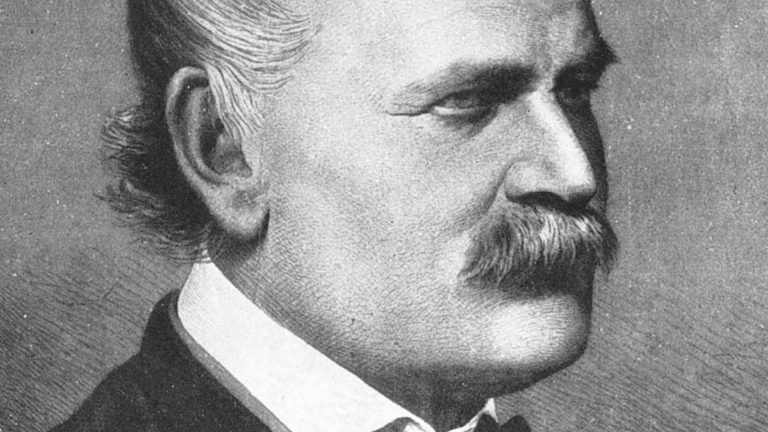

Some of history’s greatest innovations started as ideas that sounded impossible, stupid or simply plain wrong.
The ulcer experiment

Barry Marshall
For decades, peptic ulcers were thought to be caused by stress or lifestyle, and too much stomach acid. Australian physicians Barry Marshall and Robin Warren discovered that infection with Helicobacter pylori bacteria was responsible for most ulcers.
When others were skeptical of their theory, Marshall swallowed the bacterial culture in 1984 and contracted gastritis. Marshall and Warren later proved that treating patients infected with H. pylori with antibiotics could cure the ulcers and prevent many recurrences.
In 2005, Marshall and Warren were awarded the Nobel Prize in Physiology or Medicine.
The doctor nobody believed
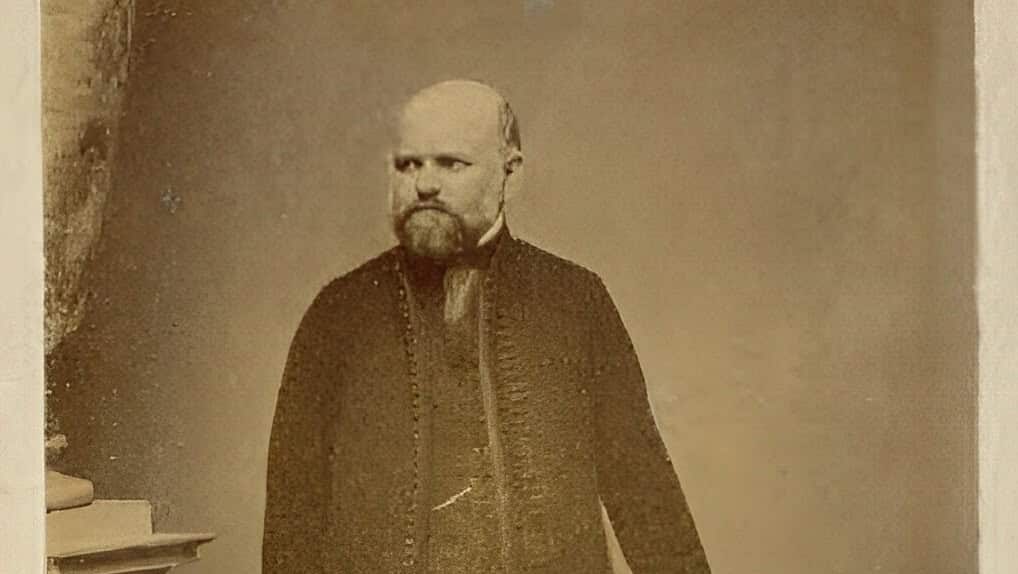
Ignaz Semmelweis
Ignaz Semmelweis, working in Vienna in the 1840s, discovered that women were dying at almost triple the rate in the maternity ward staffed by doctors and medical students than in the one staffed by midwives. Doctors often came directly from autopsies to the bedside of women in labor. Semmelweis suspected that something on the doctors’ hands was killing the mothers.
He introduced washing hands with chlorinated lime, and mortality rates sometimes fell to around 1–2%. But physicians were furious at being accused of having filthy hands. Semmelweis was ridiculed, fired, and eventually committed to an asylum where he died shortly before germ theory proved him right.
Something in the water
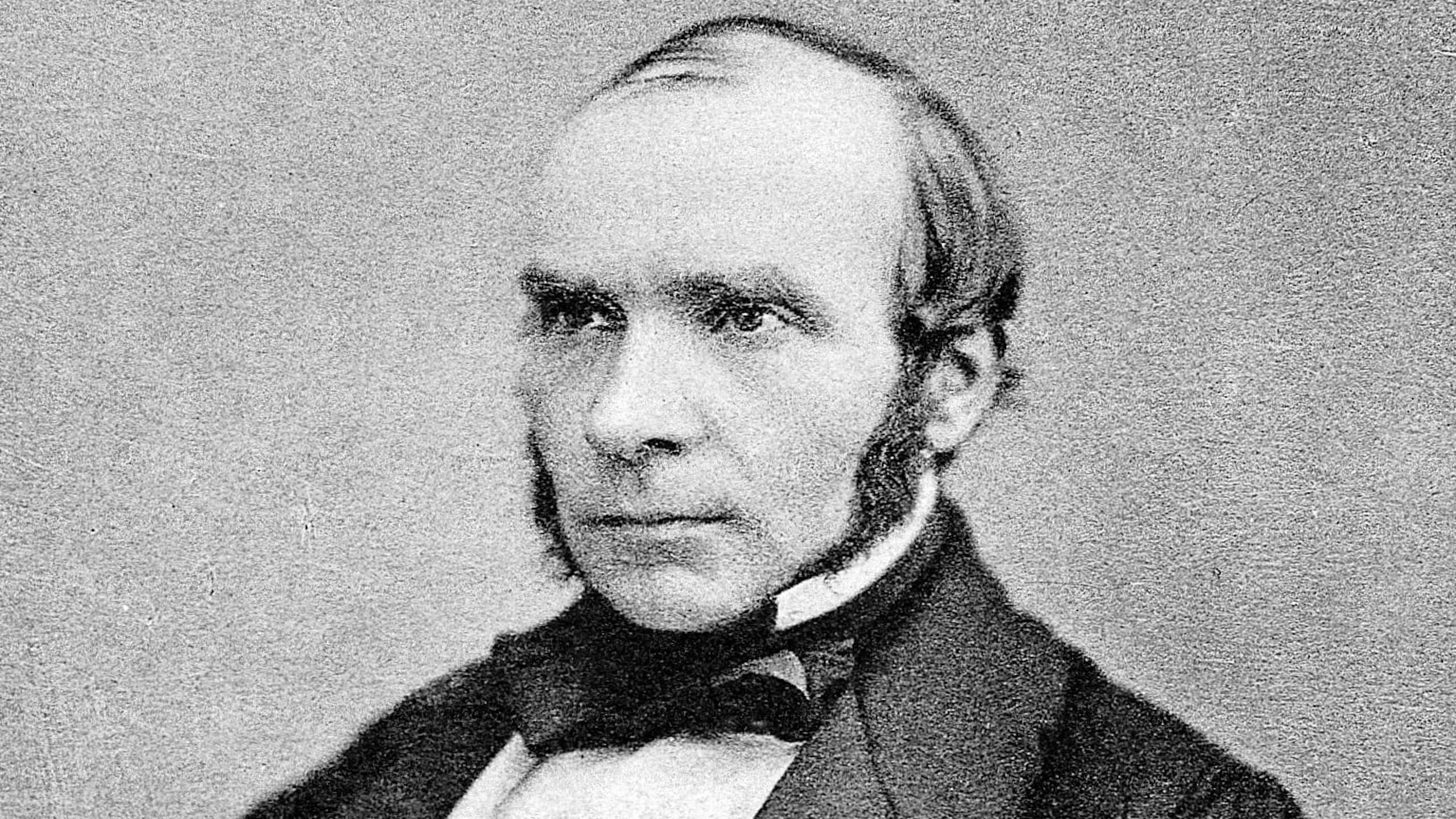
John Snow
Physician John Snow developed his theory that cholera is spread by contaminated water during the London epidemic of 1854. At the time, many doctors subscribed to the then prevailing miasmatic theory of disease transmission, which held that diseases such as cholera were caused by a poisonous vapor called “miasma”.
Snow began meticulously mapping the cases of cholera-related deaths around London’s Soho neighborhood. He found that victims were unusually clustered around the public water pump on Broad Street. He famously removed the handle from the Broad Street pump.
Snow is now hailed as one of the fathers of modern epidemiology for his efforts linking cholera to water.
Continents on the move
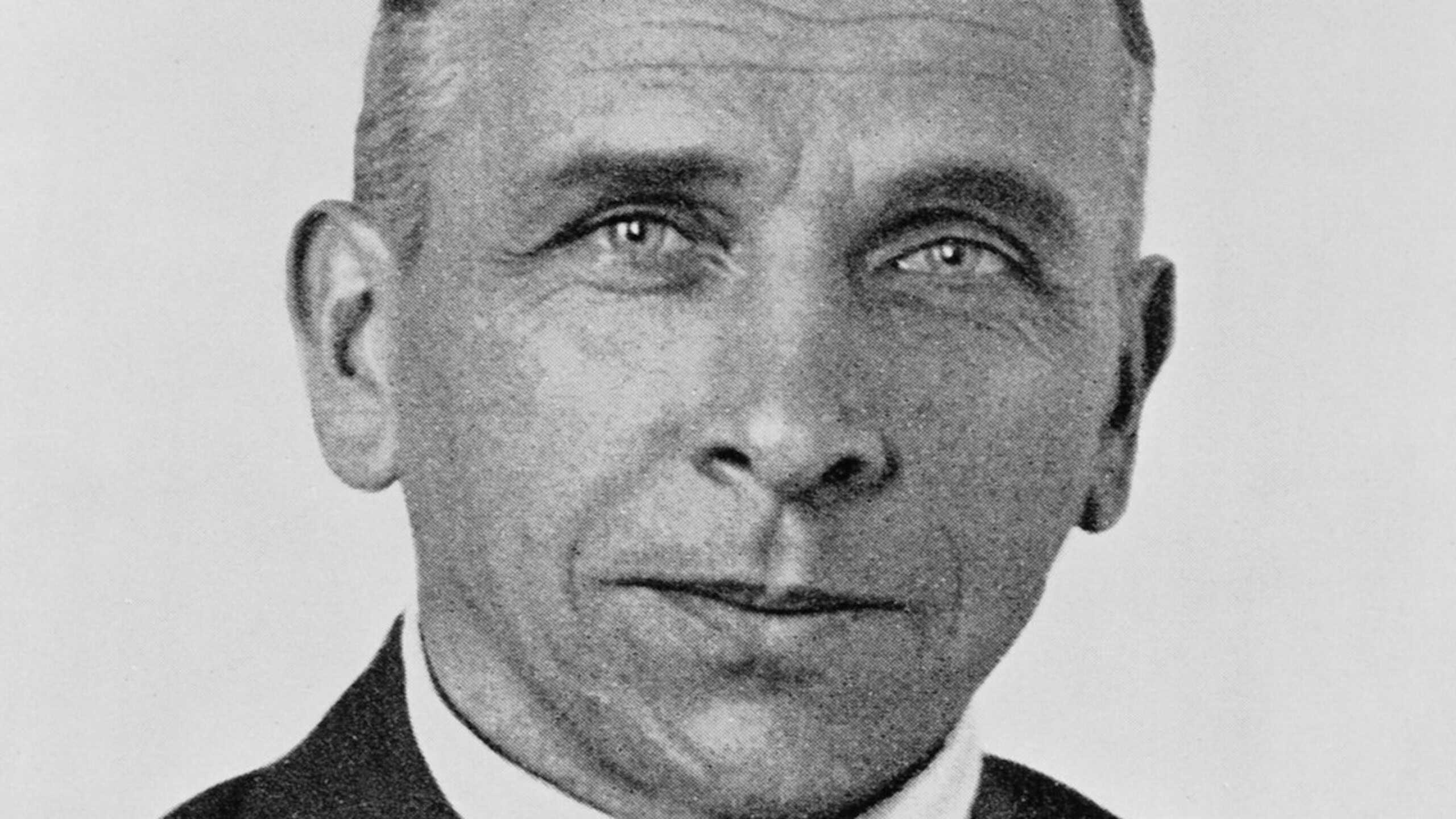
Alfred Wegener
In 1912, German researcher Alfred Wegener made a revolutionary suggestion: that the continents had once been joined together as a single landmass, and had slowly moved away from each other over time. He based this hypothesis on the similar coastlines of different continents, as well as fossil records, rock formations, and ancient climatic evidence found on continents separated by oceans.
Wegener’s theory was dismissed or ridiculed by most geologists because he was unable to identify a plausible mechanism that could cause continents to move. Wegener died in 1930, long before evidence would be discovered that supported seafloor spreading and plate tectonics that prove that plates can indeed move.
Rocks from the sky
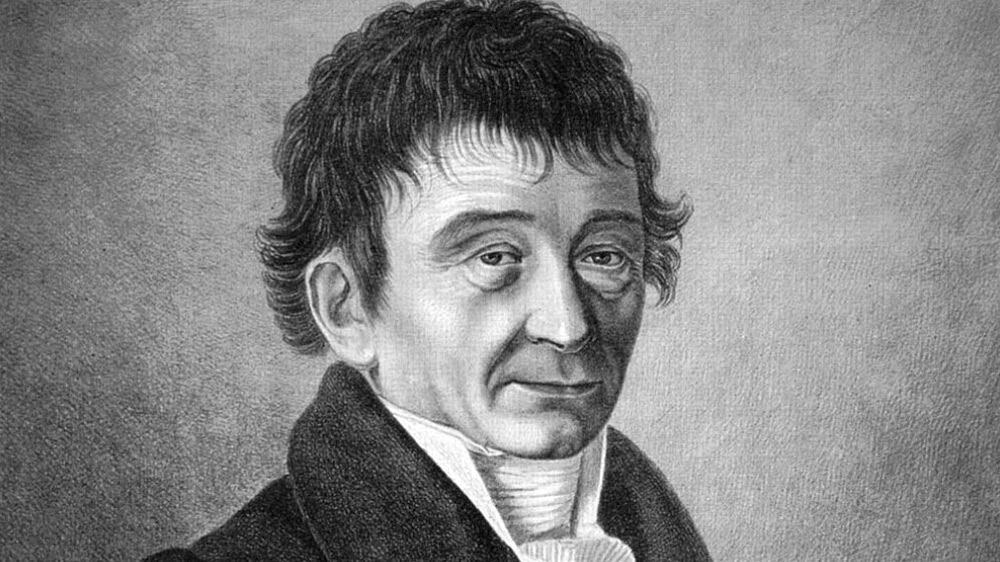
Ernst Chladni
German physicist Ernst Chladni proposed in 1794 that the mysterious stones that sometimes fell to Earth after fiery objects appeared in the sky originated in space. The proposal was met with significant skepticism because scholars at the time were reluctant to believe that stones could fall from the sky.
However, after thousands of fragments of meteorites allegedly fell near the town of L’Aigle, France, in 1803 and were scientifically proven to have fallen from the sky, meteorites quickly went from being an absurd idea to being worthy of scientific study.
The invisible killer
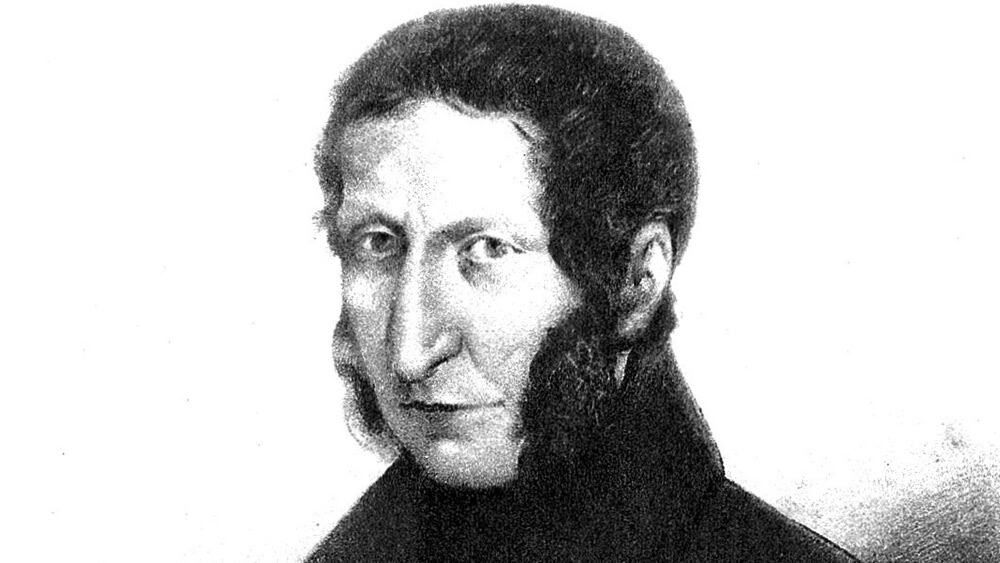
Agostino Bassi
Agostino Bassi was an Italian scientist who researched a disease that was killing silkworms and harming the silk industry for many years. Bassi proved that the disease was caused by an unseen fungus and that it could be transmitted between hosts.
This was revolutionary as germ theory had yet to develop. Bassi also proposed the possibility that microorganisms could be responsible for disease in humans and other animals.
A much older Earth
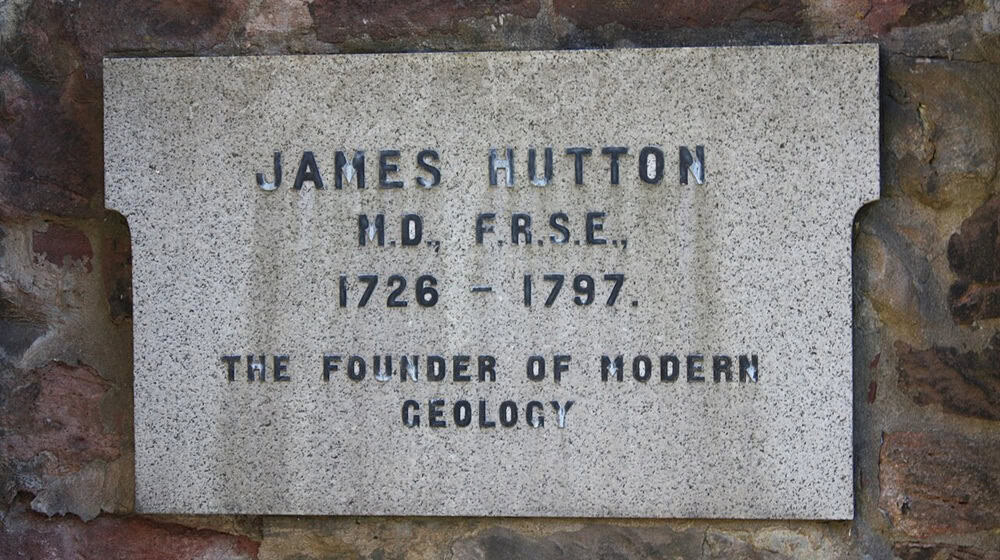
James Hutton
In the 1700s, Scottish geologist James Hutton claimed that features on the surface of the Earth were slowly shaped by natural processes that unfolded over millions and even billions of years. The slow-moving forces of erosion, weathering, and sedimentation that Hutton observed required much more time than a few thousand years.
The time scale required to explain the geological features of the Earth later became known as “deep time”. The present age of Earth has been calculated by radiometric dating to be approximately 4.54 billion years.
Cleaning up surgery
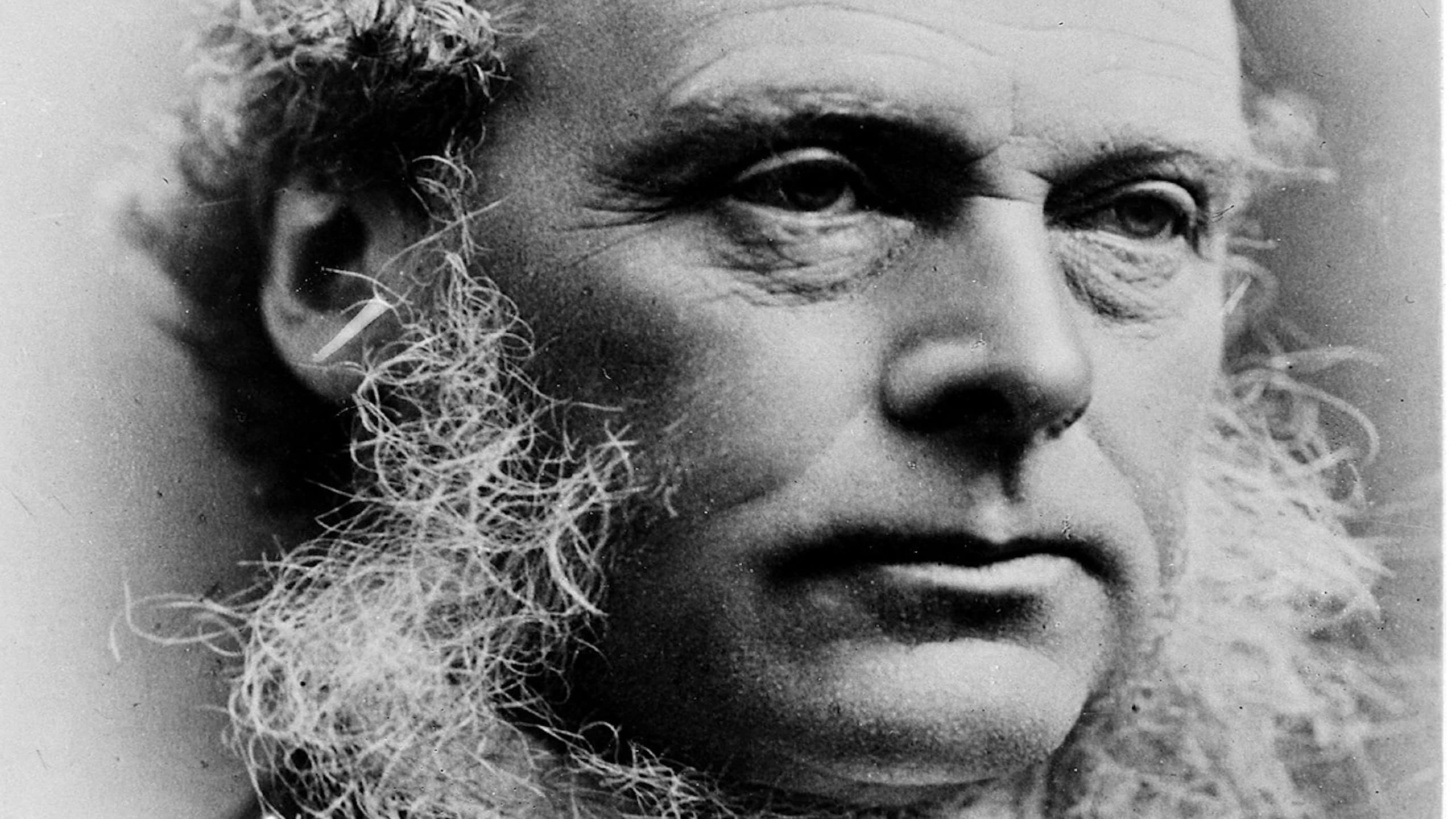
Joseph Lister
British surgeon Joseph Lister studied Louis Pasteur’s work on microorganisms in the 1860s and began to ask if unseen germs were the cause of deadly post-surgical infections. He began using carbolic acid to sterilize wounds, instruments, dressings, and surgical areas, and noted large decreases in infection.
His antiseptic methods were initially met with skepticism and resistance, with some surgeons rejecting germ theory outright, or balking at the heavy-handed antiseptic techniques.
The heart was a pump
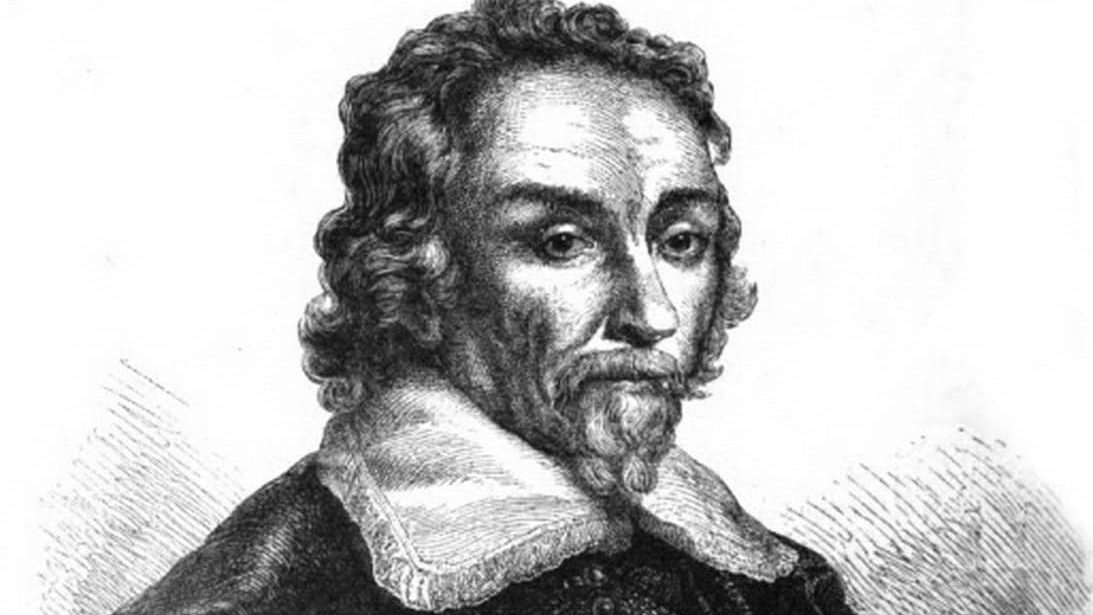
William Harvey
In 1628, physician William Harvey wrote that blood pumped from the heart continuously circulates the body. Harvey refuted Galen’s anatomy, which said that blood was created in the liver and used up by organs, not circulated; this had formed the basis of European medicine.
Harvey backed up his claims with dissections of both humans and other animals, observations of valves in veins, and estimates of how much blood would need to be produced by the liver to uphold Galen’s model versus how fast the liver could actually produce blood.
Harvey’s theory met with strong resistance, and it’s said that his practice was essentially ruined by patients refusing to consult him. But eventually, it became a cornerstone of modern physiology.
Centuries too early

Aristarchus of Samos
Almost 1800 years prior to Copernicus, Greek astronomer Aristarchus of Samos wrote that Earth orbits the Sun and rotates around its axis. This contradicted most Greek philosophers’ belief in an Earth-centered universe, and Aristarchus did not convince his contemporaries.
Archimedes wrote that Cleanthes proposed that Aristarchus be punished for “moving the hearth of the universe.” Aristarchus’ idea went ignored for centuries while astronomy developed, until eventually science was able to confirm his central theory: Earth is not the center of the universe, but a moving body which orbits the Sun.
The invisible world
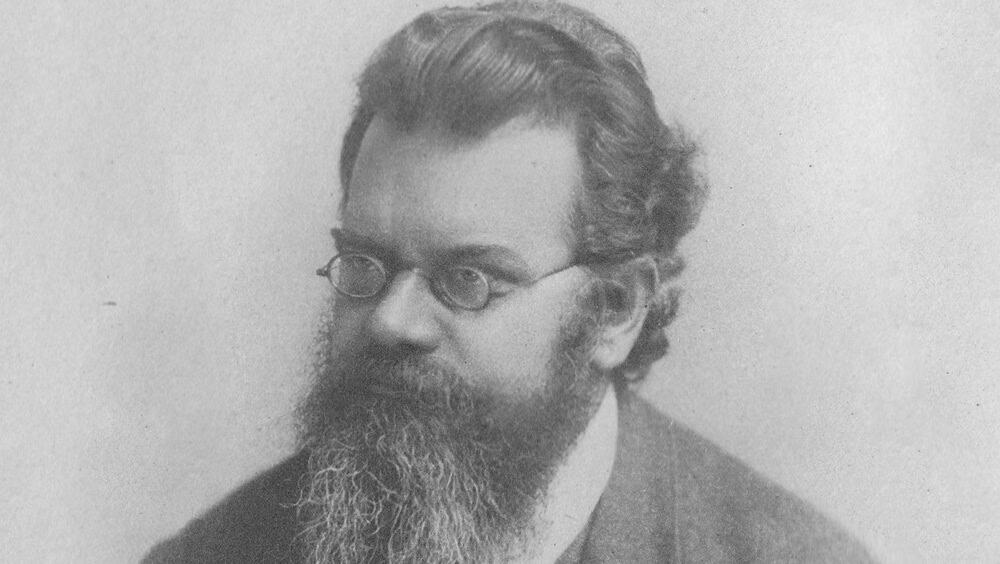
Ludwig Boltzmann
The Austrian Ludwig Boltzmann became one of the great proponents of the idea that gases (and matter generally) could be explained as systems consisting of vast numbers of microscopic atoms and molecules.
Some influential scientists of his day, most notably Ernst Mach and Wilhelm Ostwald, did not believe atoms should be treated as if they were physically real. Arguments over the merits of Boltzmann’s statistical treatment became heated and acrimonious. Boltzmann committed suicide in 1906.
The hole above us
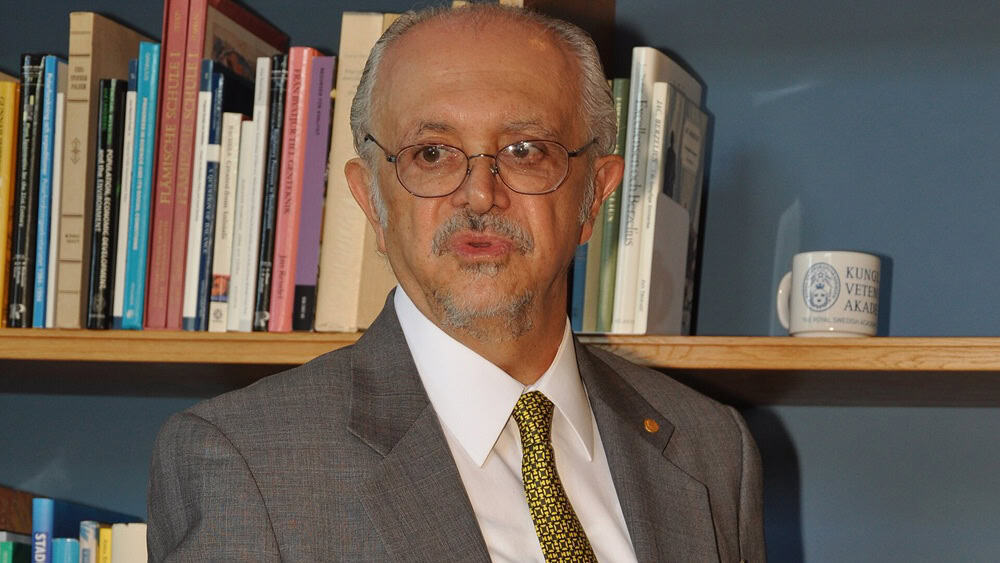
Mario Molina
Chemists Mario Molina and F. Sherwood Rowland sounded the alarm on widely used chlorofluorocarbons (CFCs) in 1974, pointing out that they could slowly drift up into the stratosphere, freeing chlorine atoms that could destroy ozone molecules in Earth’s protective ozone layer.
The Molina–Rowland theory met strong industry resistance from the chemical and aerosol industry sectors. Atmospheric measurements made several years later and the discovery of severe ozone depletion over Antarctica provided stunning confirmation that the threat was real.
The monk with the peas

Gregor Mendel
During the 1850s and 1860s, Mendel crossed thousands of pea plants and identified mathematical patterns in the way traits were inherited from one generation to the next. Mendel revealed his experiments in 1865 and published them the next year; his mathematical approach to biology was seen as nonsensical.
Years later, scientists studying heredity reintroduced ideas similar to Mendel’s. The quiet monk whose work had gone mostly unnoticed was now heralded as a founding father of modern genetics.
Reaching beyond Earth
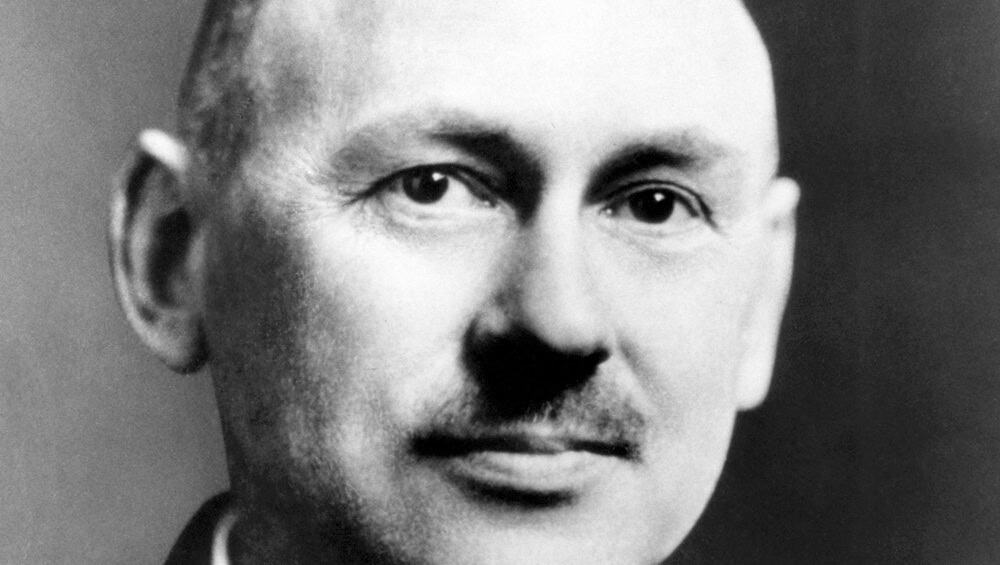
Robert Goddard
Inventor Robert Goddard had faith that rockets could reach space, even though the concept sounded ludicrous to most people. In 1920, the New York Times wrote an article deriding the suggestion, erroneously claiming that rockets wouldn’t work in space because there would be no air for them to push against.
Goddard persevered despite the criticism and in 1926 launched the world’s first successful liquid-fueled rocket. In July 1969, as Apollo 11 rocketed to the Moon, the New York Times printed a correction admitting that rockets could operate in a vacuum.
Sources: Please see here for a complete listing of all sources that were consulted in the preparation of this article.
Like our content? Be sure to follow us.
13 women from history who didn’t know they were marrying monsters

They thought their husbands were normal, handsome, or influential, but they had no idea these 13 men led double lives of horror.
13 women from history who didn’t know they were marrying monsters

