

Looking back on history, there are always huge landmark events that come to mind first when thinking about how America evolved as a country.
The death of the Blue Laws

Boomers grew up in a country where every town used to shut down on Sundays. Every grocery store, car dealership, and mall was required by law to remain closed for the day.
Sunday was a mandatory day for families to stay home, focusing on relaxation, local connections, and togetherness.
The late 1970s and 80s saw these laws lifted, opening the door to shopping any day of the week. Boomers feel that losing that shared day of rest kicked off the frantic pace of life we’re experiencing now.
Porches left empty

Prior to backyards and air conditioning, Americans loved to spend time on their front porches.
Neighbors could sit out in the cool evenings, chat with other locals passing by, and keep an eye on the kids.
When builders began designing homes with private backyards and dingy TV rooms, everyone began staying indoors. Boomers feel this was when true community intimacy was traded for privatized families.
Free-range kids

Boomers were told to go outside and not come back until dinner. Kids used to roam the streets all day with little fear of consequence, learning from their own mistakes.
A flurry of highly publicized child kidnappings fundamentally altered the landscape, triggering a nationwide transformation in how parents approached safety.
Boomers blame this period for beginning organized playdates and over-protective parenting.
One income gone

Prior to the late 70s, oftentimes one income could easily pay for a home, car and family.
Once inflation skyrocketed, two incomes became the slow-growing necessity to keep a middle-class lifestyle.
There was less money leftover each month and debt began to enter the average household. This was Boomers’ wake up call that their family and financial lives would never be the same.
The empty mail

Life felt a bit more thrilling when the mailbox held more than just junk mail and bills, way back before the digital age.
Daily trips to peek into your mailbox were part of routine life. You usually received something personal.
Letters from family, local newspapers, monthly magazines and catalogs provided daily windows to the world beyond your doorstep.
But as life moved online, the mailbox became void of interesting mail. Slowly but surely, Americans were left with only junk mail and bills.
Before corporate care
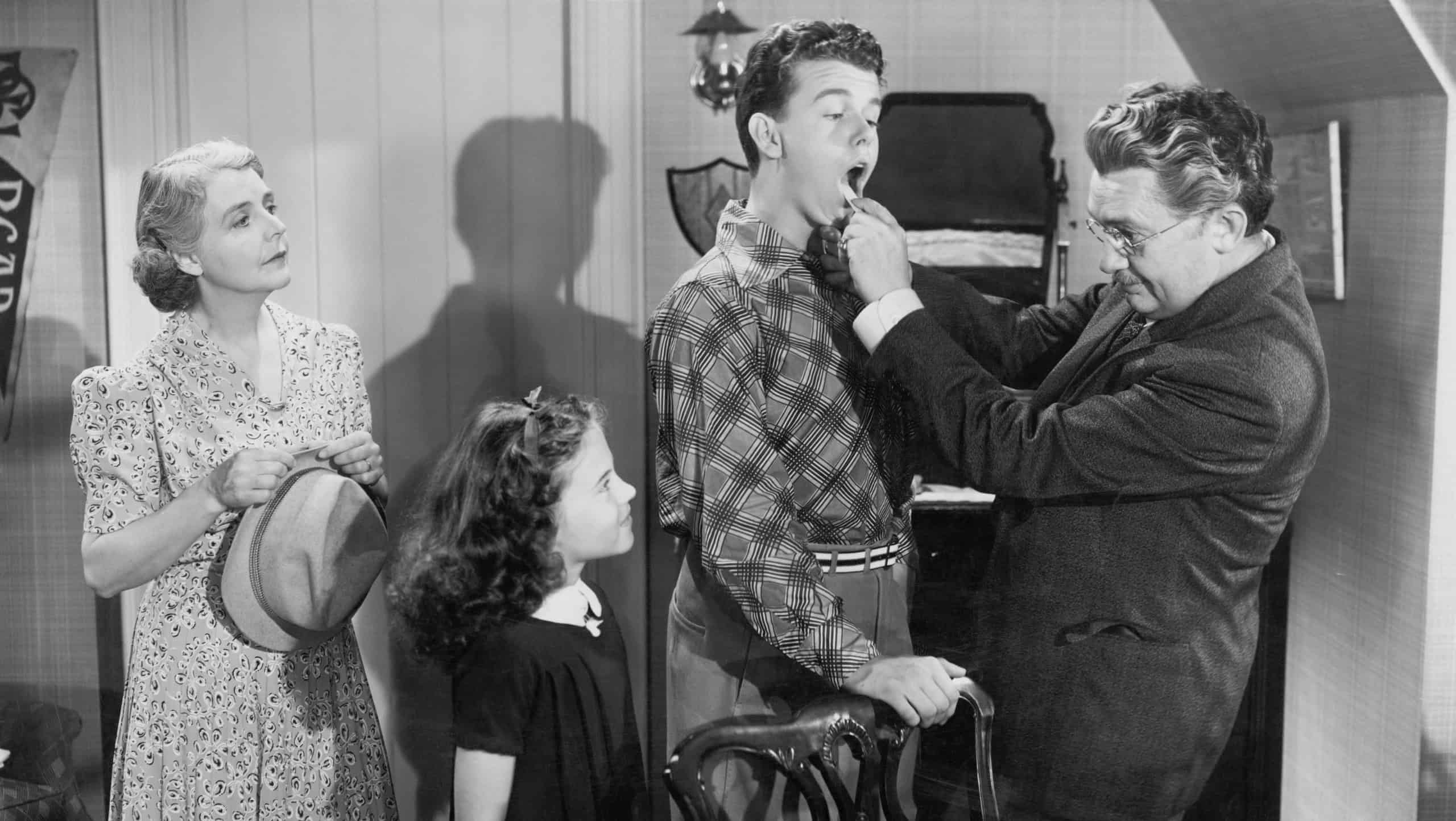
The relationship Boomers once had with their doctors was not through insurance companies.
Physicians used to run independent practices and get paid with cash or straightforward bills.
That all changed when medicine merged with faceless corporate hospitals and complex insurance providers. Boomers say this is when care became more about money than patients.
The lost hangouts

Bowling alleys, ice skating rinks, video stores, drive-in movie theaters, and theaters were where Boomers hung out.
As soon as people could afford to be entertained at home, fewer folks started showing up at public places.
Boomers lament that this shift away from communal gathering spots has eliminated relaxed settings for socializing.
The empty downtown
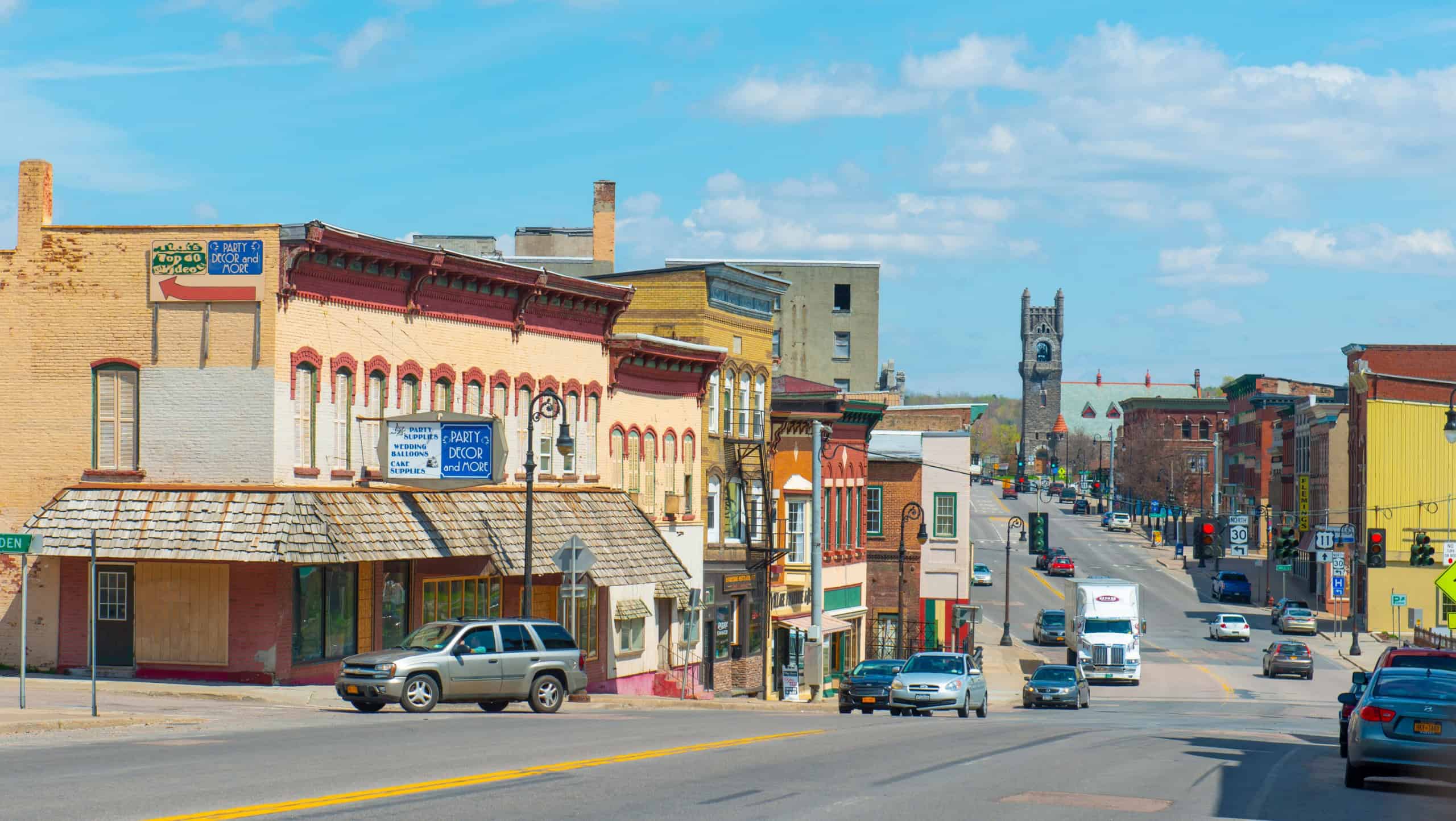
Main streets were the heart of every town before the rise of corporate shopping centers and franchise chains.
The greedy expansion of big box stores and malls ruined local businesses by drawing shoppers elsewhere.
Boomers miss small-town commerce and believe this shift to monopolized shopping stripped society of regional pride.
30-minute news

Previously, the evening news presented a half-hour of fact-checked content from impartial journalists.
When news channels became 24-hours long, they were forced to manufacture filler content.
Politically charged opinion segments became headline news, polarizing America like never before. Boomers argue it started this cycle of divisiveness and conflict.
When coins mattered

Back in the day, cash was the go-to for everyday spending, and folks almost always had bills and coins on hand for their buys.
With the introduction and acceptance of credit cards, debit cards, and phone purchases, the world began shifting to a cashless society.
Small businesses that only took cash began to vanish. Spending money became quicker and less noticeable.
Baby Boomers may feel like millennials never got the hands-on experience of touching money to learn its value.
Loyalty that died

A lot of workers thought that if they stayed loyal to one employer, they would have job security with good benefits and a comfortable retirement.
Employees began to lose that trust as companies started laying off workers and restructuring in the late 70’s and after.
Permanent full-time jobs didn’t seem so permanent, even if you were a stellar employee with 30 plus years. A lot of Boomers remember this as the point where people started feeling replaceable, not valued.
Things worth repairing
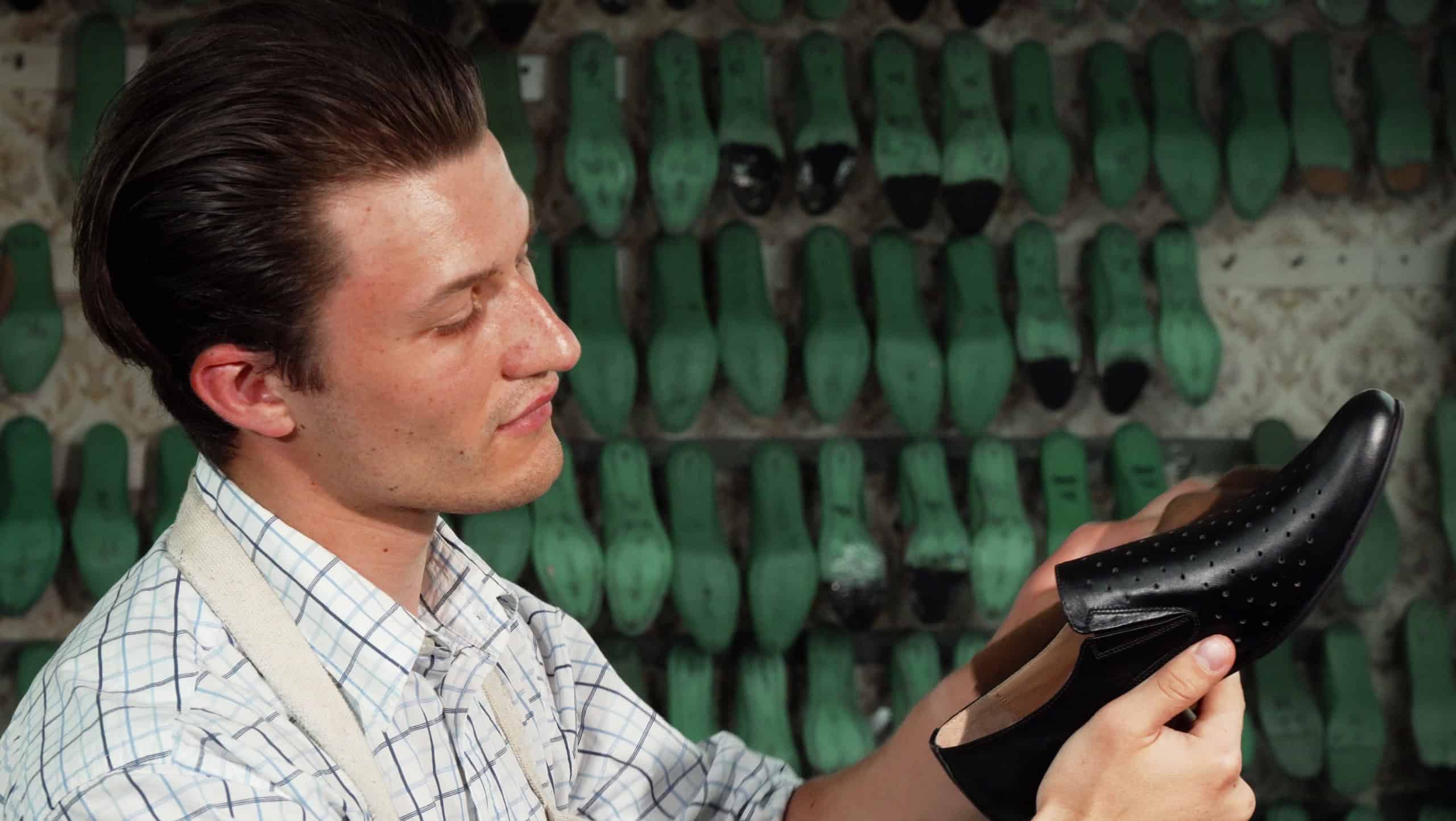
Folks used to mend their belongings instead of simply throwing them away for new ones.
Nearly every neighborhood had local repair shops that serviced the community. Appliances, shoes, clothes, and household goods were built to last and could often be repaired for decades.
With the rise of affordable, disposable items, repair services gradually vanished from our communities.
A lot of Boomers believe that the modern tendency to discard things easily leads to more waste and a less connected neighborhood.
The last common show

When there were only a few TV channels, millions of viewers tuned into the same shows at the same time each week.
Families, coworkers, and classmates were all experiencing the same big moments together. Everyone would talk about the shows the next day at school or work.
The sheer volume of viewing options, from streaming to countless channels, gradually splintered audiences into distinct, smaller groups. Many Boomers believe that shared TV gave Americans more common ground.
America’s lost local sound

America once sounded drastically different from region to region. Folks’ unique ways of talking, their local lingo, and their speech patterns immediately told you where they hailed from.
As TV, internet, and national media expanded, the local flavors began to diminish.
Kids born in different regions began saying the same things, pronouncing words similarly, and even using the same texting lingo. Boomers often lament the loss of local feel communities once had.
Sources: Please see here for a complete listing of all sources that were consulted in the preparation of this article.

