

More than just being ‘good at hard things,’ highly intelligent people have some unique things about them that’ll probably surprise you.
Their brains may work less while solving problems
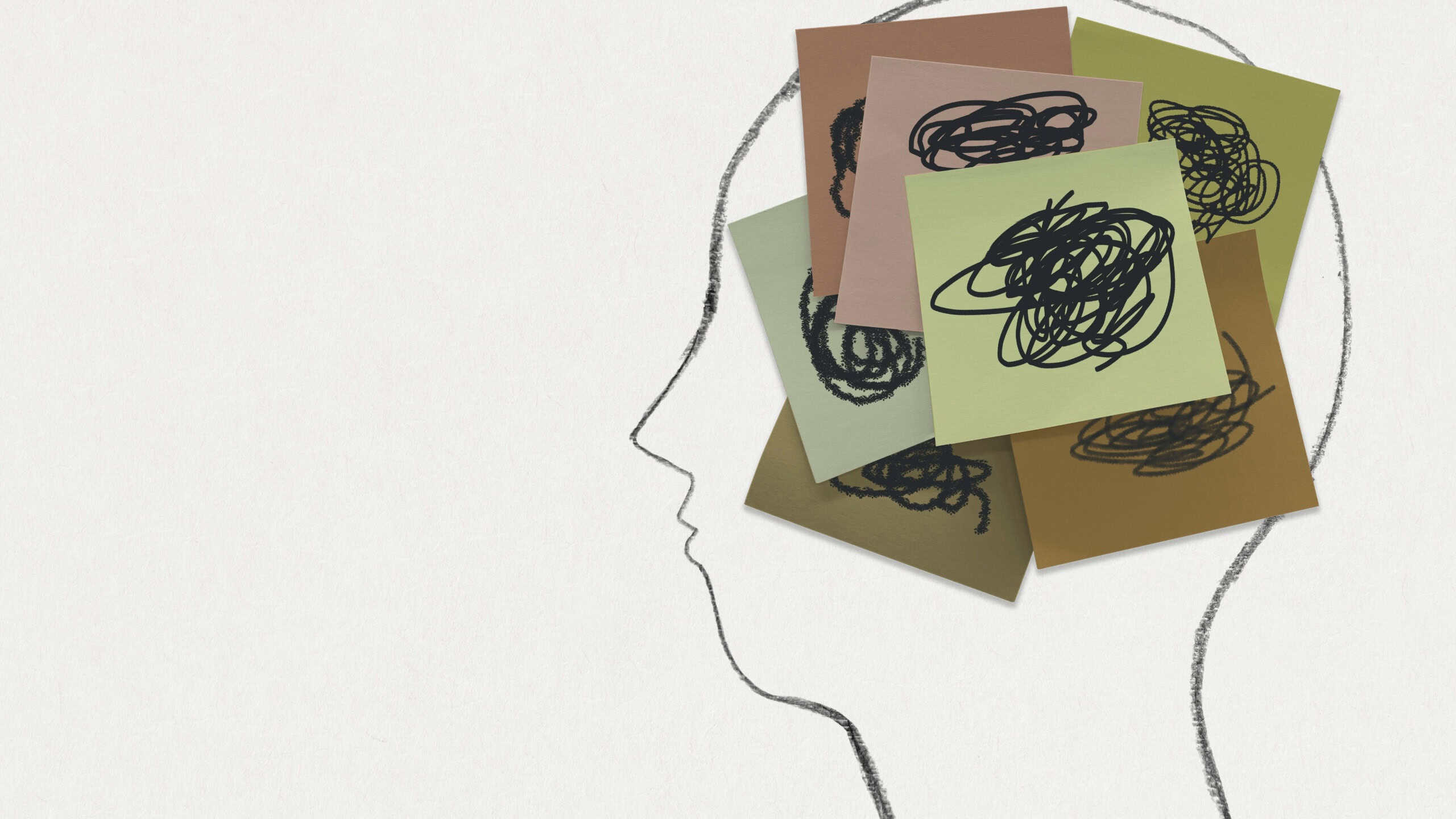
You might think that a smarter brain always looks busier, but that’s not necessarily true. Brain-scan studies have found that, actually, people with higher intelligence scores experience less brain activity while solving certain problems.
That’s not because they were being lazy, obviously. No, it’s just that the task might’ve been easier for them to handle, so their brains didn’t need to go into full power mode to solve the task. Put it this way, smart people can do the same job with less noise.
They are likely to be nearsighted

The movies love to stereotype smart people as always wearing glasses. Turns out, there’s some truth to that because large studies have found a real link between intelligent people and myopia. That’s a fancy way of saying nearsighted.
Myopia tends to be more common among those with higher test scores and more education. It doesn’t necessarily mean that they all read books and ruined their eyes. It’s just that being intelligent seems to put you at a higher risk for developing eye problems, apparently.
They may naturally run on a later clock

Quite a few smart people seem to come alive later in the day, and that’s pretty convenient for people who hate mornings. It’s not so great if your life keeps starting at 8 AM, however. Research has found a connection between higher intelligence and eveningness.
Essentially, that means smarter people often have a natural preference for staying up and waking later, although it’s not all of them. There are plenty of intelligent individuals who are early risers. But there are a lot of higher scorers who edge more toward the night-owl side.
They are more likely to become vegetarians

One study compared participants’ IQ scores at age 10 with their eating habits at age 30. Interestingly enough, they found that those who became vegetarians scored about five IQ points higher when they were children, on average.
The researchers made sure to take into account things like education, income, gender, and social class. But the conclusion still seemed to be accurate. Smarter people are more likely to become vegetarians, although not all of them were strict. Some of them still ate fish or chicken.
They may drink more, not less

It’d make sense for more intelligent people to have more sensible adult habits. But the opposite is true. One large-scale study found that people who scored higher on mental-ability tests as children were more likely to drink alcohol as often as adults.
They were more likely to have some kinds of alcohol-related problems. Don’t take that as a sign that alcoholism makes you smart, because higher intelligence doesn’t necessarily make someone drink. There just seems to be a connection between the two, that’s all.
They respond more consistently to simple stimuli

Not every intelligence test involves incredibly difficult tasks, and some of them are actually kind of boring. One experiment showed two lines for a tiny slice of time and asked participants to say which one was longer, that was it. Nothing too challenging at all.
People with higher intelligence scores tended to respond faster and more consistently on these basic reaction and inspection-time tests. From that, it seems that smarter people respond better to simple things than less intelligent people. How strange.
They have higher rates of irritable bowel syndrome

Now for a really strange one. One survey of American Mensa members found that they had higher rates of irritable bowel syndrome compared to the rest of the population. The rates were unusually high, in fact.
It seems that having a smart brain means having a higher chance of having an irritated gut. Hardly the trade that anyone’s asked for or anything, but there you go.
They’re more likely to have chronic fatigue syndrome

Another interesting detail from the Mensa health survey was that chronic fatigue syndrome was six times as common in smart people. They compared these numbers to the national estimate of sufferers.
That’s not to say every high-IQ person is exhausted, and it doesn’t exactly prove intelligence caused anything, either. But there does seem to be a link between the two, and not exactly a nice one.
They learn to write before they’re ready for it

It’s no surprise that gifted children have greater abilities than their peers. But it seems their abilities are greater than even their own bodies can cope with. Gifted kids are often able to read before their bodies have developed the physical skills to write.
They can spell, they can tell a detailed story, they can even understand sentence structure. Yet their hands aren’t ready to keep up, and they struggle with things like grip strength and finger control, among other things.
They’re more selective about food

Another study found that many gifted children were extremely selective eaters. It wasn’t simply that they didn’t like broccoli or something. No, it was more that these kids were very particular about things like temperature, smell, brand, how a food looked, how it was cooked, and so on.
They also cared a lot about whether two foods touched. Any parents with fussy eaters might want to take that as a good sign, although it’s not necessarily a guarantee of intelligence.
Food texture matters more to them than taste

That’s not all for food, as another study found that texture seems to matter more to smart people than taste. Yes, really. They can love the flavor of something like apples, but absolutely refuse to eat applesauce because it’s the wrong texture.
Gifted children usually have stronger sensory reactions to things like food, and texture is one of the biggest reasons they reject certain foods. Every smart person is different, of course, and not all of them will dislike certain textures the same way.
They struggle to remember simple instructions

Try asking a highly intelligent person about something complex, like black holes, and they’ll talk for ten minutes without stopping. Then try giving them some simple instructions, like turning off the light. It’s almost impossible for them to do.
It might sound contradictory, yes, but smarter people seem to struggle with remembering simple instructions. They can remember lots of difficult information, but they’ll find it hard to remember short instructions or to plan. Their brains tend to wander off in the middle of a step.
Higher intelligence has been linked with remaining childless

Let’s get one thing straight, not all smart people are childless. But there does seem to be higher rates of intelligent people not having children, and they’re more likely to live their lives without having the desire to have kids, either.
It’s the same for both men and women. Both groups seem to have less interest in parenthood when they’re younger, too. It’s not exactly clear why they feel that way.
Smarter people are less likely to die young

Your intelligence as a child can say a lot about how long you might live. Nine separate studies found that those identified as smarter children generally had a lower risk of dying early later on. In fact, each rise in childhood IQ reduces your risk of dying between ages 23 and 46 by 20%.
It doesn’t mean that intelligence is some kind of elixir of life or anything, because there are plenty of other factors that could be at play. Still, it seems that intelligent people are more likely to live longer. It’s a comforting thought, really.
Sources: Please see here for a complete listing of all sources that were consulted in the preparation of this article.

