

Some of history’s most famous wives did a lot more than stand by their husbands, as they used their power to gain influence and expand empires, sometimes leaving a trail of blood behind them.
Fredegund
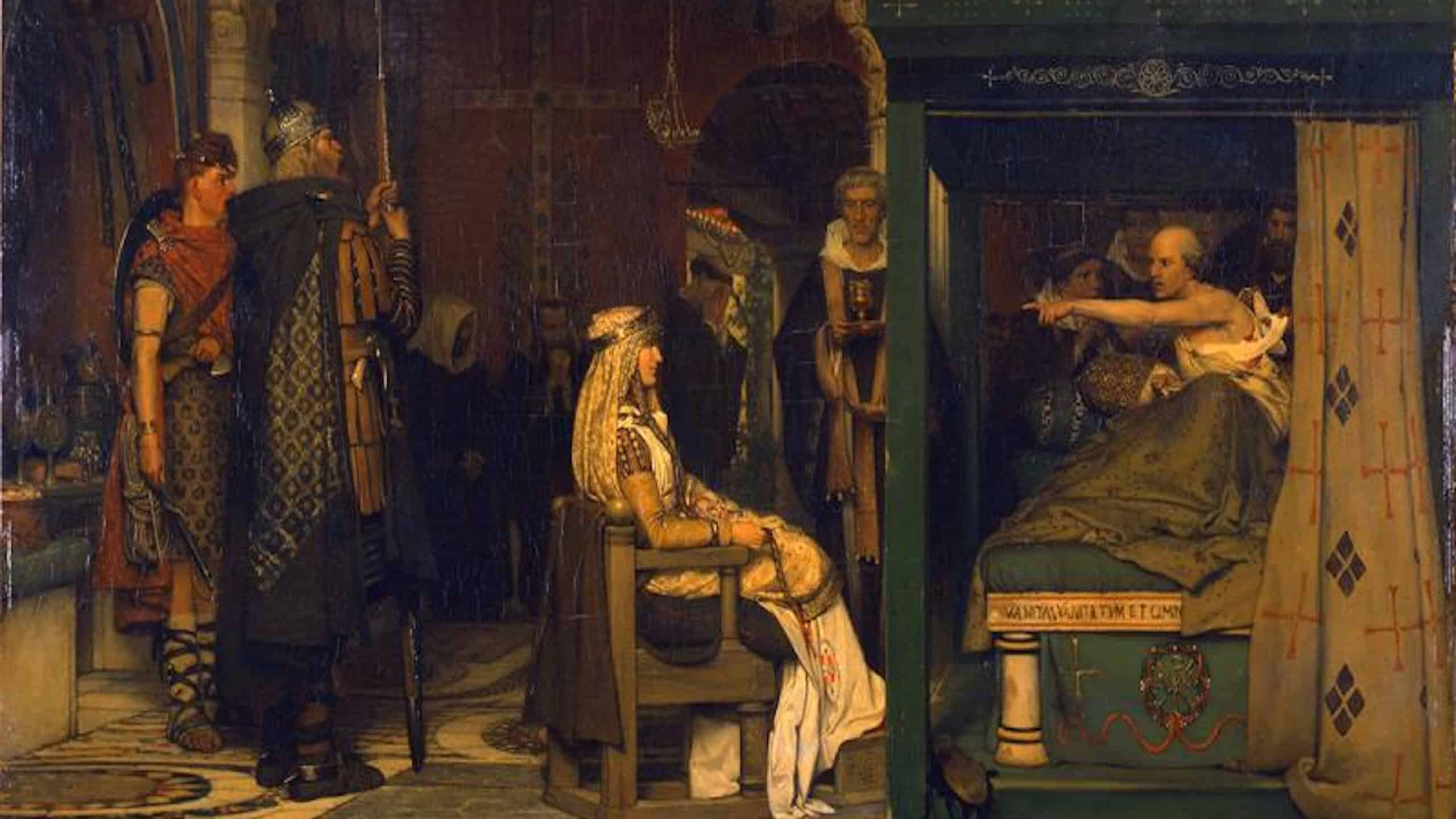
Gregory of Tours really didn’t like Fredegund, leader of an area in modern-day France. So much so, in fact, that he blamed her for basically every kind of palace murder that happened while she was in charge. He even said she was responsible for her husband’s, Chilperic I, murder in 584.
That could’ve been an exaggeration because Gregory openly disliked her. Still, we know some things were facts, and that includes how she recovered territory and beat a larger army in 593. Pretty good going for someone who was expected to disappear.
Agrippina
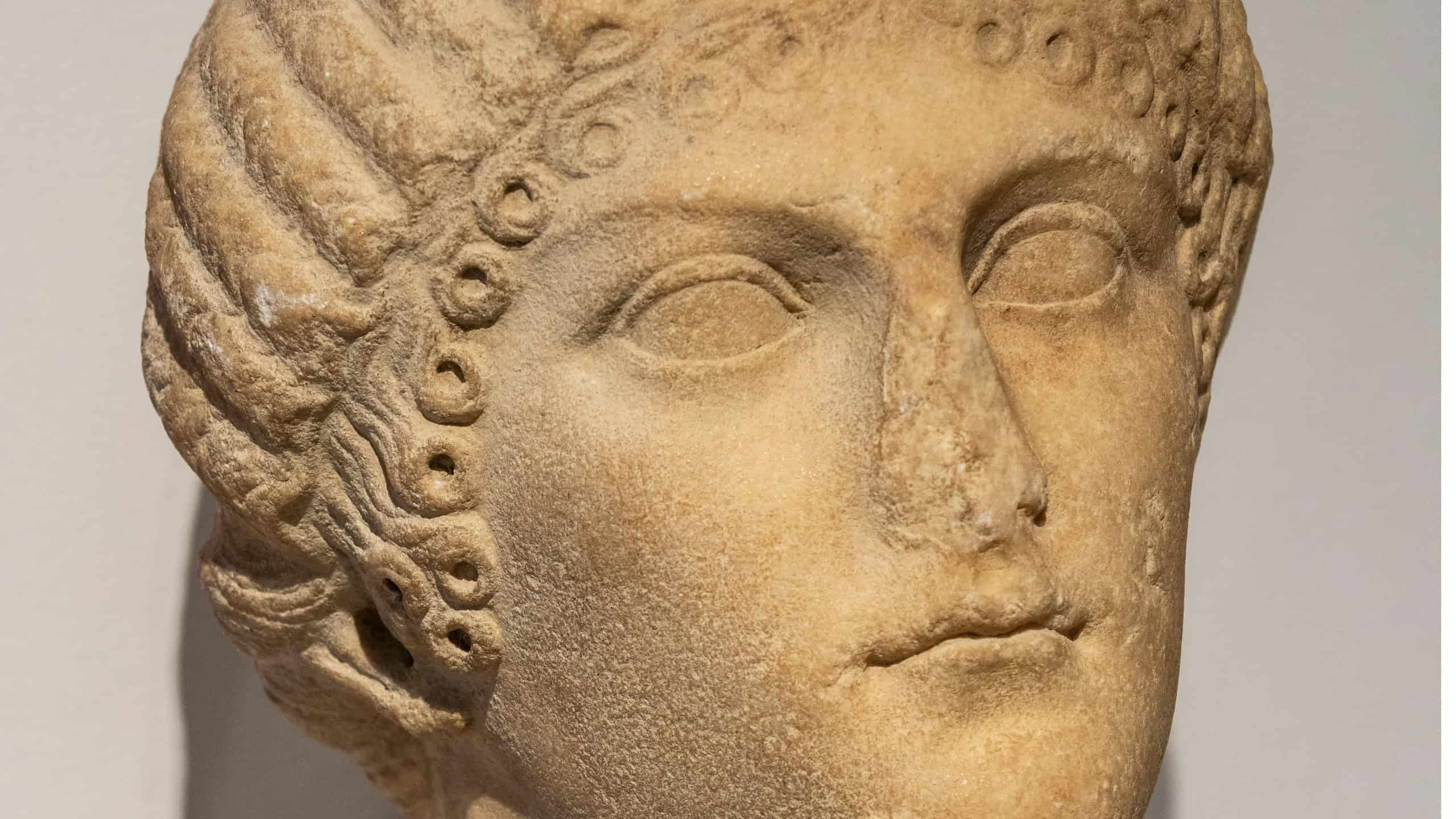
Agrippina didn’t simply marry Roman Emperor Claudius and settle into palace life. No, her life moved a lot faster than that, and Claudius adopted her son, Nero. Nero then married the emperor’s daughter Octavia, putting him way ahead in the line of succession.
Kind of smart, really. It wasn’t long after that she got the title Augusta, and as soon as Nero became emperor in 54 CE, everything changed. They had gold coins showing the pair of them facing each other almost as equals. They were telling everyone in Rome who mattered.
Wu Zetian
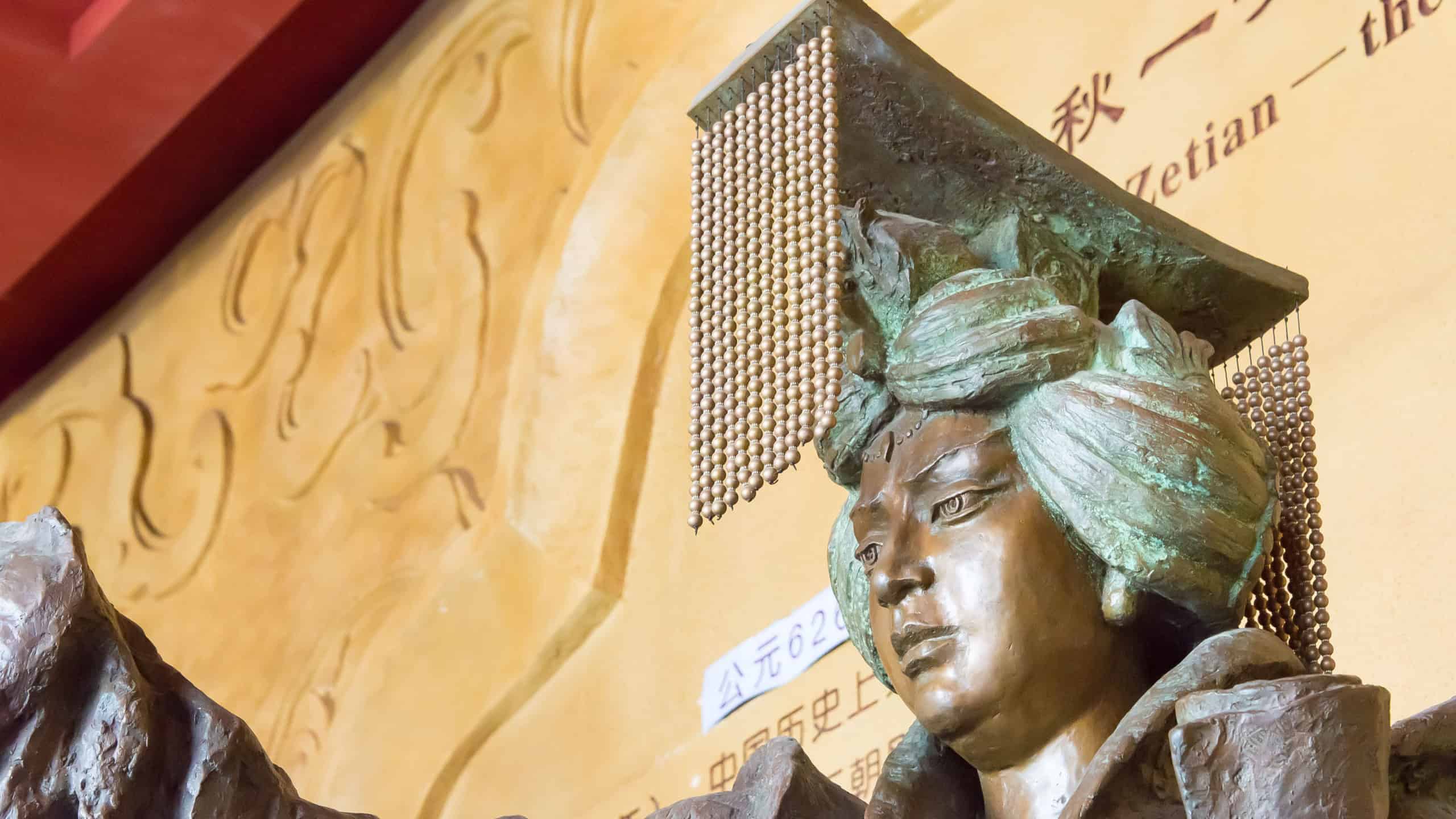
Nobody said the path to the throne is easy, and Wu Zetian was a great example of that. She started as Chinese Emperor Taizong’s concubine before becoming the wife of Gaozong, his son. Yes, it was that complicated, and it only got more so.
Gaozong became ill, so it was left to Wu to start dealing with state business herself, right up until he died. She then ruled through her sons and removed two of them. Not one to beat around the bush, Wu declared herself emperor in 690, creating a new Chinese character for her name.
Lü Zhi
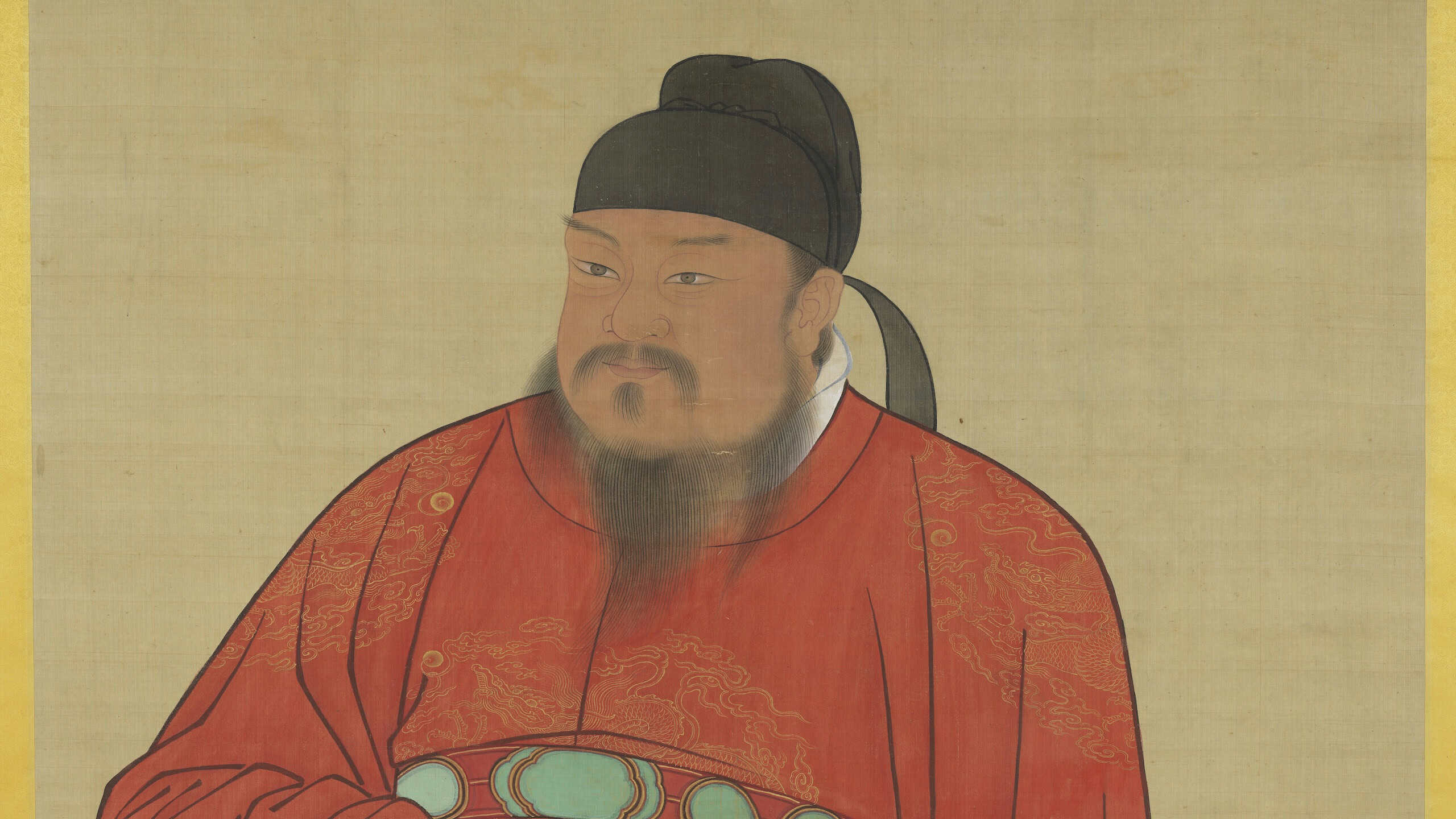
We’re not done with China. It didn’t matter that three emperors were on the throne while Lü Zhi was alive because, the truth is, she held the real power. It all happened after her husband, Emperor Gaozu, died in 195 BCE. It left her with control.
Not directly, though, but through their son and then two child rulers. There were even records that claimed she’d poisoned Gaozu’s son Ruyi and horribly mutilated his mother, Consort Qi. Ouch. But it could all be rumors, as writers at the time didn’t like powerful empress widows.
Irene of Athens
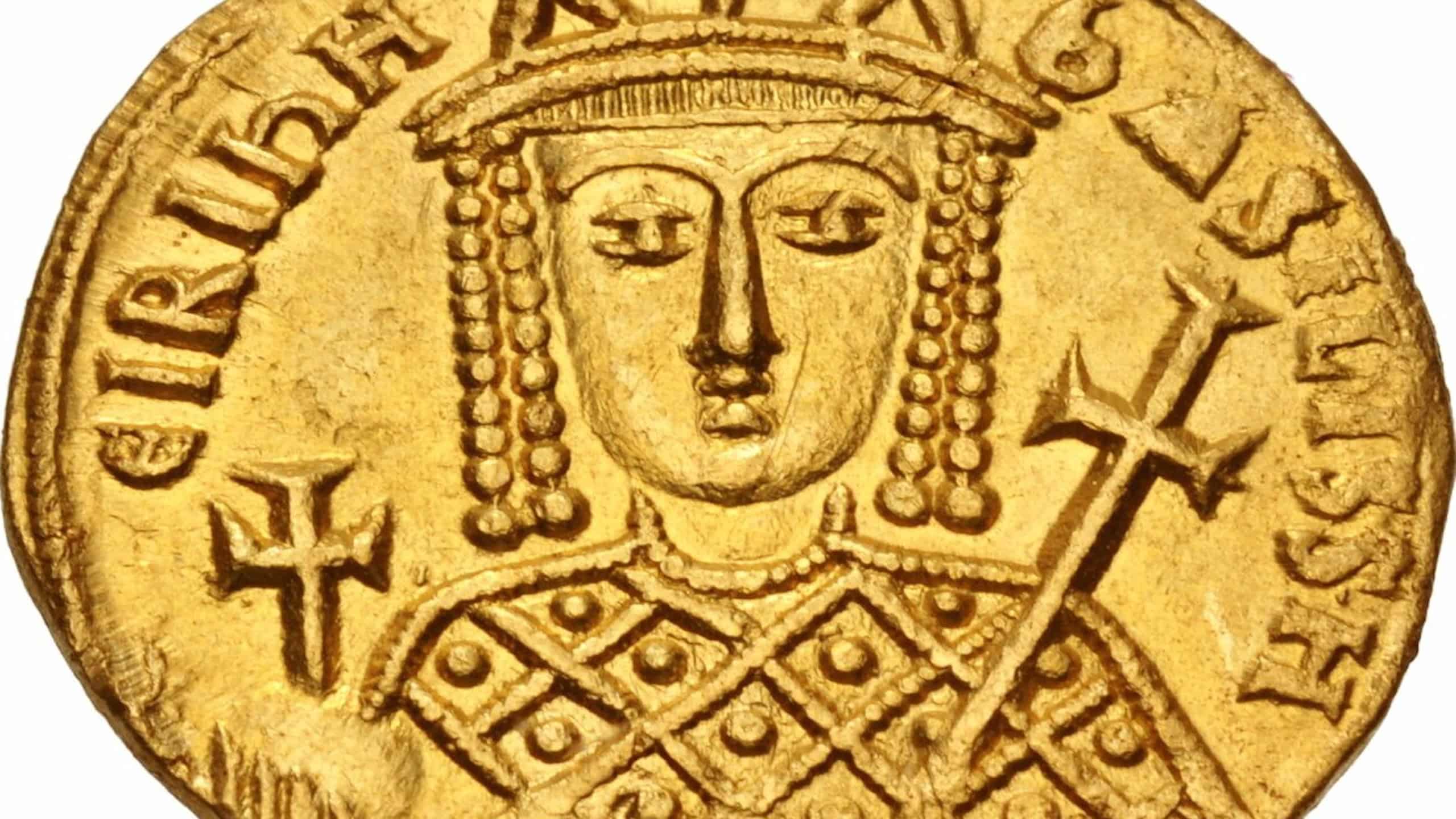
Irene ruled the Byzantine Empire entirely on her own for five years. That might seem like nothing today, but she did that during the eighth century. It wasn’t exactly the most favorable time for women.
Unlike some of the other women on this list, she didn’t have a great relationship with her son. Palace men seized Constantine VI in 797 and blinded him. They were acting on her orders. Irene then took the throne and began using the masculine title basileus instead of empress.
Fulvia
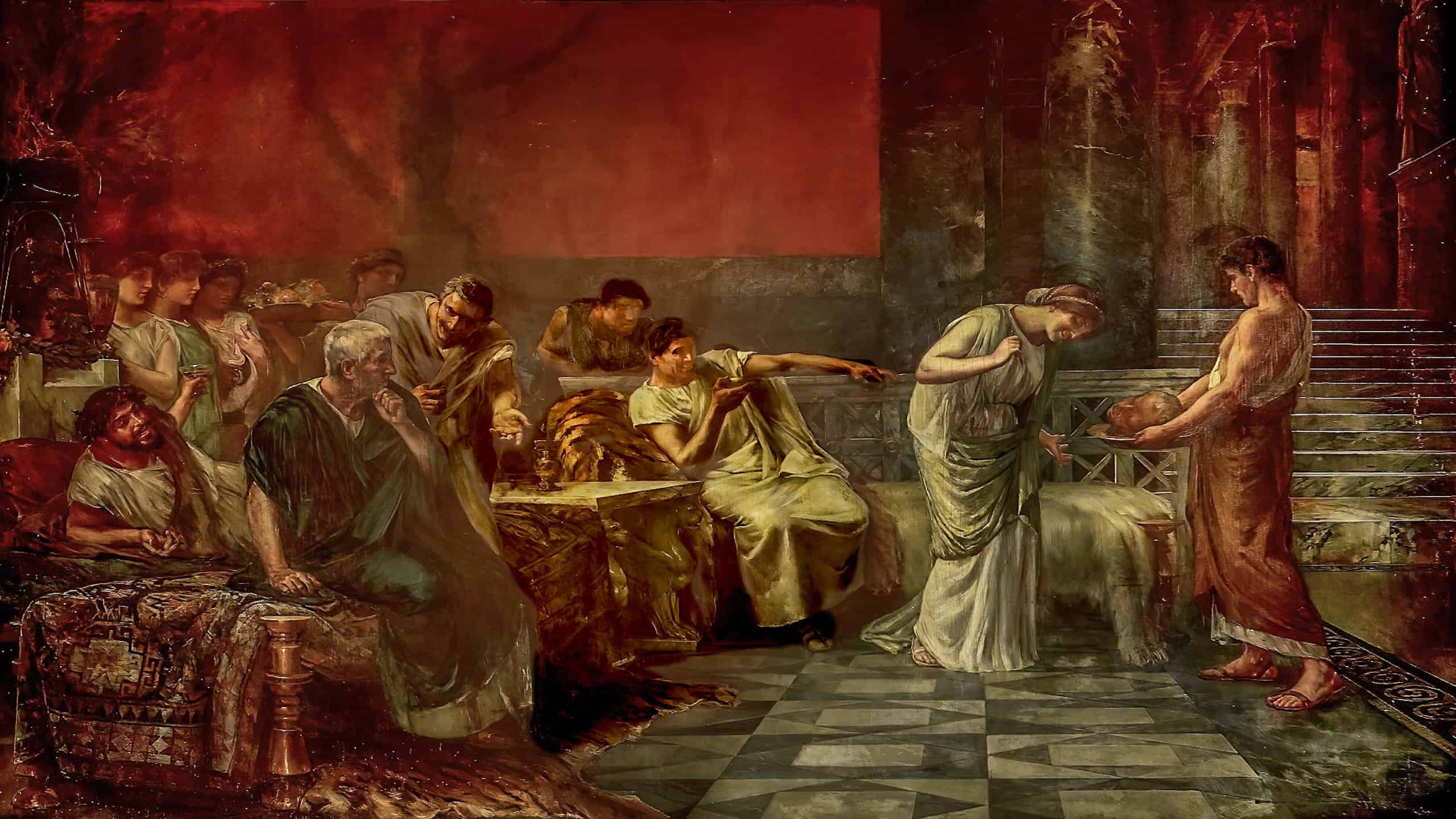
Fulvia knew all about Roman power games before she’d met Mark Antony. She’d been married to two major Roman politicians, after all, so all that manipulation was nothing for her. That’s why she was confident enough to team up with Antony’s brother Lucius while Antony was away.
The pair fought Octavian in the Perusine War of 41–40 BCE. It seems that she was so hated among the enemy that they fired sling bullets with insults aimed directly at her. They really didn’t like her.
Olympias
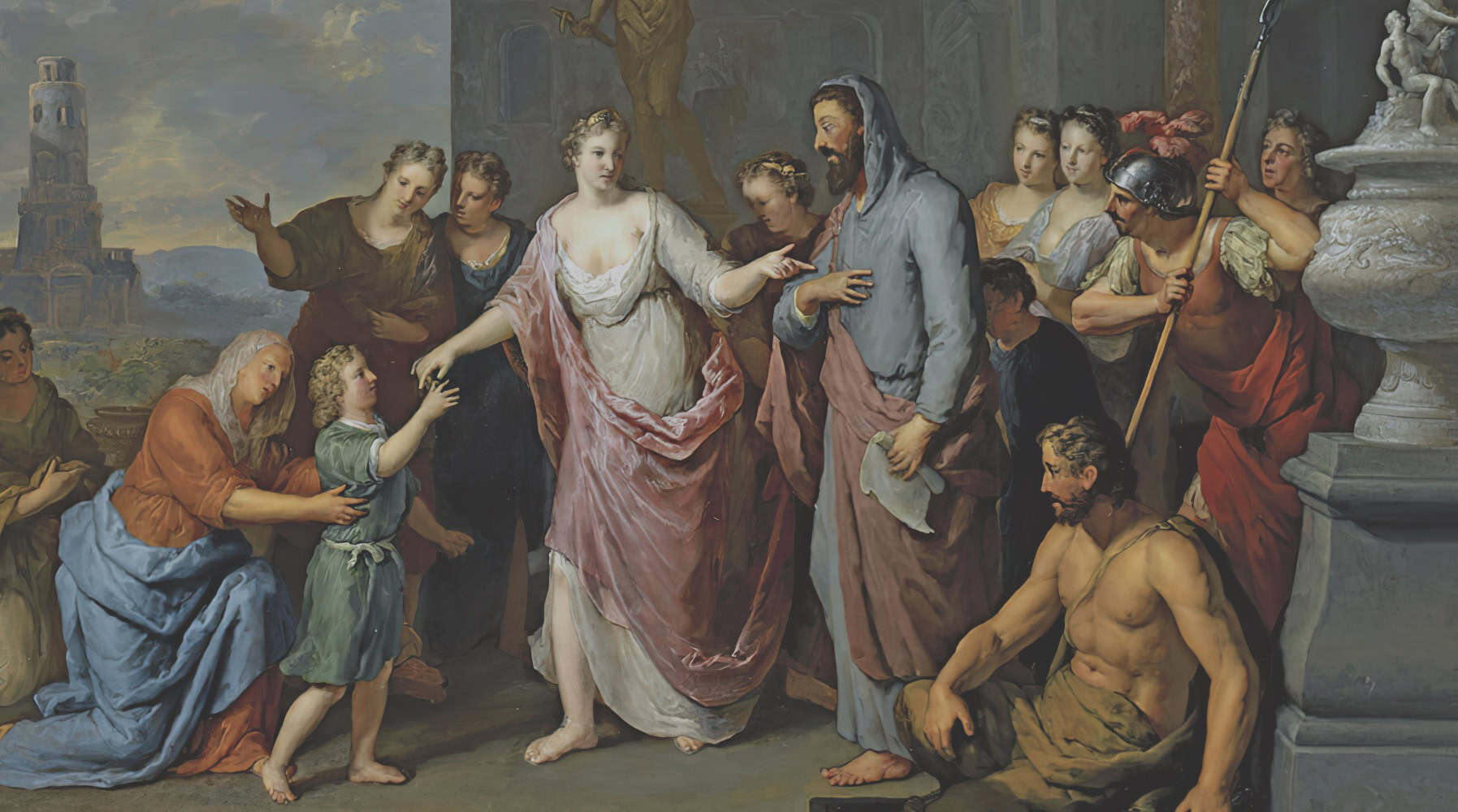
Olympias was a woman who understood a lot of things. One of the most important was that the future of Alexander the Great, her son, wasn’t exactly going to sort itself out. She fought hard to protect her son’s position when it looked like it was in danger. She was pretty dedicated.
She continued to live after her son died, and returned to Macedonia with an army in 317 BCE. Her goal was to capture Philip III, Alexander’s disabled half-brother, and have him killed, along with his wife, Adea Eurydice. She succeeded.
Catherine de’ Medici
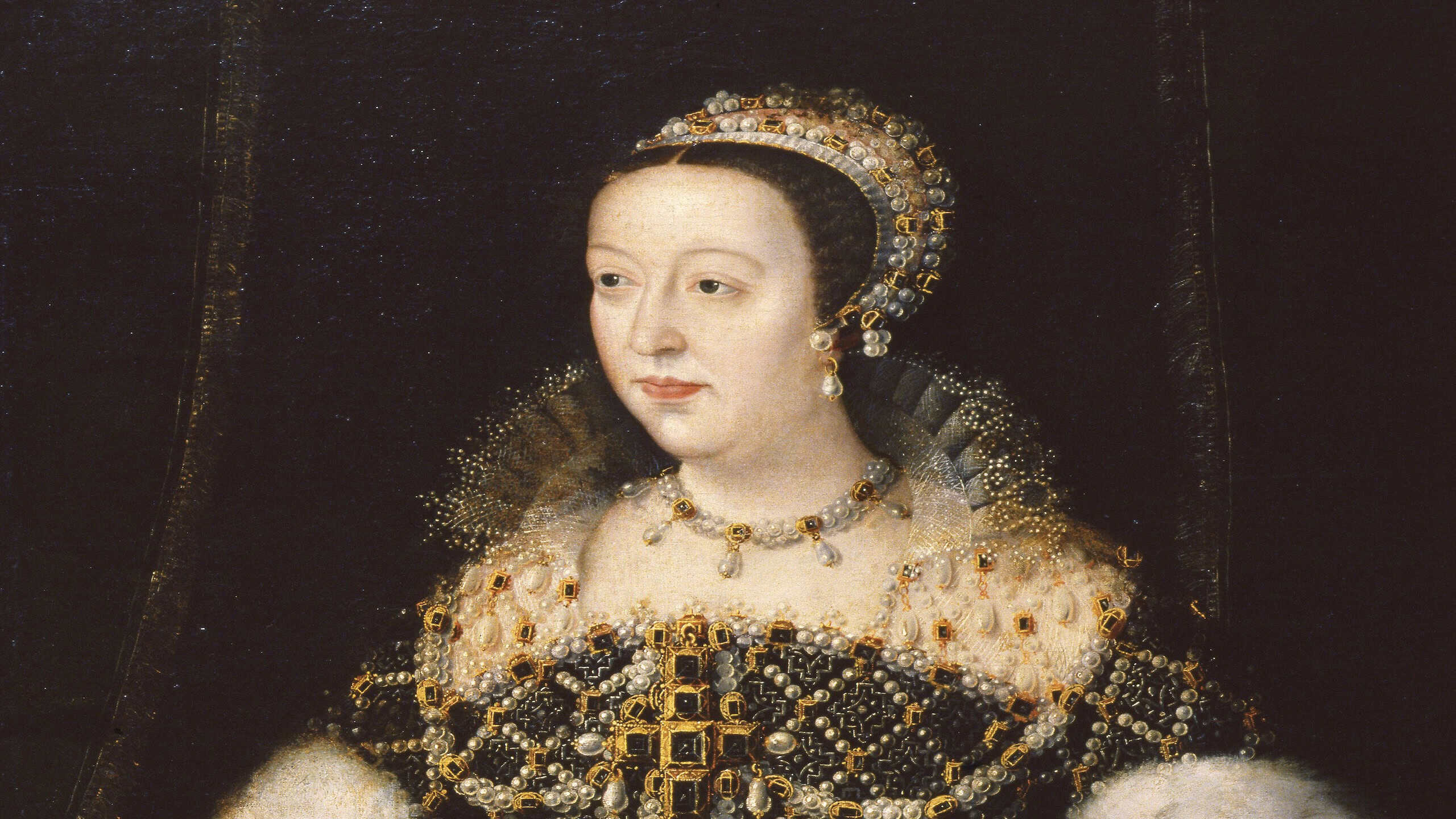
In August 1572, Paris was absolutely packed with Protestant nobles, and it was all thanks to a woman named Catherine de’ Medici. She’d arranged for her daughter, Margaret, to marry Henry of Navarre, with the goal of uniting two fighting sides. It didn’t go down like that.
The marriage accidentally caused something called the St. Bartholomew’s Day Massacre, a series of conflicts across Paris that killed up to 30,000 people. It was all down to Catherine, after she decided to kill several Huguenot leaders. The violence spread soon after.
Hürrem Sultan

Hürrem Sultan seemed like a loving wife, and she was. But she had a dark secret. She manipulated her husband, Sultan Suleiman, leader of the Ottoman Empire, into executing his head of government. It got worse, though.
She managed to manipulate the Sultan into executing his eldest son, Şehzade Mustafa, too. Mustafa was very popular among the people at the time. But Hürrem couldn’t handle that since she wanted her own sons on the throne, so she got her husband to execute his firstborn.
Theodora
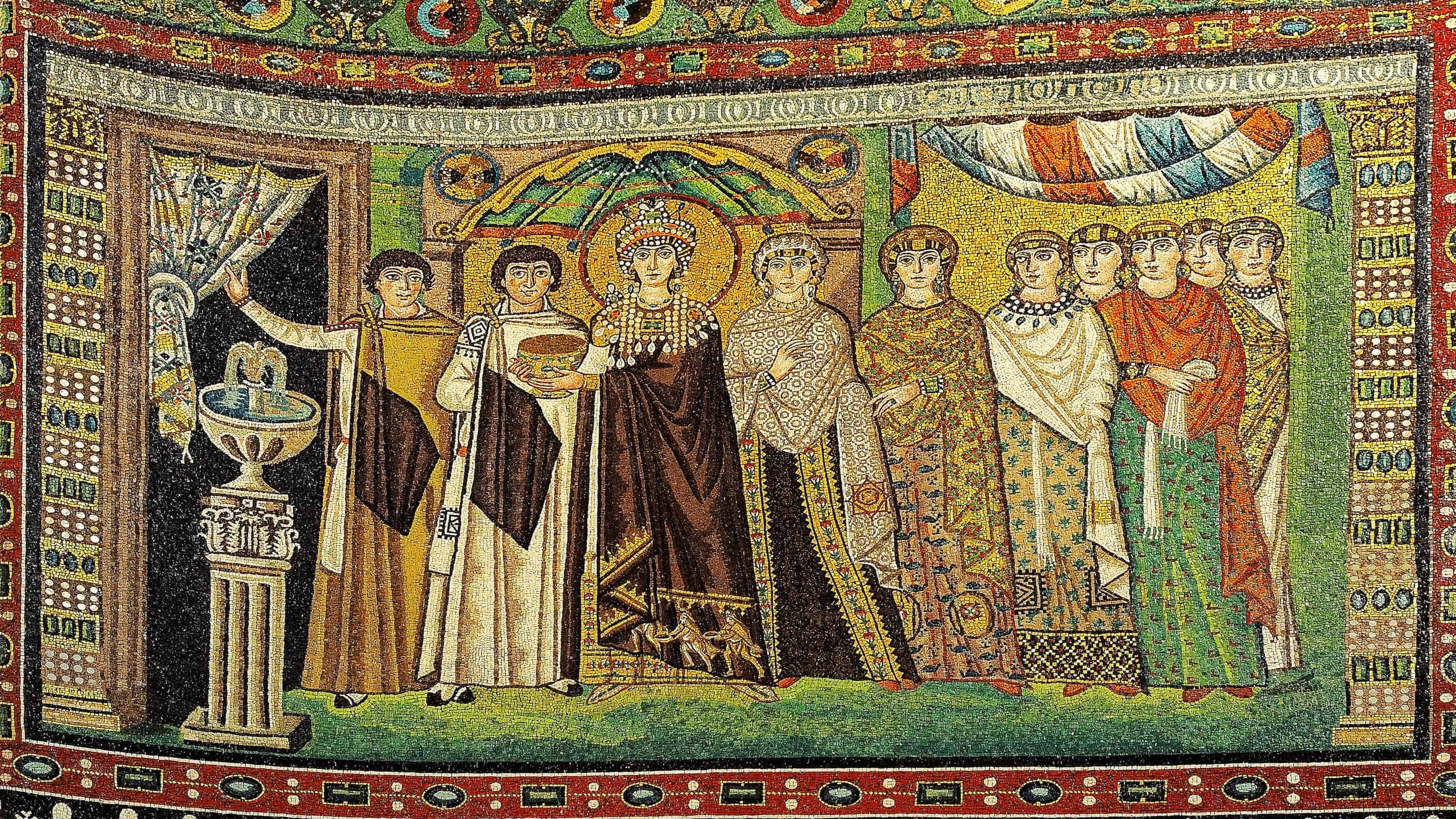
Most people would run for cover when Roman emperor Justinian I got mad during the Nika revolt in 532. Not his wife, Theodora, though. She actually gave a speech saying that fleeing was worse than dying as rulers. They stayed.
That was probably the best thing she could’ve said because it motivated the troops to keep fighting. They then entered the Hippodrome and killed thousands of rebels. People started really taking Theodora seriously after that moment. Interesting how that works.
Zenobia
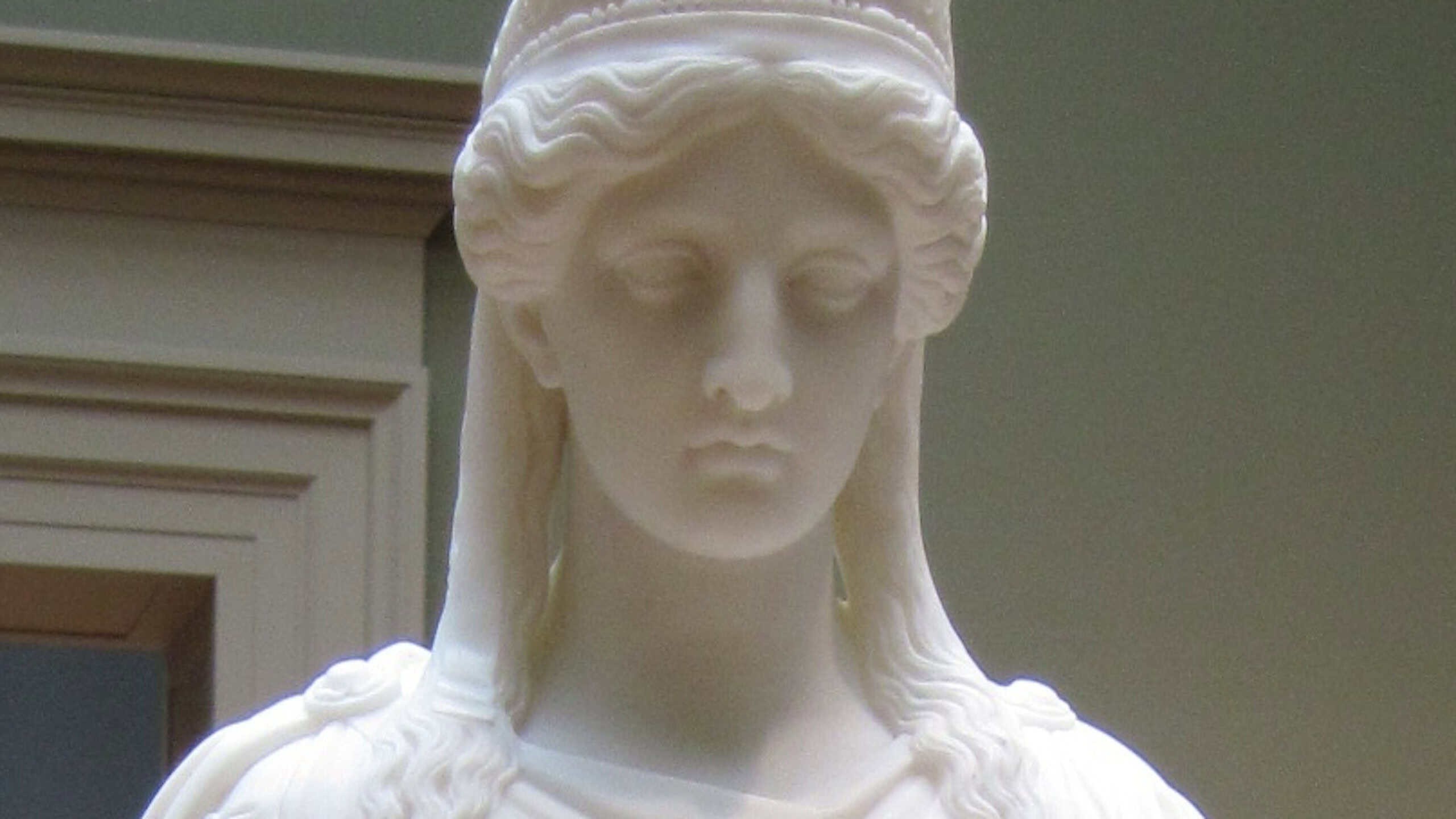
Queen of Syria, Zenobia’s husband Odaenathus was murdered. But that didn’t stop her. She began ruling the area for her young son, and the territory under her control only kept growing while she was in charge.
Arabia, Egypt, Syria, there was no place that was safe from her army’s rule, and it even pushed into parts of Asia Minor. That didn’t necessarily make her a dictator or anything, though. She was surprisingly tolerant toward minorities and worked hard to protect them.
Ranavalona
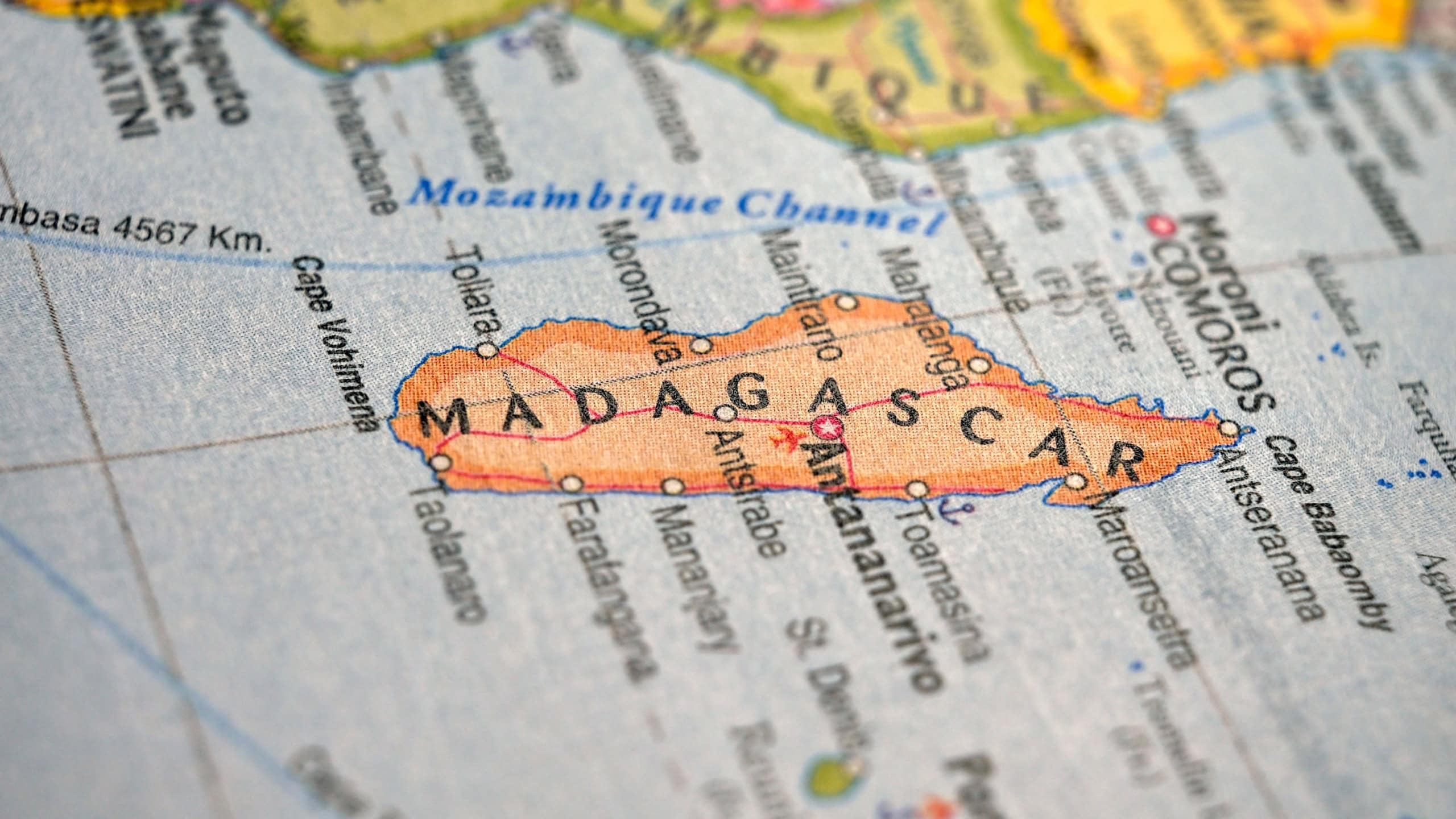
Ranavalona isn’t a name you might recognize. She was the ruler of Madagascar, and came to power after her husband, Radama I, died in 1828, doing pretty much a 180 on his policies. The nation’s close relationship with Britain vanished, and missionaries were pushed out, for starters.
She then banned Malagasy people from practicing Christianity. It wasn’t a simple ban, either, as the law stated that converts could lose property and be imprisoned. They could also be sent into forced labor, or executed, simply for their religion.
Sources: Please see here for a complete listing of all sources that were consulted in the preparation of this article.


