
Money and houses are the kind of things you expect to see in a will, but a few famous names left behind such utterly bizarre instructions in theirs.
Dusty Springfield

Singer Dusty Springfield was very determined about what was going to happen to her cat, Nicholas, after she died. Not in a normal way, though. She said that Nicholas had to be fed imported baby food and sleep on bedding made from Springfield’s pillowcase and nightgown.
He also had to listen to her records at bedtime. She included an indoor tree house in the plan, too, and said that he shouldn’t stay single either. Springfield arranged for him to be introduced to one of her friends’ female cats. Nicholas got a better retirement package than a lot of people do, honestly.
Philip Seymour Hoffman

Philip Seymour Hoffman was a pretty serious actor, and equally serious about how his son, Cooper, should be raised. His will said that Cooper should be raised in Manhattan, but if that wasn’t possible, Chicago or San Francisco would do.
Hoffman said he wanted Cooper surrounded by art and architecture, along with city culture. He also requested that his son visit one of those places at least twice a year if he ended up living elsewhere. It gives a new meaning to ‘take care of the kids.’
Jerry Lewis

Cutting someone out of your will is harsh enough. Comedian Jerry Lewis took it one step further. He named his sons Gary, Ronald, Anthony, Christopher, Scott, and Joseph individually in his will by saying they were intentionally excluded. Then he said their descendants were excluded, too.
Yes, he was determined that neither his sons nor his grandchildren would get a cut of his fortune. Joseph had already died before Lewis passed away in 2017, but the clause still covered Joseph’s children. Lewis didn’t explain why he left them out. It feels even colder because of that.
Aretha Franklin
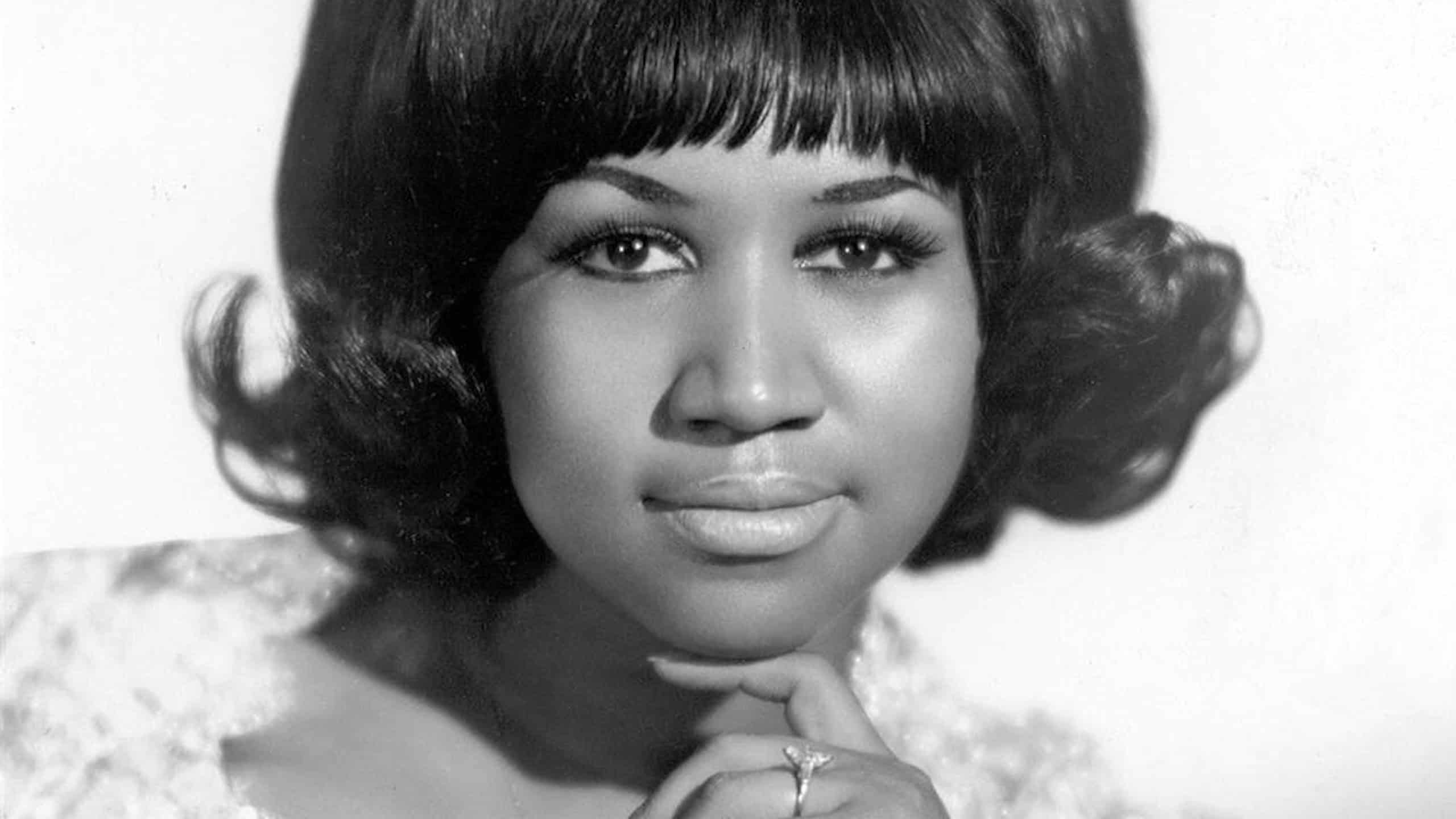
Only a diva like Aretha Franklin would have two wills, honestly. Both of these were found after she died, and one of them had a strange request. It said that two of her sons, Kecalf and Edward Franklin, could only receive certain benefits from the estate after they’d taken business classes. The singer even said they had to earn either a certificate or a degree, too.
That version of the will was written in 2010, but the more recent one from 2014 dropped the requirement. The jury accepted the 2014 will as the ‘proper’ one. Still, it’s weird that Franklin put the request in there in the first place.
Sandra West
![Madrid, Spain. 12-10-2022. The Ferrari 250 GT Berlinetta Lusso is a GT car which was manufactured by Italian automaker Ferrari from 1962[3] to 1964](https://spcdn.shortpixel.ai/spio/ret_img,q_cdnize/ashandpri.com/wp-content/uploads/2026/08/shutterstock_2239709527-scaled-e1787011828262.jpg)
West didn’t immediately get her wish, however, as there was a legal dispute over whether the request would actually happen. But it did. Both West and the Ferrari were placed in a large wooden box beside her husband’s grave in San Antonio, then covered with concrete. What a way to go.
Frank Sinatra
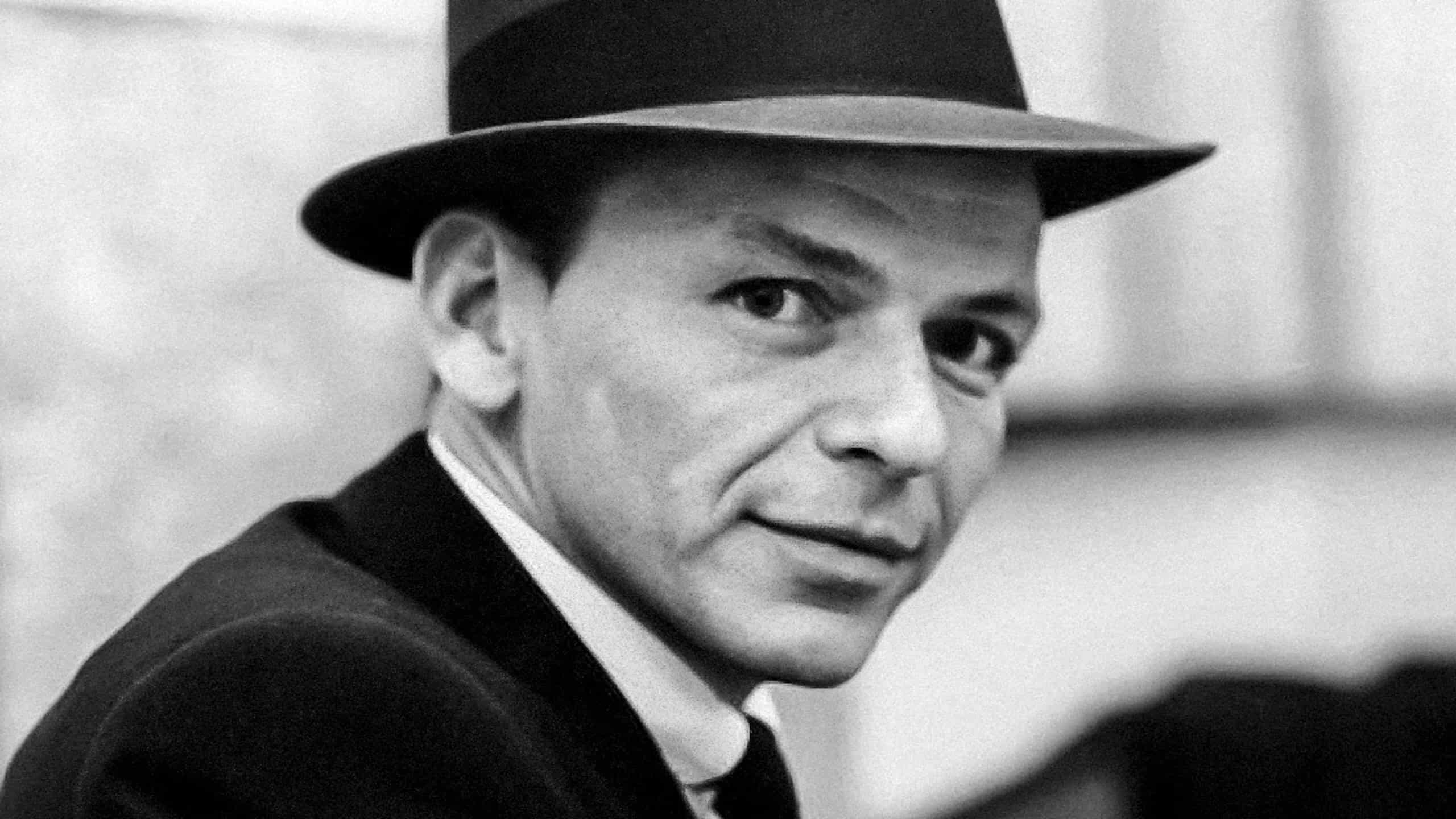
Frank Sinatra’s will was a lot harsher than you might expect from the crooner. He wrote that anyone who challenged the will would lose what he left them, simple as that. Any kind of challenge, like beneficiaries who tried to contest the document or those who tried to claim estate property through another route, counted.
It actually became such a famous detail that lawyers often refer to similar requests as a ‘Frank Sinatra clause.’ No-contest language isn’t unusual in a will. But it was Sinatra’s version that became famous on its own.
George Bernard Shaw

Irish playwright George Bernard Shaw had spent years complaining that English spelling was inefficient. He wanted to keep working on the problem after his death. So, his will set aside money specifically to help create a new phonetic alphabet with symbols matching English sounds more neatly.
Shaw went one step further and said he wanted one of his plays printed using it, too. Legal complications did mean the available funds were reduced. A competition to find a better phonetic alphabet went ahead, though, and produced something called the Shavian alphabet.
Gene Roddenberry
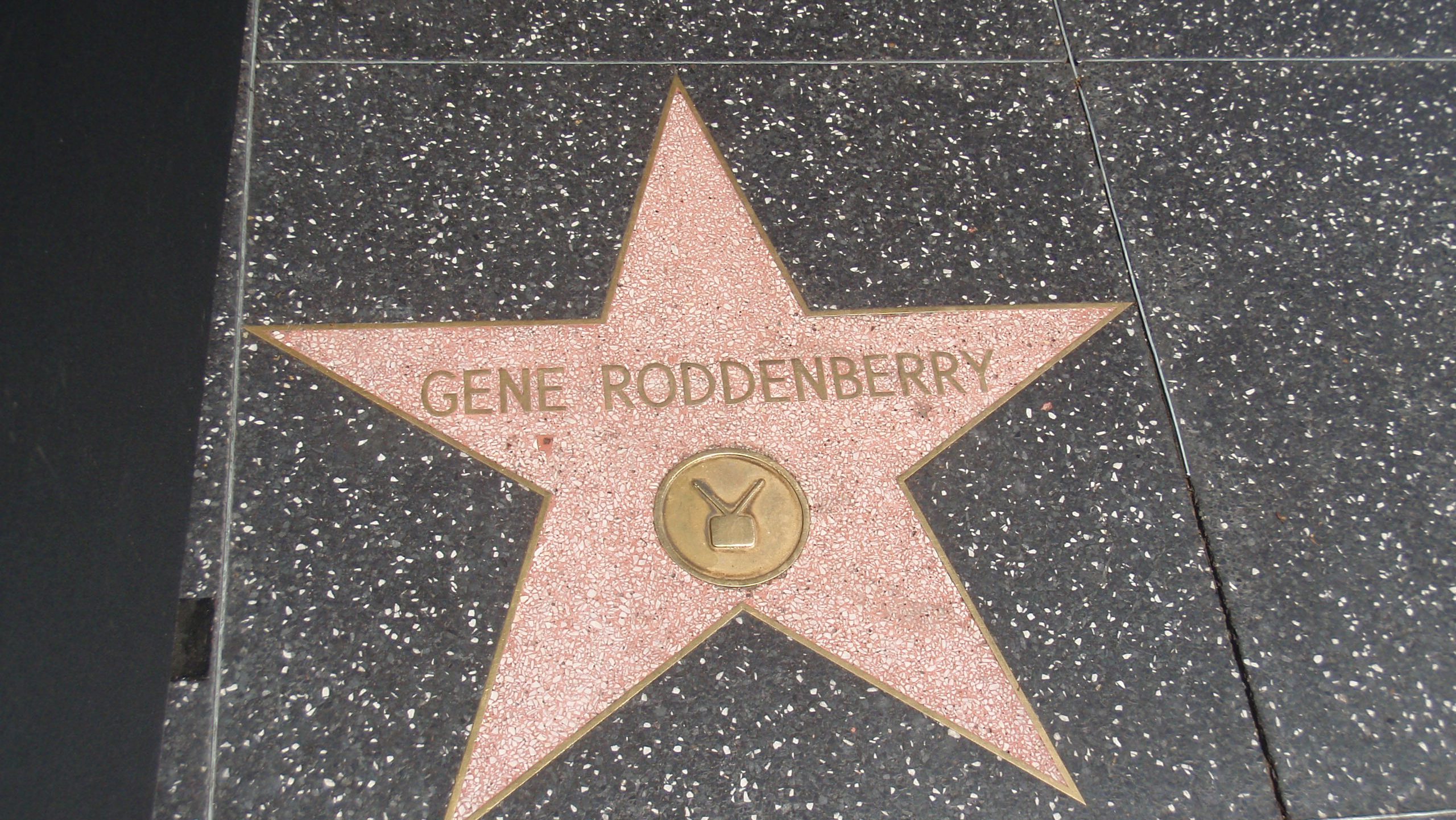
Gene Roddenberry’s will might seem strange at first glance. But then you remember that he was the man who created Star Trek, and it all starts to make sense. He asked for part of his remains to be sent into space after his death in 1991.
That’s exactly what happened, a portion of his ashes traveled aboard the space shuttle Columbia in 1992. Some more of his ashes were launched on a commercial memorial flight in 1997, too. It was quite on-brand for him.
Mark Gruenwald

As a writer and editor for Marvel comics, it kind of figures that Mark Gruenwald made an after-death request involving comic books. He asked for his ashes to be mixed into the ink used to print a comic book. Gruenwald died suddenly in 1996 at age 43, and Marvel followed through.
The comic book company mixed some of his cremated remains with printing ink. They used it to print the first trade-paperback edition of Squadron Supreme, one of his best-known works. Yes, that’s right. Any readers who bought a copy literally bought a bit of the writer himself.
Del Close

Del Close spent decades doing improv and in the theater. So, it makes sense that he didn’t want death to end his stage career completely. He wrote in his will that he wanted his skull left to Chicago’s Goodman Theatre. But that’s not all, he also said he hoped it could eventually be used as Yorick in Hamlet.
It didn’t go as planned. Nobody wanted to remove and prepare his real skull after he died in 1999, so a substitute skull was later used instead. Close unfortunately didn’t get the posthumous acting role he asked for, although the idea certainly survived him.
Ingrid Newkirk

Ingrid Newkirk is the co-founder of the animal rights group PETA. You’ve probably heard about some of their extreme stunts. Newkirk apparently wants those stunts to continue and has asked for some of her flesh to become a human barbecue. One version requested that leather items be made from her skin and that her eyes be sent to the Environmental Protection Agency.
It gets worse. She said she wants her other body parts mailed to people or organizations connected with animal treatment. Newkirk has changed the instructions over the years, but still. The general plan is unusually graphic and extremely specific.
Edgar Bergen

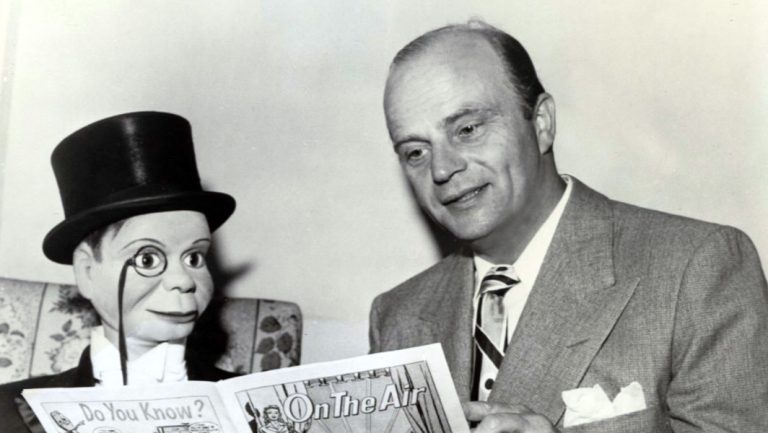
Edgar Bergen was a famous ventriloquist, and he had a wooden dummy that he used for his routines named Charlie McCarthy. Turns out, McCarthy made it into Bergen’s estate plans too. Bergen set aside $10,000 for his care and preservation, while Bergen’s own daughter, Candice, got nothing.
That’s right, his own flesh-and-blood received nothing, but a wooden doll got enough money to stay rich for decades. Charlie eventually ended up at the Smithsonian museum.
Franz Kafka

Burn everything. Those were writer Franz Kafka’s instructions in his will, just burn all of the papers he left behind. He wanted his unpublished manuscripts and diaries, as well as other material, all destroyed, without anyone reading them.
But Kafka’s friend Max Brod chose to ignore those instructions. After Kafka died in 1924, Brod helped publish The Trial, The Castle, and Amerika, deliberately going against what Kafka wanted.
Sources: Please see here for a complete listing of all sources that were consulted in the preparation of this article.
14 celebrities whose deaths still raise questions
Some famous deaths have continued to captivate the nation’s imagination over the years, inspiring never-ending public speculation.

