

The oldest things in a home don’t usually look all that dangerous, but then you realize that some of them probably aren’t built for the modern world, and not in a cool way.
The pretty little mirror

Throwing an old makeup compact is hard. It might’ve belonged to your grandmother. You might’ve found it in an antique store. But it’s probably quite gross. Old makeup compacts usually have powder, rouge, mascara, and fabric puffs inside.
Makeup itself doesn’t last forever. In fact, it’s a breeding ground for bacteria and mold. Imagine that going on your face. Using old cosmetics could cause skin irritation. It might even lead to eye infections, so it’s best to throw it out.
The winter favorite

You’ve had that same electric blanket for twenty years. It still works. So why would you throw it out? Here’s why. Old electric blankets usually keep working, even when the wires inside are damaged. They could be bent. They could be worn thin from years of use.
But you probably won’t notice it. Sure, you can brush off a warm cord or buzzing switches as nothing major. You can’t do that once it’s a problem. Damaged electric blankets cause numerous house fires every year. Don’t become part of that statistic.
The shiny pile

Check your closet. There might be a jewelry box in there. You know the one. It’s full of chunky earrings and old brooches, as well as other things nobody remembers buying. It could be a death trap. Older costume jewelry wasn’t always made of safe materials, after all.
Some pieces contain lead. Some contain cadmium. They’re dangerous metals. Sure, you might not be using any of those pieces. But what happens when kids start playing with them? Lead exposure’s no joke. Take it seriously.
The glowing corner piece
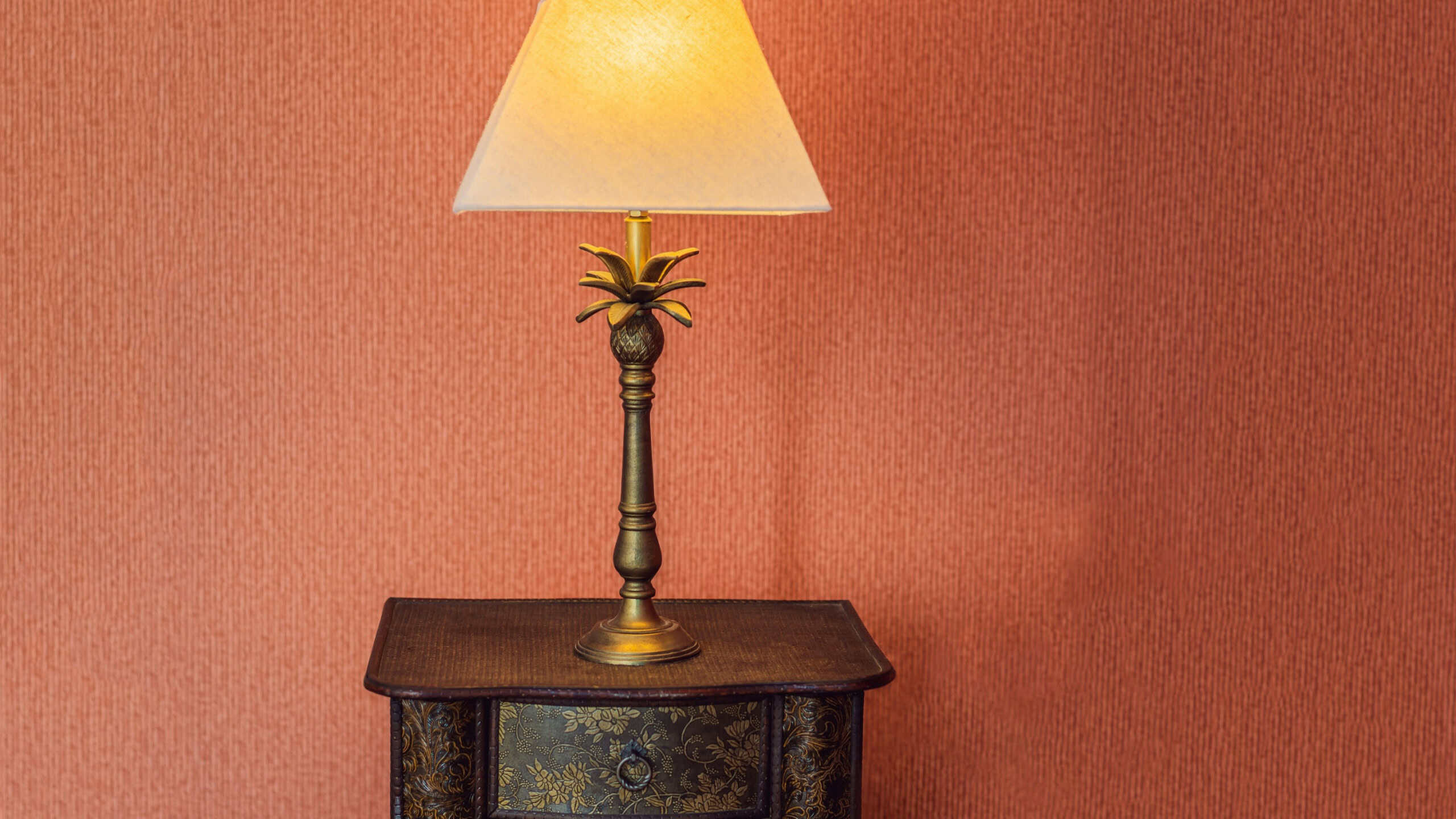
The dangerous part isn’t always what you see. Take old lamps, for example. The brass looks great, and the shade is still pretty clean. It also works perfectly. However, the real problem’s going on inside.
It doesn’t take much for old wiring from fifty years ago to have problems. It could crack. It could dry out. No matter how vintage and unique the lamps look, you don’t know what’s happening beneath the surface.
The floor piece
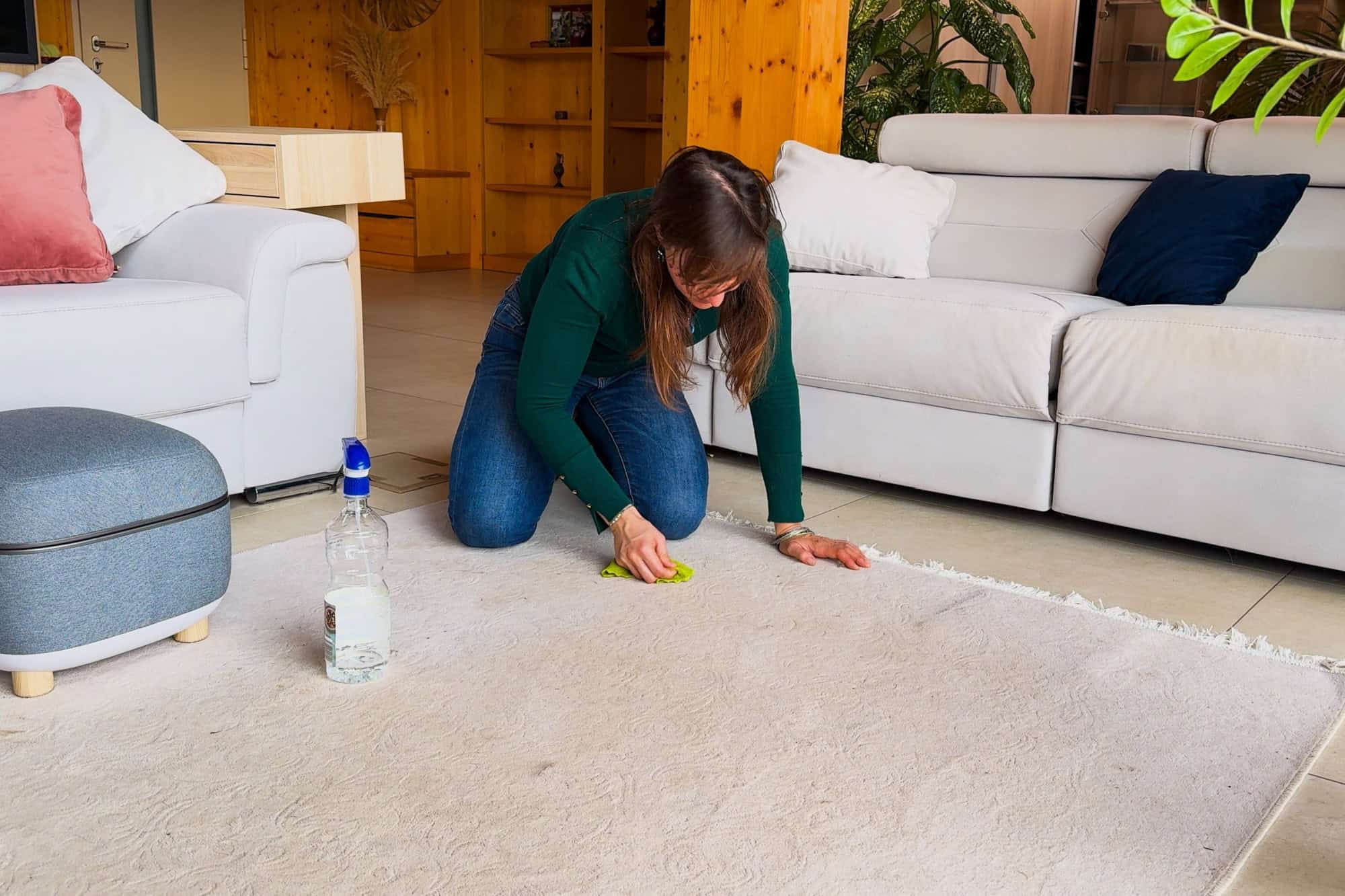
The right rug makes a room feel finished. It’s why people hold onto them for so long. But turn it over. You might see some signs that the rug’s damaged underneath, like sand or dust. Don’t forget tiny brown crumbs. They’re not harmless.
No, they’re signs that the old latex or rubber backing has fallen apart. It won’t stop. The residue sticks to hardwood and keeps shedding when someone drags it across the floor. You could try getting it fixed. But is it really worth it?
The fancy glass
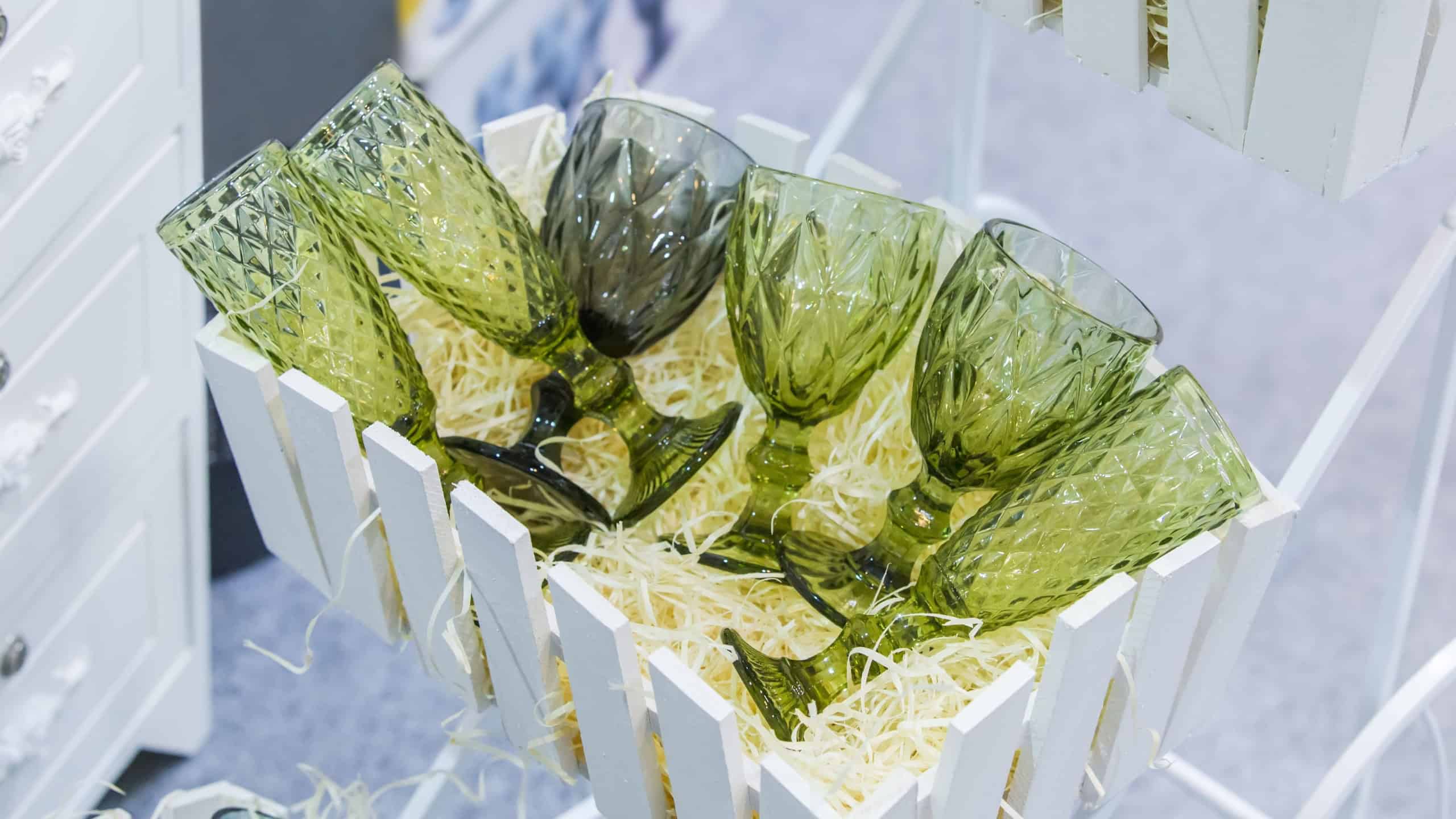
Crystal glasses survive for one reason only. Nobody uses them long enough to notice the problem. Instead, people use them once or twice a year, and then put them back in the cabinet. But they could be dangerous. Older lead crystal isn’t like modern glass, for starters.
The lead could actually leach into the liquid. It doesn’t matter whether you’re drinking wine, juice, whiskey, or anything acidic. The lead could get in. It’s not worth risking it, even for a quick toast.
The blanket box
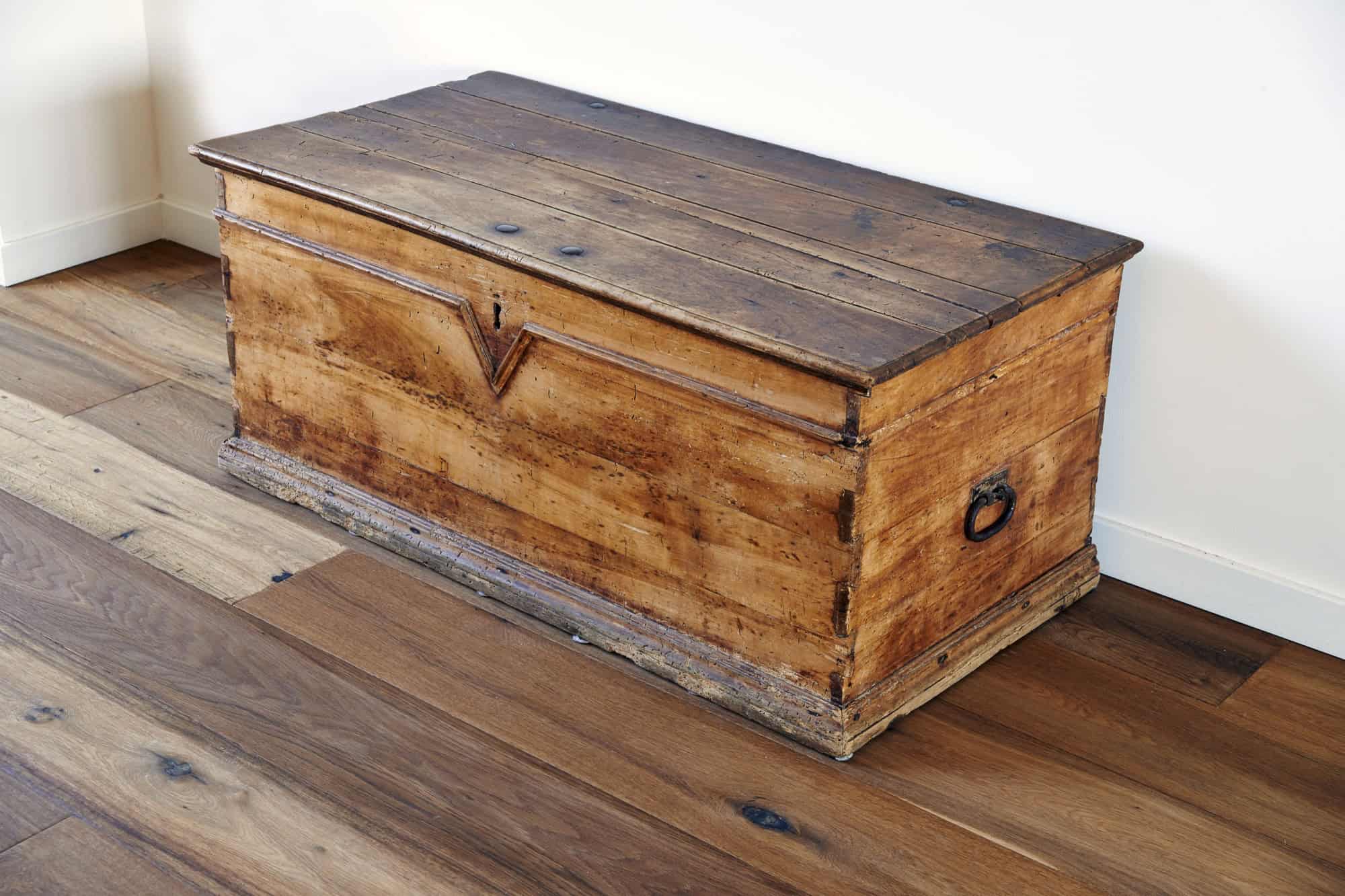
Cedar chests look harmless. They’re useful, if anything. You can put blankets in them. You can pack them with baby clothes. You don’t usually need a key. However, they’ve become a deadly problem in some homes because children have climbed inside. They couldn’t get back out.
At least 14 people have died because of those latch systems. They don’t open easily from the inside. You might not need to get rid of yours. But you might want to fix the latch so this kind of tragedy doesn’t happen to your loved ones.
The kitchen survivor

Wooden cutting boards hide a secret. Yes, they look good from the top, especially when you keep oiling. But check the knife grooves. They can get pretty deep. So deep, in fact, that the food particles and moisture get inside. Soap can’t reach all that gunk.
You might not even notice it. But think of all the chicken drippings and who knows what else that could be inside those grooves. It’s exactly what bacteria loves. You really want to keep cutting stuff on that?
The wipe-clean cover
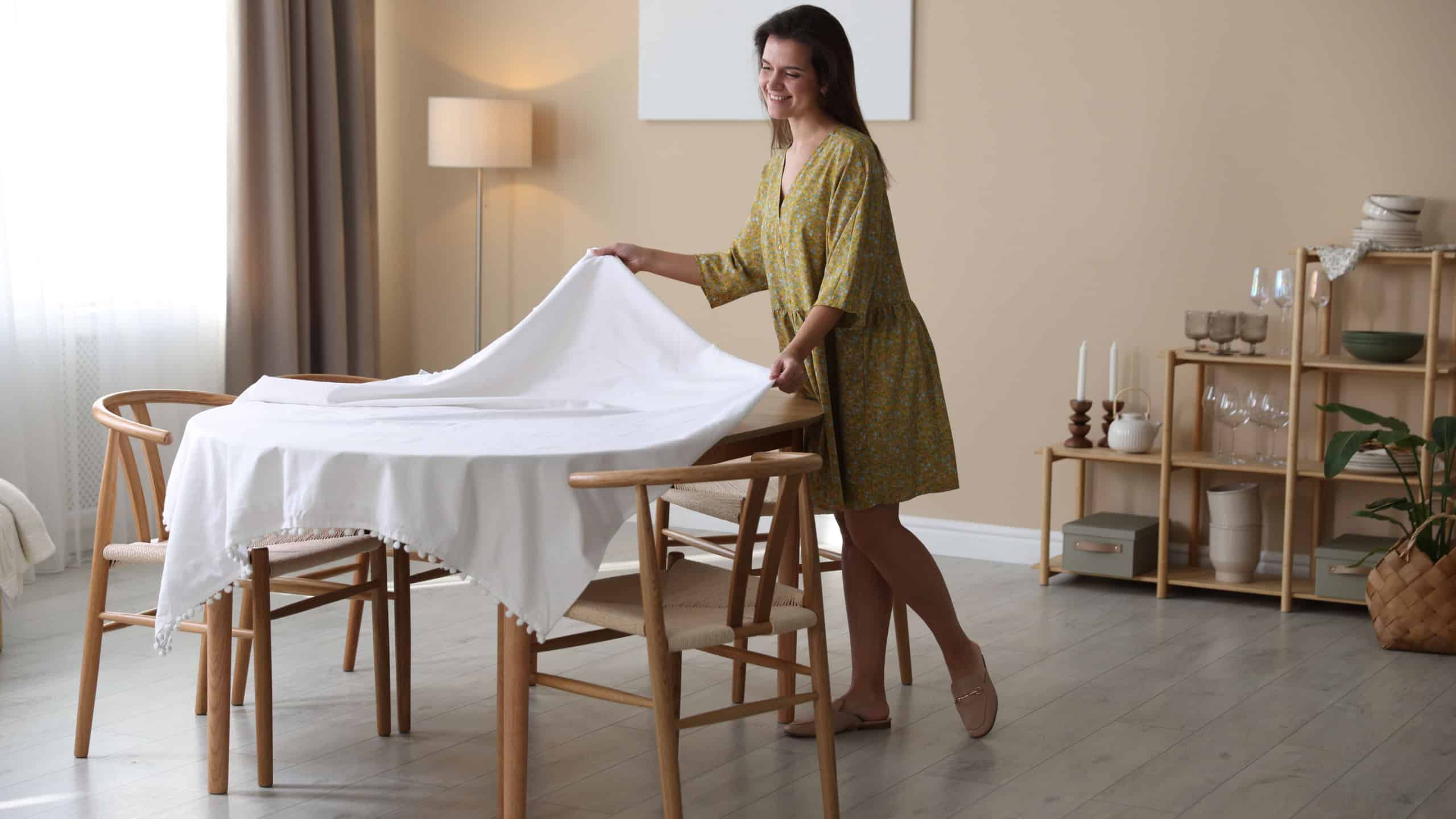
Oilcloth tablecloths were way more popular in the past. It makes sense. They’re easy to wipe down, and they’re practically indestructible. That’s the problem. Some older tablecloths have vinyl coatings or are made from plastic that doesn’t age well.
Heat and sunlight can make them crack. They can also start flaking. Then there’s everyone’s favorite problematic metal, which is lead. Yes, it could be in your tablecloth. Some older vinyl products used it, so check your tablecloth in case.
The tiny glass bottle
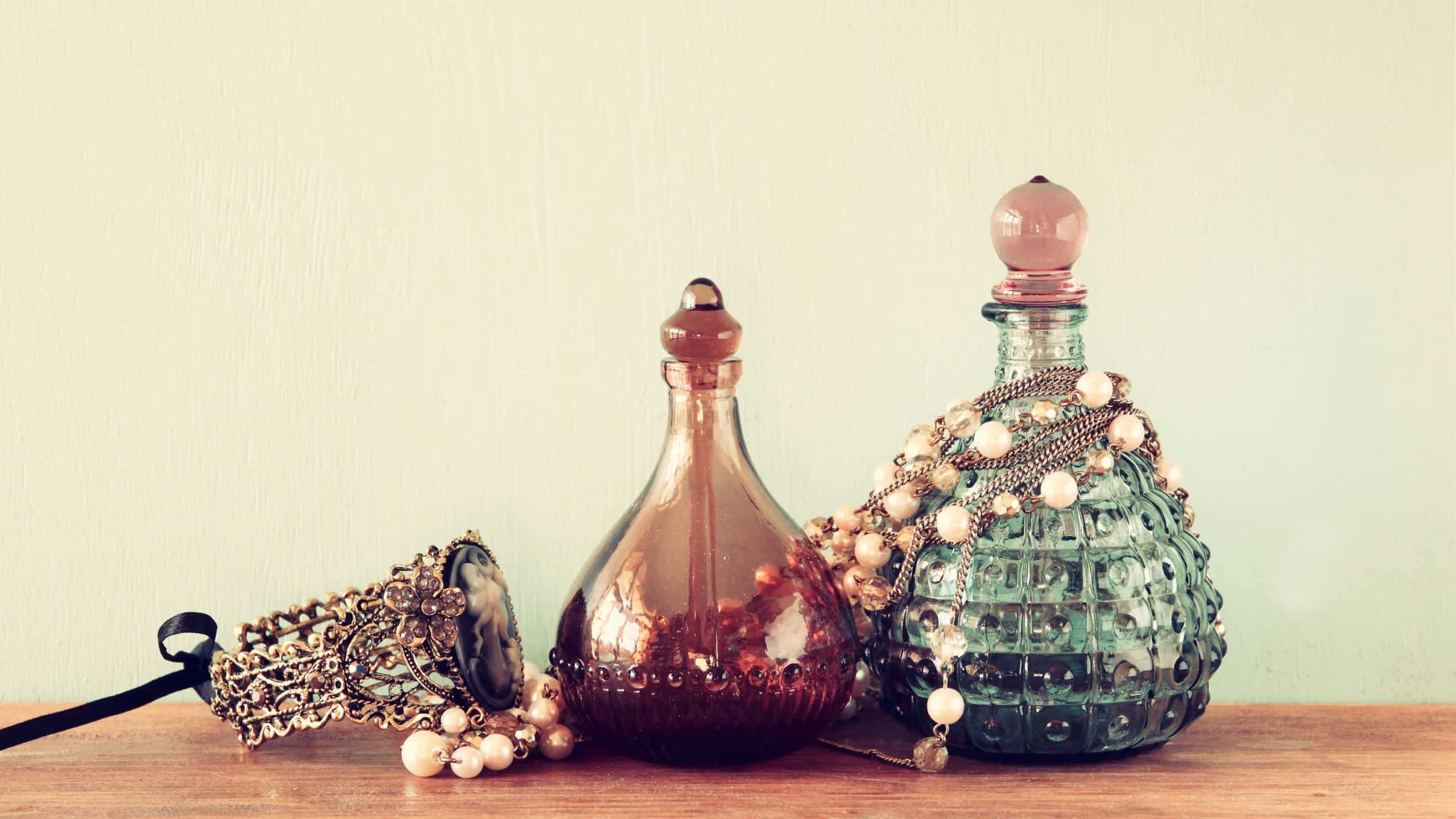
You find a glass bottle in a drawer. So, you twist the stopper, and now your whole room smells like the past. But it’s not as nice as it seems. Old perfume ages like the rest of us. Oxygen gets in. Heat changes the perfume’s structure.
Some of them darken, and some of them separate. Others? They start smelling vinegary. You really don’t want to spray yourself with that. Keep the bottle, sure, but the liquid’s a different story.
The soft old spare
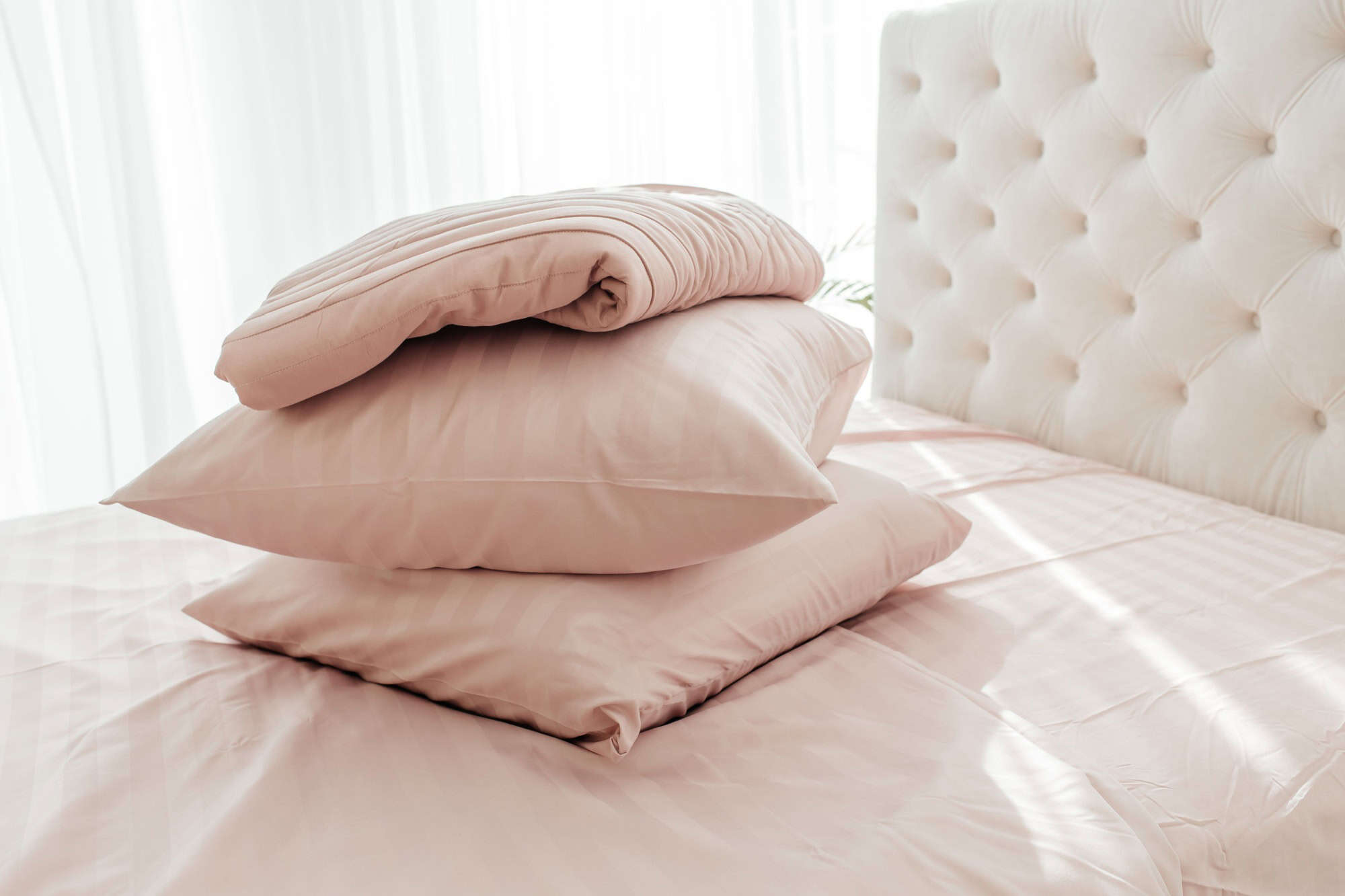
There’s always a pillow that nobody wants. They also don’t want to throw it out. Yes, it’s been in the guest room for many years, and it’s survived numerous home moves. But it’s a germ magnet. Feather pillows feel soft for a long time, and it helps them hide their age.
They also hide what’s underneath. There’s probably a ton of sweat, skin cells, dust, and moisture inside. There could even be some mildew. Dust mites love all that. You should probably throw it out, or at least get it professionally cleaned.
The Sunday table piece
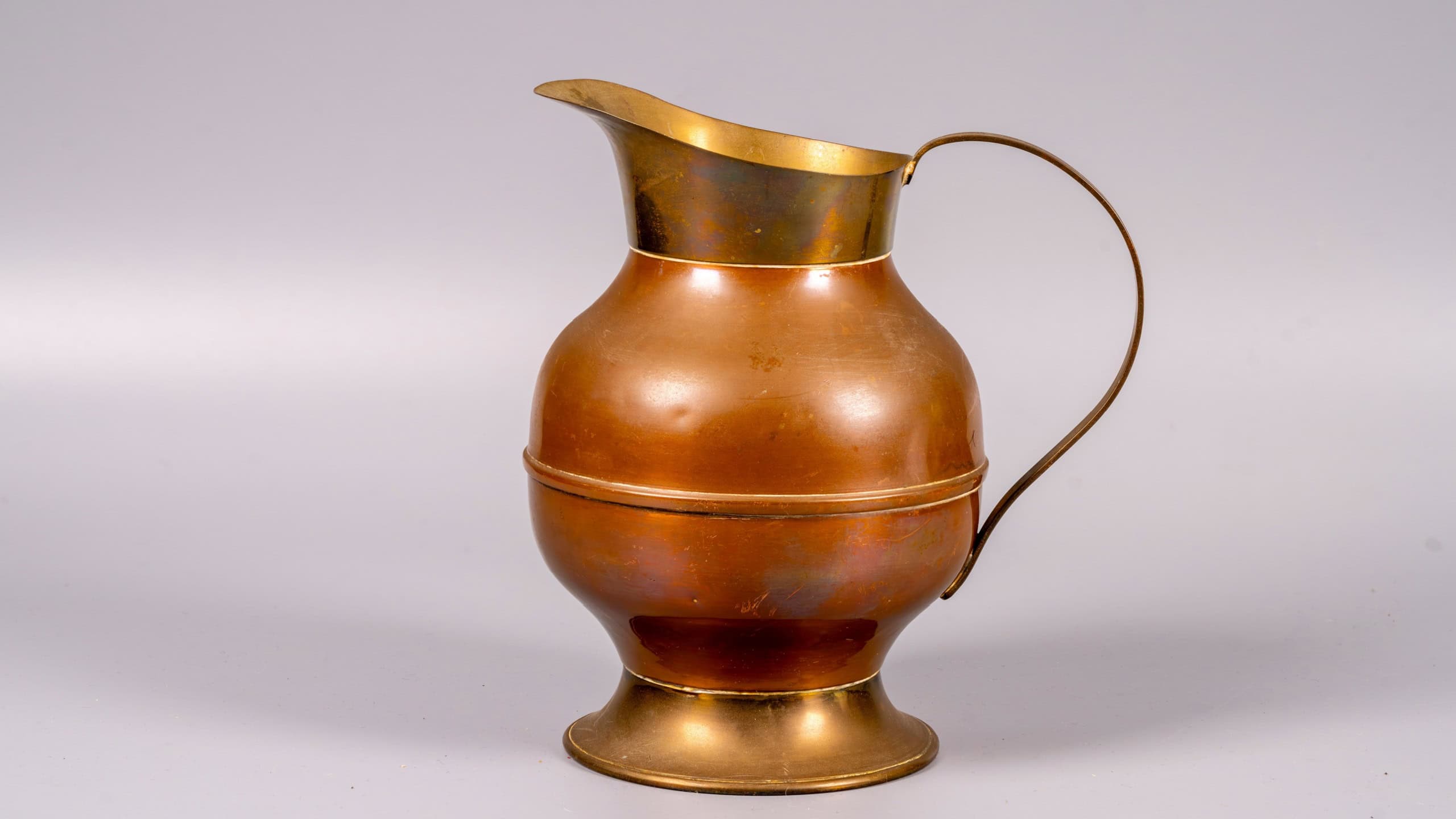
A lot of old water pitchers are definitely classy. They feel expensive. They look safe. However, a lot of these contain materials that aren’t so classy today, like lead. It could be in the solder or plating.
Think about all the water and years of oxidation it’s been through. It’s only going to make the damage worse. A flaky lid is a sign. It’s time to throw the whole thing out.
The laundry corner

It’s weird how long some laundry hampers last. Some of them survive longer than couches and even appliances. Not all of them, though. Old plastic hampers can crack way too easily. The sharp edges are practically a guarantee for an injury.
Wicker ones aren’t much better. They’ll start drying out, and then it’s hello splinters. They sometimes have a musty smell issue, too. Woven household materials can trap dust and allergens, too.
Sources: Please see here for a complete listing of all sources that were consulted in the preparation of this article.


