

World War II had all sorts of effects on people, including their shopping, which became a strange exercise in ration books and substitutions.
Sugar
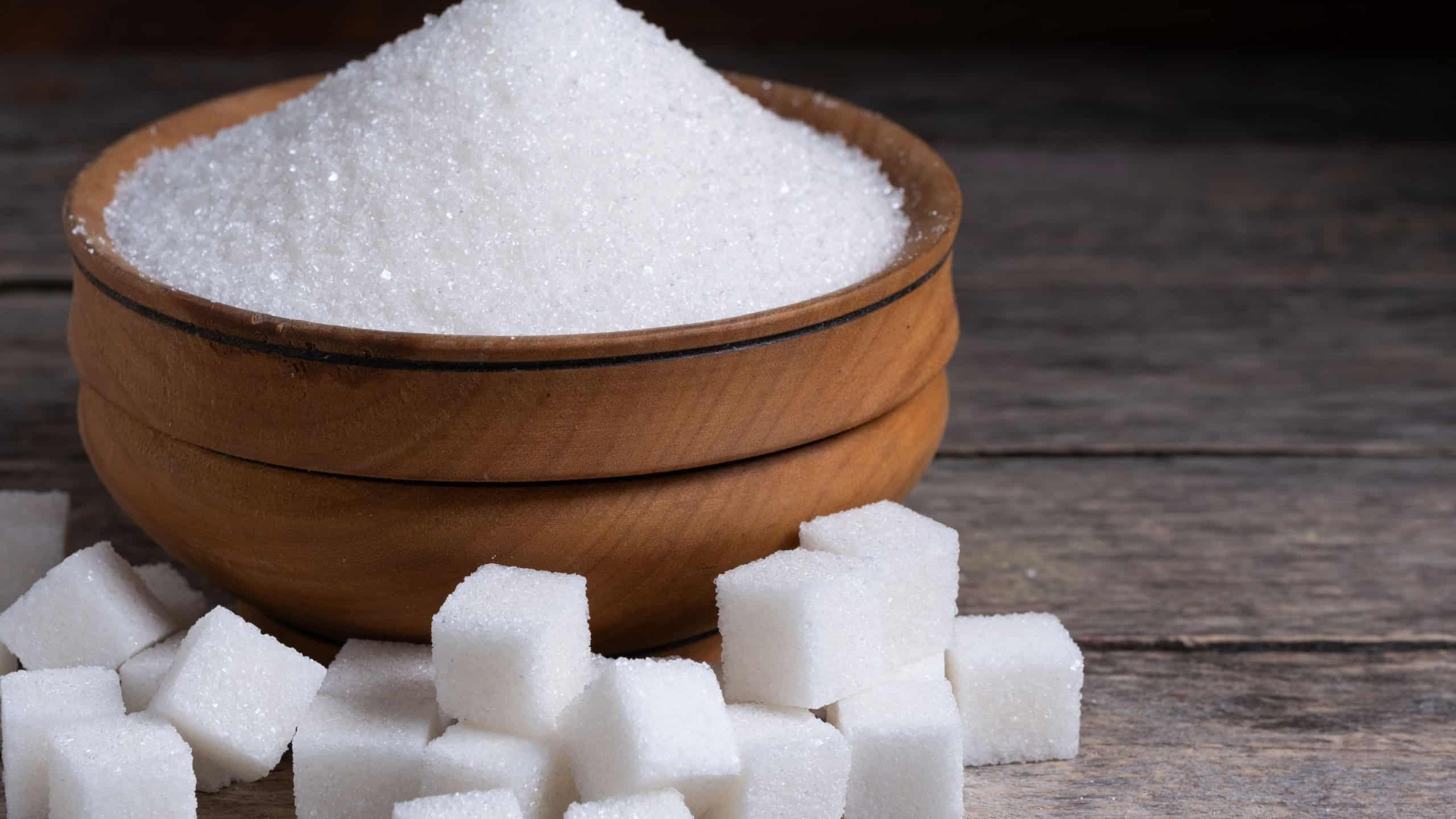
Life became a lot less sweet during the war, although not for the reasons you might expect. Many Americans had to seriously cut back on eating sugar. Yes, rationing started in May 1942, and it was because Japan had cut off the Philippines as a major U.S. sugar source.
Shipping from Puerto Rico and the Virgin Islands was getting squeezed too. Americans were allowed around 26 pounds a year, half the 1941 level, when they started cutting back. It fell to 15 pounds by May 1945.
Coffee

The thing about coffee is that, technically, there wasn’t a shortage of supply. Plenty of the beans were still being produced in Central and South America. It’s just that it was way harder to get them to U.S. stores while German U-boats were threatening shipping.
Military cargo got priority, naturally. Adults were limited to one pound every five weeks in November 1942, and this was later stretched to every six weeks. It was pretty rough going for any serious coffee drinkers, and they definitely noticed the change.
Gasoline
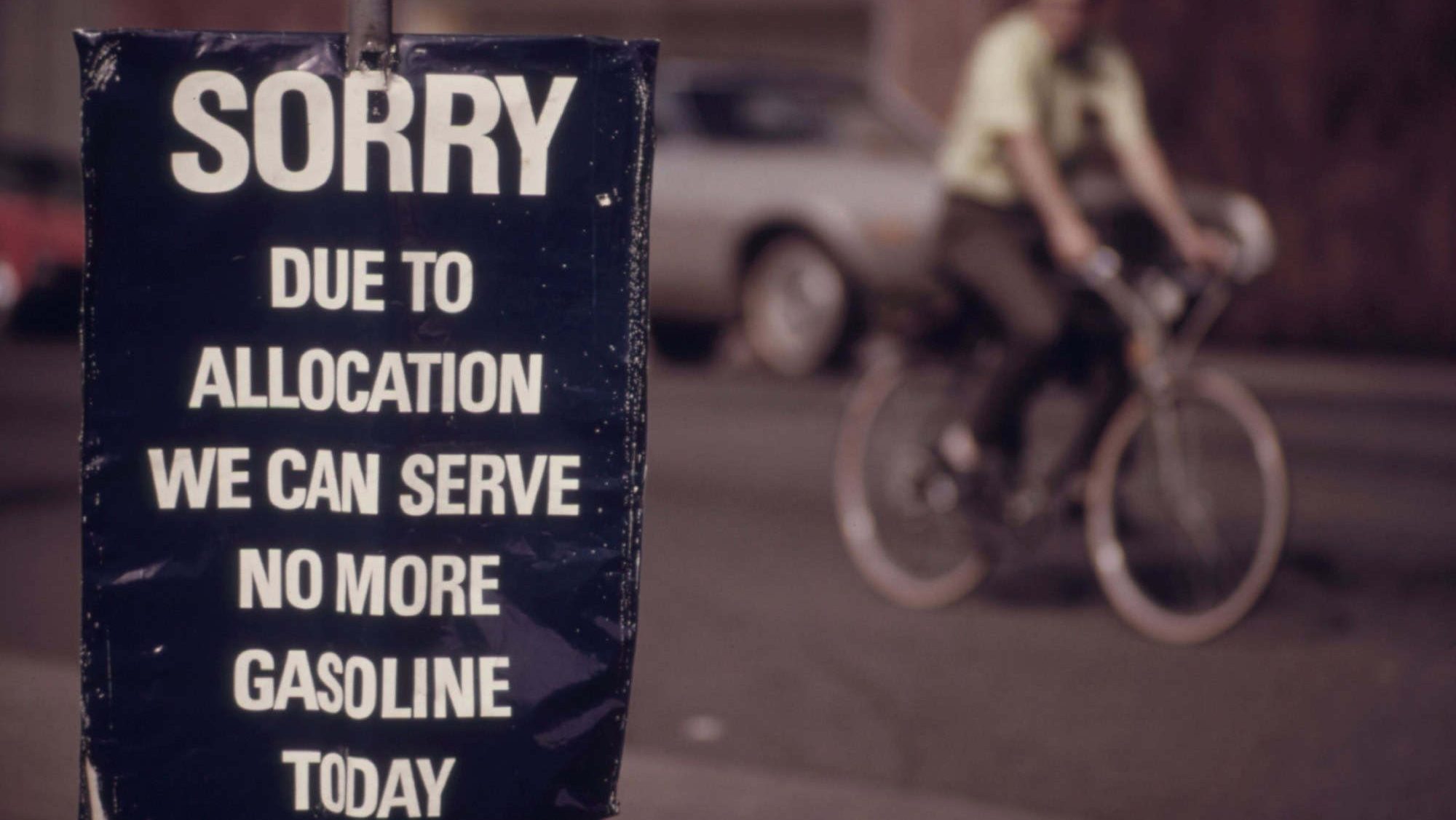
There were two reasons why the government started rationing gasoline. The first was to do with the fuel itself, and the second was because the government wanted people to drive less. They were hoping people would stop wearing out scarce rubber tires.
Rationing on the East Coast began in May 1942 after German submarines sank tankers, and it didn’t take long for nationwide limits to follow. Most drivers got an ‘A’ sticker and usually only two to four gallons a week. Only workers with certain jobs could get more.
Rubber tires

Speaking of cars, rubber tires became a serious problem almost overnight. Japan took control of much of Southeast Asia, and that was where around 90 percent of the world’s natural rubber had come from. Big problem.
It caused tire sales to stop in December 1941, and rationing started the next month. Most civilians were allowed to keep only five tires. That included the spare. Any replacements needed approval, so people patched and retreaded what they had. They’d stretch old tires for as long as possible to avoid getting new ones.
Nylon stockings

Nylon stockings didn’t really get their time to shine. They’d just about become a craze before they more or less disappeared from normal stores, and it’s because nylon was too useful for the military. They could use the material for parachutes and ropes, as well as other equipment.
Alternatives weren’t easy to find, either, as silk imports from Japan had also dried up. Some Americans were asked to turn in old nylon and silk hosiery for recycling. 880,000 pounds were collected between November 1942 and March 1943. It makes sense, though, since one parachute could use roughly the same amount of nylon as 2,300 pairs of stockings.
Butter

Cooking got a lot harder, too, because butter started to be rationed in March 1943. It wasn’t alone, as cheese, canned milk, and other fats also joined the list. This was mostly because dairy products that you could store and ship well were useful for the military.
People could still get butter, of course, it just became a lot harder to do so. It’s just that butter often cost them more than margarine, so they didn’t bother. They’d stretch it where they could and mix it with things like gelatin or honey to really get their worth.
Meat
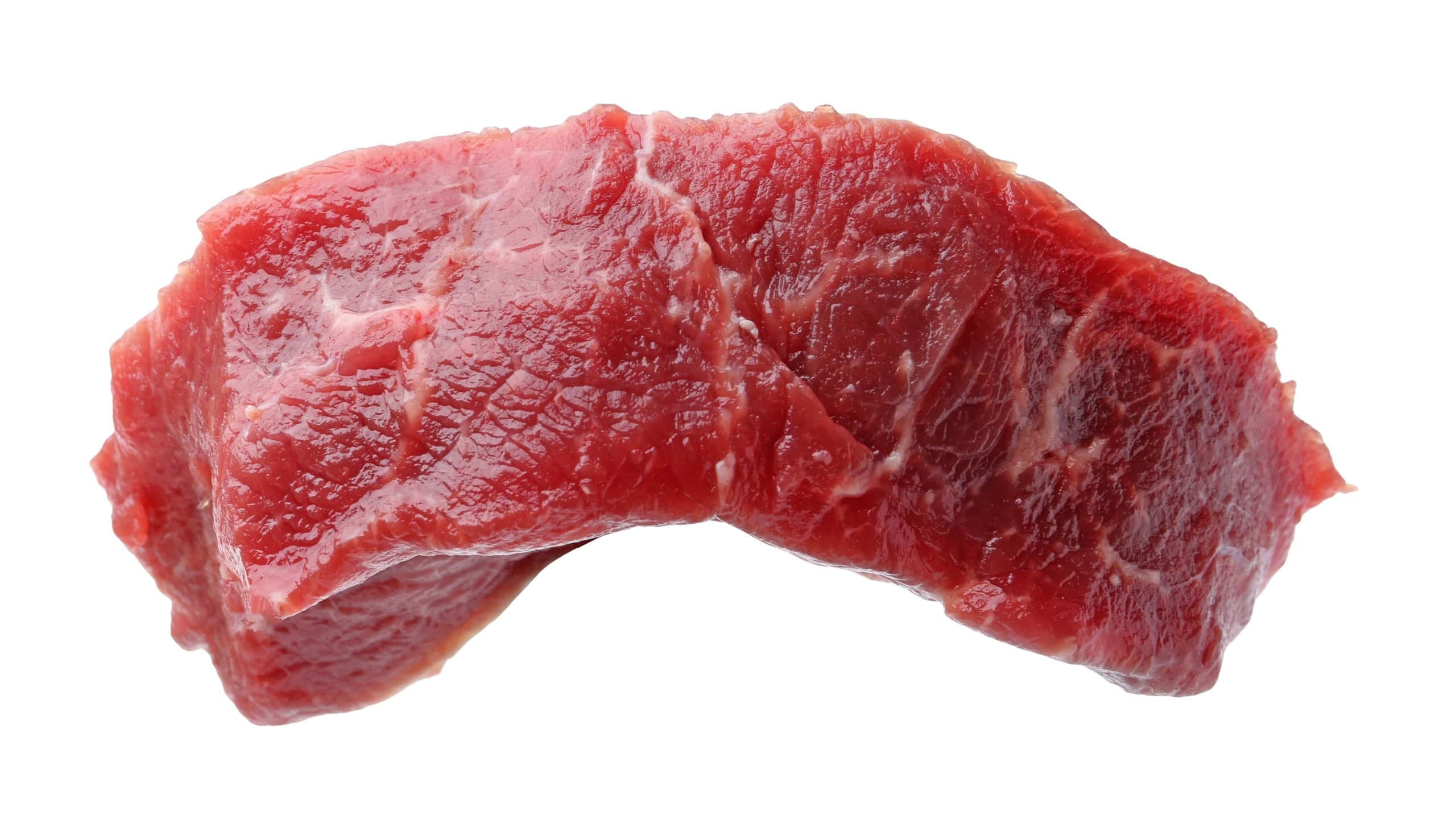
Not all meat was treated equally in those days. But, overall, shopping for it became a numbers game, starting in 1943. Different cuts cost different amounts of red ration points, so steak could eat through a household’s allowance way too quickly.
The system lasted until November 1945. One positive was that poultry and fresh eggs weren’t rationed, meaning that families could essentially have as much of them as they wanted. A lot of families turned to black-market meat to get their fill because, yes, they really wanted their beef.
Tea

Tea rationing was a bigger issue in Canada than in the United States, but still, it existed. It was rationed up north in 1942 along with sugar, coffee, butter, meat, and gasoline. They had to manage imports while also sending food overseas to Britain and Allied forces.
It’s true that a lack of tea might seem minor next to gasoline or meat. Just try asking a daily tea drinker, though, they probably won’t think it’s so minor after all.
Shoes
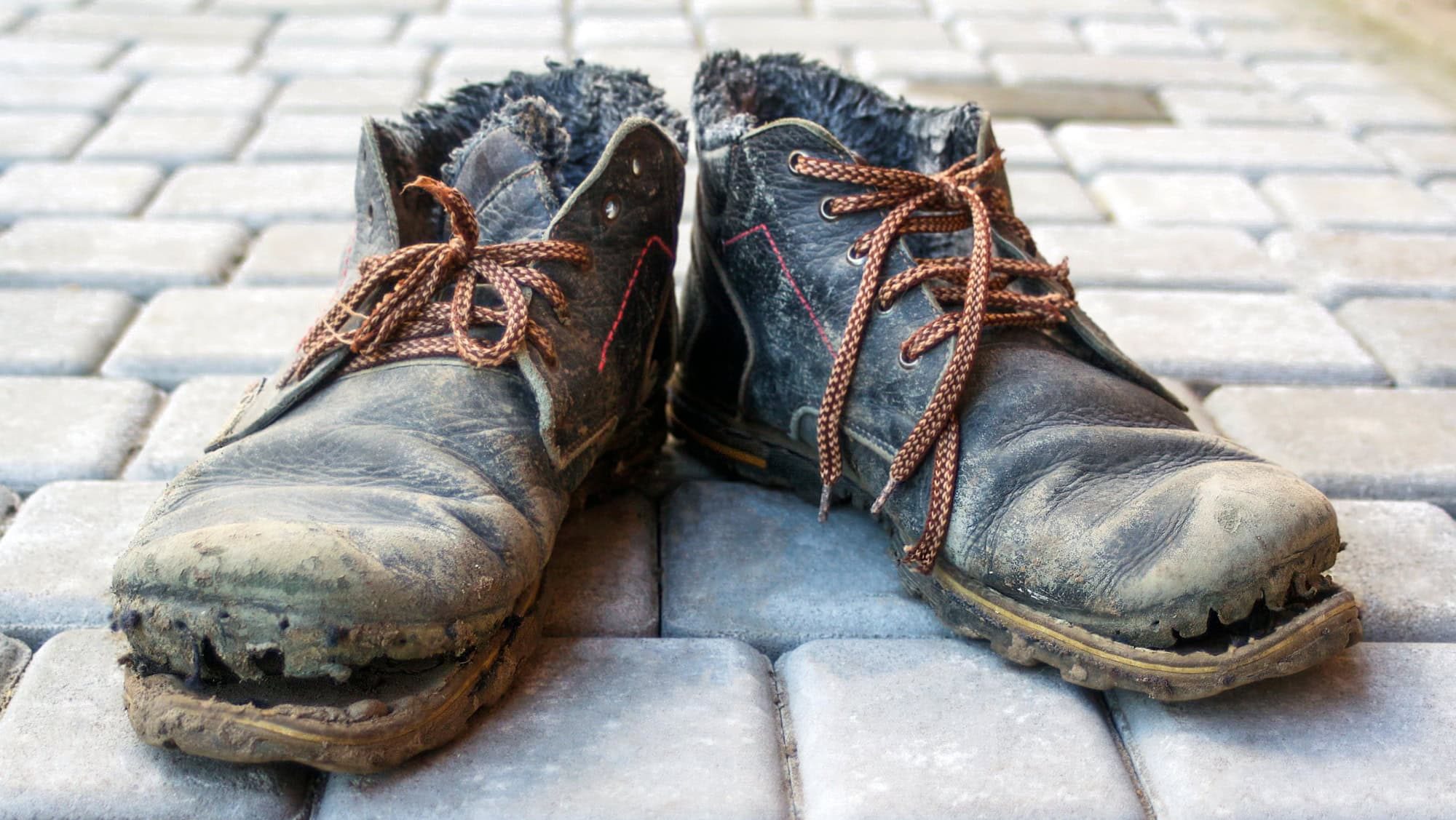
Shoes were a strange one. Of course people continued wearing them during the war. The difference was that they became simpler and scarcer, while also being much harder to replace. Rubber boots were rationed in 1942. Leather shoes joined them in February 1943.
It wasn’t so bad at the start because Americans got three shoe coupons a year. But that dropped to two pairs in 1944 because leather supplies had become even more limited. The styles of shoes changed, too, and two-tone shoes disappeared. Tall boots were restricted, and certain designs just weren’t made.
Cooking fats and grease
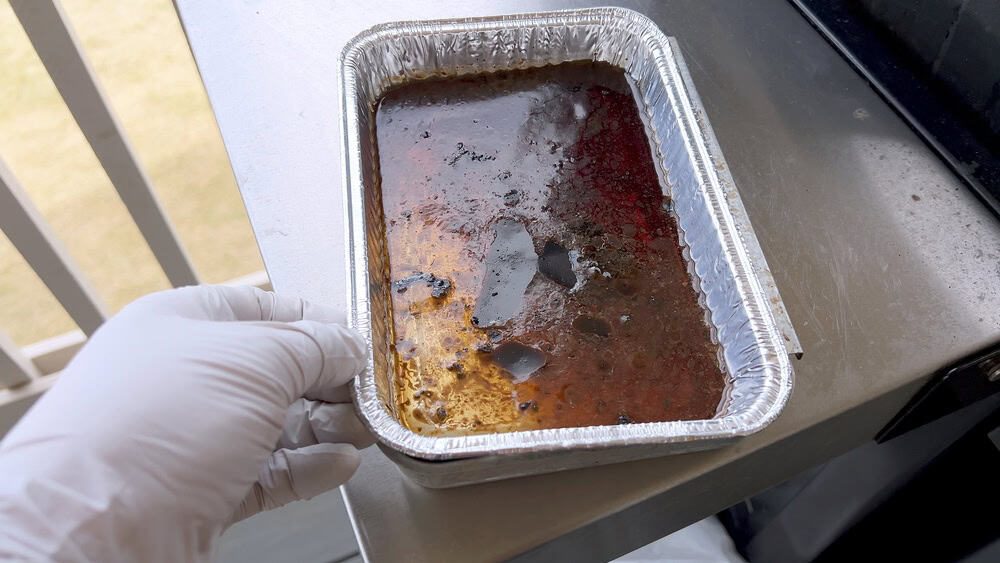
You wouldn’t find many families throwing pans of bacon grease into the trash during the war. No, they tried to save them because animal fats could be turned into glycerin. This was an ingredient used in explosives and medicine, as well as other military supplies.
Quite a few families kept jars of the sticky drippings. They’d then bring them to a butcher, where they could earn more ration points to spend. It wasn’t a huge reward or anything. But really, it was enough to make kitchen scraps worth hanging onto.
Canned foods
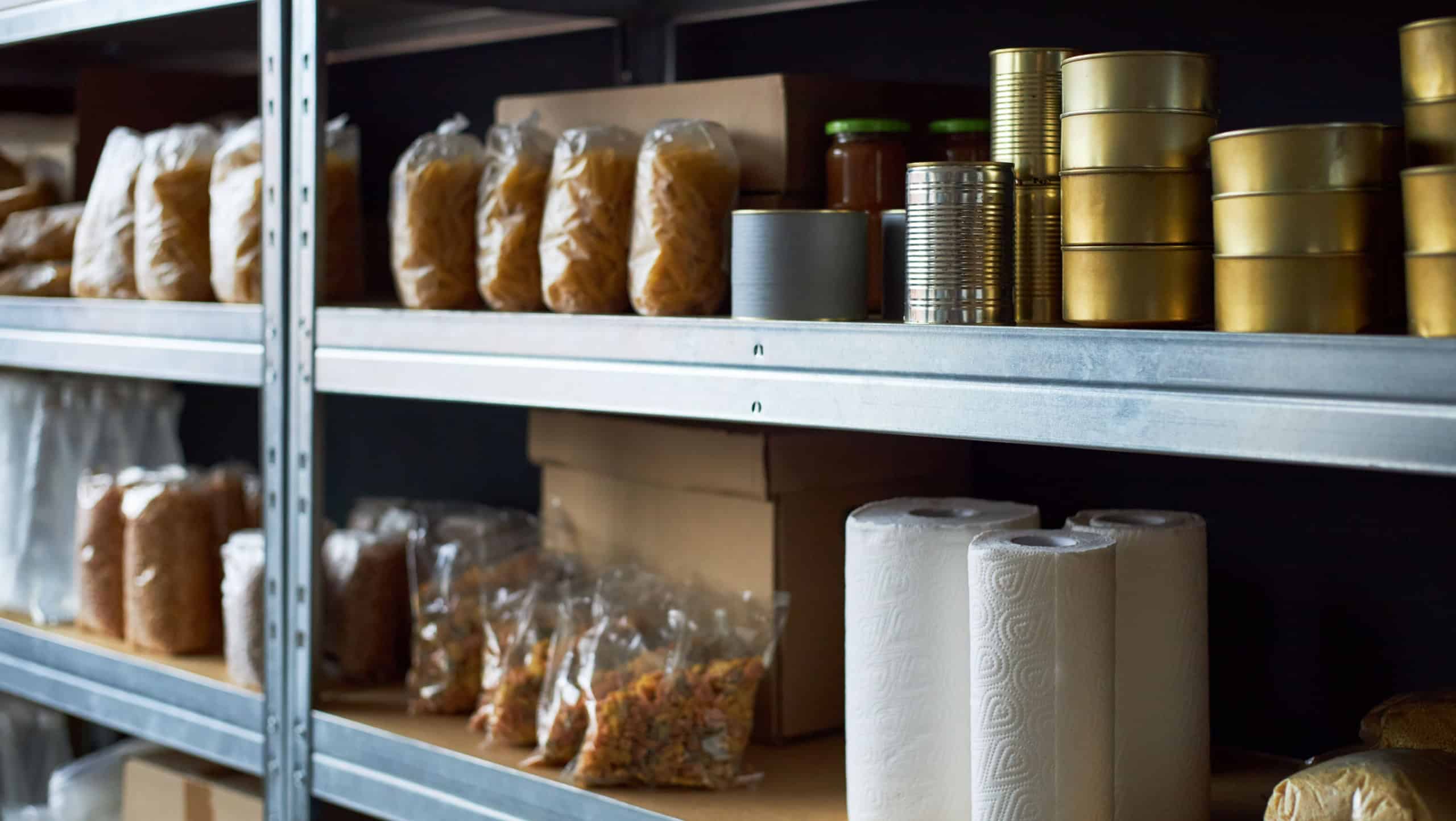
It’s no surprise that the military loved cans during the war. The food lasted a long time and traveled well, after all, so they began trying to hold onto them. There’s also the fact that they could use tins and other metals for other objects instead.
Families who wanted to buy canned foods would have to be very careful with how many they got. They didn’t want to end up wasting anything.
Canned pet food
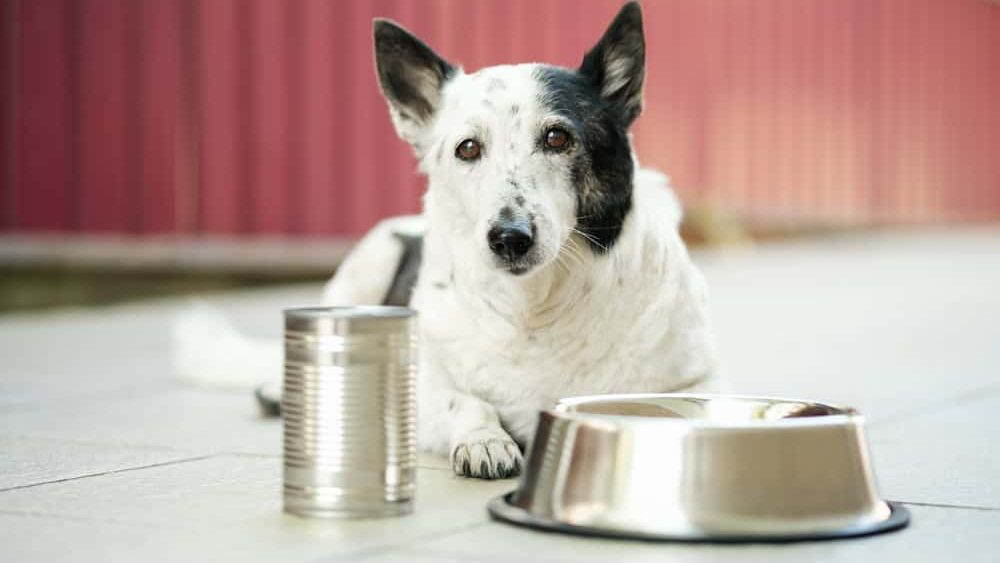
It’s the same with the dog’s dinner. Even that got caught up in wartime shortages. The trouble wasn’t really the food itself, however, as it had a lot more to do with the can. Tin was in short supply after Japan took control of major producing areas.
Civilian manufacturers had to deal with limits on how much metal they could use, and that forced pet-food companies. They moved toward dehydrated products packed in boxes or cardboard containers. The owners would then mix these with water or milk at home.
Sources: Please see here for a complete listing of all sources that were consulted in the preparation of this article.
7 unsolved enigmas from World War II

While World War II might’ve ended many decades ago, there are still some incredible mysteries from it that we have yet to solve, all these years later.

