

The 1950s were full of stifling social conventions and ultra-conservative ideas about how men and women should dress in public.
Short hemlines

Skirts or dresses that exposed too much thigh were almost unheard of in the 1950s. Hemlines almost always came down to at least mid-calf or closer to the bottom of the knee. Exposing too much leg was considered scandalous and highly inappropriate.
Casual fabrics

There were no athletic fabrics like spandex or nylon in the 50s. In fact, synthetic fibers didn’t exist at all until the 1960s. Materials were naturally woven fabrics like cotton, wool, or linen. Clothing that appeared synthetic, clingy, or too athletic for normal street wear would have been considered lazy and absurd.
Distressed denim

Denim existed, but jeans were primarily worn for hard labor or other outdoor labor-intensive jobs. Wearing jeans that appeared distressed or had rips in them (another unforgivable sin) would have been ludicrous. Clothes were expected to always be clean, pressed, and mended.
Crop tops

Tank tops, tube tops, and other ways of exposing your midriff weren’t acceptable anywhere in public. Women were expected to be covered from their necklines all the way down to their waist, even in the summer heat. Showing the stomach was how homeless people, or sexually provocative women, dressed.
Leggings
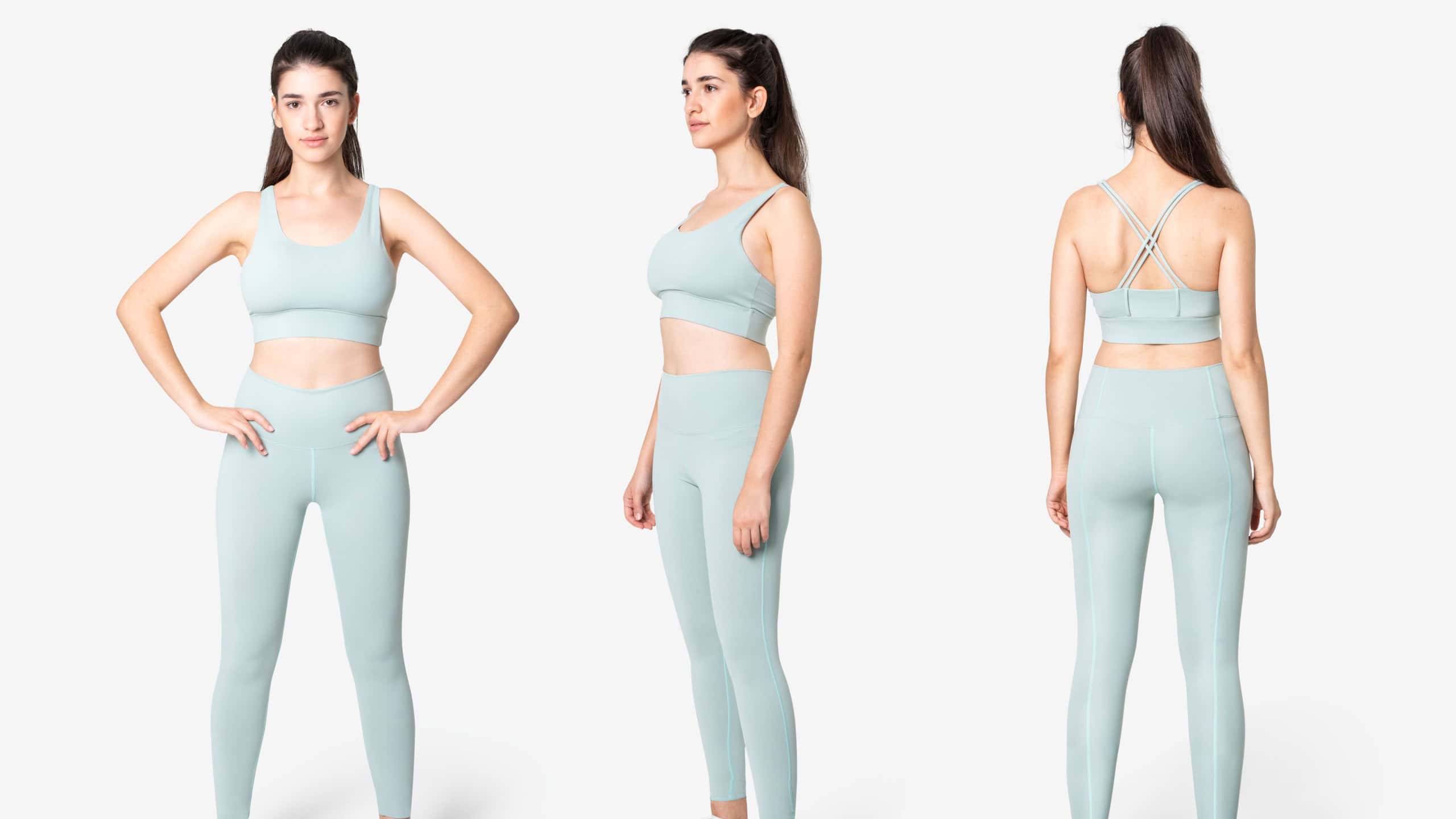
Skintight leggings or yoga pants were unheard of in the 1950s. If you were showing that much leg, then you were essentially parading around in your underwear.
Graphic tees
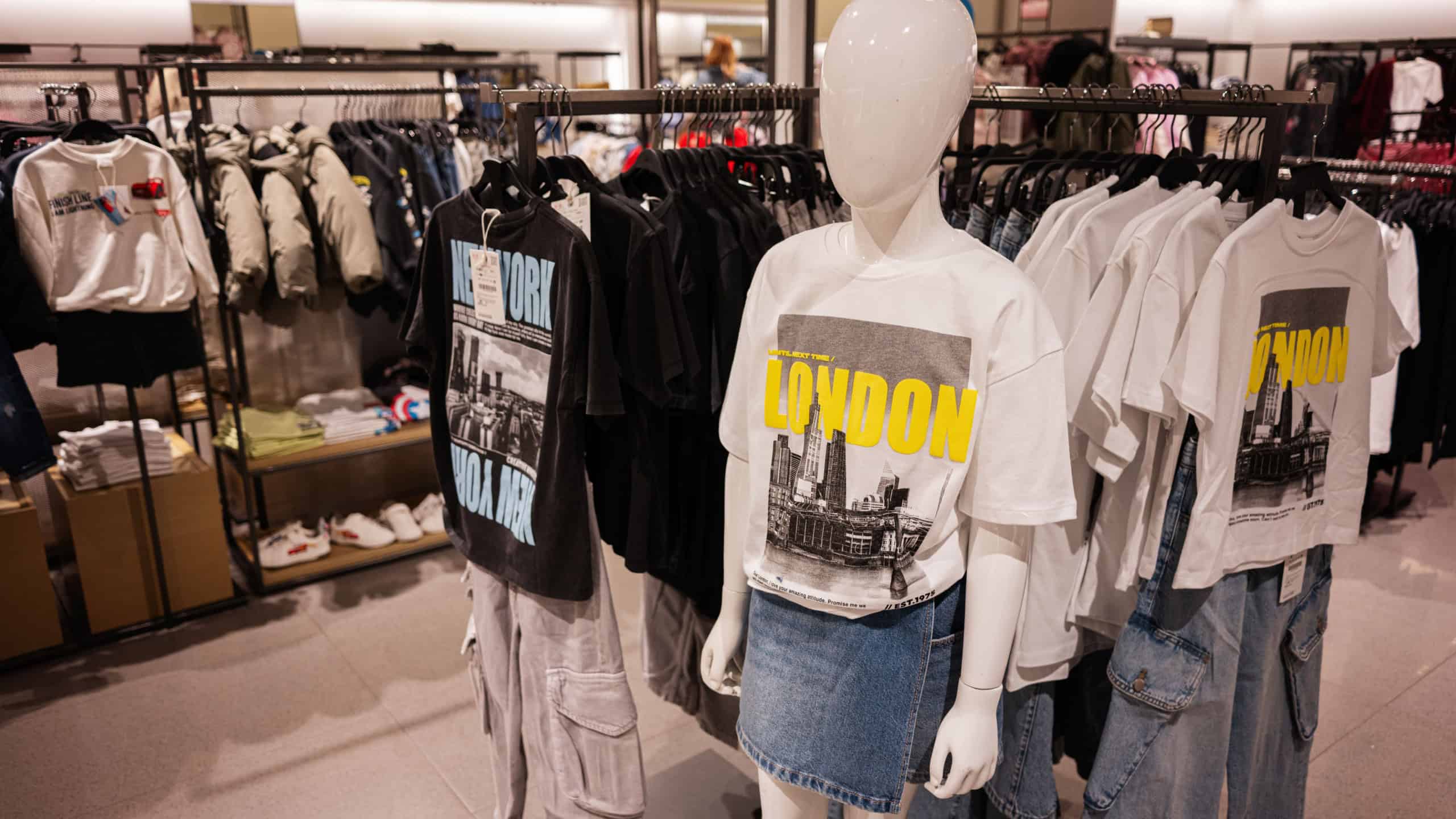
Graphic T-shirts were only undergarments in the 1950s, meant to be worn under a collared shirt if at all. The concept of lounging around in a shirt with a gigantic logo, band name, or sarcastic sayings printed across it wasn’t conceived until decades later.
Sneakers
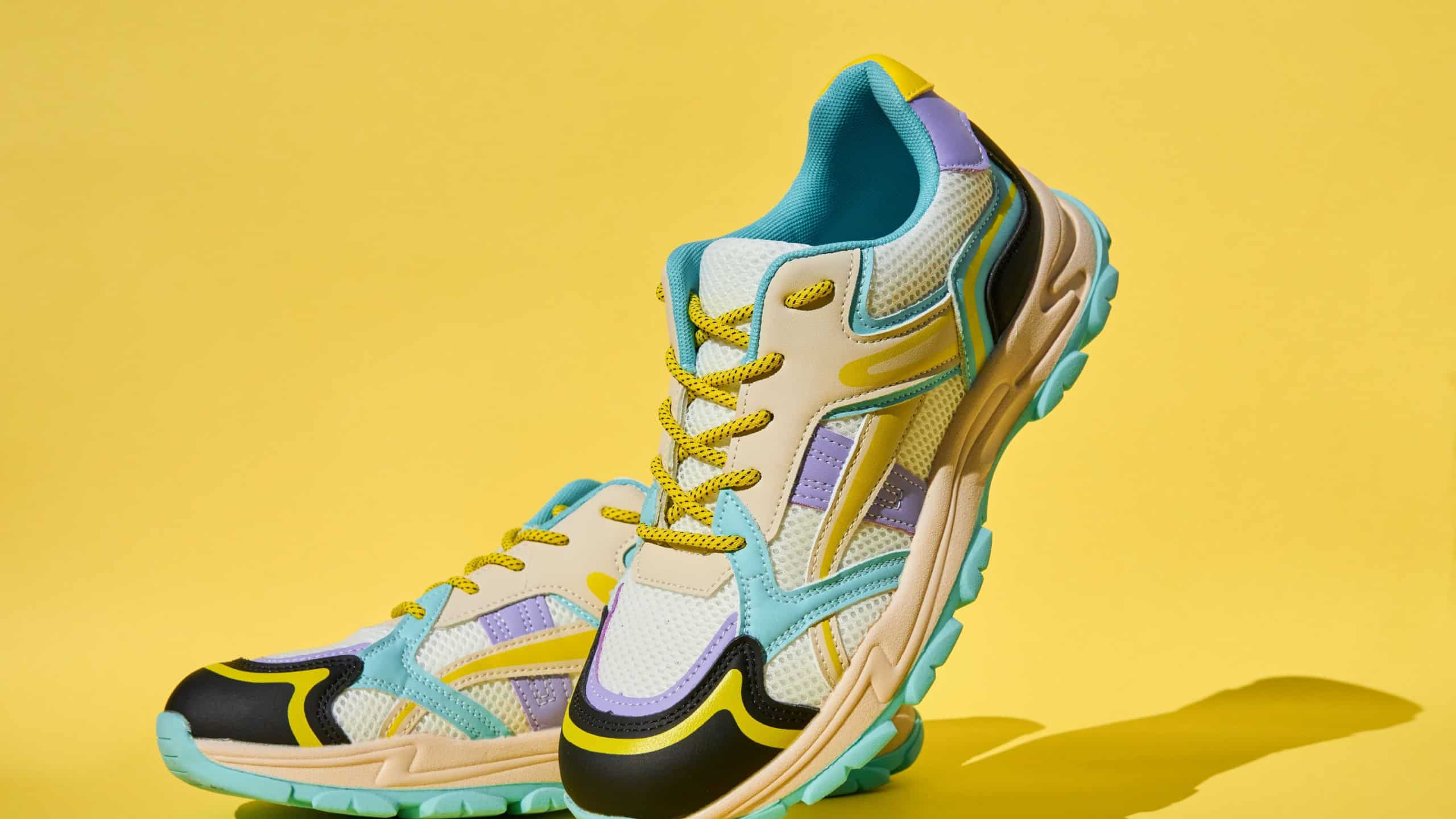
Sneakers were meant to be worn in the gymnasium or on the baseball diamond, not with a casual outfit or paired with a suit. Shoes were always to be structured, closed-toe, and polished. They should also only be worn based on the activity they were intended for.
Pajamas

Stepping out of your front door with your pajamas, sweatpants, or loungewear would have seriously raised some eyebrows back in the 50s.
The culture of wearing comfortable clothing just to run errands and relax did not exist. When you left your house, you were fully dressed in proper, tailored garments. Women’s outfits even consisted of a hat and gloves.
Unstructured suits

Men’s suits in the mid-century had broad shoulders and tons of structure and shape. Suit jackets had very defined edges thanks to internal interlining and shoulder pads.
Your modern-day jersey or unstructured suit would look bizarre because it literally would have half the internal support.
Flip-flops

Flip-flops were for the beach, not for going out and walking around town. Footwear was expected to cover your entire foot and be firmly attached at all times. Most footwear was made of leather and was only supposed to be removed when you were sleeping or bathing.
Low-rise

Everything in the 1950s was centralized around the waist. Men’s pants and women’s skirts both hit at the natural waist (usually around belly button height). A low-rise pant look would have made little sense to people back then.
Heavy piercings

Eyebrow piercings? Nose rings? Multiple earrings in each ear? In the 1950s, if you had body piercings that weren’t an earring in your lobe, you were considered outrageous.
Even mild piercings like tongue studs just weren’t done.
Unkempt hair

Style in the 50s wasn’t complete without proper grooming. For men, that meant a shaved face and a short-cut, curled hairstyle held in place with pomade.
Women’s hair had to be styled, curled, brushed, and tended to. You never left the house with bed-head or plain-old naked hair.
Sources: Please see here for a complete listing of all sources that were consulted in the preparation of this article.


