

While there are some disasters that come out of nowhere, there are also those that are a direct result of bad decisions and ignored warnings, so they never should’ve happened.
Philadelphia police bombed an occupied home
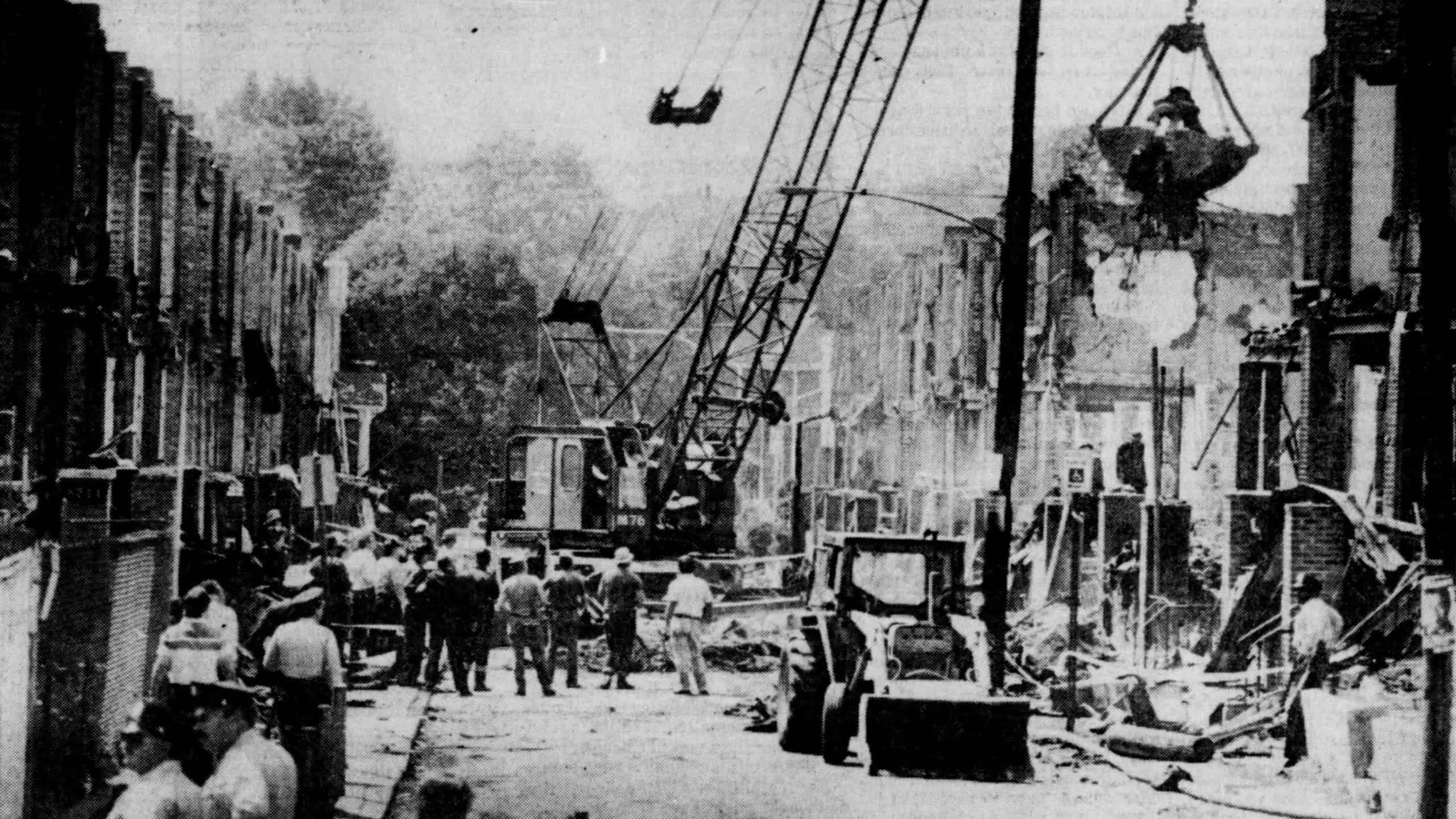
It’s not like the Philadelphia police were dealing with an empty building on May 13, 1985. No, they knew that members of the radical group MOVE were inside a row house on Osage Avenue. They knew there were kids inside. Still, a police helicopter dropped an explosive device onto the roof.
A fire soon broke out, and officials let it burn as it moved from house to house. Eleven people were killed in the fire, and five of them were children. Over 60 nearby homes were destroyed. It’s hard to accept that this was a deliberate decision, and one made by people meant to protect us.
Technicians remained beside a fueled Soviet missile

Everyone knows missiles are dangerous. Everyone, it seems, except the team working on the missile at the Baikonur Cosmodrome on October 24, 1960. The Soviet Union was in a rush to test its new R-16 missile and refused to empty the launch area.
Officials kept people working around the rocket while it was being tested. The second-stage engine fired out of nowhere and tore open the first stage. It spread fire and poisonous fuel across the pad, killing at least 74 people. Some estimates put the deaths at over 100.
Patients received infected blood through the NHS

Thousands of British patients went to hospitals from the 1970s to the early 1990s, expecting treatment. They got that treatment. But they also left with something else, and that was infected blood. Yes, the NHS had used blood and clotting products collected from high-risk donors.
The donors included people with HIV or hepatitis C, sometimes both. A single infected donation was enough to contaminate an entire batch, and thousands of patients became sick with these diseases. Over 3,000 people later died. All of it could’ve been avoided.
Poisonous gas escaped over Bhopal at night

What made the gas leak in Bhopal, India, so deadly was the fact that most people were asleep when it arrived. It was shortly after midnight on December 3, 1984, when water entered a chemical storage tank at the Union Carbide pesticide plant. This caused a violent reaction.
Huge amounts of methyl isocyanate gas were released into the air, and the gas began drifting into crowded neighborhoods. Around 3,800 people died immediately, although later estimates put the numbers much higher. The main cause was the fact that the safety equipment on the site wasn’t working properly. It shouldn’t have happened.
Le Joola sailed with far too many passengers
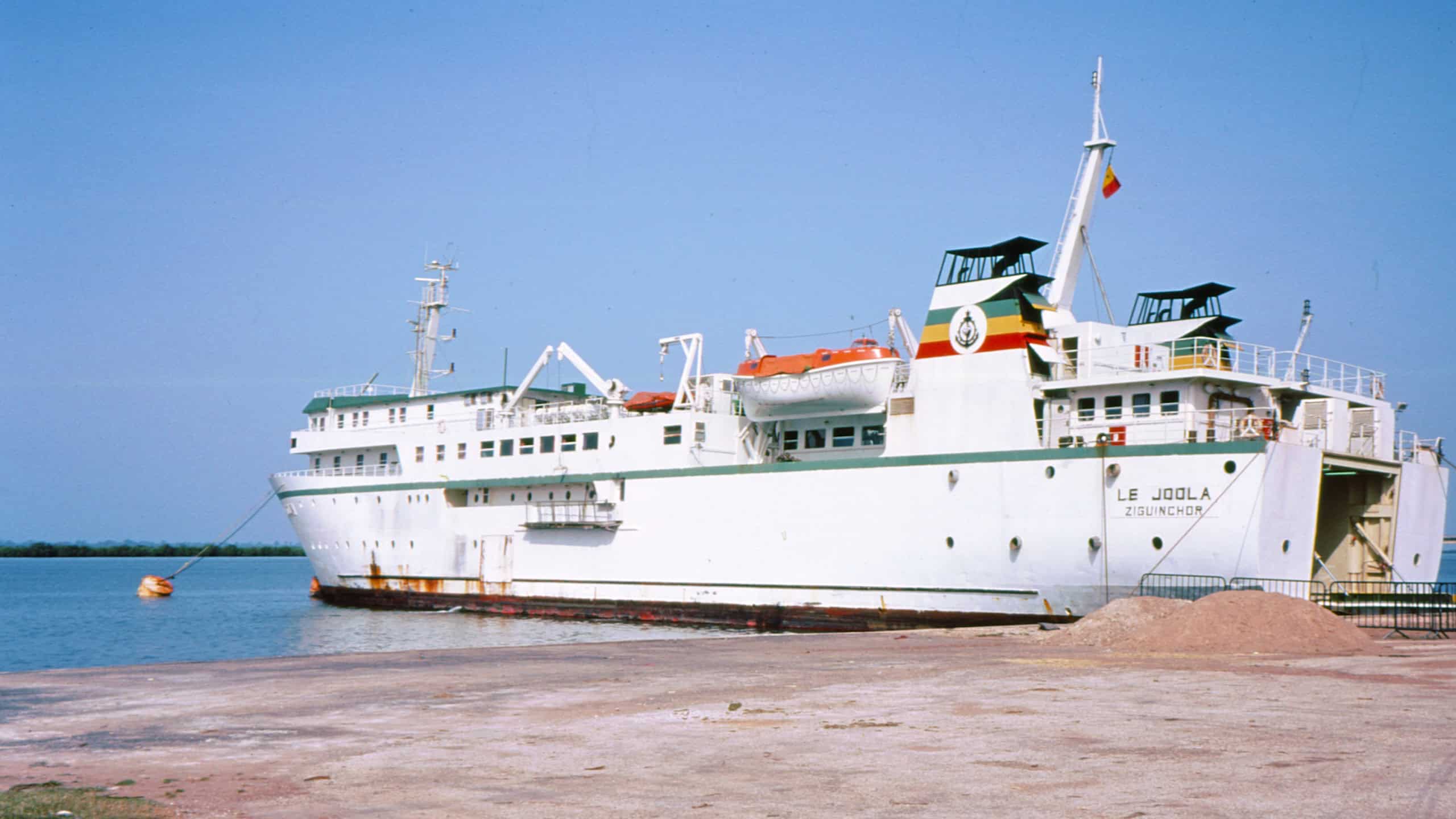
The ferry Le Joola left southern Senegal in September 2002, and it was supposed to carry a maximum of 536 passengers. It actually had close to 2,000 people on board. Le Joola met rough weather off the coast of The Gambia, and to nobody’s surprise, the trouble started immediately.
It rolled over and sank on September 26. Of all the people aboard, only 64 people survived, and at least 1,800 died. It was one of history’s deadliest maritime disasters, and it was a completely avoidable incident.
A known landslide threat destroyed the Vajont valley
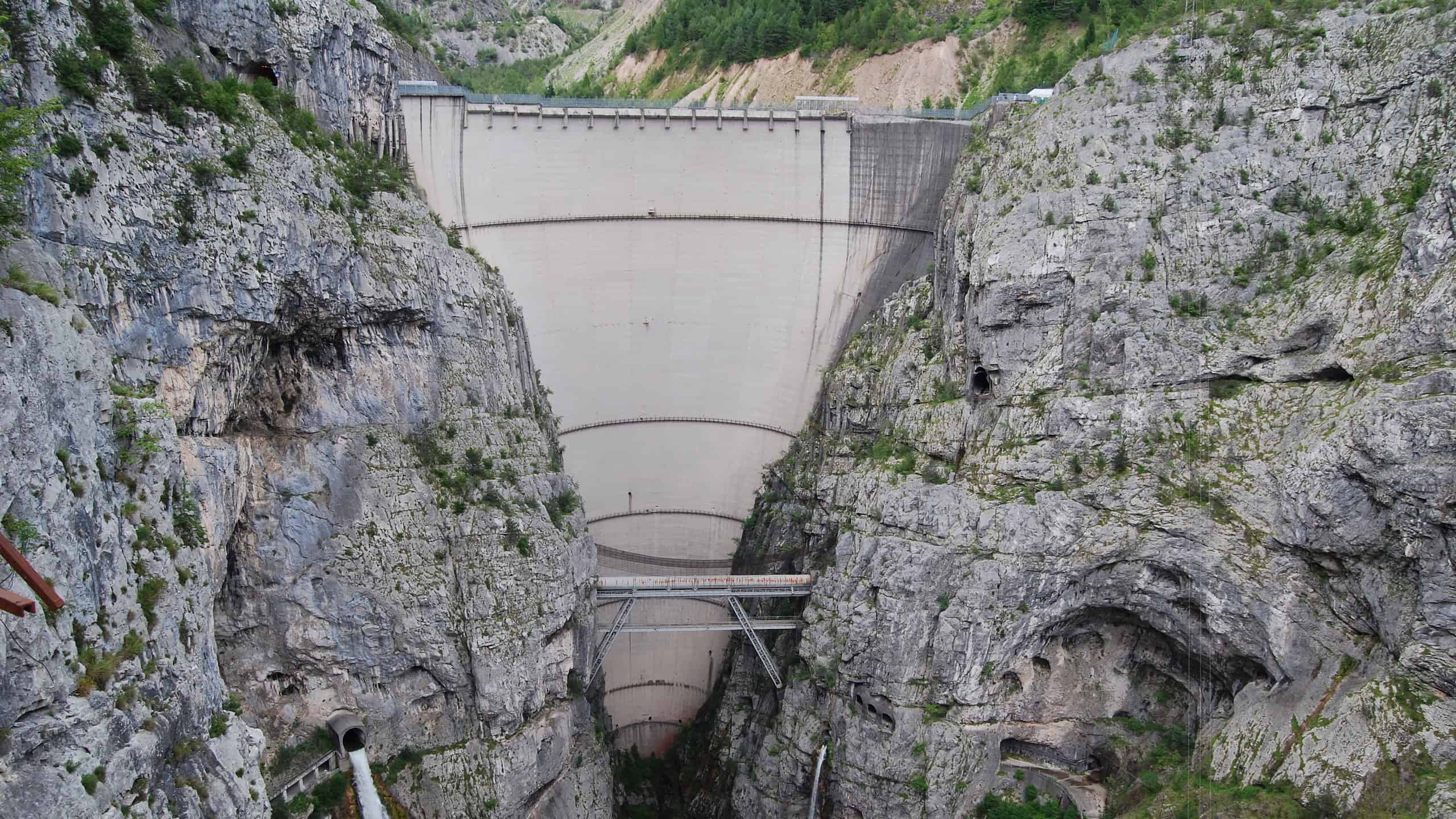
The thing about the Vajont Dam disaster is that the dam itself didn’t collapse. No, the problem was that engineers had already seen signs that part of Monte Toc in Italy was unstable. They continued filling the reservoir, however. Then disaster struck on October 9, 1963.
Around 260 million cubic meters of rock slid into the water, with the impact throwing a huge wave over the dam. It went straight into the valley below and wiped out several villages in minutes. Around 1,910 people died in an accident that officials could’ve avoided.
Triangle workers found an exit door locked
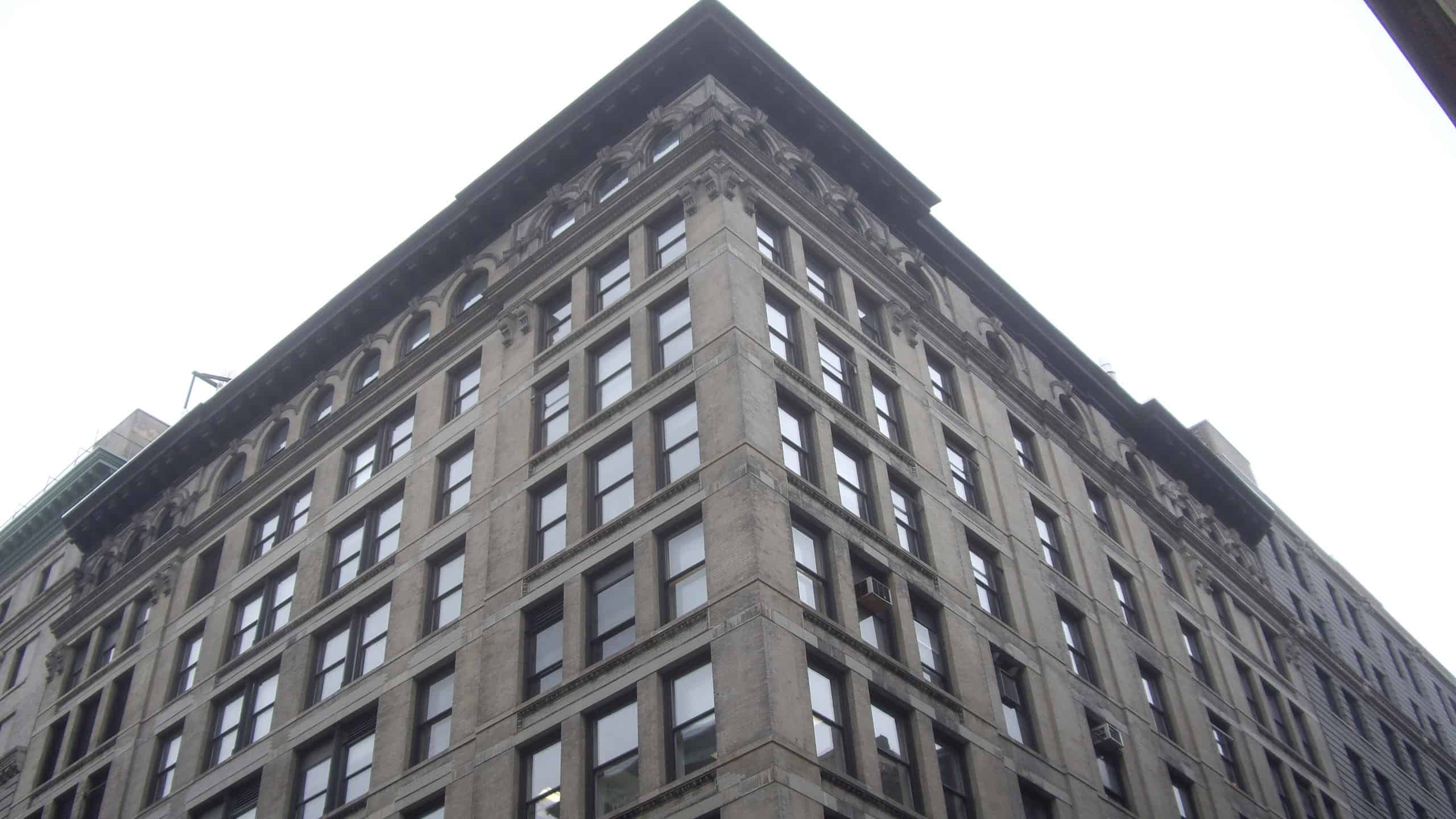
You never know when a fire might break out, and that’s why it’s so important to follow fire safety rules. But the owners of New York’s Triangle Shirtwaist Factory completely avoided them. A fire broke out on March 25, 1911, and workers on the upper floors desperately tried to get out.
One of the stairway doors was locked, and the fire escape soon buckled. The firefighters’ ladders couldn’t reach high enough. It got to the point where some workers jumped, rather than stay inside the burning building. 146 people were dead in less than 30 minutes, all because one exit was left locked.
Supporters were directed into packed stadium pens
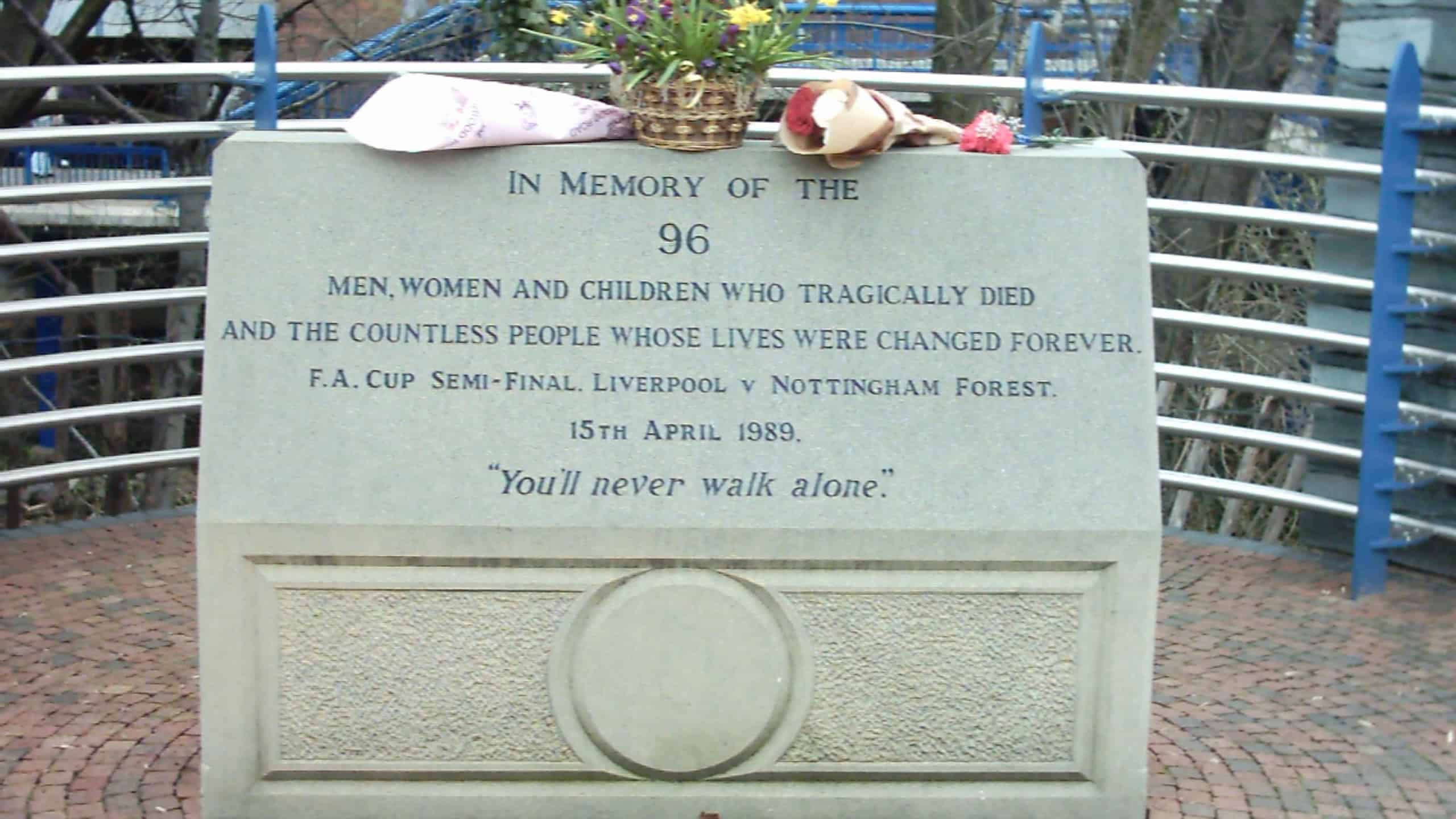
The 1989 soccer FA Cup semifinal at Hillsborough Stadium in England should’ve been a happy time. It ended with the death of ninety-seven supporters. Thousands of soccer supporters were waiting outside the venue, but the police didn’t handle the crowds properly.
They opened a large exit gate and sent fans toward central standing pens. These were already dangerously full. People were crushed against the metal fencing at the front, and press reports originally claimed the deaths were caused by drunken or badly behaved fans. But no, it was down to failures in police planning and stadium safety.
Armero received no effective evacuation warning
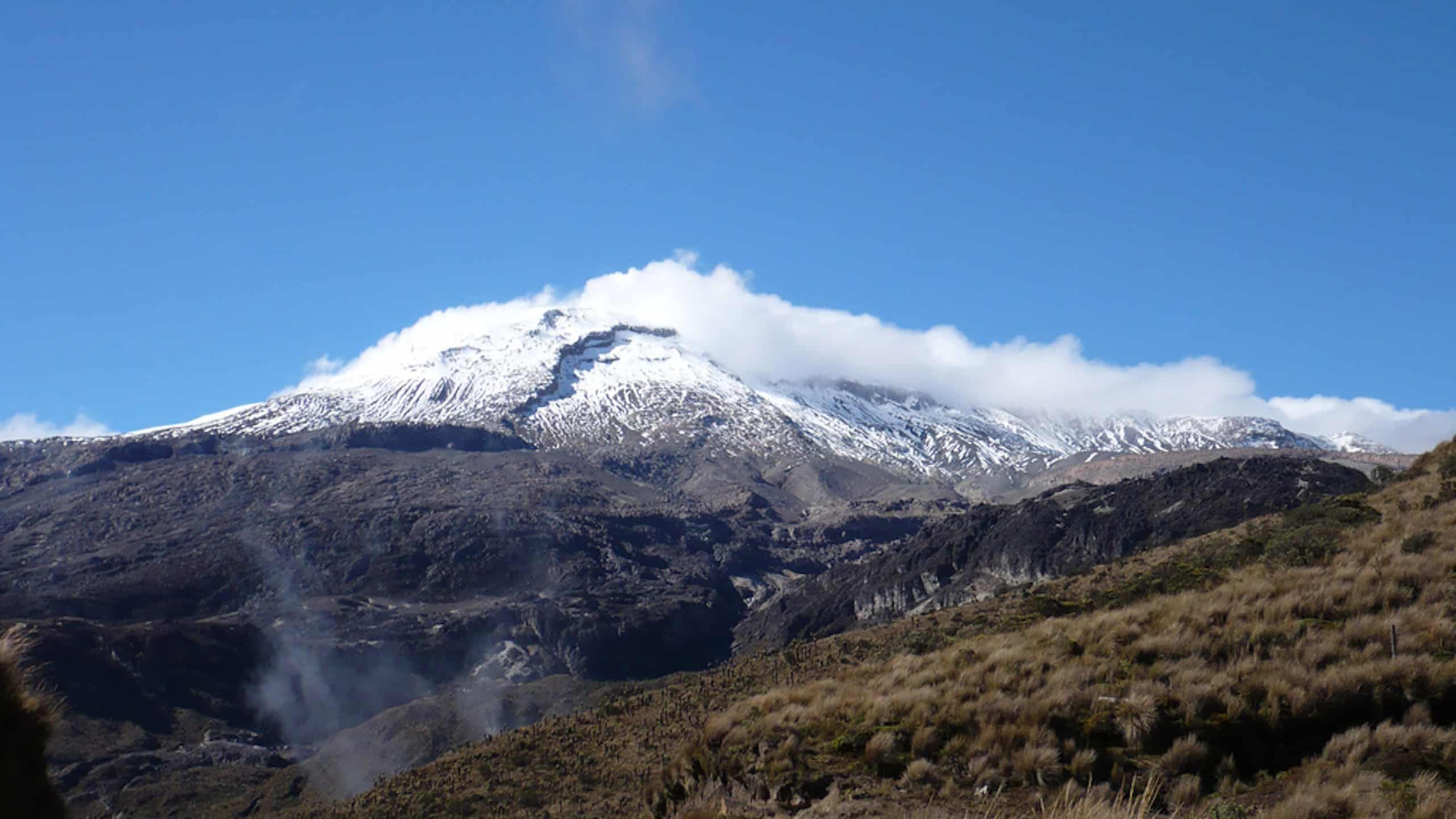
Scientists mapped the danger around Colombia’s Nevado del Ruiz volcano, and they knew an eruption could cause serious problems. The heat could melt snow and ice, sending rivers of mud toward towns below. That’s exactly what happened on November 13, 1985.
The scientists had warned this would happen, and the mudflows took about two hours to reach the town of Armero. But the town wasn’t properly evacuated. The flow arrived when many residents were at home, and roughly 23,000 people died. There was enough time to stop it.
Banqiao failed after warnings couldn’t reach communities
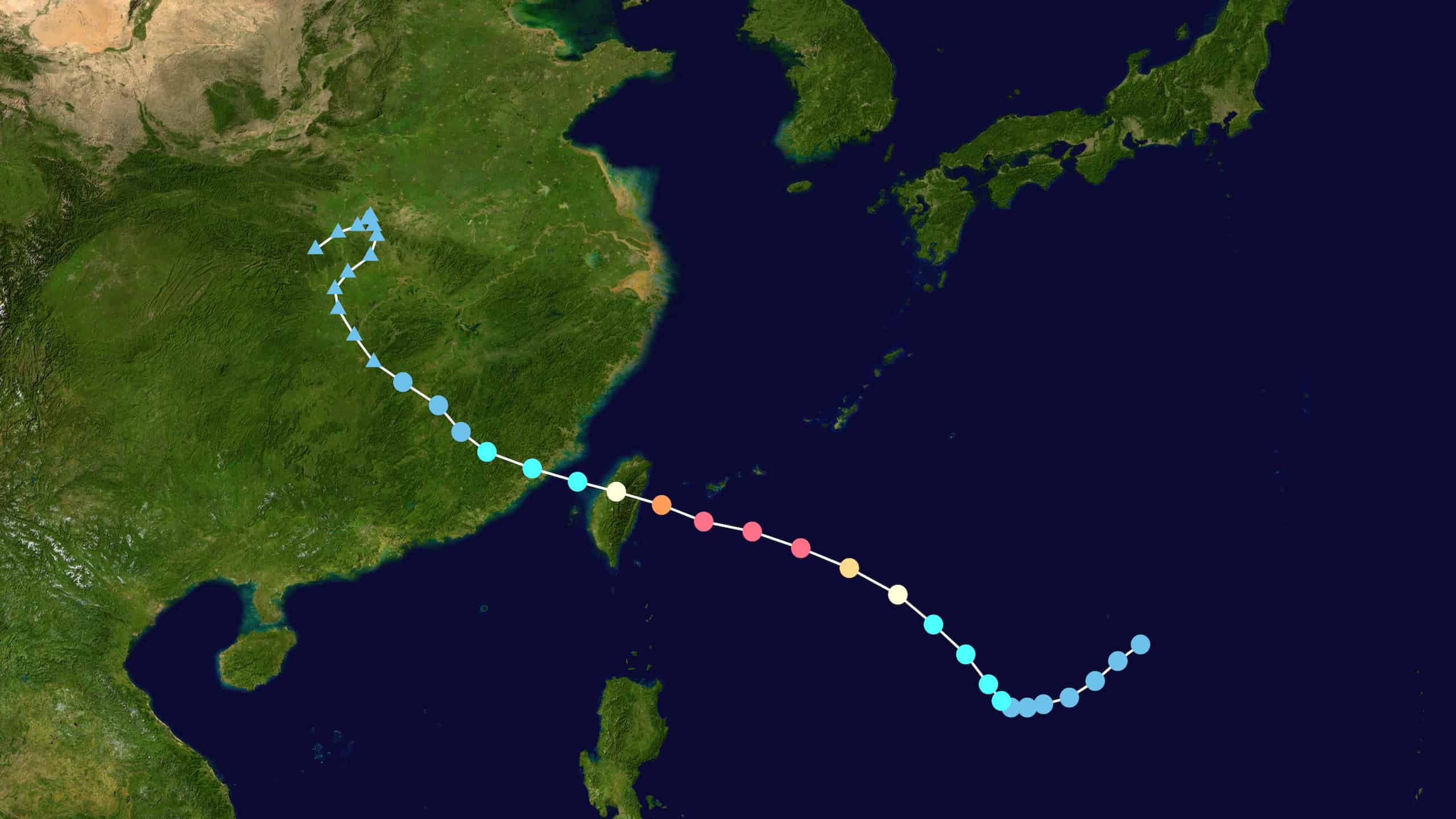
A lot of natural disasters are hard to predict. Typhoon Nina wasn’t one of them. It dropped an extraordinary amount of rain over China’s Henan province in August 1975, quickly filling reservoirs and breaking down communications. Then the Banqiao Dam gave way.
It didn’t take long for dozens of other dams to fail, too, and these sent floods across the region. The official immediate death count was around 26,000, but it could’ve been as high as 230,000, due to disease and famine. Most of the residents never got a warning. They didn’t even know a dam had failed.
Two jumbo jets occupied one foggy runway

Tenerife’s Los Rodeos Airport was a real mess on March 27, 1977. A bomb threat elsewhere had forced extra planes to Los Rodeos, making the runway and airport crowded. A thick fog soon rolled in. It was during that confusion that a KLM Boeing 747 began taking off.
That was at the same time that a Pan Am 747 was still on the runway. The two planes collided and killed 583 people, with only 61 survivors. Those people could’ve lived if only the instructions hadn’t gotten muddled over the radio, and the KLM aircraft hadn’t accelerated. They didn’t have official clearance to go.
Rana Plaza workers returned after cracks appeared

The cracks in the Rana Plaza building in Bangladesh weren’t exactly hidden. They were caused mostly by the extra floors that had been added without proper approval. Some businesses inside the building closed right away because they knew it wasn’t safe. But the garment factories didn’t.
The bosses actually told workers to return the next morning. They threatened them with losing pay if they stayed home. On 24 April, 2013, the eight-story building collapsed, killing 1,138 people and injuring more than 2,500.
Challenger launched despite engineers’ objections
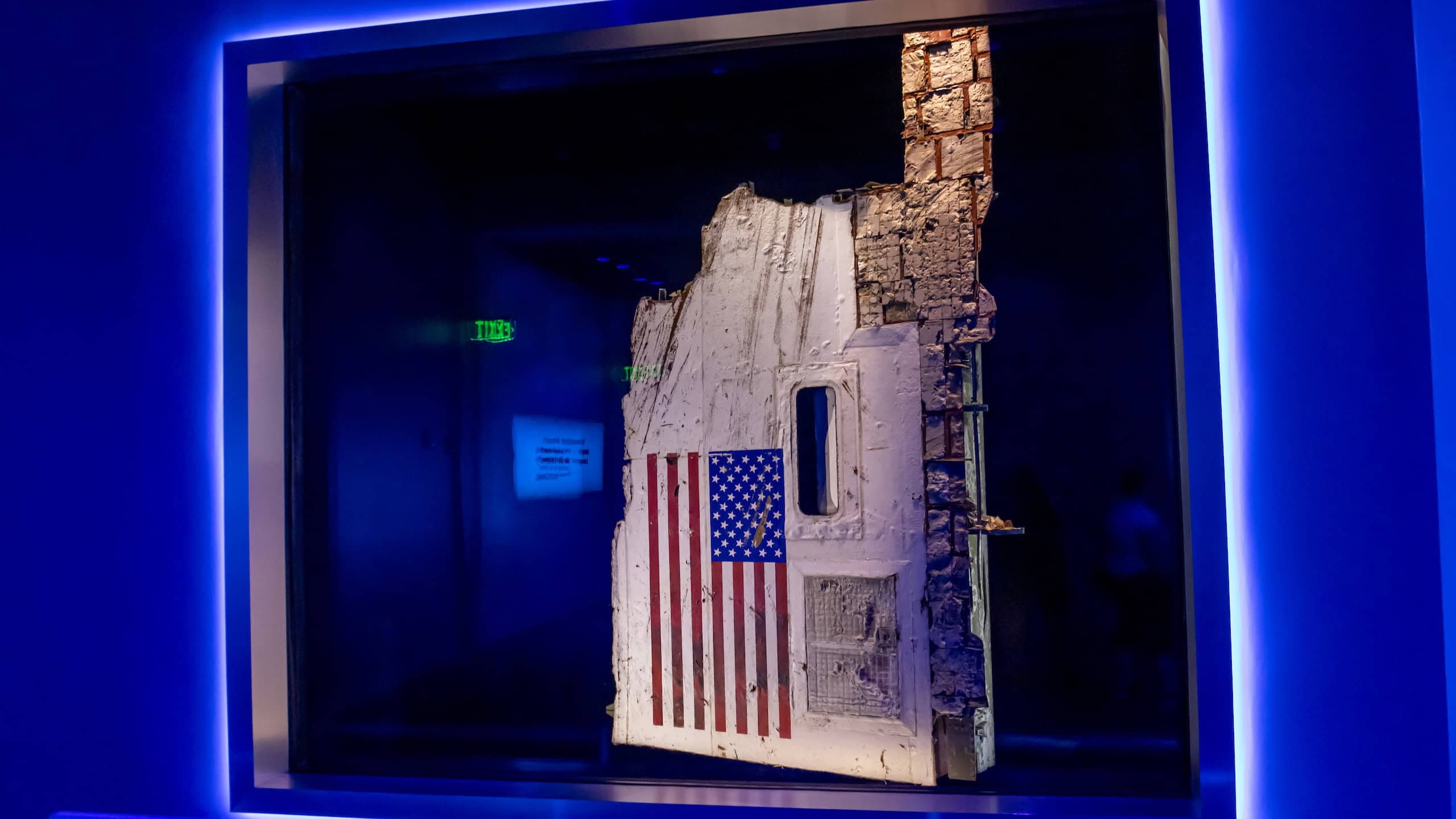
The engineers working on the Challenger shuttle knew that the cold could be a problem. That’s why they warned NASA before the launch on January 28, 1986, about it. Yes, they said the low temperatures could stop rubber O-rings in the rocket boosters from sealing properly.
Their advice was simple enough. Don’t launch. But NASA didn’t listen, and Challenger took off with seven crew members aboard, including a teacher. It broke apart 73 seconds later. The cause was just as the engineers predicted. An O-ring in the right booster had failed in the cold.
Sources: Please see here for a complete listing of all sources that were consulted in the preparation of this article.
13 people in history who were betrayed by their closest allies
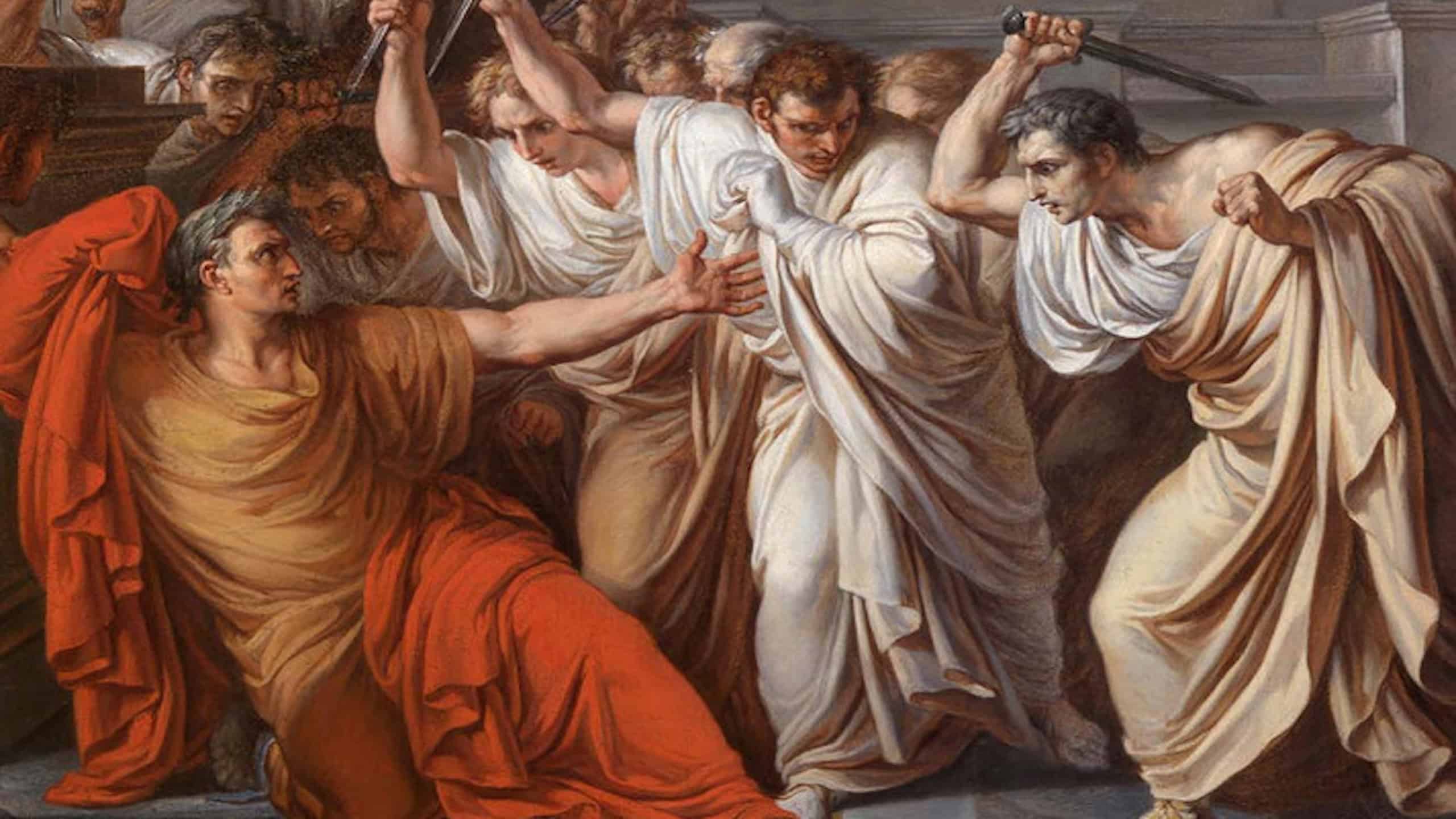
The ugliest betrayals in history are the ones that come from the people who were trusted the most, like relatives and other loved ones.
13 people in history who were betrayed by their closest allies


