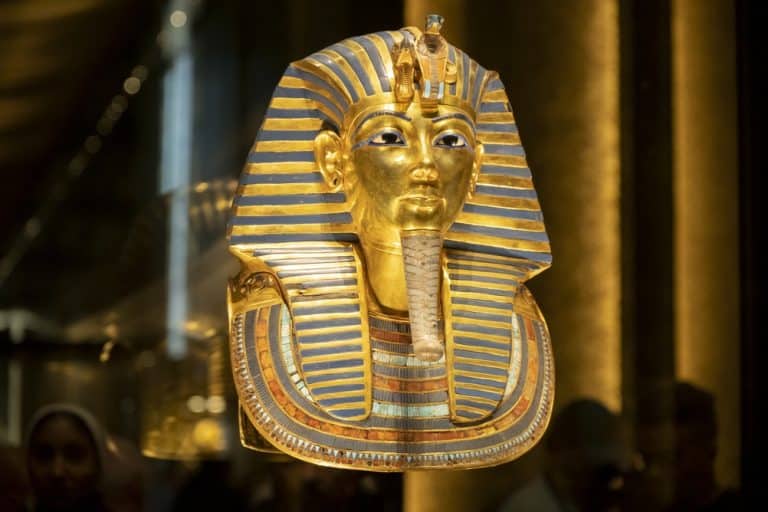

For thousands of years, people have been fascinated by Ancient Egypt, although some of the things we thought we knew about it are actually completely wrong.
The workers behind the pyramids
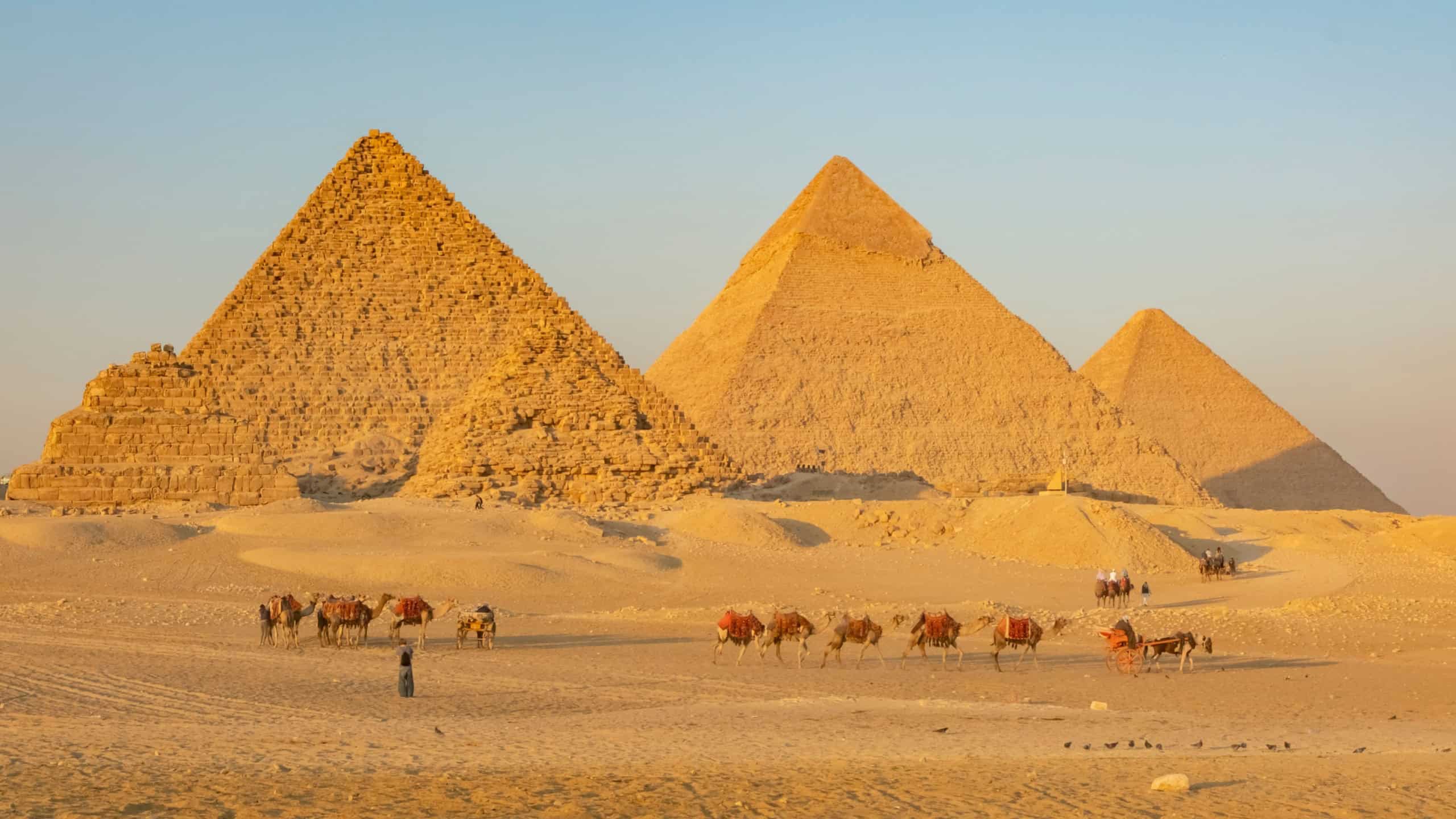
Ask someone who built the pyramids, and they’ll probably tell you that slaves did. But that’s simply not true. Archaeologists have found the remains of a whole settlement near Giza, and it included kitchens as well as places for workers to sleep.
No, they weren’t living in luxury. But they did receive plenty of food, like bread and beef, which was quite a treat back then. They also had enough medical care. The truth is that many of the builders were skilled workers, while others were recruited for temporary labor. Slaves weren’t the only part of it.
The missing nose of the Sphinx
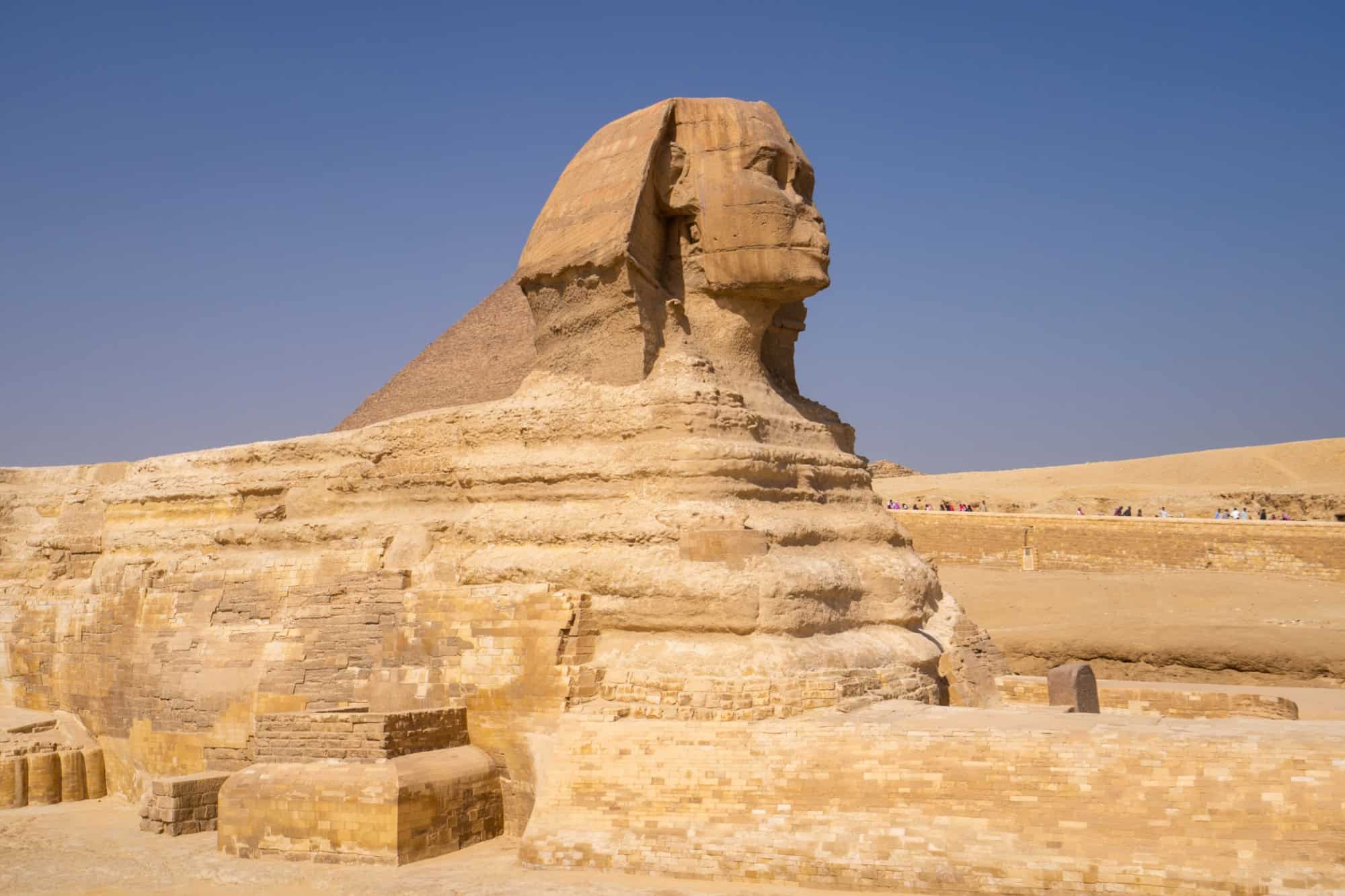
Napoleon gets blamed a lot for something that he never actually did. According to a popular story, his French troops decided to use the Great Sphinx for target practice during their 1798 campaign in Egypt. They apparently shot the statue’s nose off. Except that’s not what happened, as the Sphinx’s nose was already missing by then.
During the 1730s, Danish explorer Frederic Louis Norden recorded the monument without its nose. Historians aren’t exactly sure when the nose disappeared, but they believe it happened during the 14th century. One account blames a religious figure named Muhammad Sa’im al-Dahr. Either way, it wasn’t Napoleon.
The furry little gods
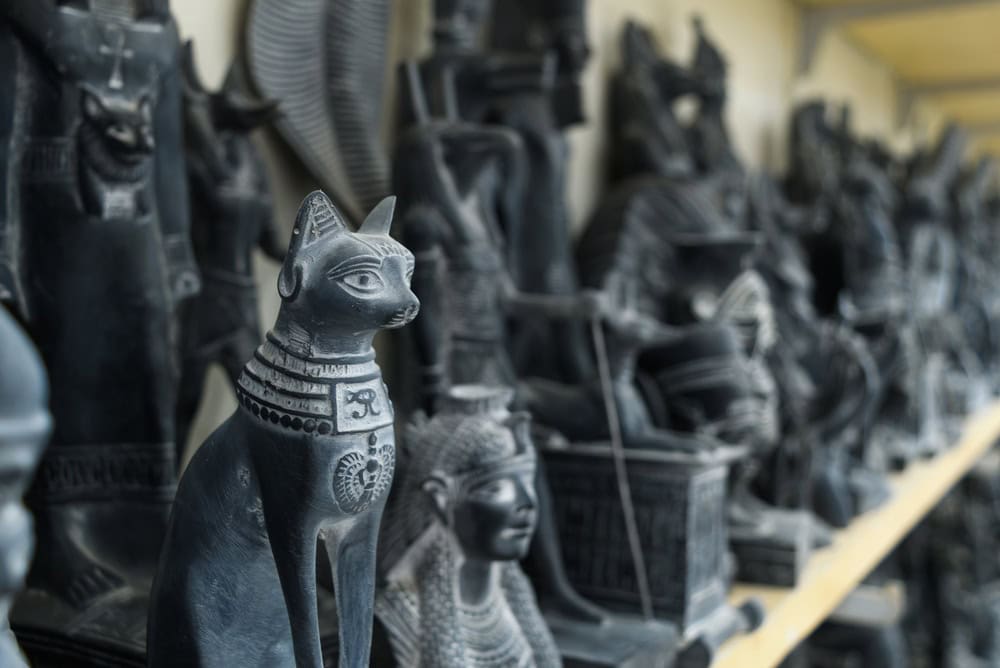
There’s a popular myth that says ancient Egyptians worshipped all cats and saw them as gods. It’s not true. Yes, they believed that cats were connected to the goddess Bastet, who was associated with protection. They also showed felines a lot of respect.
But the thing is, they didn’t worship every single cat, and they didn’t treat every ordinary house pet like it was a divine being. So no, they didn’t bow down to their cats when they walked into the room.
Cleopatra’s unexpected family history
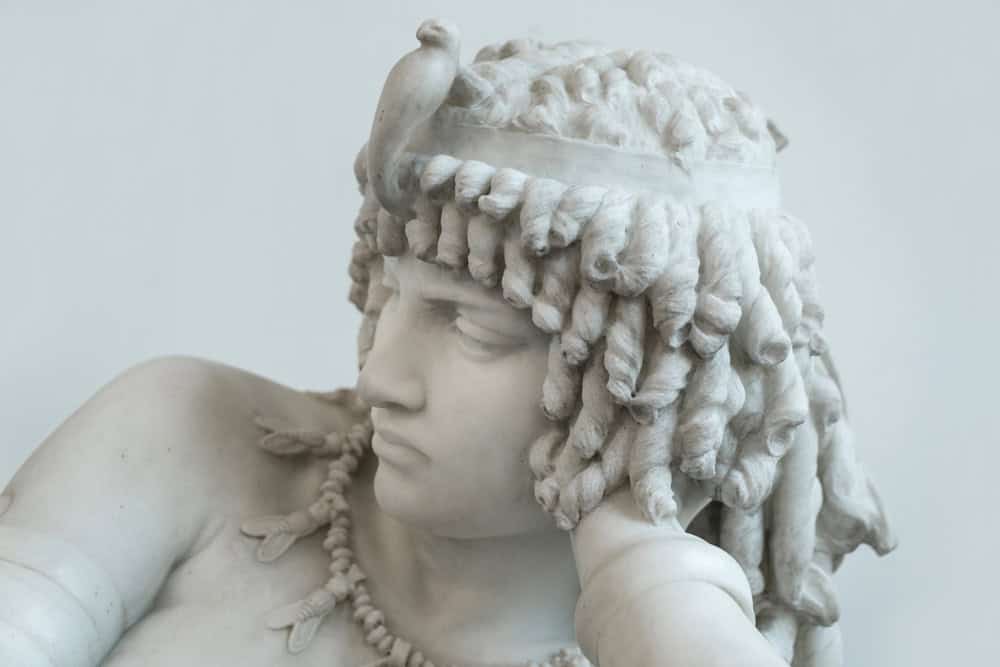
One thing that makes Cleopatra’s story a little complicated is the fact that she wasn’t Egyptian. That’s right, the famous Queen wasn’t ethnically Egyptian. While she was born in Egypt and ruled the country, her royal family originally came from Macedonia and was part of the Greek world.
In 51 BC, Cleopatra VII eventually became queen, and she ruled until 30 BC. She was Egyptian in the sense that it was her homeland, but her family’s origins weren’t actually from there.
The pyramids’ original appearance
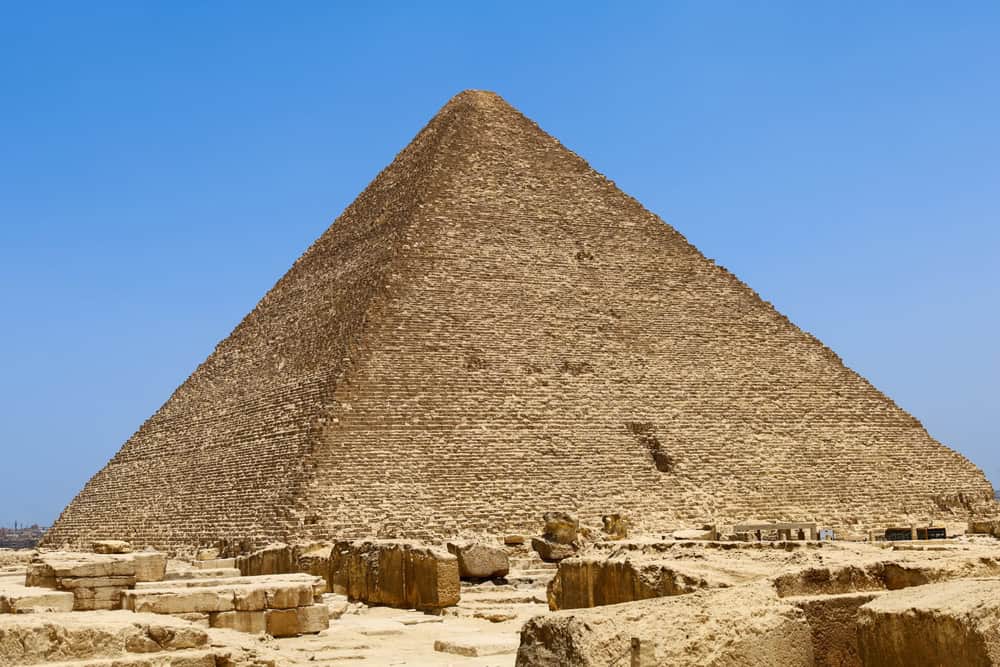
The pyramids didn’t always look like the pictures. Take, for example, the Great Pyramid. It’s a rough and sandy structure today, but when it was first built, the outside was covered with smooth white limestone. That made it seem far brighter than it does today.
Khafre’s pyramid had a similar covering, and you can still see parts of the limestone near the top. The casing stone disappeared because, over time, people removed it so they could reuse it for other buildings.
The dangers hiding inside tombs
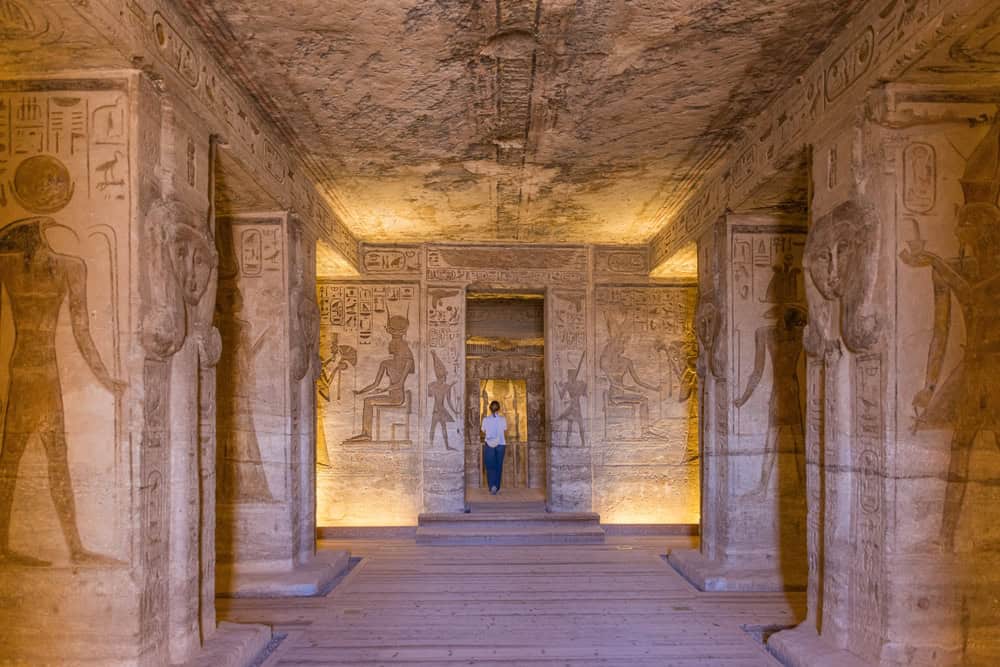
Most adventure movies set inside an Egyptian tomb feature the same thing. There’s a trap around every corner. In one room, the floor collapses, and in another, an enormous blade comes swinging out of the wall, ready to chop an explorer into pieces.
These traps make for some tense moments, but they’re just not accurate. The ancient Egyptians did take security seriously, of course, yet they didn’t use such elaborate traps. Builders blocked entrances with heavy stones and filled passages with rubble. They’d sometimes use protective religious texts to keep thieves out, although it didn’t always work.
The pictures that could speak
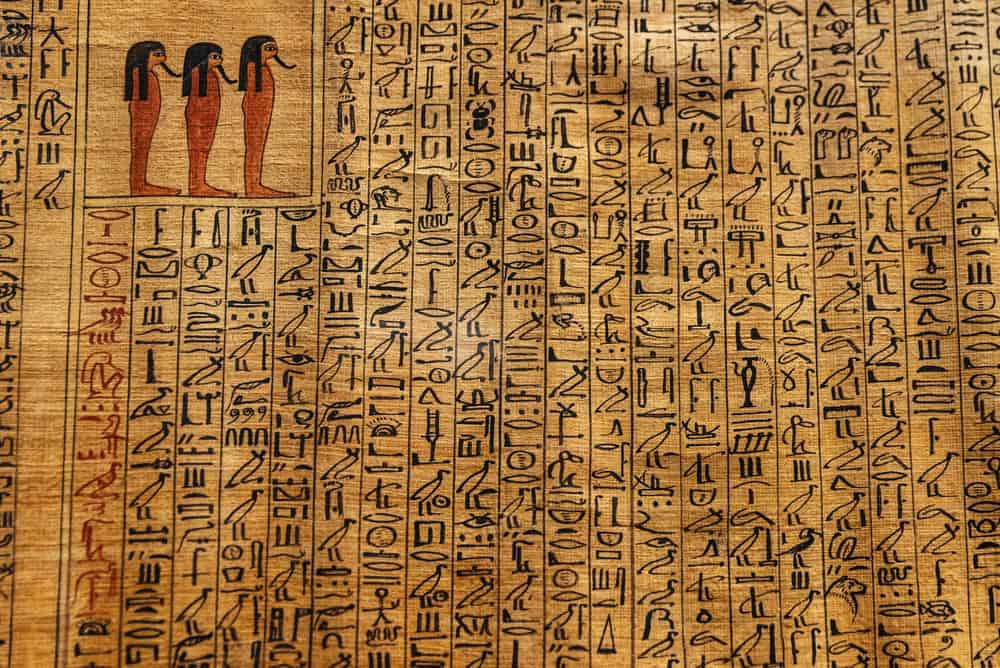
You might think that drawing an owl, a snake, and a boat is a rather strange way to write a sentence. You’d be right. Yet that’s what Egyptian hieroglyphs look like, although people get something wrong about these images. They don’t always mean what they show.
For example, an owl symbol could represent the sound of the letter ‘M,’ and not just the animal itself. The ancient Egyptians used other signs to represent combinations of consonants. In other words, these pictures were like letters or sounds in English, not ideas.
The everyday writing system
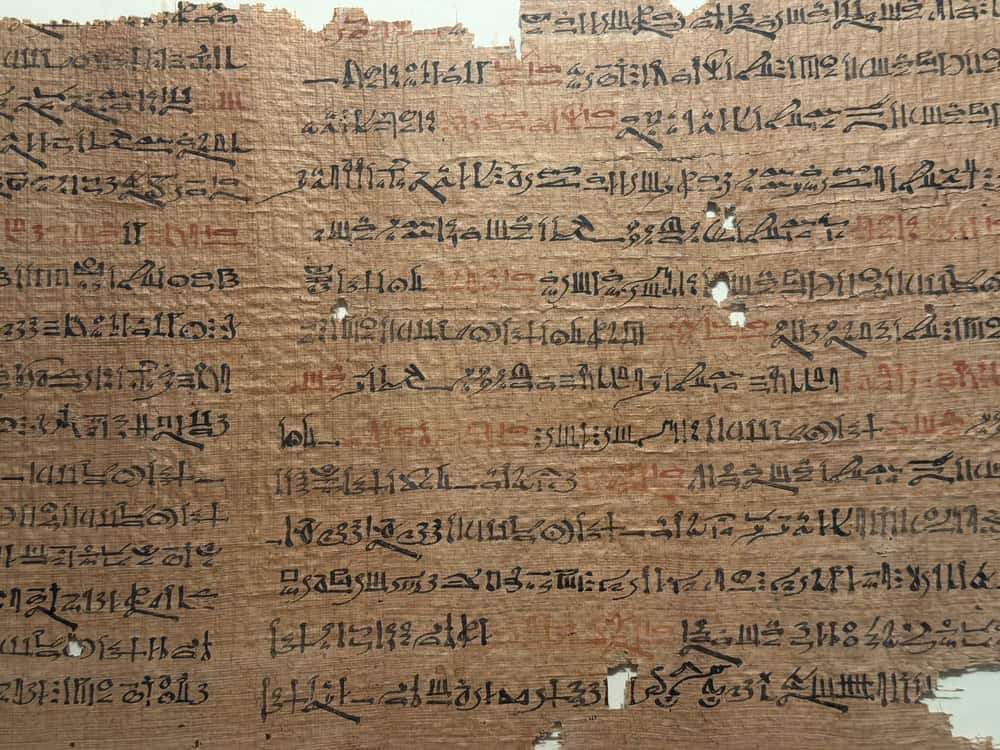
That’s not all for hieroglyphics. It was definitely difficult to write using this system, and a lot of ancient Egyptian scribes thought so, too. That’s why they used other writing systems when they wanted to make a note of something much quicker.
No, they didn’t use hieroglyphics for everything. Hieratic writing appeared around 3000 BC and allowed people to write in a more flowing style on material like papyrus, so they could get their thoughts across much faster. It was used for everyday records and business documents. As for beautiful hieroglyphs, those were for more formal purposes, like monuments and religious texts.
The strange-looking human figures
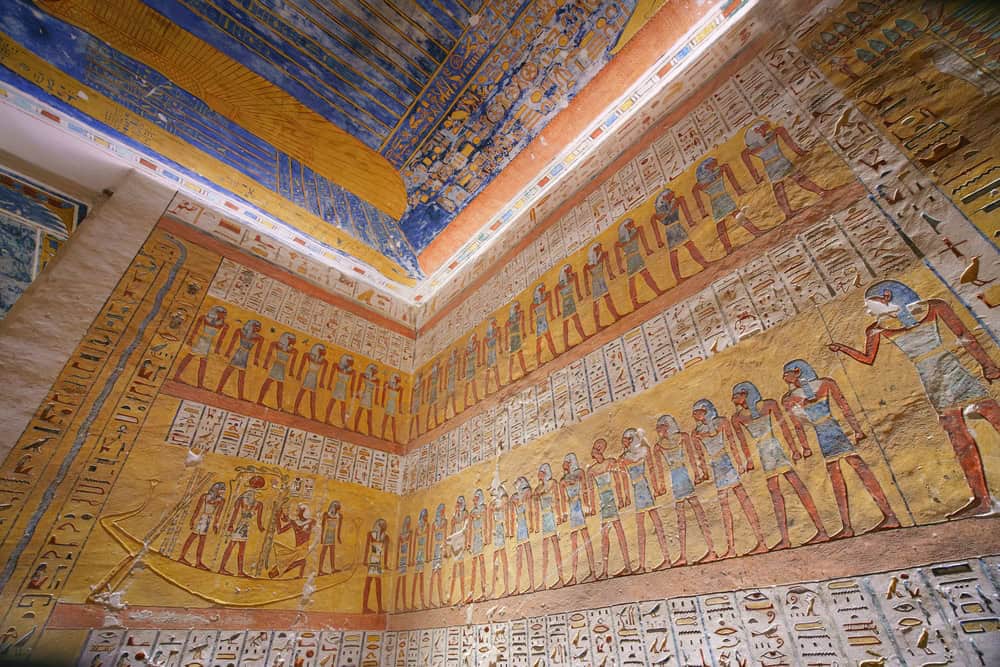
You might’ve noticed that people in Egyptian paintings always seem to have their bodies twisted in several directions. Their faces point sideways, and their eyes face forward, while their shoulders somehow manage to do both at the same time.
These images have made some people think that the ancient Egyptians didn’t know how to draw people. That’s just not true. In reality, Egyptian artists were following established artistic rules, and they showed each body part from an angle to make them easy to recognize. They weren’t trying to make them look like photos of real people.
The medical knowledge they already had
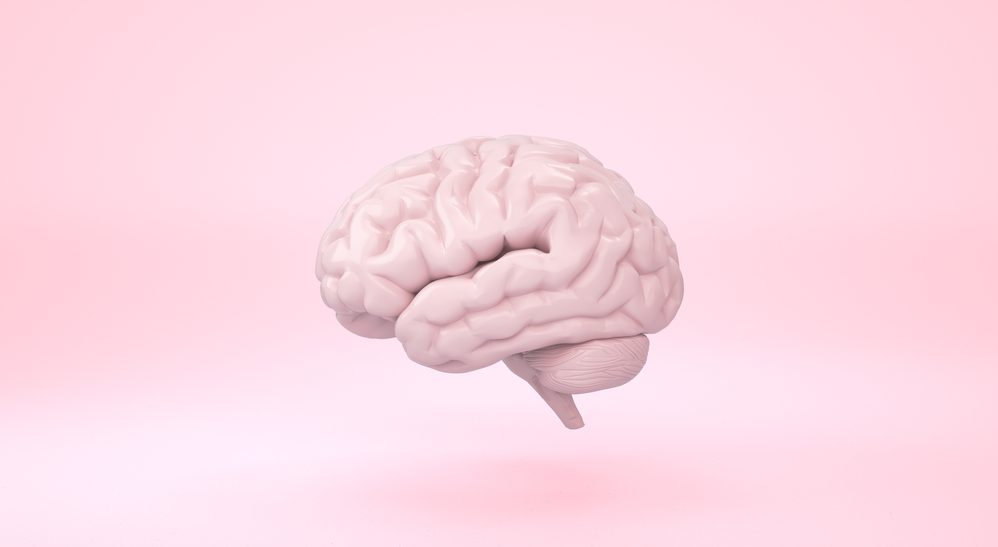
You’d think that, since the Egyptians often discarded the brain during mummification, they didn’t know much about it. But no. Around 1600 BC, scribes copied a medical document that later became known as the Edwin Smith Papyrus, and it describes the human brain in a lot of detail.
It talks about the fluid surrounding the brain and the kind of brain injuries that could stop someone from moving properly. Essentially, the Egyptians knew the brain was important for things like speech and movement. Their understanding was still limited, but they certainly weren’t completely clueless about the brain.
The pharaohs buried elsewhere
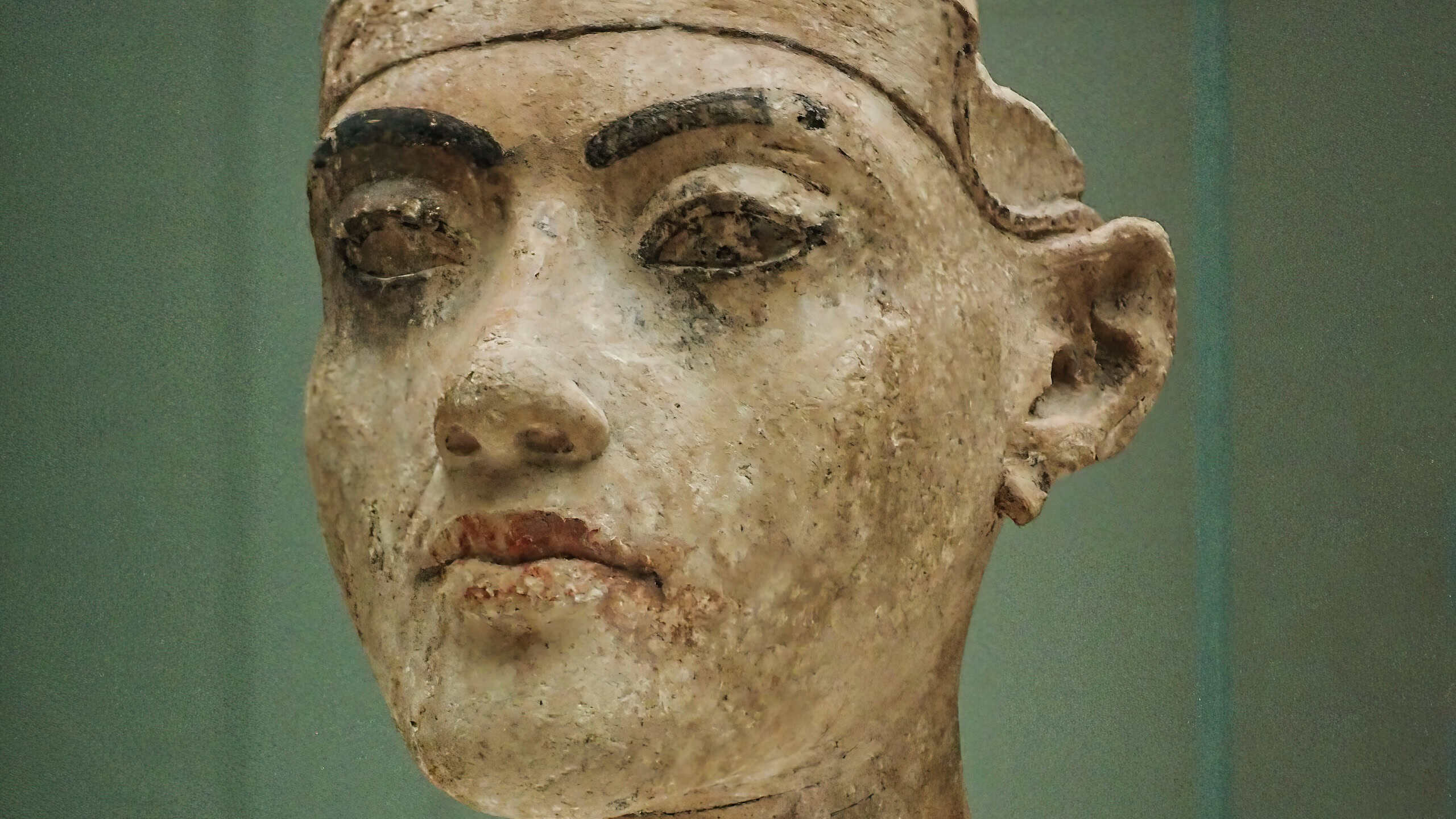
So many people assume that every Egyptian pharaoh was buried inside a pyramid because, well, that’s what the pyramids were built for. However, that’s not quite right. When Tutankhamun became pharaoh around 1332 BC, royal burial traditions had changed quite a lot.
A lot of rulers at that time were buried in underground tombs instead of pyramids. In 1922, Howard Carter discovered Tutankhamun’s tomb in the Valley of the Kings, and it was complete with several chambers full of possessions. Not every pharaoh got a pyramid.
The animals that came later
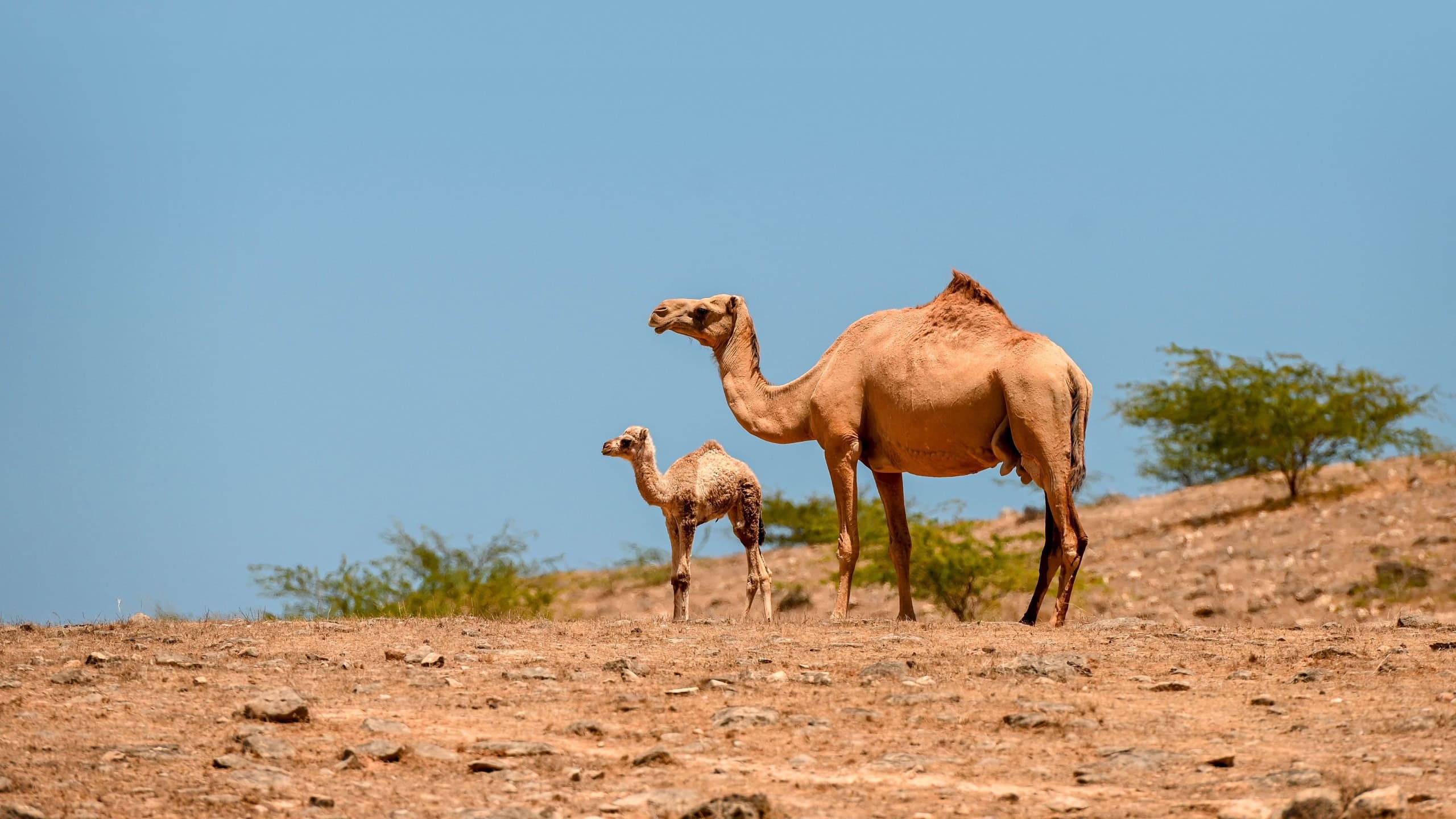
According to the movies, all ancient Egyptians spent their days riding camels across the desert, although the historical record shows us something different. Camels weren’t actually common transportation animals during most of ancient Egyptian history.
When they wanted to transport supplies, they used donkeys, and when they wanted to go along the Nile, they’d use boats. Camels weren’t widely used in Egypt until much later, when the pyramids were already thousands of years old. Only the more ‘recent’ ancient Egyptians used camels.
The people who enjoyed living
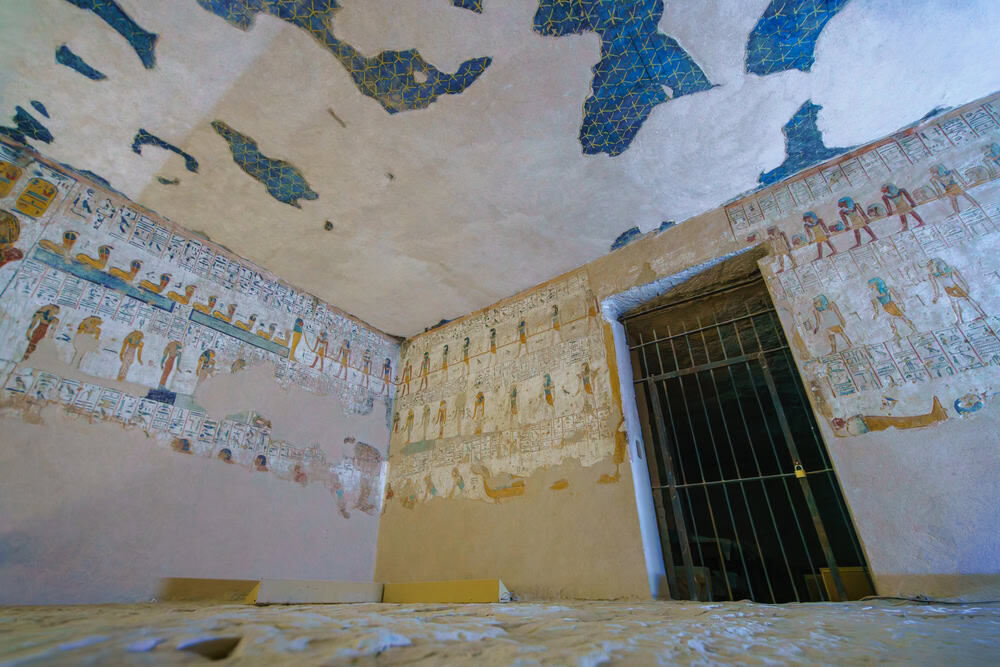
Today, ancient Egyptian mummies and tombs get a lot of attention, so you might assume that the people were obsessed with death. They weren’t. No, they actually enjoyed throwing parties and listening to music like the rest of us. They also liked dancing and playing games.
Ancient Egyptians prepared for death with all of their rituals, but they certainly had a lot of fun while they were alive. In fact, some of them even took their gaming equipment to their graves because they wanted to continue playing in the afterlife.
Sources: Please see here for a complete listing of all sources that were consulted in the preparation of this article.
8 forgotten female pharaohs of ancient Egypt
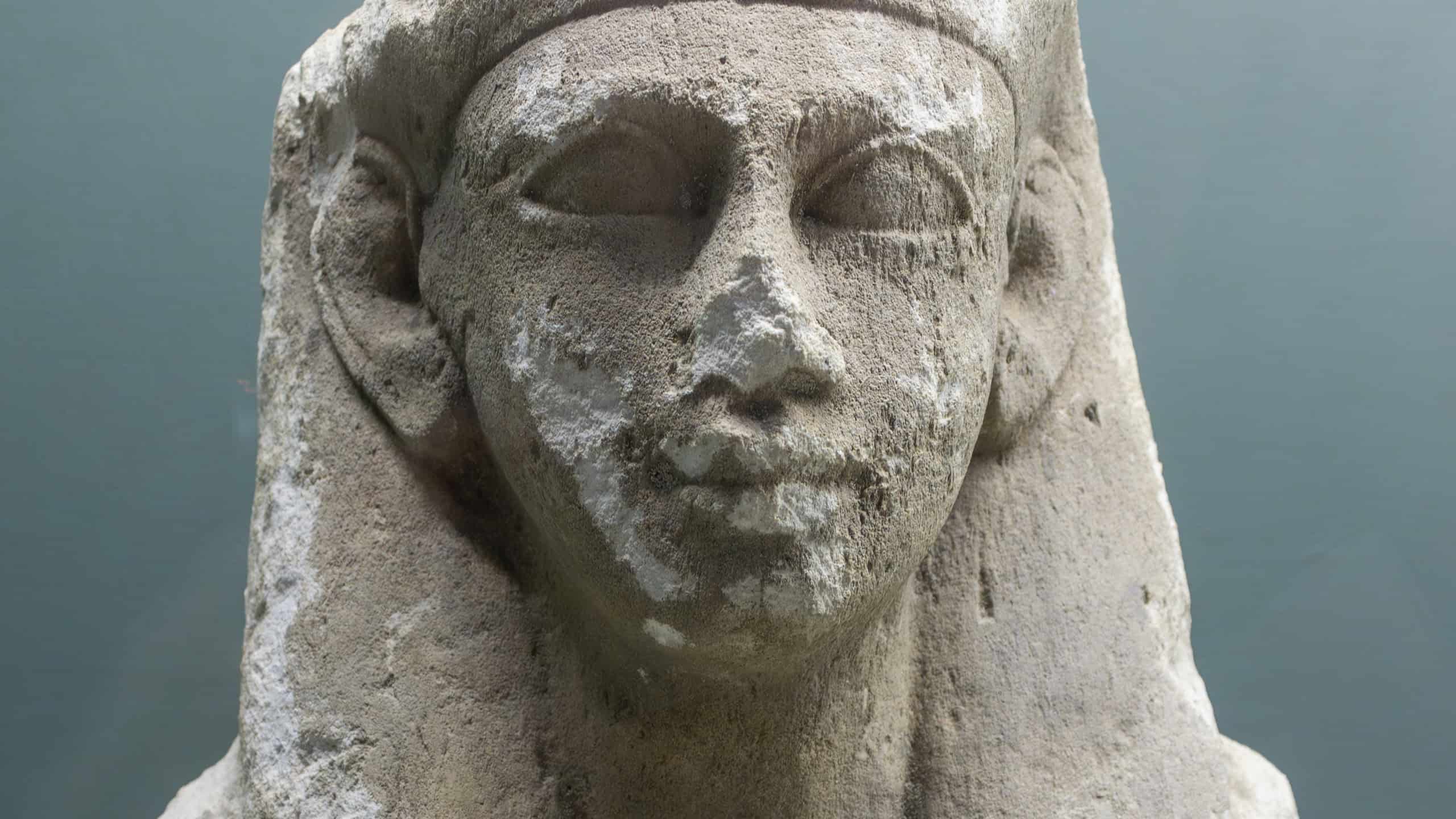
Most people have no idea of how many women were actually in power in ancient Egypt, and a few of them have gotten pretty close to being erased from history.

