

Once upon a time, they used to scream status. Having these things meant you had money or taste or at least knew the right people. People flaunted them, coveted them, and judged others by them.
Now? They make us laugh. We wonder how on Earth they were considered impressive to begin with.
Here are 13 formerly fancy things that used to be status symbols, but today just seem downright silly.
Pineapples

During the 1700s, a pineapple could cost around $8,000 in today’s dollars. They were so expensive and exotic that people didn’t eat them right away.
They used pineapples to show off at fancy parties. If you couldn’t afford to buy a pineapple, they were even available for rent.
Sugar
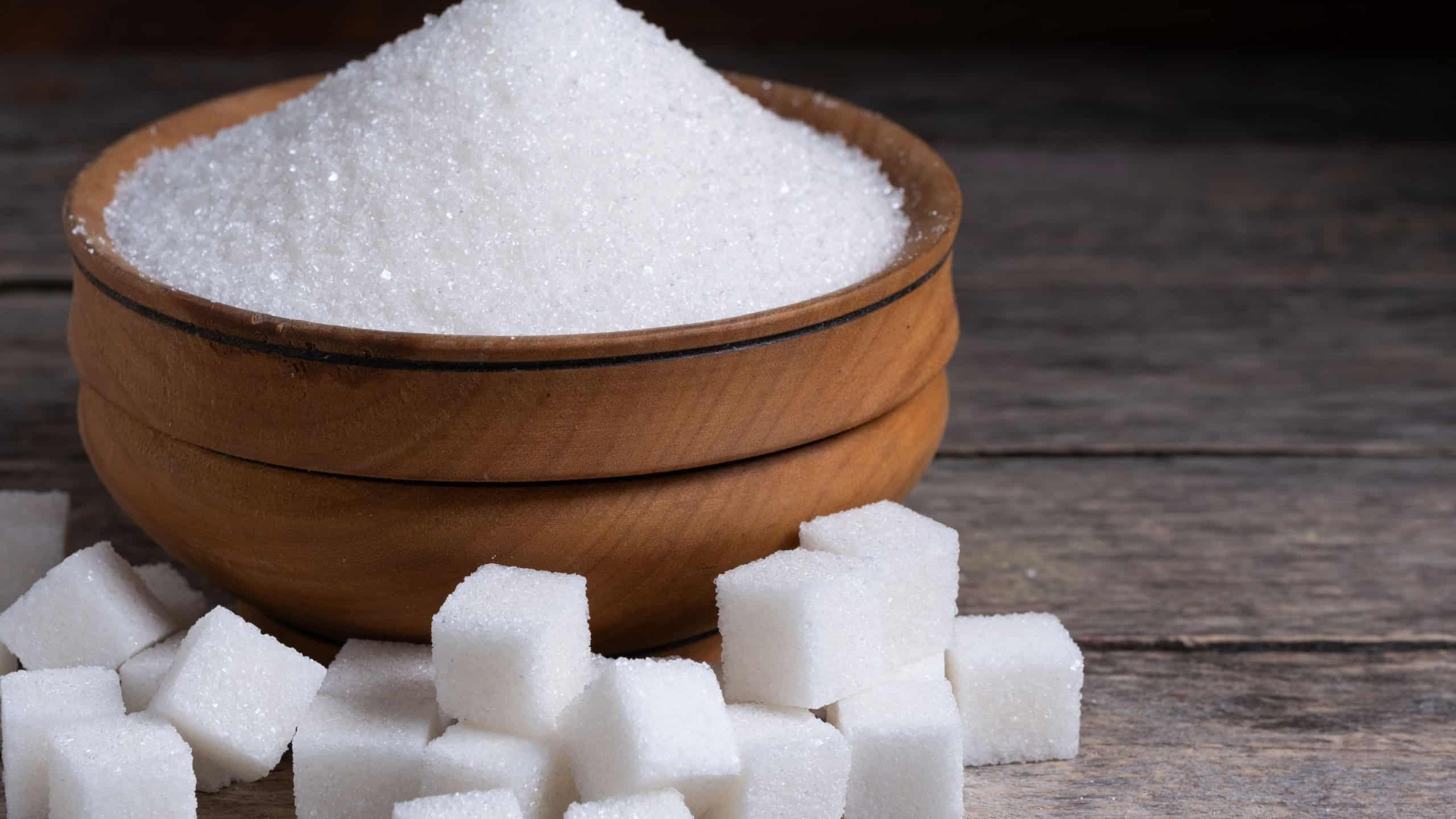
Before most of the modern industrial era, sugar was referred to as “White Gold.” The presence of a sugar bowl on your dining room table meant you had deeper connections to international trade than anyone else.
The wealthy Europeans of the 1500s would purposely let their teeth rot and blacken so everyone would know they could afford sugar. If your teeth weren’t rotting on their own, there were even “recipes” out there for how to blacken your teeth with burnt makeup and dirt.
Cell phones
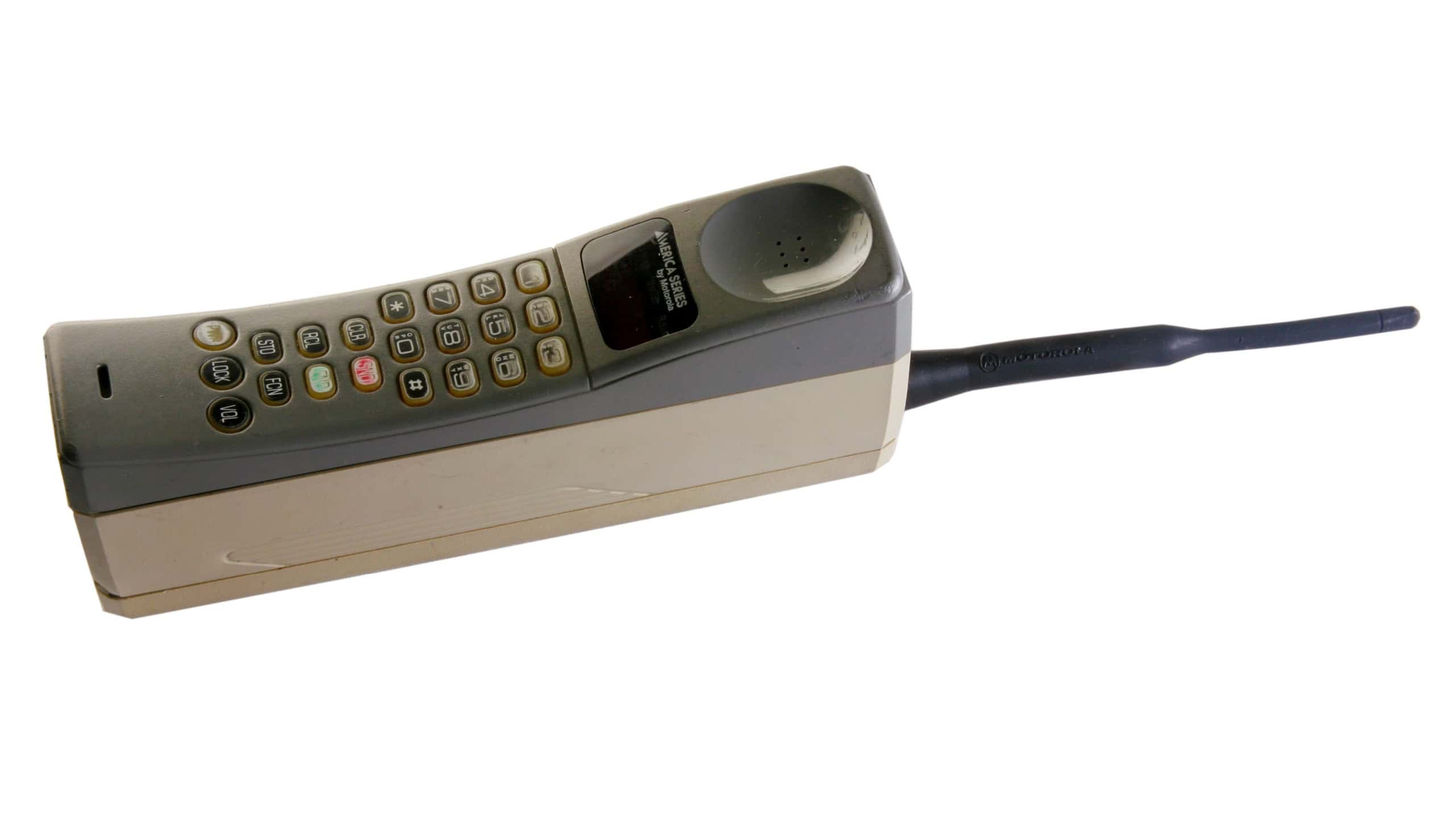
In the mid-to-late 80s, carrying a “brick” phone or a heavy shoulder-strap bag phone meant you were a high-flying executive who was too busy to be away from a dial tone.
These devices were clunky, had terrible battery life, and cost thousands of dollars. Now, if you’re seen with a phone that has a physical antenna or weighs more than a deck of cards, people assume you’re a time traveler or a very dedicated hipster.
Aluminum silverware
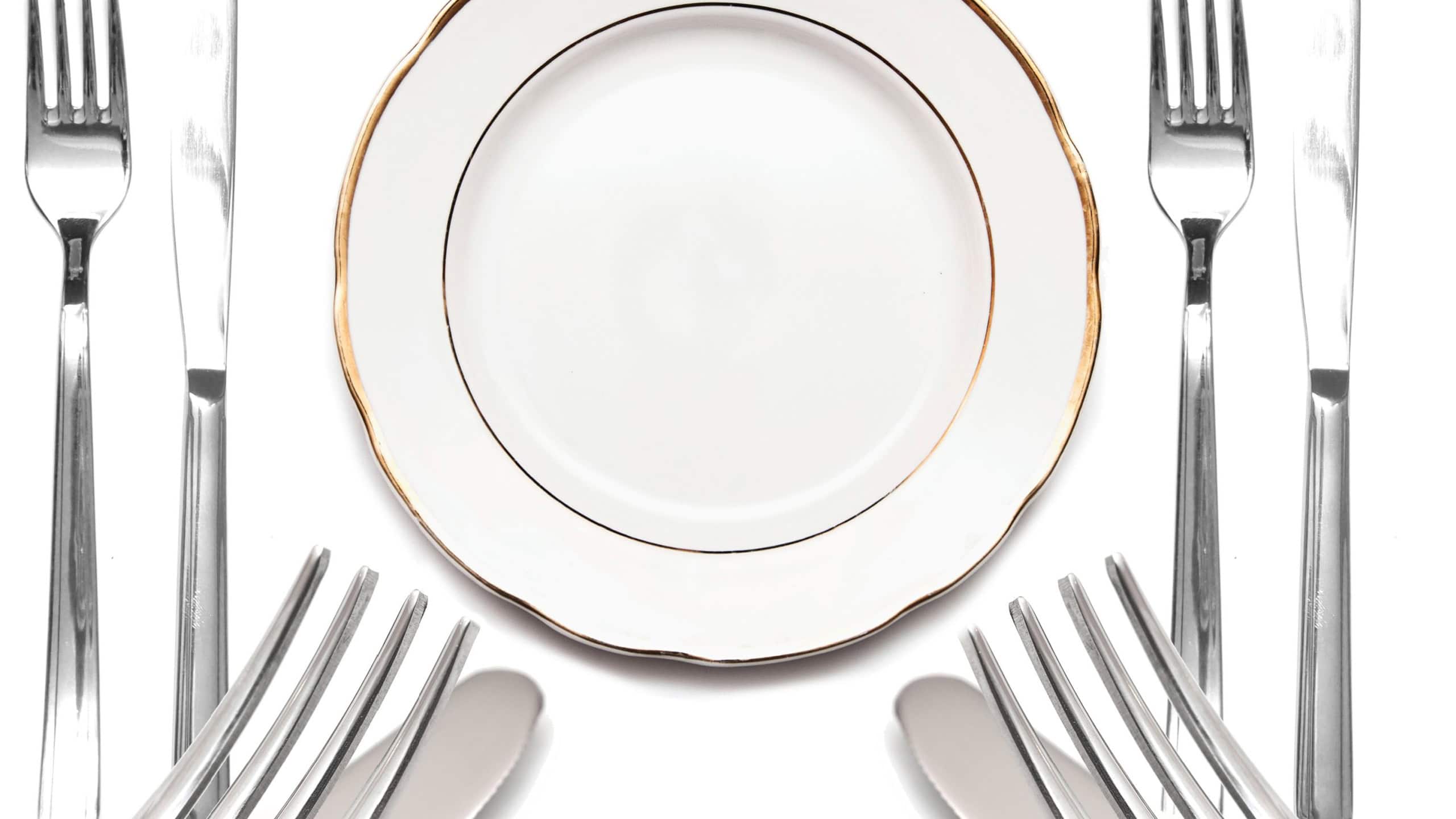
In the mid-1800s, aluminum was literally more valuable than silver or gold. That’s because the metal’s inner core is so difficult to refine and isolate from everything else underground.
Napoleon Bonaparte once served his most prized guests meals on aluminum utensils, while his “inferior” guests sat and ate with silver ones. It wasn’t until later on that scientists discovered a cheap method to process aluminum, crushing the price and turning it into the cheap metal we use to wrap leftovers today.
Idle front lawn
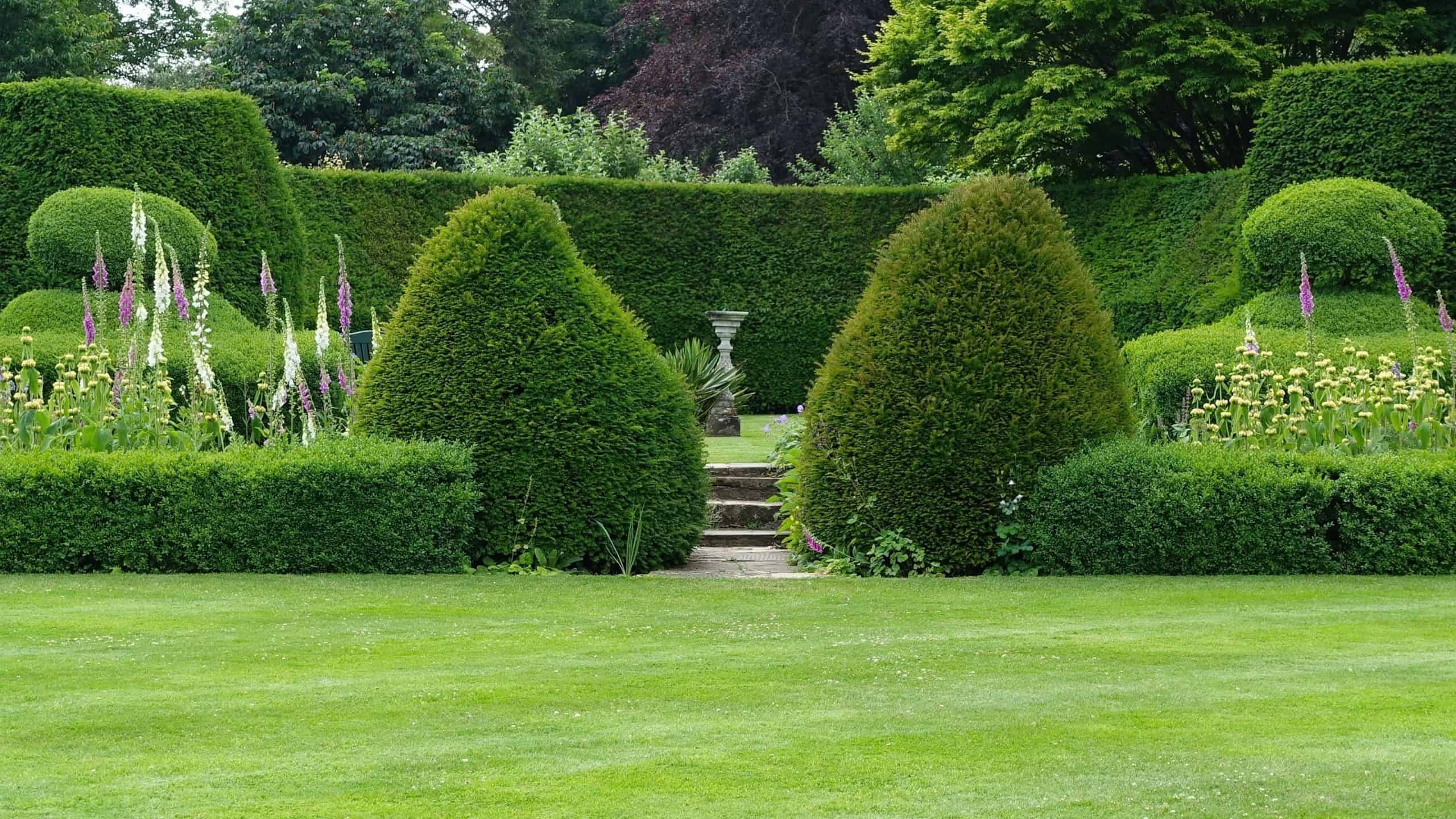
Keeping up your grass used to be a status symbol for French and English aristocrats. A huge dead patch of green grass showed that you had so much money you didn’t need your land to produce crops or feed cattle.
Essentially, you were wasting precious property to prove you could afford to. Now, lawns are just something you mow on Saturday mornings. Something your neighbors or HOA will harass you about if you let it grow too long.
Salt as a salary
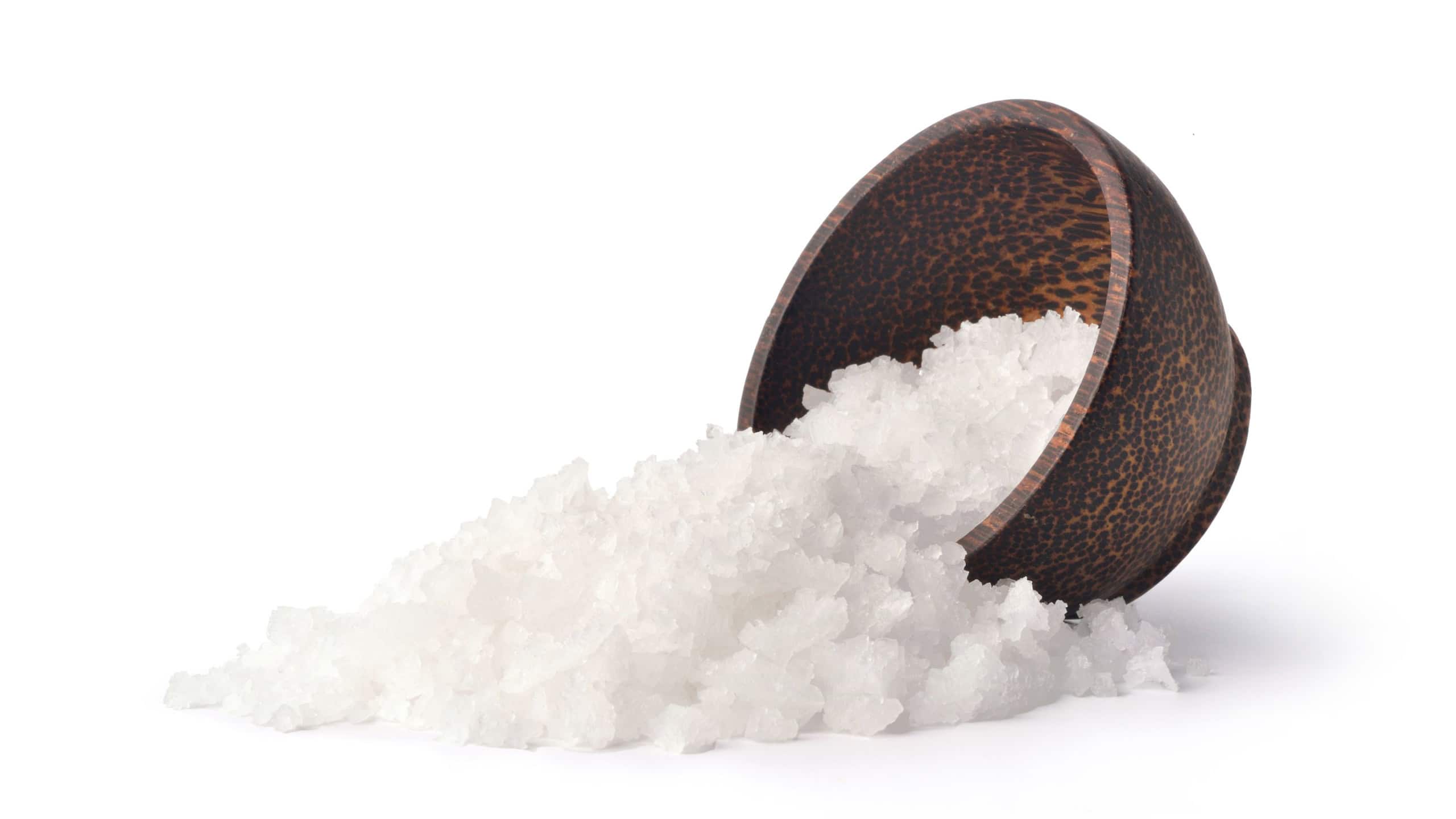
The word salary comes from the Latin word sal, which means salt. Roman legionnaires were sometimes paid with salt because it was a huge commodity that people went to war over.
Salt used to be so valuable that civilization itself was molded around its production and trade. Nowadays, salt is one of the cheapest substances in the store. In fact, we’re probably supposed to eat way less salt than we used to.
Tulip bulbs

A rare tulip bulb during Tulip Mania (1630s Netherlands) could cost you more than a nice home in Amsterdam. Entire fortunes, farms, and cattle were being traded for a piece of flower that hadn’t even bloomed yet.
Many people lost their life savings when the market crashed, and they realized they spent all their money on a plant that would wilt and die.
Books

Before books could be mass-printed by machine, they were only available to the extremely rich and well-educated. Libraries didn’t trust patrons with their books, so they chained them to the shelves. Heavy metal chains with actual keys that you couldn’t walk out of the library without.
You can now pick up hard copies for half a dollar at garage sales. You can even download thousands onto digital devices that fit in your back pocket.
Being extremely pale

Being “white” used to be something people clamored to be. Having pale “China doll” skin meant you were wealthy enough not have to work in the sun.
If you had a darker complexion, you were probably a farmer who labored outside all day.
Modern culture has flipped this idea on its head. Nowadays, having pale skin usually means you work inside with zero vitamin D. Getting a tan is considered richer because you have enough time to vacation or tan on a yacht.
Purple clothes

Purple clothing used to be so expensive that in ancient Rome, only Royalty were allowed to wear it by law. That’s because the dye, “Tyrian Purple”, was created from thousands of tiny glands inside rotting sea snails.
If you were able to afford the handful of snails it took to make just one garment, you were considered wealthy enough to be Emperor.
Black pepper

During Medieval times, black pepper was so expensive it was referred to as “black gold.” Not only was it used to pay rent, taxes, or dowries, but if you owned a kitchen full of spices, you locked it.
Kitchens kept their spices in high-security cabinets with tiny windows to see inside because they had to be imported from dangerous, war-torn regions across the globe.
Permanent car phones

In the early 90s, having your actual phone wired into the dashboard of your car signaled big business. If someone saw you with a phone that had a goofy antenna and was dangling from your sunroof, they knew you were rich enough to never leave your job.
Today, a “car phone” is an antiquated relic from the past that just takes up space in your center console.
Windows on your house

In the 1600s and 1700s, England, France, and several other countries tried something called the “Window Tax.” The more windows your house had, the richer you were.
To avoid paying the tax, people would brick up their windows so their homes were pitch black on the inside. Today, we don’t think of windows as a luxury tax. We just call a house without them a “basement” or a “bunker.”
Sources: Please see here for a complete listing of all sources that were consulted in the preparation of this article.
Like our content? Be sure to follow us.

