

It doesn’t matter whether they got torn down quietly or went down in flames, some of the most incredible buildings in human history, sadly, no longer exist.
Glass met the wind
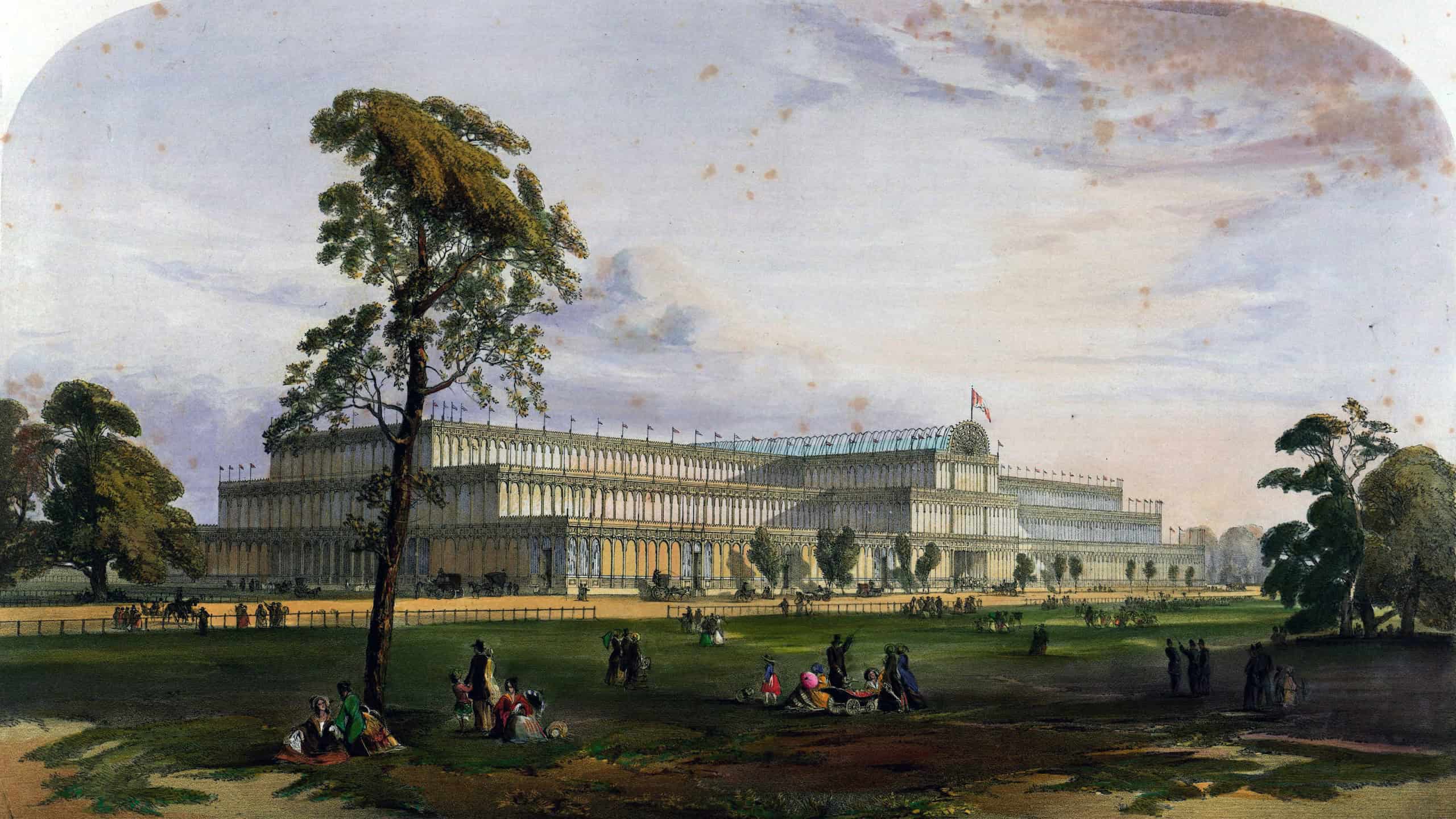
The Crystal Palace was almost exactly as it sounds, a giant greenhouse made of glass and iron, built for London’s 1851 Great Exhibition. It became such a popular destination that it was moved to Sydenham, until the fateful day of November 30, 1936.
Fire spread through the entire building, thanks to the wind and wooden floors, destroying the whole thing. Fire crews from across London came to help, of course, but it’s not like there was much to save because even the water towers came down. The Crystal Palace was gone.
A ceiling went quiet
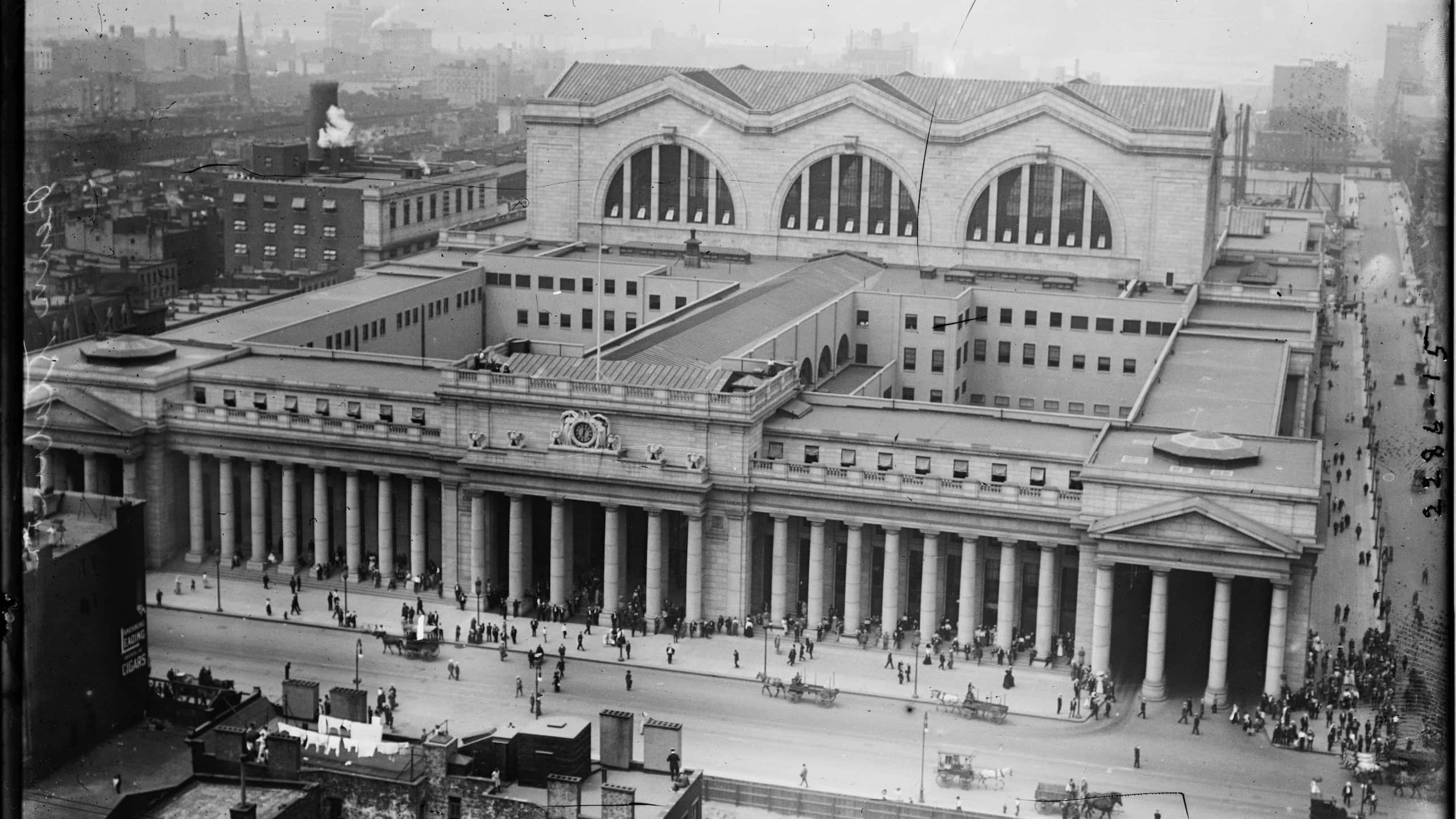
Old Penn Station in New York City was something that probably wouldn’t get built today, since it was more than a simple train station with some nice trim. No, it had a Roman-style waiting room, granite, Doric columns, the whole works, all for a train station.
Financial problems during the 1960s signaled the end of this incredible structure, as the Pennsylvania Railroad company was forced to sell off the land above the station. The demolition process started in 1963 and finished in 1966, when most of the original station was gone.
Stitches in the skyline
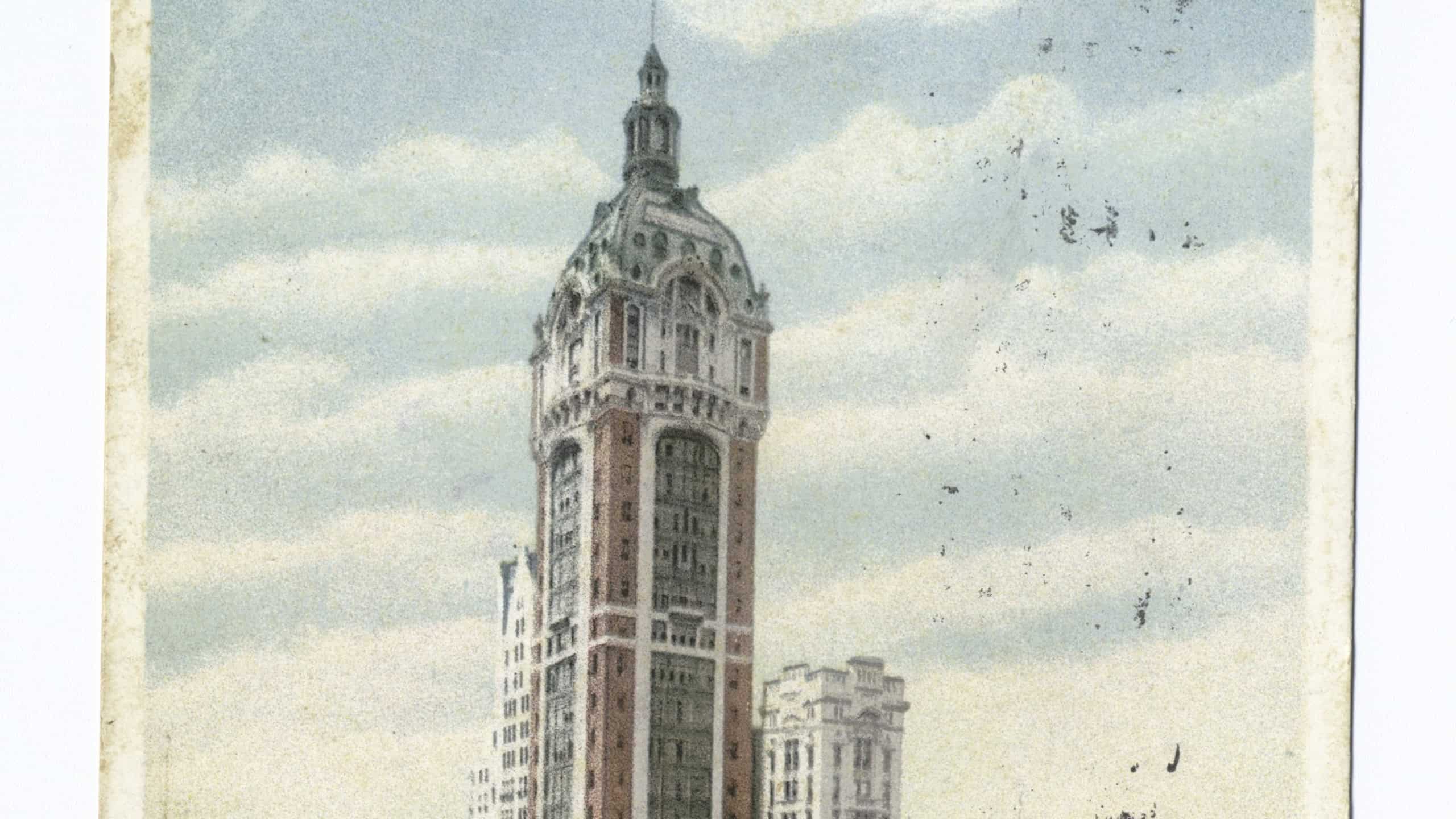
The Singer Building. Sounds like a cute building, but it really wasn’t, as it was much bigger than that and towered at around 612 feet over Lower Broadway. It was an office building that featured a slim tower and a pretty fancy marble-and-bronze lobby, designed by Ernest Flagg.
Unfortunately, the Singer Manufacturing Company moved uptown during the ‘60s, and didn’t bother protecting their building as a landmark. It was demolished in 1967, replaced by One Liberty Plaza, a building we can all agree doesn’t look anywhere near as good.
Brick kept its secrets
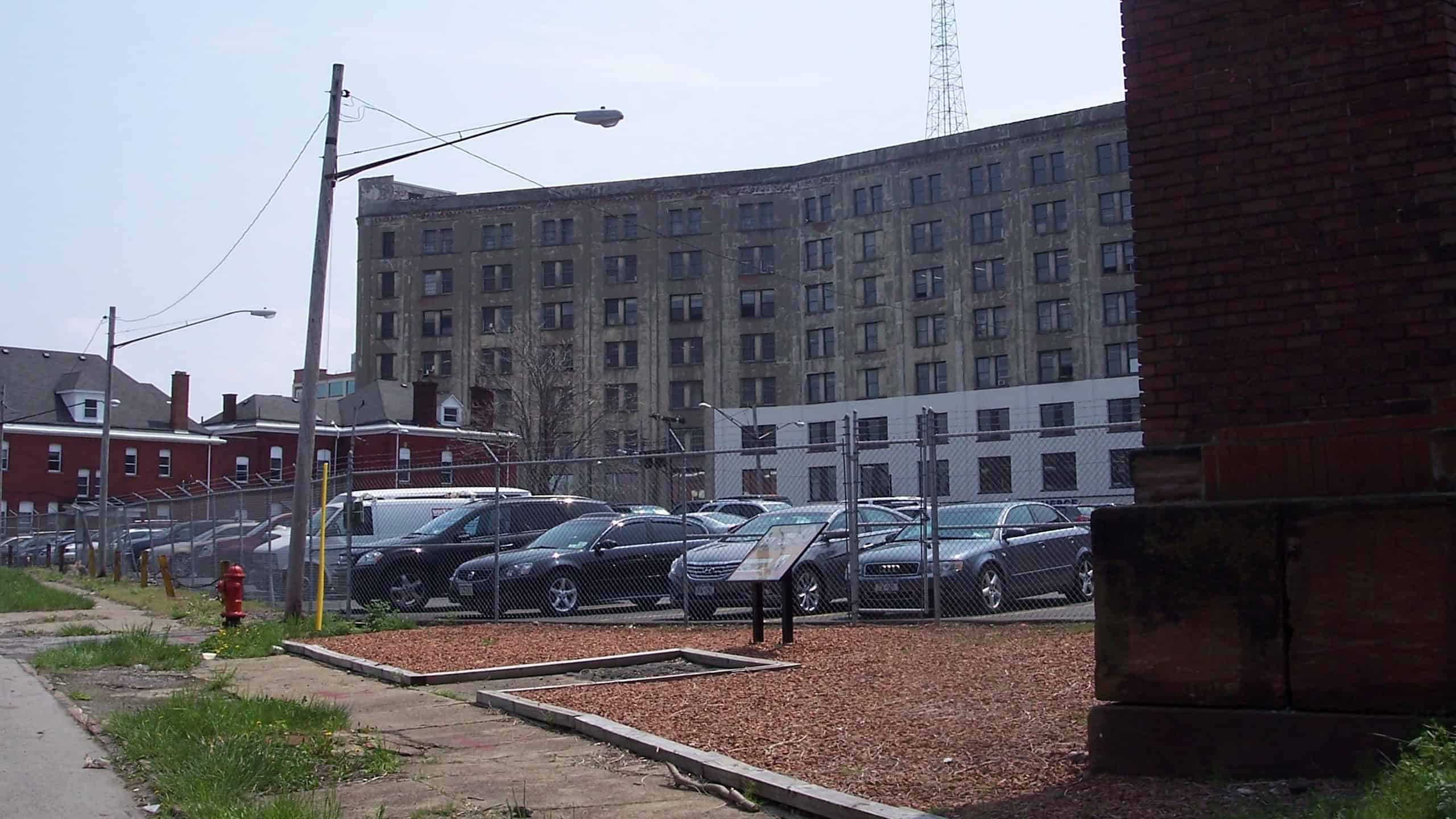
Frank Lloyd Wright’s Larkin Administration Building in New York was one of his greatest architectural accomplishments. Not because it was beautiful, it was the opposite, but because it was stubborn in how much it refused to conform.
Built-in desks? Air conditioning? Radiant heat? Glass doors? Those weren’t the norm for 1900s office life, and the building was seriously ahead of the time. But the building fell into disrepair during the 1940s, leading to its total demolition in 1950.
Two numbers on the skyline
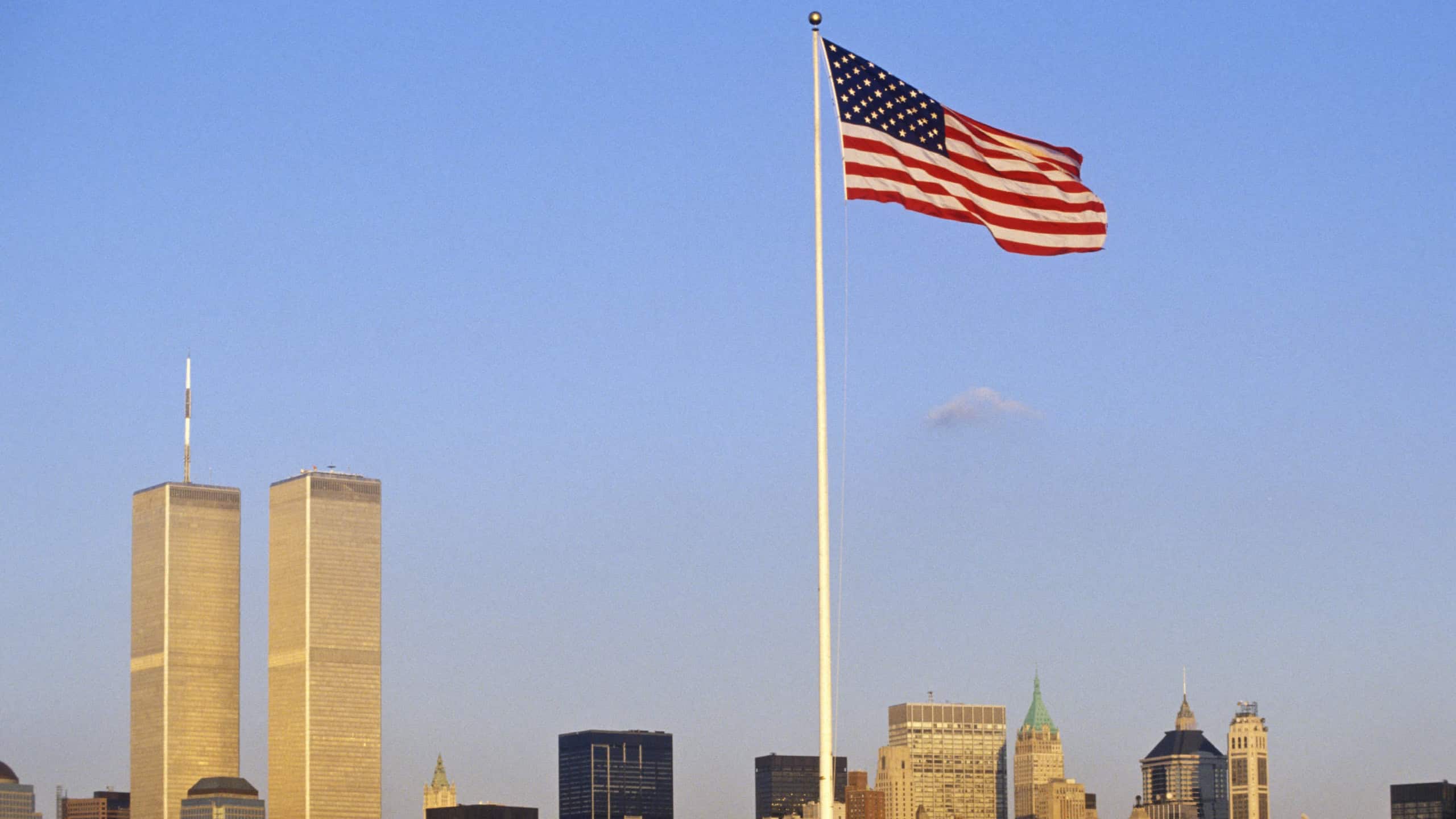
It’s no secret what happened to the Twin Towers, everyone around the world knows the tragic story. Each tower was 110 stories, and the North Tower was the slightly taller of the two, until September 11, 2001.
Hijacked planes destroyed both towers and caused them to collapse, taking away two of the most iconic landmarks in the world. Nearly 3,000 lives lost, all in a single morning.
Smoke near the gardens
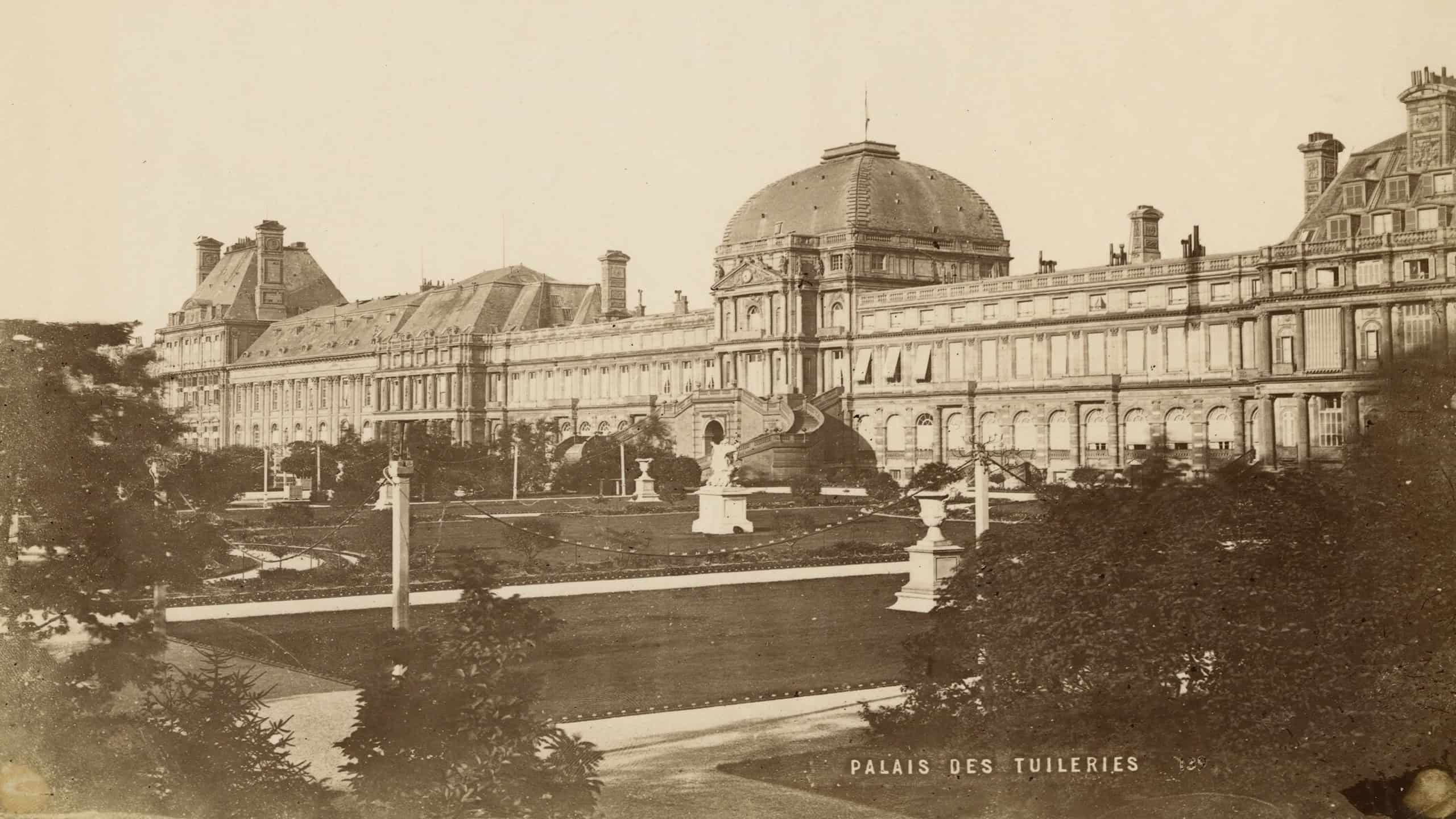
It’s not like the Tuileries Palace was hidden away or anything, it was right next to the Louvre gardens, and French rulers used it for centuries. They just rebuilt it over time. That is, until the 1871 Paris Commune led to the Palace being set on fire, and barricades delayed firefighters.
The fires burned for two days straight. It doesn’t take a genius to work out what happened next. The roof, the interiors, everything was gone, although the outer walls did stay standing for a short time after. But the Palace itself was gone.
Someone got an invitation

That’s not all for France, as the Château de Marly was a site where kings like Louis XIV went when the Palace of Versailles wasn’t private enough for them. It had a single royal pavilion in the middle and twelve smaller ones for invited guests, the key word being ‘invited.’
Marly was built as a place that only some people could visit. But only while there was a monarch, because when the French monarchy fell, so did the building itself, gradually getting demolished during the early 1800s.
Room for almost anything
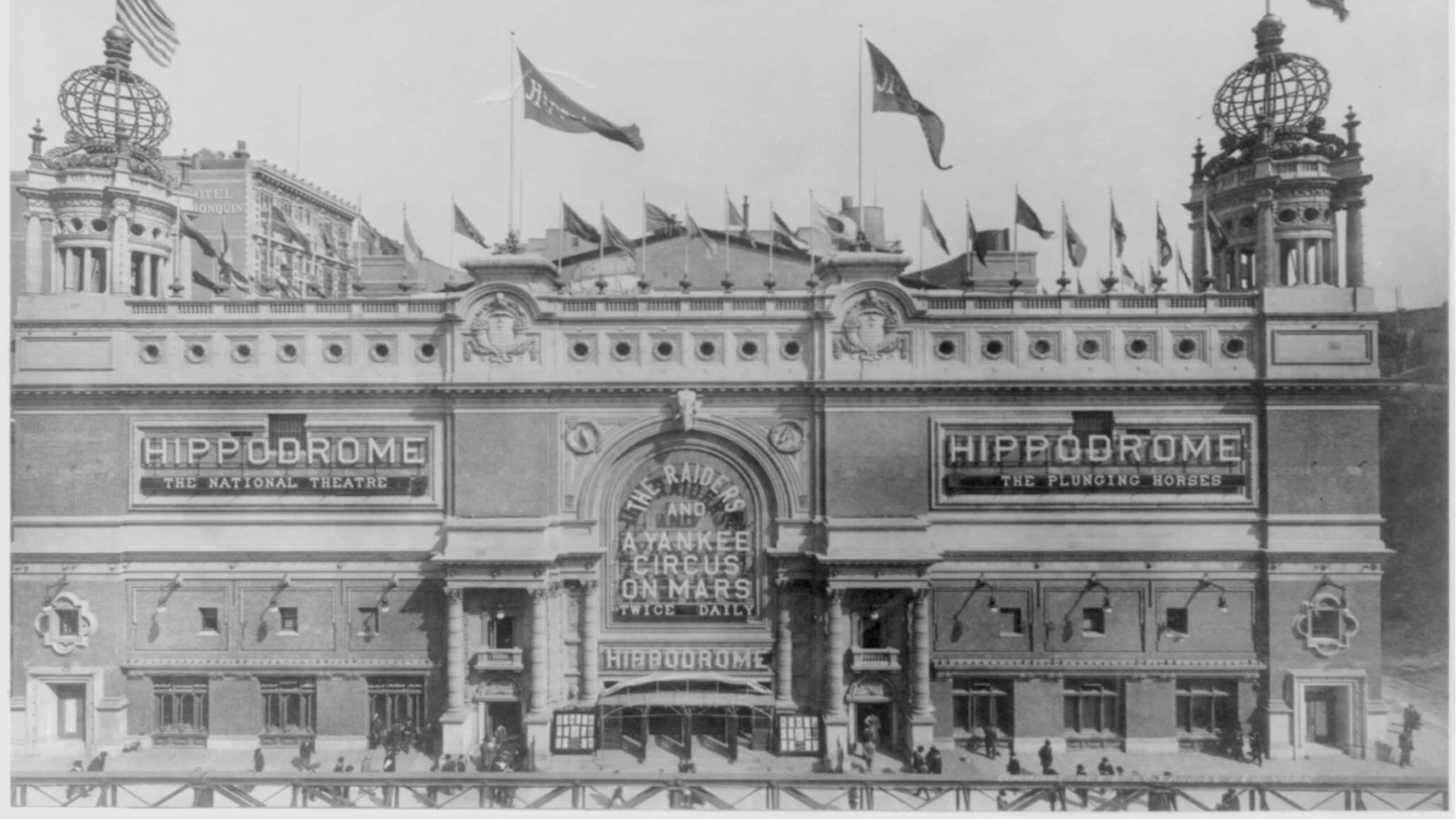
The New York Hippodrome was like a test of how many people can fit into a theater, truth be told. It was on New York’s Sixth Avenue, between 43rd and 44th Streets, and could host all sorts of events. Pageants, opera, vaudeville, sports, you name it, it could hold them.
It was one of New York’s biggest entertainment rooms. But then land values increased, then tastes changed, then came demolition in 1939. Such a big place faced an incredibly blunt ending, never to be replaced.
Peacock Alley moved uptown
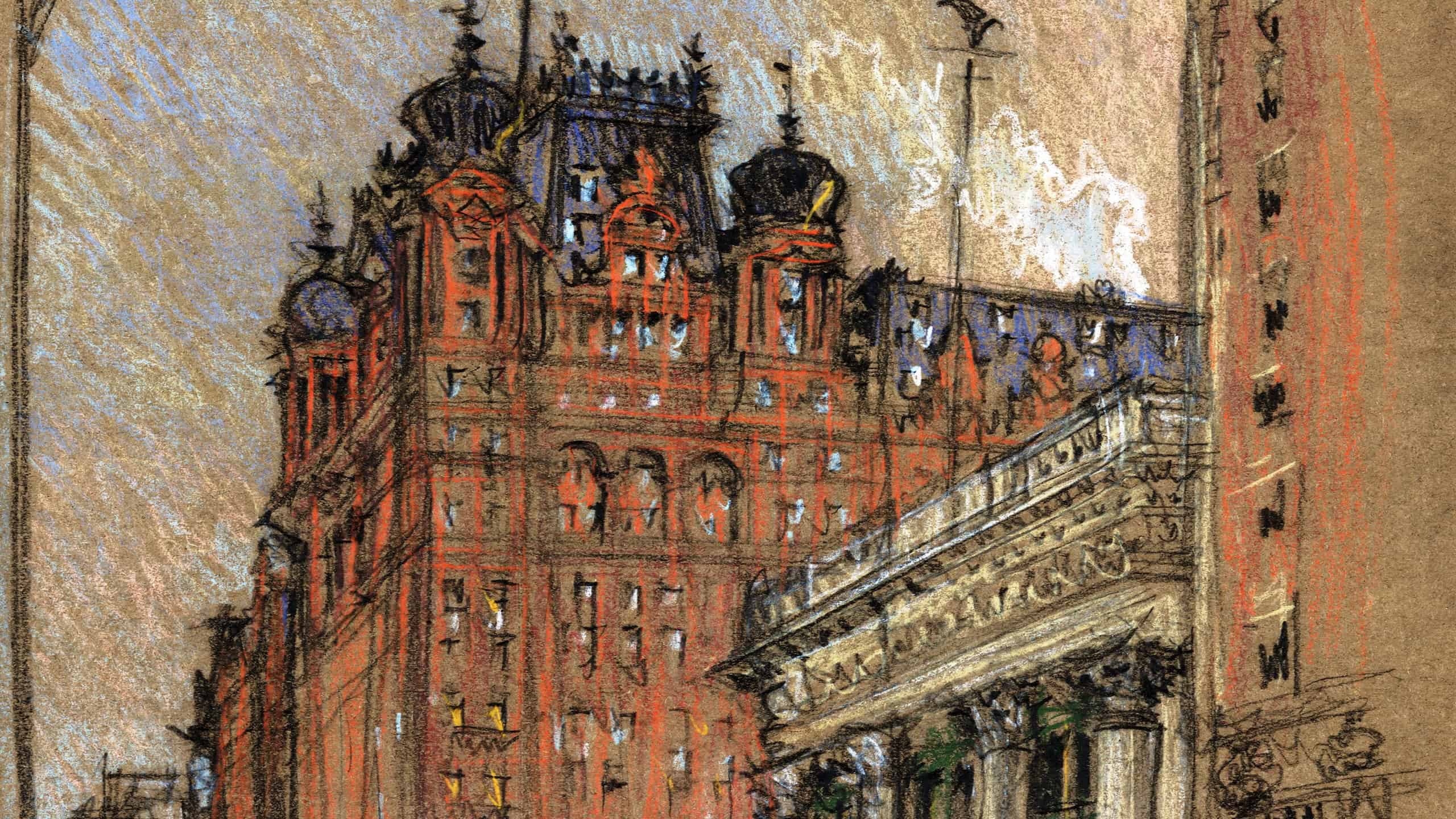
It’s hard to imagine today, but there was a time before the Empire State Building took the corner. The Waldorf Hotel owned Fifth Avenue and 33rd Street. When the Astoria opened next door at 34th Street, they were joined to become the original Waldorf-Astoria, an unstoppable force.
It sadly wasn’t meant to be because the land was too valuable for the old hotel setup during the 1920s, so the building was torn down. The company did open a new Waldorf-Astoria on Park Avenue in 1931, sure, but it wasn’t the same thing.
Concrete came down in stages
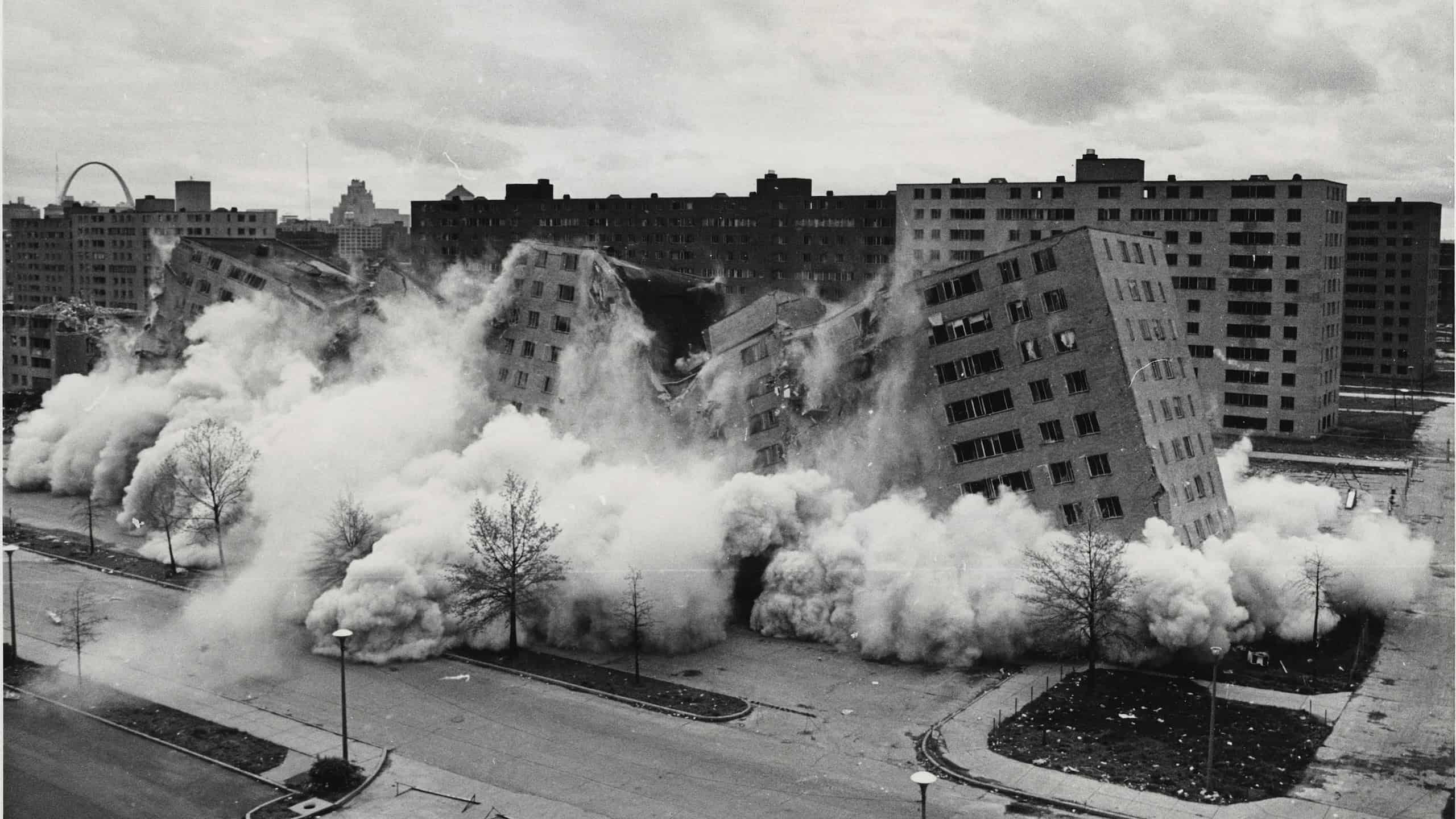
St. Louis, Missouri, had some big dreams in the ‘50s, starting with 33 eleven-story apartment blocks called Pruitt-Igoe. These blocks housed thousands of residents. But then came the early 1970s, and parts of it were badly run-down, to the point where it had to come down.
On April 21, 1972, crews demolished the first three buildings using explosives, and they brought the rest of it down later. The final few buildings were utterly destroyed by 1976.
Diana watched from above
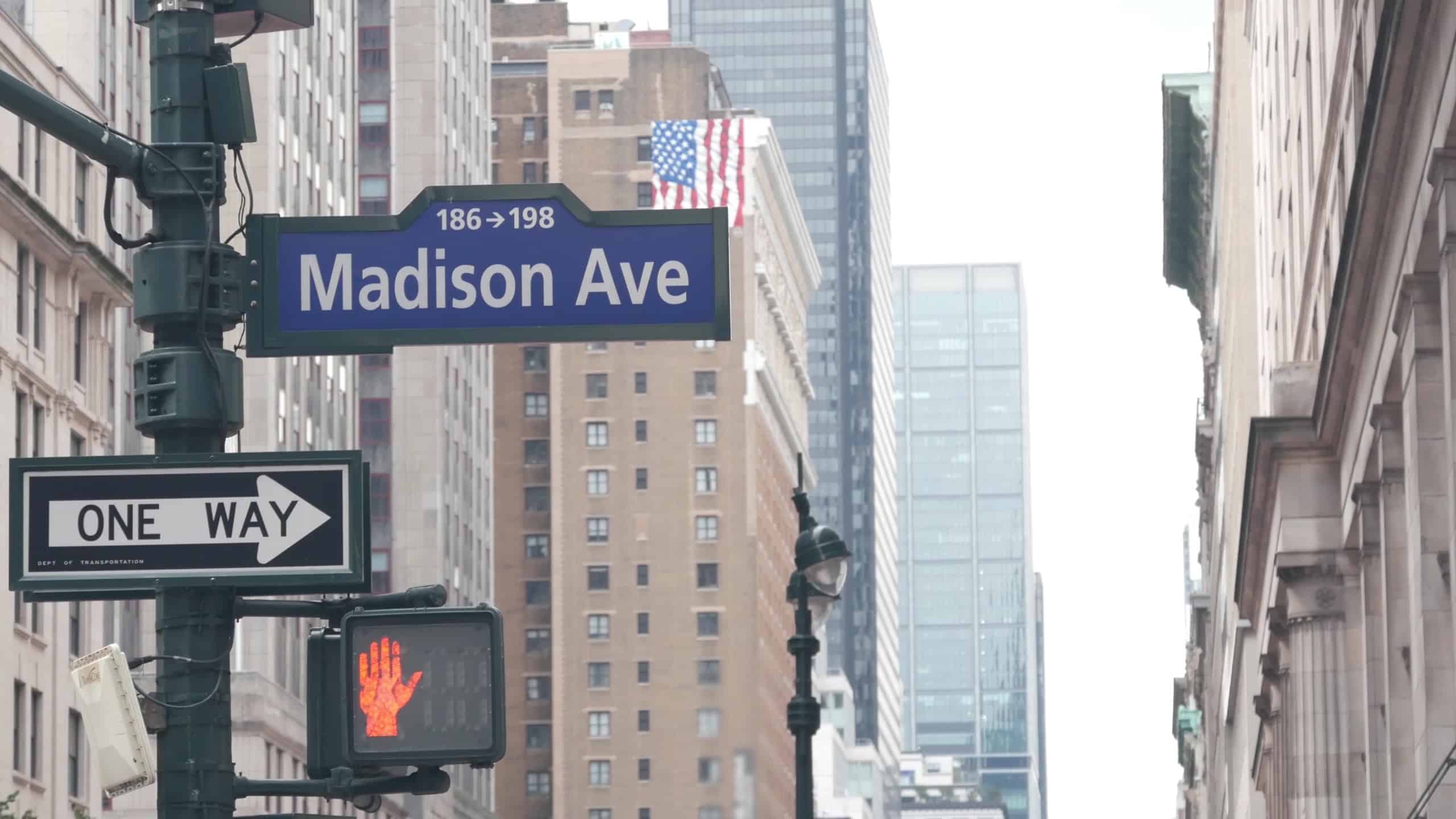
It wasn’t that Diana. Stanford White’s Madison Square Garden opened in 1890 at Madison Avenue and 26th Street, although it wasn’t the Madison Square Garden everyone knows today. It still had some great facilities, though.
Big indoor arena, a roof garden, a tower, and, of course, a famous statue of the Roman goddess Diana up high. It was actually the largest amphitheater in America at the time. So what happened? Money issues, really, although the Garden’s legacy continued.
Boxes that never swapped
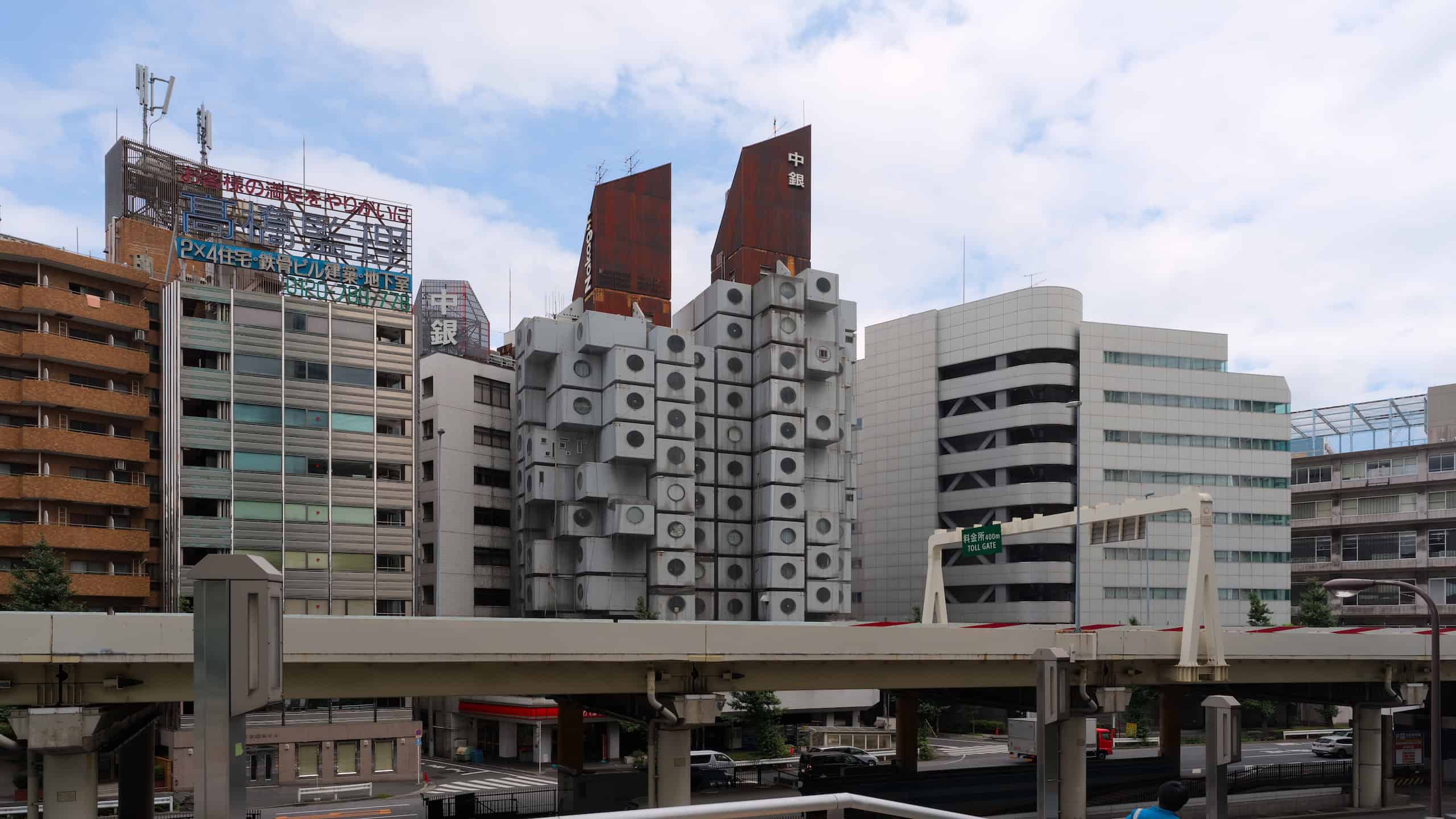
Anyone who’s been to Ginza, Tokyo, knows that space is practically nonexistent. Still, Nakagin Capsule Tower was built there in 1972, featuring 140 capsules fixed to two main cores and so much more. The capsules were meant to be replaced every 25 to 35 years.
That never happened. All sorts of problems occurred instead, including rust and asbestos, along with ownership arguments and issues with building rules. The entire thing was demolished in 2022, and it ended up being more of a dream than anything.
Gold on Flower Street
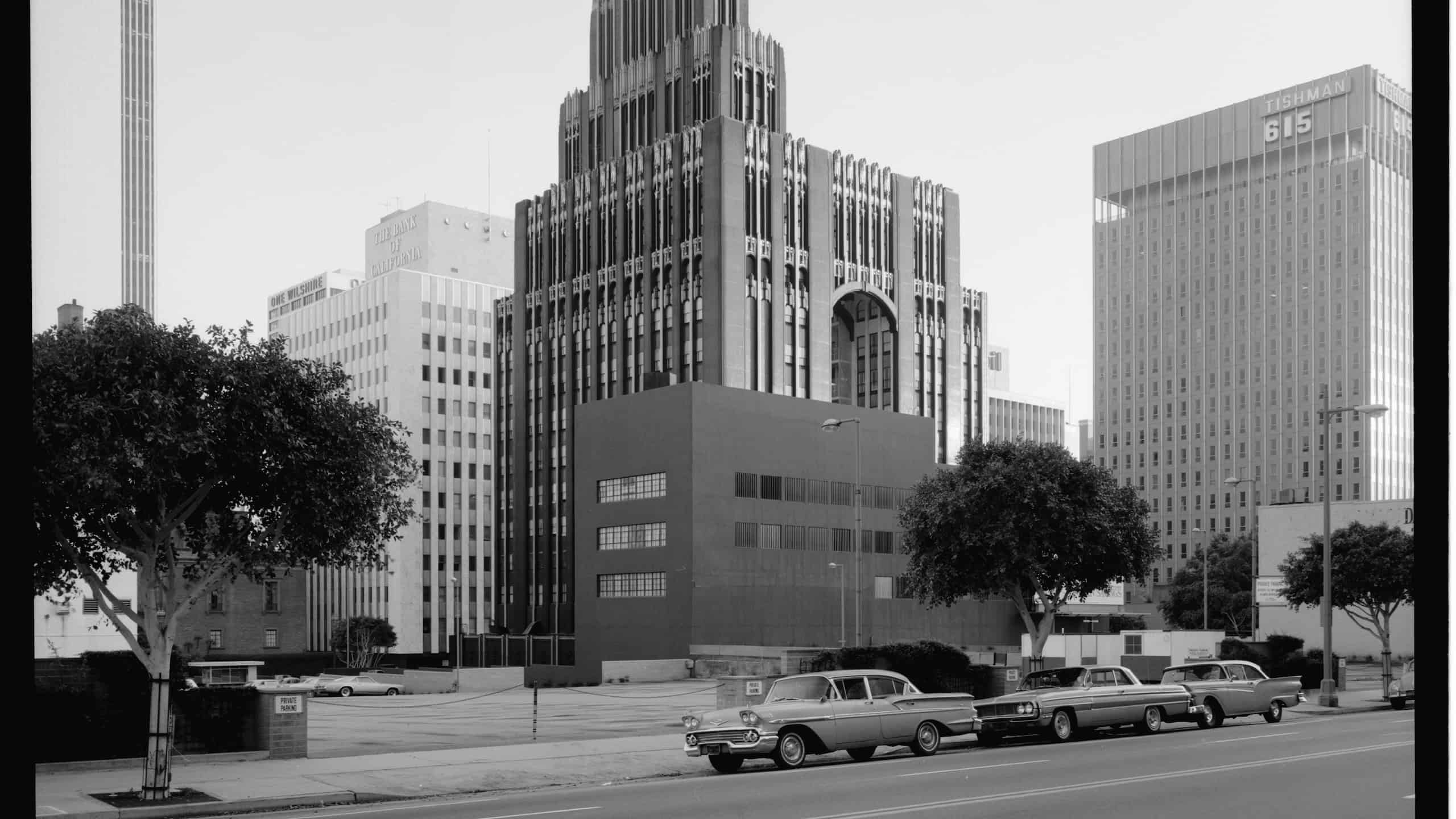
The Richfield Oil Building was built in downtown Los Angeles around 1929 and immediately caused disruption. It’s not hard to see why, with black terra-cotta, gold trim, and a 125-foot neon oil derrick sign on the roof, thanks to it being Richfield Oil’s headquarters.
The 1960s came with a very different expectation for the site, though, because the company became too big for the building. Demolition of the building site began in November 1968, and by 1969 it was gone, completely.
Sources: Please see here for a complete listing of all sources that were consulted in the preparation of this article.
12 countries that no longer exist

They might’ve ended with a vote, they might’ve ended with a treaty, but either way, you’d be surprised at how many countries have stopped existing.


