
They might’ve ended with a vote, they might’ve ended with a treaty, but either way, you’d be surprised at how many countries have stopped existing.
Gone by a four-power order
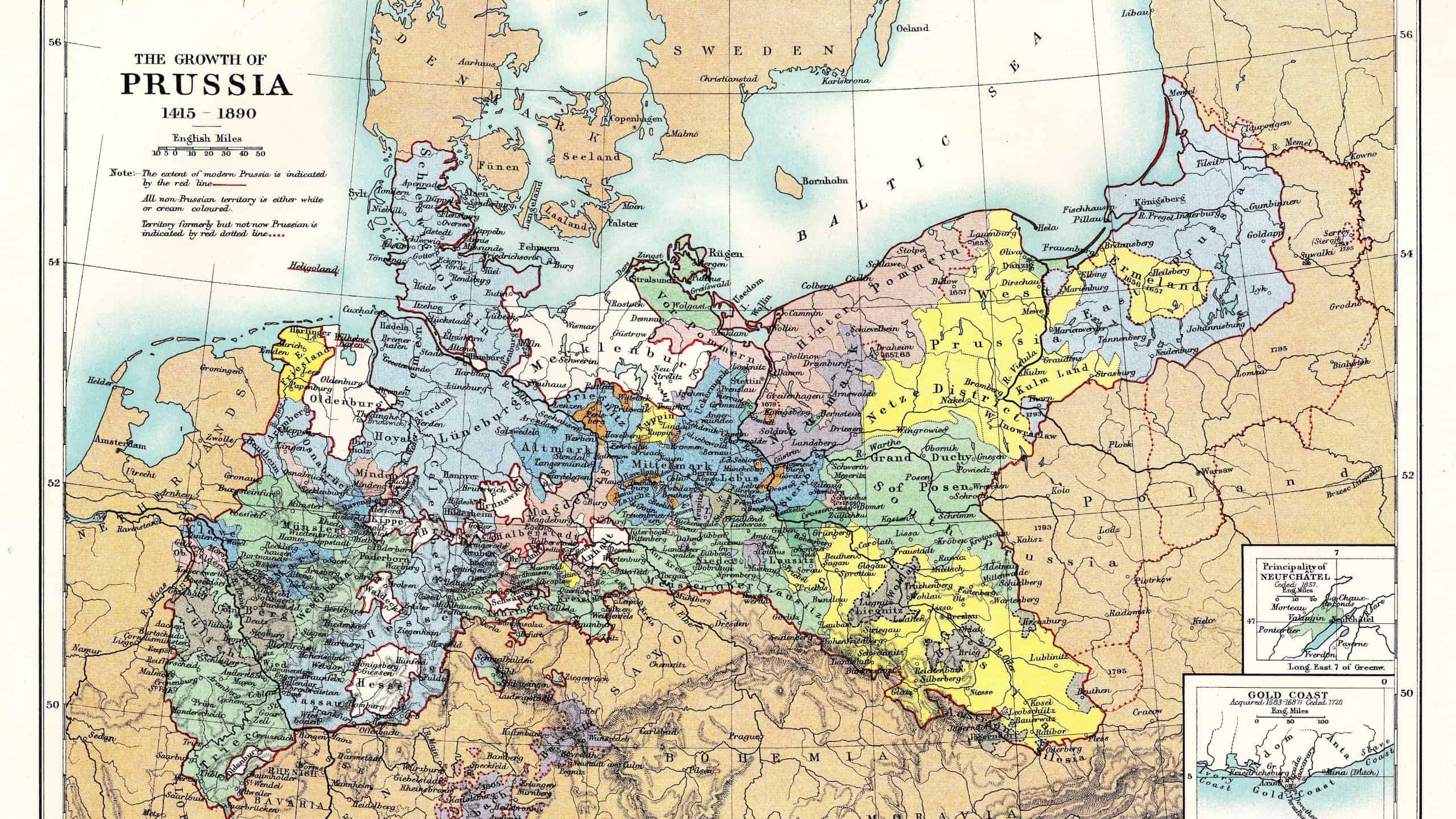
You might think Prussia sounds like an ancient country. Turns out, its ending was relatively modern, and it came about after the end of World War II. The Allied Control Council decided the country wouldn’t exist anymore and issued Law No. 46 establishing that.
They officially shut down the Prussian central government and agencies, essentially cleaning up everything that had been left behind after the war. A lot of land had already been rearranged or lost, so it made sense.
A union with two capitals in mind
In 1958, Egypt and Syria decided that they would unite as one country under Gamal Abdel Nasser, becoming the United Arab Republic (UAR). But it didn’t take long for things to go wrong. Namely, the day-to-day politics caused a lot of problems for each country.
Syria left after a coup in 1961, gaining separate membership from Egypt in the United Nations, while Egypt itself kept the UAR seat and name. That was really just a formality, though, because the union was over, just after three years. Egypt became the Arab Republic of Egypt in 1971.
A midnight goodbye
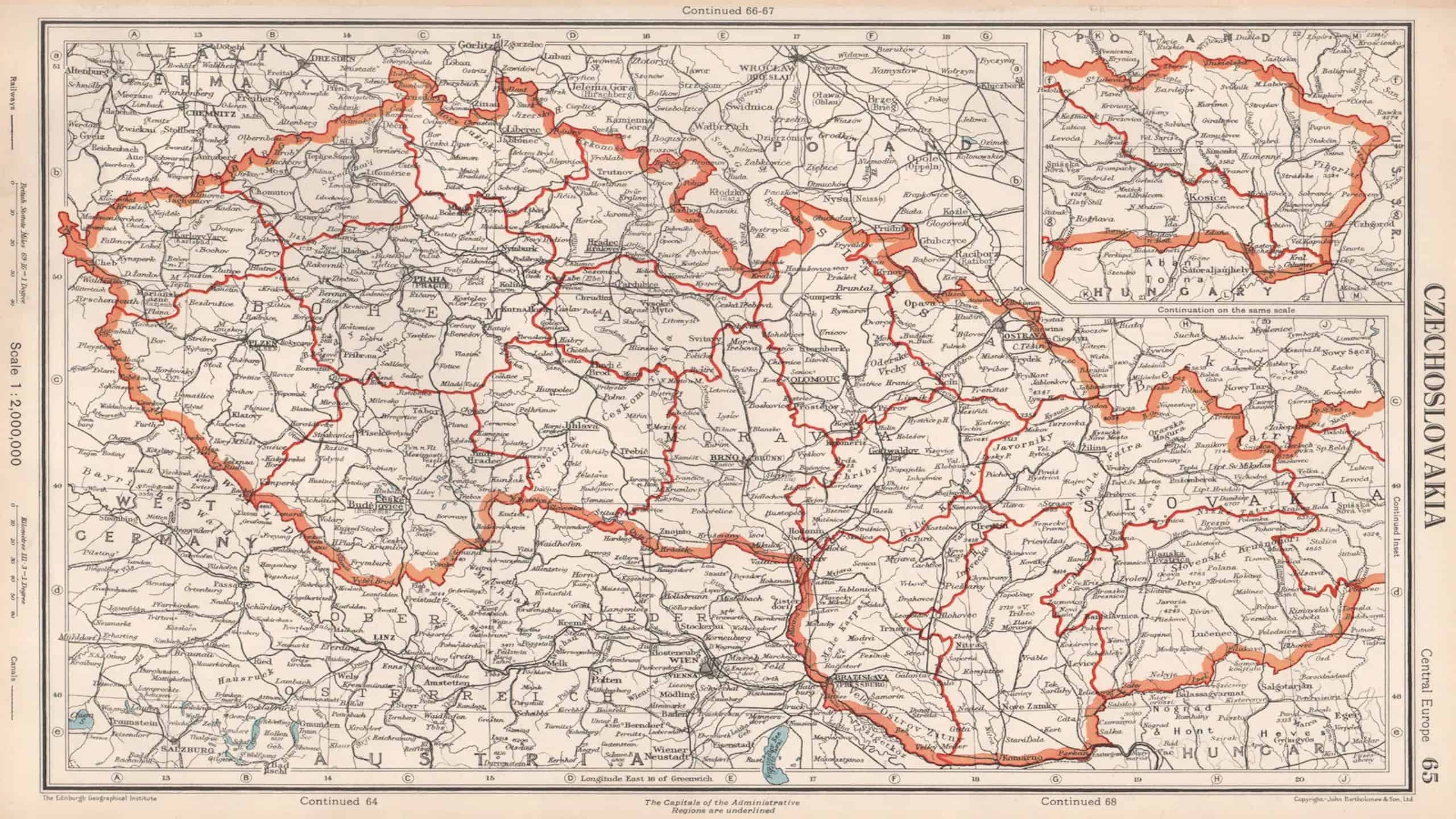
Czechoslovakia is one of the few countries that actually scheduled its own exit, rather than disappearing out of the blue. In 1992, elections took place across the country, with the Czech and Slovak leaders ultimately being unable to decide what to do.
Could they keep the federation together? They couldn’t figure it out, so they decided that the country would be divided into two countries in 1993. They became the Czech Republic and Slovakia as we know them today.
The flag came down
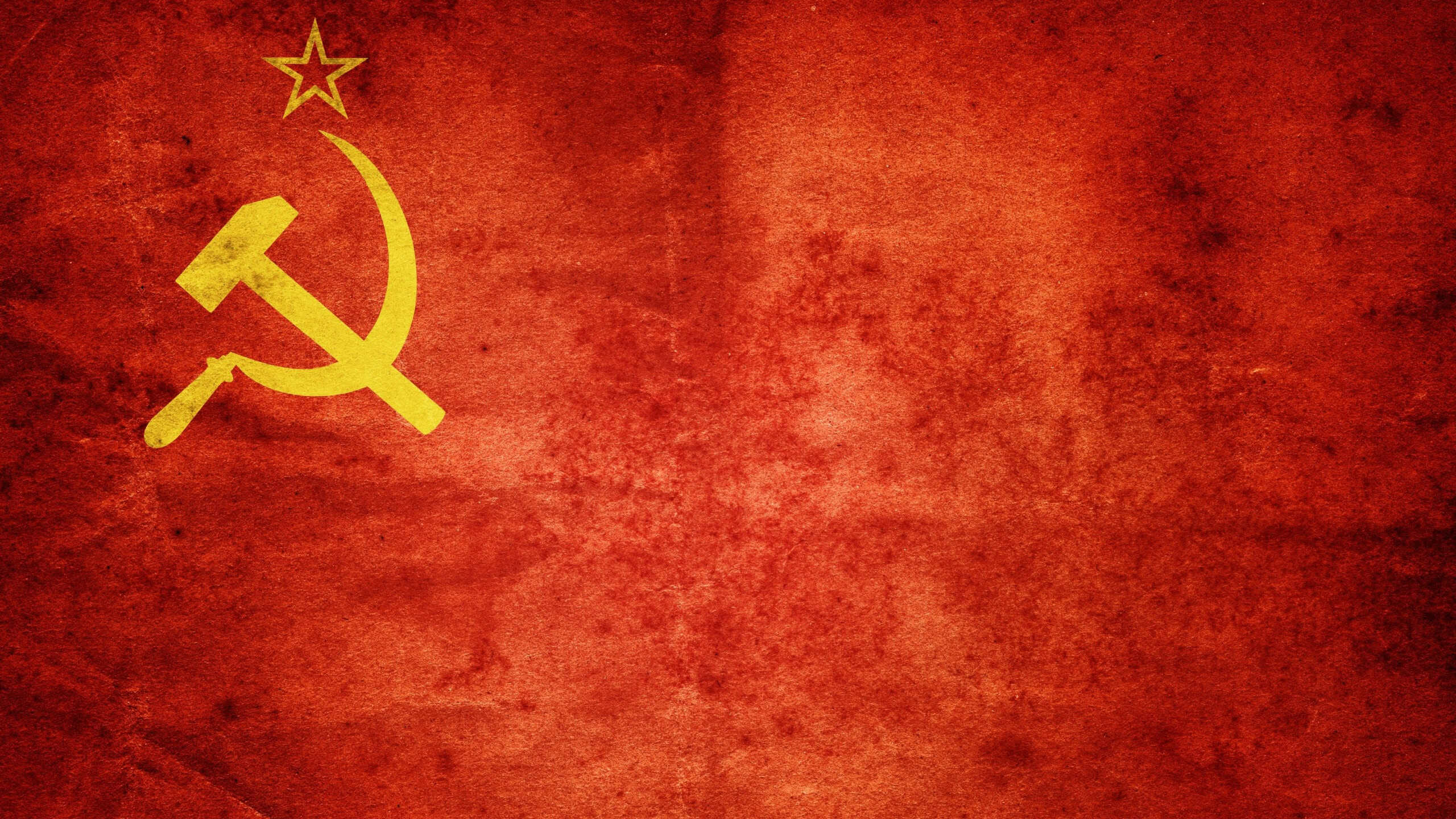
By the start of 1991, the Soviet Union was on its last legs, and then in December, it collapsed. Russia, Ukraine, and Belarus signed the Belovezha agreement on December 8th that signaled the end of the USSR. Other countries then joined the Commonwealth of Independent States.
Christmas Day was when President Mikhail Gorbachev resigned, and the next day, the Soviet flag came down over the Kremlin. It’s not like the USSR disappeared overnight, but it did finally stop pretending it was holding onto anything.
A name that ran out
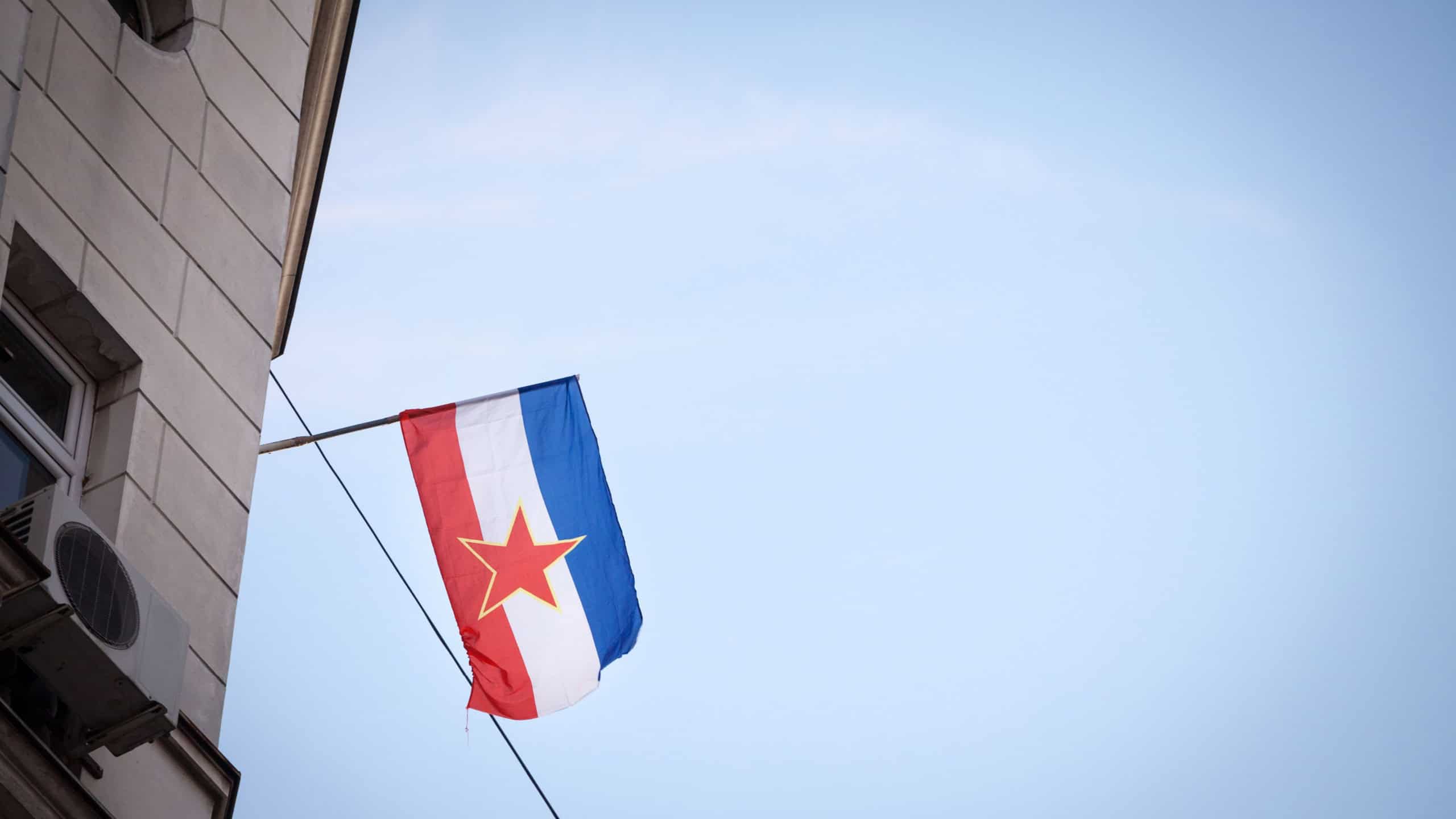
Yugoslavia is another country that fell around the collapse of the USSR. During the early 1990s, Slovenia, Croatia, Bosnia and Herzegovina, and Macedonia left the Socialist Federal Republic, yet Serbia and Montenegro continued under the name the Federal Republic of Yugoslavia.
It wasn’t until February 4, 2003, that the country became the State Union of Serbia and Montenegro. But that wasn’t the end. The nation held a referendum in 2006 that finally led to the country splitting into two separate republics, Serbia and Montenegro.
One side joined the other
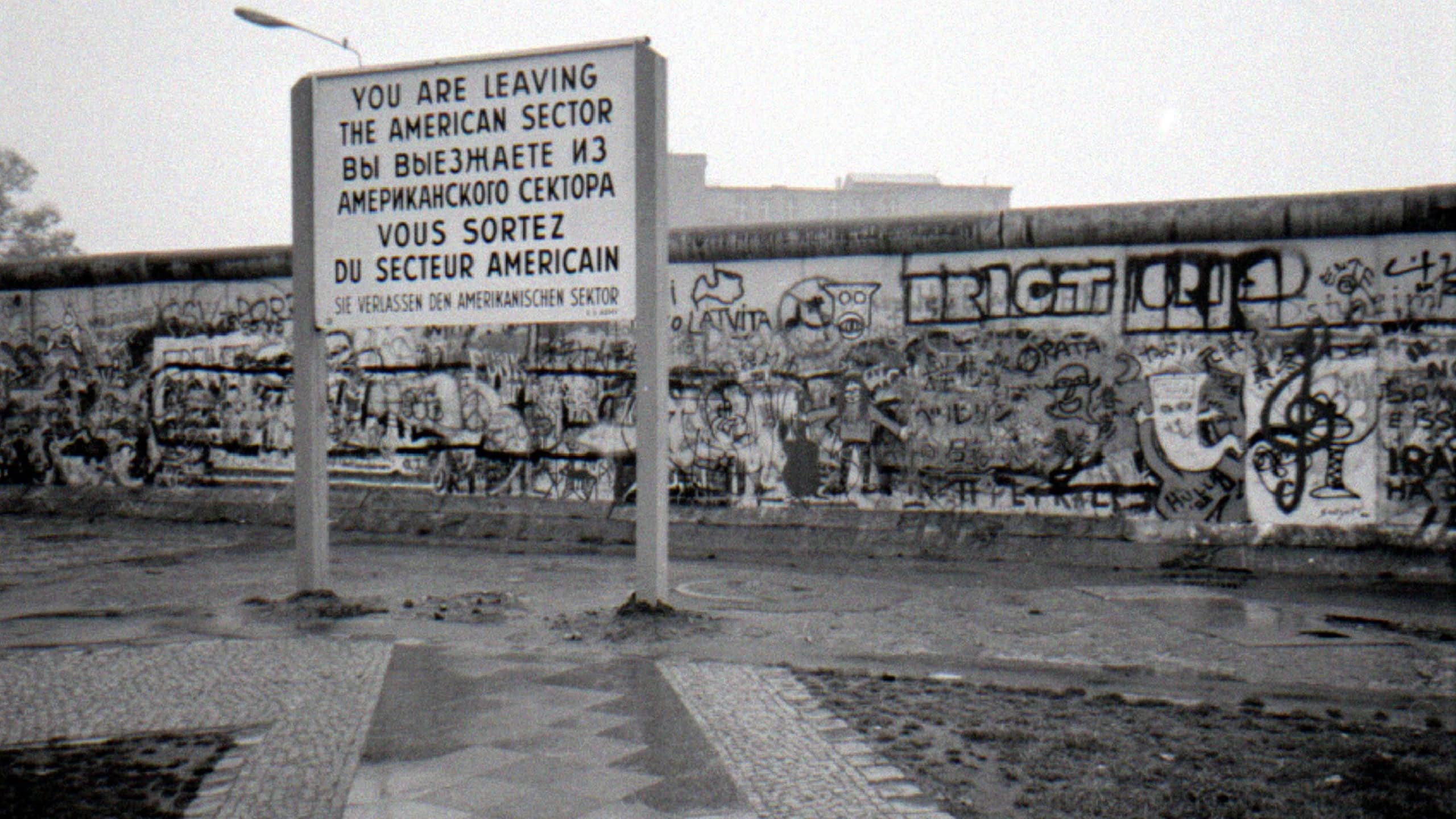
East Germany. It’s probably one of the most famous extinct countries, along with West Germany, and the two nations merged together on October 3, 1990. It’s all thanks to the Unification Treaty.
The Treaty made East Germany’s restored states part of the new Federal Republic of Germany, or as we know it today, Germany. Both East Germany and West Germany were officially one country together.
A palace story with paperwork
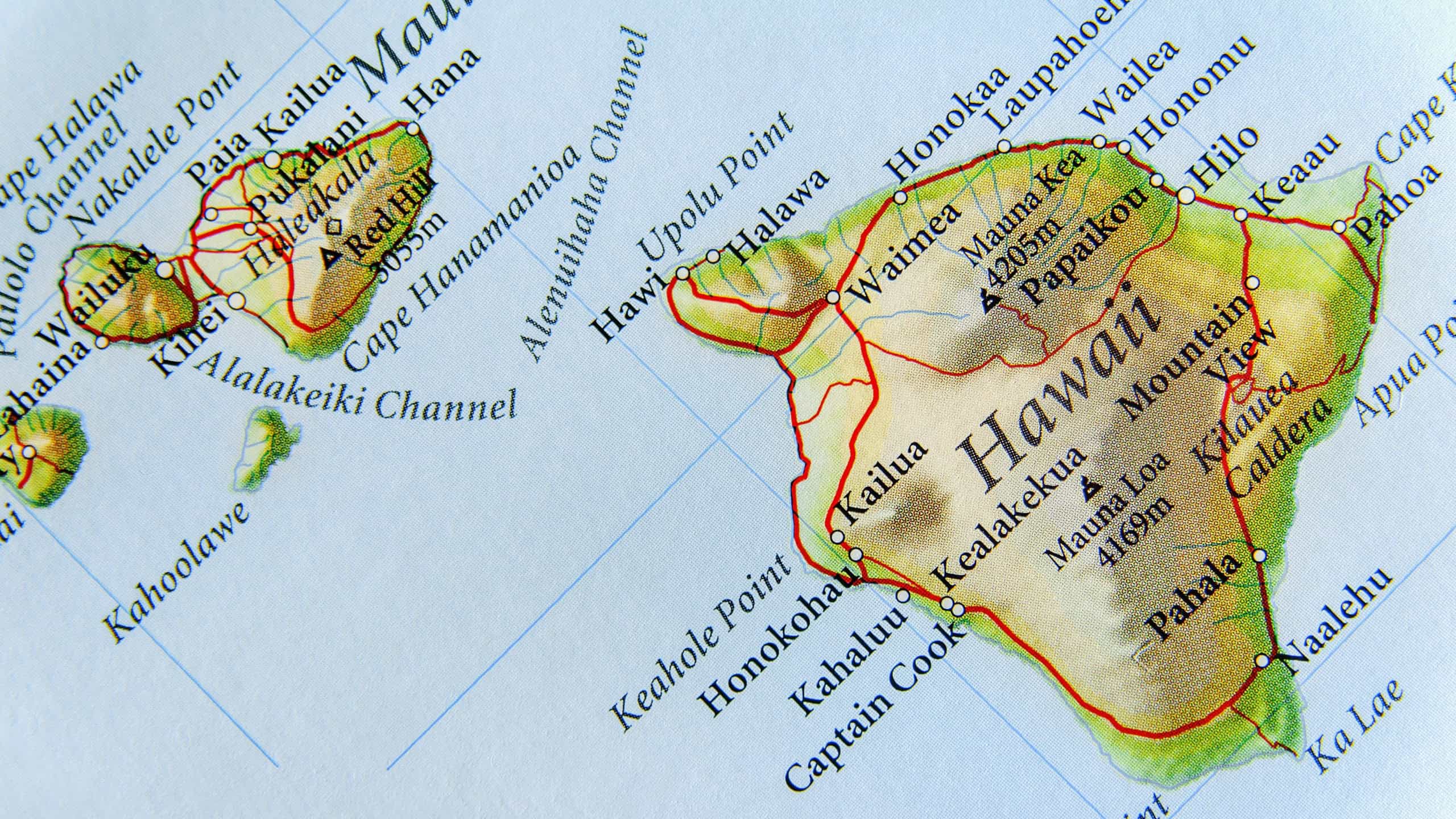
Hawaii was its own kingdom before becoming part of the U.S. Queen Liliʻuokalani was overthrown in 1893 by US-backed forces, and then, the island kingdom got a provisional government.
It became the Republic of Hawaii the following year. But then, in 1898, the United States officially made Hawaii part of the country through the Newlands Resolution, although it was only a territory. It officially became a state in 1959.
A republic becomes a state
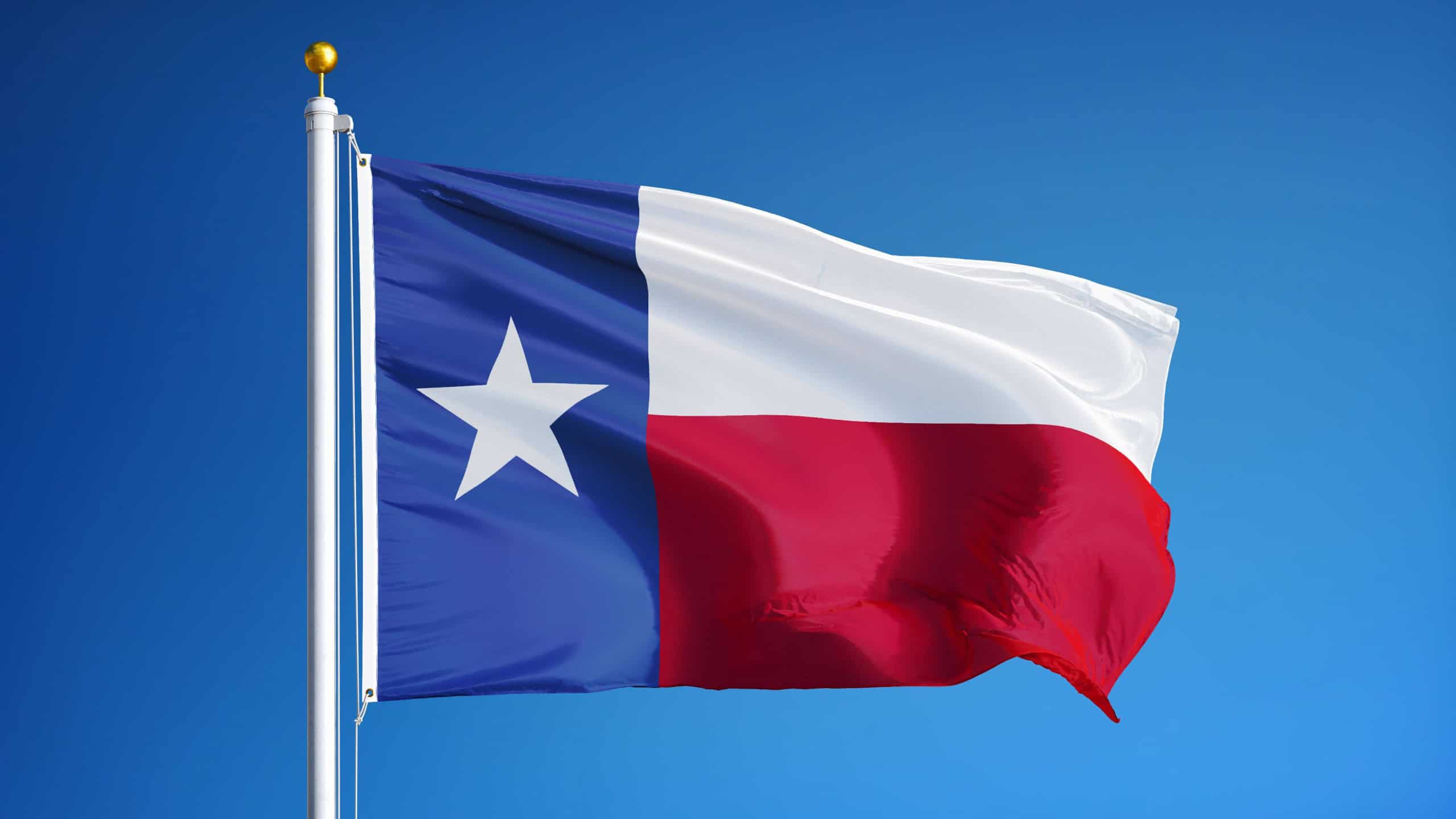
The year was 1836, and the state of Texas didn’t exist because it was its own country. Yes, really. Texas was originally a part of Mexico, but declared itself independent as the Republic of Texas the same year, then desperately tried to join the United States.
That didn’t happen until Congress’s approval in 1846, with Texas officially entering the Union the next year. It’s not like Mexico took that well, though, since it disputed the border for a long time after. Still, there was a time when Texas was a country, neither American nor Mexican.
Bolivar’s big map cracked
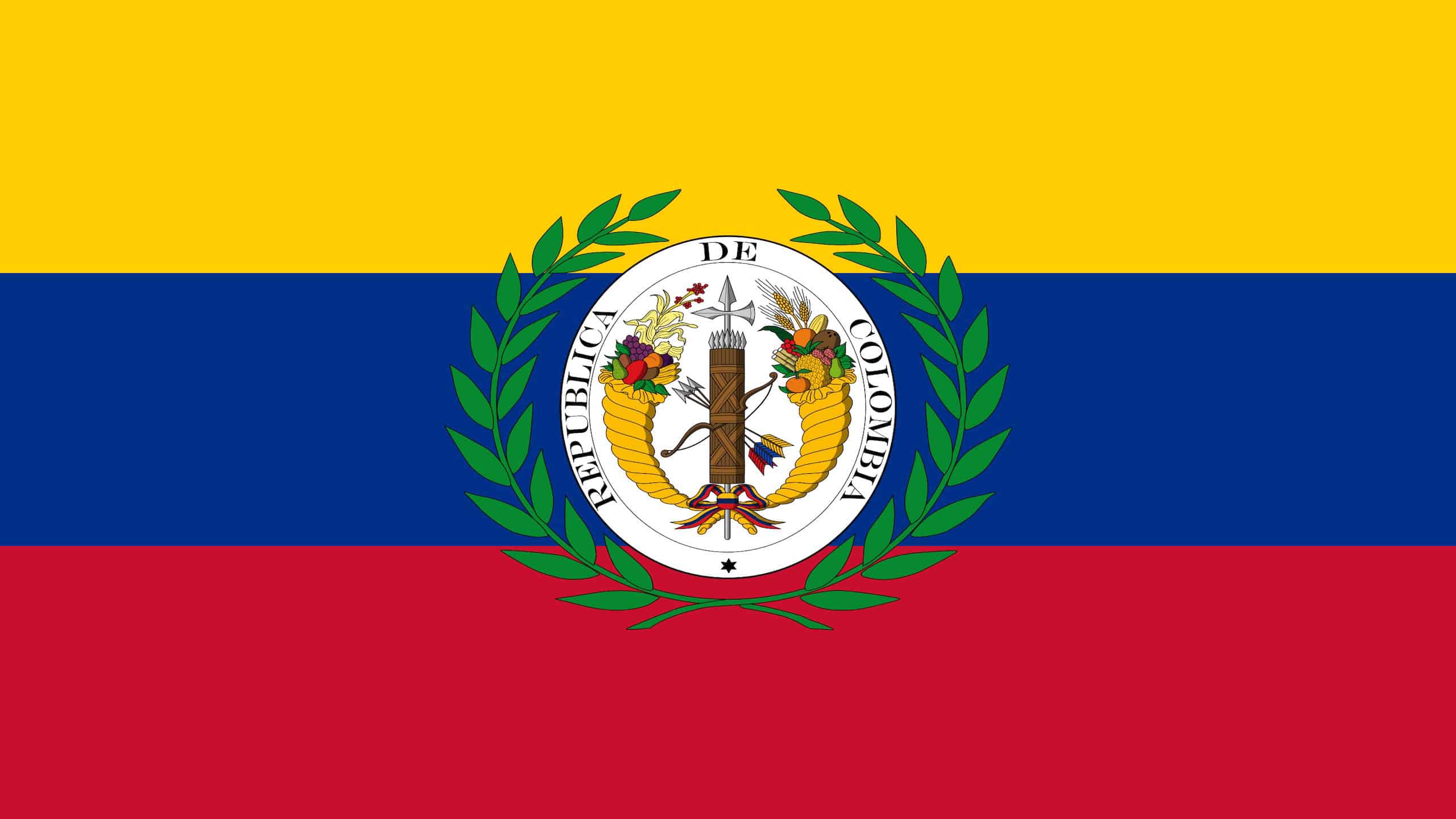
It’s not surprising that the country of Gran Colombia collapsed because, really, there was no way so many countries would be able to stick together. Modern-day Colombia, Venezuela, Ecuador, Panama, and the nearby areas were all together, under one republic.
Venezuela and Ecuador had pulled away by 1830, while Colombia and Panama made up New Granada. That still wasn’t enough, however, and by 1831, Gran Colombia was no more. It took several more decades and name changes for the countries to become what they are today.
A ballot before the border changed
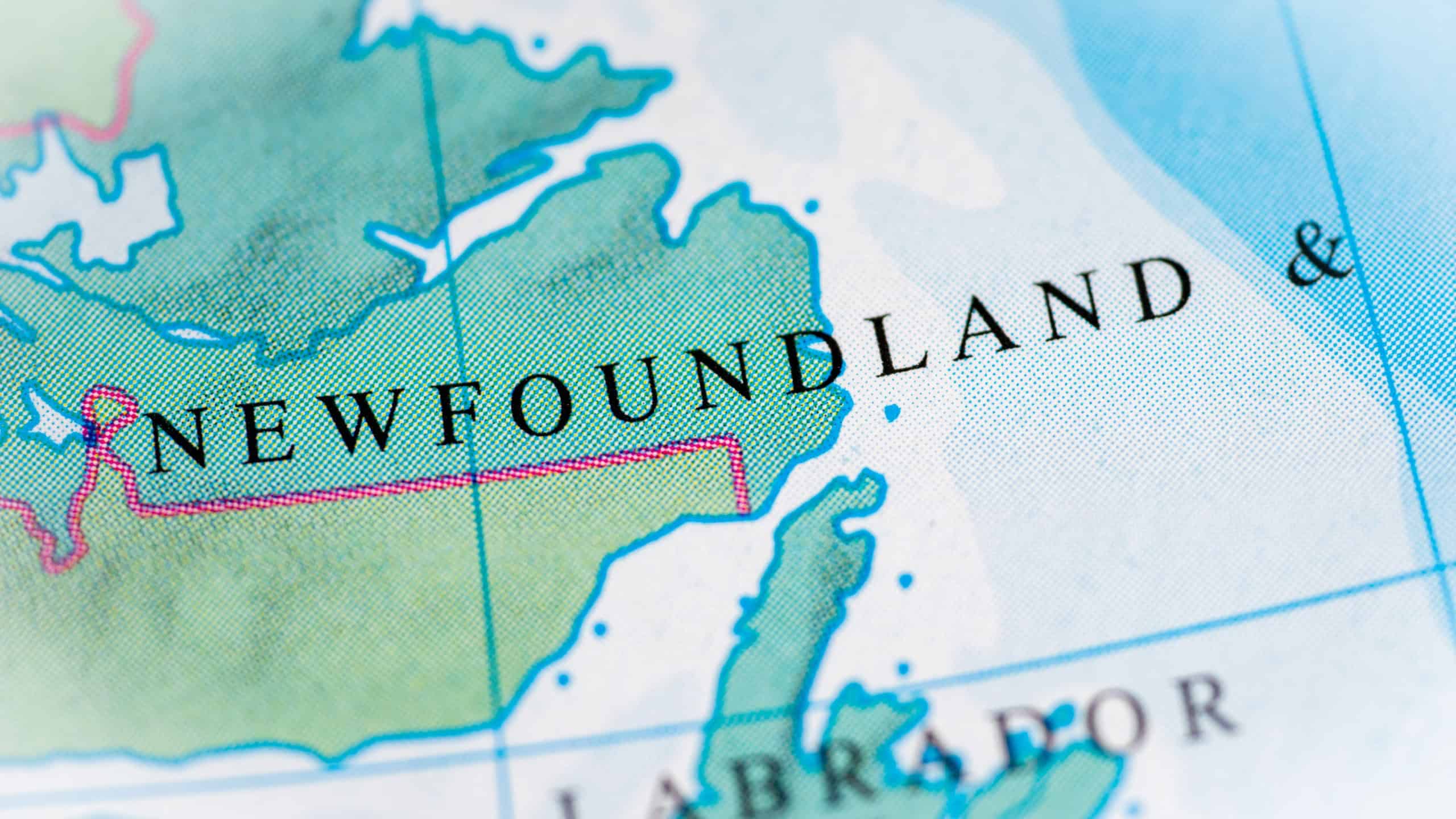
The truth is, it’s not a surprise that Newfoundland decided to become a part of Canada. It was already suffering through some serious financial trouble, so handing over self-government in 1934 made a lot of sense.
But it took until the end of World War II for people to decide what would happen, and only after two referendums. Would it join Canada, stay under British rule, or regain its independence? The people chose the first option, and it did exactly that in 1949.
An island joins the mainland
Zanzibar has probably one of the shortest runs ever for a country. It gained independence from Britain in December 1963, and then the next month, a revolution made it into a new people’s republic. Then, in April, it began signing treaties to become part of Tanganyika.
The two countries joined to make the United Republic of Tanganyika and Zanzibar, but that was a bit of a mouthful, so they changed the name to the United Republic of Tanzania. Tanzania is what most people call it today.
A treaty ended the republic
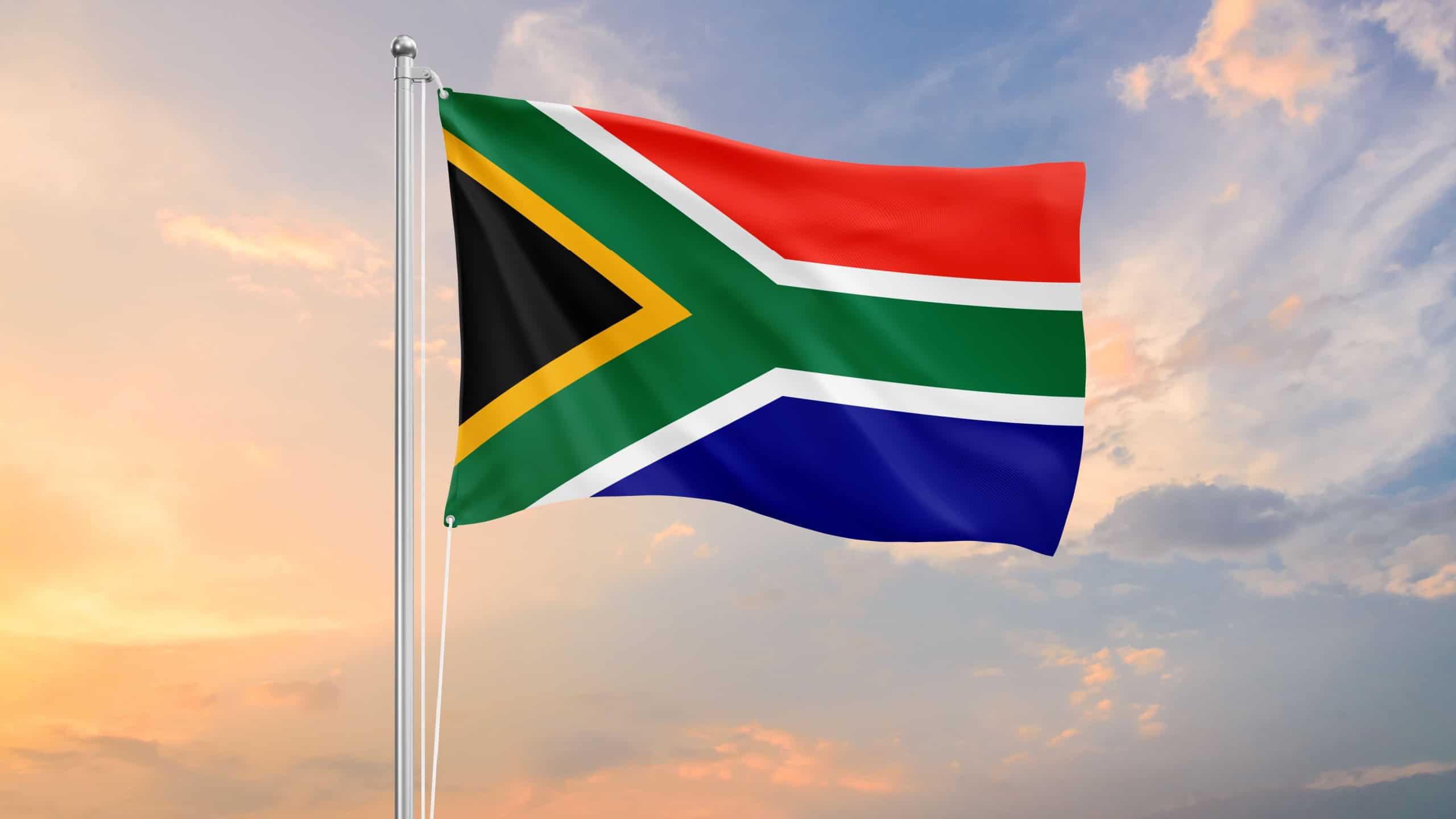
The South African Republic’s ending came after a lot of fighting, sieges, camps, negotiations, everything, really. The country officially ended on May 31, 1902, after leaders signed the Treaty of Vereeniging.
They agreed to lay down arms and recognize King Edward VII as the lawful sovereign. It became part of the British Empire and, after several name changes, it officially became independent as the Republic of South Africa in 1961.
Sources: Please see here for a complete listing of all sources that were consulted in the preparation of this article.

