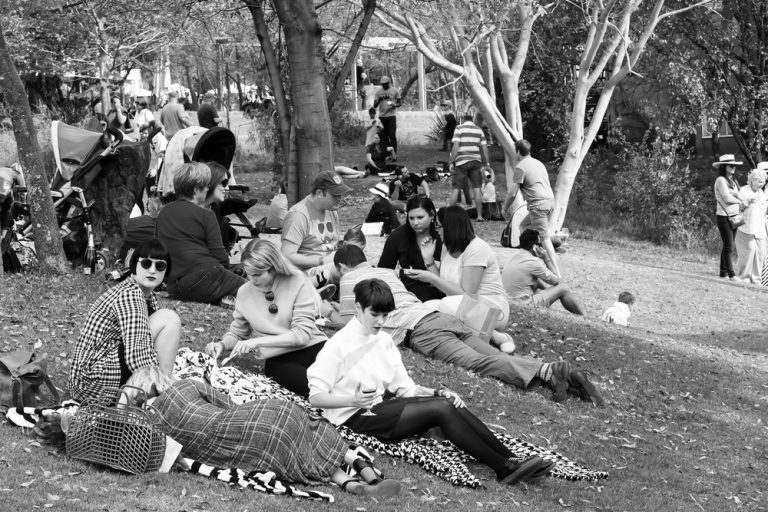

Younger generations may adore 1960s fashion and music, but living through that decade would be another story.
Tobacco smoke

Cigarette smoke was everywhere you went: planes, trains, buses, busy restaurants, offices, etc. There were hardly any non-smoking sections. You couldn’t escape breathing secondhand smoke while running your daily errands. Having clothing that smelled like smoke all the time and sitting indoors with no fresh air was just a part of life.
Physical cash

Cash, paper checks, and trips to the bank during specific hours were how most people did their financial transactions. Credit cards were still very basic; there were no ATMs, and electronic funds transfers were many years away. People had to carry enough cash, keep their paper-ledger-style checkbooks balanced, and budget so they wouldn’t run out of money over the weekend.
Zero on-demand convenience

Uber, GrubHub, and Amazon Prime did not exist. Calling a cab meant flagging down a cab in the rain (or snow) while waiting on a street corner for an available taxi. If you needed laundry detergent, paper towels, or dog food, you had to go to the store that carried what you wanted. There was no online option. If it was closed, you waited until it opened.
Demanding housework routines

Tasks around the house took longer and required more manual labor in the 1960s, even with rudimentary post-war appliances. Laundry typically consisted of machines with manual agitators, hand-wringing wet, heavy towels and drying clothes on an outdoor clothesline rain or shine. With no microwave ovens, robotic vacuum cleaners or meal delivery apps, keeping a house clean and cooking three meals a day was considered a sweaty, full-time job.
Formal daily attire

Casually dressing in public (sweatpants, athleisure, hoodies when running errands, etc.) was considered very inappropriate. Formal slacks, stiff dresses, suits, and leather shoes were the daily attire you had to wear just to run your daily routine.
Keeping up with this appearance left you wearing uncomfortable clothes and doing lots of ironing daily.
Rigid behavioral expectations

Rules about how families should be run, relationships in the workplace, and appropriate public behavior were clearly set and strongly upheld. Behavior that broke from convention or rebellion against authority figures could quickly lead to public criticism, dead-end careers, or shunning.
Everyday life demanded conformity to known etiquette and suppressing individuality.
Manual fact finding

To look up basic facts or historical data, you had to visit the local library, browse multi-volume encyclopedias, or ask your knowledgeable friends. There were no instant answers at your fingertips, so learning involved actually researching and searching library catalogs. If the library didn’t have the book or record you wanted, you didn’t get the information.
Unrefined grocery choices

Grocery stores had a much more limited selection of items (primarily locally grown seasonal items, canned goods, and simple frozen foods). It was extremely difficult to come by specialty diet foods or vegetarian substitutes or even authentic ethnic ingredients unless you lived in a large city and sought out neighborhood specialty shops.
What was available locally and in season pretty much determined what you ate.
Constant unfiltered presence

Life before smartphones, iPods, and personal screens demanded total immersion in the physical world when you were out in public. Waiting in line, riding the bus, or sitting in the doctor’s waiting room involved fully experiencing the minutes dragging by with no distractions.
You were forced to sit quietly with your thoughts or start random conversations with complete strangers. There were no earbuds to block out the rest of the room or a glowing screen to silently hide behind, so public life was much more public.
Basic medical options

OTC medicine and prescription drugs were also much more limited. Many basic procedures were far more painful and took longer to heal.
Colds, dental procedures, or arthritis could mean living in quite a bit of physical pain with very little relief. Personal healthcare involved a great deal of physical misery and tolerance.
Offline communication

When you wanted to communicate with someone in the 60s, you wrote them a letter, called them on a landline phone, or visited their house or office. There were no instant text messages, read receipts, or live location updates. You had to plan ahead and be patient, a lifestyle completely unimaginable to us now.
Having to function in a world where someone could be unavailable for hours or days would drive many youngsters crazy.
Paper-only navigation

Navigation required paper maps, asking for directions at gas stations, or loose paper scraps stuffed in your glove box. Getting lost was common and acceptable. When you lost your way, you had to orient yourself using your spatial skills and a paper map without the courtesy of a synthesized voice to recalculate your route.
You had to pay close attention when you were driving through busy intersections or visiting new cities.
Limited home media

Entertainment was limited; the TV had only three or four television channels that went off the air late at night with a test pattern. If you wanted to listen to certain music, you had to buy an album, or hope your local radio station was playing it. There were no streaming services, digital downloads, or endless social media to waste time away, so you had to fill your downtime with hobbies, books or interacting with others face to face.
Like our content? Be sure to follow us.
10 bizarre rules that controlled teen life in the 1960s

Teen life during the ‘60s involved way more than sock hops and soda fountains, as it also included a lot of rules about ordinary things teens couldn’t do.
