
You might think everything in an American house is rather ordinary. But it’s a different story if you’re in Europe. That’s right, a lot of items we buy without thinking have actually been banned or restricted across the EU & the UK. Here are thirteen household products banned in parts of Europe. Do you have any of these at home?
Featured Image Credit: Shutterstock.
Naphthalene mothballs
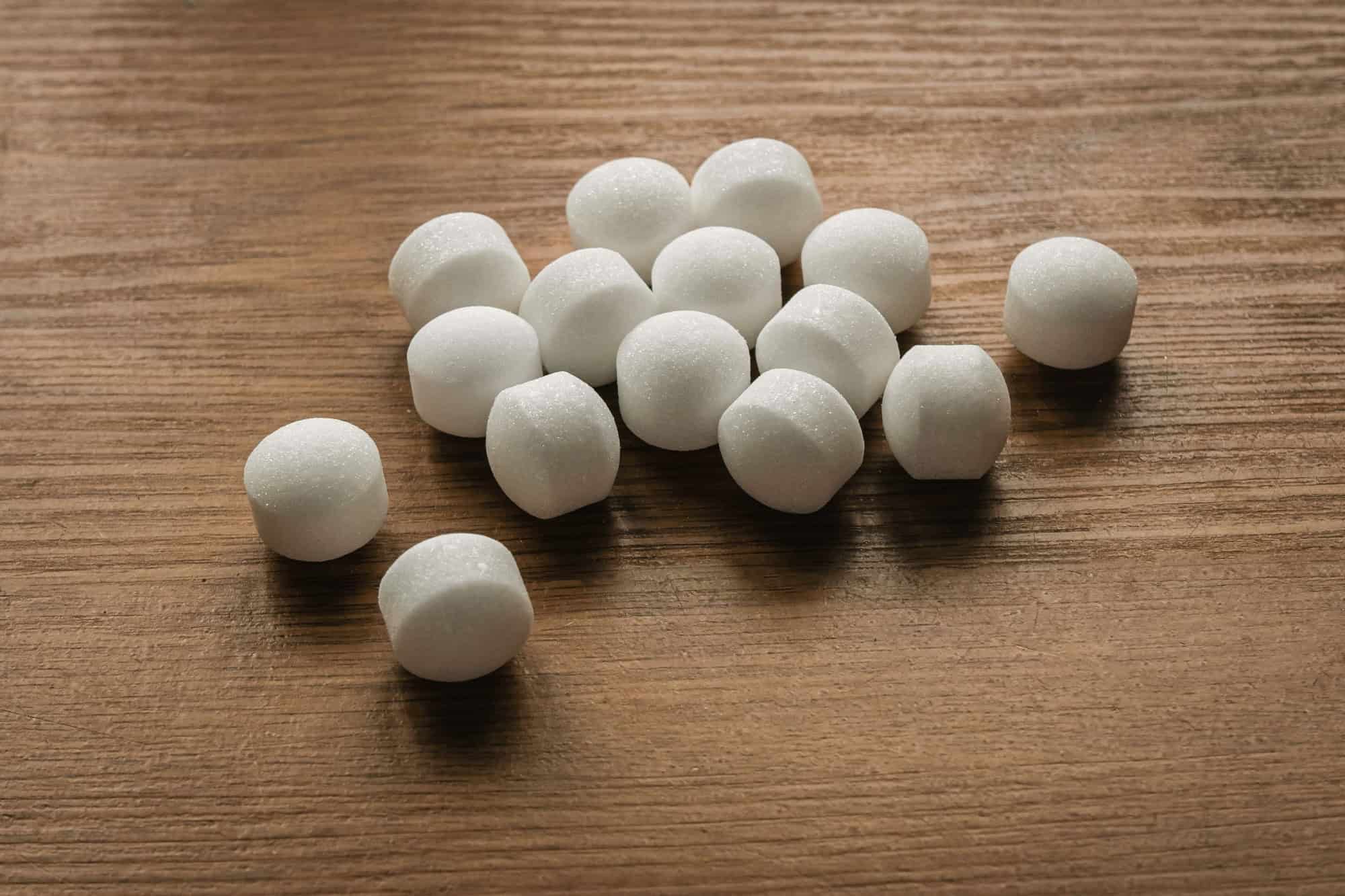
Most of our grandmas had old-school white mothballs that they threw in a closet. But if they’re made with naphthalene, you won’t find them in Europe. The UK pulled them back in 2008. EU rules don’t allow them either. Yet most U.S. stores still carry boxes of the stuff in the cleaning aisle.
1,4-dichlorobenzene toilet blocks and air fresheners

Anytime that you pop a block in the toilet tank, or use a strong deodorizer under the sink, that smell likely comes from a chemical called 1,4-dichlorobenzene. But the EU banned it in 2014. This was due to health concerns, although American shoppers may still find these products. They’re less common than they once were though.
Methanol windshield washer fluid

Topping off your car’s washer fluid usually involves putting in a solution that’s heavy on methanol. But Europe tightened the limit on how much is allowed in washer fluid in 2012. They banned any washer fluid or de-icer with more than 0.6% of it. It may seem like nothing, but that’s a big change, especially considering how common the chemical is in U.S. formulas.
High-watt vacuum cleaners
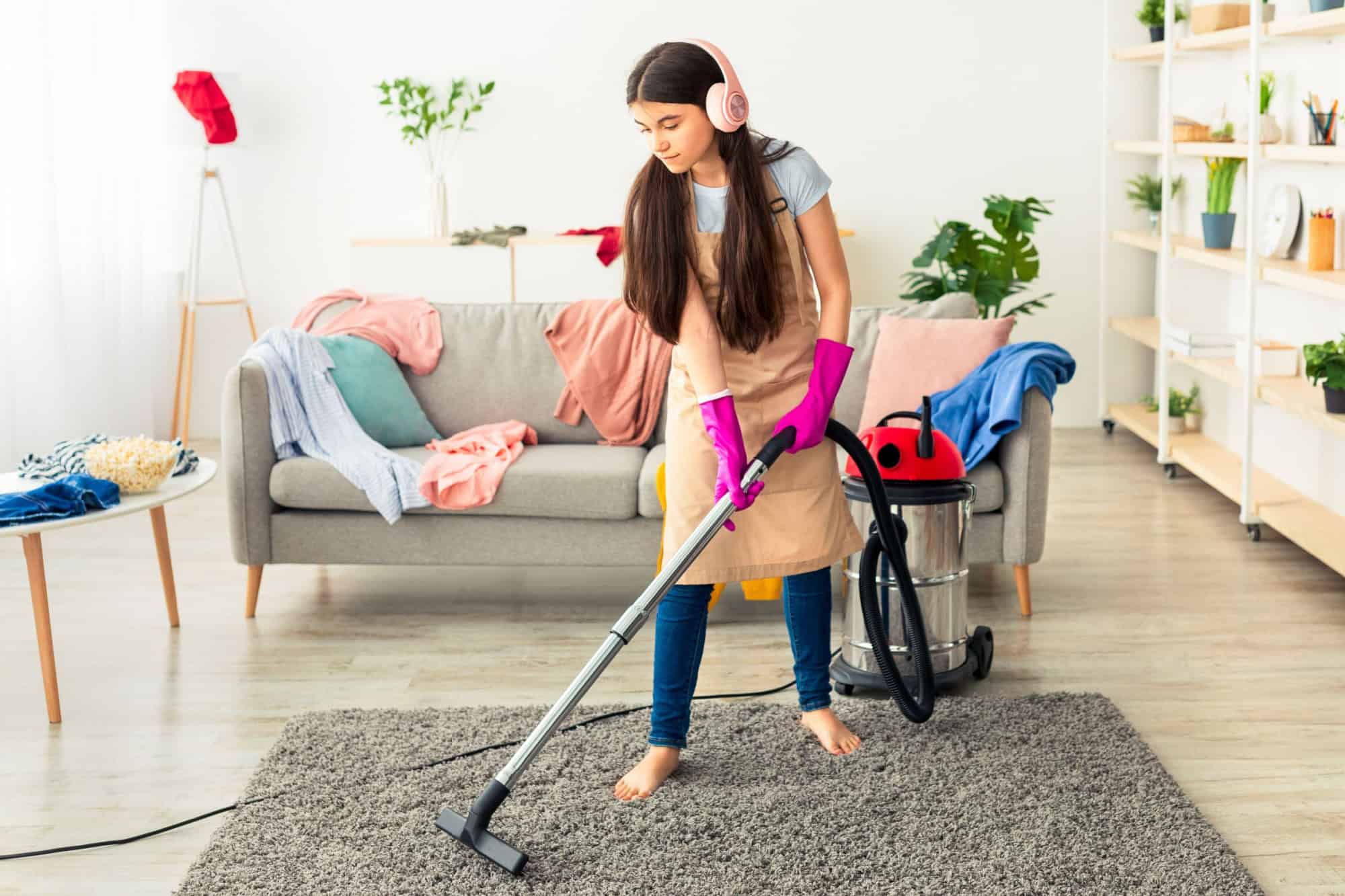
You’re still able to get a 2,000-watt vacuum cleaner in America if you want. Not in Europe, though. Any new vacuums over 900 watts have been outlawed there since 2017. The idea was to save energy, although it does mean shoppers there won’t find the same heavy-duty models Americans can. Is that so fair?
Borax sold to the public

Slime kits & laundry booster are just two things that contain borax. So does homemade cleaner. And while it’s popular here, in Europe, plain old borax powder is off-limits for public sale. It’s classified as harmful for reproduction. As such, only professionals can buy concentrated versions there. Regular people have no chance of buying it.
Certain fragrances

You might’ve noticed a flowery scent in laundry detergent or air freshener that you’ve used before. That’s likely from a chemical called lilial. But the EU banned it outright in 2022, calling it a safety risk, even though plenty of American products still use lilial. Some companies are starting to swap it out for other scents. Maybe the Europeans were onto something.
Strong teeth-whitening gels

American whitening strips & gels are pretty strong. And especially when you compare them to the European kinds, which contain far less hydrogen peroxide. Anything over 0.1% peroxide can’t be sold to regular customers there. As a result, anyone who wants a brighter smile will need to see a dentist instead.
Dimethyl fumarate anti-mold sachets
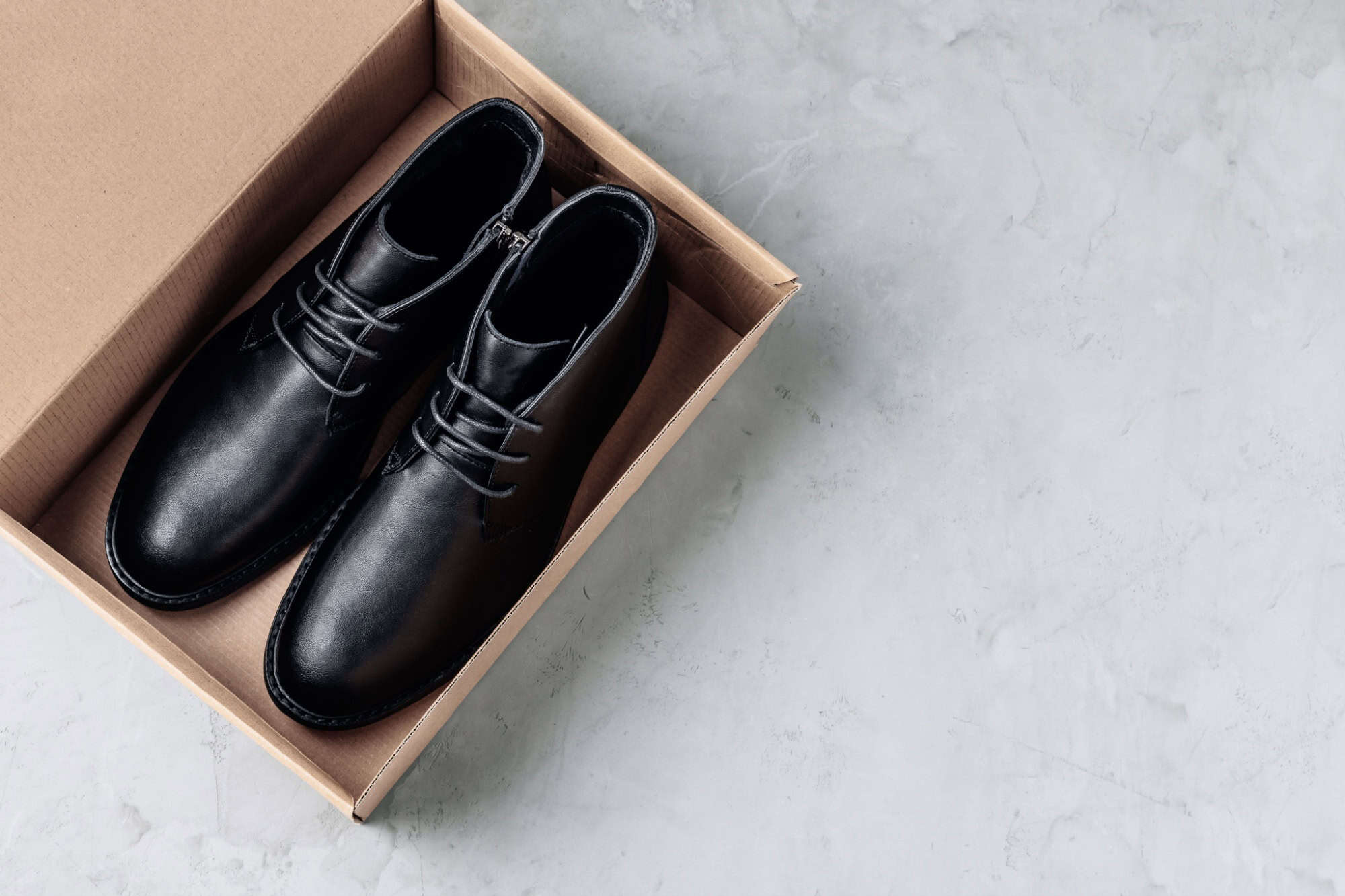
Furniture & shoes in Europe used to come with little sachets to keep mold away. But the trouble was, they contained dimethyl fumarate (DMF). This caused nasty skin reactions. As such, the EU banned DMF in 2012, although there hasn’t been such a large-scale federal ban in America. But recalls have happened.
Beeswax candles with added lead wicks
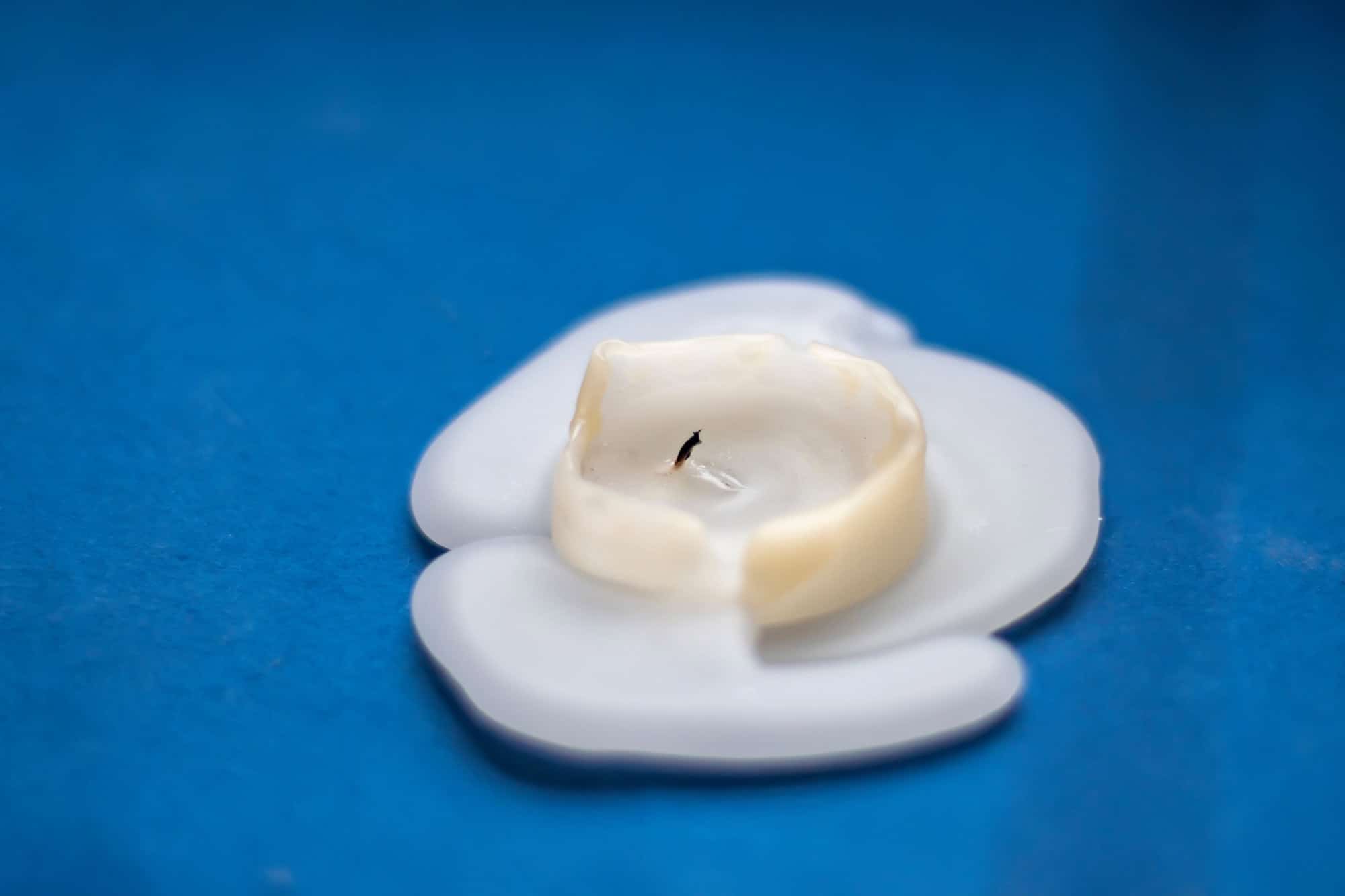
You might’ve seen some decorative candles that actually have a metal wick inside. Some of these actually contain lead. When they’re lit, the smoke carries traces of it into the air, which is why European countries banned this type of candle. They only allow cotton or zinc-core wicks. This way, candle buyers don’t have to think twice about what’s inside.
Spray-on car polish
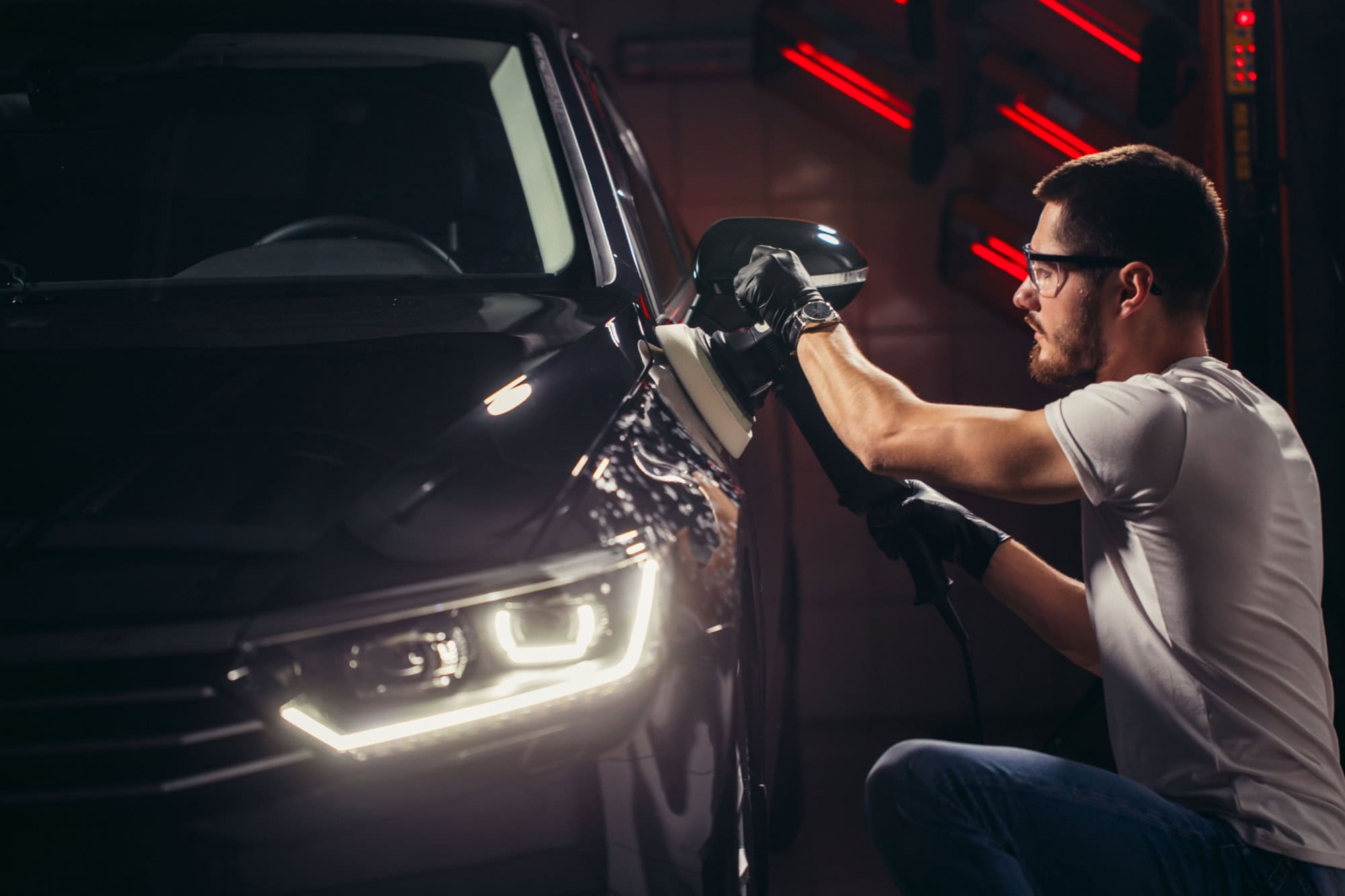
Everybody loves a shiny car, but Europeans have their work cut out for them to achieve this. They’re not allowed to use the same spray-on car polishes as us. Why? Because many of ours rely on preservatives that give off formaldehyde as they break down, which Europe has banned.
Drain cleaners

The really strong drain cleaners in American hardware stores often include sulfuric acid. They’re the ones that practically smoke when you open them. However, European consumers can’t buy these formulas anymore. They have to rely on safer alkaline cleaners or call a plumber, while many Americans keep a bottle under the sink.
Oven cleaners
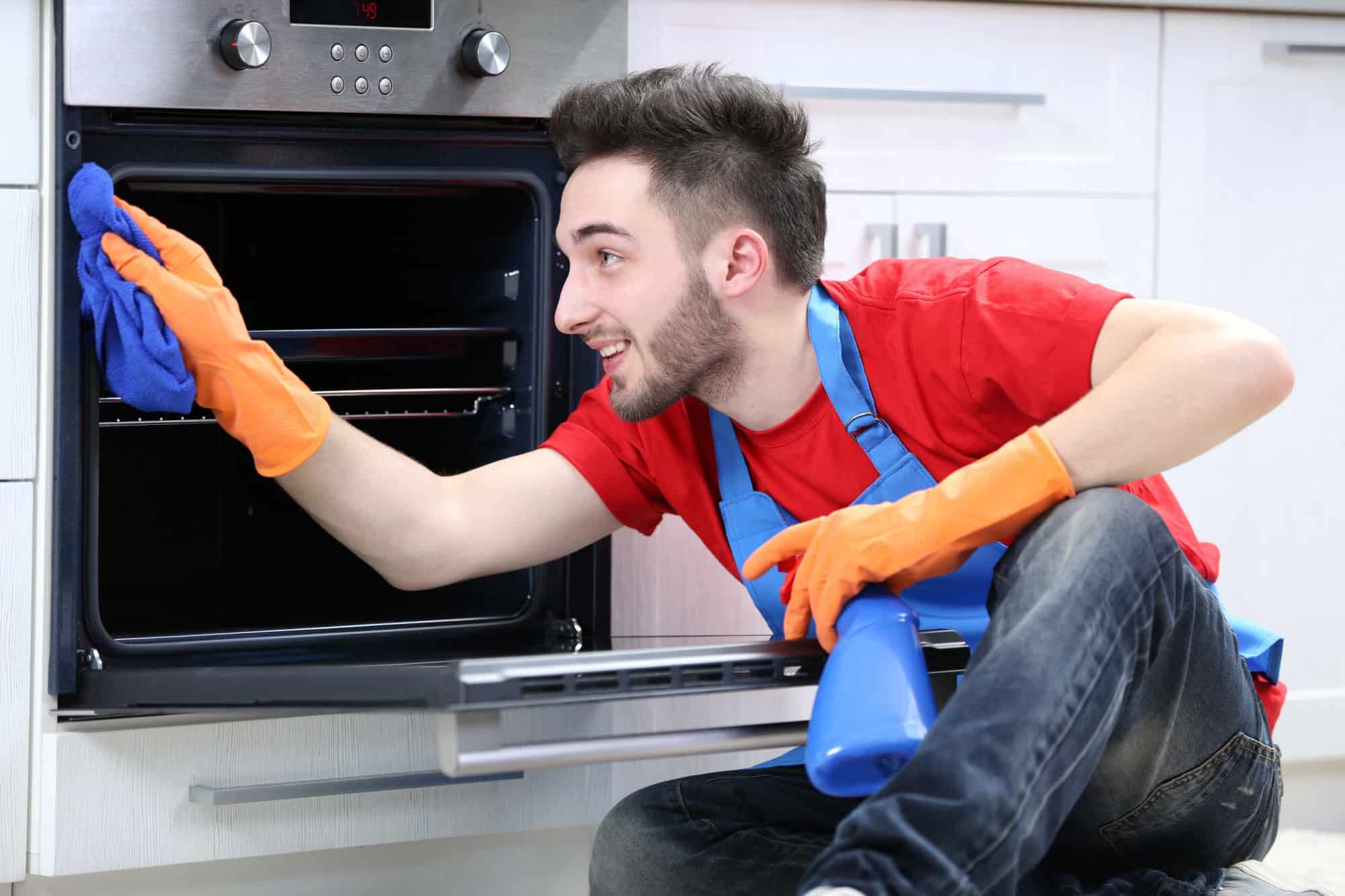
You’ll see heavy-duty oven sprays in the cleaning sections of almost every American supermarket. They’re strong because of sodium hydroxide, which burns through grease. But European stores don’t sell those super-strength versions. At least, not to the public. While the cans look similar, the formulas are weaker, so people have to scrub longer in Europe.
Mosquito repellent plugs

It’s easy to find plug-in mosquito repellents with refill cartridges in the States. Some of these versions have higher levels of DEET. But Europe doesn’t allow the stronger ones on the market, so consumers only get lower-percentage options. They might get different chemicals altogether.
Like our content? Be sure to follow us.