

Kitchen inspectors sure are picky. And not necessarily because they’re trying to keep things clean. Nope, there are some tools that are completely banned, and we read the guidelines on them. Here are eleven kitchen tools banned in commercial restaurants. Have you ever seen these on a health inspection report?
Featured Image Credit: Shutterstock.
Latex gloves

You’re not allowed latex gloves in restaurants in states like California & Illinois. Why? Well, it’s because too many people had allergic reactions, and the law eventually caught up. Most kitchens have been forced to switch over to nitrile or vinyl. These work just as well as the latex kind.
Unlined copper with acidic foods

Cooks can’t just grab any shiny copper pot & use it for tomatoes or wine sauces. The copper needs to be lined with something safe. This includes stainless steel or nickel. It’s a simple enough reason, as acidic food pulls the copper into what you’re cooking, which is toxic. It’s a rule you might want to follow in your own home.
Glass-stem thermometers

There’s no messing around with old glass thermometers. One crack & you’re dealing with shards in food, or worse, if there’s mercury inside. Commercial kitchens aren’t allowed to use them without a shatterproof sleeve around the stem. Of course, most places just skip the hassle. They’ll use digital probes instead.
Pewter mugs or tableware with too much lead

Old-school pewter mugs do look cool on a shelf. However, you’re not allowed to pour beer in them at a restaurant if they have too much lead. The FDA cap is 0.05%. As such, anything past that is out of compliance, no matter if these items are vintage or imported. This rule is to keep people safe.
Wood and wicker as multi-use food-contact surfaces

Utah’s health codes are rather specific about wood. Hard maple cutting boards are usually fine. But as for wicker baskets or decorative wooden bowls for bread? They’re not fine. This is because the wood traps crumbs & can’t be sanitized properly, so they’re not hygienic. A few other states have similar rules.
Food waste disposers and liquefiers

In NYC, restaurants aren’t allowed to buy a garbage disposer at Home Depot & hook it up. These things are completely banned unless the city signs off. And the same goes for “food waste liquefiers,” which grind scraps into liquid & flush them into the sewer. You’ll need to get official permission for these machines.
Areca palm leaf dinnerware

Palm leaf plates were meant to be the eco-friendly answer to disposables. Yet the FDA pulled the plug in May 2025 and put them on an Import Alert. This came after tests showed that areca palm leaf dinnerware contains pathogens & California health officials warned restaurants not to use them. All those rustic-looking plates are now sitting in storage.
Gas-fueled cooking equipment

Several Californian cities actually banned gas stoves in new restaurant builds. That meant no gas hookups & no ranges. Not even gas ovens. The idea was to help cut back on emissions, but it caused a lot of problems in the food industry. A federal court later stepped in to reverse the ban.
PFAS-containing single-use food containers

California sure does like banning things. They also went after “forever chemicals” in disposable items, and since 2023, any food containers with PFAS in them are entirely banned. Staff also aren’t allowed to throw extras in your bag. Customers need to ask for containers & they’ll also need to be PFAS-free. It really doesn’t matter if there are a few PFAS ones left in storage.
Single-use plastic utensils for takeout
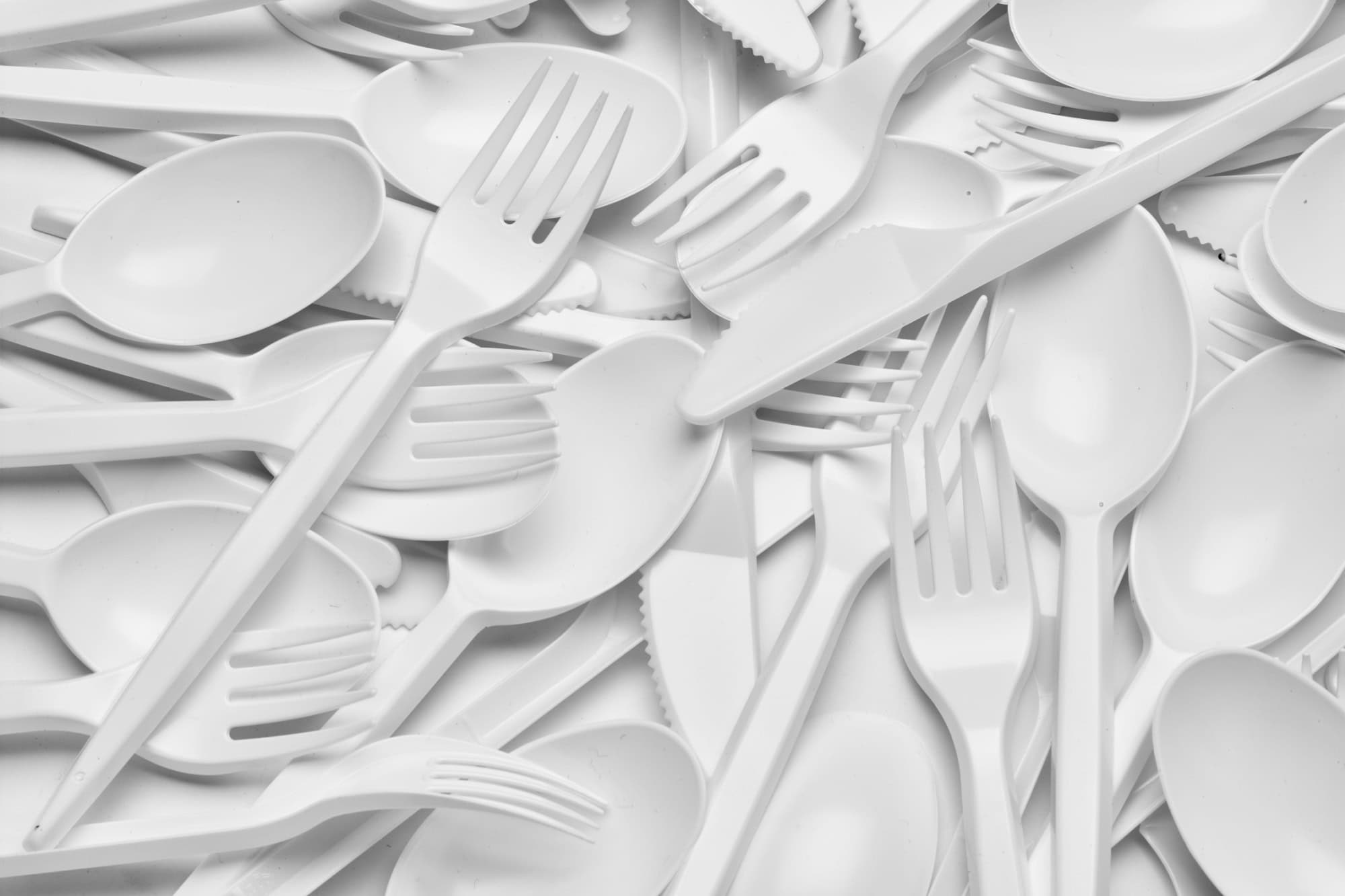
You won’t find a handful of forks & ketchup packets in your delivery bag in NYC. It’s only if you ask for them as part of the “Skip the Stuff” law. It bans restaurants from automatically including them. Essentially, this is a way to save the city from mountains of unused plastic ending up in the trash.
Foam take-out containers

Foam clamshells & plates used to be everywhere. But not in D.C. The city banned expanded polystyrene outright, meaning that many restaurants had to swap to paper or compostables. Any inspectors who see Styrofoam on site will fine the premises. It’s really that serious.
Like our content? Be sure to follow us.


