
Some of the darkest cases in human history involved culprits who were still young enough to be worrying about homework and curfews.
Three weeks around Washington

People around Washington, D.C., were watching parking lots and gas stations a little differently for three tense weeks in October 2002. It was because of 17-year-old Lee Boyd Malvo and 41-year-old John Allen Muhammad. The pair carried out a string of shootings of completely random people.
They killed ten people. Malvo was eventually convicted in Virginia and later admitted to being involved in other murders. His age became part of the bigger argument over life-without-parole sentences for young people.
Gunfire before the school day
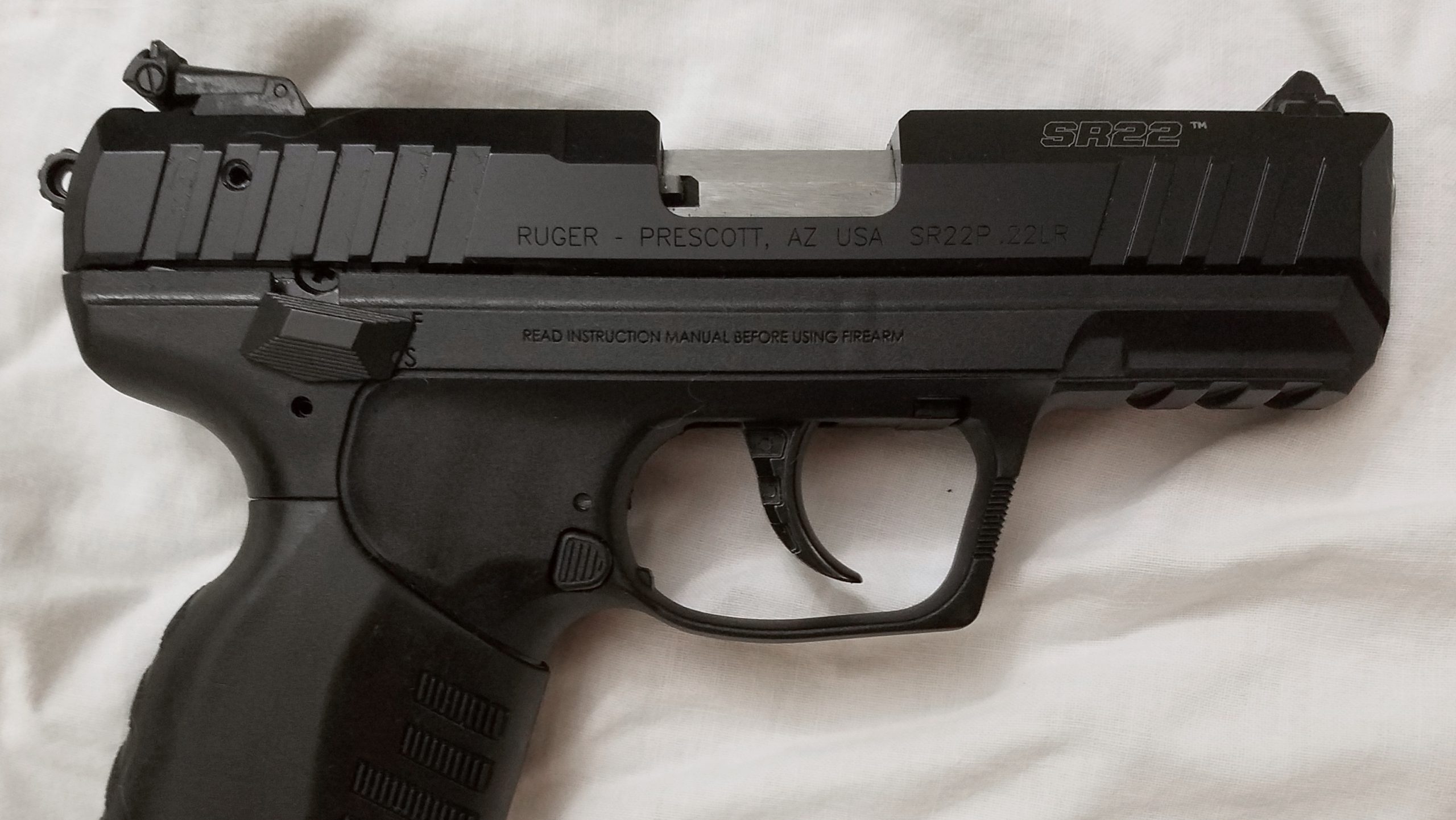
December 1, 1997, was supposed to be a normal school day at Heath High School near Paducah, Kentucky. But then 14-year-old Michael Carneal pulled out a .22-caliber pistol near a student prayer group. He began shooting and killed three students.
Five others were wounded. Carneal pleaded guilty but argued that he was mentally ill, yet he received a life sentence with the possibility of parole after 25 years. His case was sadly part of a number of school shootings in the 1990s that changed how Americans thought about student violence.
Sixteen minutes at Columbine
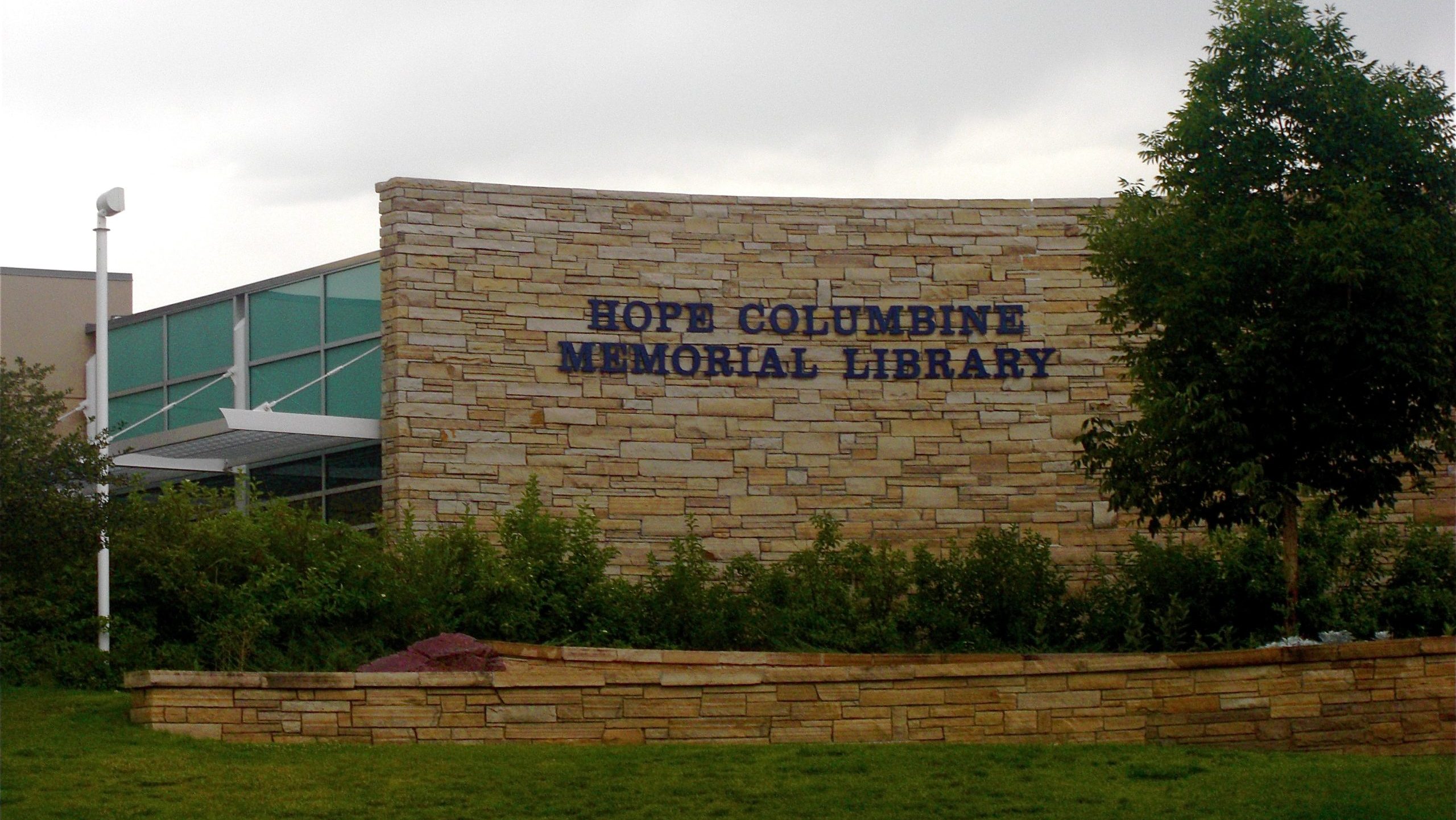
Dylan Klebold walked into Columbine High School on April 20, 1999, with a deadly plan. He, along with 18-year-old Eric Harris, had guns and explosive devices to kill as many people as they could. They murdered 13 people in about 16 minutes.
Twelve were students, and one was a teacher. Klebold and Harris then killed themselves in the school library, and the name ‘Columbine’ quickly became tied to school shootings in a way few cases had before.
Four killings before adulthood
Craig Price wasn’t even old enough to drive. He was just 13, after all. Yet he had killed a girl named Rebecca Spencer, and later Joan Heaton and her two young daughters. Price was 15 when he was arrested.
His age ended up being a bit of a sticky point, as authorities originally could hold him only until age 21. It was thanks to later court cases over psychiatric testing and other offenses that his imprisonment lasted longer.
A courtroom built for adults

Six years old is way too young for most things, especially for someone to be convicted of manslaughter. But that’s what happened with Carl Newton Mahan. He had shot eight-year-old Cecil Van Hoose after the two boys argued over scrap metal in Paintsville in 1929.
Prosecutors charged Carl with murder, but he was convicted of manslaughter instead. He was sentenced to only 15 years in a reformatory. Lawyers did challenge the decision, but it was later set aside. Carl was ultimately allowed to remain at home under supervision. He got away with it, essentially.
Five years for two killings
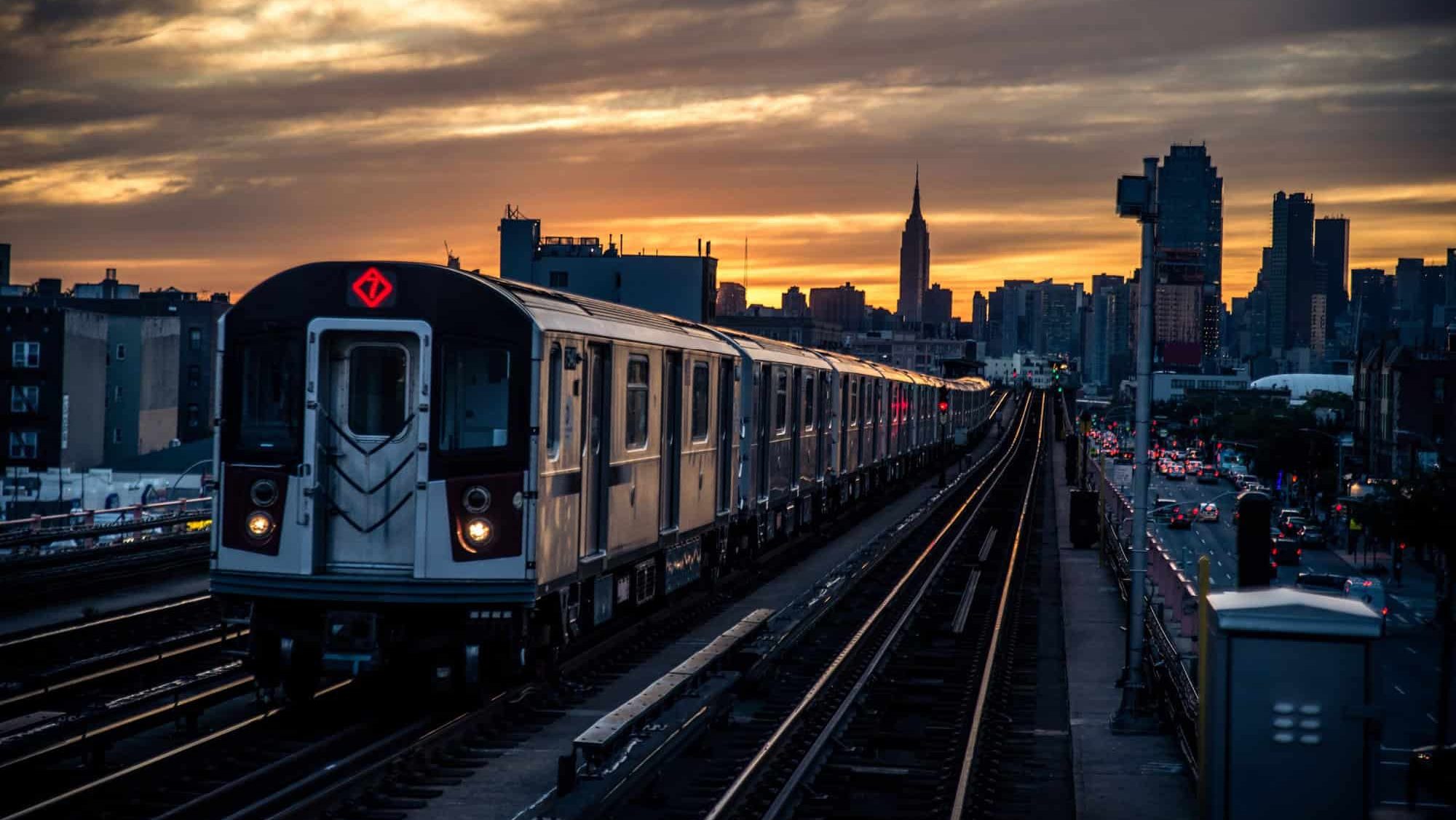
The case of Willie Bosket made New York politicians move fast. He killed two men during separate subway robberies in New York City when he was just 15 in 1978. But the law for juveniles at the time meant the longest sentence available was five years.
To nobody’s surprise, that didn’t go down well with state lawmakers. New York passed the Juvenile Offender Act later that year, allowing children as young as 13 to be prosecuted in adult criminal court for certain serious offenses. That included murder charges.
A teenager reaches the Supreme Court

14-year-old Evan Miller and 16-year-old Colby Smith attacked Cole Cannon in 2003 following an argument. They set Cannon’s trailer on fire and killed him. Miller was tried as an adult and automatically sentenced to life without parole, although that wasn’t the end of the story.
The Supreme Court used his name as part of a court case in 2012. It ruled states couldn’t automatically impose life without parole for juvenile homicide offenders. Miller was given a new hearing and given the same sentence again.
An 11-year-old on the cover of Time
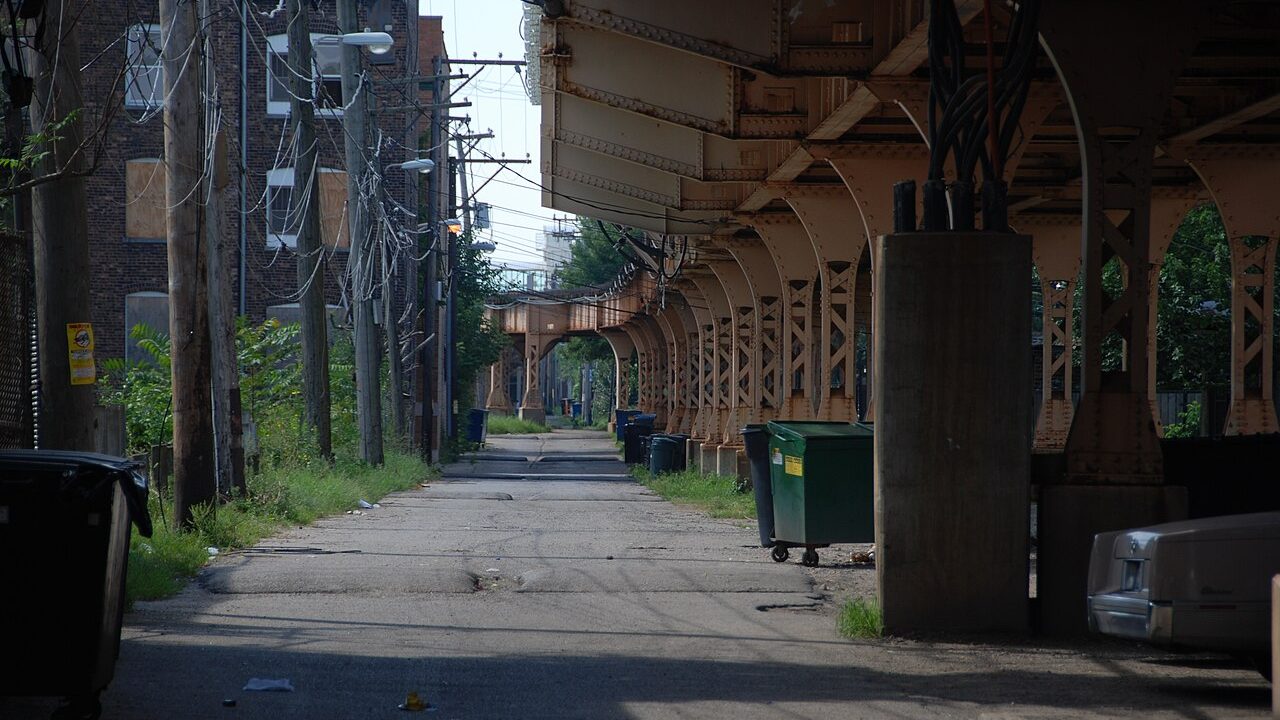
Robert Sandifer might’ve only been 11 years old, but he was already involved in gang violence in Chicago by August 1994. He shot 14-year-old Shavon Dean and wounded two other children. But the story took a darker turn when Sandifer disappeared.
His body was found days later beneath a South Side viaduct with two gunshot wounds to the head. Police believe that two teenage gang members were involved in his killing, and Sandifer’s face appeared on the cover of Time magazine. He became a symbol of the young gang problem in America.
The classmates who already knew
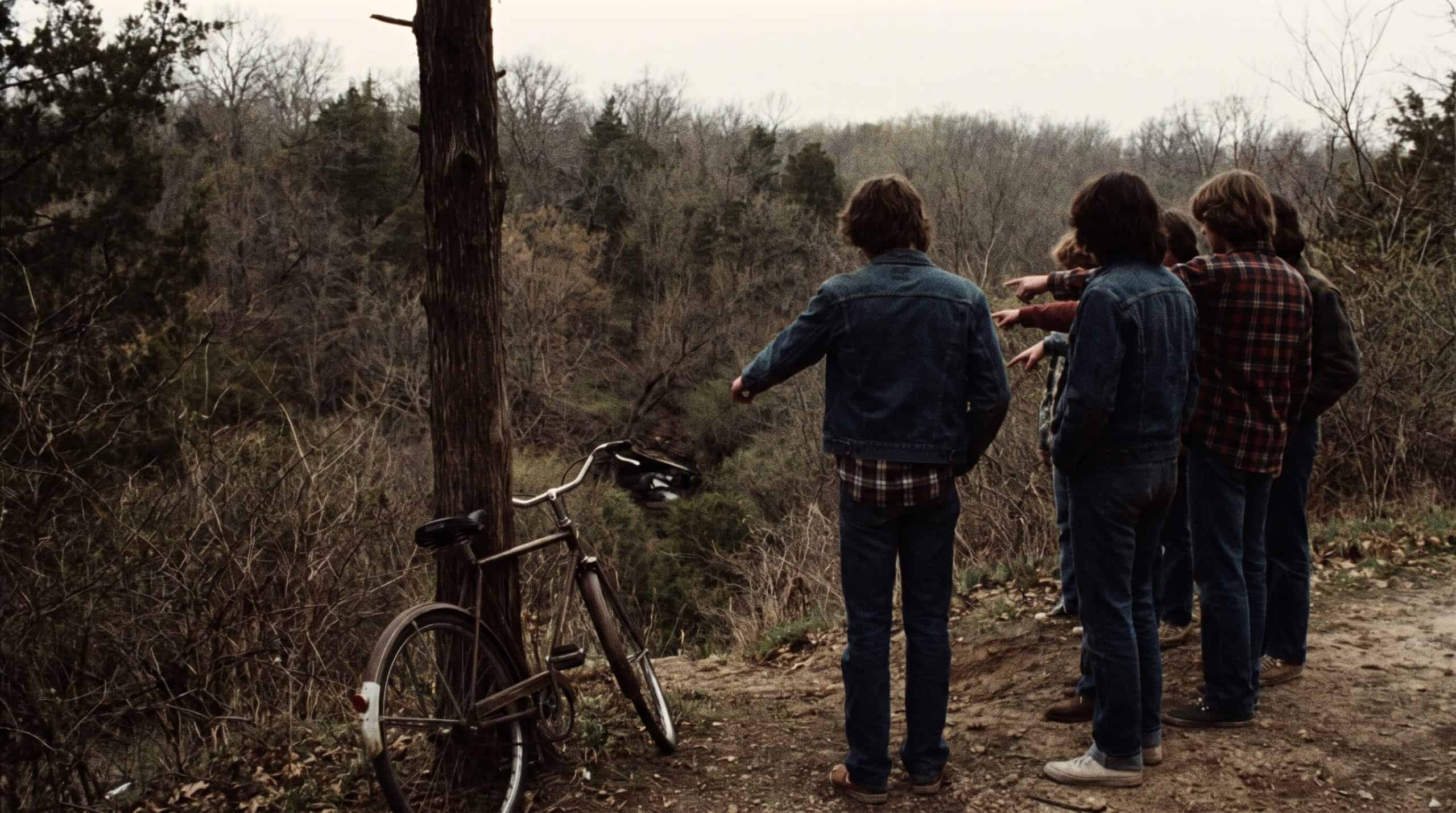
The disturbing part of Anthony Jacques Broussard’s case wasn’t only the murder. Broussard was 16 when he ra**d and strangled 14-year-old Marcy Conrad in 1981. He left her body in a ravine. But then, Broussard went on to tell classmates what had happened. He took them to see the body.
Students knew where Conrad’s body was for about two days, yet they never told any officials. One student eventually did. Broussard pleaded guilty to first-degree murder and received a sentence of 25 years to life. The case became the inspiration for the 1986 film River’s Edge.
A transfer made without a hearing

Police in Washington, D.C., arrested 16-year-old Morris Kent Jr. in 1961, after his fingerprints were found in connection with a break-in and r*** investigation. It only got messier from there. A judge transferred Kent to adult court without a proper hearing or explaining much of anything.
Kent was later convicted on robbery and housebreaking charges. For the r*** charges, he was found not guilty by reason of insanity. His case led to a Supreme Court ruling in 1966, which said juveniles were entitled to receive basic protections before being transferred to adult court.
Fiction crossed into a Wisconsin park
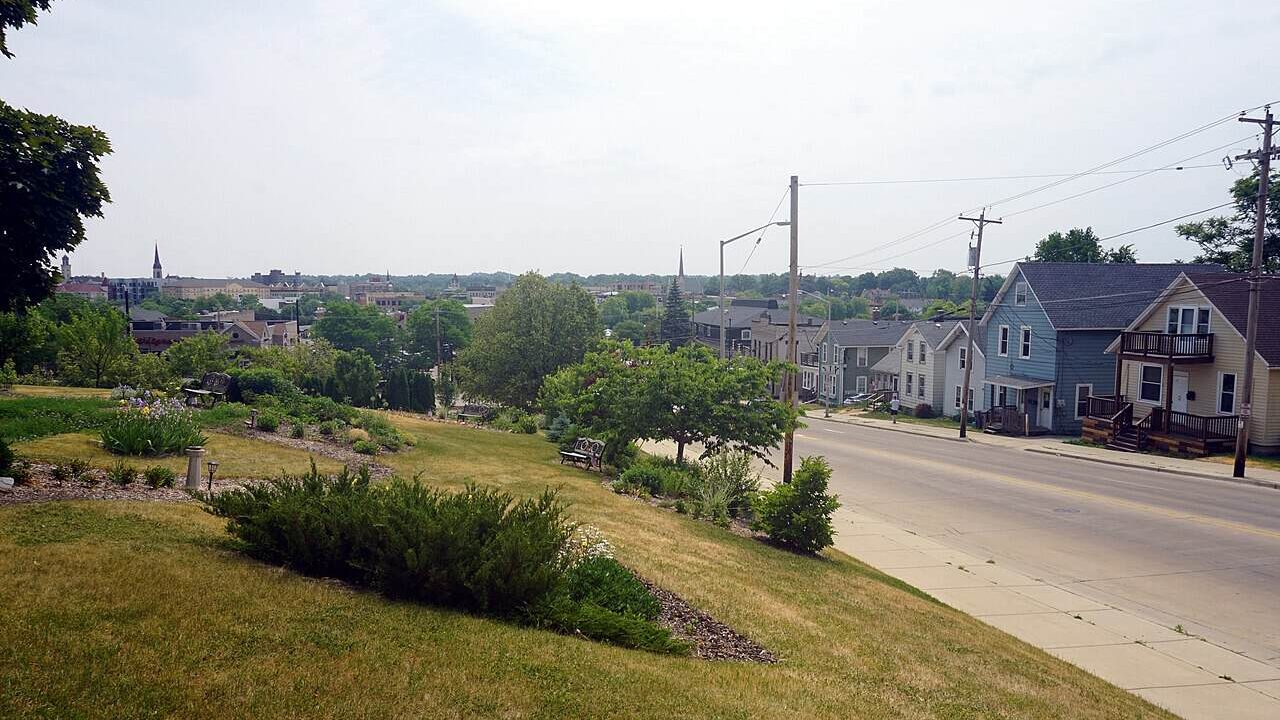
One of the more recent cases involved 12-year-olds Morgan Geyser and Anissa Weier. The pair lured a classmate into woods near Waukesha, Wisconsin, in May 2014. They then stabbed her. It was part of a plan the girls had to summon the Internet mythological character Slender Man.
Their victim survived and crawled toward a road where she was spotted by a cyclist. Geyser and Weier were later prosecuted in adult court. They were eventually committed to psychiatric institutions. Soon after, the case sparked worries about the internet’s effect on young people.
A disappearance changes state rules

16-year-old Skylar Neese left her home in Star City, West Virginia, in 2012. She got into a car with friends Shelia Eddy and Rachel Shoaf. Neese was never seen again. The two girls acted as though they knew nothing until Shoaf confessed. She said they’d driven Skylar into Pennsylvania and stabbed her to death.
Shoaf pleaded guilty to second-degree murder, and Eddy later pleaded guilty to first-degree murder. The whole case led to West Virginia passing ‘Skylar’s Law’ that changed how suspected child disappearances were reported to state police.
The killing beneath a bridge
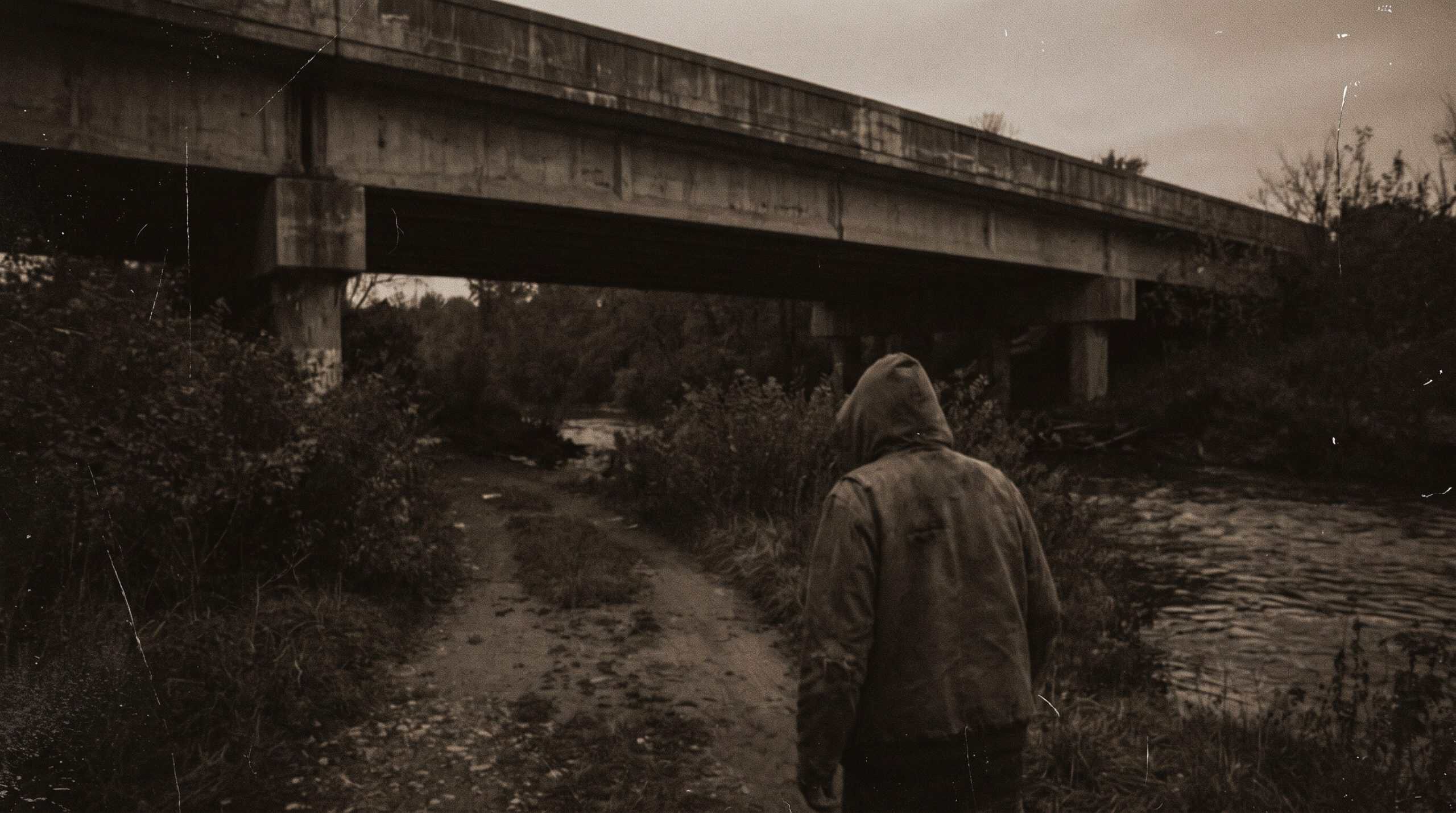
Kelly Ellard’s case started in November 1997 near Victoria, British Columbia. 14-year-old Reena Virk was attacked by a group of teenagers, and although she escaped the first beating, 15-year-old Ellard and 16-year-old Warren Glowatski followed her.
They killed Virk beneath a bridge. Glowatski was convicted of second-degree murder, and so was Ellard. Her verdict did get interrupted, however, until Canada’s Supreme Court restored her third conviction in 2009.
Sources: Please see here for a complete listing of all sources that were consulted in the preparation of this article.
13 dark chapters of history most people never learned in school
A lot of history gets reduced to wars and presidents, but the true horror stories are the ones that end up ignored in the margins.
13 dark chapters of history most people never learned in school

