
Being clever is one thing, being so far ahead of everyone else that your own brain makes your life a lot harder is something completely different.
Jack Parsons
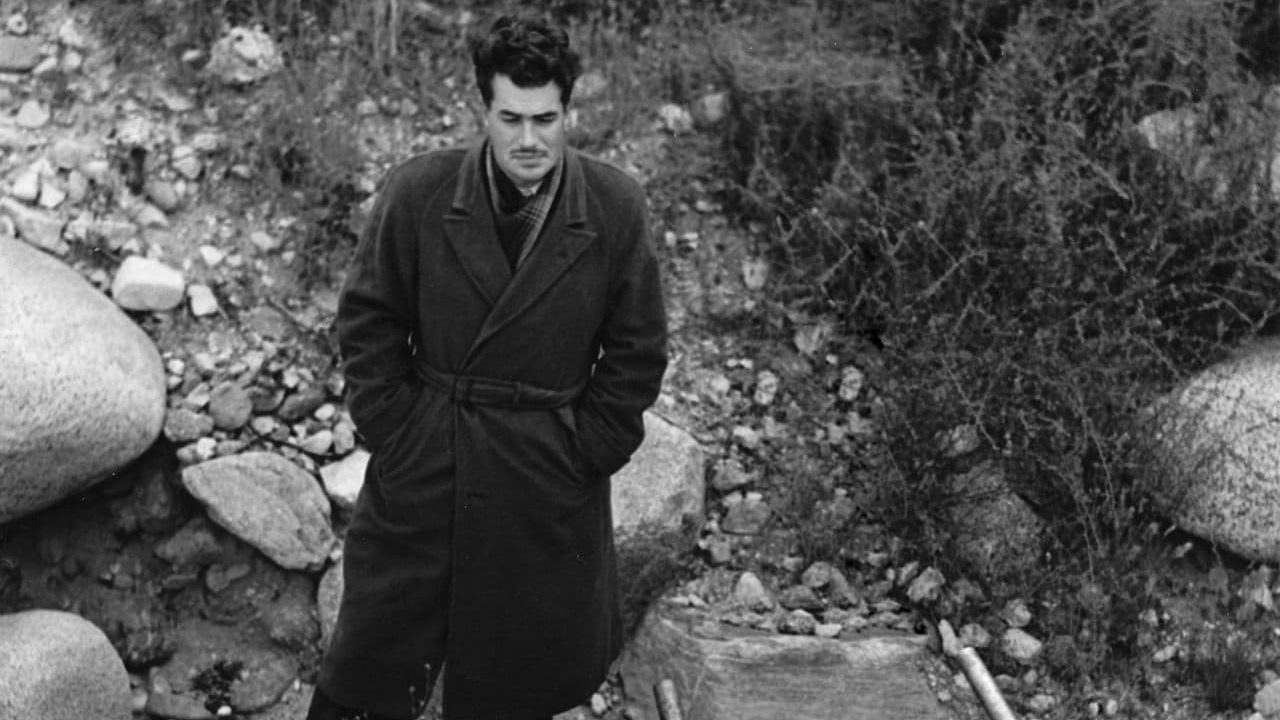
Explosions were part of the job for Jack Parsons. He worked with other young rocket experimenters around Caltech in the 1930s, testing fuels and motors. Fires and blasts became a regular occurrence, and they pushed the testers’ work away from campus.
Parsons helped develop takeoff systems that became an important part of early American rocket research. His love for dangerous chemistry never really went away, however. He was badly injured after an explosion occurred while he was mixing chemicals at home in 1952. He died soon after.
J. Robert Oppenheimer

J. Robert Oppenheimer spent World War II running Los Alamos, where American scientists designed the first atomic bombs. He was about as close to the nuclear project as anyone could be. But it turns out that he was a little too involved, as he started pushing for international controls on atomic weapons after the war ended.
He also opposed the early hydrogen-bomb program because he feared the bombs would be the end of humanity. It led to him being at odds with powerful people in Washington. A very public security hearing took place in 1954, and the Atomic Energy Commission took away his security clearance. The man they’d relied on so heavily was now a security risk.
Edwin Howard Armstrong

It’s thanks to Edwin Howard Armstrong that FM radio stations started working. He created a system that produced clearer sound and cut down on the static that was all over AM broadcasts. But then came the patent wars.
Armstrong spent years fighting RCA and other companies over ownership of the technology, leading to infringement suits in 1948. The lawsuits dragged on and caused major issues for his finances. Even his marriage fell apart. Armstrong committed suicide in January 1954 after spending years fighting over his own invention.
Philo Farnsworth

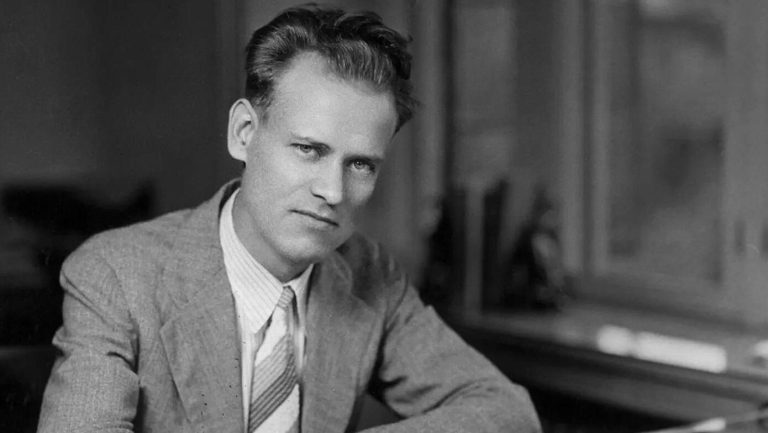
You wouldn’t think many 14-year-olds would be capable of creating life-changing inventions. But that’s exactly what Philo Farnsworth did, he began developing an idea that became his TV system. He successfully transmitted an electronic image by the age of 21. This was years before television was even a thing.
The problem was that inventing something and controlling the business around it are two very different skills. RCA challenged his patents and backed its own television system. Farnsworth did eventually win the patent battle and manage to collect royalties from it, but only for a short time.
World War II caused commercial television’s growth to slow down, and his patents soon started expiring. RCA took over and became a big industry name, leaving Farnsworth behind.
William James Sidis

There’s no denying that William James Sidis was a genius. He got into Harvard when he was only 11 years old, after all, and he quickly became famous for his math skills. But that made him a magnet for attention. Yes, reporters followed him and newspapers wrote about him.
The label of ‘boy genius’ never really went away, and he was hounded even as an adult trying to live a normal life. It became incredibly difficult for him to disappear. The New Yorker actually published a profile about his private life in 1937, and he never got to experience an ordinary life.
Robert Goddard

The thing with Robert Goddard was that his ideas weren’t wrong. He was talking pretty seriously about rockets reaching extreme altitudes back during a time when most people thought it was a ridiculous idea. He published calculations in 1919 that explained how rockets could travel far beyond the atmosphere.
Nobody believed him, though, and the New York Times publicly mocked him in 1920, claiming a rocket couldn’t work in a vacuum because it had nothing to push against. It wasn’t until 1969, after Apollo 11 headed for the Moon, that the Times finally admitted that its old criticism had been wrong. But it was too little, too late, as Goddard had passed away in 1945.
Nikolai Vavilov

Food production was serious business for Nikolai Vavilov, and he spent years collecting seeds. He studied crop genetics across the Soviet Union. The problem was, Trofim Lysenko had Stalin’s support, and Lysenko rejected a lot of mainstream genetics. Vavilov refused to go along with scientific ideas that clearly didn’t make sense. It cost him his life.
Authorities arrested him in 1940, and he was sentenced to death. The punishment was eventually changed to prison time, but he still died in Saratov in 1943 due to severe deprivation. He died because he pointed out the flaws in scientific theory. How devastating.
Fritz Haber

Chemist Fritz Haber figured out how to make ammonia from nitrogen and hydrogen on an industrial scale. That was pretty important, as it helped make modern fertilizer production possible, so such an invention would’ve made him a huge scientific name. Yet Haber decided to use his chemistry skills for war.
He helped Germany develop poison gas during WWI and personally supported the use of chlorine on the battlefield. His work on ammonia actually led to him receiving the 1918 Nobel Prize in Chemistry. It’s strange, really. The same chemist was connected with fertilizer production and chemical warfare.
George R. Price

A chemist is hardly someone you’re going to turn to for a discussion about morality. But that’s what George R. Price was interested in. He created something called the Price equation that supposedly helped explain how traits such as altruism could change through natural selection.
The problem was that Price became almost obsessed with the moral meaning of altruism. He began giving away his money and possessions, while also allowing people to stay in his home. He eventually left himself in serious poverty. Price’s situation became so bad that, in January 1975, he committed suicide in London. Math can be deadly, it seems.
Kurt Gödel

Kurt Gödel was another mathematician, although his interests were slightly different. He spent his career finding holes in systems that other mathematicians thought were secure. He pointed out the flaws in many common mathematical systems and stopped accepting them at face value.
His distrust soon became too big, however. Gödel was afraid that somebody might poison his food, and he relied heavily on his wife to prepare or taste what he ate. She was hospitalized in late 1977, so he barely ate. Gödel died the following year, weighing just 65 pounds.
Bobby Fischer

Chess was a lot more than a simple hobby for chess master Bobby Fischer, as it became more like the whole structure of his life. He became a grandmaster at 15 and quit high school at 16. He became the world champion in 1972. But he never really lived outside chess.
Reports claimed that he’d pull out chessboards during dinner time and became almost addicted to the board game. Fischer refused the conditions for his next championship match and lost the crown by default, three years after winning it. The man obsessed with chess ended up losing.
Louis Slotin
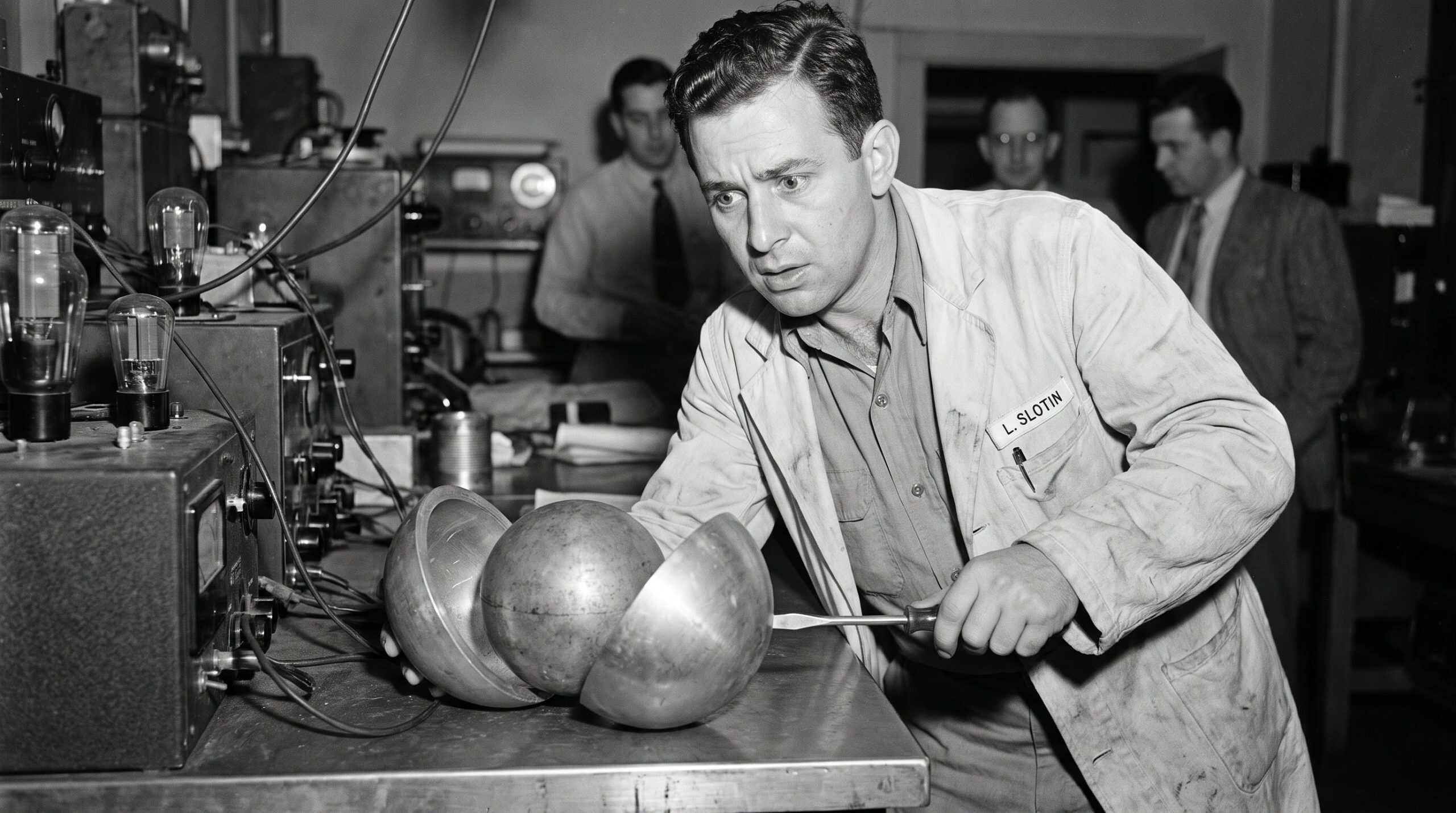
Louis Slotin was a scientist who had dealt with toxic materials many times before. He probably thought that the danger felt familiar, and that was part of the problem. On May 21, 1946, he was demonstrating a plutonium experiment using a screwdriver to keep two beryllium halves from closing around the core. But then the tool slipped.
The pieces came together, and the core briefly went supercritical. Slotin immediately knocked them apart and managed to spare those around him from being exposed to the radiation. Slotin himself wasn’t so lucky, sadly, and he died nine days later from the deadly dose.
Marie Curie

Marie Curie also suffered serious effects from radiation exposure. The difference was that scientists were only beginning to understand things like radium and polonium, so there wasn’t much protecting her from them. Curie worked with the two closely, usually in unsafe laboratory conditions.
She went on to win two Nobel Prizes and later worked with X-ray units during World War I. But all that exposure cost her her life, and she died in 1934 from a sickness connected to radiation. Some of her notebooks are still so radioactive that they require special handling today.
Sources: Please see here for a complete listing of all sources that were consulted in the preparation of this article.
16 beloved historical figures who weren’t as great as we think

Some of the most iconic historical figures are the same ones who actually lived a pretty ugly life behind the scenes.
16 beloved historical figures who weren’t as great as we think
