

Without a certain handful of explorers, history would look extremely different, and certain places would be nothing like they are today.
A voyage that connected two worlds
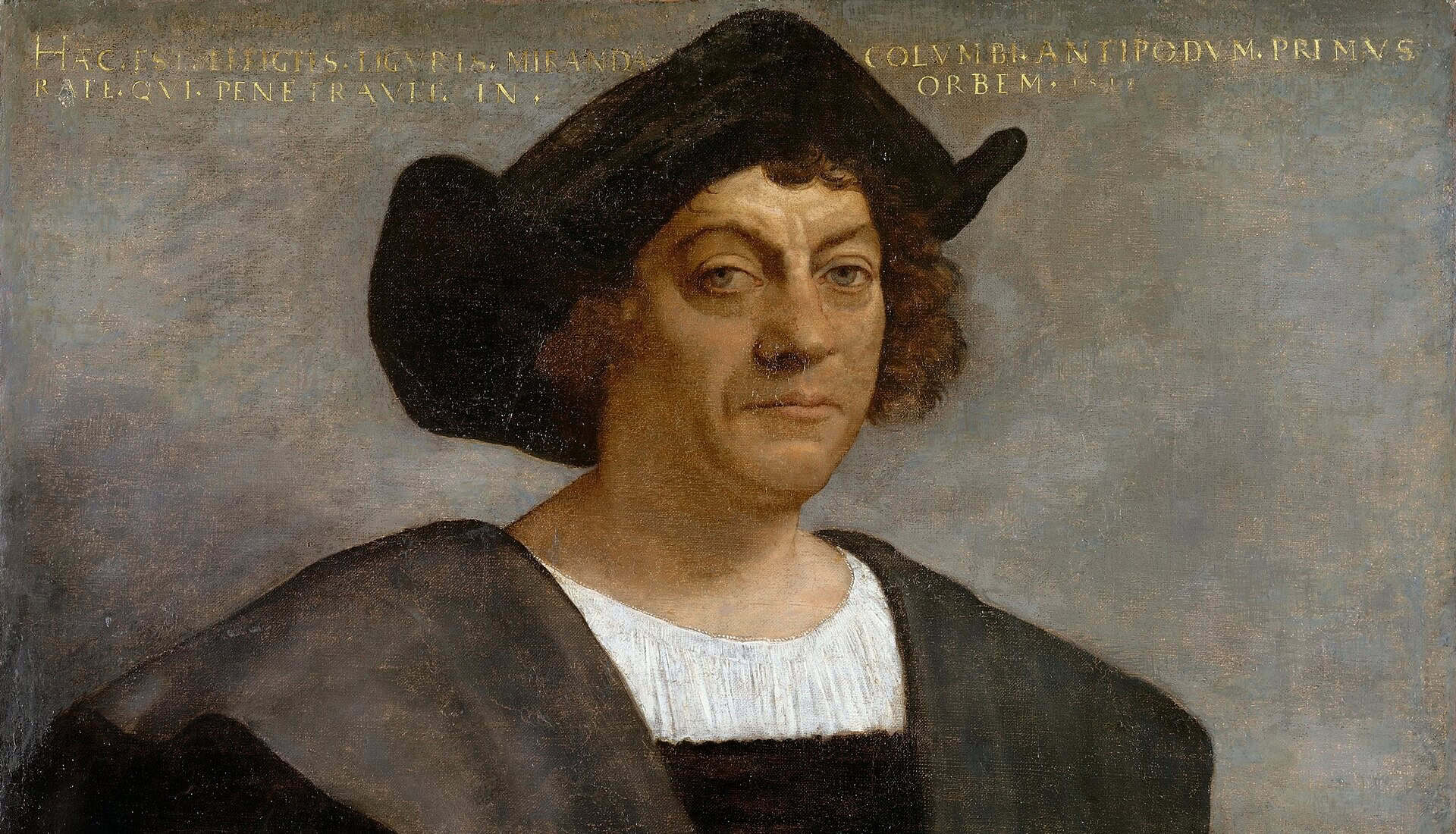
On August 3, 1492, Christopher Columbus set sail from Spain, although he wasn’t exactly looking for America. He was simply trying to reach Asia by sailing west. But three ships and a few months later, he reached the modern-day Bahamas and was quite far from Asia.
He went on to explore Cuba and Hispaniola. He made four Atlantic voyages before dying in 1506, and while Europeans had reached North America before him, it was Columbus’s journeys that really established a Europe-America relationship.
The journey that finished without its leader
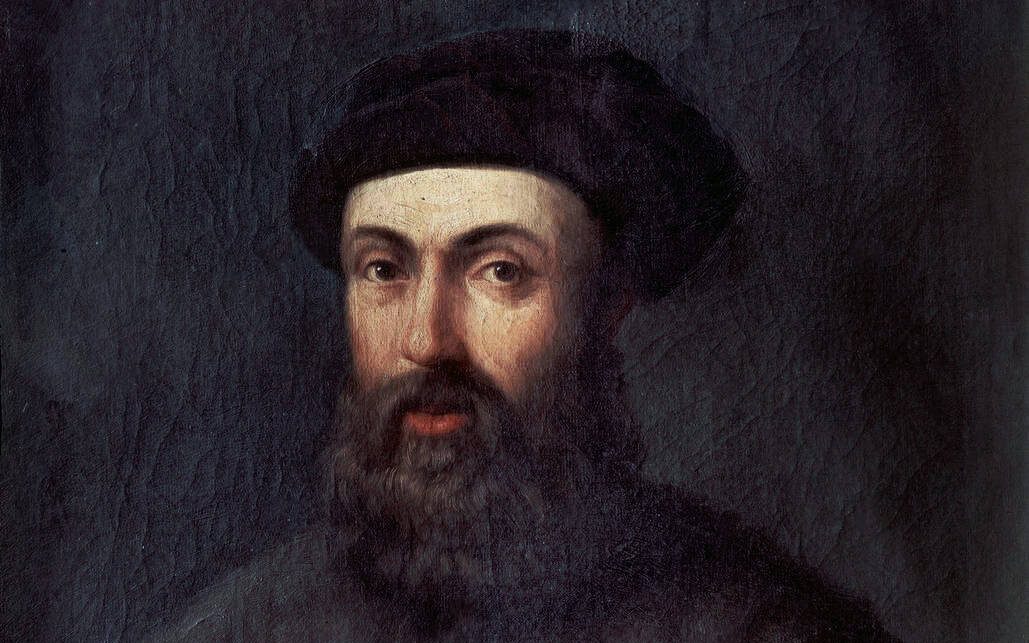
Ferdinand Magellan spent years sailing around the world. He never made it home. He left Spain in September 1519 with five ships and went on an expedition that found a passage through southern South America the next year. But he was killed in the Philippines in April 1521.
Even so, his sailors continued the journey without him, and in September 1522, the Victoria returned to Spain under Juan Sebastián Elcano. Only one ship had completed the journey around the world. Still, it was the first ever recorded circumnavigation of Earth.
Inside the empire of Kublai Khan
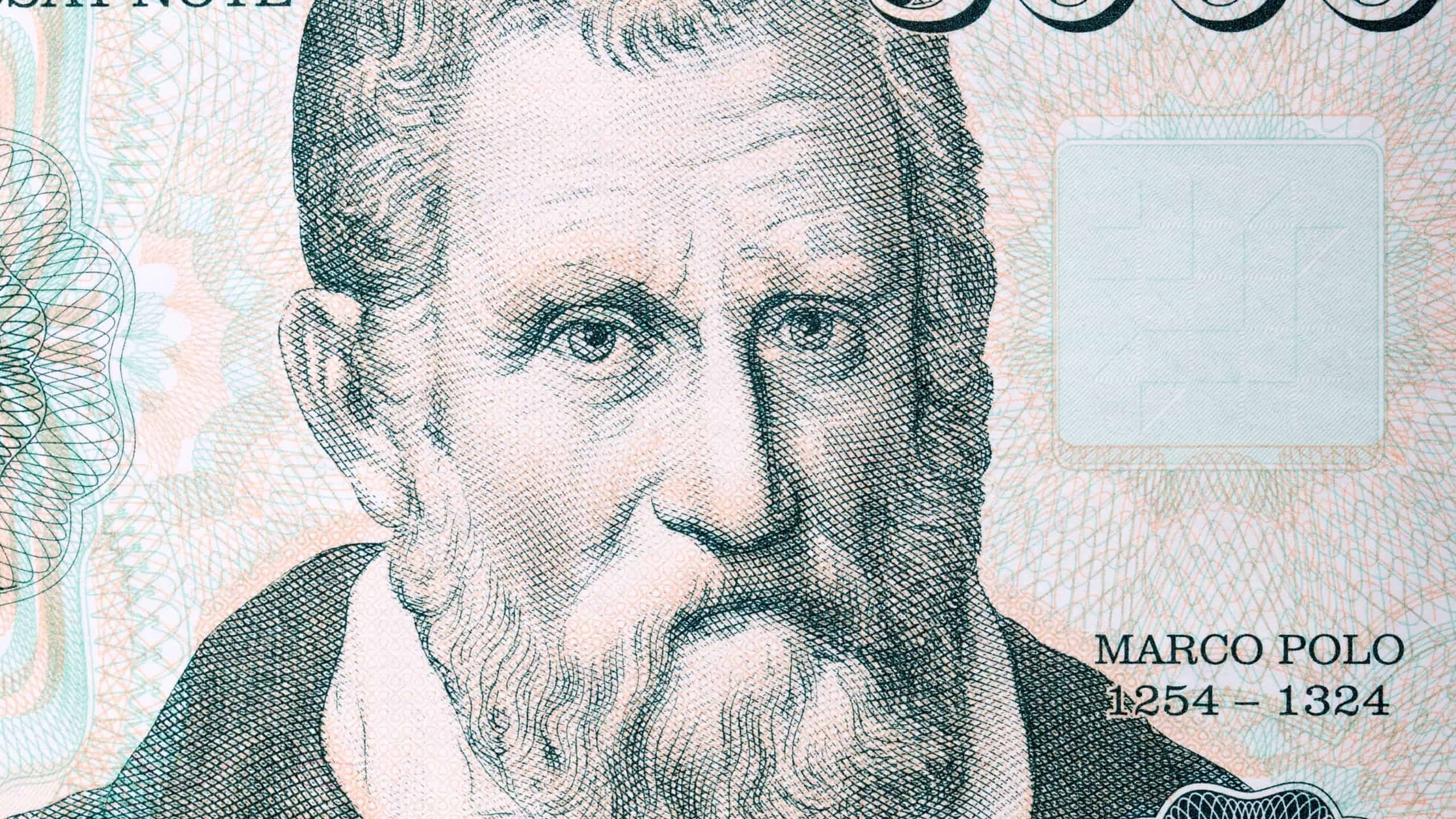
Marco Polo was only seventeen years old when he set off on a journey across Asia in 1271. He wasn’t alone, though, as he left Venice with his father and uncle. The trio eventually reached the court of Kublai Khan, the Mongol ruler of China. They stayed there for several years.
Polo returned to Venice in 1295 and brought with him plenty of stories of life in China. He told Europeans about the enormous Chinese cities and government systems, as well as the trading systems over there. He introduced the Europeans to many new inventions.
Filling in the Pacific’s maps
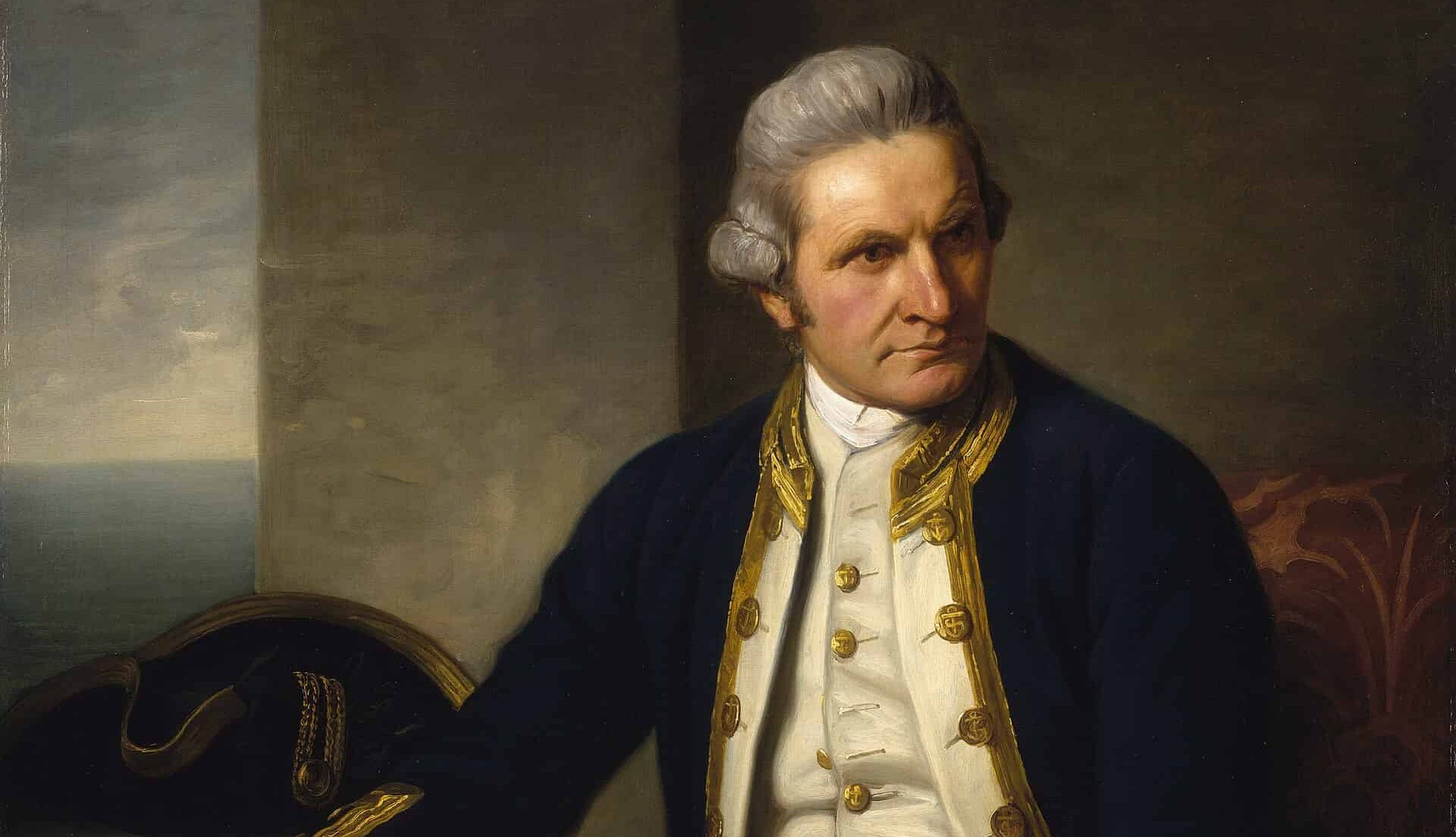
In the 1700s, European maps had a big problem. Many geographers strongly believed there was a huge southern continent, but nobody had been able to fully explore or map it. James Cook was one of the explorers sent to investigate whether that continent actually existed
He ended up mapping New Zealand’s coastline and the eastern coast of Australia, although these places weren’t new to the Indigenous people. They’d lived there for thousands of years, of course. Even so, Cook’s maps were way more detailed than what Europeans had before, and they gave British sailors a much clearer picture of the Pacific.
America before Columbus
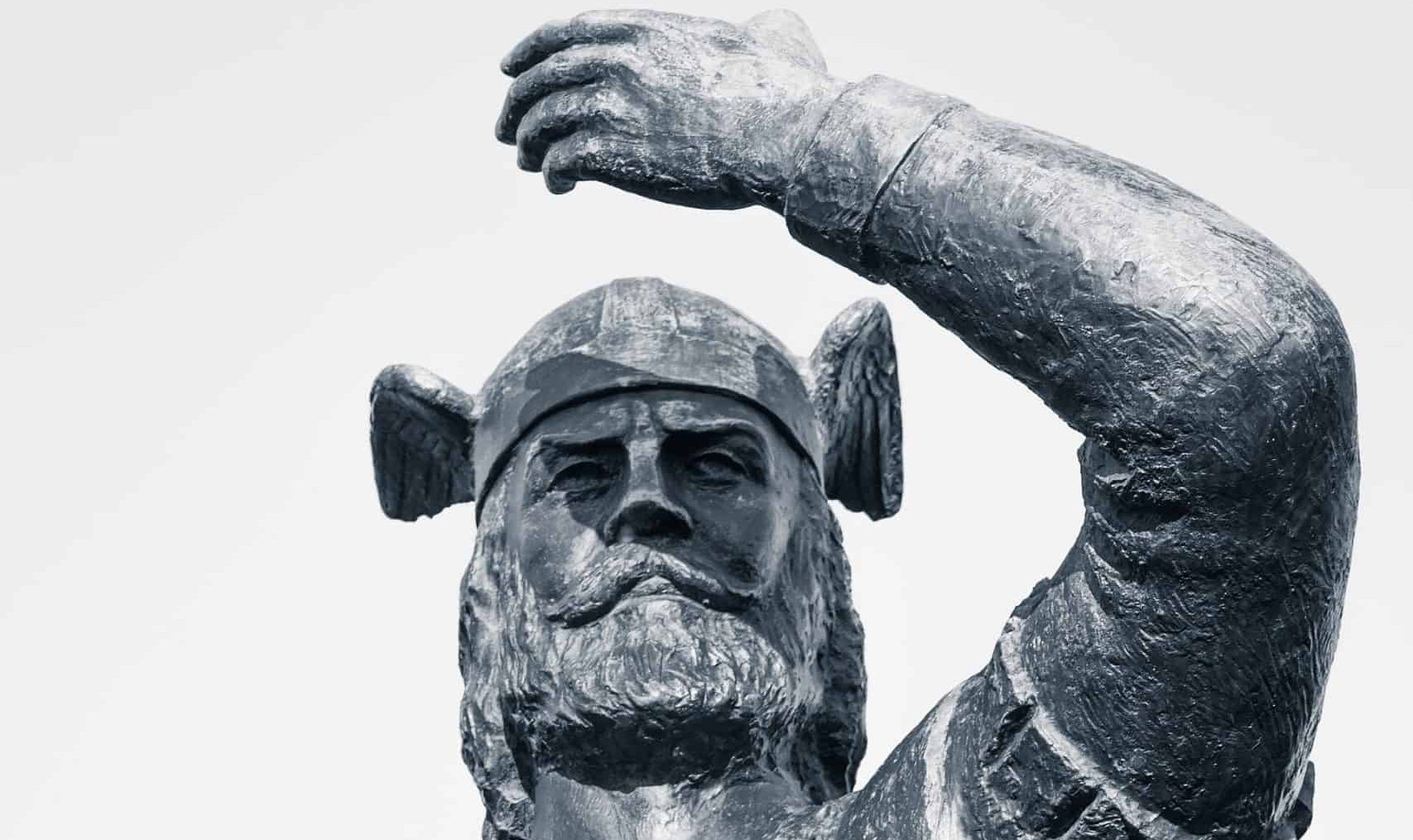
Columbus wasn’t the first European to arrive in America. Around the year 1000, Norse explorer Leif Erikson sailed west from Greenland and reached North America. Archaeologists have even found evidence of Norse activity there.
Thanks to archaeological discoveries and accounts of Norse voyages, we know that Europeans crossed the Atlantic long before Columbus did. He didn’t create a lasting transatlantic relationship, but still.
A remarkable journey through Africa and Asia
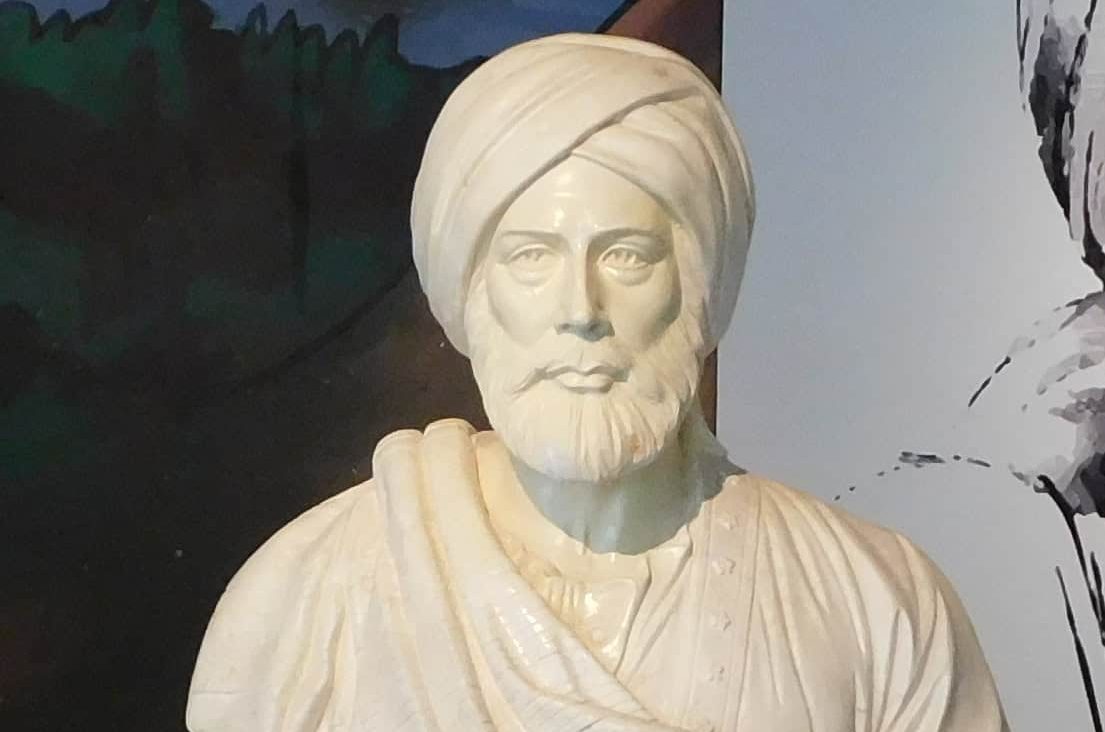
Ibn Battuta left Tangier, Morocco, in 1325, at the age of 21. What started as a pilgrimage to Mecca became a journey lasting decades, and he visited places across North Africa, the Middle East, and Asia. He also spent time working as a judge in India.
As such, he had plenty of things to tell people back in Morocco, including lots of details of fourteenth-century cities and rulers. His accounts helped detail the extensive trade networks that already connected different parts of the Islamic world.
England’s journey into the Pacific
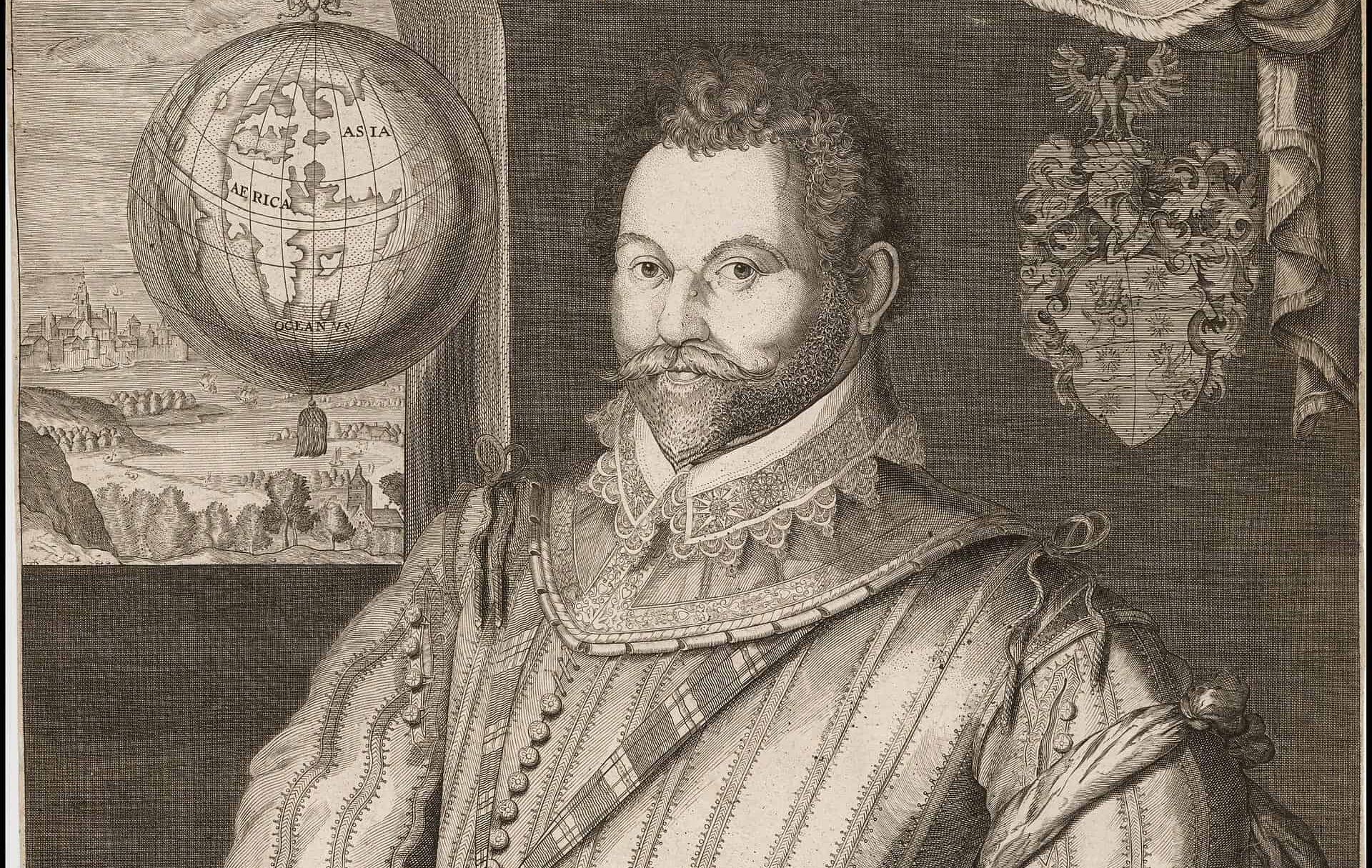
In December 1577, Francis Drake set off from Plymouth, England, although he wasn’t simply going for a fun vacation. No, his goal was Spanish treasure ships and overseas possessions. He led his expedition in attacks on Spanish shipping along the Pacific coast of the Americas.
His boats captured some pretty valuable cargo along the way, and in 1579, Drake landed on the California coast. He claimed an area for England that he called New Albion. It was the first successfully completed circumnavigation effort for England. There was plenty of stolen treasure aboard to match.
The fall of an imperial capital

Hernán Cortés arrived in Mexico in 1519. Just a few years later, the city of Tenochtitlan, capital of the Mexica Empire, fell. Cortés had formed alliances with Indigenous groups opposed to Mexica rule, and their forces helped with the city’s defeat.
On August 13, 1521, Tenochtitlan fell, and Spain officially established colonial rule over central Mexico. The history of the Americas completely changed. Now, Spain was a global imperial power, and it had control of places as far away as Mexico.
A rescue across the Southern Ocean
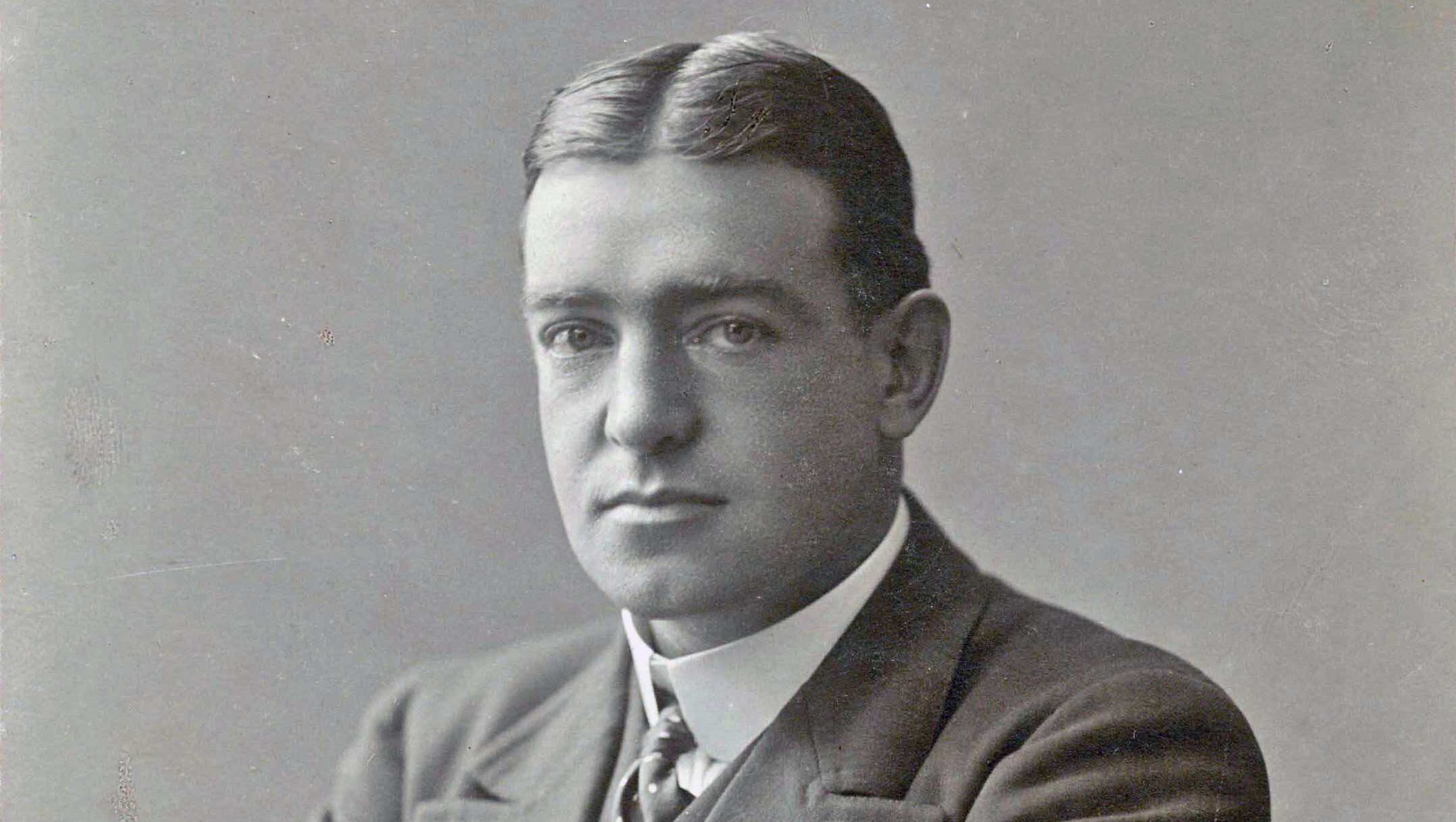
It’s not like Ernest Shackleton was aiming to get stuck on a floating sheet of Antarctic ice. But that’s exactly what happened to him. In 1914, his Endurance expedition began, with the goal of crossing Antarctica on foot. That’s not what happened, though.
His ship became trapped in ice, and it was eventually crushed, although the 28 men aboard survived. Yes, Shackleton failed to complete his planned crossing of Antarctica. Yet Shackleton managed to lead his stranded crew through and get every member of his ship’s party to safety.
Fossils at the bottom of the world
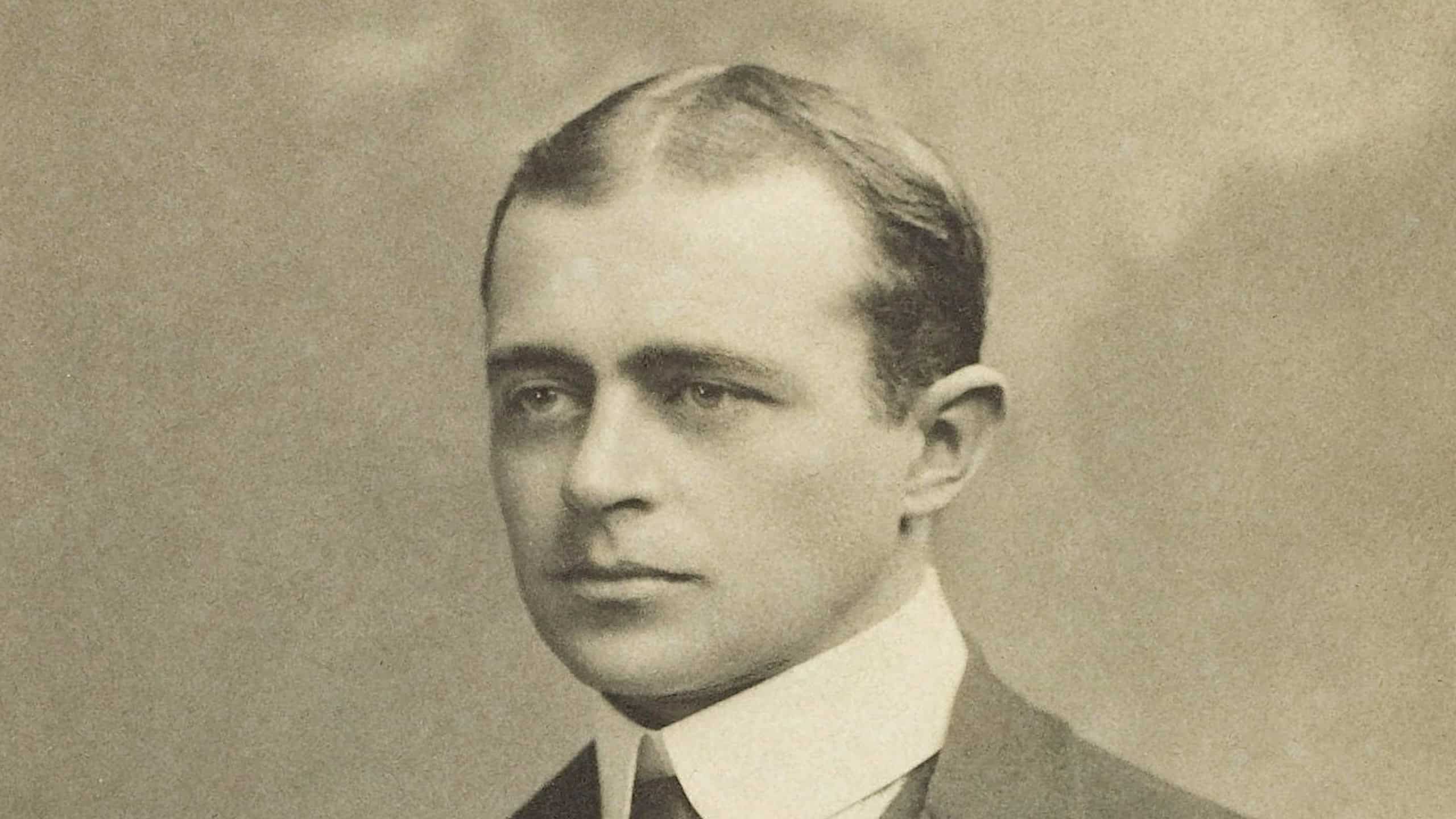
Robert Falcon Scott was another man who tried to reach the South Pole. But he succeeded. He arrived at the Pole on January 17, 1912, only to find that Roald Amundsen had reached it over a month earlier. Scott and his four companions died on their return journey.
However, it wasn’t a completely pointless trip, as his expedition collected plenty of valuable scientific specimens. They found fossils of ancient plants that helped scientists learn a lot more about Antarctica’s prehistoric environment. The samples survived. The five men didn’t.
The islands behind Europe’s spice trade

Nutmeg is such a common spice these days that it’s hard to think it was once rare. But it was. In fact, it was so rare that some explorers sailed thousands of miles to find it, including António de Abreu. He led three Portuguese ships out of Malacca in November 1511 to find it.
Abreu’s group reached Indonesia’s Banda Islands in early 1512 and spent a month trading spices. It was a groundbreaking moment. Now, Portugal had direct access to one of the world’s main sources of nutmeg, and it started centuries of European competition for control of the region’s spice trade.
A sea route around Africa
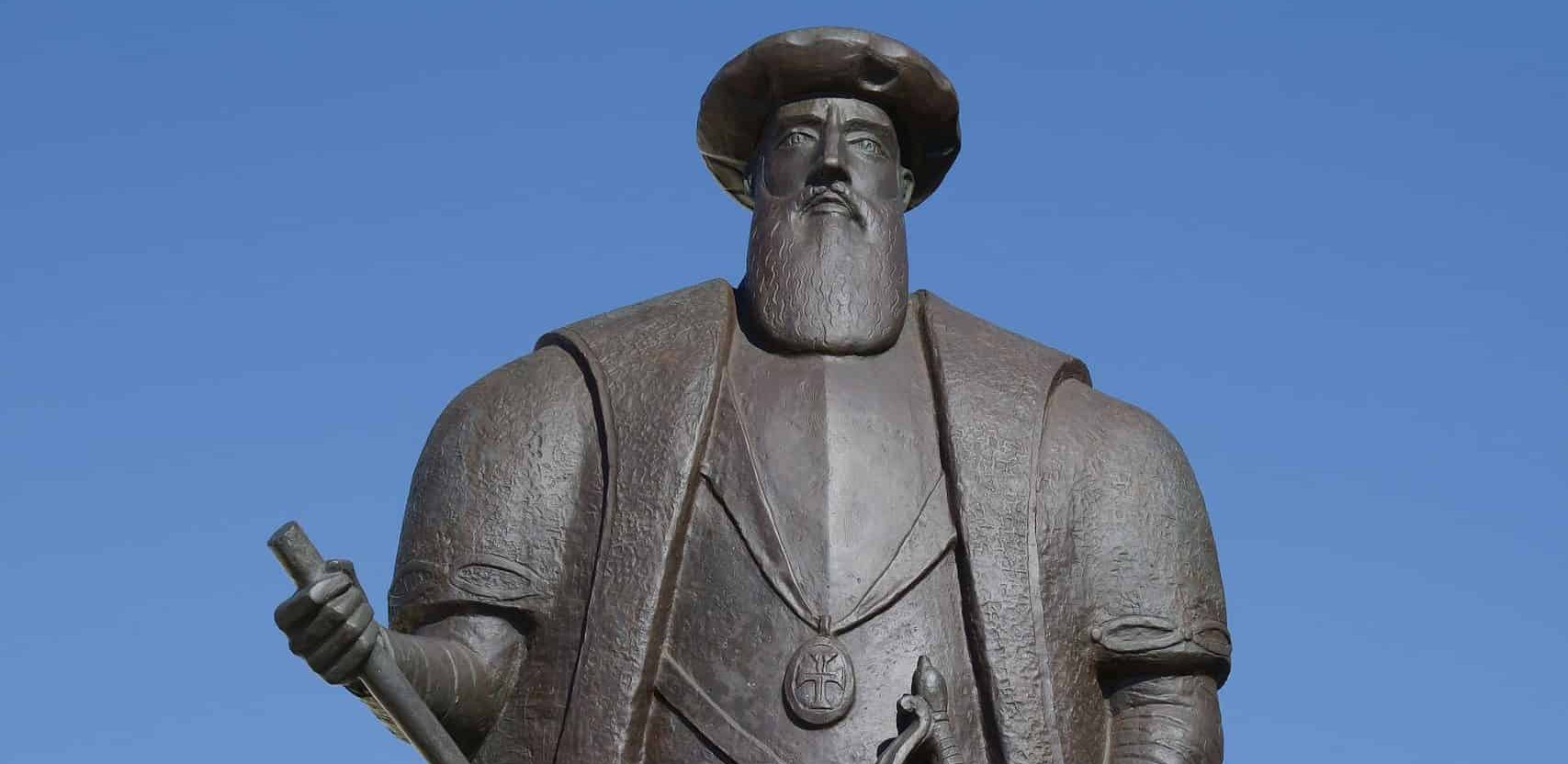
Speaking of spices, getting them from India to Europe used to involve merchants traveling across established trading routes. It was a long and slow process, so Portugal wanted to get another way to get them. Enter Vasco da Gama. He left Lisbon in July 1497 and rounded Africa’s Cape of Good Hope before reaching Calicut, now Kozhikode.
It was already a major Indian trading port by that time, so his arrival wasn’t an introduction to international commerce. But he did manage to create a direct sea route from Europe around Africa to India. That helped Portugal later build a series of fortified ports and challenge the existing Indian Ocean trading powers.
The search that led to New York
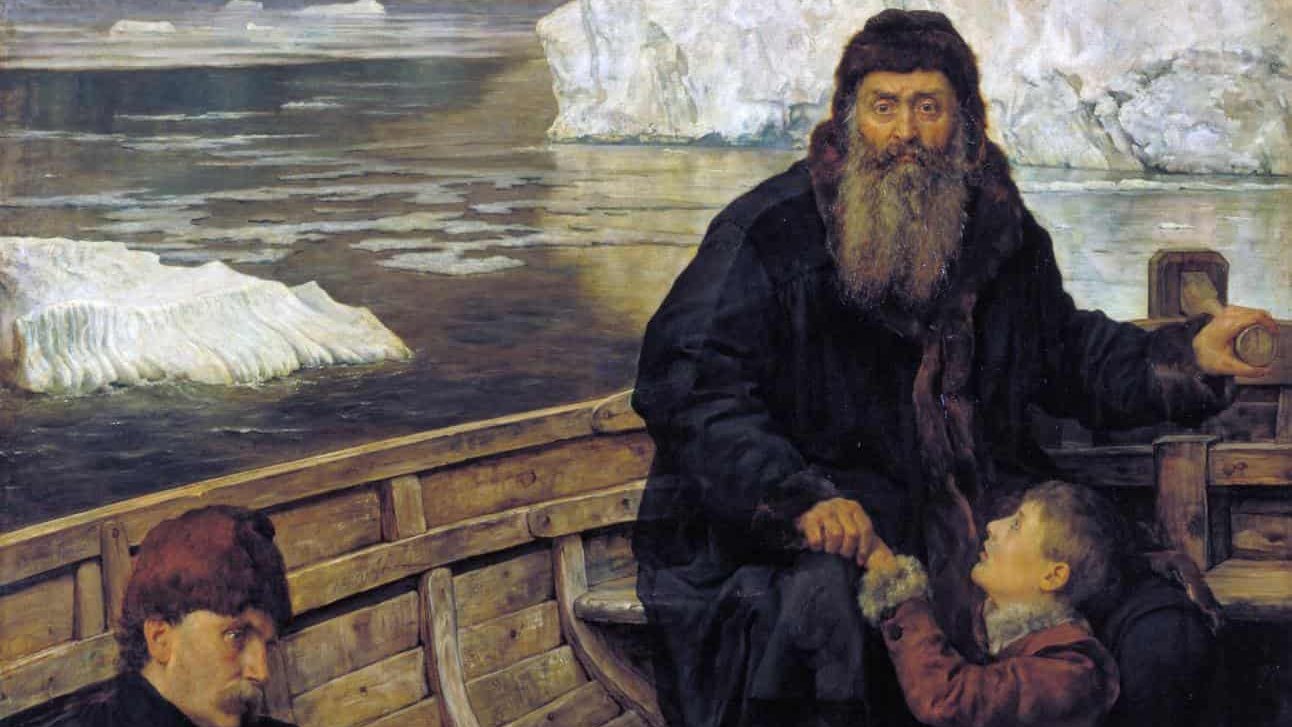
We wouldn’t have New York if it weren’t for Henry Hudson and his 1609 change of plans. The Dutch East India Company originally hired him to find a northern passage to Asia, but Arctic ice meant he couldn’t follow through. He didn’t give up, however.
No, he crossed the Atlantic and explored the river that now carries his name before reaching present-day Albany. The Dutch later established the colony of New Netherland, including New Amsterdam on Manhattan. It eventually became New York City. Hudson’s own story wasn’t as successful, though, as his crew mutinied in June 1611. They abandoned him at sea.
Sources: Please see here for a complete listing of all sources that were consulted in the preparation of this article.
7 ships that made history and 7 that disappeared without a trace
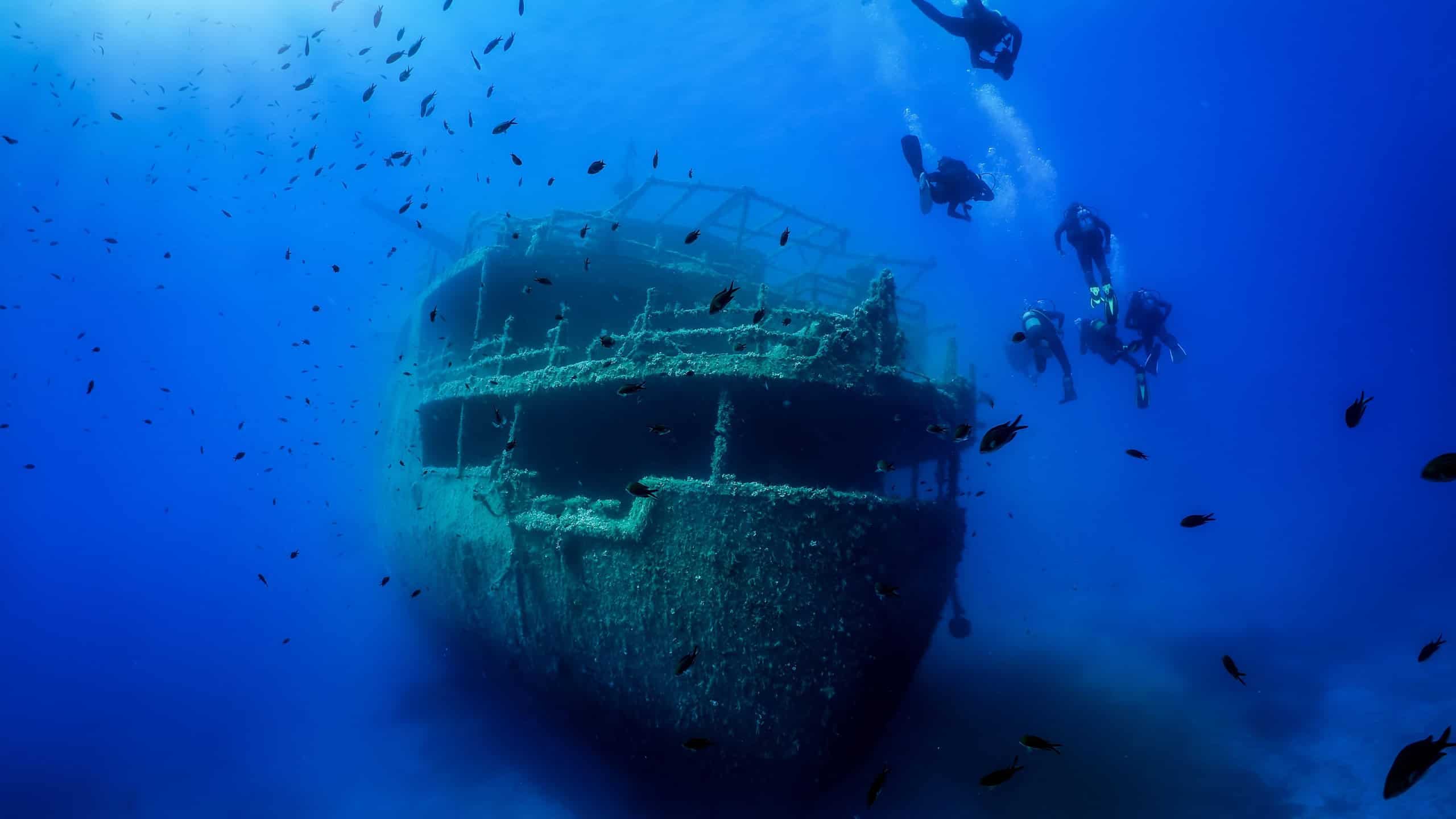
Some ships helped shape history forevermore, and that’s why they’re remembered, while others made it into the history books because they sailed out, never to come back.
7 ships that made history and 7 that disappeared without a trace
