

Most kids worry about things like school and getting in trouble at home, but there are some who had to deal with way more responsibility than they should’ve ever had.
Puyi
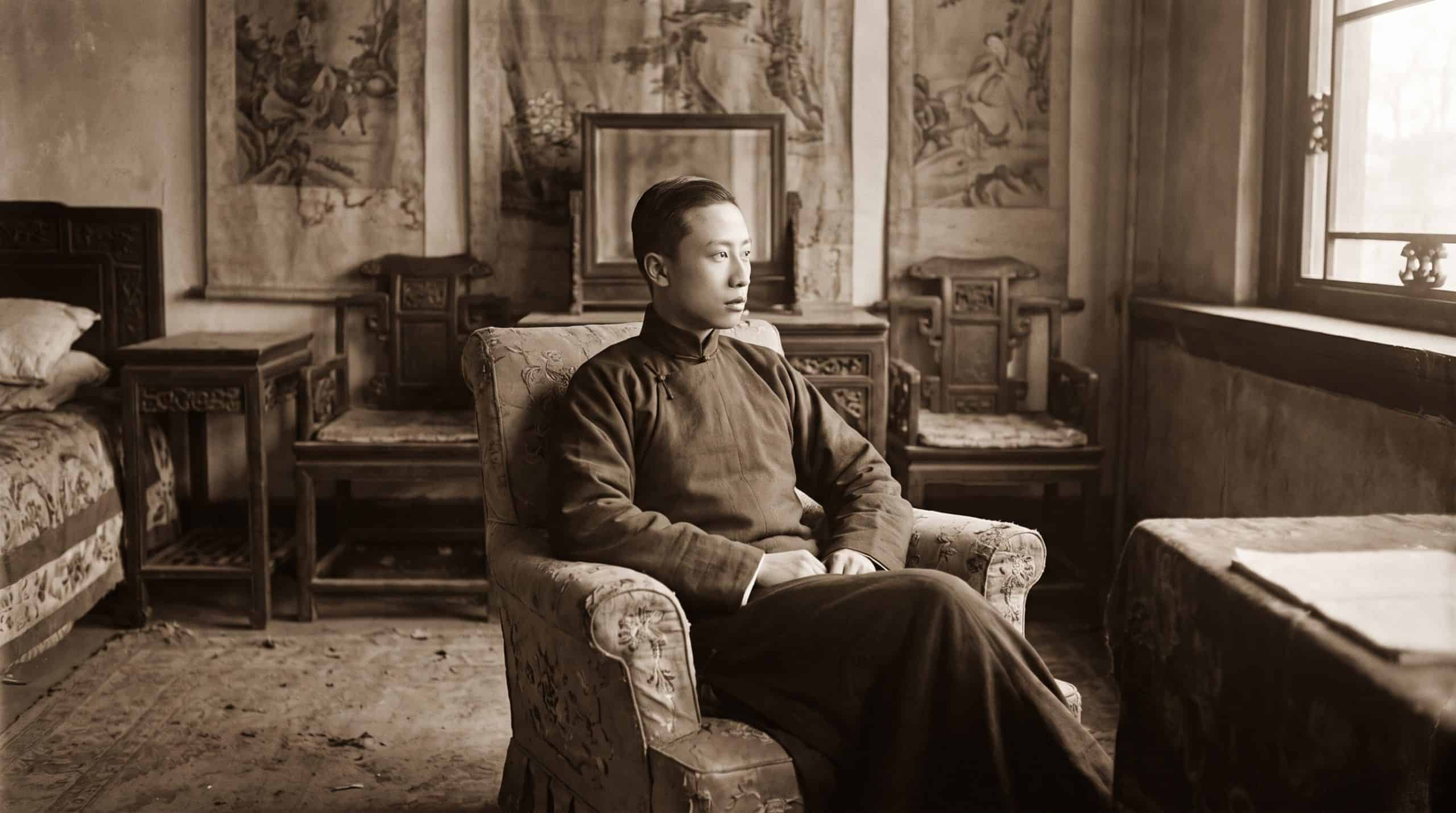
Puyi was barely even a toddler in 1908, yet somehow, he was carried into China’s Forbidden City and became emperor. He was only two years and ten months old. It’s kind of strange, really, the country had a leader who needed adults to dress him and feed him.
It was more of a figurehead role at that time, though. His father, Prince Chun, acted as regent and handled official government business. Puyi actually kept the title for several years until the Qing dynasty collapsed. Empress Dowager Longyu, his adopted mother, signed his abdication in February 1912 when he was six.
Alfonso XIII

Alfonso XIII of Spain was even younger when he inherited the throne. He was actually born as the ruler of the country. His father, Alfonso XII, had died several months earlier, while his mother was still pregnant with Alfonso XIII. The country had to wait and see if the baby would be a boy.
Alfonso was born on May 17, 1886, and immediately became the king of Spain. But like with most young royals, his mother, Maria Christina, ruled as regent while he grew up. It took until 1902, when Alfonso turned 16, for him to finally carry out his own royal duties.
Fuad II

Fuad II’s father, King Farouk, was the leader of Egypt for several years. But then, in 1952, Farouk was forced to abdicate after Egypt’s Free Officers seized power. King Farouk’s government was both ineffective and corrupt, so it’s no surprise people didn’t want him as leader.
That meant the crown passed to Farouk’s six-month-old son, Fuad II. A regency council was supposed to handle all the royal stuff for Fuad, although that never really took off. The military leadership essentially took real control, and Fuad II was the ruler for less than a year. Egypt became a republic in June 1953.
Sobhuza II

King Bhunu was the ruler of Swaziland, modern-day Eswatini, for several years. But then, in December 1899, he died completely unexpectedly. His death made his son, Sobhuza II, the heir to the Swazi kingship, at only four months old. Nobody expected him to start running royal affairs, though.
No, his grandmother, Labotsibeni Mdluli, served as queen regent during his childhood, and Sobhuza was formally installed as king in 1921. He ended up becoming the longest-reigning monarch in all recorded history, with a reign of 82 years and 254 days. That’s what happens when you’re crowned young.
Faisal II
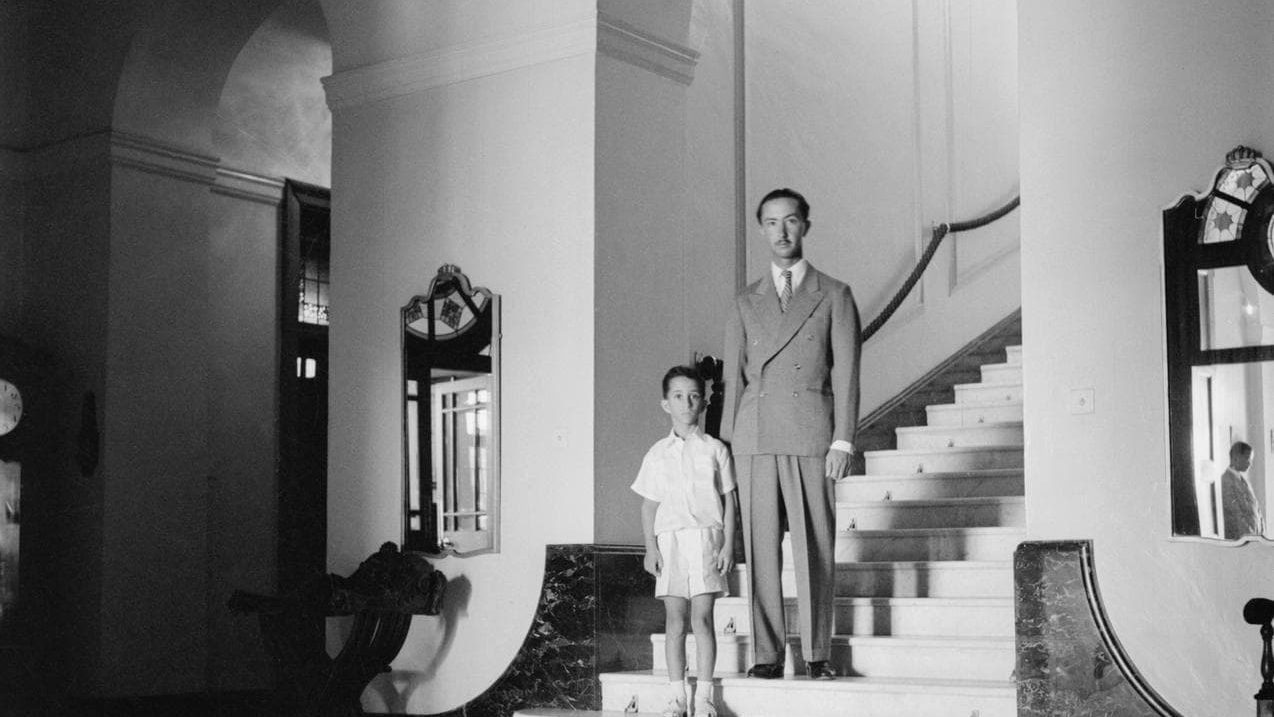
A car crash completely changed the life of three-year-old Faisal II in 1939. His father, King Ghazi of Iraq, died after the accident, and Faisal inherited the crown at that moment. His uncle, Prince Abd al-Ilah, was the regent until Faisal became an adult.
But it wasn’t smooth sailing because a coup pushed the regent out in 1941. British military intervention helped restore Prince Abd al-Ilah, and Faisal eventually took over his royal duties in May 1953. He was the last King of Iraq.
Simeon II
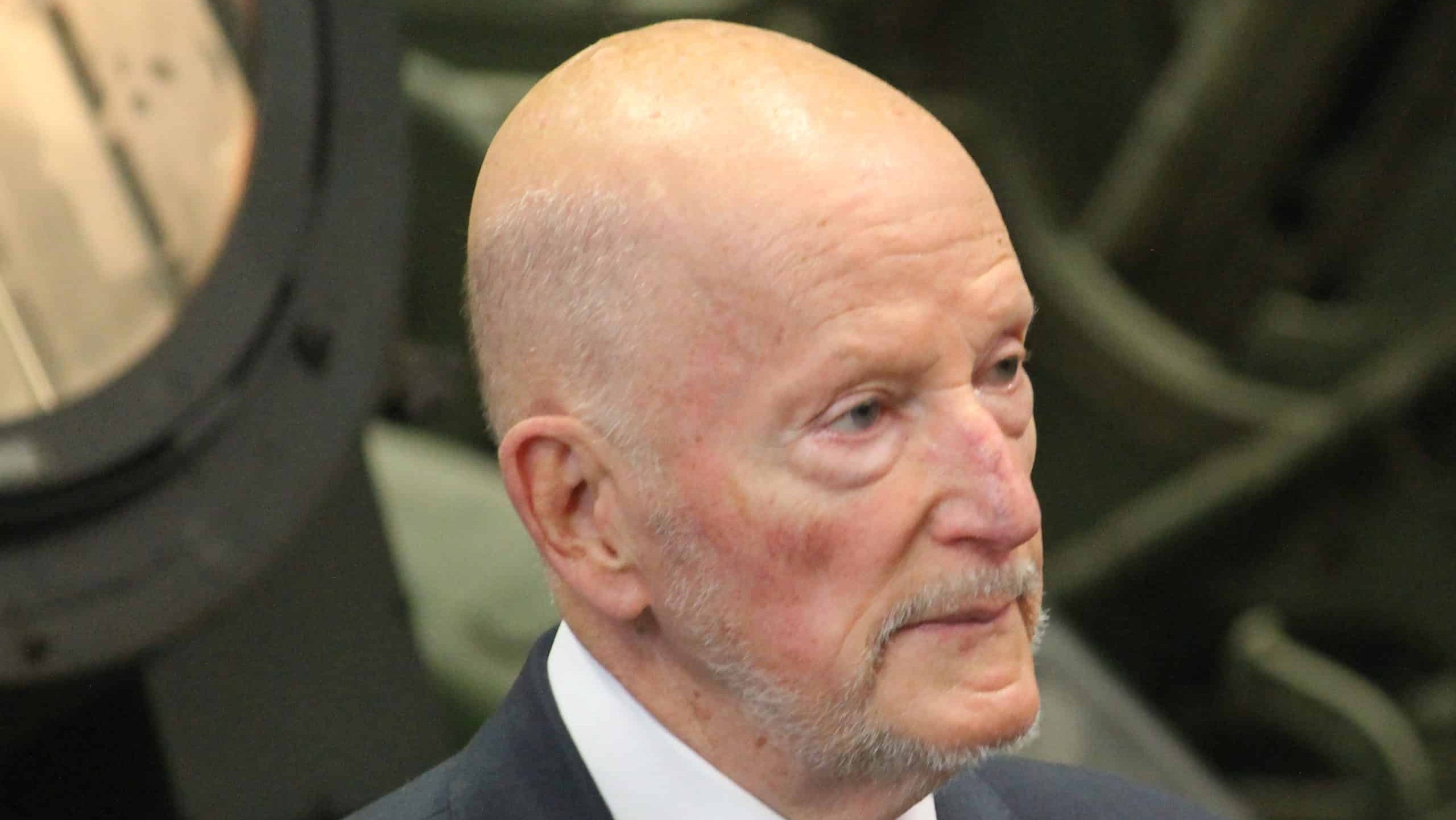
One day, Simeon II was only the King of Bulgaria’s son. The next day, he was the King himself. Yes, in August 1943, Simeon II’s father, Boris III, died unexpectedly, so six-year-old Simeon became Bulgaria’s tsar. It happened right in the middle of World War II.
He had three regents acting in his name, and one of them was his uncle, Prince Kiril. Simeon II didn’t get to experience much time on the throne himself, however, as a new government took power in 1944 and replaced the regents. Bulgaria abolished the monarchy in 1946, and Simeon’s family was forced to leave the country.
Michael I
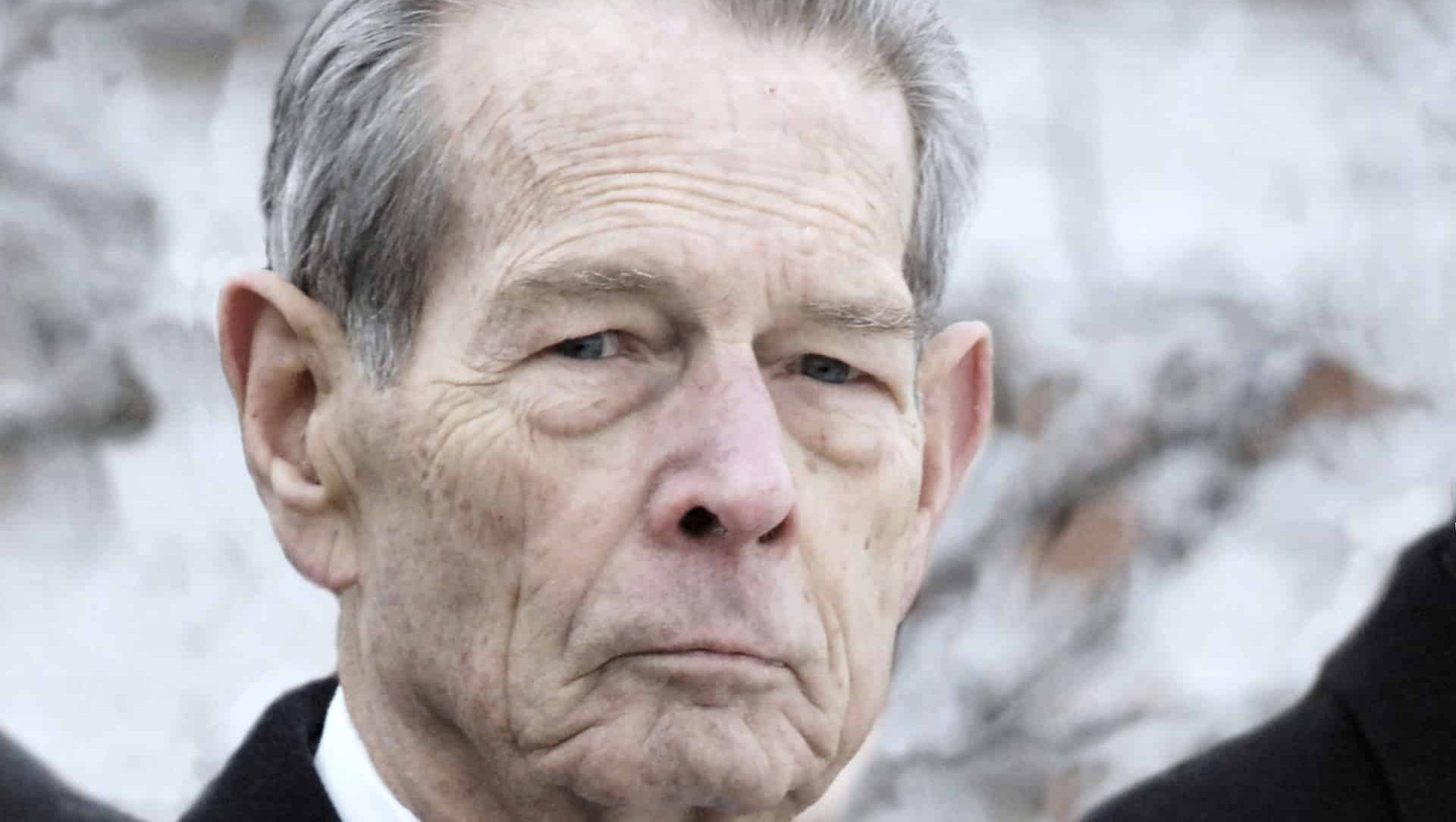
Michael I’s first turn as king also began after a death, but not of his own parents. The story started when Michael’s father, Crown Prince Carol, gave up his claim to the Romanian throne. He’d been involved in a controversial relationship and was forced to leave the country. Michael’s father, Ferdinand I, was in charge, but then he died and left the throne to Michael in 1927.
A regency took over the power for him because he was only five years old, after all. But Carol came back three years later, and took the throne as Carol II. Michael stopped being king. He eventually became King once again in 1940, at the slightly better age of 18. It’s still pretty young, though.
Peter II
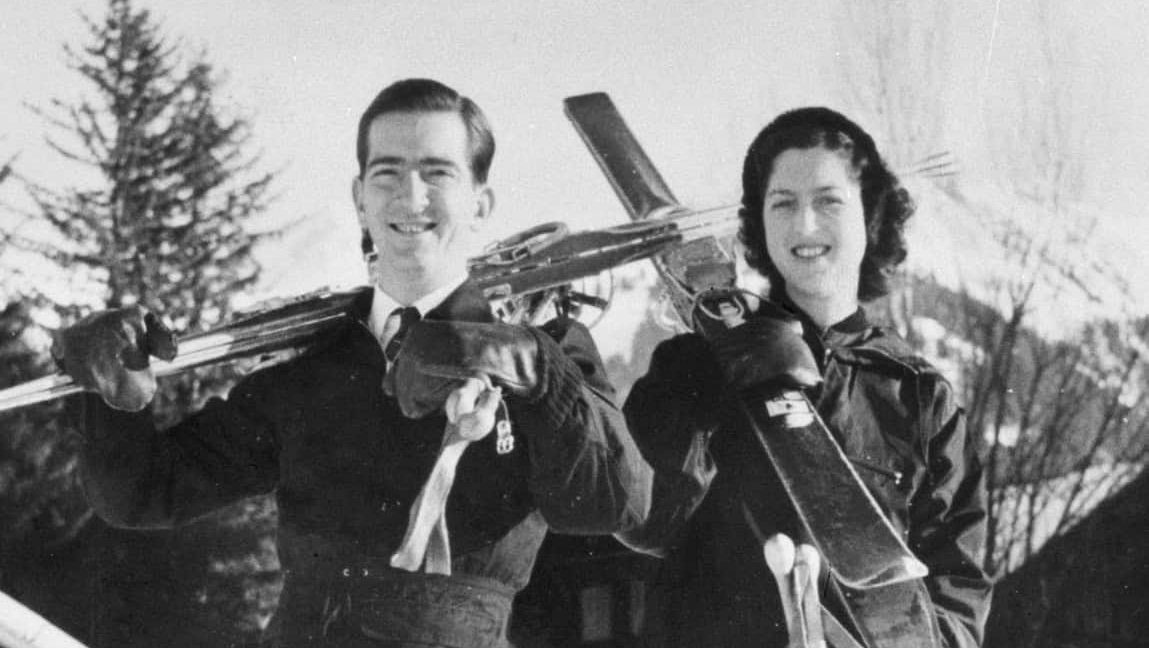
King Alexander I of Yugoslavia was assassinated on October 9, 1934, during a visit to France. That event alone would’ve been shocking enough, but his death also meant that his son, Peter II, was now the country’s leader at 11 years old.
A three-man regency looked after the throne for him so he could continue growing up. It wasn’t exactly a peaceful adolescence, though. A coup in 1941 removed the regency, and Peter was told that, actually, he was now old enough to use royal authority. He was 17.
Ananda Mahidol
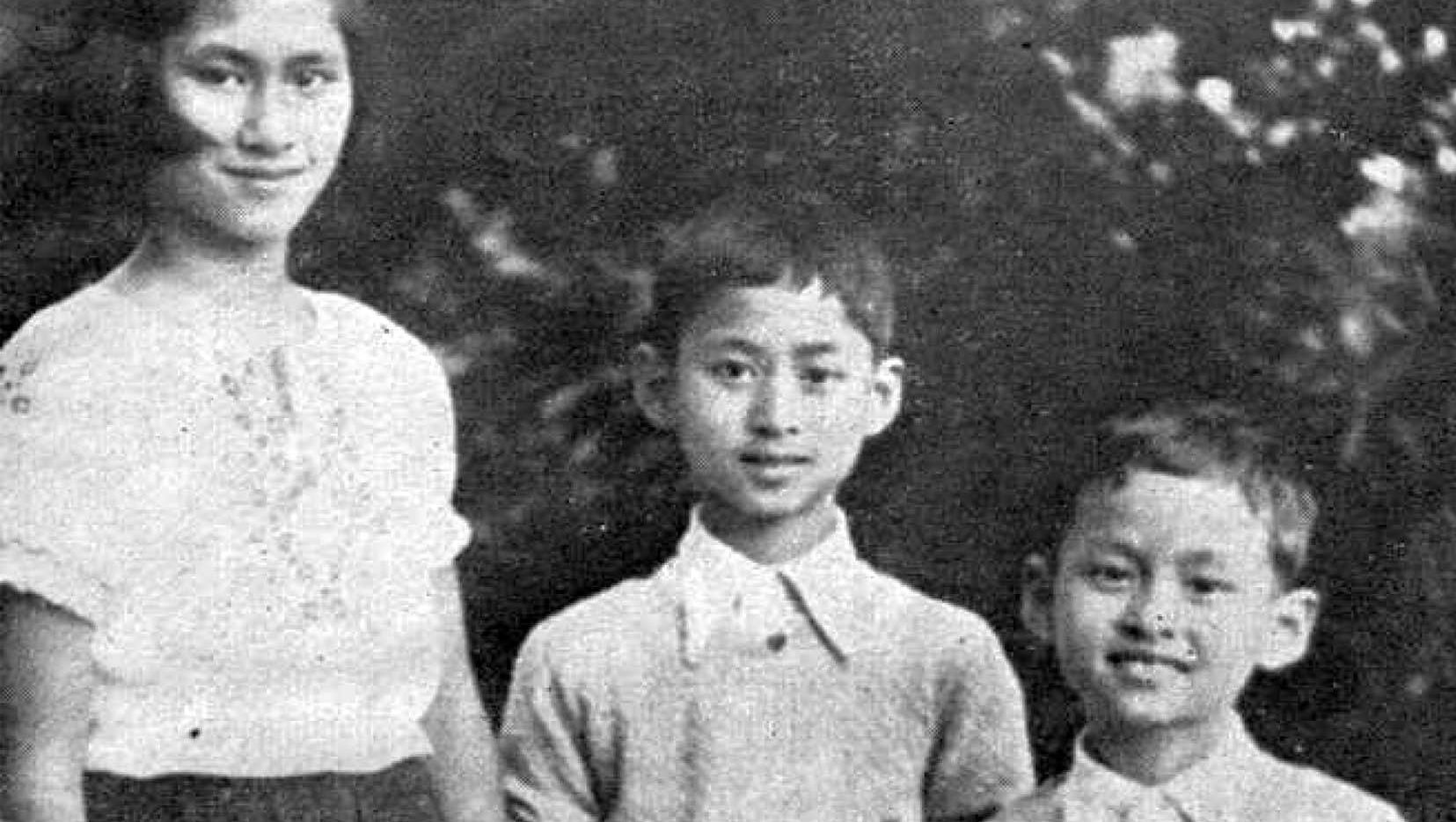
It didn’t matter that Ananda Mahidol lived thousands of miles away in Switzerland, or that he was only nine years old. He became the king of Siam, modern-day Thailand, in 1935 after his uncle King Prajadhipok abdicated. Mahidol was in Switzerland studying at boarding school at the time, funnily enough.
He didn’t need to rush back to Bangkok or anything because a regency council handled all the royal functions while he remained in Europe. He was in Europe when the country’s name changed from Siam to Thailand. Ananda finally returned after World War II and died in Bangkok in 1946, aged 20.
Pedro II
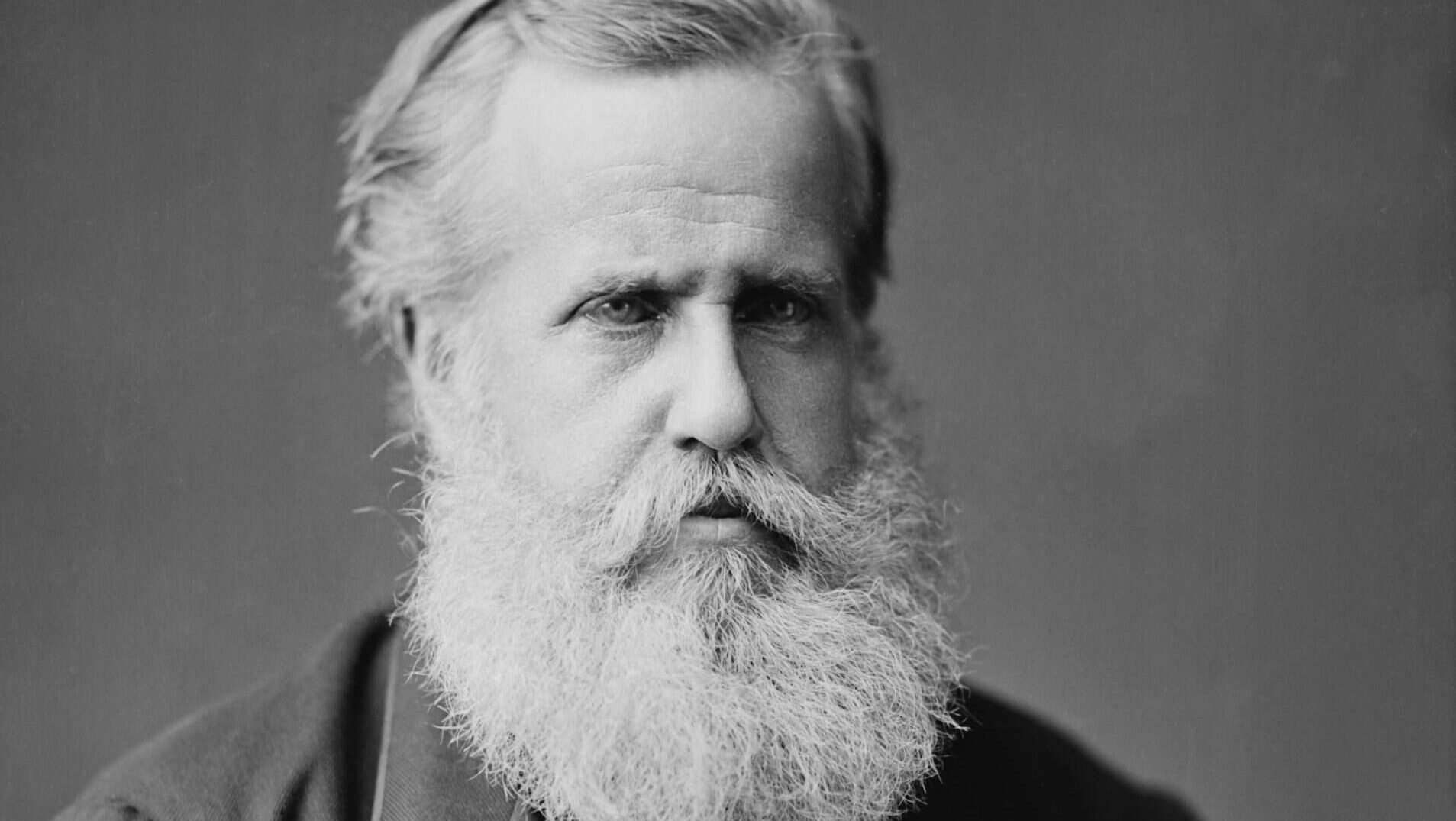
Pedro II was just five years old when his father gave up Brazil’s throne in April 1831. His father sailed back to Europe and left the young boy as emperor, although the regents ran the government in his name.
Pedro spent those years being prepared for the job. He was supposed to become leader when he turned 18, but in 1840, he was declared old enough to begin ruling personally at just 14. His young age might’ve worked in his favor, though, because he’s been repeatedly called the best Brazilian ruler of all time.
Isabella II
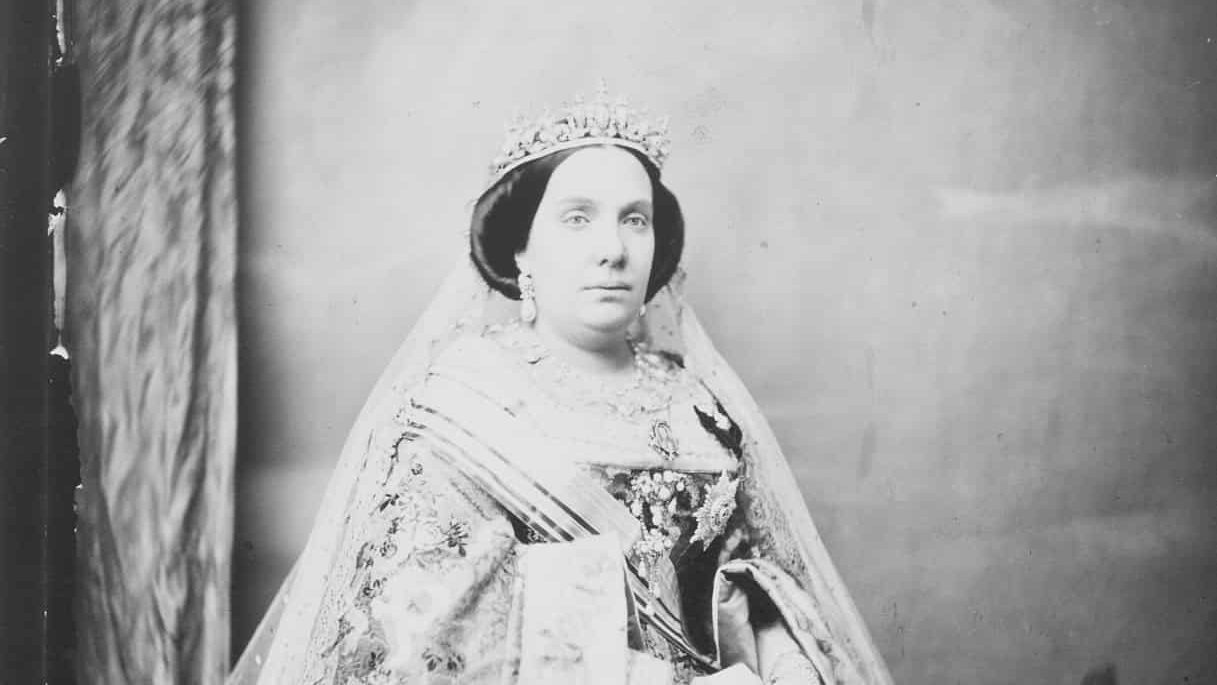
Not all young leaders were men. Just look at Isabella II of Spain, for example, she took the throne in September 1833 at the age of two after her father, Ferdinand VII, died. It was hardly a peaceful transfer of power, however, as her uncle Carlos wasn’t ready to accept that result.
His supporters backed him instead, and the whole thing actually turned into something called the First Carlist War. Yes, Isabella was still a toddler at that time. Her mother, Maria Christina, governed as regent, and General Baldomero Espartero later took over that job. Isabella was declared legally of age in 1843 when she was 13.
Wilhelmina
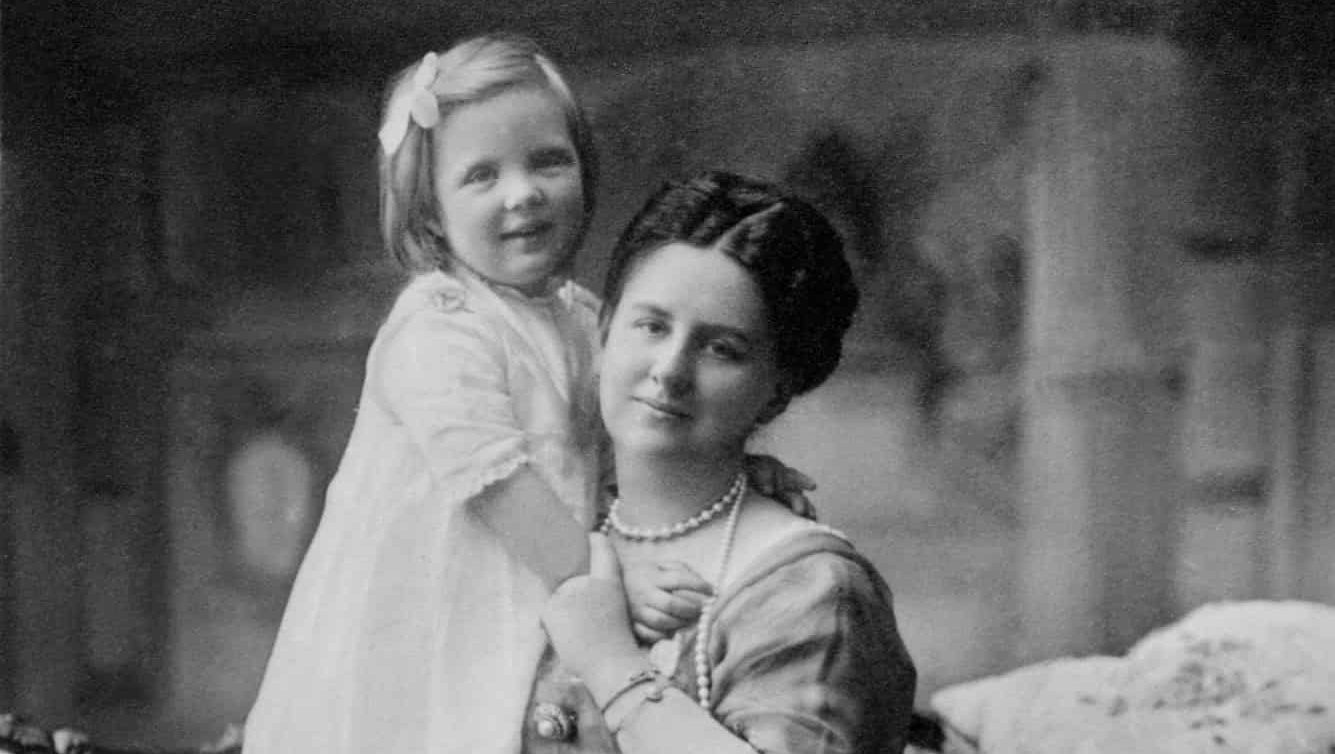
Wilhelmina was 10 years old when she had a country attached to her name. It all started when her father, King Willem III of the Netherlands, died in November 1890, making her the queen. Surprise surprise, her mother, Emma, stepped in as regent and stayed in power for almost eight years.
Wilhelmina was technically the queen the whole time, she just never needed to do any of the job herself. She turned 18 in 1898, and the regency officially ended. She stayed on the throne until abdicating in 1948 due to poor health.
Emperor Meiji
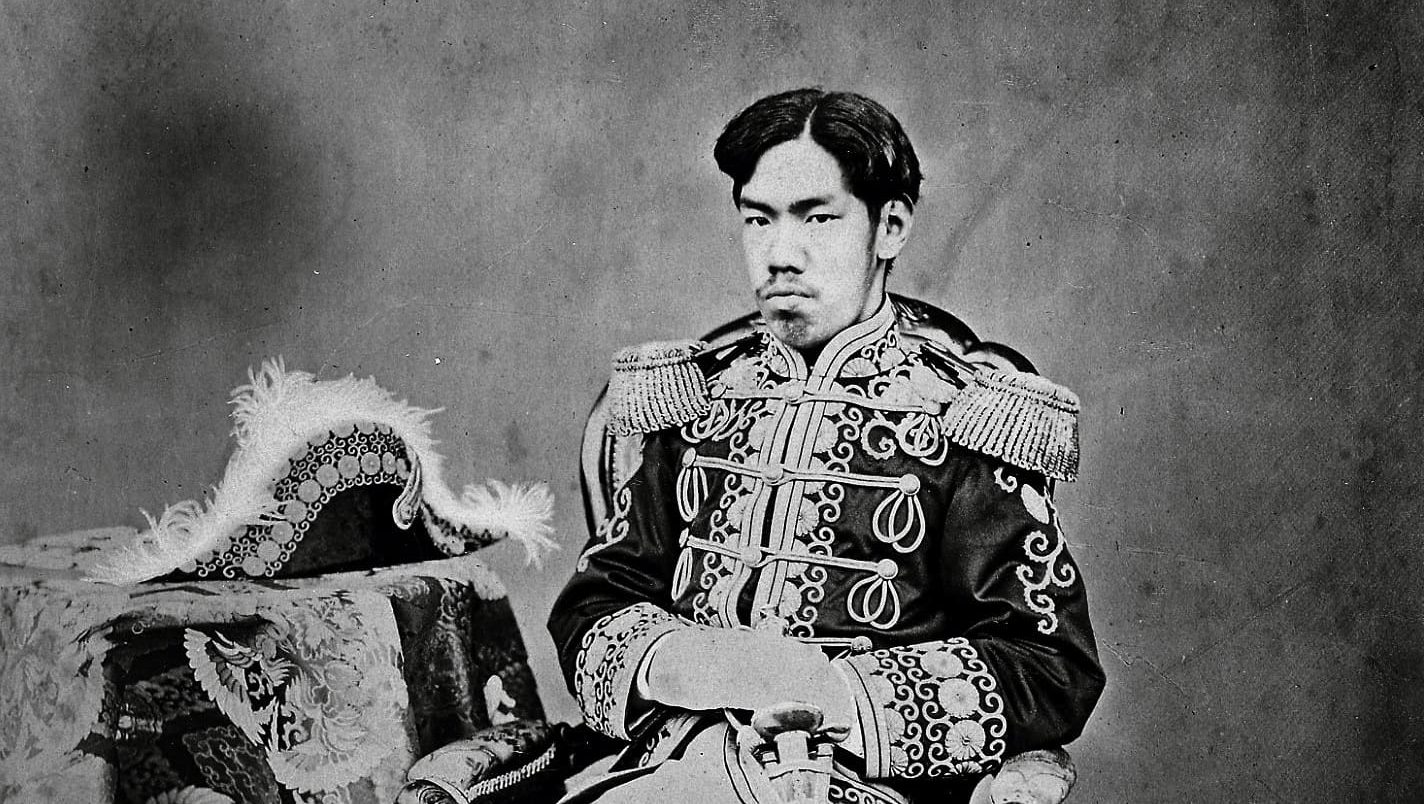
It sounds strange, but it’s true. Fourteen years old sounds almost grown-up compared to some of the ages on this list, although it’s still pretty young. Mutsuhito became Japan’s emperor in 1867 after his father, Emperor Komei, died, and it couldn’t have happened at a worse time.
The Tokugawa shogunate, Japan’s military government, was falling apart, and power was going back to the imperial court. In 1868, Mutsuhito, known as Emperor Meiji, proclaimed the Charter Oath to lay out principles for the new government. Japan was reorganizing how the country was run while its official leader was only 15.
Sources: Please see here for a complete listing of all sources that were consulted in the preparation of this article.

